2027 Online Web Design Bachelor's Degree Programs With Open Enrollment

Co-Founder and Chief Data Scientist
Many potential students face the challenge of securing admission to online web design bachelor's degree programs that welcome learners without stringent entry requirements. This obstacle especially impacts nontraditional students balancing employment or family responsibilities, as open enrollment options often provide essential flexibility. Recent data shows that programs with open enrollment have seen a 25% increase in nontraditional student participation over the past five years.
This article explores accessible online web design bachelor's degree programs with open enrollment, highlighting how these options support flexible learning paths and greater inclusivity for those eager to enter the growing digital design workforce.
Key Benefits of Online Web Design Bachelor's Degree Programs With Open Enrollment
- Flexible start dates allow students to begin their web design bachelor's degree programs year-round, accommodating diverse schedules and accelerating time to degree completion.
- Open enrollment policies reduce traditional barriers, offering accessible admissions pathways that welcome nontraditional and working students without restrictive deadlines or entrance exams.
- Online formats provide convenience for busy learners, enabling coursework completion from any location while balancing employment or personal commitments, with 60% of online students citing flexibility as a top benefit.
Who Qualifies for an Online Web Design Bachelor's Degree With Open Enrollment?
Open enrollment policies in online web design bachelor's degree programs are intended to widen access to higher education, removing traditional barriers for many prospective students. Nearly 40% of undergraduate students in the U.S. are nontraditional, highlighting the growing need for flexible admissions pathways. These policies emphasize inclusion by prioritizing motivation and potential over rigid academic standards, making education reachable for a broader demographic. Below are typical groups who meet the eligibility requirements for online web design bachelor's degree studies under such open enrollment web design bachelor's programs admissions criteria.
- Recent High School Graduates: Students fresh from high school seeking a straightforward entry into college benefit from open enrollment by avoiding the complexities of competitive admission. This pathway enables them to start their studies in web design with minimal hassle.
- Working Adults: Individuals balancing jobs and family life value the flexibility offered by online programs with lenient admissions. This group includes those who need adaptable schedules and accessible enrollment to pursue career advancement or change.
- Nontraditional Students: This category encompasses returning learners and those who delayed higher education. Open enrollment helps these students navigate unique life circumstances while continuing their educational journey in web design.
- Transfer Students: People who have completed some college credits but lack a degree find open enrollment appealing for transferring their credits smoothly. This avoids reapplying through restrictive admissions and accelerates their progress toward a web design bachelor's degree.
- Career Changers: Those exploring new professional opportunities in tech fields like web design rely on accessible, career-focused programs. Open enrollment supports their transition by removing academic entry barriers and highlighting practical skills development.
For individuals considering their academic and career options, understanding these pathways can help identify suitable programs. Resources highlighting the best majors in college can also inform decisions aligned with long-term goals.
What Is the Difference Between Open Enrollment and Rolling Admission in an Online Web Design Bachelor's Degree?
Open enrollment and rolling admission are often confused but represent distinct approaches to admissions and enrollment timing for online web design bachelor's degree programs. Nearly 40% of online programs use some form of open enrollment or rolling admission to offer more flexibility to nontraditional students. Recognizing the differences between these options can help learners select a program aligned with their needs.
Open Enrollment
- Admission Flexibility: Open enrollment accepts most applicants, removing many traditional barriers. This approach aims to widen access, especially for students who need flexible start dates.
- Application Timing: Programs often have no fixed deadlines, allowing students to apply and begin studies throughout the year.
- Evaluation Process: Typically, minimal or no application review is required, streamlining admission for many students.
- Enrollment Structure: Multiple start dates and ongoing entry points support continuous enrollment and accommodate diverse schedules.
Rolling Admission
- Admission Flexibility: Applications are reviewed individually, making this a more selective process than open enrollment.
- Application Timing: Students can apply continuously until the program reaches full capacity, following a first-come, first-served system.
- Evaluation Process: Admissions decisions are rendered promptly after submission, balancing flexibility with selection criteria.
- Enrollment Structure: Enrollment begins after acceptance, with fewer start dates than open enrollment models.
For those exploring options beyond undergraduate programs, there are valuable resources available, such as programs for an online phd in organizational leadership, demonstrating the range of flexible online education paths. Understanding the differences between open enrollment and rolling admission online programs can help students choose the best path within the evolving landscape of online web design bachelor's degree open enrollment policies.
2026 Update: Check Curriculum and Portfolio Fit Before Enrolling
For this 2026 update, we added guidance on evaluating whether an open enrollment web design bachelor’s program will actually help students build job-ready design work, not just provide flexible access.
- Review whether courses cover responsive design, UX/UI principles, accessibility, visual design, and front-end basics.
- Check if the program requires a portfolio, capstone, or project-based assignments you can show employers.
- Confirm which design and development tools students are expected to use and whether they match current workplace practices.
- Look for feedback opportunities from instructors, peers, or industry-connected reviewers.
- Ask whether prior work, transfer credits, or professional experience can help you move through the degree more efficiently.
- Make sure online labs, software access, and technical support are available before classes begin.
This helps students choose an accessible program that also supports skill development, stronger portfolio work, and a smoother path toward web design roles.
What Are the Admission Requirements for an Online Web Design Bachelor's Degree With Open Enrollment?
Online web design bachelor's degree programs with open enrollment often feature more flexible and inclusive admission standards than traditional degrees. Nearly 40% of U.S. colleges now offer some form of open enrollment, reflecting a growing trend toward wider access and less restrictive application processes. Below are some common admission components for these programs.
- Proof of Prior Education: Applicants usually need to provide evidence of high school completion or an equivalent credential to confirm basic academic readiness for college-level work.
- Application Materials: Candidates must submit a simple application form that typically requests personal details and may include a brief statement explaining their interest in pursuing web design.
- Identity Verification: To uphold academic honesty and secure records, programs often require verification of identity, ensuring the authenticity of the applicant.
- Online Learning Preparedness: Many programs assess whether students are equipped to handle virtual coursework, including having necessary technology, basic computer literacy, and reliable internet access.
One current student in an online web design bachelor's program with open enrollment shared that initially, they felt uncertain about meeting all the requirements. "Submitting my high school diploma was straightforward, but the identity verification process added an extra layer of reassurance," they said. Navigating the proof of readiness for online learning was also a learning curve, as they had to confirm they had a quiet workspace and stable internet before starting. This helped them feel more confident about succeeding in a fully remote environment.
Which Online Web Design Bachelor's Degree Programs Have Open Enrollment?
Open enrollment is becoming increasingly popular across many academic fields to enhance access for a wider range of learners. Nearly 40% of online postsecondary programs in the U.S. have adopted open or rolling enrollment models, allowing students to begin studies without the usual competitive admissions. This approach supports nontraditional students and those seeking the best online web design bachelor's degree programs with flexible admission.
In web design bachelor's degree programs, several key specializations often provide open enrollment options, catering to diverse student goals and interests.
- Visual and User Interface Design: Focuses on crafting appealing and user-friendly digital layouts that improve how visitors interact with websites.
- Front-End Development: Combines design theory with coding languages like HTML, CSS, and JavaScript to create dynamic, interactive web pages.
- Digital Media and Graphic Design: Centers on producing multimedia assets and mastering graphic design tools applicable to web projects.
- UX Research and Strategy: Emphasizes analyzing user behavior and applying insights to optimize website usability and effectiveness.
- Web Content Management: Involves managing digital content platforms such as CMSs, ensuring streamlined online publishing.
Students interested in expanding their credentials might also explore fields such as bookkeeper certification, which can complement technical web design skills in various career paths.
How Do I Apply to an Online Web Design Bachelor's Degree With Open Enrollment?
Applying to an online web design bachelor's degree program with open enrollment is designed to be simple and flexible, making higher education accessible to a wide range of students. The process typically removes traditional barriers like fixed deadlines, enabling applicants to begin studies when it suits them. Here's a clear breakdown of the main steps involved:
- Create an Account: Start by registering on the college's online application platform. This account allows you to submit forms, monitor your application status, and communicate with admissions staff.
- Complete the Application: Fill out the application form with personal details, educational background, and your chosen major. This process is usually straightforward and user-friendly.
- Submit Required Documents: Upload important paperwork such as your high school diploma and transcripts. Most programs with open enrollment don't demand test scores, which streamlines submission.
- Confirm Enrollment Details: Review your start dates, payment options, and orientation schedules carefully. Schools often provide a welcome package or access to a student portal to help you prepare.
- Receive Next Steps: Once accepted, you'll get guidance on advising appointments or course registration to start your studies promptly without delay.
A graduate from an online web design bachelor's degree program with open enrollment shared that the flexible timeline eased much of the usual pressure she expected. She recalled feeling uncertain about how detailed her initial paperwork needed to be but found support readily available through the application portal. "It was reassuring that I could ask questions directly and not wait weeks for a response," she said. Navigating the document upload was surprisingly simple, and the immediate confirmation of enrollment details helped her plan ahead. She appreciated how the process respected her busy schedule while still keeping everything clear, saying the program's structure ultimately "made the transition into online learning feel smooth and manageable."
Can I Start an Online Web Design Bachelor's Degree at Any Time?
Many online web design bachelor's programs with open enrollment offer flexible start times, allowing students to begin their studies at various points throughout the year. About 70% of online degree programs in the U.S. provide more than two start dates annually, reflecting a growing trend toward accommodating students with diverse schedules. The availability of start dates, however, depends largely on program design and policies.
Consider these important factors when evaluating how quickly you can begin your online web design degree:
- Continuous Enrollment: Certain programs permit students to enroll and start classes at any time, providing rolling admissions without the constraints of fixed terms or semesters.
- Multiple Start Dates: Many programs operate on quarterly or monthly start schedules, giving students several chances each year to begin without long waits.
- Program Pacing: Self-paced courses allow immediate progress at the learner's own speed, while cohort-based formats may require waiting until the next group starts together.
- Processing Time: Enrollment and application reviews can introduce a short delay between applying and actually starting coursework, even with open enrollment policies.
These elements shape when a student can realistically commence their studies. Evaluating each program's specific approach to start dates and pacing is crucial to finding the best fit for your timeline and educational goals.
Is It Easier to Get Into an Online Web Design Bachelor's Degree With Open Enrollment?
Online web design bachelor's degree programs with open enrollment generally ease access by removing traditional admission barriers. These programs usually require only a high school diploma or equivalent and a straightforward application process, eliminating the need for minimum GPA requirements, standardized tests, or detailed essays. This approach broadens opportunities especially for nontraditional and working adult learners. According to the National Center for Education Statistics, nearly 40% of U.S. postsecondary institutions use some form of nonselective admissions, which helps increase accessibility across higher education.
While open enrollment lowers entry hurdles, students still need to demonstrate basic academic readiness and complete the application successfully. This may include submitting transcripts, proof of a diploma or GED, and meeting deadlines. Some programs verify foundational skills in math, reading, and writing through placement tests or orientation modules. Additionally, support services are often available to help enrollees adjust to the demands of an online web design bachelor's curriculum, ensuring they are prepared to succeed once admitted.
How Much Does an Online Web Design Bachelor's Degree With Open Enrollment Cost?
Tuition and total costs for an online web design bachelor's degree with open enrollment vary widely depending on the program structure and institution. National data show that the average tuition and fees for undergraduate online programs in the U.S. is around $14,000 annually. These variations make it essential to consider the different expenses involved in obtaining an affordable online web design bachelor program.
Several key cost components typically influence the overall price of these degrees.
- Tuition Per Credit: Most online web design bachelor's degrees require approximately 120 to 130 credit hours. Since tuition is often charged per credit, small differences in rate per credit hour can significantly affect total program costs.
- Technology Fees: Many programs charge technology or online learning fees to support digital platforms and tools. These fees may be assessed each term or per credit and vary from modest to moderate amounts.
- Course Materials: Expenses for textbooks, software licenses, and specialized design tools add to the total cost. Web design programs often require software not typically needed in other fields, making materials an important consideration.
- Administrative Fees: Application, enrollment, and graduation fees are usually smaller but nonetheless add up, influencing the total investment for students.
Students interested in flexible, open enrollment options may also explore related disciplines, such as human services online degree programs, which sometimes offer alternative paths or complementary skills to web design careers.
Are There Disadvantages to Open Enrollment Online Web Design Bachelor's Degrees?
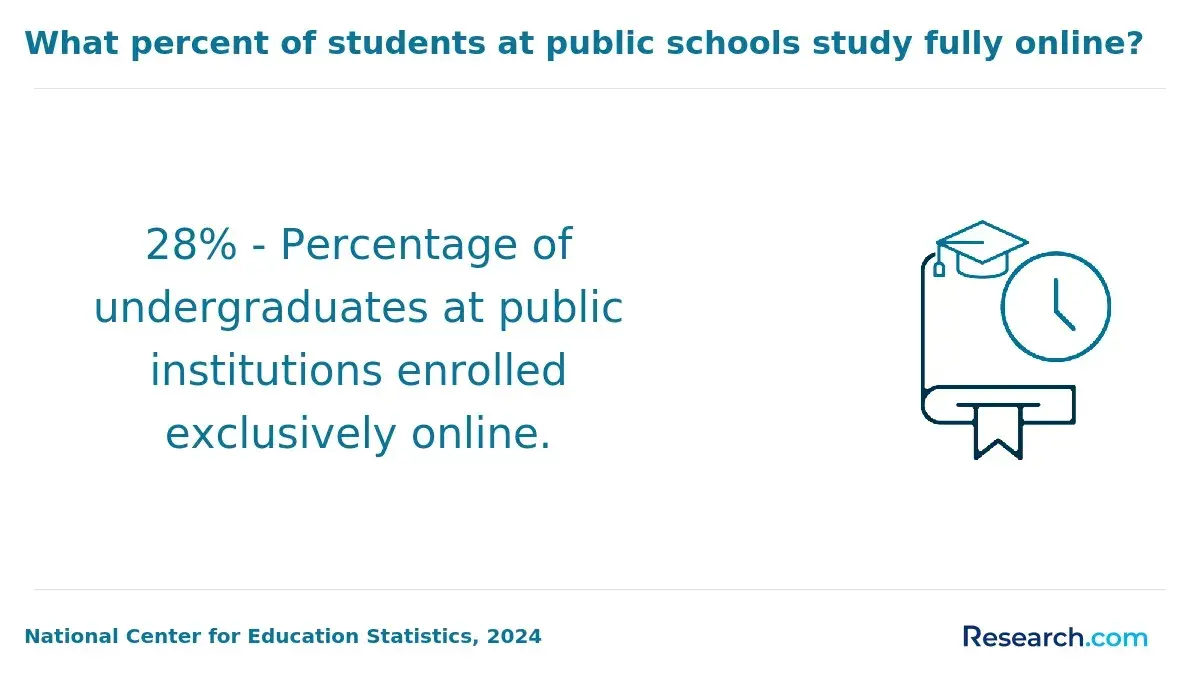
Open enrollment online web design bachelor's degrees increase access by lowering admission barriers, but this accessibility can bring certain limitations for students. One major challenge is retention; data show only about 40% of students in fully online undergraduate programs finish their degrees within six years. These factors suggest potential drawbacks that prospective students should carefully evaluate.
- Less Selective Admissions: Open enrollment programs typically have more relaxed admissions standards, which means student preparedness levels can vary widely. This diversity in readiness may lead to differing paces in coursework completion and affect overall engagement.
- Completion Rates: The limitations of open admission web design degree programs include lower retention and graduation rates compared to more selective formats, emphasizing the importance of self-motivation and persistence.
- Limited Peer Interaction: Students often experience reduced cohort interaction, missing out on networking and community support that more selective, smaller programs tend to foster. This isolation can impact motivation and the quality of learning experiences.
- Self-Discipline Required: The flexible nature of these programs demands strong time management and self-discipline, as students must navigate coursework without traditional campus structures or schedules.
- Support for Nontraditional Learners: While open enrollment broadens access, students may benefit from exploring resources at specialized institutions, such as veteran friendly online colleges, which cater to diverse student needs with added support systems.
How Do I Manage Time in an Open Enrollment Online Web Design Bachelor's Degree?
Success in flexible, self-paced online Web design bachelor's programs heavily depends on managing your time well. Research shows students who maintain steady weekly study habits are 30% more likely to finish their degrees promptly. Implementing smart strategies can help turn this advantage into real progress.
Consider these approaches to optimize your study routine:
- Consistent Scheduling: Establish regular study times each day or week to create structure and reduce procrastination. Align your toughest tasks with periods when you feel most alert and focused.
- Task Prioritization: Organize assignments by deadlines and difficulty to minimize stress. Using to-do lists or digital planners helps you tackle high-priority work first and maintain steady momentum.
- Distraction Reduction: Designate a quiet, interruption-free workspace that limits access to social media and other distractions. This focused setting improves concentration and learning efficiency.
- Progress Monitoring: Regularly review your achievements through self-checks or milestone tracking. Staying aware of your academic status encourages motivation and allows timely adjustments to your study plan.
What Graduates Say About Online Web Design Bachelor's Degree Programs With Open Enrollment
- Jay: "Choosing an online web design bachelor's program with open enrollment was the perfect fit for my unpredictable work schedule. The flexibility allowed me to balance family commitments without sacrificing quality education. Though self-discipline was a challenge, the hands-on projects deeply enhanced my practical skills and confidence in the field."
- Colt: "Pursuing an open enrollment online web design degree initially felt overwhelming due to the lack of a traditional cohort structure. However, this format enabled me to progress at my own pace and revisit complex topics whenever needed. This adaptability directly contributed to landing my first role as a UI/UX specialist, demonstrating real impact on my professional growth."
- Dominic: "I appreciated the accessibility of an open enrollment web design bachelor's program since it eliminated waiting for specific start dates. The biggest challenge was managing time effectively without the structure of in-person classes, but the comprehensive curriculum and responsive instructors made it manageable. Today, I confidently lead freelance projects thanks to the broad skill set I developed throughout the program."
Other Things You Should Know About Web Design Degrees
Programs usually cover foundational topics such as graphic design, user experience (UX), and coding languages like HTML, CSS, and JavaScript. Coursework often also includes digital media production, interactive design, and project management to prepare students for a variety of roles in web design and development.
Yes, many 2027 online web design bachelor's programs with open enrollment incorporate internships or practical projects. These experiences allow students to apply theoretical knowledge, gain industry insights, and strengthen their portfolios, enhancing their readiness for the job market.
These programs typically provide academic advising, technical support, and access to online libraries or career services to assist students throughout their studies. Some institutions also offer virtual workshops and peer collaboration platforms to foster engagement and skill development.
References
- The Problem With Exclusively Online Degree Programs https://tcf.org/content/commentary/the-problem-with-exclusively-online-degree-programs/
- Pros and Cons of Getting a Bachelor's Degree Online https://www.dbu.edu/blog/pros-and-cons-getting-bachelors-degree-online.html
- Online Degree vs. Traditional | University of Arkansas Grantham https://www.uagrantham.edu/blog/pros-cons-online-degree-vs-traditional-university/
- 7 Key Benefits of an Online Degree | Goodwin University https://www.goodwin.edu/enews/7-reasons-to-earn-your-degree-online/
- 5 Essential Time Management Tips for Online Learners https://apuedge.com/5-essential-time-management-tips-for-online-learners/
- 10 Time Management and Productivity Tips for Web Designers Elementor https://elementor.com/blog/time-management-tips-web-designers/
- Time Management Strategies for Online Learners https://online.nmu.edu/time-management-strategies-for-online-learners/
- Top Web Development Degree Programs | ComputerScience.org https://www.computerscience.org/degrees/web-development/
- Online Bachelor's Degree: Web & Digital Design https://www.umgc.edu/online-degrees/bachelors/web-digital-design
- University Web Design Programs: Which One Is Right for You? - Usability Geek https://usabilitygeek.com/university-web-design-programs/