2027 Online Web Design Bachelor's Degree Programs With No Prerequisites

Co-Founder and Chief Data Scientist
Many professionals with undergraduate degrees outside technology face barriers when shifting to web design careers due to strict prerequisite requirements. This challenge limits access for those eager to enter the field without prior technical coursework. Notably, the Bureau of Labor Statistics projects a 13% growth in web developer employment through 2032, reflecting robust demand for new talent. Online web design bachelor's degree programs with no prerequisites offer a flexible, accessible solution for career changers.
This article explores these programs, guiding readers to accredited options that enable a seamless transition into web design without prior experience.
Key Benefits of Online Web Design Bachelor's Degree Programs With No Prerequisites
- Programs with no prerequisites offer flexible schedules, allowing working professionals to balance studies with employment and personal responsibilities effectively.
- Students can rapidly acquire practical web design skills through focused coursework, accelerating career transitions without the delay of prerequisite classes.
- These degrees provide valuable credentials aligned with industry standards while accommodating diverse timelines and budgets, making education accessible for first-generation and career-changing students.
What Does 'No Prerequisites' Mean for Online Web Design Bachelor's Degree Programs, and Who Benefits Most?
The term no prerequisites in the context of online web design bachelor's degree programs means students can enroll without having completed prior coursework or meeting specific academic requirements. This differs from open admission, which generally admits any high school graduate or equivalent, while no prerequisites specifically remove course- or skill-based barriers despite other admission standards possibly remaining. Low-barrier enrollment policies may offer flexible placement tests or alternative assessments rather than eliminating prerequisites entirely.
Students who benefit most from no prerequisites online web design degree programs include career changers entering tech fields without foundational classes, working adults balancing jobs and family seeking straightforward entry, returning learners resuming education after a pause, and first-generation college students facing challenges with prior academic credentials. Data from the National Center for Education Statistics (NCES) shows that nearly 40% of bachelor's degree seekers are non-traditional students-part-time enrollees, adults over 25, or those juggling employment and schooling-highlighting the value of these programs.
Knowledge about no-prerequisite programs supports informed decisions by prospective students. This article covers key topics:
- Admission Criteria: Clarifies distinctions between no prerequisites, open admission, and low-barrier policies to set realistic enrollment expectations.
- Program Quality: Helps identify accredited web design programs that maintain academic rigor despite flexible entry.
- Student Support: Reviews crucial resources like tutoring, career counseling, and tech assistance that foster success.
- Financial Aid: Explains funding options and how no-prerequisite programs manage scholarship and federal aid eligibility.
- Credit Transfer: Discusses opportunities to apply previous credits or work experience toward degree completion.
- Career Outcomes: Details job placement, industry demand, and salary potential within the web design field.
Many learners also explore slp programs online for complementary professional development and alternative career paths.
Which Accredited Online Web Design Bachelor's Programs Accept Students With No Prior College Coursework?
Finding accredited online web design bachelor's programs that accept students with no prior college coursework is crucial for working adults, first-generation learners, and career changers seeking accessible higher education. Several regionally accredited schools offer such programs with open admission policies or alternatives through bridge and foundational courses, supporting a low-barrier entry into the field.
- Fort Hays State University: This public institution offers a fully online Bachelor of Science in Digital Media Production with an emphasis on web design components. Fort Hays State has open admission policies for online undergraduates, allowing enrollment without prior credits and providing foundational courses for those new to college. Its online enrollment surpasses 6,000 students, backed by substantial academic support services.
- Southern New Hampshire University: SNHU's Bachelor of Arts in Graphic Design includes relevant web design coursework. The university accommodates students without formal prerequisites by offering bridge courses that build essential skills. It is regionally accredited and boasts over 135,000 online students, highlighting strong resources and career services.
- Western Governors University: WGU's Bachelor of Arts in Graphic Design is competency-based, allowing students to advance upon mastery rather than time spent. Open to those without previous college coursework after demonstrating readiness, WGU is regionally accredited and supports nearly 140,000 online learners.
- Liberty University: Liberty's Bachelor of Science in Graphic Design emphasizes web-based projects and admits online undergraduates without requiring prior college credits. Foundational classes aid student transition, and the university's online population nears 100,000 with regional accreditation ensuring program quality.
- Herzing University: Offering an online Bachelor of Science in Web Design and Development, Herzing focuses directly on web technologies. Admission criteria allow students without prior college experience, supported by introductory coursework. It holds regional accreditation and specialized technology approvals, serving a smaller but dedicated online community.
All these programs share common features: regional accreditation, flexible admissions especially suited for adult learners and those with no formal prior college experience, plus foundational or bridge courses that either waive prerequisites or provide essential preparation. When evaluating online accredited web design bachelor's programs with open admission policies, students should review financial aid options, credit transfer policies, student support services, and career outcomes to ensure a successful academic path. For those interested in further advancement after a bachelor's, exploring opportunities like a doctorate in leadership online can complement a web design career trajectory.
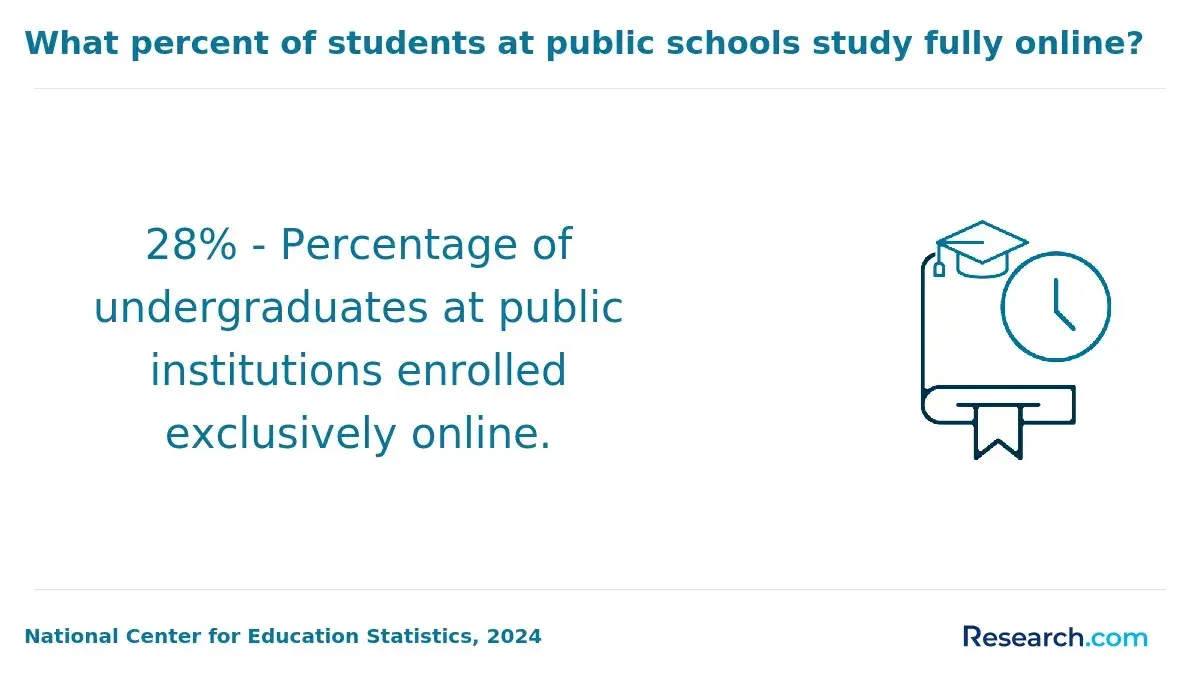
2026 Update: Portfolio Readiness in No-Prerequisite Web Design Programs
This 2026 update adds a career-focused lens to no-prerequisite online web design bachelor’s programs by looking at how well they help beginners build a usable portfolio while earning the degree.
- Whether early courses include hands-on website, UX, visual design, or front-end development projects.
- If students receive feedback on portfolio pieces from instructors with current industry experience.
- Whether the program teaches commonly used design, prototyping, and coding tools instead of only theory.
- If assignments can be revised and polished for a public portfolio before graduation.
- Whether capstone projects involve real-world scenarios, clients, accessibility standards, or responsive design.
- If career services include portfolio reviews, resume help, and interview preparation for web design roles.
Checking these details helps students choose a program that does more than remove entry barriers—it also prepares them to show practical skills to future employers.
How Do Open-Admission Policies in Online Web Design Programs Differ From Traditional Selective Admissions?
Open Admission Defined: Open admission policies allow applicants to enroll in online web design bachelor's programs without needing minimum GPAs, test scores, or prior coursework. Typically, holding a high school diploma or equivalent suffices. This approach contrasts traditional selective admissions, which impose academic filters to restrict entry.
Differences From Other Admissions: Selective admissions evaluate candidates based on academic achievements, while rolling admissions assess applications continuously over time. Conditional admissions grant entry contingent on meeting specific progress benchmarks. Open admission bypasses these complexities, focusing instead on basic eligibility to widen access.
Institutional Examples: Southern New Hampshire University publishes open enrollment data through IPEDS, confirming its low-barrier admissions policy. Rio Salado College explicitly states its open admission policy on its website, reflecting transparency and commitment to accessibility.
Academic Preparation Variance: Students entering via open admission often display a broad range of academic readiness. Institutions typically provide remedial courses, orientations, and academic support services like tutoring to help bridge gaps and prepare students for program demands.
Trade-Offs and Supports: Greater accessibility may come with the need for increased self-discipline and utilization of institutional resources. Though open admission fosters diversity, students should consider if the program's rigor and career pathway align with their aspirations.
Recent Statistic: Approximately 35% of U.S. undergraduates attend open-admission institutions, highlighting the growing role these programs play in expanding educational opportunities.
A professional who pursued an online web design bachelor's degree without prerequisites shared that while the open-admission policy made starting easier, adjusting to course workloads and expectations was initially challenging. He noted, "The lack of entry barriers was encouraging, but I had to quickly learn how to manage time and seek out tutoring when concepts were tough." The flexibility allowed him to balance work and study, yet he emphasized the importance of staying motivated and using the school's student services to succeed. "It wasn't just about getting in; it was about pushing through and proving to myself that I could thrive in a competitive field."
What Are the Typical Enrollment Requirements for No-Prerequisite Online Web Design Bachelor's Programs?
Proof of High School Completion: Applicants generally must verify high school graduation or an equivalent, such as a GED. This ensures that students meet the foundational education standards needed for college-level study, even in no-prerequisite online web design bachelor's programs.
Minimum Age Requirement: Most programs require students to be at least 17 or 18 years old. This protects students and institutions by aligning with legal and institutional regulations.
English Proficiency: For non-native English speakers, submitting standardized test scores like TOEFL or IELTS is often necessary. Demonstrating proficiency guarantees students can fully engage with course material and communication.
Application Documentation: Despite waived formal prerequisites, applicants must complete the full admissions process, including transcripts, identification, and sometimes personal statements. Careful preparation helps ensure a smooth admission experience for these accessible web design programs.
Alternative Enrollment Paths: Those without a diploma may pursue GED certification or dual-enrollment options that combine high school and college credits. These routes help broaden access to online web design bachelor's degrees without prerequisites.
Institutional Differences: Public colleges often practice open enrollment with fewer barriers, while private nonprofit schools may request additional records or placement testing. Understanding these distinctions helps applicants select the best fit.
For working adults or first-generation students considering admission criteria for no-prerequisite online web design bachelor's degrees, reviewing support services and financial aid resources is key. Those exploring related fields might also want to investigate programs like an online master's in social work for parallel options.
Are No-Prerequisite Online Web Design Bachelor's Programs Available at Regionally Accredited Universities?
Regional accreditation plays a crucial role for students seeking no-prerequisite online web design bachelor's programs. It is widely regarded as a hallmark of academic rigor and quality, approved by bodies recognized by the U.S. Department of Education and CHEA. This type of accreditation directly impacts credit transferability, ensuring that coursework can be accepted by other regionally accredited institutions if students decide to switch schools or pursue graduate studies. It also affects eligibility for federal financial aid, which generally requires regional rather than national accreditation.
Employers often prefer degrees from regionally accredited universities because these institutions meet consistent standards of academic and professional preparation, increasing a graduate's competitiveness in the job market. On the other hand, national accreditation-commonly linked to vocational or career-focused schools-may restrict credit transfers and limit financial aid options, which can hinder long-term educational and career flexibility. Prospective students should utilize the Department of Education's accreditation database and CHEA's directory to verify that programs are regionally accredited and offer open admission or low-barrier entry without prerequisites.
- Accreditation Type: Confirm the institution holds regional accreditation recognized by the U.S. Department of Education or CHEA, not just national or specialized credentials.
- Financial Aid Eligibility: Ensure that the program qualifies for federal financial aid, which typically requires regional accreditation.
- Credit Transferability: Investigate if credits earned can transfer to other regionally accredited schools to maintain flexibility in education planning.
- Employer Recognition: Research whether employers value degrees from the institution to enhance job prospects post-graduation.
A professional who built her career after completing a no-prerequisite online web design degree shared that she found regional accreditation essential in providing confidence about her education's value. She recalled feeling apprehensive initially about enrolling without prior coursework but appreciated how the program's recognized accreditation meant she could access federal aid and had clear pathways to transfer credits if needed. Navigating admissions was straightforward due to the program's accessible policies, and the recognition from employers helped her secure freelance projects immediately after graduation. She noted, "Knowing my school met high standards removed a lot of doubt and let me focus on building skills rather than worrying if my degree would hold weight in the field."
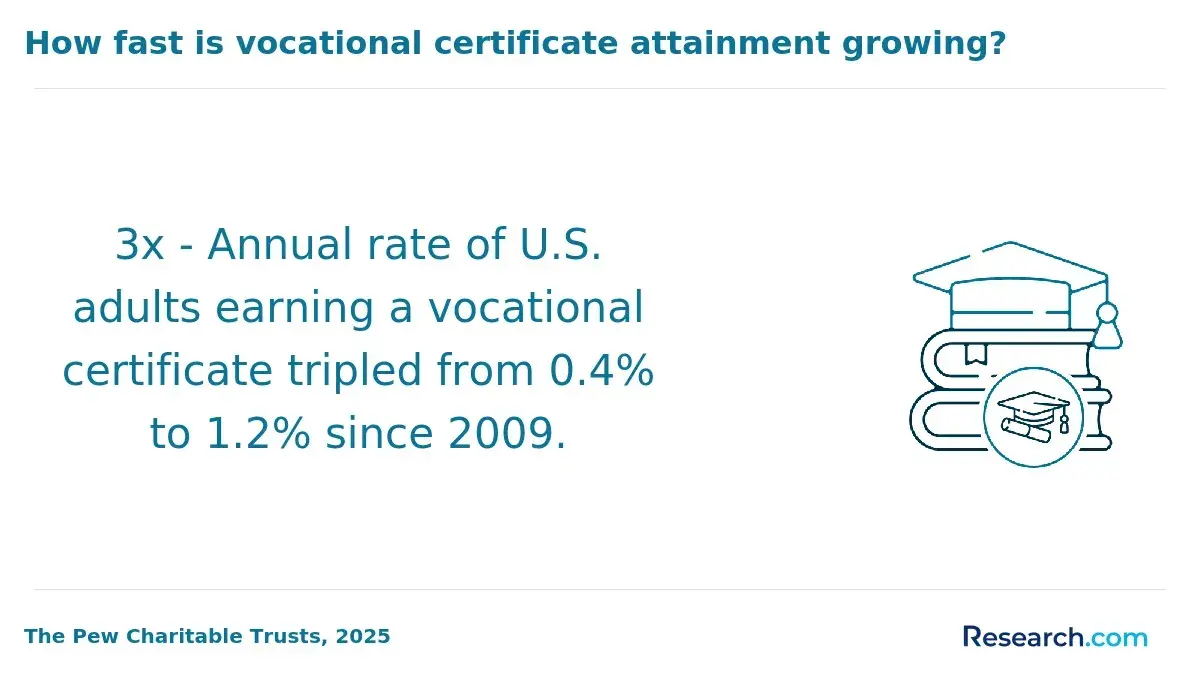
How Do Students Without Academic Prerequisites Catch Up in Online Web Design Bachelor's Courses?
Developmental Courses: Accredited online programs often incorporate foundational classes that cover essential skills like basic coding, graphic design fundamentals, and digital literacy. These courses build a solid base before advancing to more complex web design material.
Tutoring Services: Personalized and group tutoring is commonly provided to help students grasp challenging concepts. For instance, Southern New Hampshire University offers tutoring specific to web design topics, which helps reduce early academic difficulties.
Peer Mentoring: Many programs establish peer mentoring systems, pairing experienced students with newcomers. This approach promotes a supportive, collaborative environment and frequently improves student retention by offering practical advice and encouragement.
Bridge Programs: Certain schools, such as Oregon State University, provide post-baccalaureate bridge programs aimed at learners without prior technological experience. These programs cover introductory competencies to prepare students for degree-level coursework.
Self-Assessment Tools: Prospective learners can use readiness assessments and skill quizzes offered by institutions before applying. These tools help identify gaps early so individuals can target preparatory resources and avoid falling behind.
Student Support and Retention: Data from the National Survey of Student Engagement reveals that students who actively participate in academic and social support services in online environments have a retention rate 20% higher than those who do not. Consistently engaging with these resources significantly improves the likelihood of on-time graduation.
Proactively leveraging these support mechanisms before and during enrollment can empower students lacking formal prerequisites to succeed in fully online web design bachelor's programs. Being aware of and utilizing these services cultivates confidence and reduces the risk of academic setbacks.
What Support Services Help No-Prerequisite Students Succeed in Online Web Design Bachelor's Programs?
Students enrolled in online web design bachelor's programs with no prerequisites often juggle work, family, and coursework simultaneously, making comprehensive support services essential for their success. Leading programs recognized by U.S. News Best Online Bachelor's Programs stand out for their student-centered infrastructure, which helps reduce dropout risks and fosters degree completion.
- Academic Advising: Advisors assist students in course selection, degree planning, and time management, providing personalized strategies that help learners without prior college experience maintain steady progress toward their goals.
- Mental Health Resources: Many institutions offer virtual counseling, stress management workshops, and peer support groups accessible on students' own schedules, helping them manage stress and stay motivated throughout their studies.
- Disability Accommodations: Tailored services such as screen readers, extended test times, and adaptive technology ensure that students with disabilities have equitable access to rigorous online coursework.
- Career Counseling: Career services specialize in web design fields, supporting resume development, portfolios, interview preparation, and internship connections to boost job placement rates after graduation.
Asynchronous learning platforms allow 24/7 access to lectures and resources, enabling support services to be flexible and responsive. A recent study by EduCause found that 72% of online learners reported that effective student services significantly improved their ability to persist and succeed in degree programs.
Can Transfer Credits or Prior Learning Assessments Replace Prerequisites in Online Web Design Programs?
Transfer credits and Prior Learning Assessments (PLAs) can substitute for prerequisite coursework in many online web design bachelor's degree programs, offering students a faster, more affordable path to completion. These policies are especially helpful for those exploring how transfer credits for online web design programs can leverage past academic or professional experiences. Accredited institutions often accept up to 60 semester credits from other colleges, covering foundational course requirements.
- Transfer Credit Flexibility: Many online programs allow a significant number of transfer credits from accredited schools, enabling students to bypass introductory web design courses and accelerate their degree progress.
- Prior Learning Assessments: PLAs, including CLEP and DSST exams, as well as portfolio evaluations, measure skills gained outside traditional classrooms. Schools like Thomas Edison State University and Excelsior College have some of the most flexible PLA policies, granting credit for demonstrated learning regardless of course delivery format.
- ACE Credit Recommendations: The American Council on Education (ACE) evaluates military training, workplace experience, and professional certifications, translating real-world skills into applicable academic credit. This framework is widely recognized in web design programs, supporting diverse learning pathways.
- Documentation Requirements: Students should provide detailed transcripts, resumes, certificates, and portfolios to ensure thorough evaluation and maximize prerequisite waivers, reducing unnecessary coursework.
- Growing Trend: Over 70% of adult online learners now use transfer or PLA credits, reflecting wider acceptance of alternative education routes.
These policies align well with open-admission and low-barrier enrollment approaches, making web design bachelor's programs more accessible for career changers and first-generation students. For those seeking comprehensive resources on related degree paths, exploring social work masters programs online can provide useful insights into flexible graduate education models and student support services.
What Is the Average Time to Completion for No-Prerequisite Online Web Design Bachelor's Degree Programs?
The average completion time for no-prerequisite online web design bachelor's programs typically aligns with the standard 120-credit-hour framework common to most bachelor's degrees. However, the typical duration of online web design bachelor's degree without admission requirements varies widely based on enrollment pace, term length, and whether students bring prior credits.
- Credit Hour Framework: Most programs require around 120 credit hours for graduation, generally equating to four years of full-time study. Starting without prerequisites means students often begin with foundational coursework, influencing the pace of progress.
- Enrollment Pace and Term Length: Full-time enrollment combined with accelerated terms-such as eight-week sessions-allows faster degree completion. Accredited online programs featuring year-round enrollment without summer breaks provide continuous study opportunities, reducing overall time.
- Competency-Based Learning: Some institutions offer competency-based formats enabling students to demonstrate mastery at their own pace. This flexible approach recognizes prior skills, potentially shortening the degree timeline significantly.
- Prior Credits and Transfers: Though no prerequisites are required, transferring credits from other colleges can cut down the time needed to finish. Students should carefully assess schools' policies on credit acceptance.
- Completion Rates by Admission Type: Data from IPEDS shows selective admission online programs have higher four-year graduation rates compared to open-admission schools. However, open-access programs provide critical pathways for career changers and first-generation students.
- Financial and Opportunity Costs: Longer completion times increase tuition costs and delay workforce entry or advancement. Evaluating program length alongside support services and career outcomes is essential when selecting an online web design bachelor's.
For those exploring flexible paths, examining institutions that emphasize accelerated and competency-based models is crucial. Readers interested in related accelerated graduate opportunities may find helpful information on the shortest master degree programs.
How Does Tuition Compare Between No-Prerequisite and Standard Online Web Design Bachelor's Programs?
Tuition Rates: No-prerequisite online web design bachelor's programs often offer lower per-credit-hour tuition compared to selective programs, reflecting their open-admission policies aimed at expanding access. However, selective programs sometimes have competitive rates due to state funding or institutional subsidies.
Additional Fees: Many no-prerequisite programs charge extra fees for developmental or remedial courses that selective programs typically do not require. These added costs can significantly increase the overall expense despite generally lower base tuition rates.
Institutional Type: Tuition varies by whether the institution is public, private nonprofit, or for-profit. Public colleges generally have more affordable tuition for in-state students, but online programs may implement different pricing structures that affect costs.
Program Delivery and Support: Programs offering more comprehensive support services or interactive learning formats-common in no-prerequisite options designed for adult learners-may have higher tuition to cover these resources, impacting the total program cost.
Overall Cost Consideration: Evaluating the full cost of the degree is crucial. Prospective students should consider all fees and potential additional coursework, not just per-credit prices, to gain an accurate financial comparison between no-prerequisite and standard web design bachelor's programs.
Which Online Web Design Bachelor's Programs Allow Students To Start Without A High School Diploma Or GED?
Many accredited online web design bachelor's programs welcome applicants with a GED or HiSET, reflecting an inclusive approach to admissions. These programs often embrace open-admission policies, allowing students without a traditional high school diploma to enroll without extra coursework, which helps working adults and career changers begin their studies promptly.
- Open Admissions Policies: Numerous institutions accept GED or HiSET holders as direct applicants, removing usual barriers and facilitating faster entry into web design programs. This approach supports nontraditional students in accessing relevant education without delay.
- Conditional Requirements: Some schools may ask GED students to pass placement tests or complete foundational courses to ensure readiness for advanced web design topics, maintaining academic standards while accommodating diverse backgrounds.
- International Credential Evaluation: Prospective students educated abroad must provide accredited evaluations confirming their secondary education is comparable to a U.S. high school diploma or GED for eligibility verification.
- Application Materials: Submission of official GED or HiSET documentation and transcripts is essential. Schools might accept supplementary materials like recommendation letters or personal statements if standard documents are delayed or incomplete.
- Financial Aid Eligibility: Students without traditional diplomas generally qualify for federal and institutional financial assistance if they meet enrollment and academic progress criteria, ensuring access to funding despite nonstandard credentials.
- Support Services: Programs with minimal admission requirements typically offer tutoring, advising, and tech support to help students adapt to online learning environments and the practical demands of web design software.
What Graduates Say About Their Online Web Design Bachelor's Degree Program With No Prerequisites
- Jeremy: "I chose the online web design bachelor's degree program with no prerequisites because it allowed me to start without prior experience, which was perfect for my career shift. The affordability of the program meant I could invest in my future without incurring huge debt. Since graduating, I've secured a creative role that values both my technical skills and design thinking-this degree truly opened that door for me."
- Kit: "Reflecting on my journey, the online web design bachelor's degree without prerequisites was ideal because it offered flexibility around my work schedule and a clear, structured curriculum. The cost was manageable compared to traditional programs, which reduced financial stress throughout my studies. Professionally, completing this degree gave me the confidence and credentials to stand out in a competitive market and land projects I never thought possible."
- Dominic: "As someone determined to break into the web design field, I appreciated that the online bachelor's program didn't require any prior background-this made it accessible and welcoming. The program's reasonable cost was a huge factor as I balanced budget considerations with career ambitions. Since completing the coursework, I've witnessed significant growth in my freelance business, proving that this education is a solid foundation for long-term success."
Other Things You Should Know About Web Design Degrees
Students in no-prerequisite online web design bachelor's programs typically have access to federal financial aid, including grants and loans, provided they meet eligibility requirements. Many institutions also offer institutional scholarships specifically for online learners. Additionally, some programs provide payment plans or employer tuition assistance to help manage costs.
Graduates can pursue roles such as junior web designers, front-end developers, user experience analysts, or digital content creators. These programs emphasize both creative and technical skills, preparing students for entry-level positions or internships. Career progression may lead to senior design roles or specializations like UI/UX design with additional experience or study.
References
- How to become a Freelance Web Designer with no degree or experience — Paige Brunton https://www.paigebrunton.com/blog/how-to-become-a-freelance-web-designer-with-no-degree-or-experience
- Is Online College More Affordable? | UT San Antonio Online https://online.utsa.edu/blog-content/cost-of-an-online-degree-vs-traditional-education/
- Accredited Web-Based Degrees: Your Guide to Quality Online Education https://degreesonline.education/accredited-web-based-degrees-your-guide-to-quality-online-education/
- What are the benefits of a bachelor's in web design through e-learning? https://www.umu.com/ask/q11122301573854198633
- The College Admission Process at Less Selective Colleges | College Coach Blog https://blog.getintocollege.com/blogs/2021/09/21/20/07/the-college-admission-process-at-less-selective-colleges
- How Long to Get a Degree Online? | ValidGrad https://validgrad.com/blog/how-long-does-it-take-to-get-a-degree-online/
- Ask 10 Questions About Transferring Credits to Online Bachelor's Programs https://www.yahoo.com/news/ask-10-questions-transferring-credits-online-bachelors-programs-133000989.html
- Bachelors Degree in Web Design? https://www.sitepoint.com/community/t/bachelors-degree-in-web-design/7938
- What Degree Do You Need to Become a Web Designer? https://www.nobledesktop.com/careers/web-designer/required-degrees
- Graphic Design and Digital Media, BA (Online) https://calbaptist.edu/academics/programs/online-bachelor-of-arts-graphic-design-and-digital-media/