2027 Oregon Psychology Licensure Requirements – How to Become a Psychologist in Oregon

Co-Founder and Chief Data Scientist
Getting a psychology license in Oregon is not just a matter of finishing a degree. You must choose the right education pathway, document supervised experience correctly, follow Oregon Board of Psychology rules, and avoid practicing before you are legally authorized to do so. That matters because Oregon regulates both the practice of psychology and the use of the psychologist title.
As of May 2024, Oregon employed 80 industrial-organizational psychology professionals, 440 clinical and counseling psychologists, 680 school psychologists, and 630 psychologists working in other specialties. For students and career changers, those numbers show that psychology work in Oregon spans healthcare, schools, research, business, public agencies, and specialized behavioral health settings.
This guide explains how psychology licensure works in Oregon, what education and supervised experience you need, how the application and renewal process is structured, and how to compare psychology programs in the state. It also highlights related pathways, including counseling, school psychology, social work, behavior analysis, and affordable online study options such as the most affordable online psychology master’s programs.
Quick Answer: How Do You Become a Licensed Psychologist in Oregon?
To become a licensed psychologist in Oregon, you must complete the required graduate education, submit an application to the Oregon Board of Psychology, pass required credential reviews and background checks, complete qualifying supervised post-doctoral experience, and receive Board approval before practicing independently or using the psychologist title. Oregon law prohibits practicing psychology or representing yourself as a psychologist without a valid Oregon psychology license unless you qualify for a specific exemption, approved residency status, or limited permit.
Oregon Board of Psychology rules define psychology practice broadly. It can include assessment, diagnosis, supervision, consultation, and therapeutic services intended to address behavioral, emotional, or mental disorders in individuals or groups.
Oregon Psychology Licensure Requirements Table of Contents
- Oregon psychology career outlook and workforce snapshot
- Education requirements for Oregon psychologists
- Application, supervised experience, and renewal process
- Psychology job options in OregonApplication checklist
- Top psychology programs in Oregon for 2027
- Fast-track PsyD options in Oregon
- Online master’s degrees in psychology
- Risk management and professional protection
- Social work training and interdisciplinary practiceProfessional protection considerations
- School psychology specialization
- Forensic and criminal psychology prospects
- Fastest counseling pathway in Oregon
- Oregon LPC requirements
- Advanced education and psychology career growth
- BCBA certification for Oregon practitioners
- Substance abuse counseling careers
- Therapist pathways without a psychology degreeAddiction counseling optionAdvanced educationOnline master’s programsProgram comparisonOregon psychology programs
Overview of the Psychology Industry in Oregon
Oregon’s psychology labor market is shaped by demand in mental health care, schools, public agencies, private practice, and organizational consulting. According to the Oregon Employment Department, employment for clinical, counseling, and school psychologists is projected to grow 12.3% through 2032, with an estimated average of 202 openings each year during that period.
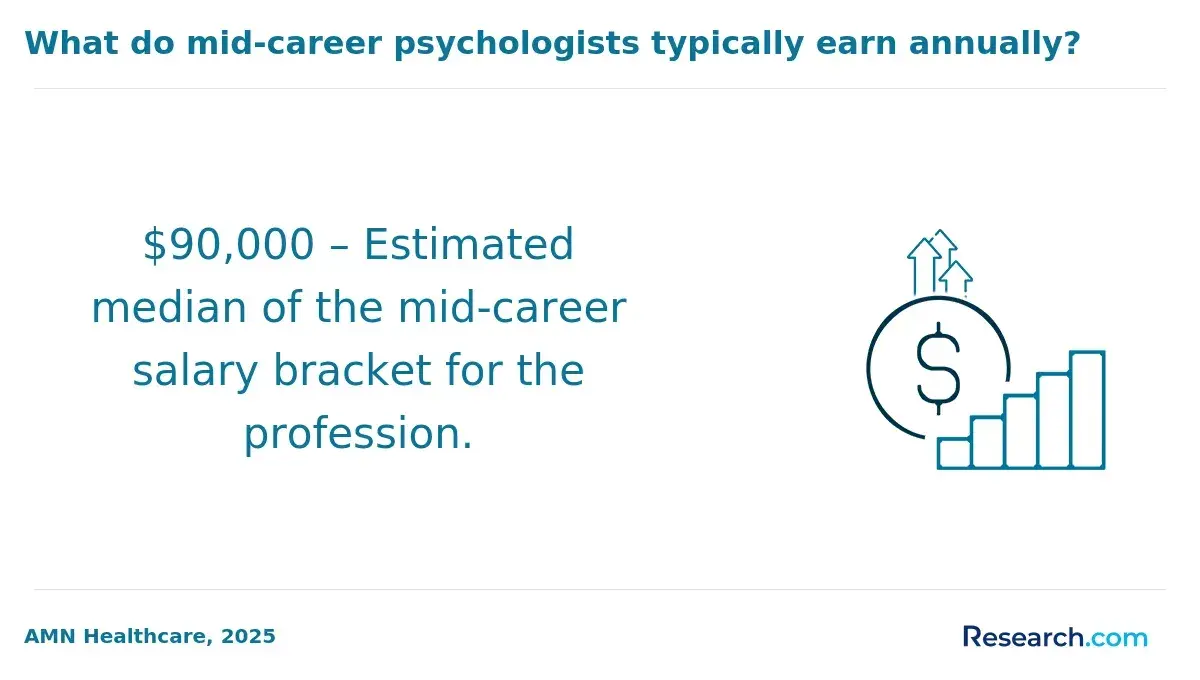
Pay can vary widely by specialty, setting, experience, employer, and whether a psychologist is salaried or self-employed. Reported Oregon psychologist salary data cited in this article shows an average yearly income of $104,831 based on a sample of 94 professionals, including professionals with a background in industrial-organizational psychology. One cited range runs from $56,960 to $193,239, while the summary table below reports a minimum of $63,965 and a maximum of $171,805.
| Oregon psychology labor market indicator | Reported figure |
| Projected employment growth | 12.3% |
| Estimated annual job openings | 202 |
| Minimum annual salary | $63,965 |
| Average annual salary | $104,831 |
| Maximum annual salary | $171,805 |
What These Numbers Mean for Prospective Psychologists
The outlook is positive, but it should not be treated as a guarantee of employment or salary. A doctoral-level clinical psychologist in a high-demand specialty may have different opportunities than a master’s-level graduate pursuing research support, human resources, or behavioral health coordination roles. Location also matters: rural areas may have access needs, while metro areas may offer more employers but stronger competition.
Common Oregon Psychology Work Settings
- Healthcare and behavioral health: hospitals, clinics, community mental health organizations, integrated care teams, and private practices.
- Schools and education systems: K-12 schools, districts, special education teams, and student support services.
- Business and government: human resources, workforce assessment, leadership development, organizational research, and policy roles.
- Academic and research settings: universities, laboratories, grant-funded studies, and teaching appointments.
- Legal and correctional environments: forensic assessment, rehabilitation programs, expert consultation, and criminal justice agencies.
Educational Requirements for Psychologists in Oregon
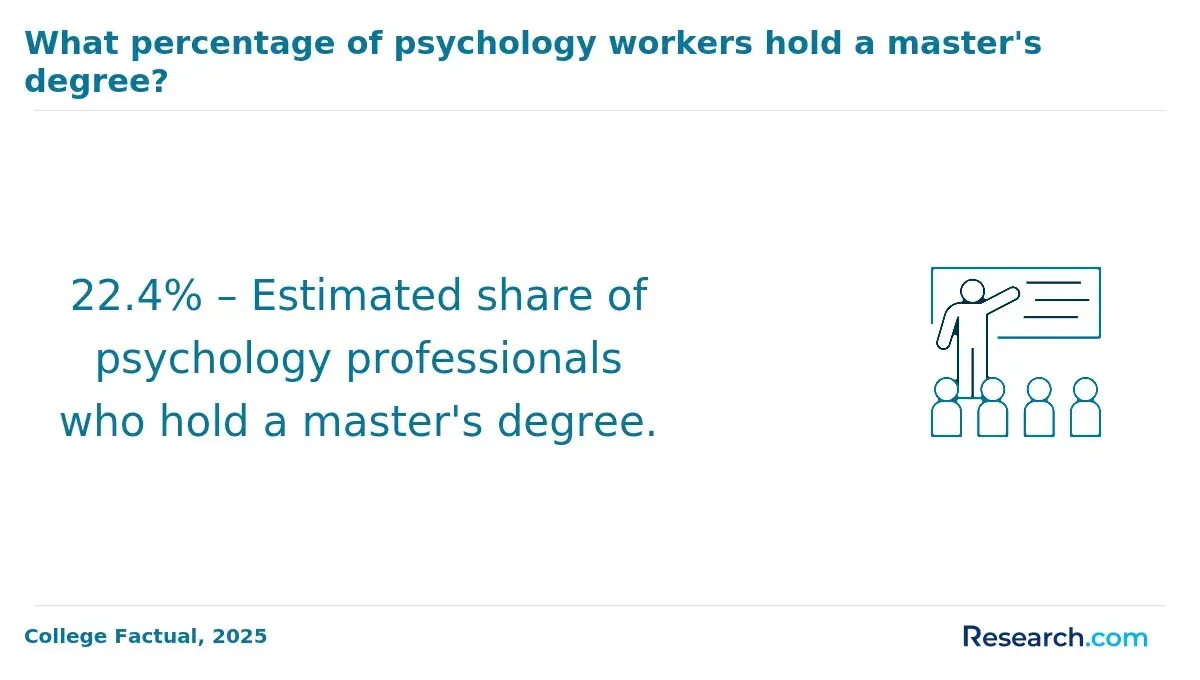
Oregon psychology licensure requires careful planning because the degree, supervised experience, and application timing must match Board expectations. A master’s degree may support entry into some psychology-related roles, including options such as a master’s in organizational psychology online, but independent psychologist licensure generally requires meeting Oregon Board of Psychology standards for education, supervised experience, and examination or endorsement.
Step 1: Choose the Right Degree for Your Career Goal
Start by identifying the work you want to do. A person who wants to become a licensed psychologist, a school psychologist, an LPC, an applied behavior analyst, or a substance abuse counselor may need different credentials. Do not choose a program based only on title; verify that its curriculum, accreditation, practicum structure, and supervised training options align with the Oregon credential you intend to pursue.
| Goal | Typical education direction | Decision point |
| Licensed psychologist | Graduate psychology training with doctoral-level preparation commonly expected for clinical practice pathways | Confirm Oregon Board of Psychology eligibility before enrolling. |
| Industrial-organizational or organizational psychology role | Master’s or doctoral study in I-O, organizational, or applied psychology | Clarify whether the role requires licensure or is non-clinical. |
| School psychology | Specialized graduate preparation in school psychology | Check Oregon-specific school credentialing and practice requirements. |
| Counseling or therapy pathway | Graduate counseling, clinical mental health, marriage and family therapy, or related program | Compare psychologist licensure with LPC or other counseling licenses. |
| Research or academic work | Research-focused master’s or Ph.D. training | Look closely at faculty mentors, funding, research fit, and publication opportunities. |
Step 2: Time Your Oregon Application Correctly
If you are close to graduation, Oregon allows you to begin parts of the application process, including submitting documents and references, but not more than six months before your graduation date. Applying too early can create delays, while waiting too long can postpone supervised residency approval or employment start dates.
Step 3: Prepare Required Documents Before You Apply
Build a complete file before submission. This may include transcripts, references, training verification, background check materials, and any forms required for your specific application route. Small errors, missing signatures, outdated forms, or incomplete supervision details can slow the review process.
Step 4: Submit Materials to the Oregon Board of Psychology
Once your materials are ready, submit your application to the Oregon Board of Psychology. Documents that arrive before the application, including background check information, may be held for up to six months, so coordinate timing carefully with schools, supervisors, and credentialing agencies.
Step 5: Get Residency Approval Before Providing Services
If you plan to complete an Oregon residency, you must submit a proposed resident supervision contract with your application materials. Do not provide psychological services or use the title “psychologist resident” until the Board gives written approval for both the application and the residency contract.
Step 6: Follow the Board-Approved Supervision Contract
Supervision rules are not a formality. If you practice before the Board approves your residency contract, the experience may not count toward Oregon’s post-doctoral supervised work requirement. It can also expose both the applicant and supervisor to consequences for unlicensed practice.
Step 7: Complete Post-Doctoral Supervised Work Experience
Psychologist licensure candidates must complete, or already have completed, at least one year of qualifying post-doctoral supervised work experience. Oregon requires a minimum of 1,500 hours of psychological services under the supervision of a licensed psychologist who has held a license for at least two years.
Oregon Licensure Application and Renewal Process
The Oregon psychology application process is documentation-heavy. The safest approach is to identify your application category first, then build a checklist around the exact forms, references, fingerprinting, fees, and primary source verifications required for that category.
Select the Correct Application Route
Oregon applicants generally proceed through a standard application or licensure by endorsement. The right option depends on whether you are applying for your first psychology license, already hold an active license in another jurisdiction, and how long you have been licensed elsewhere.
Required Forms by Applicant Type
| Applicant type | Forms and documents to review | Important note |
| Standard applicant without a prior license | Standard Application, Professional Reference Form, University Director of Training Form, License Verification Request Form if inactive in another jurisdiction, and Residency Supervision Contract Form if applying for Oregon residency | Use this route if you do not already qualify for endorsement. |
| Endorsement applicant with an active doctoral-level psychologist license for under 15 years | Licensure by Endorsement materials, Endorsement Reference, Supervisor Reference Form, and License Verification Request Form | The endorsement reference and supervisor reference cannot be the same person. |
| Endorsement applicant with an active doctoral-level psychologist license for 15 years or more | Licensure by Endorsement materials, Endorsement Reference, and License Verification Request Form | Verify current Oregon Board instructions before submitting. |
| Applicant with foreign education | Standard application materials plus evaluation by a Board-recognized credentialing body | Foreign degrees must be evaluated before the Board can assess eligibility. |
Keep References Separate When Required
For endorsement applicants, Oregon does not allow the same person to serve as both the endorsement reference and the supervisor reference. Choose references who can speak clearly to your professional competence, ethical practice, and relevant supervised experience.
Confirm You Are Using Current Forms
Before submitting anything, check the Oregon Board of Psychology’s current forms and instructions. Licensing boards update requirements, fees, formats, and submission rules, and using an outdated form can delay review.
Complete Credential Evaluation for Foreign Degrees
If your psychology education was completed outside the United States, Oregon requires evaluation by a Board-recognized credentialing body. Applicants with foreign degrees should use the standard application route and allow extra time for third-party evaluation.
Complete Fingerprint-Based Criminal Records Check
All applicants, including reapplicants, must complete a fingerprint-based criminal records check. Fingerprinting must be completed no more than 90 days before the application is submitted. If questions arise after submission, follow the instructions provided by the relevant authorities.
Pay the Application Fee
Applicants must pay a non-refundable application fee of $371.25, including a $46.25 background check fee. Online card payment is the only accepted payment method.
Know When You Can Work Before Full Licensure
Oregon restricts practice before licensure. To provide psychological services before receiving a license, you must fit one of the allowed categories:
- You are an approved applicant under a Board-approved residency contract.
- You work in an exempt setting.
- You hold an out-of-state license and have secured a limited permit.
Review Oregon Rules Before You Apply
Read the applicable Oregon statutes, administrative rules, and Board guidance before submitting your application. This helps you understand scope of practice, supervision limits, title restrictions, renewal obligations, and conduct standards.
Expect Primary Source Verification
The Oregon Board of Psychology verifies education, examinations, training, and any licenses, registrations, or certifications from other jurisdictions through primary sources. Acceptable sources include documents sent directly by the educational institution, supervisor, approved examining organization, or other licensing authority.
Exploring Job Opportunities for Psychology Graduates in Oregon
Psychology graduates in Oregon can pursue clinical and non-clinical work, but job eligibility depends heavily on degree level and licensure status. A bachelor’s degree may support entry-level human services, research assistant, case management, or behavioral health support roles. Master’s-level graduates may qualify for specialized non-psychologist roles or pursue counseling-related credentials. Independent psychologist practice requires meeting Oregon psychology licensure rules.
Clinical and Counseling Psychology
Clinical and counseling psychologists may work in hospitals, behavioral health clinics, community agencies, correctional settings, private practices, and integrated healthcare teams. Their work can include assessment, diagnosis, therapy, consultation, and treatment planning, depending on licensure and setting.
School Psychology
School psychology remains a major Oregon employment area, with professionals supporting assessment, student mental health, special education planning, crisis response, and intervention design. Because school-based practice may involve education-sector credentialing as well as psychology training, students should verify Oregon-specific requirements early.
Industrial-Organizational and Applied Psychology
Students interested in workplace behavior may pursue roles in human resources, employee assessment, leadership development, training evaluation, organizational research, and workforce policy. Many of these roles are not therapy roles, so licensure expectations may differ from clinical practice.
Research, Policy, and Academic Careers
Doctoral training can support careers in teaching, grant-funded research, data analysis, public health, program evaluation, and mental health policy. Applicants who want academic careers should compare programs by faculty fit, research productivity, funding availability, internship outcomes, and placement history.
Telehealth and Access to Care
Telehealth has expanded how psychologists reach clients, especially in rural and underserved areas. However, telehealth does not eliminate licensure obligations. Psychologists must understand where the client is located, what license is required, and whether interstate practice rules apply.
Students comparing Oregon schools can start with Research.com’s guide to the best psychology colleges in Oregon, then verify each program’s licensure fit directly with the institution and the Oregon Board of Psychology.
List of Top Psychology Programs in Oregon for 2027
The Oregon programs below represent different academic levels and training models, from undergraduate psychology to doctoral clinical training. Use this list as a starting point, not as a substitute for checking accreditation, practicum access, funding, assistantships, admissions requirements, internship outcomes, and licensure alignment. Students considering flexible study may also compare these options with an online behavioral psychology degree.
| School and program | Length | Tracks or concentrations | Cost per credit | Credits required | Accreditation |
| George Fox University Clinical Psychology PsyD | Five years | Clinical Psychology | $1,088 | 125 | American Psychological Association (APA) |
| Pacific University Clinical Psychology PsyD | Five years | Clinical Psychology | $1,298 | 135 | APA |
| University of Oregon Psychology Ph.D. | Five years | Clinical; Cognitive/Neuroscience; Developmental; Social/Personality; Systems Neuroscience | $1,388.06 | 135 | APA |
| Oregon State University Psychology Ph.D. | Five years | Clinical; Applied Cognition; Engineering; Health | $560 | 135 | APA |
| Southern Oregon University Psychology BA/BS | Four years | General Psychology | $747 | 180 | Western Association of Schools and Colleges |
George Fox University Clinical Psychology PsyD Program
The Clinical Psychology PsyD at George Fox University prepares students for clinical work with people facing psychological distress, personal crisis, and complex life challenges. The program emphasizes whole-person care, including attention to spiritual well-being, while also requiring research engagement that deepens students’ understanding of human behavior and clinical practice.
- Program length: Five years
- Tracks/concentrations: Clinical Psychology
- Cost per credit: $1,088
- Required credits to graduate: 125
- Accreditation: American Psychological Association (APA)
Pacific University Clinical Psychology PsyD Program
Pacific University offers a Clinical Psychology PsyD that has held APA accreditation since 1990. The program combines coursework, practicum training, dissertation work, advising, and on-site clinical training opportunities. It is designed for students seeking preparation for professional practice, teaching, research, or a combination of these paths.
- Program length: Five years
- Tracks/concentrations: Clinical Psychology
- Cost per credit: $1,298
- Required credits to graduate: 135
- Accreditation: APA
University of Oregon Psychology Ph.D. Program
The University of Oregon Psychology Ph.D. is a research-intensive doctoral program. Students study theory and methodology across psychology specialties while developing the ability to ask strong research questions, test them empirically, and contribute to scholarship, teaching, and applied psychological work.
- Program length: Five years
- Tracks/concentrations: Clinical; Cognitive/Neuroscience; Developmental; Social/Personality; Systems Neuroscience
- Cost per credit: $1,388.06
- Required credits to graduate: 135
- Accreditation: APA
Oregon State University Psychology Ph.D. Program
Oregon State University offers a Psychology Ph.D. in which students earn an M.S. as part of the doctoral pathway. The M.S. is not a standalone terminal degree; applicants are admitted directly into the Ph.D. program. The program emphasizes research skills and prepares graduates to examine cognition and behavior in public and private sector contexts.
- Program length: Five years
- Tracks/concentrations: Clinical; Applied Cognition; Engineering; Health
- Cost per credit: $560
- Required credits to graduate: 135
- Accreditation: APA
Southern Oregon University Psychology BA/BS Program
The psychology BA/BS at Southern Oregon University is designed for students interested in human behavior, cognition, scientific inquiry, and helping-related careers. The curriculum covers scientific and theoretical foundations while helping students build critical thinking and transferable skills for graduate study or entry-level roles.
- Program length: Four years
- Tracks/concentrations: General Psychology
- Cost per credit: $747
- Required credits to graduate: 180
- Accreditation: Western Association of Schools and Colleges
Questions to Ask Before Choosing an Oregon Psychology Program
- Does the program meet the education requirements for the Oregon credential I want?
- Is the relevant program accreditation current, and does it apply to my specific degree?
- What practicum, internship, or residency placements are available in Oregon?
- How many credits are required, and what is the total estimated cost beyond tuition?
- Are assistantships, scholarships, employer benefits, or transfer credits available?
- What are the program’s internship match, completion, and licensure outcomes?
- Can online coursework satisfy in-person clinical, practicum, or residency requirements?
Can I Fast-Track a PsyD Degree in Oregon?
Some PsyD programs use more structured or intensive formats, but students should be cautious with any promise of a “fast” doctoral path. Clinical doctoral training must still provide enough coursework, practicum, dissertation or research experience, internship preparation, and supervised clinical development to support licensure readiness.
If you are considering an accelerated format, verify accreditation, clinical placement quality, faculty supervision, time-to-completion expectations, and Oregon licensure alignment before enrolling. You can compare intensive doctoral options in Research.com’s guide to the fastest PsyD programs.
What Are the Benefits of Joining Professional Psychology Organizations in Oregon?
Professional associations can be valuable for Oregon psychologists, residents, and graduate students because licensure rules, ethics standards, payer requirements, and clinical practices continue to evolve. Membership is not a substitute for Board compliance, but it can support career development and professional accountability.
- Networking: Organizations such as the Oregon Psychological Association can help members meet clinicians, supervisors, researchers, and policy advocates.
- Continuing education: Workshops, conferences, and seminars can help professionals stay current and meet professional development expectations.
- Advocacy: Associations often monitor legislation, reimbursement issues, and regulatory changes affecting psychology practice.
- Practice resources: Members may gain access to ethics updates, legal guidance, research materials, and practice management tools.
- Career development: Job boards, mentoring, committee work, and research connections can help psychologists build visibility and advance professionally.
Can I Complete a Master's Degree in Psychology Online?
Yes, many students can complete a master’s degree in psychology online, but online study is not automatically the right choice for every Oregon career goal. The key question is whether the program’s accreditation, curriculum, field experience, and licensure alignment match what you plan to do after graduation.
Online psychology master’s programs can work well for working adults, students outside major metro areas, and people balancing school with family or employment. Many programs use asynchronous coursework, allowing students to complete lectures and assignments within deadlines rather than attending live classes at a fixed time.
However, psychology is not purely academic. If your goal involves clinical practice, counseling, assessment, or school-based work, you may need supervised field experience, practicum hours, internships, or residency arrangements that cannot be completed only through online coursework. Always ask whether the school helps students secure placements in Oregon.
| Online psychology master’s advantage | Potential limitation | What to verify |
| Flexible schedule for working students | Less face-to-face contact with faculty and peers | Advising access, faculty availability, and cohort support |
| Can reduce relocation or commuting barriers | Field placements may still be local and in person | Whether Oregon placements are available |
| May offer specialized tracks | Not every track leads to licensure | Exact licensure or career outcomes |
| Useful for career advancement in non-clinical roles | May not satisfy psychologist licensure requirements alone | Oregon Board or relevant licensing board rules |
Cost also varies by institution, residency status, technology fees, and required credits. Students comparing options can review Research.com’s guide to online master’s degrees in psychology and then confirm total program cost and licensure fit with each school.
How Can I Manage Risk and Secure Professional Protection in Oregon?
Risk management should begin before you see clients. Oregon psychology professionals should understand scope of practice, informed consent, documentation standards, telehealth rules, supervision requirements, emergency protocols, and mandated reporting obligations. Professional liability insurance can also help protect against legal claims, but it does not replace ethical practice or Board compliance.
Ongoing training, peer consultation, careful recordkeeping, and consultation with qualified legal or compliance professionals can reduce avoidable risk. Practitioners expanding into counseling-related services can also review Research.com’s guide on how to become an LPC in Oregon.
Should I Integrate Social Work Training to Expand My Practice in Oregon?
Social work training can strengthen a psychologist’s ability to understand clients in family, community, policy, and systems contexts. It may be especially useful for professionals working in community mental health, integrated care, crisis response, child welfare, schools, or underserved populations.
Still, social work and psychology are separate regulated professions. Additional coursework or interdisciplinary training can improve practice, but it does not automatically authorize social work licensure or expand legal scope. To compare related requirements, review what degree you need to be a social worker in Oregon.
How Can I Specialize in School Psychology in Oregon?
School psychology is a distinct pathway focused on learning, assessment, child development, behavior, disability support, mental health, and systems-level intervention in educational settings. Oregon students interested in this field should look for graduate programs with strong school-based practicum experiences and clear alignment with state requirements.
Before enrolling, ask whether the program prepares graduates for Oregon school psychology credentials, what field placements are available, and how graduates are supervised in school settings. For a focused pathway breakdown, read Research.com’s guide on how to become a school psychologist in Oregon.
What Are the Prospects for Forensic and Criminal Psychology in Oregon?
Forensic and criminal psychology connects psychological knowledge with law, courts, corrections, investigations, rehabilitation, and public safety. Oregon professionals in this niche may contribute to behavioral assessment, offender treatment planning, expert consultation, or agency-based program development.
This path requires more than an interest in criminal behavior. Students should seek training in ethics, assessment, legal standards, report writing, trauma, risk evaluation, and culturally competent practice. For a more detailed career route, review how to become a criminal psychologist in Oregon.
What Is the Fastest Path to Become a Counselor in Oregon?
The fastest counseling path is the one that meets Oregon requirements without creating gaps in supervised training. Accelerated programs can shorten classroom timelines, but they still must provide the coursework, practicum, supervised experience, and examination preparation needed for licensure.
Students who want to enter counseling as efficiently as possible should compare program length, transfer credit policies, practicum availability, supervised-hour requirements, and exam preparation support. Research.com’s guide to the fastest way to become a counselor in Oregon explains expedited options in more detail.
What Are the Oregon LPC License Requirements?
The Licensed Professional Counselor pathway is separate from psychologist licensure. Oregon LPC candidates typically complete graduate-level counseling education, supervised clinical experience, required examinations, and continuing education after licensure. This route may be a better fit for students whose primary goal is counseling practice rather than doctoral-level psychology training.
Because LPC rules differ from psychology rules, do not assume one pathway satisfies the other. For a dedicated overview, see Research.com’s guide to Oregon LPC license requirements.
The Importance of Advanced Education in Psychology and Career Growth
Advanced education can expand psychology career options in Oregon, but the value depends on your goals. A doctorate may be necessary for psychologist licensure and advanced clinical, academic, or research work. A master’s degree may be sufficient for certain applied, organizational, research support, or counseling-adjacent roles, depending on license requirements and employer expectations.
Students who want clinical skills but are not ready for a doctorate may consider online master’s in clinical psychology programs. Before enrolling, confirm whether the program leads to the license, certification, or job category you want, since a clinical psychology master’s does not automatically qualify graduates for independent psychologist practice.
Is Advanced Education Worth It?
| Advanced education may be worth it if... | Consider another route if... |
| You need doctoral preparation for psychologist licensure. | Your target role only requires a bachelor’s or master’s degree. |
| You want clinical specialization, research leadership, or academic work. | You need to enter the workforce quickly and cannot manage a long training timeline. |
| You have confirmed the program’s accreditation and Oregon licensure fit. | The program cannot clearly explain its licensure outcomes. |
| You have a realistic funding plan. | The debt load is high and expected career outcomes are uncertain. |
Common Mistakes to Avoid When Pursuing Psychology Licensure in Oregon
- Choosing a program before checking licensure alignment: A psychology degree title is not enough. Verify that the program supports Oregon requirements for your intended credential.
- Practicing before Board approval: Do not provide psychological services or use restricted titles unless you are licensed, exempt, approved as a resident, or otherwise authorized.
- Assuming online programs remove fieldwork requirements: Online coursework may still require in-person practicum, internship, or supervised experience.
- Focusing only on tuition: Compare total cost, including fees, travel, lost work time, exam expenses, supervision costs, and application fees.
- Ignoring accreditation: Accreditation can affect licensure eligibility, internship access, transferability, and employer confidence.
- Submitting incomplete documentation: Missing references, outdated forms, or improperly sent transcripts can delay Board review.
- Assuming salary data guarantees your income: Pay depends on specialty, employer, location, experience, caseload, and practice model.
Getting a Psychology License in Oregon
The most efficient route to Oregon psychology licensure is a planned one: choose an appropriate degree, confirm accreditation and state requirements, document supervised experience correctly, submit the right application forms, and wait for Board authorization before practicing. Students still exploring specialties, including those interested in sports psychology undergraduate programs, should decide early whether they want clinical licensure, school-based practice, counseling credentials, organizational work, research, or another psychology-related career.
How Can Obtaining a BCBA Certification Enhance My Practice in Oregon?
Board Certified Behavior Analyst certification can help psychologists and behavioral health professionals add structured behavior analysis skills to their work. This may be useful in educational, clinical, developmental, and organizational settings where behavior assessment and intervention planning are central.
BCBA certification has its own requirements and should be evaluated separately from psychology licensure. To understand how the credential fits into Oregon practice options, review how to become a BCBA in Oregon.
How Can I Pursue a Career in Substance Abuse Counseling in Oregon?
Substance abuse counseling is a specialized behavioral health pathway focused on addiction, recovery, relapse prevention, co-occurring disorders, and client support systems. Candidates should look for education and supervised experience that specifically addresses addiction studies, clinical interviewing, ethics, treatment planning, and community resources.
Because substance abuse counseling credentials differ from psychologist licensure, verify the exact Oregon requirements before choosing a program. Research.com’s guide on how to become a substance abuse counselor in Oregon explains the pathway in more detail.
Can I Become a Therapist Without a Degree?
You generally cannot become a licensed psychologist in Oregon without advanced academic training that satisfies Board requirements. However, people without a psychology degree may still work in related helping roles, peer support, behavioral health support, coaching-adjacent roles, or entry-level human services positions, depending on employer requirements and legal scope.
Be careful with the word “therapist.” In regulated mental health care, titles and services are often tied to specific licenses. For a realistic explanation of nontraditional routes, read whether you can become a therapist without a psychology degree.
Related Articles for Nearby States
- 2027 Washington Psychology Licensure Requirements – How to Become a Psychologist in Washington
- 2027 California Psychology Licensure Requirements – How to Become a Psychologist in California
- 2027 Idaho Psychology Licensure Requirements – How to Become a Psychologist in Idaho
- 2027 Nevada Psychology Licensure Requirements – How to Become a Psychologist in Nevada
- 2027 Montana Psychology Licensure Requirements – How to Become a Psychologist in Montana
- 2027 Utah Psychology Licensure Requirements – How to Become a Psychologist in Utah
- 2027 Wyoming Psychology Licensure Requirements – How to Become a Psychologist in Wyoming
- 2027 Arizona Psychology Licensure Requirements – How to Become a Psychologist in Arizona
- 2027 Colorado Psychology Licensure Requirements – How to Become a Psychologist in Colorado
- 2027 New Mexico Psychology Licensure Requirements – How to Become a Psychologist in New Mexico
References:
- BLS. (2024, May). Occupational Employment and Wage Statistics. Area: Oregon. https://data.bls.gov/oes/#/area/4100000
- Indeed. (2026, February 21). Psychologist salary in Oregon. https://www.indeed.com/career/psychologist/salaries/OR
- NAMI (2025, March). Mental Health in Oregon. https://www.nami.org/wp-content/uploads/2025/05/Oregon-GRPA-Data-Sheet-8.5-x-11-wide.pdfIndeed Oregon psychologist salary data
- OBOP. (n.d.). Board of Psychology: About the Board: State of Oregon. About the Board: Board of Psychology. https://www.oregon.gov/psychology/pages/Board.aspx
- ZipRecruiter (2026, March 3). Psychologist Salary in Oregon. https://www.ziprecruiter.com/Salaries/Psychologist-Salary--in-OregonOregon Board of Psychology
Key Insights
- Oregon protects the psychologist title. You cannot practice psychology or present yourself as a psychologist in Oregon without proper authorization, unless you fall under an approved exemption, residency arrangement, or limited permit.
- The labor market is growing, but outcomes vary. Oregon projects 12.3% growth for clinical, counseling, and school psychologists through 2032, with 202 estimated annual openings, but salary and hiring depend on specialty, setting, location, and credentials.
- Supervised experience must be handled correctly. Oregon requires at least one year and 1,500 hours of qualifying post-doctoral supervised psychological services under an eligible licensed psychologist.
- Application timing matters. Candidates may begin submitting application materials no more than six months before graduation, and fingerprinting must be completed no more than 90 days before application submission.
- Program choice should follow the license goal. Before enrolling, confirm accreditation, practicum structure, Oregon licensure alignment, total cost, and graduate outcomes.
- Online psychology degrees can be useful but require scrutiny. Flexibility is valuable, but clinical, school, and counseling pathways may still require in-person supervised fieldwork.
- Psychology is not the only helping profession route. Oregon students may also compare LPC, school psychology, social work, BCBA, forensic psychology, and substance abuse counseling pathways before committing to a long doctoral track.
Other Things You Should Know About The Oregon Psychology Licensure
The Oregon Board of Psychology regulates psychologist licensure, issues the license, and enforces practice rules under Oregon law. Applicants must meet board standards for education, supervised experience, and examination before they can practice as a psychologist in the state.
To start the application process for a psychology license in Oregon, you need to gather necessary documents, choose an application method (standard application or licensure by endorsement), complete required forms, and submit them to the Oregon Board of Psychology. You also need to undergo a fingerprint-based criminal records check and pay the application fee.
The minimum educational requirement to become a licensed psychologist in Oregon is a master’s degree, although a doctorate provides a competitive advantage. Candidates must also complete a post-doctoral supervised work experience, totaling at least 1,500 hours under a licensed psychologist's supervision.
Foreign-trained psychologists must have their credentials evaluated by a board-approved credentialing agency. They must also demonstrate English proficiency, complete any additional required coursework, and pass the Examination for Professional Practice in Psychology (EPPP) and Oregon Jurisprudence Exam to meet Oregon’s licensure requirements.
In Oregon, aspiring psychologists must complete a minimum of 1,500 hours of supervised work experience during a predoctoral internship and an additional 1,500 postdoctoral hours. Supervision must be by a licensed psychologist and meet the guidelines set by the Oregon Board of Psychology.