2027 Online Web Design Bachelor's Degrees for Veterans and Military Students

Co-Founder and Chief Data Scientist
Transitioning from active duty to civilian life presents complex challenges, especially when pursuing higher education amidst relocations and shifting responsibilities. For many veterans and military-affiliated students, online studies offer vital flexibility to balance service commitments and family needs.
With employment in digital and creative fields growing 8% annually, web design emerges as a promising career path compatible with military experience and education benefits. Yet, navigating quality programs that recognize unique military backgrounds can be daunting. This article explores how online web design bachelor's degrees accommodate veterans and service members, supporting their goals through adaptable learning and career-relevant skills.
Key Benefits of Online Web Design Bachelor's Degrees for Veterans and Military Students
- Online web design degrees offer flexible schedules, enabling veterans and military students to balance coursework with service duties or civilian responsibilities effectively.
- Programs are accessible from any location, supporting education continuity during deployment or frequent relocations common in military life.
- These degrees aid career transition with skills applicable to growing digital markets, enhancing long-term advancement and leveraging GI Bill benefits aligned with accredited institutions.
How Do Online Web Design Degrees Work for Service Members?
Online web design bachelor's degree programs for service members typically operate through fully digital platforms that deliver lectures, course materials, assignments, and discussions remotely. These programs usually combine pre-recorded videos with live virtual sessions, allowing students to engage with instructors and peers despite physical distance. Coursework and projects, such as building web pages and coding, are submitted online, emphasizing practical skills important for the field. Communication is maintained via discussion boards, emails, and virtual office hours to ensure continuous academic support. Such flexible online web design education for veterans and active duty service members makes it possible to balance learning with service commitments effectively.
To fit the unpredictable schedules associated with military life, these degrees often incorporate flexible deadlines, modular course designs, and mobile-friendly platforms that enable study during limited free moments. Course materials are accessible 24/7, a vital feature when duty assignments occur at irregular hours. Support services tailored for technical challenges and academic advising further help students manage their education remotely. This adaptability is essential for military-affiliated students seeking to pursue one of the best majors in college without compromising their duties or shifting responsibilities.
Are Online Web Design Degrees for Military Students Accredited?
Accreditation in online web design degree programs signifies formal approval from independent agencies that ensure academic quality and rigor. Military-friendly accredited web design programs normally seek validation from well-known bodies such as the Higher Learning Commission (HLC), Middle States Commission on Higher Education (MSCHE), or the Accrediting Commission of Career Schools and Colleges (ACCSC). These agencies review curricula, faculty qualifications, and teaching standards to confirm that essential skills in visual design, coding, user experience, and digital technologies are thoroughly covered. Attending an accredited institution assures military students that their education meets recognized standards and offers credibility in both academic and professional settings. This recognition is critical when selecting programs tailored for military-affiliated learners.
For veterans and active-duty service members, accreditation plays a vital role in acceptance across military education systems and civilian employment markets. Nearly 80% of employers prefer or require degrees from accredited institutions for technical roles, including web design, highlighting the importance of credible credentials. Accreditation not only supports professional development and credentialing within military institutions but also enhances military students' competitive edge in civilian job searches. Those pursuing online web design degrees should prioritize accredited programs to ensure their qualifications are respected. For additional educational pathways, military students might also explore options such as an accelerated social work degree that offer flexibility and rigor aligned with their unique needs.
Does the GI Bill Cover Online Web Design Bachelor's Degrees?
The GI Bill can be used for many online web design bachelor's degree programs, as long as the college and program are approved by the Department of Veterans Affairs (VA). Veterans, active-duty members, and eligible dependents typically qualify to apply these benefits toward accredited online degrees that the VA recognizes, making remote learning a flexible option for military students.
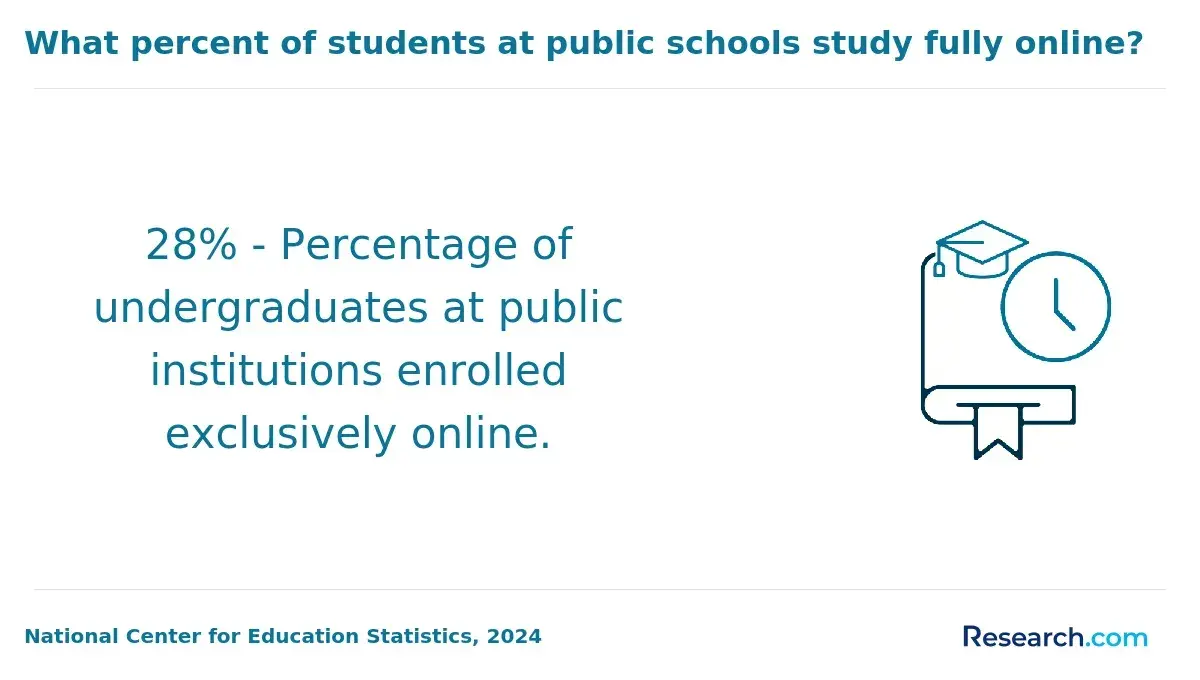
In 2023, almost 70% of GI Bill beneficiaries chose online or distance education, demonstrating how virtual programs, including web design, have become increasingly accessible. The following points highlight how GI Bill benefits generally apply to these online bachelor's degrees.
- Tuition Coverage: The GI Bill pays for tuition and required fees up to the maximum allowed for in-state public institutions or the approved private school rate. Programs that fall within these limits often receive full or substantial tuition reimbursement.
- Housing Stipend for Online Study: Students enrolled exclusively online receive a Monthly Housing Allowance set at 50% of the national average Basic Allowance for Housing (BAH) for an E-5 with dependents, offering financial assistance for living expenses during remote study.
- Enrollment Criteria: To maintain GI Bill eligibility, students must enroll at least half-time in an approved program. Most bachelor's degrees, including web design, meet this requirement when students take half the standard credit hours.
- Approved Institutions and Curricula: Benefits apply only to VA-approved schools and degree programs. The web design program must be officially recognized and lead to an accredited bachelor's degree to qualify for funding.
A veteran I spoke with, currently pursuing an online web design bachelor's degree, shared her journey navigating the GI Bill benefits. She described initial uncertainty about whether the GI Bill would fully support her studies but found the process straightforward once her chosen program was verified as approved. Managing coursework remotely while balancing family life was challenging, but the housing allowance helped ease financial stress. She noted, "Having the GI Bill cover most tuition and some living expenses made a real difference, allowing me to focus on developing skills I can use beyond my military career." Her experience underscores how GI Bill support can enable veterans to succeed in flexible online education paths like web design.
How Much Does an Online Web Design Bachelor's Degree Cost for Veterans?
Online web design bachelor's degree programs typically cost between $15,000 and $60,000 in total tuition, depending on the school and program specifics. Public in-state online programs average about $8,000 per year, while private nonprofit institutions usually charge more than $20,000 annually. Several factors contribute to variations in tuition expenses for veterans and military students.
- Type of Institution: Public universities generally offer lower tuition rates than private colleges, particularly for in-state students, making them a more affordable option for many veterans.
- Residency Status: Veterans eligible for in-state tuition can significantly reduce their costs compared to out-of-state tuition fees, which tend to be much higher.
- Program Length and Credit Requirements: Programs with longer durations or higher credit demands can increase total tuition, while accelerated options may lower overall costs.
- Military Discounts and Tuition Assistance: Schools committed to supporting military students often provide special tuition reductions or financial assistance tailored to veterans.
- Veterans' Education Benefits: Federal and state military education benefits can cover large portions of tuition but vary based on eligibility and location, affecting the final expenses for students.
These elements play a crucial role in shaping the affordability of online web design degrees, enabling veterans to find programs aligned with both their budgets and career goals.
Can Military Experience Count Toward an Online Web Design Bachelor's Degree?
Many colleges are willing to award academic credit for relevant military experience, which can benefit veterans and active-duty service members pursuing an online web design bachelor's degree. This credit recognition can help reduce the time and cost required to earn the degree.
- Transfer Credit Evaluation: Institutions often accept military training credits recommended by organizations like the American Council on Education (ACE). These credits can be directly applied toward web design degree requirements.
- Prior Learning Assessment (PLA): PLAs enable students to earn credit by demonstrating skills through portfolios, exams, or interviews, providing a way to translate military experience into academic credit.
- Coursework Alignment: Military roles involving technology, graphic design, or communications may align closely with core or elective courses, allowing those experiences to fulfill specific degree components.
- Documentation Review: Detailed military transcripts, certificates, and training records are typically submitted for thorough academic evaluation to identify applicable credits.
Because policies differ by institution, it's important for military-affiliated students to consult with academic advisors or veterans' services at their schools. Proper guidance helps in effectively transferring military training credits to web design degree programs or meeting general education requirements. For those beginning their educational journey, considering an associates degree before advancing to a bachelor's may also be a strategic option.
How Do Military Students Apply to Online Bachelor's Programs?
Military students pursuing online bachelor's degrees in web design typically navigate an application process that balances structure with flexibility to accommodate their unique challenges. Nearly 30% of online college students in the U.S. are veterans or military-affiliated individuals, underscoring a significant demand for tailored program access. The following essential steps outline the typical application journey for these students.
- Submitting Academic Transcripts: Applicants must provide official records from high school or previous college work to verify eligibility and academic readiness for undergraduate study.
- Providing Military Documentation: Proof of service, discharge papers, or other military records are required to confirm status and facilitate access to specific military support services within the institution.
- Completing the Online Application: Candidates fill out detailed application forms that capture personal details, educational history, and motivation for enrolling in web design, ensuring the program aligns with their goals.
- Meeting Prerequisite Requirements: Students often need to demonstrate foundational skills such as basic computer literacy or introductory design knowledge that prepare them for the technical aspects of the curriculum.
- Participating in Interviews or Assessments: Some programs may require a virtual or phone interview or an evaluation to assess the candidate's fit and readiness for the demanding online environment.
This process is designed to reduce obstacles posed by deployments, relocations, or military duties by enabling efficient documentation transactions and accessible online platforms. Such accommodations help military-connected students pursue higher education in web design without disrupting their service commitments.
Are Online Web Design Degrees Self-Paced for Military Students?
Flexibility in online web design bachelor's degree programs for military students varies widely, depending on the institution and specific course structure. Some programs offer fully self-paced learning, while others combine asynchronous content with set deadlines to fit military commitments. According to a 2023 report from the National Center for Education Statistics, about 65% of military-affiliated students enrolled in postsecondary education choose institutions that provide flexible or self-paced course options. Below is an overview of common formats designed to accommodate veterans and active-duty service members.
- Fully Self-Paced Learning: These programs allow students to progress through curriculum materials at their own speed without fixed deadlines, ideal for managing unpredictable deployments and duty schedules.
- Asynchronous Classes: Course lectures and assignments are accessible on demand, enabling students to complete work at times that suit their availability rather than attending live sessions.
- Structured Term-Based Programs with Flexible Deadlines: While semesters have defined start and end dates, many offer extended submission windows or alternative deadlines to meet military obligations.
- Hybrid Pacing Models: Some schools blend synchronous online sessions with self-paced tasks, offering a balance between cohort progress and individual schedule flexibility.
A military student enrolled in an online web design bachelor's degree shared that juggling training and academic responsibilities can be "challenging but manageable" thanks to the program's flexible pacing. He noted, "There are weeks when deployment shifts suddenly, and being able to tackle coursework whenever possible reduces stress." Although not entirely self-paced, the mix of asynchronous lectures and lenient deadlines made continuing education feel realistic despite unpredictable service demands.
Can Military Students Study While Deployed?
Military students can continue their education while deployed thanks to many flexible online web design bachelor's programs designed to accommodate the unique challenges of active duty. These programs recognize that deployment may limit internet access and impose unpredictable schedules, so they build in features that support uninterrupted study. The following strategies are commonly used to help military students stay on track during deployment.
- Asynchronous Learning Access: Many programs allow students to access lectures, readings, and assignments at any time rather than at fixed class sessions. This flexibility enables military students to study when their schedules permit, which is crucial during deployment's irregular hours and duties.
- Mobile-Friendly Platforms: Deployments often restrict access to full computer setups, so mobile accessibility ensures coursework can be completed on smartphones or tablets. This convenience supports continuous learning even when connectivity is limited.
- Extended Deadlines: Recognizing that deployments may involve urgent or unexpected tasks, programs often offer extended deadlines for submitting assignments and completing exams. This accommodation helps reduce stress and maintain academic progress despite interruptions.
- Offline Coursework Options: Some programs provide downloadable materials such as readings and video lectures, allowing students to study without constant internet access. This is especially valuable in remote locations with limited bandwidth.
- Dedicated Academic Support Services: Personalized advising and tutoring tailored to the needs of deployed military students help navigate challenges and plan coursework effectively around deployment demands.
Military students pursuing online web design degrees while deployed also benefit from these tailored programs, ensuring their academic journey aligns with service commitments. For those seeking broader educational options, related fields such as an online masters in child psychology also offer flexible study paths for military-affiliated learners.
What Are the Best Military-Friendly Online Colleges for Web Design Degrees?
The best military-friendly online colleges for web design bachelor's degrees are typically identified by institutional qualities that support veterans and active-duty personnel rather than by specific school names. Flexibility, dedicated resources, and an understanding of military life contribute to successful outcomes for these students. Research indicates that around 40% of military-affiliated students pursue fully online degree programs, emphasizing the need for adaptable education options.
Key types of institutions recognized as military-friendly for affordable online web design bachelor's programs for veterans include:
- Public Universities With Strong Online Divisions: These institutions often offer reduced tuition for in-state and military students and maintain robust online platforms capable of delivering comprehensive web design curricula suited to military schedules.
- Institutions With Dedicated Military Support Offices: Having specialized staff focused on veterans' benefits, academic advising, and career transition support ensures military students receive personalized assistance throughout their educational journey.
- Schools Offering Flexible Asynchronous Learning Models: Asynchronous courses provide military students with the ability to study on their own time, accommodating deployments and unpredictable duty hours.
- Competency-Based Education Providers: These programs allow students to accelerate degree completion by demonstrating skills and knowledge, aligning well with the experience many service members bring.
- Colleges Partnered With Military Tuition Assistance Programs: Access to these partnerships helps reduce out-of-pocket costs and simplifies benefits usage, improving affordability and accessibility for military students.
For those seeking the cheapest online college options with military-friendly web design programs, exploring schools with these characteristics can significantly improve educational and career outcomes.
Do Online Web Design Bachelor's Degrees Help Military Transition to Civilian Careers?
Online learning offers military students pursuing a web design bachelor's degree the flexibility to balance service commitments and personal life, easing their shift into civilian careers. Nearly 70% of veterans report that education programs aided their employment after military service, highlighting the value of such degrees in workforce transitions. The following points detail how these programs equip military learners for success beyond the uniform.
- Transferable Technical Skills: Courses in coding, user interface design, and digital tools provide concrete, practical abilities that align with current job market demands, allowing veterans to translate military experience into in-demand competencies.
- Communication and Teamwork: Collaborative online projects foster strong interpersonal skills essential for civilian workplaces while building on teamwork habits ingrained in military service.
- Professional Adaptability: Navigating diverse learning platforms and virtual deadlines mirrors the complexities of civilian work environments, encouraging flexibility and the ability to manage changing demands effectively.
- Problem-Solving: The curriculum emphasizes critical thinking and creative approaches to design challenges, cultivating skills that employers across industries highly value.
- Time Management and Persistence: Balancing coursework with other responsibilities develops discipline and organizational skills, enhancing readiness for civilian job requirements.
What Graduates Say About Online Web Design Bachelor's Degrees for Veterans and Military Students
- Jayce: "The program's flexibility was a game-changer for me as an active duty service member-being able to access coursework anytime allowed me to balance military duties and studies effectively. The curriculum deeply enhanced my web design skills, which I now apply daily in my role developing mission-critical digital solutions. I'm grateful for how the degree prepared me for civilian career pathways while respecting my military commitments."
- Kaizen: "Transitioning out of the military felt daunting until I found a web design degree that offered robust career support tailored for veterans. The counseling and networking opportunities helped me confidently shift into a civilian tech career. Reflecting on my journey, this program didn't just teach me web design; it gave me the tools to redefine my professional identity."
- Dominic: "Completing an online bachelor's in web design provided me with the technical expertise and creative confidence needed for my civilian career while serving part-time in the reserves. The focused curriculum combined with veteran-centered resources made the experience both efficient and relevant. This degree truly bridged my military discipline with modern web development practices."
Other Things You Should Know About Web Design Degrees
Military students pursuing an online web design bachelor's degree typically learn core skills such as HTML, CSS, and JavaScript, which form the foundation of creating and styling websites. They also acquire experience with graphic design software, user experience (UX) principles, responsive design, and content management systems. These technical competencies prepare them for diverse roles in digital design and development post-graduation.
Many online programs offer dedicated support services for veterans, including academic advising tailored to military schedules and challenges, career counseling focused on transitioning to civilian tech jobs, and access to veteran student communities. Some institutions also provide technical assistance and tutoring specifically geared toward web design coursework, helping military students balance their studies with service commitments.
Veterans graduating with an online web design bachelor's degree in 2027 can expect careers as web designers, UX/UI developers, or front-end developers. They may also find opportunities in digital marketing or project management roles, leveraging their unique military experience to enhance leadership and problem-solving skills within tech environments.
Graduates typically find opportunities as web designers, front-end developers, UX/UI designers, or digital content specialists. Veterans equipped with this degree may work for tech companies, marketing agencies, government contractors, or as freelancers. The combination of web design skills and military experience can be especially valuable in roles requiring technical proficiency and strong organizational abilities.
References
- 2025 Most Affordable Online Colleges for Web Design Degrees https://www.onlineu.com/most-affordable-colleges/web-design-degrees
- Web Design Training for Veterans in NYC or Live Online https://www.nobledesktop.com/topics/web-design-training-for-veterans
- Online Education for the Military: A Comprehensive Guide https://www.worldwondersgardens.co.uk/blog/Online_Education_for_the_Military_A_Comprehensive_Guide.html
- Online Degree & Certificate Programs for Active Military and Vert | Sessions College https://www.sessions.edu/military-student-info/
- Explore IT Career Paths for Veterans and Military Personnel https://www.mycomputercareer.edu/an-overview-of-it-career-paths-for-veterans-and-active-duty-military/
- IT (Web Design) https://icieducation.com/courses/design/it-web-design/
- How to Transition from the Military to a Tech Career: A Step-by-Step Guide | https://www.techvets.co/news/how-to-transition-from-the-military-to-a-tech-career-a-step-by-step-guide/
- Executive Search and Outplacement Services for the Engineering, Architecture, Construction, and Manufacturing Industries https://www.davron.net/veteran-job-transition-skillbridge-career-support/
- Online Degrees for Veterans: Why Flexible Learning is a Great Fit https://www.ucumberlands.edu/blog/benefits-of-online-degrees-for-veterans
- Empowering Veterans: Key Military Transition Programs https://veteranstransitionsupport.org/