2027 Part-Time vs Full-Time Online Web Design Bachelor's Degree Programs

Co-Founder and Chief Data Scientist
Balancing a full-time job, family responsibilities, and a desire to switch careers, many adults face a crucial choice: how to pursue a bachelor's degree in web design without derailing their current life. Online education offers flexible options, but the decision between part-time and full-time enrollment affects completion time, learning depth, and work-life balance.
According to recent data, 43% of online bachelor's degree students choose part-time study to accommodate other commitments. This article explores the differences between part-time and full-time online web design bachelor's degree programs, helping prospective students identify the path best suited to their goals and schedules.
Key Benefits of Part-Time vs Full-Time Online Web Design Bachelor's Degree Programs
- Part-time programs offer greater scheduling flexibility, enabling students to balance coursework with jobs or family, while full-time programs demand more consistent weekly commitment.
- Full-time students typically complete their bachelor's degree in four years, whereas part-time can extend to six or more years depending on course load.
- Part-time enrollment supports managing personal and career responsibilities with less stress, but may delay entry into web design employment compared to full-time graduation timelines.
What is the difference between part-time and full-time online web design bachelor's degree programs?
Part-time and full-time online web design bachelor's degree programs differ primarily in workload, pacing, and time commitment. Nearly 40% of online undergraduate students in the U.S. choose part-time enrollment, highlighting a strong preference for flexible scheduling. These factors shape how students manage their studies and commitments. Below is a detailed comparison of part-time and full-time online programs.
Part-Time Online Programs
- Course Load: Students typically enroll in 6 to 9 credit hours per semester, allowing them to balance education with work or personal obligations more easily.
- Scheduling Flexibility: Part-time programs let students spread out their classes, reducing the pressure of overlapping deadlines and enabling deeper focus on individual courses.
- Study Intensity: Coursework is paced over a longer timeframe, making it easier to absorb material without the need for sustained daily study sessions.
- Work-Life Balance: This enrollment type suits those needing to juggle multiple responsibilities, such as employment or family care.
Full-Time Online Programs
- Course Load: Typically involves 12 to 15 credit hours per semester, requiring a more intensive study schedule with daily dedication to coursework and assignments.
- Pacing: The quicker curriculum progression demands consistent engagement and a more rigid weekly routine to keep up with coursework.
- Study Intensity: Full-time students must maintain concentrated efforts over shorter periods, which suits those who can commit most of their time to studying.
- Academic Focus: This format is ideal for students aiming to complete their web design bachelor's degree efficiently.
When considering these options, prospective students may also explore related programs such as the SLP online masters program for complementary fields of study.
How long does it take to complete part-time vs full-time online web design bachelor's degrees?
The time it takes to complete an online bachelor's degree in web design depends largely on whether a student enrolls part-time or full-time and on their individual pacing. The National Center for Education Statistics reports the average time for online bachelor's degree completion is about 5.1 years, reflecting many learners balancing education with work and family. This variation shapes how students approach their studies and timelines.
Here is a comparison of typical durations and structures based on enrollment intensity.
Part-Time Online Programs
- Extended Duration: Part-time students generally take five to seven years to finish their degree, depending on how many courses they take each term and personal commitments.
- Flexible Scheduling: Many institutions offer asynchronous classes or limited course options per semester, allowing students to work around other obligations but potentially slowing progression.
- Reduced Course Load: Taking only one or two courses per term provides valuable flexibility but requires careful long-term planning to complete prerequisites and core classes in the proper sequence.
- Balancing Priorities: This path suits working adults or nontraditional learners needing to juggle education with careers or family, often choosing pace over speed.
Full-Time Online Programs
- Standard Timeframe: Full-time students usually complete their web design degree in about four years, mirroring traditional bachelor's program timelines.
- Higher Credit Load: With 12 to 15 credit hours each semester, students progress steadily and continuously toward graduation.
- Structured Semester System: Fall and spring semesters, often supplemented by summer sessions, help accelerate completion for motivated learners.
- Consistent Schedule: Full-time enrollment benefits from a predictable course sequence and availability, supporting faster degree completion for those focused on finishing efficiently.
For those comparing full-time vs part-time online web design degree duration, it is important to consider how enrollment intensity affects time to graduation and personal flexibility. Students may also explore specialized offerings such as CACREP-accredited programs online in related fields to complement their education or career goals.
What is the workload for a part-time vs. a full-time online web design bachelor's degree?
The workload for part-time and full-time online web design bachelor's programs varies notably in course load, weekly hours, and pacing. Full-time students typically enroll in 12 to 15 credit hours per semester, which equates to about four or five courses, requiring 35 to 45 hours of study each week.
This includes time spent on lectures, assignments, projects, and exams. Part-time learners generally take fewer classes-often between one and three per semester-reducing their weekly commitment to around 10 to 20 hours. This arrangement offers more flexibility, fitting better with other personal and professional responsibilities.
Full-time study demands a faster pace with more frequent deadlines, necessitating strong time management skills to handle consistent academic pressure. Assignments and projects come at a quicker rhythm, pushing students to stay continuously engaged.
Meanwhile, part-time programs space out deadlines more, allowing students to balance coursework alongside work and family obligations. Although the intensity is lower for part-time learners, both formats require deep engagement with course content and disciplined organization to succeed.
Which option is better for working adults in an online web design bachelor's degree?
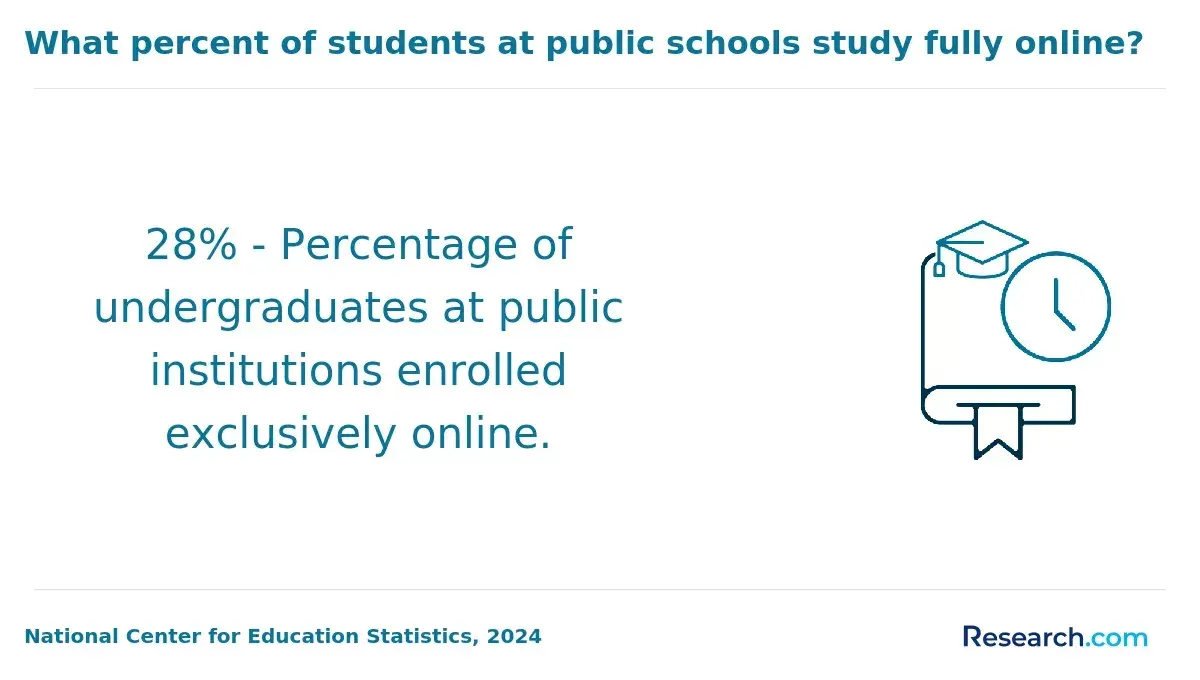
Both part-time and full-time online web design bachelor's degree programs can accommodate working adults, with choices affected by individual schedules, capacity for workload, and personal obligations. The National Center for Education Statistics notes that nearly 30% of undergraduates who study fully online work full-time, showing the increasing demand for adaptable education formats. Here are key factors to weigh when choosing between the two options:
- Scheduling Flexibility: Part-time programs often offer the ability to extend coursework over a longer timeframe, making it easier to handle irregular or demanding work hours. Full-time programs usually expect a steadier weekly commitment.
- Workload Intensity: Full-time students take on more credits per term, which can increase the academic pressure. Part-time study spreads out credits, reducing term load but lengthening overall program completion.
- Time Management: A faster pace and tighter deadlines usually characterize full-time study, requiring strong organizational skills. Part-time learners enjoy a slower rhythm but must sustain motivation across a longer period.
- Pace of Completion: Full-time enrollment often leads to quicker graduation, suitable for those eager to accelerate career changes. Part-time allows a gentler pace, often better suited for balancing work and family life.
One working professional who enrolled in an online web design bachelor's degree shared her experience: balancing family responsibilities with her studies was a challenge, especially during full-time semesters when deadlines tightened.
She found that pacing her coursework part-time allowed her to absorb material deeply without feeling overwhelmed, though staying motivated over several years required discipline and focus. "It's a personal journey," she reflected. "You have to align your learning speed with what life demands at the moment." This insight highlights that the best option depends on individual circumstances rather than a one-size-fits-all answer.
Can I switch from part-time to full-time in an online web design bachelor's degree?
Many online bachelor's degree programs in web design provide students the option to shift between part-time and full-time enrollment based on their academic progress, evolving schedules, or personal needs. This flexibility is increasingly common, with nearly 40% of online learners changing their enrollment status at some point during their studies.
Such adaptability reflects a growing recognition of diverse student circumstances, particularly among nontraditional learners balancing multiple responsibilities. Those exploring changing enrollment status in online web design bachelor's programs often find it supports better alignment with their life commitments. This approach enables students to maintain momentum while adjusting course loads as needed.
Before switching from part-time to full-time, several important factors require attention. Increased academic load and a faster course completion pace can demand stronger time management strategies. Programs typically enforce formal policies that govern enrollment changes, including deadlines, academic standing requirements, and necessary approval from academic advisors or coordinators.
Additionally, modifying enrollment status may influence course sequencing and availability, potentially altering graduation timelines. For students considering such transitions, reviewing these program requirements and consulting advisors is essential to ensure smooth progression and minimize disruption. For those seeking affordable options to pursue flexible study, exploring cheap online EdD programs may offer useful insights.
How does tuition differ for part-time vs full-time online web design bachelor's degrees?
Tuition costs for online web design bachelor's degrees fluctuate based on enrollment status, pacing, and institutional billing methods. On average, total program expenses range from $15,000 to $45,000, influenced heavily by credit pricing and payment timing. These variations can shape how students manage their finances throughout the program.
Part-Time Online Programs
- Per-Credit Billing: Students pay only for enrolled credits each term, allowing flexibility in course load and upfront costs.
- Extended Duration: Programs often span more semesters, spreading tuition payments across a longer timeline but potentially increasing total time spent in school.
- Lower Term Costs: Smaller credit loads mean each payment cycle is generally less costly, easing short-term financial pressure.
- Flexible Payment Scheduling: The pay-as-you-go setup helps nontraditional learners balance education expenses with work and personal commitments.
Full-Time Online Programs
- Flat-Rate Tuition: Many institutions offer a flat fee per term, enabling students to take a full credit load without additional per-credit charges.
- Accelerated Completion: Higher credit loads per term reduce the overall time to degree, potentially lowering living and incidental costs.
- Higher Upfront Payments: Each term requires a larger tuition payment, which can be more challenging without adequate budgeting.
- Cost Efficiency: Flat-rate pricing often results in a lower cost per credit for full-time students compared to part-time pay-per-credit rates.
When speaking with a recent graduate of an online web design bachelor's degree, he recalled the balancing act between workload and finances. He described feeling a "constant juggle" managing tuition alongside family expenses while pursuing his degree part-time.
Although part-time enrollment extended his studies, the smaller payments allowed him to avoid financial strain, which was crucial as he worked full-time. "It wasn't just about the money," he reflected, "but making the payments manageable so I could stay focused on learning without the stress of a lump sum each semester." This insight highlights how tuition structure impacts not only costs but also student experience and persistence.
Which option offers better financial aid for an online web design bachelor's degree?
Financial aid availability for online web design bachelor's degree students varies significantly based on enrollment status, eligibility requirements, and institutional policies. While full-time students often have access to more comprehensive aid, part-time students still secure support; research shows that roughly 45% of part-time online students receive some form of financial assistance. Below is a comparison of common financial aid types for part-time and full-time learners.
- Federal Pell Grants: These grants mainly benefit full-time students since eligibility depends on enrollment intensity, but part-time students may receive prorated awards based on credit hours completed.
- Federal Direct Loans: Both enrollment types can access federal loans; however, full-time students typically qualify for larger loan amounts, reflecting their greater credit loads.
- State Grants and Scholarships: These programs vary widely by state. Many prioritize full-time enrollment, though some offer aid to part-time students who meet minimum credit requirements, providing valuable opportunities for nontraditional learners.
- Institutional Aid: Colleges generally favor full-time students for scholarships and grants, but some schools extend partial awards to part-time enrollees, especially in flexible or online web design programs designed for working adults.
- Employer Tuition Assistance: This aid is independent of enrollment status, making it equally accessible to all students employed by companies with tuition reimbursement programs.
What are the pros and cons of part-time vs full-time online web design bachelor's degrees?
Choosing between part-time and full-time online web design bachelor's degrees requires careful consideration of several factors. Each path offers distinct benefits suited to different lifestyles and career goals. Below is a clear comparison highlighting some advantages and disadvantages of part-time vs full-time online web design degrees.
Pros
- Flexibility: Part-time programs provide greater flexibility, allowing students to balance work, family, or other responsibilities while studying.
- Lower Immediate Costs: Part-time study often means smaller tuition payments per semester, reducing financial pressure for working adults budgeting carefully.
- Faster Completion: Full-time study enables students to finish their degrees more quickly, accelerating entry into the workforce or eligibility for advanced study.
- Immersive Learning: A full-time course load offers a concentrated experience, supporting stronger retention and deeper engagement with design software and technical skills.
Cons
- Slower Progress: Part-time degrees extend the timeline for graduation, which might delay career advancement or entry into new roles.
- Lower Intensity: Part-time study may limit immersion, potentially reducing the depth of engagement compared to full-time programs.
- High Time Commitment: Full-time schedules demand considerable time and focus, challenging for those balancing jobs or personal duties.
- Upfront Costs: Full-time students often face higher immediate tuition expenses, which can be burdensome without employer support or savings.
This flexibility and workload comparison for online web design bachelor's programs can guide students deciding between formats. While full-time programs are ideal for those pursuing an accelerated path, part-time options suit learners prioritizing balance. For students also exploring accelerated degree options in other disciplines, resources on sports management programs online may provide additional insights.
Does part-time vs full-time affect career outcomes in an online web design bachelor's degree?
A 2023 survey by the National Association of Colleges and Employers showed that 82% of employers value demonstrated skills and practical experience more than whether candidates completed their degree part-time or full-time. This reflects a growing emphasis on skill-based hiring trends, particularly in fields like online web design. Understanding the impact of part-time and full-time study on web design career progression requires looking at key factors beyond enrollment status.
- Skill Development: Employers prioritize proficiency with design software, coding languages, and UX/UI best practices. These skills can be effectively acquired through either part-time or full-time online web design bachelor's degree programs, depending on the student's commitment and learning approach.
- Work Experience Integration: Part-time students often juggle jobs while studying, which allows them to immediately apply learned skills and build portfolios in real time. Full-time students, on the other hand, might focus on internships or immersive projects to gain practical experience.
- Degree Credibility: Accreditation and industry recognition hold more weight than study pace. Both part-time and full-time programs must meet established standards to ensure graduates have credentials valued by employers.
- Progression Opportunities: Career advancement depends on continuous skill updating and professional networking, which are accessible to graduates from either enrollment type who remain proactive.
- Broader Educational Context: Prospective students exploring options in technical fields might also consider related degrees, such as an environmental engineering online degree, which reflects similar trends in part-time versus full-time study impacts on career outcomes.
Ultimately, when comparing the effects of part-time vs full-time enrollment on career outcomes in online web design Bachelor's degrees, the evidence suggests that practical skills, work experience, and accredited credentials are far more critical than the pace of study itself.
What mistakes should I avoid in part-time vs full-time study?
Deciding whether to pursue a part-time or full-time online web design bachelor's degree demands thoughtful preparation to manage demands effectively. Research indicates that nearly 40% of online students struggle with balancing coursework and personal life, contributing to higher dropout rates. The following common pitfalls highlight where students often go wrong.
- Underestimating Workload: Many students, regardless of study mode, misjudge the time needed to complete projects and assignments. Full-time learners may feel overwhelmed by the intense weekly requirements, while part-time students might overlook how their workload accumulates over longer periods.
- Poor Time Management: Part-time students balancing jobs and family often face challenges in organizing their schedule, which can cause delays and added stress.
- Misaligned Schedules: Choosing a track without ensuring class times and deadlines fit personal availability leads to missed live sessions and participation opportunities for both part-time and full-time students.
- Unrealistic Expectations: Full-time students sometimes expect to master skills too quickly, while part-time learners may believe they can finish faster despite fewer courses each term.
- Lack of Communication: Avoiding outreach for help can deepen struggles; proactive engagement with instructors or peers benefits students in any study format.
What Graduates Say About Part-Time vs Full-Time Online Web Design Bachelor's Degree Programs
- Jayce: "I chose the part-time online web design bachelor's program because I needed to balance my job and family commitments. Managing coursework alongside my daily responsibilities was tough, especially deadlines and hands-on projects, but the flexible schedule really helped me stay on track. Graduating has elevated my career, allowing me to take on more creative roles and even freelance opportunities I never thought possible."
- Kaizen: "Going full-time with an online web design degree was a commitment I made to immerse myself fully in the field. The intensive pace was challenging, but it pushed me to develop strong time-management and self-discipline skills. Now, as a professional web designer, I deeply value how the comprehensive program prepared me to meet real-world demands efficiently and confidently."
- Dominic: "What drew me to an online web design bachelor's program was the ability to learn at my own pace while continuing my full-time job. Juggling coursework with work wasn't easy, but the program's practical approach and instructor support made it achievable. Completing this degree opened doors to leadership roles and significantly boosted my expertise in user experience design."
Other Things You Should Know About Web Design Degrees
Both part-time and full-time online Web Design programs typically provide access to internships, which are critical for gaining practical experience. However, full-time students might find it easier to align their schedule fully with internship hours. Part-time students may need to seek internships with flexible hours or remote options to balance work and study effectively.
Generally, part-time students enrolled in accredited online Web Design programs have access to the same academic advising, career counseling, and technical support as full-time students. Some resources, such as certain workshops or networking events, may be scheduled during typical weekday hours, which could be less accessible to part-time students juggling other commitments.
References
- How Long Does It Typically Take to Complete Web Design Courses? https://d-fsl.org/blog/how-long-does-it-typically-take-to-complete-web-design-courses/
- Can I switch from part time to full time doing Open Uni https://www.thestudentroom.co.uk/showthread.php
- Top 15 Most Affordable Online Bachelor’s in Web Development and Design https://www.graphicdesigndegreehub.com/best/top-affordable-online-web-development-degree-programs-bachelors/
- Full-Time or Freelance? How to Choose Your Work Style When You Become a Web Developer - Discovery Community College https://discoverycommunitycollege.com/blog/full-time-freelance-choose-work-style-become-web-developer/
- Top 5 Mistakes to Avoid When Choosing an Online Course https://dsuonline.com/resources/blogs/mistakes-to-avoid-choosing-online-course/
- Distance Learning Cost in 2026: Online Degree Cost, Cost of Online Courses, Online Tuition vs Campus Tuition, and Online Education Cost Comparison https://autogarabalti.md/cost-comparison-is-distance-learning-more-affordable-than-traditional-education/
- 5 Common Mistakes to Avoid when Choosing an Online Degree | Tapscape https://www.tapscape.com/5-common-mistakes-to-avoid-when-choosing-an-online-degree/
- Should You Pursue an Online Web Design Degree? https://www.flux-academy.com/blog/should-you-pursue-an-online-web-design-degree
- Which college to choose - full-time or part-time? - PJAIT https://pja.edu.pl/en/studia-stacjonarne-dzienne-czy-niestacjonarne-zaoczne-studiuj-na-wlasnych-warunkach/
- Is an Online Bachelor Degree Right for Your Career Goals? https://degreeonline.education/is-an-online-bachelor-degree-right-for-your-career-goals/