2027 Regional vs National Accreditation for Online Web Design Bachelor's Degrees

Co-Founder and Chief Data Scientist
Choosing an online web design bachelor's degree often involves a crucial question: Will the school's accreditation type affect future prospects? Imagine a student aiming to transfer credits from an affordable, nationally accredited online program to a regionally accredited graduate school, only to face uncertainty about credit acceptance.
Alternatively, a working professional prioritizes flexibility but worries whether employers will value a nationally accredited degree as much as a regionally accredited one.
With 82% of employers emphasizing the importance of accreditation status in hiring decisions within tech fields, accreditation clearly matters. This article examines regional versus national accreditation and how each impacts transferability, academic standards, and career opportunities for online web design students.
Key Benefits of Regional vs National Accreditation for Online Web Design Bachelor's Degrees
- Regional accreditation is widely recognized by employers and graduate programs, enhancing credibility and often improving job prospects in competitive web design fields.
- Credits from regionally accredited online web design degrees transfer more easily between institutions, supporting flexible academic paths and eligibility for advanced studies.
- National accreditation suits career-focused students seeking quicker employment, while regional accreditation better supports those targeting graduate education or long-term academic advancement.
What Is the Difference Between Regional and National Accreditation for an Online Web Design Bachelor's Degree?
Regional and national accreditation represent two key types of institutional recognition in U.S. higher education, particularly relevant for prospective students examining regional vs national accreditation for online web design degrees.
Regional accreditation is granted by agencies that review institutions within specific geographic regions, emphasizing rigorous academic standards, faculty credentials, curriculum quality, and student support services.
National accreditation typically involves agencies that focus on career-oriented or vocational programs with a broader, often nationwide scope.
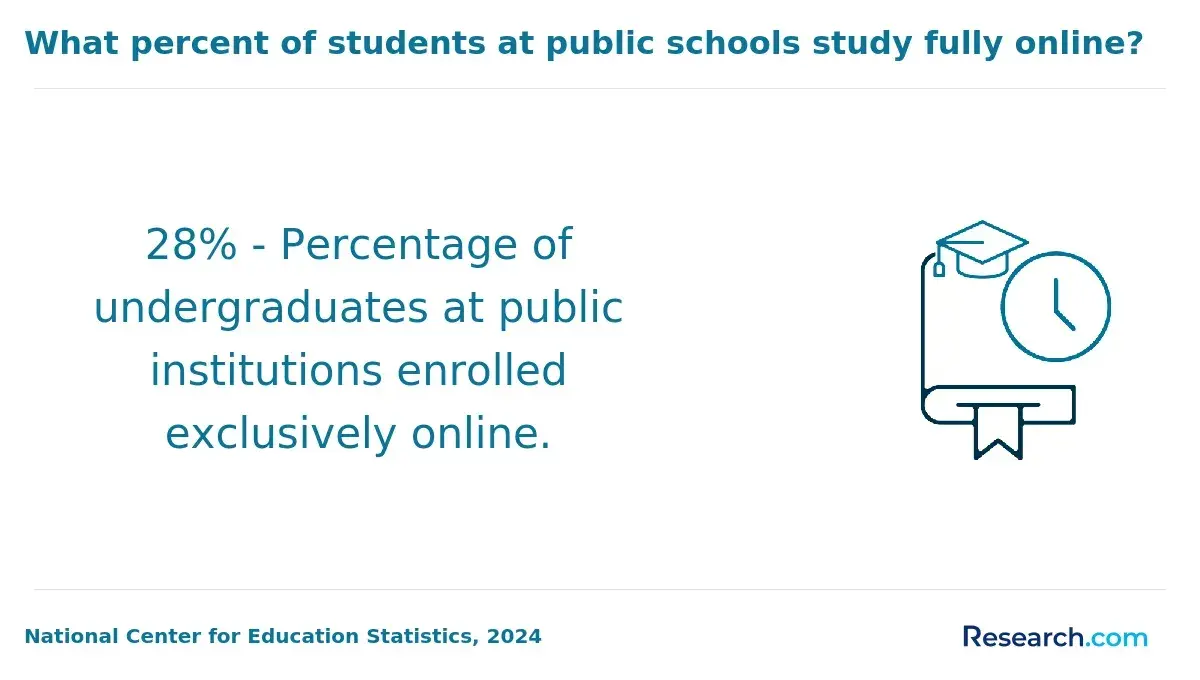
These institutions tend to prioritize practical skills and specialized training tailored to particular industries. Reflecting the rise of distance education, the National Center for Education Statistics reported that about 5.2 million students were enrolled in online courses in 2018, underscoring the importance of accreditation in online degree programs.
The differences in accreditation for online web design bachelor's programs significantly impact recognition and credit transferability. Regional accreditation is widely accepted by employers, graduate schools, and other academic institutions, allowing for more seamless transfer of credits and greater academic flexibility.
Conversely, nationally accredited programs may face challenges with acceptance outside their specialized context, limiting credit transfer and employment recognition in some cases.
Students considering an online web design degree should carefully evaluate how each accreditation type aligns with their academic and professional goals. For those curious about accelerated degree options, resources such as what degree can i get online in 6 months offer insights into alternative pathways to higher education.
Which Agencies Provide Regional Accreditation for Online Web Design Bachelor's Degrees?
Regional accreditation in the United States is granted by a limited number of recognized agencies that evaluate colleges and universities to ensure they meet stringent academic quality and institutional standards.
Approximately 70% of accredited institutions hold regional accreditation, a widely respected marker of educational quality.
Prospective students considering an online web design bachelor's degree benefit from choosing regionally accredited programs due to improved credit transferability and recognition by employers and graduate schools.
The recognized regional accrediting bodies for web design programs correspond to specific geographic areas and subject institutions to detailed reviews of curriculum, faculty, resources, and student services. These agencies include:
- The Middle States Commission on Higher Education (MSCHE): Accredits schools in Delaware, District of Columbia, Maryland, New Jersey, New York, Pennsylvania, and Puerto Rico, emphasizing high academic standards across the Mid-Atlantic region.
- The New England Commission of Higher Education (NECHE): Covers institutions in Connecticut, Maine, Massachusetts, New Hampshire, Rhode Island, and Vermont, ensuring quality education and institutional effectiveness.
- The Higher Learning Commission (HLC): Serves 19 states mainly in the Midwest and Plains, including Illinois, Michigan, and Ohio, focusing on continuous improvement and accountability.
- The Southern Association of Colleges and Schools Commission on Colleges (SACSCOC): Accredits institutions in Texas, Florida, Georgia, Virginia, and other southern states, upholding rigorous evaluation of academic programs.
- The Western Association of Schools and Colleges, Senior College and University Commission (WSCUC): Oversees California, Hawaii, and some Pacific territories, promoting quality and innovation in higher education.
- The Northwest Commission on Colleges and Universities (NWCCU): Covers Idaho, Montana, Nevada, Oregon, Utah, and Washington, supporting institutional excellence across the Northwest.
Choosing from regionally accredited online web design bachelor's degree programs ensures alignment with recognized academic quality markers across the U.S. Students seeking accelerated programs online may consult resources such as accelerated programs online to find options within these accredited institutions.
What Are the Main National Accrediting Bodies for Online Web Design Bachelor's Degree Programs?
National accreditation in the U.S. is generally awarded by organizations that focus on career-driven, technical, or specialized schools operating nationwide. About 11% of higher education institutions carry national accreditation, which highlights its role in supporting practical, industry-aligned programs.
Below are the primary agencies responsible for accrediting online web design bachelor's degree programs:
- Accrediting Commission of Career Schools and Colleges (ACCSC): This commission accredits vocational and technical schools offering career-focused courses, including digital media and web design, emphasizing skill development and workforce preparedness.
- Distance Education Accrediting Commission (DEAC): DEAC oversees institutions delivering chiefly distance learning programs, backing online education providers with flexible, career-oriented curricula such as web design.
- Council on Occupational Education (COE): COE accredits postsecondary institutions specializing in occupational training and applied arts, often encompassing web design programs aimed at technical skill mastery.
- National Association of Schools of Art and Design (NASAD): Though a specialized accreditor rather than a national accrediting agency, NASAD is recognized for approving art and design programs, including web design, and is frequently sought for additional validation by nationally accredited schools.
These national accreditors assess programs based on criteria like curriculum applicability, instructor expertise, and measurable student success within occupational fields, providing a focused quality assurance for career-related education.
How Do Admission Requirements Vary by Accreditation Type for an Online Web Design Bachelor's Degree?
Admission into regionally accredited online web design bachelor's degree programs generally requires meeting traditional academic standards.
Applicants are expected to have completed high school or have an equivalent credential, submit official transcripts, and often provide standardized test scores such as the SAT or ACT, though some institutions may waive these requirements.
Additional materials like personal statements, letters of recommendation, and portfolios showcasing creative and technical skills are commonly requested. These programs tend to have competitive admissions, demonstrating a focus on academic preparation and student capability.
Data from the National Center for Education Statistics indicates that about 60% of students enrolling in these programs meet or surpass these benchmarks, reflecting the relative rigor of regional accreditation.
Conversely, nationally accredited programs usually adopt more flexible admissions policies to expand accessibility, especially for non-traditional students or those balancing education with other responsibilities.
Many of these programs require only a high school diploma or GED, often without demanding test scores, portfolios, or recommendation letters. This streamlined process can lower barriers, enabling a wider variety of applicants to pursue a degree in web design.
However, this less restrictive approach may come at the cost of reduced academic screening, which might affect credit transferability and future graduate school prospects.
A graduate of an online web design bachelor's degree program shared that the admission process was surprisingly straightforward but still meaningful. She recalled feeling apprehensive about submitting a portfolio initially, but receiving clear guidance from admissions helped her highlight her work effectively.
She appreciated how the process respected her professional background and life experience, making it feel personal rather than just procedural. "It wasn't about meeting every checklist item perfectly," she noted, "but showing my passion and potential in a way that fit the program's expectations."
This reflection underlines how different accreditation types influence applicants' journeys in diverse ways.
How Does Online Web Design Bachelor's Degree Tuition Differ by Accreditation Type?
Tuition for online web design bachelor's degree programs varies widely due to differences in accreditation type, institutional structure, and program design.
A significant trend in higher education shows regionally accredited schools generally charge 20% to 40% more than nationally accredited ones, reflecting distinctions in resources and academic reputation.
These cost variations influence the overall value and recognition of degrees, prompting prospective students to weigh their options carefully.
- Tuition Range: Regionally accredited programs typically cost between $15,000 and $40,000 annually, whereas nationally accredited degrees tend to have lower tuition fees ranging from $10,000 to $25,000 per year, making them more budget-friendly upfront.
- Fee Structures: Regional institutions often bundle additional fees such as technology access and student support into their tuition, while national programs usually offer simplified pricing with fewer included extras.
- Institution Types: Regional accreditation is common among public and private non-profit universities with strong reputations, whereas nationally accredited programs are frequently found in for-profit or career-focused schools.
- Value Considerations: Despite lower tuition costs, nationally accredited degrees may face challenges with credit transferability and long-term recognition, which can impact graduate school admissions and career flexibility.
- Cost Comparison Context: When examining online web design bachelor's degree tuition by accreditation type, it's important to look beyond price tags. Those seeking the cheapest online construction management degree options might find parallels in cost structures.
Can I Get Financial Aid for Both Types of Accredited Online Web Design Bachelor's Degrees?
Financial aid options for online web design bachelor's degrees differ based on the type of accreditation a school holds and its involvement in federal and state aid programs. Students enrolled in regionally accredited institutions generally have greater access to a variety of federal financial assistance.
Nearly 85% of college students receive some sort of financial aid, making it important to understand how accreditation influences eligibility.
- Federal Pell Grants: These grants are mostly available to students attending regionally accredited schools and select nationally accredited ones that participate in Title IV programs. Pell Grants provide funds that do not need to be repaid, offering valuable support primarily to those at regionally accredited institutions.
- Student Loans: Federal student loans are accessible to students at both regional and national schools if the institution qualifies for federal aid. However, nationally accredited programs often have more limited eligibility for these loans, restricting borrowing options.
- Work-Study Programs: Work-study opportunities are typically tied to schools with regional accreditation due to federal participation rules, which means students at many nationally accredited schools may not benefit from this aid type.
- State and Institutional Aid: State grants and scholarships vary by location and institution, frequently favoring regionally accredited schools but sometimes extending aid to nationally accredited programs. Both types of schools may offer institutional scholarships or grants, though criteria and amounts differ widely.
Can I Transfer Credits From a Nationally Accredited to a Regionally Accredited Online Web Design Bachelor's Degree?
Transferring credits from a nationally accredited to a regionally accredited online web design bachelor's degree program often presents challenges due to differing accreditation standards and institutional policies.
Success in transferring credits typically depends on how closely courses align in content, credit hours, and academic level, as well as the receiving institution's willingness to accept credits from national accreditors, which they may view as less rigorous.
Many regionally accredited schools require thorough documentation such as syllabi, official course descriptions, and sometimes assessments before accepting any transfer credits.
A frequently observed practice is that these schools tend to accept some general education credits but are more selective or reject specialized web design courses to maintain their academic standards. Credit transfer decisions vary widely, so contacting the admissions or registrar's office directly remains essential for clear guidance.
When asked about his experience, a student enrolled in an online web design bachelor's degree shared that navigating the transfer process felt "overwhelming and uncertain" because each institution's criteria seemed unique and strict.
He noted that submitting detailed course materials multiple times and waiting weeks for evaluations turned into a test of patience. "It's not just about sending transcripts; I had to advocate for my previous coursework and explain how it matched their curriculum," he said.
Despite these hurdles, he felt that "understanding the school's policies early made the process smoother," though he wished for more transparency and quicker responses to avoid anxiety in transferring credits.
Does Accreditation Type Affect Job Opportunities After an Online Web Design Bachelor's Degree?
Accreditation type can influence how employers perceive online web design bachelor's degrees, varying with industry standards and recruitment practices.
A 2022 survey by the National Association of Colleges and Employers found that over 80% of employers prefer candidates holding degrees from accredited institutions, highlighting the importance of accreditation in job evaluations.
Understanding the impact of regional vs national accreditation on web design career prospects can help students navigate hiring landscapes more effectively.
- Employer Perception: Regional accreditation is often regarded as the gold standard, signaling rigorous academic quality and institutional credibility. Graduates from regionally accredited schools may be viewed as more competitive, especially for positions in larger companies or those valuing formal credentials highly.
- Hiring Filters: Automated applicant tracking systems often prioritize degrees from regionally accredited institutions, potentially limiting national accreditations in certain hiring pipelines despite their validity.
- Industry Expectations: Some sectors within web design value specialized, career-focused programs from nationally accredited schools, particularly where practical skills and portfolios outweigh traditional academic benchmarks.
- Role-Specific Requirements: Positions demanding advanced knowledge, certifications, or graduate study eligibility tend to favor regional accreditation, while hands-on roles emphasizing coding and project management might place less emphasis on accreditation type.
- Job Placement Rates: Research on job placement rates for online web design degrees by accreditation shows varied outcomes, making it essential for students to consider employer priorities and trends within their target fields before choosing a program.
For individuals interested in fields like mental health counseling, exploring options such as a fast track mental health counseling program can also illustrate how accreditation influences educational and career pathways across disciplines.
Will Accreditation Affect Eligibility for Advanced Degrees After an Online Web Design Bachelor's Degree?
Accreditation type significantly influences eligibility and admissions considerations for advanced degree programs after completing an online web design bachelor's degree.
Approximately 80% of graduate schools prefer or require degrees from regionally accredited institutions, highlighting the impact of accreditation on graduate school admissions and academic recognition.
- Admissions Recognition: Graduate programs generally favor degrees from regionally accredited schools due to their broader academic standards. National accreditation may be viewed as less rigorous, potentially limiting admission options for master's or doctoral programs.
- Credit Transfer: Credits earned at regionally accredited institutions are more likely to be accepted for transfer or to fulfill prerequisites. This facilitates smoother transitions into advanced programs compared to credits from nationally accredited schools, which may face more scrutiny.
- Institutional Policies: Policies vary widely; some graduate schools accept national accreditation on a case-by-case basis, often considering academic performance and portfolios. However, many maintain strict adherence to regional accreditation, affecting eligibility for advanced study after a nationally accredited web design program.
- Academic Quality: Regional accreditation typically signals higher academic rigor, which can influence a school's confidence in applicant preparedness. This affects both admissions and eligibility criteria for advanced degrees.
Prospective students should weigh the impact of regional vs national accreditation on graduate school admissions outcomes when selecting online web design programs.
For those interested in related fields, exploring options like the online math degree can offer additional pathways with recognized accreditation and established transfer policies.
How Do I Choose Between Regional vs National Accreditation for an Online Web Design Bachelor's Degree?
When choosing between regional and national accreditation for an online web design bachelor's degree, students should weigh several important factors.
Regional accreditation generally carries more prestige and is widely accepted by employers and other colleges, making it a better fit for those aiming to transfer credits or continue with graduate education.
Conversely, national accreditation often targets more career-focused programs and may offer greater flexibility with part-time or self-paced study options.
These distinctions align with students' academic goals and scheduling needs. Studies show that about 60% of prospective college students consider accreditation status a significant factor in their decision-making process.
To make an informed choice, students should start by confirming the accreditation status through trusted organizations like the U.S. Department of Education or the Council for Higher Education Accreditation.
It is essential to examine the credit transfer policies of both current and potential schools, especially if future academic plans include graduate programs.
Reflecting on long-term objectives and consulting academic advisors can clarify which accreditation type aligns best with individual needs. This thorough research helps ensure that the chosen program supports both educational and professional aspirations effectively.
What Graduates Say About Regional vs National Accreditation for Online Web Design Bachelor's Degrees
- Jayce: "Choosing a regionally accredited online web design bachelor's program was a deliberate decision for me because I wanted assurance about the quality and transferability of credits. The flexibility of the online format allowed me to work full-time while still engaging deeply with hands-on projects, which really enhanced my learning. Now, as a professional, I find that employers value the recognized accreditation almost as much as my portfolio."
- Kaizen: "At first, I was unsure whether a nationally accredited online web design degree would carry weight in the industry, but the program's practical approach and direct connection with industry tools quickly won me over. I appreciated how the curriculum balanced creativity with essential technical skills, even if the online delivery sometimes made peer collaboration challenging. In hindsight, earning this degree opened doors I hadn't expected, especially in agencies focusing on digital innovation."
- Dominic: "Pursuing an online web design bachelor's with regional accreditation was a strategic choice to maximize career opportunities across different states and companies. Reflecting on the experience, I value how the structured coursework combined with accessible faculty support made the online learning process more manageable than I envisioned. Today, this degree underpins my confidence when pitching to clients and negotiating contracts as a freelance designer."
Other Things You Should Know About Web Design Degrees
As of 2027, enrolling in a master's program with a nationally accredited online web design bachelor's degree may pose challenges. Many master's programs prefer regionally accredited undergraduate degrees, as they are often considered more rigorous. It's essential to check specific program requirements before applying.
National accreditation is recognized by the U.S. Department of Education but is generally seen as less prestigious than regional accreditation. Recognition can depend on the employer and industry standards, with many employers favoring regionally accredited degrees for web design roles. Checking specific job requirements can provide clarity.
Professional certifications often require candidates to hold degrees from accredited institutions, but they typically do not specify regional versus national accreditation. Candidates with nationally accredited degrees can usually apply, though certain certification bodies may favor regional accreditation. It's advisable to check certification requirements before enrolling.
References
- When to Consider Regional Vs. National Accreditation https://www.onlineu.com/resources/college-planning/regional-vs-institutional-accreditation
- Regional Vs. National Accreditation - There's A Huge Difference - EDsmart https://www.edsmart.org/regional-vs-national-accreditation/
- Understanding the Difference Between Regional and National Accreditation https://www.qahe.org/article/understanding-the-difference-between-regional-and-national-accreditation/
- Choosing an Affordable Online College https://www.snhu.edu/about-us/newsroom/education/choosing-an-affordable-online-college
- An Online Degree in Web Design Helps Advance a Career in Technology https://www.petersons.com/blog/an-online-degree-in-web-design-helps-advance-a-career-in-technology/
- Regional vs National Accreditation: What This Means for You https://www.uopeople.edu/blog/regional-vs-national-accreditation-whats-the-difference/
- Web Development Certificate Program vs. College Degree https://www.nobledesktop.com/blog/web-development-certificate-program-vs-college-degree
- Regional Accrediting Organizations 2022-2023 | CHEA https://almanac.chea.org/regional-accrediting-organizations
- Criteria for Accrediting Computing Programs, 2025 - 2026 - ABET https://www.abet.org/accreditation/accreditation-criteria/criteria-for-accrediting-computing-programs-2025-2026/
- Regional Accreditation vs National: Understanding Key Differences and Benefits - The Scholarship System https://thescholarshipsystem.com/blog-for-students-families/regional-accreditation-vs-national-understanding-key-differences-and-benefits/