
2027 How to Become a Preschool Teacher in Indiana: Requirements & Certification

Co-Founder and Chief Data Scientist
Becoming a preschool teacher in Indiana requires more than enjoying work with young children. If you want to teach in a licensed early learning setting, especially in a public school or state-regulated program, you need to understand Indiana’s education, licensing, testing, background check, and renewal rules before choosing a degree or certification pathway.
This guide explains how Indiana preschool teacher preparation works, which degree paths make sense, how licensure is handled by the Indiana Department of Education, what alternative routes may be available, and how to compare public, private, assistant, and leadership roles. It is designed for future teachers, current classroom aides, career changers, and education students who want a practical roadmap instead of vague advice.
Quick Answer: How do you become a preschool teacher in Indiana?
To become a licensed preschool teacher in Indiana, candidates generally need a bachelor’s degree in early childhood education or a related field, completion of a state-approved educator preparation program, passing scores on required Indiana educator assessments, a background check, and an application through the Indiana Department of Education licensing system. Some entry-level or private preschool roles may accept an associate degree or related experience, but public school licensure typically requires more formal preparation.
Key Things You Should Know About Becoming a Preschool Teacher in Indiana
- The Indiana Department of Education (IDOE) oversees educator licensing in the state, including licenses connected to early childhood education.
- For a preschool teaching license, candidates usually need at least a bachelor's degree in early childhood education or a closely related field, along with completion of an approved educator preparation program covering child development, classroom management, curriculum design, and instructional methods.
- Indiana candidates must pass the required Indiana Core Assessments for Educators, including the early childhood education assessment when applicable. These exams measure knowledge of child development, learning environments, and teaching strategies.
- After finishing education and testing requirements, applicants submit their licensure materials through the IDOE online portal. The process commonly includes transcripts, exam results, background checks, and an application fee that is typically around $35.
- Licensed preschool teachers must keep their credentials active through professional development. Indiana commonly requires at least 90 professional growth points every five years, which may be earned through approved coursework, workshops, and other education-related activities.
- Degree requirements for Indiana preschool teachers
- Alternative certification options for Indiana preschool teachers
- Steps to get an Indiana preschool teaching license
- Continuing education and license renewal requirements
- Preschool teaching specializations in Indiana
- Career advancement options for preschool teachers
- How Indiana regulations shape preschool classrooms
- Career pathways for aspiring preschool educators in Indiana
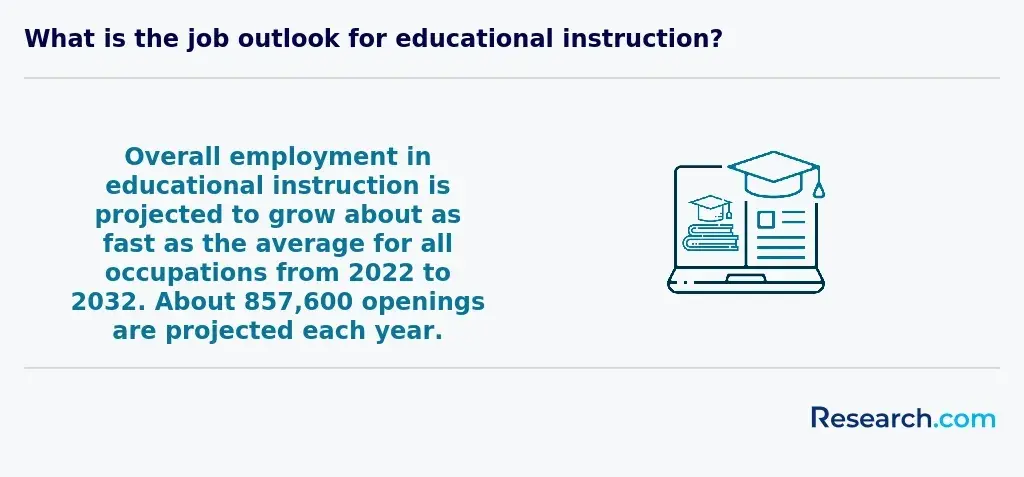
- Indiana preschool teacher job outlook
- Essential skills for preschool teachers in Indiana
- Common challenges in Indiana preschool teaching
- Private preschool teaching as an alternative path
- Using an associate degree as a preschool teaching starting point
- Mentorship and networking for early childhood educators
- Expanding into elementary education in Indiana
- Lower-cost routes to an Indiana teaching credential
- Financial aid for future Indiana preschool teachers
- Special education strategies in preschool classrooms
- Why certification updates matter for your teaching career
- Online advanced degrees in educational leadership
- Creative arts in preschool learning
- Music integration in Indiana preschool classrooms
What degree do I need to become a preschool teacher in Indiana?
The degree you need depends on where you want to work. For many licensed public preschool teaching roles in Indiana, a bachelor’s degree in early childhood education or a related field is the standard route. An associate degree may help you qualify for assistant teacher roles, child care center positions, or some private preschool jobs, but it may not be enough for full public school teacher licensure.
Students comparing programs should look beyond the degree title. A strong early childhood education program should include child development, family engagement, observation and assessment, inclusive instruction, language and literacy development, classroom routines, and supervised field experience with young children.
How early childhood education degrees prepare you
Early childhood education programs teach future preschool educators how children develop socially, emotionally, physically, and cognitively before they enter the elementary grades. The coursework helps teachers create safe routines, plan age-appropriate lessons, recognize developmental delays, manage behavior, and work with families.
Why accreditation matters
Before enrolling, confirm that the institution and educator preparation program meet Indiana expectations. Choosing an accredited and approved program matters because licensure, transfer credit, financial aid eligibility, and employer recognition may all depend on program quality and authorization. Students comparing graduate options can also review resources on early childhood education degree accreditation to understand what quality indicators to look for.
Associate degree vs. bachelor’s degree: which path fits your goal?
| Education path | Best fit | Common limitations |
| Associate degree in education or early childhood education | Students seeking classroom support roles, child care employment, or a lower-cost entry point into early childhood education | May not satisfy full public school teacher licensure requirements without additional education |
| Bachelor’s degree in early childhood education | Future licensed preschool teachers who want broader access to public school and lead teacher roles | Requires more time, tuition, fieldwork, and formal testing preparation |
| Master’s degree or advanced credential | Experienced teachers pursuing leadership, curriculum, administration, policy, or specialist roles | Usually not required for entry-level preschool teaching, so ROI should be evaluated carefully |
How education level can affect salary and advancement
Higher credentials can improve access to lead teacher, coordinator, director, and specialist positions, but salary outcomes are not guaranteed. Pay varies by employer type, location, funding source, years of experience, and whether the role is in a public school, private preschool, nonprofit center, Head Start-style setting, or child care program. According to the Bureau of Labor Statistics, preschool teachers with a bachelor's degree can earn significantly more than those with only an associate's degree.
What are alternative certification programs for becoming a preschool teacher in Indiana?
Alternative certification programs can help career changers or working education staff move toward licensure without following a traditional undergraduate teacher preparation sequence from the beginning. In Indiana, these routes may be especially relevant for adults who already have a bachelor’s degree, paraprofessionals, teaching assistants, or child care professionals who want to become licensed teachers.
Traditional preparation vs. alternative certification
| Pathway | Who it usually serves | How it works |
| Traditional teacher preparation | Undergraduate students planning for licensure from the start | Combines a degree, approved education coursework, field experiences, student teaching, and required exams |
| Alternative certification | Career changers or current school employees with prior college education | Allows candidates to complete targeted licensure coursework while building on previous education or classroom experience |
| Transition to Teaching | Candidates who already hold a bachelor’s degree from an accredited institution | Provides a structured route into teaching without completing a second full bachelor’s degree |
Why classroom experience matters
Alternative routes often rely heavily on practical classroom experience. That is important in preschool education because success depends on more than content knowledge. Teachers must know how to guide play, respond to behavior, communicate with families, assess early learning, and adjust instruction for children with different developmental needs.
Moving from assistant teacher to licensed teacher
If you already work as a preschool aide, paraprofessional, or child care teacher, your experience can help you decide whether lead teaching is the right next step. However, experience alone usually does not replace licensure requirements. You still need to verify degree, testing, fieldwork, and program approval rules before assuming that your work history will qualify you for a license.
Online and fast-track options
Some Indiana candidates look for online or accelerated certification routes because they cannot leave work to attend a full-time campus program. These programs can be useful, but they still need to include the required field-based components. Before enrolling, ask whether the program is approved for Indiana licensure and whether it supports early childhood education specifically.
Alternative certification can be a practical route, but only if it leads to the credential you actually need. If you are comparing certification processes across states, Research.com also provides a guide related to the South Carolina teacher certification test.
This chart illustrates the percentage distribution of early childhood educators across different age groups they teach:
How do you get a preschool teaching license in Indiana?
Indiana preschool teacher licensure generally follows a sequence: choose an approved preparation route, complete the required education and fieldwork, pass the required assessments, clear background checks, and submit the application through the state licensing system. Candidates who already hold a bachelor’s degree may consider a Transition to Teaching (T2T) program if it fits their goals and eligibility.
Step-by-step licensing process
- Confirm your target role. Decide whether you want to work in a public preschool, private preschool, child care center, assistant role, or early childhood program leadership position.
- Select an Indiana-approved preparation pathway. For traditional licensure, this usually means a bachelor’s-level educator preparation program. For eligible career changers, a T2T program may be an option.
- Complete required coursework and field experiences. Expect preparation in child development, curriculum planning, assessment, family engagement, classroom management, and inclusive teaching.
- Pass required Indiana educator assessments. Candidates typically complete the Indiana Core Assessments for Educators, including early childhood education testing when required for the license area.
- Complete background checks and required training. Fingerprinting, background screening, CPR certification, and suicide prevention training may be required as part of the process.
- Submit your application through the IDOE portal. Upload or provide required documentation, pay applicable fees, and monitor the application status.
Documents to prepare
- Official transcripts from every institution attended, showing the degree earned and the date it was awarded.
- Proof of CPR certification from an approved provider.
- Documentation showing completion of suicide prevention training.
- Verification from a T2T program if you are using that route.
- Score reports for required assessments or any additional content areas you want added to your license.
Cost and timeline considerations
Applicants should plan for application fees, background checks, testing costs, transcript fees, and preparation program tuition. The license application fee is typically around $35, but total costs can be much higher once education and testing are included. Processing timelines can vary, so candidates should avoid waiting until the last minute before a job start date.
Understanding how to get a preschool teaching license in Indiana is only part of the decision. You also need to choose a pathway that fits your finances, schedule, and long-term career plan. For comparison with another state process, see Research.com’s guide to the Oklahoma teacher certification test.
What are the continuing education requirements for preschool teachers in Indiana?
Continuing education keeps preschool teachers aligned with current expectations in child development, safety, assessment, inclusion, and instructional practice. Indiana licensing rules can vary by license type, so educators should verify their specific renewal requirements through the Indiana Department of Education. The original requirement often cited for preschool educators is a minimum of 36 professional development hours every five years, while Indiana licensure guidance also commonly refers to at least 90 professional growth points every five years.
Professional development topics that matter
- Child development. Training on developmental milestones helps teachers identify typical progress, possible delays, and appropriate classroom responses.
- Classroom management. Preschool teachers benefit from practical strategies for routines, transitions, social-emotional learning, and positive behavior support.
- Curriculum development. Courses on age-appropriate lesson planning can help teachers design activities that support literacy, math readiness, motor development, creativity, and social skills.
- Inclusive education. Training in special education, trauma-informed practice, and differentiated instruction can improve support for children with varied learning needs.
- Family engagement. Preschool success often depends on communication with caregivers, especially around attendance, routines, behavior, and developmental concerns.
Online vs. in-person continuing education
| Format | Advantages | Potential drawbacks |
| Online professional development | Flexible scheduling, easier access for working teachers, often useful for theory-based topics | May offer less hands-on practice or networking |
| In-person workshops | Better for practice-based skills, peer collaboration, demonstrations, and local networking | May require travel, substitute coverage, or time away from work |
| College coursework | Can support license renewal, salary movement, or advanced credentials | Usually more expensive and time-intensive than short workshops |
Teachers should keep records of all completed professional development, including certificates, dates, providers, and topic descriptions. This documentation can prevent renewal delays.
What specializations are available for preschool teachers in Indiana?
Specialization can make a preschool teacher more effective and may open doors to roles beyond the general classroom. The best specialization depends on the children you want to serve, the settings where you want to work, and whether you plan to remain in teaching or move into leadership.
- Early childhood special education. This area prepares teachers to support children with disabilities, developmental delays, and individualized learning needs. It is especially valuable in inclusive preschool environments.
- Bilingual education. Teachers with language skills and cultural competence can better support children and families who speak languages other than English at home.
- Montessori and Reggio Emilia approaches. These philosophies emphasize child-centered exploration, environment design, inquiry, creativity, and hands-on learning.
- STEM education. Preschool STEM focuses on early problem-solving, observation, measurement, building, patterns, and curiosity rather than advanced technical content.
- Curriculum development. Teachers interested in lesson design, assessment alignment, and program quality may pursue curriculum-focused training or certification.
How to choose a specialization
| If your goal is... | Consider specializing in... | Why it may help |
| Supporting children with developmental or learning differences | Early childhood special education | Builds skills in adaptation, intervention, and collaboration with specialists |
| Working in diverse communities | Bilingual education or culturally responsive teaching | Improves communication with families and supports language development |
| Teaching in child-centered private programs | Montessori or Reggio Emilia methods | Matches schools that use inquiry-based and hands-on learning models |
| Moving into program design | Curriculum development | Supports roles in planning, coaching, and instructional leadership |
If you are comparing early childhood requirements with other state certification systems, Research.com’s guide to Florida teacher certification can provide a point of reference.
How can preschool teachers in Indiana advance their careers?
Preschool teachers can advance by deepening their instructional expertise, earning additional credentials, moving into leadership, or expanding into related education roles. The right path depends on whether you want more classroom responsibility, higher-level program influence, administrative authority, or broader policy impact.
Common advancement options
- Lead teacher or mentor teacher. Experienced preschool teachers may guide assistants, coach new staff, or model strong classroom practice.
- Curriculum coordinator. Teachers with strong planning and assessment skills can help design age-appropriate curriculum across classrooms or programs.
- Preschool director or administrator. Leadership roles often require knowledge of staffing, compliance, budgeting, family communication, and program evaluation.
- Early childhood policy or advocacy. Teachers who understand classroom realities can contribute to nonprofit, government, or community initiatives focused on early learning access and quality.
- Research and consulting. Experienced educators may support program improvement, teacher training, or curriculum implementation.
Advanced degrees, such as a master’s in early childhood education or educational leadership, may help teachers prepare for administrative or specialist roles. However, graduate school should be evaluated carefully. Compare tuition, time commitment, employer tuition support, and whether the credential is required for the role you want. If you are researching teacher preparation structures in other states, Research.com’s resource on Nevada teacher preparation programs may be useful for comparison.
How do Indiana state regulations affect preschool teaching?
Indiana preschool teachers work within rules that affect staffing, safety, curriculum, assessment, and licensing. These regulations are not just paperwork; they shape daily classroom routines, staffing decisions, parent communication, and how programs document child progress.
- Child-to-teacher ratio. Indiana commonly uses a 1:10 ratio for children aged three to five in preschool settings. Ratios affect safety, supervision, and the amount of individual attention teachers can provide.
- Health and safety rules. Programs must maintain standards for cleanliness, emergency readiness, child supervision, reporting, and safe environments.
- Licensing requirements. Educators working in licensed teaching roles must meet state credential requirements, which often include a bachelor’s degree in early childhood education or a related field.
- Curriculum frameworks. Indiana’s preschool learning expectations guide how teachers support early literacy, math readiness, social-emotional development, motor skills, and curiosity.
- Assessment and reporting. Teachers may be expected to observe, document, and report children’s progress to families, administrators, or state systems.
This chart highlights the most important skills for U.S. preschool and kindergarten teachers, ranked by their learning value percentage:
What career pathways exist for aspiring preschool educators in Indiana?
Preschool teaching is only one path within early childhood education. Some people begin as assistants, others enter through a bachelor’s program, and experienced educators may later move into leadership, special education, curriculum, or advocacy.
Career pathway comparison
| Pathway | Good fit for | Next step to consider |
| Preschool teacher assistant | New educators who want classroom experience before committing to licensure | Review requirements for how to become a teacher assistant in Indiana |
| Lead preschool teacher | Candidates pursuing full classroom responsibility | Complete required degree, preparation program, testing, and licensure steps |
| Specialized early childhood teacher | Educators interested in special education, bilingual instruction, or inclusive classrooms | Add targeted coursework, endorsements, or certifications where applicable |
| Program coordinator or director | Experienced teachers who want leadership duties | Build skills in compliance, staffing, curriculum, budgeting, and family engagement |
| Policy, nonprofit, or advocacy role | Teachers interested in early childhood access, funding, or systems change | Gain experience with community organizations, research, and public policy |
A smart career plan starts with the role you want, then works backward to the education and credential required. This prevents a common mistake: enrolling in a program that is interesting but does not qualify you for your intended job.
What is the job outlook for preschool teachers in Indiana over the next 5 years?
The job outlook for Indiana preschool teachers is described as positive, with projected growth of approximately 7% for preschool teaching positions over the next 5 years. The broader demand for preschool teachers in Indiana is expected to grow by 9% over the next decade, reflecting continued attention to early childhood education.
Still, job prospects are not the same in every community or employer type. Demand depends on enrollment, public funding, family income, local population patterns, and whether programs can afford to hire licensed educators.
- Urban vs. rural demand. Larger areas such as Indianapolis may offer more openings because of population size and wider program availability, while rural areas may have fewer programs and slower hiring.
- Demographic shifts. Growing diversity can increase the need for teachers who understand bilingual development, culturally responsive practice, and family engagement.
- Government funding. Public investment in early childhood education can influence how many preschool classrooms open and how many teachers are hired.
- Public and private employers. Public schools, private preschools, child care centers, nonprofits, and faith-based programs may all hire early childhood educators, but pay, benefits, credential expectations, and curriculum models can vary.
- Economic conditions. During economic downturns, education budgets and family ability to pay tuition can affect enrollment and staffing.
What skills are essential for success as a preschool teacher in Indiana?
Preschool teachers need strong interpersonal skills, practical classroom systems, and a deep understanding of early development. The job requires constant observation, quick decision-making, patience, and the ability to turn everyday moments into learning opportunities.
- Clear communication. Teachers must explain expectations to children in simple language while also communicating professionally with parents, caregivers, colleagues, and administrators.
- Classroom management. Strong routines, consistent transitions, positive reinforcement, and calm redirection help young children feel safe and ready to learn.
- Creativity. Preschool lessons often work best when they involve movement, stories, art, songs, sensory play, and hands-on exploration.
- Observation and assessment. Teachers need to notice developmental progress, learning differences, behavior patterns, and signs that a child may need additional support.
- Patience and emotional resilience. Preschool classrooms can be noisy, unpredictable, and emotionally demanding. Teachers must stay steady while helping children learn self-regulation.
- Inclusive teaching. Successful teachers adapt instruction for children with different abilities, languages, family backgrounds, and learning styles.
What are the common challenges faced by preschool teachers in Indiana?
Preschool teaching is rewarding, but it can be physically and emotionally demanding. Indiana educators often have to balance child development goals, regulatory expectations, family needs, and limited classroom resources.
- Large class sizes. Indiana guidelines commonly reference a 1:10 preschool ratio, but teachers may still feel stretched when children need individualized attention, behavior support, or additional supervision.
- Administrative workload. Lesson planning, assessment notes, family communication, compliance documentation, and training requirements can compete with instructional time.
- Behavior support. Preschoolers are still developing self-control, language, and social skills. Teachers need constructive strategies rather than punishment-focused approaches.
- Language and cultural diversity. Educators may need additional tools to support multilingual families and children from varied cultural backgrounds.
- Burnout risk. The work can be emotionally intense. A survey by the Indiana Department of Education reported that nearly 40% of teachers feel overwhelmed, underscoring the importance of planning, support, realistic workloads, and self-care.
Common mistakes to avoid
| Mistake | Why it can hurt you | Better approach |
| Choosing a program without checking Indiana approval | You may complete coursework that does not lead to the license you need | Verify approval with the institution and the Indiana Department of Education before enrolling |
| Focusing only on tuition | Testing, background checks, books, fieldwork travel, and lost work hours can change the real cost | Build a full budget before committing |
| Assuming online means fully remote | Teacher preparation usually requires field experience or supervised practice | Ask where and how clinical requirements are completed |
| Thinking an associate degree always qualifies you as a lead teacher | Some lead roles require a bachelor’s degree and licensure | Match your degree path to your target employer and role |
| Ignoring renewal rules | License renewal delays can affect employment eligibility | Track professional development hours or professional growth points continuously |
Are private preschool teaching opportunities a viable alternative in Indiana?
Private preschool jobs can be a realistic option for educators who want more flexibility in curriculum models, school philosophy, or hiring requirements. Private programs may follow Montessori, faith-based, Reggio-inspired, play-based, or other approaches, and their credential expectations may differ from public school requirements.
However, candidates should compare more than the job title. Ask about salary, benefits, planning time, class size, training support, required credentials, curriculum expectations, and whether the position will help you progress toward licensure. For a closer look at related hiring standards, review private school teacher requirements in Indiana.
Is an Associate Degree in Education a Viable Gateway for Preschool Teachers in Indiana?
An associate degree can be a useful entry point into early childhood education, especially for students who want to start working sooner or reduce initial college costs. It can prepare graduates for assistant roles, child care settings, and some preschool positions by covering child development, classroom support, early learning activities, and behavior guidance.
The limitation is that an associate degree may not meet full licensure expectations for many public preschool teaching roles. If your long-term goal is to become a licensed lead teacher, choose an associate program with strong transfer pathways into a bachelor’s program. Students comparing lower-cost options can start with Research.com’s guide to the best rated associate degree in education.
How can mentorship and networking accelerate my career growth as a preschool teacher in Indiana?
Mentorship helps new preschool teachers solve practical classroom problems faster. An experienced mentor can help with lesson planning, family communication, behavior support, documentation, and navigating school culture. Networking also helps teachers learn about openings, professional development, grants, leadership roles, and specialization options.
Useful networks may include school-based mentor programs, early childhood professional associations, local workshops, alumni groups, and relationships with directors or instructional coaches. Educators considering broader teaching opportunities can also compare pathways such as how to be a middle school math teacher in Indiana, although that route involves very different age groups, content expectations, and licensure considerations.
Is expanding my expertise to elementary education a worthwhile career move in Indiana?
Expanding into elementary education can make sense if you enjoy early literacy, math foundations, curriculum planning, and working with children beyond preschool age. It may also broaden your job options in public schools. The transition is not automatic, though. Elementary teaching involves different standards, assessments, classroom structures, and licensure requirements.
Before making the shift, compare the daily work of preschool and elementary teachers. Preschool relies heavily on play-based learning, routines, developmental observation, and social-emotional support, while elementary teaching typically includes more formal academic instruction and subject-area progression. To explore the transition, review how to become an elementary teacher in Indiana.
What is the most cost-effective way to obtain a teaching credential in Indiana?
The most affordable route depends on your current education level. A high school graduate, associate degree holder, bachelor’s degree holder, and current teaching assistant may all have different low-cost options. The goal is not simply to find the cheapest program, but to find the least expensive route that still leads to the correct Indiana credential.
To control costs, compare public institutions, transfer agreements, employer tuition assistance, online course availability, testing fees, and program completion timelines. Candidates looking specifically for budget-focused routes can research the cheapest teaching credential program in Indiana.
What financial aid options are available for aspiring preschool teachers in Indiana?
Financial aid can make teacher preparation more manageable, especially for students balancing tuition with work, family responsibilities, and field placement requirements. Future preschool teachers should complete aid applications early and ask each school how aid applies to education majors, clinical coursework, and part-time study.
- Federal and state grants. Pell Grants and the Indiana Frank O'Bannon Grant may support eligible students pursuing early childhood education degrees. Grants are especially valuable because they do not need to be repaid.
- Scholarships. Some scholarships are designed for early childhood education majors, including opportunities through organizations such as the Indiana Association for the Education of Young Children (IAEYC).
- Loan forgiveness programs. Indiana participates in federal teacher loan forgiveness options, including the Teacher Loan Forgiveness Program, which can forgive up to $17,500 in federal loans for teachers who work in low-income schools for five consecutive years.
- Continuing education aid. Current educators may qualify for grants, scholarships, or employer support for advanced coursework and professional development.
- Work-study and employer tuition support. Some colleges offer work-study jobs, and some education employers help staff pay for degrees or credentials tied to classroom work.
Questions to ask before enrolling in a preschool teacher preparation program
- Is this program approved for Indiana educator licensure in early childhood education?
- What degree, testing, field experience, and background check requirements are included?
- Where will I complete student teaching or supervised fieldwork?
- Can prior college credits transfer into the program?
- What is the full cost after tuition, fees, books, testing, and transportation?
- Does the program offer evening, online, hybrid, or part-time options?
- What support is available for licensing exams and job placement?
- Will this credential qualify me for public school roles, private preschool roles, or both?
How can integrating special education strategies benefit preschool learners in Indiana?
Special education strategies help preschool teachers identify and respond to learning differences earlier. Differentiated instruction, visual supports, small-group activities, adaptive materials, and collaboration with specialists can make preschool classrooms more inclusive and more effective for children with developmental delays, disabilities, communication needs, or behavioral challenges.
Teachers do not need to be special education experts to use inclusive strategies, but additional training can improve confidence and classroom outcomes. Educators interested in this direction can review special education teacher requirements in Indiana.
How can staying updated with certification guidelines advance my teaching career in Indiana?
Licensing rules, renewal expectations, assessment requirements, and documentation procedures can change. Staying current protects your eligibility for jobs and helps you make better decisions about endorsements, advanced credentials, and career moves.
Teachers should regularly check state guidance, save documentation, confirm renewal timelines, and talk with school HR or licensing advisors before making assumptions. For a broader overview, consult Indiana teacher certification requirements.
How can specialized training enhance a preschool teacher’s impact in Indiana?
Specialized training helps preschool teachers respond to needs that basic preparation may only introduce. Training in early intervention, speech and language development, developmental screening, trauma-informed practice, and inclusive curriculum design can improve how teachers identify concerns and support children before kindergarten.
Preschool teachers who want stronger language-development skills may also explore related career knowledge, such as how to become a speech pathologist in Indiana, to understand how communication specialists support young learners.
How can online advanced degrees in educational leadership benefit my career as a preschool teacher in Indiana?
An online advanced degree in educational leadership may help experienced preschool teachers move into director, coordinator, instructional coach, or program leadership roles. These programs can build skills in supervision, organizational improvement, education law, budgeting, curriculum evaluation, and data-informed decision-making.
Because advanced degrees require a major investment, compare cost, accreditation, licensure relevance, program format, and whether your employer recognizes the credential. Educators evaluating doctoral-level options can review programs such as the cheapest online doctorate in educational leadership.
How can integrating creative arts into preschool teaching enhance student outcomes in Indiana?
Creative arts can strengthen preschool learning by supporting fine motor development, vocabulary, self-expression, problem-solving, cooperation, and confidence. Drawing, painting, movement, dramatic play, and hands-on projects give young children multiple ways to explore ideas before they can fully explain them in words.
Arts integration works best when it is intentional rather than decorative. Teachers should connect activities to developmental goals, use open-ended materials, encourage process over perfection, and adapt activities for children with different sensory or motor needs. Educators who want to deepen this area can explore how to become an art teacher in Indiana.
How can integrating music into preschool teaching benefit young learners in Indiana?
Music can support language growth, memory, rhythm, listening, movement, social participation, and emotional regulation in preschool classrooms. Songs can help children learn routines, remember concepts, practice sounds, follow directions, and transition between activities.
Effective preschool music integration does not require advanced performance skills. Teachers can use call-and-response songs, clapping patterns, movement games, simple instruments, and sound exploration to create multisensory learning experiences. Educators interested in a music-focused pathway can review how to become a music teacher in Indiana.
Here's What Preschool Teachers in Indiana Have to Say About Their Career
My first preschool classroom in Indiana changed how I understood teaching. I had always wanted to work with children, but watching a child finally recognize letters after weeks of encouragement showed me how powerful early learning can be. I later moved into high school history, yet the preschool skills I developed—patience, creativity, flexibility, and emotional awareness—still shape my teaching every day. — Olivia
I grew up in a small Indiana town and remembered preschool as a place where learning felt joyful. When I became a preschool teacher myself, I learned how important relationships are. One of my favorite projects was a community garden that brought children and families together. That experience still influences how I build community in my classroom now. — Michael
Preschool teaching gave me my first real understanding of student curiosity. During a week focused on world cultures, we used stories, crafts, and conversation to introduce children to different places. Their questions reminded me that strong teaching starts with engagement. I now teach older students, but I still use the same lesson: make learning concrete, active, and meaningful. — Anthony
Related Articles for Nearby States
- 2027 How to Become a Preschool Teacher in Ohio: Requirements & Certification
- 2027 How to Become a Preschool Teacher in Illinois: Requirements & Certification
- 2027 How to Become a Preschool Teacher in Kentucky: Requirements & Certification
- 2027 How to Become a Preschool Teacher in Michigan: Requirements & Certification
- 2027 How to Become a Preschool Teacher in Wisconsin: Requirements & Certification
- 2027 How to Become a Preschool Teacher in Missouri: Requirements & Certification
- 2027 How to Become a Preschool Teacher in Tennessee: Requirements & Certification
- 2027 How to Become a Preschool Teacher in Iowa: Requirements & Certification
- 2027 How to Become a Preschool Teacher in West Virginia: Requirements & Certification
- 2027 How to Become a Preschool Teacher in Minnesota: Requirements & Certification
Key Insights
- Indiana preschool teacher requirements depend heavily on the setting. Public school teaching roles typically require a bachelor’s degree, approved educator preparation, testing, and licensure, while some private or assistant roles may have different expectations.
- Do not choose a program based only on cost or convenience. Confirm that it is accredited, Indiana-approved when licensure is your goal, and aligned with the age group and role you want.
- Alternative routes such as Transition to Teaching may help candidates who already hold a bachelor’s degree, but they still involve formal requirements, documentation, field experience, and state approval.
- License renewal and professional development matter. Keep records of completed training and verify whether your license requires professional growth points, development hours, or other renewal documentation.
- Specializations in early childhood special education, bilingual education, curriculum development, STEM, music, or creative arts can make you more competitive and more effective with diverse learners.
- The job outlook is positive, with preschool teacher demand in Indiana expected to grow by 9% over the next decade and approximately 7% over the next 5 years, but local hiring varies by funding, location, and employer type.
- The best next step is to identify your target job first, then work backward to the exact degree, license, assessment, and experience requirements for that role.
References:
- in.gov. (2021, June 16). Transition to teaching. in.gov.
- Indiana University School of Education. (n.d.). B.S.Ed. in early childhood education. Indiana University School of Education.
- Indiana University Indianapolis. (n.d.). About the early childhood education major. Indiana University Indianapolis.
Other Things You Should Know About Becoming a Preschool Teacher in Indiana
The Indiana Department of Education sets educator licensing rules for public-school preschool teachers, while the Indiana Family and Social Services Administration oversees many child care licensing standards for private early childhood programs. For a public-school teaching license, candidates must meet IDOE requirements, including approved preparation and testing.
The Indiana Department of Education sets the certification requirements for preschool teachers, including approving teacher preparation programs, overseeing certification exams, and issuing teaching licenses. Aspiring teachers must meet these standards to teach in Indiana preschools.





