2027 Data Science Degree Popularity by Gender, Region, and Degree Level

Co-Founder and Chief Data Scientist
A student researching data science programs in 2024 encounters sharply divergent enrollment patterns that challenge straightforward interpretation. For example, recent National Center for Education Statistics data shows a 15% decline in bachelor's degree completions by women nationwide, a shift concentrated in specific regions and institutions. These disparities complicate how applicants assess program accessibility, peer diversity, and potential networks. They reflect broader workforce realignments and regional demand imbalances rather than uniform trends. Overlooking such nuances risks misjudging program quality or employability. This article examines data science degree popularity by gender, region, and degree level to inform clearer, evidence-based educational and career decisions.
Key Things to Know About Data Science Degree Popularity by Gender, Region, and Degree Level
- Women represent roughly 38% of data science degree enrollees in North America, highlighting ongoing gender gaps that influence workforce diversity strategies and retention challenges in tech roles.
- Regions with high industry concentration, like Silicon Valley, show elevated master's level enrollment, reflecting employer preference for specialized skills despite higher tuition and opportunity costs.
- Associate degree pursuits rise fastest in underserved regions, signaling accessibility benefits but potential tradeoffs in advanced analytical training valued by competitive employers.
- Key Things to Know About Data Science Degree Popularity by Gender, Region, and Degree Level Key Things to Know About Data Science Degree Popularity by Gender, Region, and Degree Level
- How Does Job Market Demand Influence Data Science Degree Popularity? Market Demand and Degree Popularity
- How Does Online Data Science Degree Enrollment Compare to Traditional Campus Programs? Online vs. Campus Enrollment
- What Degree Level Is Most Common Among Data Science Students? Most Common Degree Levels
- How Do Enrollment Trends Differ Between Associate, Bachelor's, Master's, and Doctoral Data Science Degrees? Enrollment Trends by Degree Level
- How Popular Is the Data Science Degree Compared to Other College Majors? Degree Popularity vs. Other Majors
- Why Is the Data Science Degree More Popular in Certain States and Regions? Regional Popularity Drivers
- What Demographic Groups Are Driving Growth in Data Science Degree Programs? Growth by Demographic Groups
- What Is the Future Outlook for Data Science Degree Enrollment by Gender, Region, and Degree Level? What Is the Future Outlook for Data Science Degree Enrollment by Gender, Region, and Degree Level?
- How Have Data Science Degree Enrollment Trends Changed Over the Past Decade? How Have Data Science Degree Enrollment Trends Changed Over the Past Decade?
- Where Is the Data Science Degree Most Popular Across the United States? Geographic Popularity Analysis
How Does Job Market Demand Influence Data Science Degree Popularity?
Employer demand significantly shapes the popularity of data science degree programs, but regional economic conditions and job market depth critically mediate this relationship. For instance, states like California and Massachusetts with robust technology sectors consistently report higher enrollment and completion rates in data science, reflecting how concentrated industry hubs create clearer and more immediate employment pathways. However, prospective students must balance this with the reality that many employers prioritize demonstrated skills and practical experience over formal credentials alone, which can dilute the appeal of degree attainment in areas with slower tech growth. This dynamic illustrates that labor market demand and data science degree enrollment trends are not perfectly aligned, as students weigh program accessibility, perceived ROI, and local job market saturation before committing to degree programs.
Gender disparities in data science enrollment also reveal nuances obscured by aggregate labor market statistics. Despite widespread labor demand, women remain underrepresented in many programs due to structural barriers and cultural influences unrelated to job availability. This persistent gap suggests that employer demand alone does not drive participation uniformly across genders but is intertwined with educational outreach, mentorship ecosystems, and inclusive hiring practices. Additionally, decisions about pursuing advanced degrees versus certifications or alternative credentials differ by region and career stage, with some professionals opting for shorter, targeted training like a cheap online MBA to complement technical expertise in data science, especially where workforce shortages prioritize domain knowledge and adaptability over formal degree level.
How Does Online Data Science Degree Enrollment Compare to Traditional Campus Programs?
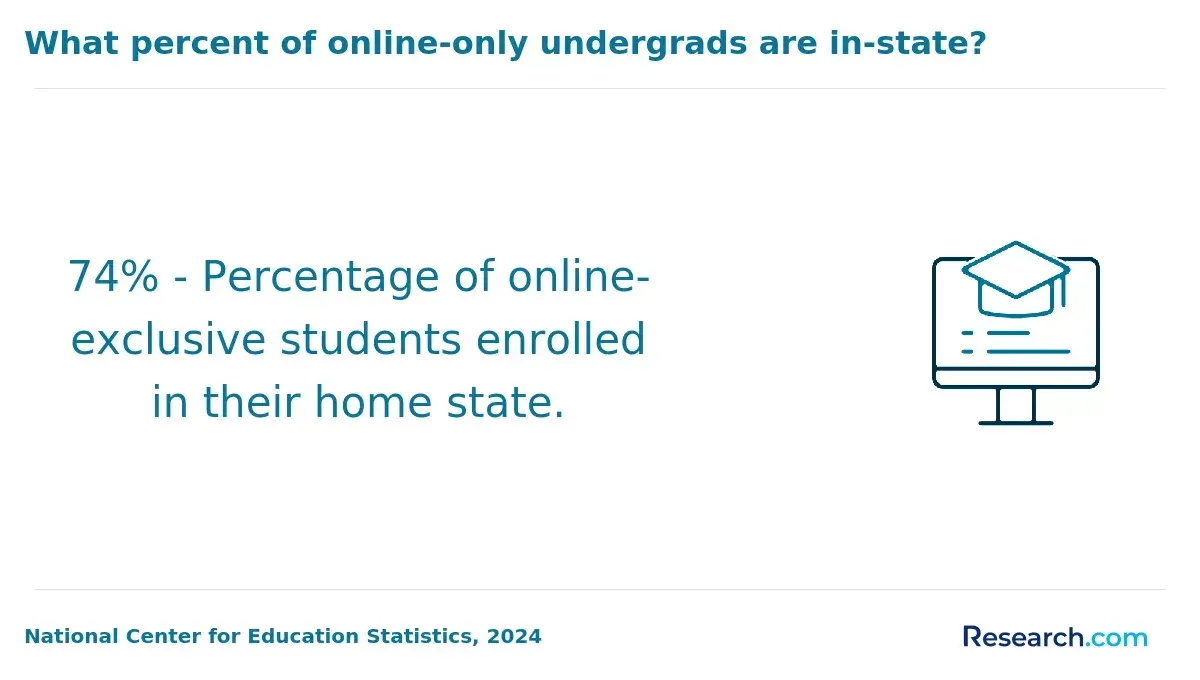
Online data science degree enrollment increasingly differs from traditional campus programs by drawing a more diverse and geographically dispersed student body, particularly adult learners balancing work and family commitments. Data from the National Center for Education Statistics in 2024 shows online pathways now represent about 45% of data science-related enrollments, up notably from five years earlier. This growth reflects the appeal of flexible scheduling and access for students in rural or underserved areas, where proximity to research universities is limited. Conversely, campus-based programs predominantly attract younger students freshly out of high school, with a focus on advanced degrees and research-intensive training that online programs seldom replicate at higher levels.
Such modality distinctions affect completion patterns and career readiness; online learners often face lower six-year completion rates-around 62% compared to 70% for traditional programs-due to less direct mentorship and cohort interaction. At the same time, online offerings emphasize undergraduate and professional certificate options tailored to career switchers or upskillers, while brick-and-mortar institutions more frequently cater to master's and doctoral candidates pursuing academic or specialized research roles. These contrasts underscore important tradeoffs for prospective students regarding access, support, and the type of credential aligned with their career objectives.
One student weighing options from a rural Midwest town shared how limited local university options and a full-time job led her to choose an online data science bachelor's program. Initially skeptical about the lack of face-to-face interaction, she found the program's flexible pacing essential to balancing work and study. While missing out on campus networking, she appreciated how targeted online advising helped navigate curriculum choices. Her experience highlights how geography and life circumstances increasingly shape enrollment decisions, often making online education the more practical entry point despite ongoing concerns about engagement and completion challenges.
What Degree Level Is Most Common Among Data Science Students?
Bachelor's degrees dominate data science education, reflecting employers' preference for this level as the standard entry point into analytics roles that balance technical skills with practical business applications. According to the National Center for Education Statistics' IPEDS data from 2024, undergraduate programs comprise roughly 60% of current enrollments, underscoring their central role in workforce pipelines. This popularity largely arises from the relatively shorter time and cost commitments compared to graduate degrees, as well as the expansion of bachelor's curricula that integrate programming, statistics, and domain knowledge tailored to industry demands.
Master's programs, accounting for about 30% of enrollments, cater to students seeking specialized expertise in areas like machine learning and data engineering to meet mid- and senior-level technical requirements. Their growth aligns with a job market that values advanced analytical capabilities, but the higher financial and time investments narrow accessibility. Meanwhile, associate degrees remain rare in data science education due to the field's quantitative rigor, though they can serve as practical stepping stones into bachelor's programs or technical roles focused on foundational skills.
Doctoral pursuits represent a small niche, around 3%, aimed largely at research and theoretical innovation rather than immediate industry entry. The distribution across degree levels reveals how student decisions must weigh accessibility, career objectives, and program focus-bachelor's degrees offer broad applicability and quicker workforce entry, master's degrees provide depth and specialization, and doctoral studies emphasize academic or high-level research paths less common beyond elite institutions or specialized sectors.
How Do Enrollment Trends Differ Between Associate, Bachelor's, Master's, and Doctoral Data Science Degrees?
Enrollment disparities across associate, bachelor's, master's, and doctoral data science degrees highlight distinct practical and workforce-driven motivations influencing student choices. Associate programs, representing roughly 10% of enrollments per recent government data, appeal to learners seeking faster entry into technical, regional roles or skill augmentation without the extended commitment of higher degrees. In contrast, bachelor's degree programs dominate with about 55% of nationwide enrollees, reflecting their role as a broad foundation for mid-level analytical jobs and data engineering positions. However, bachelor's programs also reveal demographic gaps, notably women comprising only around 35% of students, underscoring ongoing issues in gender diversity within the field.
Master's degrees, now accounting for approximately 25% of data science degree awards, demonstrate accelerated growth as employers increasingly demand specialized, advanced analytical capabilities. These programs frequently attract students pivoting careers or seeking deeper expertise in niches like business intelligence or machine learning, often clustered around urban research hubs. Doctoral enrollment remains under 10%, concentrated in elite institutions and primarily chosen by those targeting academic research or high-level consultancy roles, which require rigorous admission standards and longer degree timelines.
Regional differences in data science degree enrollment by education level significantly influence program availability and professional pathways, shaping student decisions about where and what to study. For those weighing options, considering these enrollment patterns alongside workforce realities can aid in selecting programs aligned with both immediate employment prospects and long-term career objectives, including pathways found through affordable online colleges.
How Popular Is the Data Science Degree Compared to Other College Majors?
The relative popularity of the data science degree highlights both its emerging role and ongoing limitations within STEM education. Representing about 1.5% of bachelor's STEM degrees, data science remains far less common than fields like computer science or engineering, reflecting its newer academic status and overlap with related disciplines. Despite rapid growth-annual enrollment increases exceeding 25% since 2020-the degree's smaller scale means fewer dedicated programs and potentially narrower peer networks, which can affect students' access to specialized coursework and industry connections compared to more established majors.
Geographic and demographic patterns further shape data science's reach. Enrollment tends to cluster in tech-heavy regions such as the Northeast and West Coast, leaving rural areas with limited options, contributing to uneven workforce development. Women constitute roughly 30% of data science graduates, aligning with broader STEM gender gaps that may influence program culture and recruitment efforts. While graduate-level completions nearly doubled recently, total numbers remain modest relative to majors like statistics, underscoring challenges in program availability and signaling that demand from employers is driving expansion rather than existing supply.
One former data science student recalled initially choosing the major partly due to curiosity about its rising demand, but found that class sizes were smaller and less diverse than anticipated. Advising conversations often emphasized the field's novelty and evolving curriculum, which felt less settled compared to traditional disciplines. This student noted peers sometimes questioned the degree's visibility and questioned whether its rapid growth meant greater opportunities or simply more competition in a tight job market, highlighting the nuanced decisions faced when weighing data science against more conventional options.
Why Is the Data Science Degree More Popular in Certain States and Regions?
Higher data science degree enrollment in states like California and Massachusetts reflects more than just student preference; it signals a strong alignment between local industry demand and educational infrastructure. These states benefit from the concentration of technology firms, financial institutions, and research organizations that actively seek data science talent, offering graduates clearer employment trajectories. This regional clustering not only boosts degree popularity but also enhances student networking opportunities and practical learning through local partnerships, which shape program curricula and post-graduation outcomes. Policymakers in these areas often back STEM funding initiatives, further expanding access to accredited data science programs and influencing decisions about where students choose to study.
Regional factors influencing popularity of data science degrees also highlight disparities in educational opportunity and demographic distribution, especially when comparing urbanized centers with rural areas. States with younger, more tech-literate populations and higher educational attainment levels naturally see higher enrollment, while limited internet access and fewer local employers constrain growth elsewhere. The expansion of online learning options, including online master degree programs, partially offsets geographic disadvantages but cannot replace the value of in-person industry connections. These trends affect how prospective and current students evaluate program value, influencing choices based on proximity to job markets, program availability, and the strength of employer networks.
Understanding why data science degree enrollment varies by state reveals critical tradeoffs for students prioritizing employability and long-term career relevance. A degree earned in a high-demand region with abundant local opportunities generally offers stronger immediate returns, while students in less represented states face tougher decisions about pursuing hybrid or fully online options. This geographic variation shapes not only the volume of graduates but also shapes perceptions of program quality and career pathways, underscoring the importance of aligning educational decisions with realistic workforce ecosystems rather than enrollment trends alone.
What Demographic Groups Are Driving Growth in Data Science Degree Programs?
Shifts in data science degree enrollment reflect evolving workforce demands and educational accessibility rather than simple demographic changes. Notably, increased participation by women-up about 12% over the last two years per National Center for Education Statistics data-signals a narrowing gender gap influenced by targeted STEM outreach and visible career pathways. This growth often reshapes program dynamics, as more diverse student cohorts introduce varied perspectives but may also require institutions to adapt support services and peer networks to sustain engagement and retention.
Mid-career adults aged 25 to 40 constitute another key growth segment, attracted by flexible online and hybrid program options that accommodate work-life balance. The Integrated Postsecondary Education Data System reports that over 40% of graduates in 2023 completed their studies through such formats, highlighting how delivery mode innovations respond to workforce reskilling needs amid digital transformation. For prospective students, this demographic trend underscores the importance of evaluating program flexibility alongside content relevance to ensure alignment with individual career trajectories and time constraints.
Regional enrollment trends center on metropolitan tech hubs like the San Francisco Bay Area and Boston, where data science programs closely link to strong job markets and research institutions. However, emerging growth in smaller urban centers and community colleges suggests expanding access beyond traditional hotspots, potentially diversifying local talent pipelines but also raising questions about resource allocation and program quality consistency. For stakeholders, understanding these geographic nuances is critical to balancing equitable educational opportunities with maintaining program rigor and employability outcomes.
What Is the Future Outlook for Data Science Degree Enrollment by Gender, Region, and Degree Level?
Enrollment in data science degree programs is poised for uneven growth shaped by degree level, geographic location, and gender dynamics. Graduate programs are expanding more rapidly than undergraduate offerings, reflecting employers' preference for candidates with specialized skills and advanced training to meet complex analytical challenges. This shift encourages prospective students to weigh the longer time and financial investment required for master's or doctoral degrees against the increased employability and potential salary premiums in competitive tech and finance markets.
Gender representation remains an important factor shaping enrollment trends and program design. Although women now comprise about 29% of data science degree candidates, a tangible increase from previous years, they tend to favor master's programs over doctoral studies due to factors such as work-life balance and career trajectory considerations. These enrollment patterns can influence institutional support structures and mentorship availability, impacting long-term retention and success of women in data science careers.
Regional disparities persist, with urban technology hubs like the San Francisco Bay Area and Boston seeing sustained enrollment growth fueled by local industry demand and investment in data science education. Conversely, rural and less economically dynamic areas experience slower enrollment increases, though expanding remote learning options are gradually mitigating access barriers. For students and educators, this geographic divide underscores the critical role of flexible delivery methods and sector-specific program adaptation to align educational outcomes with evolving workforce requirements.
How Have Data Science Degree Enrollment Trends Changed Over the Past Decade?
The substantial rise in data science degree enrollment over the past decade reflects more than growing interest; it signals deepening integration between education and workforce demands. The increase, particularly notable in bachelor's and master's programs, reveals a shift in labor markets requiring proficiency beyond traditional analysis to include big data competence and applied analytics. However, disparities in enrollment growth between men and women remain significant, despite improvements where female representation among master's recipients rose from about 28% to 38%. This demographic shift highlights ongoing efforts to diversify STEM fields, though it also underscores uneven progress that may influence recruitment and retention strategies in academic programs and employers' talent pipelines.
Regional variation further complicates data science degree enrollment trends in the United States over the past decade, with tech-centric urban areas like the West Coast and Northeast exhibiting higher participation and completion rates. These locations benefit from proximity to industry hubs offering extensive programs and robust job markets, unlike rural areas where access and institutional offerings are limited. Such geographic disparities affect not only who pursues degrees but also the practical utility of those degrees post-completion, influencing where graduates find relevant employment. Online and hybrid program growth partially mitigates these divides, enabling professionals to upskill remotely, reflecting broader workforce dynamics where flexible pathways increasingly matter.
While the surge in enrollment responds to clear labor market signals, prospective students and graduates must consider program quality and employability carefully. Variations in curriculum rigor and relevance create risks of misalignment with employer expectations, which can affect long-term career outcomes. Those evaluating pathways will find it necessary to balance enrollment trends and program availability with tangible post-graduation realities, including comparative salary potentials or alternative career transitions, such as the considerations discussed around speech pathologist salary trajectories in workforce analyses.
Where Is the Data Science Degree Most Popular Across the United States?
Data science degree popularity clusters in states with concentrated economic sectors and established educational infrastructure rather than spreading evenly across the United States. These concentrations typically appear in regions with mature technology hubs and growing data-driven industries, where local demand for skilled professionals incentivizes universities to offer comprehensive programs. This uneven distribution affects student opportunities by creating rich networking environments and closer ties to relevant industries in states like California and New York, while limiting practical exposure and post-graduate hiring in regions with fewer established programs. Such geographic concentration also impacts perceptions of degree value, as degrees earned near high-demand markets often correlate with stronger employment outcomes and clearer career pathways.
Enrollment patterns reflect deep connections between workforce demand and degree availability, as seen in states where regional economic diversification supports data-intensive sectors like finance, healthcare, and energy. These states benefit from universities aligning their curricula with local employer expectations, which increases degree participation especially at bachelor's and master's levels. However, this also results in persistent urban-rural disparities, with less populous states and rural areas showing lower enrollment due to limited access and fewer industry collaborations. For students weighing educational pathways, understanding these regional dynamics and how they influence employability is essential to optimize long-term outcomes.
Prospective students should also consider how program length and specialization impact employability; for example, shorter, intensive formats such as a one year MBA have gained attention in data-related fields for delivering practical skills rapidly. Overall, assessments grounded in 2024 data from the Integrated Postsecondary Education Data System and the National Center for Education Statistics reveal that factors including population density, economic incentives, and accredited program presence are key drivers behind highest enrollment regions for data science degrees.
References
- The Growing Field of Data Science https://www.saintpeters.edu/academics/graduate-programs/master-of-science-in-data-science/the-growing-field-of-data-science/
- Find the Best Data Science Degree for you https://www.datascienceprograms.org/
- The Changing Landscape of Postsecondary Education https://www.studentclearinghouse.org/nscblog/changing-landscape-of-postsecondary-education/
- The Rise of Data Science and Data Analytics Programs https://encoura.org/resources/wake-up-call/the-rise-of-data-science-and-data-analytics-programs
- What it’ll take to get more women into data science https://www.8451.com/knowledge-hub/data-science/what-itll-take-to-get-more-women-into-data-science
- 5 Graduate and Online Enrollment Trends to Watch in 2024 https://www.ruffalonl.com/blog/graduate-online-enrollment/5-graduate-and-online-enrollment-trends-to-watch-in-2024/
- The State of Data Science https://www.stitchdata.com/resources/the-state-of-data-science/
- Data Science Careers: Opportunities & Growth | Eastern CT State https://www.easternct.edu/graduate-division/online/articles/career-opportunities-data-science/
- Data Science Course vs. University – Which path is better in 2026? https://www.wbscodingschool.com/blog/data-science-course-vs-university/
- Educational Attainment Statistics [2025]: Levels by Demographic https://educationdata.org/education-attainment-statistics
Other Things You Should Know About Data Science
Lower female enrollment in many data science degree programs often leads to skewed classroom dynamics that can impact participation and collaboration styles. For women, this imbalance may limit access to peer support and mentorship networks that otherwise strengthen learning and career development. Prospective students should consider programs with demonstrated commitments to gender diversity, as these environments tend to foster more inclusive experiences and broaden professional networking, which are critical for long-term success in a male-dominated field.
Programs in tech-centric regions often offer more rigorous, research-focused curricula combined with stronger industry partnerships, providing students with access to cutting-edge tools and real-world projects. Conversely, data science degrees in less urbanized areas may emphasize foundational skills with fewer hands-on opportunities due to resource constraints. Students prioritizing industry immersion should weigh the benefits of regional program strengths against potential tradeoffs like cost of living and local job market saturation.
While bachelor's degrees provide essential technical skills, master's programs typically offer deeper specialization, industry connections, and higher starting salaries. However, master's degrees demand a heavier workload and greater time investment, which may delay workforce entry. Students must assess whether the advanced knowledge and credentials justify this delay based on their career goals; those targeting roles requiring complex modeling or leadership should prioritize master's programs, whereas others might benefit from entering the job market sooner with a bachelor's.
Data suggests that women with higher-level degrees (master's or doctorate) experience better employability and wage premiums, particularly in metropolitan regions where diversity initiatives are more established. However, in regions lacking these supports, even advanced female graduates face hiring biases that undermine returns on their degree investments. Men tend to see more consistent outcomes across regions and degree levels. Thus, women should consider both degree advancement and program location carefully to optimize employment prospects and counter structural disparities.