2027 Online vs Campus Oceanography Outcomes Report: Graduation Rates, Cost, and Career Trade-Offs

Co-Founder and Chief Data Scientist
Key Things to Know About Online vs Campus Oceanography Outcomes
- Campus-based oceanography programs show approximately 15% higher graduation rates than online formats, reflecting challenges online students face balancing lab-intensive coursework with remote study logistics.
- Employers moderately favor campus graduates for oceanography roles requiring fieldwork experience, indicating that online credentials may necessitate supplemental practical training to remain competitive.
- Online oceanography programs reduce living and commuting costs but typically extend time-to-degree by 20%, impacting overall affordability and delaying workforce entry for time-sensitive career paths.
- Key Things to Know About Online vs Campus Oceanography Outcomes Key Things to Know About Online vs Campus Oceanography Outcomes
- What Are the Biggest Differences Between Online and Campus Oceanography Program Outcomes? Online vs Campus Outcomes
- How Do Graduation Rates Compare Between Online and Campus Oceanography Programs? Comparing Graduation Rates
- Why Do Online and Campus Oceanography Students Have Different Completion Rates? Why Completion Rates Differ
- How Do Online and Campus Oceanography Programs Compare on Total Cost? Total Cost Comparison
- What Hidden Costs Should Students Expect in Online vs Campus Oceanography Programs? Hidden Program Costs
- How Does Financial Aid Affect the Cost of Online and Campus Oceanography Programs? Financial Aid Impact
- Do Online and Campus Oceanography Graduates Have Different Career Outcomes? Comparing Career Outcomes
- How Do Employers View Online vs Campus Oceanography Degrees? How Do Employers View Online vs Campus Oceanography Degrees?
- Which Oceanography Degree Format Offers Better Flexibility for Working Adults? Which Oceanography Degree Format Offers Better Flexibility for Working Adults?
- How Should Students Choose Between an Online and Campus Oceanography Program? Choosing Your Program Format
What Are the Biggest Differences Between Online and Campus Oceanography Program Outcomes?
Graduation rates in oceanography reveal a measurable advantage for campus-based programs, often outperforming online alternatives by 15-20%, according to the National Center for Education Statistics. This gap reflects more than convenience differences; it signals how campus environments foster cohort cohesion and onsite access to fieldwork and labs critical for mastering practical skills. A student completing their degree on campus benefits from streamlined access to internships and faculty mentorship, elements that bolster persistence and timely graduation, whereas online learners frequently navigate fragmented support systems that can prolong completion and increase debt exposure.
The cost and career trade-offs in oceanography programs further complicate decision-making. Though online programs may advertise lower tuition, hidden expenses such as specialized equipment fees and proctoring can accumulate, while extended timelines due to part-time enrollment intensify debt burden relative to graduation rates. Employers increasingly value hands-on experience and professional networks that campus graduates typically acquire through in-person practicums and field placements, factors that influence employability and career mobility. Prospective students balancing flexibility against structure must consider that extended online timelines and limited real-time interaction can affect long-term outcomes differently than the more immersive campus experience.
These distinctions extend into program selection strategies shaped by individual priorities and circumstances. Online oceanography programs attract a wider diversity of non-traditional and geographically dispersed students seeking schedule flexibility, yet this can lead to diminished engagement and slower progress. For those whose goals hinge on employer perception and professional signaling, access to robust advising and in-person collaboration on campus remains a critical factor. For some learners exploring career pathways, including related fields such as masters in social work, understanding these nuanced patterns of cost, persistence, and career preparation informs a more strategic education investment.
How Do Graduation Rates Compare Between Online and Campus Oceanography Programs?
Graduation rates between online and campus oceanography programs reflect complex differences that extend beyond simple completion statistics. Campus-based bachelor's programs in STEM fields like oceanography typically show a median six-year graduation rate near 62%, according to 2024 data from the National Center for Education Statistics, while fully online equivalents often report rates between 40% and 50%. These disparities are heavily influenced by variations in student profiles-online programs enroll many part-time, adult learners managing work and family commitments, which naturally slows progress. In contrast, campus programs tend to have more structured cohorts and full-time enrollment, fostering steady pacing and stronger peer networks, both critical for sustaining momentum through demanding science curricula.
Institutional factors also shape these outcomes. On-campus students generally benefit from direct access to academic advising, faculty mentorship, and hands-on lab experiences integral to oceanography, contributing to higher persistence. Online learners' success depends largely on the quality of virtual engagement, which varies widely; programs incorporating live sessions and proactive advisement tend to mitigate attrition more effectively than those relying solely on asynchronous formats. Additionally, campus programs often selectively admit students with stronger academic preparation, while online options prioritize access and flexibility, creating a more academically diverse population that influences completion patterns. Prospective students should consider that raw graduation-rate comparisons may overlook these structural and demographic nuances, which directly impact timely degree completion in oceanography.
One recent graduate recalled carefully weighing these factors before enrolling. Balancing a full-time job and family responsibilities, they initially hesitated about an online oceanography program's ability to provide enough structure and support. Investigating campus options revealed concerns about commuting and rigid schedules, yet the campus cohort model promised clearer progress benchmarks and more immediate faculty interaction. Ultimately, the graduate chose an online program with synchronous labs and regular advising, acknowledging some risk in slower completion but valuing the flexibility to manage competing demands without sacrificing essential experiential learning.
Why Do Online and Campus Oceanography Students Have Different Completion Rates?
Differences in completion rates between online and campus oceanography students primarily reflect the varied demands their educational formats place on time management, support structures, and practical engagement rather than inherent academic quality. Campus students benefit from cohort-based schedules, consistent access to hands-on labs, and in-person advising, which streamline progression through sequential courses and reduce stop-out risk. In contrast, many online learners balance part-time study with work and family responsibilities, often extending program timelines and facing gaps in integrated academic support, making steady persistence more challenging. For instance, a working adult enrolled part-time online may miss essential synchronous sessions or delay field experience components, increasing attrition compared to a full-time campus peer with fixed class times and on-site access to labs.
Enrollment patterns underscore this divide: recent data from the National Center for Education Statistics indicate six-year graduation rates near 65% for full-time campus STEM students, while online counterparts hover between 40% and 50%, reflecting how program design and student demographics influence outcomes. Online oceanography programs frequently lack consistent real-time interaction and structured lab opportunities, requiring learners to self-advocate and manage complex credit transfer or internship coordination independently, which can impede completion. Meanwhile, campus programs often embed advising, tutoring, and mental health resources as part of the student experience, mitigating obstacles that disproportionately affect learners juggling multiple external commitments in online settings.
Prospective oceanography students assessing these statistics should interpret graduation rates through the lens of their personal stability, availability for hands-on experiences, and need for close academic guidance. Those with unpredictable schedules or significant outside responsibilities may face increased stop-out risk in remote formats absent tailored institutional support. Conversely, on-campus pathways, despite higher opportunity costs, may better align with individuals seeking immersive training environments and structured accountability essential for timely degree completion in this lab-intensive field.
How Do Online and Campus Oceanography Programs Compare on Total Cost?
Comparing total costs for online oceanography program total cost comparison reveals nuanced financial tradeoffs beyond tuition. While online programs average 20-30% lower base tuition than campus options, these savings may be offset by technology fees and required travel for essential fieldwork or internships. Campus programs often add 10-15% in mandatory fees and carry substantial expenses for housing, meals, and commuting, which can double or triple a student's overall cost. Students balancing work and study might find online formats easier for maintaining income flow, but part-time enrollment can extend time to completion and limit access to institutional grants more common for full-time, on-campus learners.
Deciding between campus versus online oceanography tuition and fees also means considering financial aid eligibility and program length. Campus students frequently qualify for need-based aid and work-study, whereas online learners often rely on employer tuition assistance, which may not cover all expenses. The presence of hands-on training and practical networking on campus influences employability but adds to direct costs and time commitments. Prospective students should weigh flexible scheduling and upfront affordability against potential indirect costs and graduation timelines, recognizing how each format shapes their financial outlook and career readiness. For those exploring alternatives, investigating specific program costs, such as those for game design courses online, can illustrate comparable financial planning challenges across STEM and applied disciplines.
What Hidden Costs Should Students Expect in Online vs Campus Oceanography Programs?
Evaluating oceanography programs requires careful consideration of hidden expenses that often reshape the apparent cost advantages between online and campus formats. Online programs might initially seem less costly, but fees for technology access, specialized software, and remote proctoring can add hundreds of dollars per term, challenging the notion of affordability. Conversely, campus programs impose substantial living costs-housing near coastal universities averages above $12,000 annually-and transportation fees, alongside mandatory in-person fieldwork travel, which may drive up budgets and influence the time commitment required for degree completion. These financial dynamics affect work-study balance as many online students reduce hours to meet program demands, a factor linked to an 8% rise in debt load reported by NCES between 2022 and 2024.
Students juggling family or employment obligations must weigh these indirect costs carefully, since unexpected expenses like equipment upgrades or commuting fees can delay graduation or increase overall debt even if tuition appears lower. Campus programs bundle more services but require geographic relocation and associated expenses, while online formats demand front-loaded investments in technology and proctored examinations, complicating straightforward cost comparisons. The necessity of participation in fieldwork across both modalities underscores that neither path is universally more economical or convenient; the decision hinges on individual financial resilience, scheduling flexibility, and employer support availability.
One graduate recalled hesitating between a local campus program and an online option, surprised to uncover that the online coursework mandated expensive specialized software licenses and multiple proctoring fees, which nearly matched the extra costs of on-campus housing and commuting. Balancing childcare and work constraints, the student found that anticipated savings from online tuition eroded under these hidden fees but ultimately valued the flexibility to study from home despite the financial trade-offs. This experience highlights how unseen factors-not just sticker price-shape the true expense of oceanography education.
How Does Financial Aid Affect the Cost of Online and Campus Oceanography Programs?
Financial aid plays a critical role in shaping the net cost disparities between online and campus oceanography programs, with significant implications for enrollment planning. Students considering campus oceanography cost with financial assistance often have greater access to institutional scholarships, research grants, and assistantships that provide stipend support-resources less available to online learners. This difference can result in a lower debt burden for on-campus cohorts despite comparable tuition. Meanwhile, online students typically face additional technology fees and limited campus-based aid, forcing heavier reliance on federal loans, employer tuition benefits, or personal financing, which can alter repayment outcomes and influence the pacing of program completion.
Residency requirements and regional aid eligibility further complicate direct cost comparisons. For example, an out-of-state online student may receive fewer state-funded grants than an in-state campus student, skewing net price calculations despite potentially lower base tuition. Working adults enrolled in online oceanography programs might leverage employer tuition assistance more effectively due to flexible schedules, though institutional policies on stacking aid vary widely. Prospective students should evaluate how these factors interact with borrowing patterns, aid packaging, and ancillary fees to determine true affordability. Those weighing an online path should also consider practical insights from analyses of related fields, such as those outlined in masters in data science online, which highlight how modality influences financial and career outcomes.
Ultimately, navigating online oceanography program financial aid impact requires a nuanced assessment beyond headline tuition rates. Understanding the balance between grant access, residency constraints, employer support, and loan exposure will better equip students to select a modality aligned with both their financial situation and educational goals. This decision directly affects total indebtedness, acceleration potential, and long-term return on investment in career pathways within the field.
Do Online and Campus Oceanography Graduates Have Different Career Outcomes?
Differences in career outcomes between online and campus oceanography graduates stem largely from access to experiential learning and employer familiarity rather than basic employment rates, which are relatively close at around 80% within six months. Campus programs tend to offer more hands-on internships and fieldwork opportunities, critical in marine sciences, which many employers view as essential for validating practical skills. This often leads to stronger professional networks and better visibility among regional employers who prioritize candidates with proven in-person training, particularly for licensure or certification requirements that mandate supervised field hours.
Conversely, online graduates benefit from flexibility in scheduling and location, making it a viable option for those already working in marine sectors or with geographic constraints. However, the limited access to integrated field experiences can hinder readiness for some certifications and reduce direct networking opportunities with peers and faculty, which are important for long-term career mobility in oceanography. Employers' evolving acceptance of online credentials depends heavily on the institution's accreditation status and whether the transcript masks the delivery format, influencing whether graduates compete primarily on demonstrated competencies or degree modality.
Career services and alumni networks also tend to be stronger on campus, providing connections that support placement in higher-paying or specialized roles. This can result in more favorable debt-to-earnings ratios for campus graduates given the premium placed on field experience and institutional reputation in hiring. Students weighing online versus campus oceanography programs should consider how these trade-offs align with their professional goals, balancing the need for practical skill-building and credential recognition against flexibility and existing work commitments.
How Do Employers View Online vs Campus Oceanography Degrees?
Employer evaluation of online versus campus Oceanography degrees increasingly hinges on nuanced factors beyond delivery mode, such as program accreditation, institutional reputation, and the extent of practical training embedded within the curriculum. A 2024 survey by the National Association of Colleges and Employers found that 67% of employers regard degrees from accredited online programs as comparable in quality to campus-based degrees when those online programs include rigorous coursework and applied learning experiences like internships or research projects. Still, in competitive hiring scenarios-especially within government agencies or research institutions-candidates holding campus degrees may benefit from the perceived advantages of immersive environments and direct networking opportunities that online formats struggle to replicate.
For prospective students, these employer perceptions translate into practical trade-offs. While online Oceanography programs can offer flexibility and cost benefits, they must clearly demonstrate hands-on experience and skill verification to mitigate employer concerns about candidate readiness. Employers tend to favor degrees that explicitly align with professional standards and provide fieldwork or lab components, as these enhance practical competencies critical in Oceanography roles. Moreover, familiarity with the institution and evolving employer attitudes toward online education influence hiring decisions; transcript notations indicating delivery format generally have little impact when the credential originates from a well-regarded, regionally accredited institution.
Ultimately, candidates should weigh how program structure, accreditation status, and networking possibilities intersect with their career goals and industry expectations. For students with significant prior experience or those targeting sectors prioritizing applied skills, a well-supported online Oceanography degree may offer a viable path. Conversely, those entering fields where immersive mentorship and on-site collaboration are valued may find campus programs provide a stronger foundation for employment and career growth.
Which Oceanography Degree Format Offers Better Flexibility for Working Adults?
Flexibility in oceanography degree programs significantly impacts working adults' ability to maintain steady progress toward graduation without sacrificing employment or caregiving commitments. While online programs reduce commute time and often provide asynchronous coursework, this flexibility is complicated by essential hands-on labs and fieldwork that require scheduled campus visits or synchronous participation. In contrast, campus-based programs offer more structured schedules and immediate access to faculty and facilities but limit autonomy due to fixed class times and commuting demands. For example, an adult learner working shifts in marine research might find the part-time pacing and self-directed modules of an online format more adaptable, yet still face challenges coordinating in-person lab sessions that can extend the program's timeline and increase costs.
Comparing campus vs online oceanography programs for adult learners reveals a tradeoff between scheduling control and cohort cohesion. Campus cohorts enhance peer interaction and potential networking but restrict learners who need weekday flexibility, affecting persistence and timely graduation. Data from 2024 highlight a roughly 12% higher completion rate among online STEM students in self-paced programs, yet the required synchronous labs or field residencies in oceanography may reduce this advantage for some. Internet access and technology skills are also practical barriers for certain adults considering online pathways, underscoring that neither format universally offers superior flexibility. Employers increasingly support online options for minimal disruption, but students must weigh how schedule constraints influence career continuity and total education costs during program selection.
Those evaluating oceanography degrees alongside other fields may also consider cross-disciplinary options like the online masters in human services as flexible alternatives when balancing tight time budgets. Ultimately, the decision requires careful assessment of workload sequencing, synchronous requirements, and hands-on experience necessary for ocean science careers, recognizing that flexibility directly affects completion rates, cost exposure, and employment outcomes for working adults.
How Should Students Choose Between an Online and Campus Oceanography Program?
Graduation rates can significantly shape outcomes for students choosing between online and campus oceanography programs, with campus formats often demonstrating six-year completion rates near 60% compared to 40%-45% for fully online STEM programs. This discrepancy highlights how on-site access to faculty, research labs, and structured course sequencing supports persistence, which is critical in oceanography where timely coursework and field experience align closely with employability. For example, a student reliant on hands-on internships and direct mentorship might find campus settings essential, while those balancing work and caregiving responsibilities may favor the flexibility of online study despite slower graduation pacing. Choosing between these options requires weighing such academic and scheduling trade-offs within the context of personal career mobility and retention realities for oceanography fields.
Cost considerations extend beyond tuition alone; while online programs often reduce expenses like housing and commuting, technology fees or remote lab kit costs also impact total outlays. Data from national sources place average annual tuition for marine science campus students around $22,000, contrasting with some online programs in the $10,000-$15,000 range, though students must evaluate if lower sticker prices align with their field-specific needs. Many employers in environmental sciences prioritize graduates with practical, in-person training and accredited credentials, affecting long-term career access and licensure pathways. This nuanced financial and professional calculus is a core element when choosing the best format for one's goals within the factors for selecting oceanography degree format.
Career support and networking distinctly influence outcomes; campus environments offer established research connections and local industry links important for oceanography employment, whereas online formats can attract self-directed learners seeking schedule stability but may lack robust placement resources. Accreditation status also matters, especially for positions requiring regional accreditation commonly found in campus programs. Prospective students should also consider broader workforce implications, such as how practical immersion prepares candidates for competitive roles versus how flexible online study can accommodate immediate work-life demands. Those exploring alternatives might also compare related degrees, such as an online associates in criminal justice, to understand how modality affects outcomes across fields.
References
- Teaching field courses in a virtual setting - Adventures in Oceanography and Teaching https://mirjamglessmer.com/2020/10/07/teaching-field-courses-in-a-virtual-setting/
- The Cost of an Online College Degree | CollegiateParent https://collegiateparent.com/finances/cost-of-online-college-degree/
- Studying Online vs On-Campus: Which Is Better for You? | UNF https://www.unfc.ca/blog/studying-online-vs-on-campus-which-is-better-for-you
- What Financial Aid Offers Don’t Tell You About the Cost of College | U.S. GAO https://www.gao.gov/blog/what-financial-aid-offers-dont-tell-you-about-cost-college
- Hidden Cost of Studying Abroad | What Universities Don’t Tell You https://isbss-edu.org/hidden-cost-of-studying-abroad-2/
- How Employers View Online Degrees: Interviews with Nine Hiring Executives https://www.onlineeducation.com/features/how-employers-view-online-degrees
- Home https://www.husson.edu/online/blog/2026/01/difference-between-oceanography-and-marine-biology
- Study: Online learning improves retention, graduation rates https://www.highereddive.com/news/study-online-learning-improves-retention-graduation-rates/521271/
- Online vs in-person study: which one is right for you? https://www.ube.ac.uk/whats-happening/articles/online-vs-in-person-learning/
- The Surprising Cost of Online Education: Why 83% of Online Degrees Aren’t More Affordable https://www.nexford.edu/insights/the-surprising-cost-of-online-education-why-83-of-online-degrees-arent-more-affordable
Other Things You Should Know About Oceanography
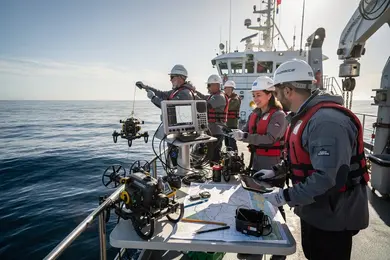
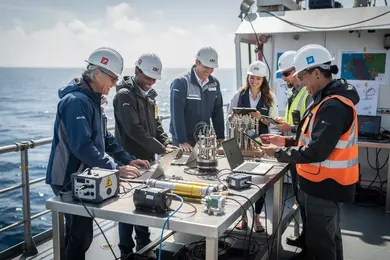
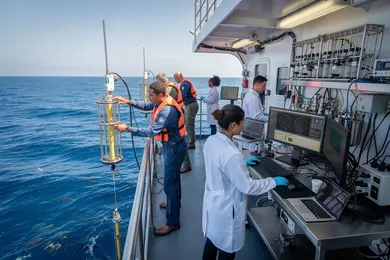
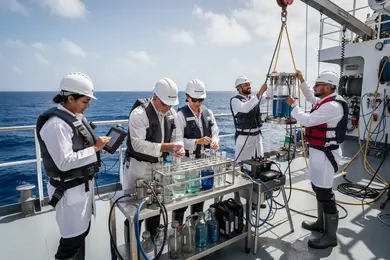
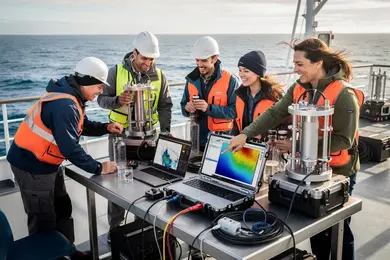
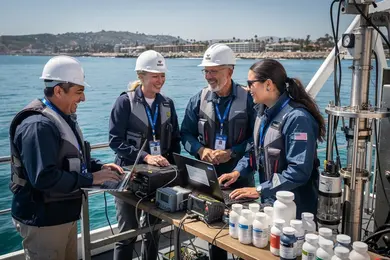
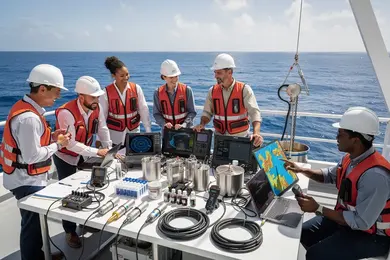
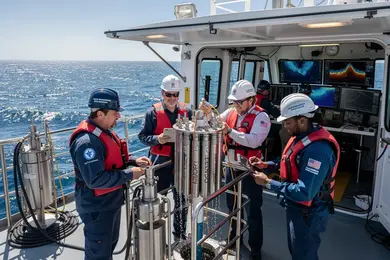
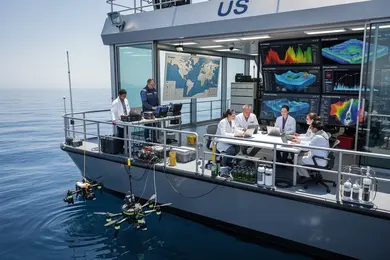
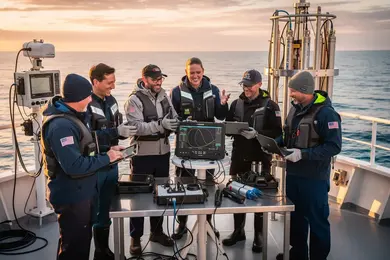
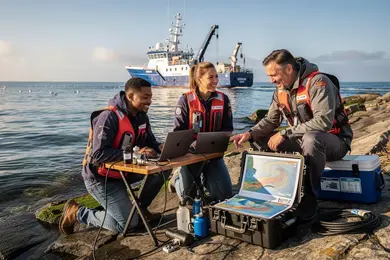
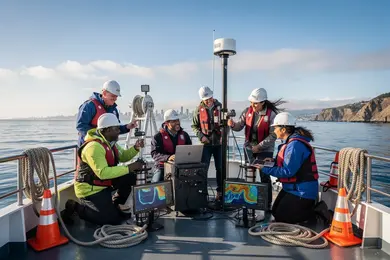
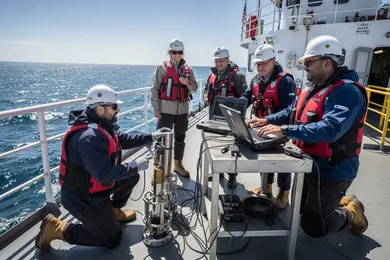
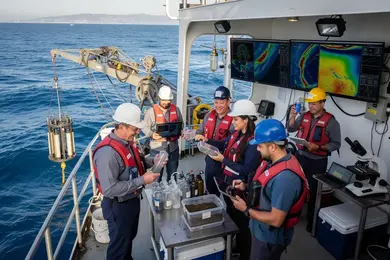
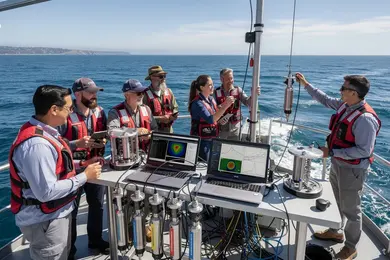
Oceanography heavily relies on fieldwork, lab experiments, and direct interaction with marine environments, which are inherently challenging to replicate online. Campus programs typically offer more robust access to research vessels, specialized equipment, and in-person mentorship, contributing to deeper practical understanding and skill acquisition. While some online programs incorporate virtual labs or local field opportunities, these generally cannot match the immersive experience or depth of hands-on training delivered on campus. For students prioritizing applied skills essential for many oceanography roles, campus options remain more advantageous.
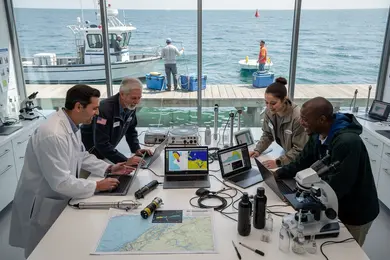
Online programs often emphasize theoretical knowledge and data analysis, which can prepare students for desk-based or computational roles within oceanography. However, those seeking careers that require extensive fieldwork, such as marine biology surveys or geophysical oceanography expeditions, may find online pathways limit their practical readiness. Employers in research and government agencies typically expect demonstrated field experience, which campus programs better facilitate. Prospective students aiming for these sectors should prioritize programs offering substantial hands-on or hybrid components.
Campus formats often provide more structured schedules, direct access to professors, and immediate peer collaboration, which can ease workload management and conceptual challenges in complex subjects like oceanography. Online students must generally be more self-directed and adapt to asynchronous learning, which can increase cognitive load and time investment, especially in a content-rich discipline. Although online programs sometimes offer virtual office hours or tutoring, these resources are less immediate and may affect timely comprehension and project completion. Students less confident in independent study might find campus formats better align with their learning needs.
Online oceanography programs typically have lower tuition and fewer ancillary expenses (such as relocation or commuting), appealing to cost-sensitive students. However, this financial advantage can come with trade-offs in access to specialized labs and real-world experiences essential for credentialing and employability in scientific roles. For those targeting high-credential positions or competitive research fields, investing in on-campus programs with stronger experiential components may yield better long-term career returns despite higher initial costs. Budget decisions should consider not just sticker price but the value of practical skill development and professional networking opportunities.