2027 Oceanography ROI by Institution Type: Public vs Private vs Nonprofit Online Programs

Co-Founder and Chief Data Scientist
Consider a prospective oceanography student weighing three online programs that appear equivalent in curriculum but reveal stark differences upon closer examination: one charges twice the tuition of the others, another reports a 15% higher loan default rate, while the third struggles with below-average graduation rates.
A 2024 study from the National Center for Education Statistics found that graduates from nonprofit online programs had a 10% higher employment rate within six months than those from private for-profits, signaling real disparities in institutional support and career outcomes. Such factors shape not only debt burdens but the practical value of a degree.
This article analyzes how public, private, and nonprofit online oceanography programs differ in ROI, guiding cost-conscious learners toward informed, sustainable choices.
Key Things to Know About Oceanography ROI by Institution Type
- Public online oceanography programs typically offer lower tuition rates but often have longer average completion times, increasing opportunity costs and delaying workforce reentry, which may temper short-term ROI despite affordability advantages.
- Private institutions usually provide robust learner support and employer networking, enhancing career advancement prospects; however, their higher tuition correlates with increased student debt, necessitating evaluation of post-graduation employment sectors sensitive to credential origin.
- Nonprofit online oceanography programs often balance cost and quality, with recent 2024 data showing comparable graduation rates to private schools, suggesting effective learner flexibility that benefits working adults prioritizing time-efficient credential attainment.
- Key Things to Know About Oceanography ROI by Institution Type Key Things to Know About Oceanography ROI by Institution Type
- What Does ROI Mean for a Oceanography Program and How Is It Measured? Understanding Oceanography Program ROI
- How Do Public, Private, and Nonprofit Online Oceanography Programs Differ in Overall Value? Value by Institution Type
- How Do Tuition Costs Affect the ROI of a Oceanography Program Across Institution Types? Tuition Costs and ROI
- How Do Graduation Rates Influence Oceanography Program ROI? Graduation Rates Impact ROI
- What Role Do Career Outcomes Play in the ROI of a Oceanography Degree? Career Outcomes and ROI
- How Does Student Debt Impact the Long-Term ROI of a Oceanography Program? Debt vs. Long-Term ROI
- How Do Flexibility and Adult Learner Support Affect Oceanography Program Value? Flexibility and Program Value
- How Do Accreditation and Institutional Reputation Influence Oceanography ROI? Accreditation and Reputation
- How Does Time-to-Degree Affect the ROI of Public, Private, and Nonprofit Oceanography Programs? Time-to-Degree
- How Can You Choose the Best Oceanography Program Based on Your ROI Goals? Choosing Programs by ROI
What Does ROI Mean for a Oceanography Program and How Is It Measured?
Return on investment for an online oceanography program hinges on a delicate balance between upfront educational expenses and the longitudinal benefits that extend beyond initial salary gains.
A prospective student weighing public versus private or nonprofit institutions must consider not only tuition but also time-to-degree and graduation rates-factors that directly influence opportunity costs and debt accumulation. For instance, public programs often offer more affordable tuition but may present fewer learner support services, potentially elongating completion time.
Conversely, private and nonprofit schools might charge more but frequently deliver higher graduation rates and robust student support, which can reduce total debt and accelerate entry into the workforce. Assessing ROI requires attention to these tradeoffs, especially since data from the National Center for Education Statistics indicates that time-to-degree in these fields varies from about 3.5 years at public institutions to over 4 years at some private nonprofits, directly affecting the full cost and career timeline.
Measuring ROI for oceanography education also demands scrutiny of student debt burdens and realistic career outcomes linked to institutional quality. Graduates from nonprofit online programs often finish with roughly 30% less debt compared to those from private institutions, offering a tangible financial advantage post-graduation, according to Education Data Initiative statistics.
However, earnings-based ROI calculations are insufficient alone given the diversity in oceanography careers ranging from research roles to environmental consulting and education, each with varying salary trajectories and market demand. These distinctions underline why lower tuition costs do not automatically equate to better long-term value. Decision-makers should evaluate factors like faculty expertise, internship access, and program reputation, which contribute significantly to employability and sustained earning potential.
Working professionals and career changers might also weigh the relevance of program duration and flexibility in order to minimize lost income during study periods, making comparisons to shorter programs such as 2 year online degrees that pay well a useful benchmark when planning educational and financial commitments.
How Do Public, Private, and Nonprofit Online Oceanography Programs Differ in Overall Value?
When weighing public, private, and nonprofit online oceanography programs, the decision often hinges on balancing cost, support, and career impact rather than tuition alone. Public programs typically offer lower debt burdens, on average about 22% less, due to more affordable tuition and broader financial aid access, which benefits working adults managing expenses alongside study.
Conversely, private nonprofits may justify higher fees with enhanced advising, tailored career services, and stronger alumni networks, factors linked to a 12% higher post-graduation employment rate in STEM fields, according to the Council for Adult and Experiential Learning.
These differences reveal real tradeoffs: public institutions often emphasize flexibility and credit transferability for part-time or transfer students, while private nonprofits may deliver niche specializations and faster degree completion, potentially accelerating entry into specialized roles.
Accreditation standards are consistent across nonprofit programs, but public universities frequently wield established research reputations and active faculty engagement that deepen academic rigor and apply directly to fieldwork, which can appeal to students seeking research-driven insight. This dynamic influences long-term return on investment as employers may weigh the quality of academic preparation alongside affordability and student support experiences.
For those wary of accumulating excessive debt, public online oceanography pathways may prove more sustainable, especially if their priorities include steady employment outcomes without costly extras. However, students who prioritize customized mentoring and professional networking sometimes find private nonprofit programs' offerings worth the increased cost, particularly when these translate into higher employability.
A student comparing these options recalled feeling uncertain about paying a premium for perceived prestige at a nonprofit private university. The lower cost and accommodating transfer policies at a public institution were initially compelling, but concerns about limited personalized support persisted.
After reviewing graduation rates, financial aid packages, and career service quality, the student ultimately chose a nonprofit online program that provided a reasonable blend of affordability and tailored career resources, appreciating the balance of manageable debt with professional preparation. This nuanced decision reflected a broader evaluation of value beyond tuition alone, prioritizing specific educational and employment outcomes aligned with personal circumstances.
How Do Tuition Costs Affect the ROI of a Oceanography Program Across Institution Types?
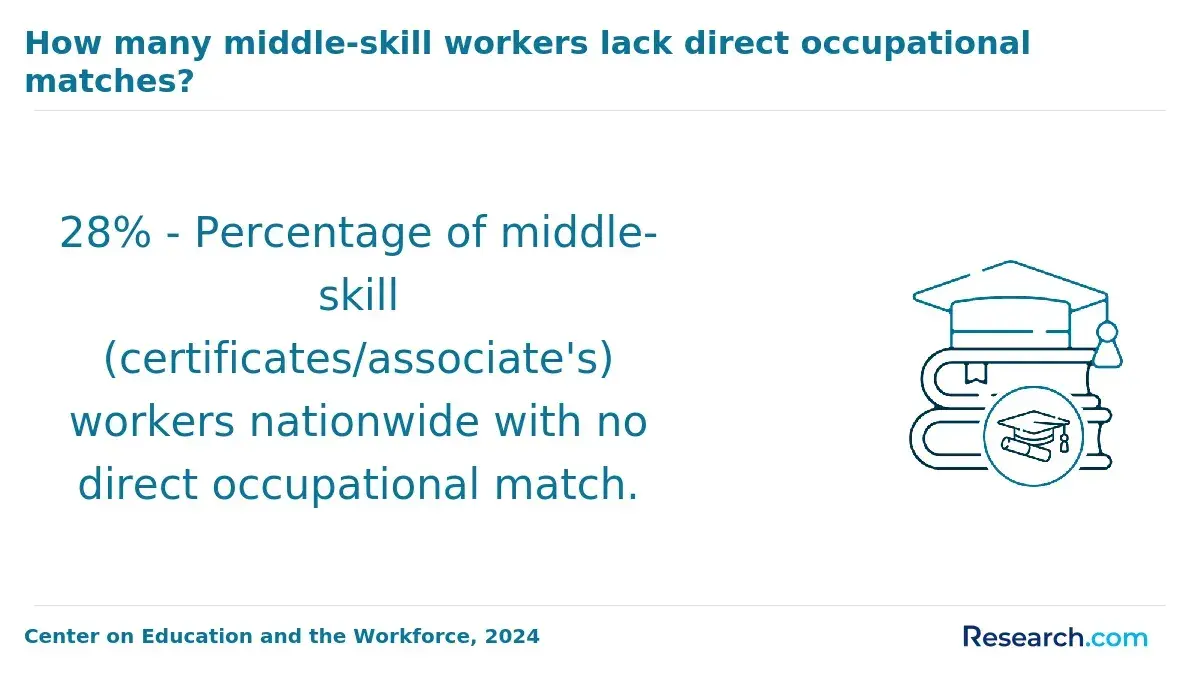
Lower tuition at public online oceanography programs can significantly reduce student debt burden, with graduates typically carrying about 40% less cumulative debt compared to peers from private counterparts, according to 2024 data from the National Center for Education Statistics.
However, this cost advantage doesn't always guarantee superior ROI, as longer time-to-degree or lower completion rates at some public institutions may offset savings by delaying workforce entry and increasing total expenses. For example, a working professional balancing employment might find a private nonprofit program's accelerated format or stronger career services justify higher tuition, especially if those features lead to earlier employment or higher starting salaries.
Nonprofit programs often sit between public and private schools in cost and can vary widely in academic rigor and student support quality. Where these programs provide intensive advising or employer connections, tuition premiums may align with improved graduation and job placement outcomes, partially balancing the higher upfront price.
Yet many employers prioritize demonstrated skills and relevant experience over institutional pedigree, allowing well-resourced public programs with affordable tuition to offer competitive ROI to cost-conscious learners. Ultimately, assessing ROI requires weighing tuition against factors like financial aid availability, program flexibility, and potential debt impact on long-term financial health rather than price alone.
How Do Graduation Rates Influence Oceanography Program ROI?
Graduation rates significantly influence the ROI of online oceanography programs by reflecting an institution's ability to support student persistence and timely degree completion, which directly impacts long-term costs and earnings potential. For example, public programs often present lower graduation percentages around 55-65%, attributable to diverse, part-time, and adult learner populations balancing external commitments, which can extend time-to-degree and delay workforce re-entry despite more affordable tuition.
In contrast, private programs may report higher rates near 65-75%, but elevated fees can erode financial gains from faster completion. Nonprofit institutions, offering flexible pacing and targeted advising, frequently realize a 10-15% graduation advantage compared to less-resourced options, improving efficiency without prohibitive costs.
Estimating ROI solely from graduation rates risks oversimplifying student outcomes, as factors like enrollment intensity and career alignment weigh heavily on value delivered. Many adult learners accept longer degree timelines when programs adapt to their realities, preserving ROI by aligning credentials with employment goals.
According to a 2024 National Center for Education Statistics study, graduates from institutions with stronger completion outcomes tend to experience greater wage growth and job stability within five years post-graduation, underscoring persistence as a meaningful indicator of institutional effectiveness. Students comparing these programs should weigh how graduation outcomes integrate with financial burden and support services to make nuanced decisions rather than relying on completion alone.
Cost-conscious learners aiming for optimal ROI might also consider pathways linked to specialized fields, such as pursuing a doctorate of education, to enhance their qualifications while managing expenses. Understanding how comparative graduation success in public, private, and nonprofit online oceanography programs aligns with career trajectories helps clarify the tradeoffs necessary for long-term professional and financial value.
What Role Do Career Outcomes Play in the ROI of a Oceanography Degree?
Career outcomes fundamentally shape the return on investment for online oceanography degrees, as employment rates, employer reputation, and job placement play decisive roles in balancing tuition costs and long-term value. Public programs typically benefit from affordability and local employer connections, which can be advantageous for students intending to work regionally but may restrict career mobility beyond specific states.
Conversely, private programs often invest in career services and networking opportunities that can enhance nationwide job prospects, though higher tuition and associated debt may negate these benefits if salary growth doesn't keep pace. Nonprofit online institutions frequently focus on relevant skill-building for research and sustainability roles, aligning with employer expectations but requiring students to weigh practical experience offerings and post-graduation network strength when assessing ROI.
Data from the U.S. Bureau of Labor Statistics in 2024 projects an 8% growth in oceanography-related jobs, notably in environmental consulting and government research, suggesting steady demand but also highlighting the importance of choosing programs whose curricula match evolving industry skill requirements.
For working adults and career changers, the decision involves tradeoffs between cost, job placement rate within six months, and the geographic reach of alumni networks. Graduates must consider how factors like internships and mentorships contribute to securing relevant positions quickly, mitigating debt risk and improving the real-world applicability of their training over time.
One graduate of an online oceanography program reflected on the difficulty of quantifying ROI purely through immediate salary gains, noting that while the degree did not lead to a dramatic pay increase, it facilitated a transfer into a specialized environmental role within their agency.
The individual highlighted that employer recognition of the credential and access to project-based experience helped unlock internal promotions over several years, demonstrating that career outcomes influencing ROI extend beyond instant financial returns to longer-term professional growth and expanded responsibilities.
How Does Student Debt Impact the Long-Term ROI of a Oceanography Program?
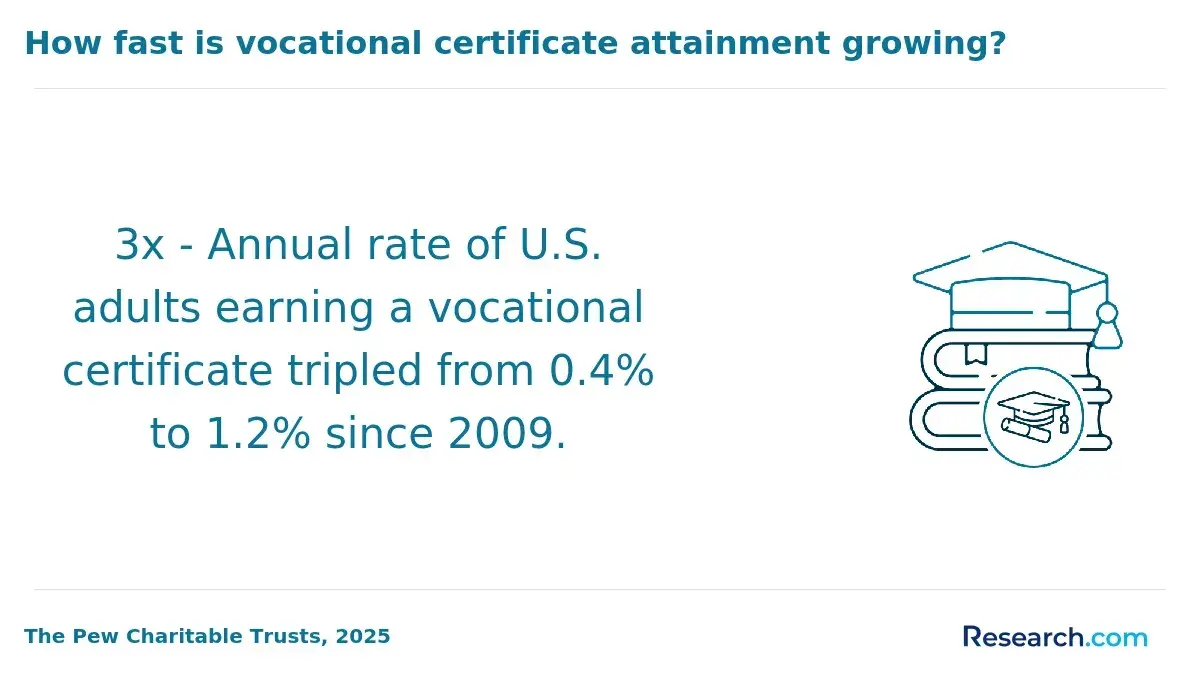
Student debt fundamentally affects the long-term ROI of an oceanography program by shaping financial flexibility and career decisions after graduation. Private online institutions often charge higher tuition, leaving graduates with median debts exceeding $40,000, compared to $20,000-$25,000 typical of public programs. This disparity means graduates from private schools may face prolonged repayment periods, which can deter them from taking lower-paying roles that align with their oceanographic interests.
Evaluating student debt effects on long-term ROI for oceanography graduates requires factoring in not only tuition costs but also repayment obligations relative to typical entry-level salaries, which often fail to scale proportionally with borrowed amounts.
Graduation rates and program duration add critical context, as public online oceanography programs usually boast higher completion rates, reducing the time and cost burden on students and consequently lowering debt accumulation. Nonprofit programs, meanwhile, may offer scholarships or income-based repayment options that mitigate financial pressure, enhancing sustainability for borrowers.
Debt burdens influence not just financial outcomes but also career paths, sometimes compelling graduates toward jobs that maximize earnings at the expense of long-term occupational fulfillment. Prospective students must weigh these tradeoffs by comparing their expected total debt load against program quality and employment prospects, especially when considering options like an accelerated hospitality degree online, which might offer faster pathways to income.
Ultimately, the impact of student loan repayment on oceanography program ROI is nuanced, varying significantly across public, private, and nonprofit online institutions. Borrowers face a delicate balance between managing debt and pursuing careers that fully utilize their specialized education. This interplay underscores the importance of thorough financial planning and realistic assessment of how institutional characteristics influence both debt burden and postgraduation earning potential within oceanographic sciences.
How Do Flexibility and Adult Learner Support Affect Oceanography Program Value?
Programs that integrate asynchronous learning and part-time enrollment typically offer better persistence rates for adult learners juggling work and family, with data from the 2024 National Center for Education Statistics showing a 23% higher graduation likelihood within six years compared to fully synchronous formats. Public online oceanography programs commonly provide affordable, flexible pathways but may lack intensive personalized advising and career services, limiting the potential salary and employment gains after graduation.
Conversely, private institutions often invest in synchronous mentoring and one-on-one faculty engagement, which can enhance student interaction but may impose scheduling constraints that reduce accessibility for those needing greater flexibility.
Nonprofit online programs tend to focus on retention strategies and tailored technology support, particularly for military-affiliated students and working adults, which helps improve satisfaction and degree completion despite higher tuition costs. The presence of robust career counseling and transfer credit assistance is linked to a measurable 15% salary boost within two years post-degree, highlighting the tangible ROI benefits of these services.
Adult learners should critically assess how each institution's support offerings align with their time availability, financial capacity, and career goals, recognizing that upfront affordability without sufficient advising or flexible options often results in extended time-to-degree and increased opportunity costs that diminish long-term value.
How Do Accreditation and Institutional Reputation Influence Oceanography ROI?
Regional accreditation remains a critical determinant of the ROI for online oceanography programs, as it ensures basic academic standards and eligibility for federal financial aid-both vital considerations for cost-conscious students balancing debt and career goals.
Employers often use accreditation status as a proxy for program quality; graduates from regionally accredited schools are roughly 15% more likely to secure employment in their field than those from nationally accredited or unaccredited institutions, according to data from the National Center for Education Statistics. This difference can translate into meaningful gaps in salary trajectory and job stability over time, especially when programmatic accreditation from marine science authorities further signals curriculum relevance.
Institutional reputation contributes nuanced effects on long-term ROI beyond accreditation, reflecting faculty expertise, research output, and networking potential. For example, a public university with broad name recognition might offer greater access to industry partnerships and transfer-friendly credit policies, reducing time and cost to degree completion.
Conversely, certain private nonprofits leverage niche reputations tied to specialized marine research, which can benefit students targeting targeted career pathways but often at higher tuition rates. Therefore, weighing these factors in light of career objectives and affordability is essential, as reputation alone does not guarantee employer preference or graduate outcomes.
Decision-making should also incorporate graduation rates, alumni placement in marine science roles, and acceptance into advanced programs, as these directly influence both employability and further educational opportunities.
Given the complexity of these trade-offs, prospective students must evaluate how accreditation and institutional credibility work with practical considerations like tuition, credit transfer, and professional alignment to determine the oceanography program that best optimizes their investment over the long term.
How Does Time-to-Degree Affect the ROI of Public, Private, and Nonprofit Oceanography Programs?
The difference in time-to-degree across public, private, and nonprofit online oceanography programs significantly impacts students' return on investment (ROI), primarily through varying tuition exposure and work-study balance. For instance, public programs often accommodate part-time enrollment over extended timelines, averaging about 6.5 years for many students, allowing those juggling work and family obligations to maintain income.
However, this flexibility can increase total tuition and delay full workforce participation. In contrast, private and nonprofit institutions typically promote accelerated paths averaging closer to 4.2 years, reducing opportunity costs but sometimes limiting flexibility, which affects students requiring a more adaptable schedule. Transfer credit policies also play a pivotal role, potentially reducing these timelines if policies are favorable, thus improving ROI by lessening academic redundancy and tuition burden.
Examining how program length influences ROI for nonprofit oceanography degrees reveals a nuanced tradeoff between cost efficiency and completion rates. Private and nonprofit programs frequently offer structured support systems and more predictable timelines, resulting in higher persistence and graduation rates that can offset higher upfront costs with faster labor market entry.
Conversely, public programs may see lower completion rates due to longer timelines and diverse student circumstances, complicating debt management and career trajectory planning. Working professionals considering advanced credentials might also explore options like the easiest PhD without dissertation to balance rigorous study with professional demands while minimizing additional time investment and associated costs.
Ultimately, assessing the time-to-degree impact on ROI in public vs private oceanography programs requires weighing program flexibility, anticipated completion speed, and graduation likelihood against individual work-life realities.
The optimal pathway for adult learners or career changers will depend on their tolerance for debt accumulation, need for adaptable scheduling, and strategies to capitalize on transfer credits to expedite degree completion and employment readiness within the oceanography field.
How Can You Choose the Best Oceanography Program Based on Your ROI Goals?
The best ROI for an oceanography program online hinges on a student's specific priorities rather than a simple choice between public, private, or nonprofit institutions. Public programs generally offer lower tuition and less debt, which benefits adult learners balancing family obligations or limited capital, but this often comes with larger class sizes and less personalized support.
Conversely, private schools may justify their higher costs through smaller cohorts, stronger networking, and potentially faster graduation, factors critical for career changers targeting leadership roles in marine science. Nonprofit programs frequently provide a balance, combining reasonable tuition with flexible scheduling and robust career services, contributing to a 15% higher employment rate within six months post-graduation, according to the 2024 Online Learning Consortium.
Evaluating oceanography program ROI requires careful consideration of financial aid availability, time-to-degree, and the likelihood of timely completion, all of which vary by institution type and individual circumstances. Accreditation, institutional reputation, and employment outcomes significantly impact long-term value; many employers prioritize these elements alongside practical experience.
Working professionals might find that program flexibility and support services outweigh tuition savings, while traditional full-time students may prioritize upfront affordability and institution prestige. For those comparing educational investments, understanding how each factor aligns with career goals and personal needs can clarify the optimal strategy.
Interpreting ROI also includes examining relevant workforce outcomes beyond education costs, such as average starting salaries and employment rates, which differ across sectors and geographies. For example, those pursuing a paralegal certificate might note the variance in credential value by provider, a useful analogy for oceanography students weighing program benefits.
Ultimately, the best online oceanography program for return on investment is one that matches learners' financial situations, time constraints, and career aspirations rather than defaulting to institutional prestige or price alone.
References
- Shifting from ROI to MER: A Better Way to Measure Channel Success - Course Finder Group https://coursefindergroup.com.au/shifting-from-roi-to-mer-a-better-way-to-measure-channel-success/
- ROI Methodology – ROI Institute https://roiinstitute.net/roi-methodology/
- Ocean Learning Hub - Woods Hole Oceanographic Institution https://www.whoi.edu/ocean-learning-hub/
- Oceanography https://www.marinecareers.net/career-fields/oceanography
- How Does Student Debt Affect the Economy? https://www.pgpf.org/article/how-does-student-debt-affect-the-economy/
- Valuing The Ocean Economy: Lessons from earlier adopters | Global Ocean Accounts Partnership https://oceanaccounts.org/publications/valuing-the-ocean-economy-lessons-from-earlier-adopters/
- Is Rising Student Debt Harming the U.S. Economy? | Council on Foreign Relations https://www.cfr.org/backgrounders/us-student-loan-debt-trends-economic-impact
- College is still worth it, even with student debt, but we can do better | Brookings https://www.brookings.edu/articles/college-is-still-worth-it-even-with-student-debt-but-we-can-do-better/
Other Things You Should Know About Oceanography ROI by Institution Type
Public oceanography programs often offer larger class sizes and more standardized curricula, which can limit individualized mentorship but provide broad exposure to fundamental concepts. Private institutions, by contrast, may offer smaller, more immersive environments with access to specialized resources and faculty networks. However, the narrower focus at private schools does not always guarantee higher employability; employers in oceanography tend to value practical skills and research experience that more resource-rich public programs might facilitate through government-funded projects. For career-focused students, prioritizing programs with strong fieldwork components and established research partnerships-often found in public institutions-can lead to better job prospects despite the more impersonal setting.
Nonprofit online oceanography programs frequently emphasize flexibility and accommodate adult learners, but this can come with a less structured approach that demands higher self-motivation. Public programs usually enforce stricter academic schedules and milestones, which may increase workload intensity but also support steadier progress toward graduation. For students balancing work or family commitments, nonprofits might lower stress by allowing asynchronous learning, but this could extend time-to-degree and delay entry or advancement in the job market. Those seeking quicker completion and clearer progression often benefit from the more regimented public program formats despite requiring stronger time management.
While private oceanography programs often charge significantly higher tuition, their specialized concentrations can provide niche expertise valued in sectors like marine biotechnology or climate impact assessment. However, the premium cost means students must critically evaluate whether these specializations align with their target employment sectors and command a salary premium sufficient to justify the investment. If your career goals hinge on highly technical or emerging subfields where private programs excel, the higher cost could translate to stronger ROI. Conversely, if your focus is broader oceanographic work, public or nonprofit options may deliver more balanced returns with comparable outcomes and lower debt.
Employers in oceanography-related fields tend to weigh the reputation of the degree-granting institution, but this is secondary to demonstrated skills and field experience. Public institutions, particularly land-grant universities, often carry established credibility due to their historical ties with government research agencies and public sector employers. Nonprofit programs may lack brand recognition but can still be valued if they offer robust hands-on components. Private online degrees, unless from well-known scientific universities, might face greater scrutiny, especially for entry-level roles. Practical recommendation: prospective students should focus less on institutional prestige and more on ensuring their chosen program facilitates real research opportunities, internships, and professional networking to meet employer expectations.