2027 Oceanography Student Debt Report: Borrowing, Monthly Payments, and Repayment Risk

Co-Founder and Chief Data Scientist
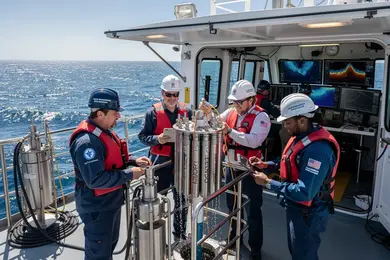
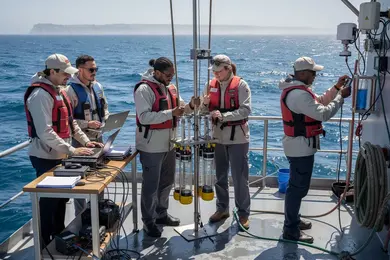
Oceanography programs often require extended periods of fieldwork and specialized equipment access, increasing both tuition and ancillary costs relative to many other disciplines. These factors shape borrowing behavior, as students weigh the financial burden of prolonged study and unpaid internships against potential career outcomes. The variability in workforce demand and salary trajectories-sometimes influenced by geographic focus and research funding cycles-further affects repayment capacity and risk. Recent data from the National Center for Education Statistics (2024) shows that many oceanography students enter graduate programs, adding to cumulative debt.
This article examines how these unique educational and labor market conditions influence borrowing, monthly payments, and repayment challenges in oceanography, revealing how age distribution trends signal shifting workforce needs and evolving pathways into the profession.
Key Things to Know About Oceanography Student Debt
- Higher student debt in oceanography programs often correlates with extended fieldwork periods, creating a tradeoff between gaining practical experience and accumulating increased repayment obligations.
- Employers in marine science sectors prioritize hands-on skills over credentials alone, meaning excessive borrowing without relevant experience can hinder loan repayment due to limited early-career wage growth.
- Data from 2024 shows repayment challenges peak five years post-graduation, reflecting timing risks that affect borrowers who delay entering stable positions in this specialized field.
- Key Things to Know About Oceanography Student Debt Key Things to Know About Oceanography Student Debt
- How Much Student Loan Debt Do Oceanography Graduates Typically Have at Graduation? Average Studen Loan Debt
- What Factors Have the Biggest Impact on Oceanography Student Loan Debt? Student Debt Key Factors
- What Is the Average Monthly Student Loan Payment for Oceanography Graduates? Average Monthly Payment
- How Do Repayment Rates Compare Between Public and Private Institutions? Public vs. Private Institution Repayment Rates
- Do Online Oceanography Graduates Have Different Repayment Outcomes Than Campus-Based Students? Online vs. On-Campus Student Loan Repayment
- Which Industries Provide the Best Financial Return Relative to Borrowing Costs? Which Industries Provide the Best Financial Return Relative to Borrowing Costs?
- Does Student Debt Affect Which Jobs Oceanography Graduates Accept? Does Student Debt Affect Which Jobs Oceanography Graduates Accept?
- What Factors Increase Student Loan Repayment Risk for Oceanography Graduates? Loan Repayment Risk Factors
- How Can Oceanography Students Reduce Student Loan Debt While Earning Their Degree? Tips to Reduce Student Debt
- How Should Prospective Students Evaluate Borrowing Risk Before Enrolling? Evaluating Student Debt Risk
How Much Student Loan Debt Do Oceanography Graduates Typically Have at Graduation?
The typical range of student loan debt for oceanography graduates at the time of completion tends to fall between $28,000 and $33,000, according to recent data from the National Center for Education Statistics and other updated sources. This aligns with broader STEM borrowing patterns but reflects nuances from the field's moderate credit requirements and the mix of public and private institutions offering these programs. Students pursuing oceanography often incur additional costs due to necessary fieldwork and laboratory components, which can drive borrowing slightly above standard tuition-related amounts. These borrowing levels, representative of typical oceanography graduate student loan debt averages, must be contextualized within the overall investment required for such specialized scientific education.
Several factors contribute to variations in total debt among oceanography students. Borrowers at private institutions generally face higher tuition, increasing loan amounts compared to their public university counterparts, where in-state rates significantly lower costs. Access to financial aid, including scholarships, research assistantships, and grants, can offset borrowing but varies widely by institution and student eligibility. Additionally, enrollment status impacts debt; part-time students often accumulate less debt per year but may borrow more over extended program durations. Geographic differences also influence living expenses and ancillary costs such as travel for research, adding complexity to typical student borrowing amounts for oceanography degrees.
Higher debt levels in oceanography carry practical implications for repayment and financial stability post-graduation. Given median starting salaries in the $50,000 to $60,000 range, managing loans approaching or exceeding $30,000 requires disciplined budgeting and may necessitate income-driven repayment plans to mitigate payment burdens. These financial pressures factor into career choices, as graduates weigh the cost of borrowing against employment opportunities in research, environmental consulting, or academia. Prospective students might explore ways to reduce debt through targeted funding and consider programs offering fast degrees online as alternatives to minimize long-term financial risk.
What Factors Have the Biggest Impact on Oceanography Student Loan Debt?
Student loan debt levels for students in oceanography programs are shaped by a combination of institutional pricing frameworks and individual financial circumstances, rather than any single factor. This complex dynamic reflects how students interact with program duration, aid availability, and broader cost structures. Understanding this interplay reveals why borrowing amounts vary considerably, highlighting the systemic nature of debt accumulation rather than isolated financial decisions.
- Program Length and Degree Level: Oceanography degrees often require extended periods of study, including combined undergraduate and graduate work, typically spanning five to seven years or more. Longer enrollment times directly increase tuition and living expenses, thereby inflating borrowing needs. Graduate students, in particular, tend to take on about 40% more debt than undergraduates in related STEM fields, reflecting both the depth of specialization and limited funding sources at higher academic levels.
- Institution Type and Cost Structure: Public universities usually offer lower tuition rates, which can constrain borrowing levels. However, many oceanography programs reside at research-intensive, higher-cost private or flagship universities where specialized resources drive up expenses. These institutional pricing differences significantly influence student borrowing, especially when paired with regional cost-of-living variations near coastal campuses that offer prominent oceanography programs.
- Financial Aid Availability and Student Reliance on Loans: Scholarship and grant funding critically alter borrowing patterns by reducing the loan amounts students must take. Yet, with research assistantships and grants often being highly competitive and limited, a sizable share of oceanography students-around 35% according to the Institute of Ocean Sciences Education-report insufficient grant support, compelling them to increase loan borrowing. The availability and distribution of aid create marked disparities in debt outcomes even among students attending similar programs.
- Enrollment Patterns and Student Financial Behavior: Decisions about full-time versus part-time enrollment, summer session attendance, and timing of degree completion influence total tuition exposure and borrowing. Students who extend their studies or rely more heavily on loans rather than other income sources tend to accumulate greater debt. Such financial behaviors interact with institutional policies and aid options, shaping overall borrowing in nuanced ways tied to individual circumstances.
- Living Expenses and Regional Economic Factors: Coastal regions where many oceanography departments operate often exhibit higher housing and living costs, which add substantially to total student expenses beyond tuition. This geographic dimension can increase debt loads independently of program-specific factors, as students must finance their daily subsistence in expensive markets, amplifying overall borrowing.
What Is the Average Monthly Student Loan Payment for Oceanography Graduates?
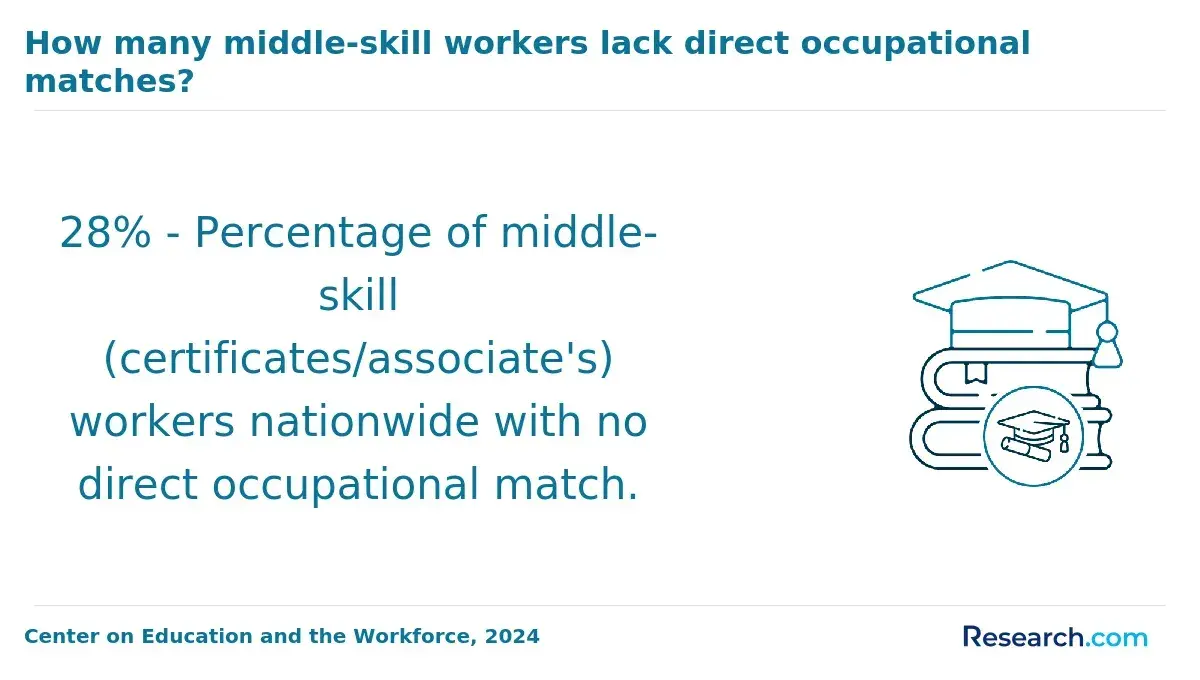
Recent data from sources like the U.S. Department of Education and Federal Reserve indicate that oceanography graduates generally face average monthly student loan payments ranging from roughly $250 to $450. This spectrum reflects the interplay between typical borrowing levels and repayment choices. Payments tend to cluster near $250-$300 for those enrolled in income-driven plans that adjust obligations based on earnings, while borrowers opting for conventional 10-year schedules often see monthly commitments approaching $400 or more. These figures align with the entry-level salaries common in oceanography-related roles, which most often fall between $50,000 and $70,000 annually, though regional and institutional variations influence actual outcomes.
The variation in monthly payments stems largely from the size of total loan balances-which can range from about $20,000 to $40,000 depending on undergraduate and graduate borrowing-and the selected repayment strategy. Standard plans front-load principal and interest, creating higher fixed payments, whereas income-driven plans offer lower initial payments that fluctuate with income but may extend the repayment term and increase total interest costs. Furthermore, starting salaries in oceanography fields vary by employment sector and geography, significantly affecting the borrower's ability to meet fixed payments without financial strain. Those with delayed employment or a mix of unsubsidized federal and private loans may encounter amplified repayment challenges, underscoring the importance of matching repayment plans to realistic income projections.
An oceanography graduate shared that navigating the rolling admissions process felt like balancing urgency against thorough preparation. They hesitated applying immediately, uncertain if their research experience would meet program expectations, and waited several weeks for feedback from advisors while assessing loan options and repayment implications. The delay created tension but ultimately allowed them to enter a program better aligned with their career goals and financial situation. This experience underscored how timing and patience during admissions can directly impact both debt management and post-graduate financial stability.
How Do Repayment Rates Compare Between Public and Private Institutions?
Data from the U.S. Department of Education's College Scorecard (2024) reveals that within five years of repayment, about 58% of oceanography graduates from public universities successfully reduce their student loan balances, compared to roughly 52% of those from private institutions. This divergence reflects not only differences in repayment rates but also variations in default incidence and monthly payment burdens, with public university alumni typically facing lower median payments and slightly lower default rates three years post-graduation. These statistics underscore a consistent trend where public institution graduates demonstrate relatively stronger loan management outcomes in oceanography fields.
The underlying factors behind these disparities are multifaceted. Public universities generally feature lower tuition rates, which means graduates enter repayment with smaller loan balances and more manageable monthly obligations. In contrast, private institution attendees frequently accumulate larger debts, elevating the stress associated with repayment and increasing the probability of delayed payments or default. Employment metrics also play a critical role; graduates from public programs often secure jobs with salary structures more aligned to their debt levels, facilitating steadier repayment trajectories. Meanwhile, higher borrowing from private institutions may not be proportionally offset by earnings, reflecting variations in institutional prestige, financial aid allocations, and borrower demographics that influence overall repayment behavior.
These differences carry significant implications for financial stability and career planning. Higher repayment rates among public university alumni suggest that institutional cost structures and graduate outcomes critically impact long-term debt burdens and economic mobility. Understanding how repayment performance interacts with earning potential helps prospective oceanography students evaluate program value beyond upfront investment, while also highlighting the ongoing need for accountability and transparency in how institutions prepare graduates to meet their financial obligations.
Do Online Oceanography Graduates Have Different Repayment Outcomes Than Campus-Based Students?
Recent data from the U.S. Department of Education's 2024 cohort default rates and repayment studies reveal nuanced differences in repayment outcomes between public and private institution graduates in oceanography programs. Graduates from private institutions exhibit a higher three-year repayment rate of approximately 58%, compared to about 52% for those from public universities. This disparity reflects more than institutional type; it signals variances in cohort demographics, borrowing patterns, and post-graduation financial stability commonly observed across sectors. These repayment rates represent critical indicators of how graduates manage debt obligations relative to their earning capacity and financial aid structures within the broader ecosystem of oceanography degree programs.
Several intertwined factors underpin these repayment differences. Private institutions, often characterized by higher sticker tuition prices, typically provide more concentrated career services and smaller class sizes that can enhance employment preparedness and salary outcomes-key drivers enabling timely repayment. Public school graduates may accrue similar or even larger debt burdens due to extended enrollment periods or part-time study, despite comparatively lower tuition costs. Additionally, repayment performance is influenced by institutional prestige and corresponding employer recognition, which can affect income levels. These variations in debt-to-income dynamics and financial aid distribution contribute to disparate repayment behaviors observed in the sector, underscoring the importance of analyzing repayment rates beyond simple public versus private labels in the context of online oceanography graduate repayment differences.
Understanding these repayment variations is essential for evaluating long-term financial mobility and the perceived value of oceanography programs. Graduates facing extended repayment periods or lower earnings experience increased stress and cumulative interest costs, which can cloud assessments of program return on investment. This dynamic also informs institutional accountability measures, pushing programs to align curriculum rigor, practical training, such as hands-on research, and financial counseling with market demands. For students considering an oceanography degree or a degree in office administration as a complementary pathway, recognizing these structural repayment patterns is critical for making informed, sustainable educational choices.
Which Industries Provide the Best Financial Return Relative to Borrowing Costs?
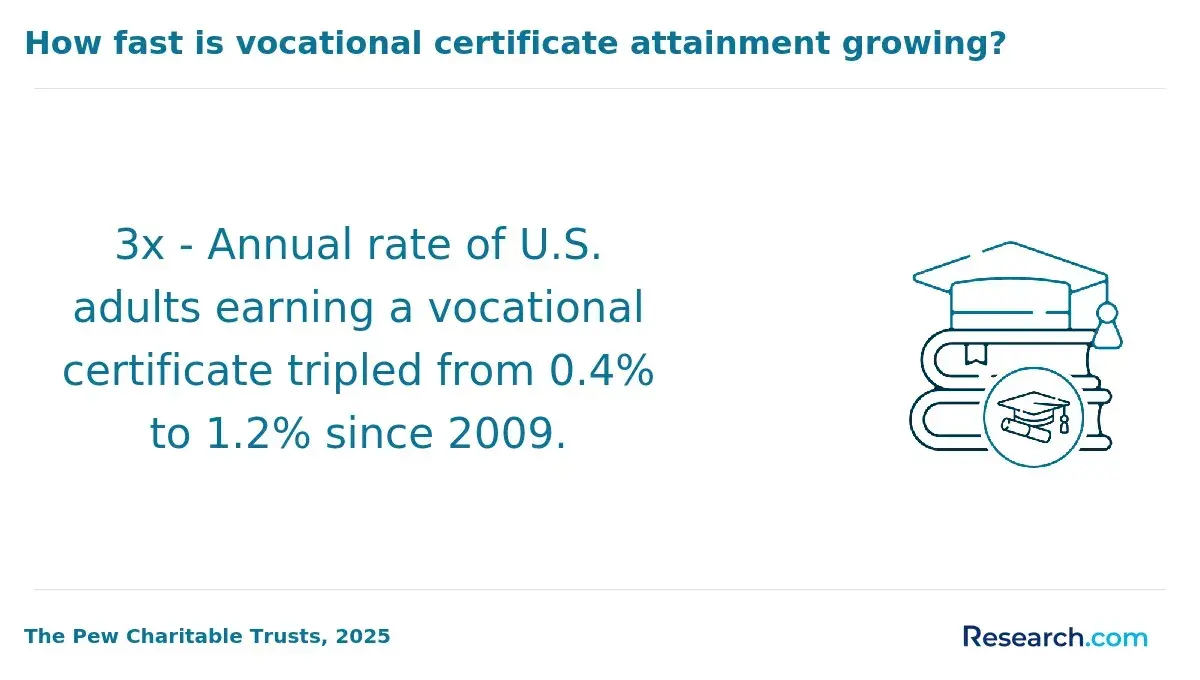
Financial returns for oceanography graduates vary notably across industries, driven not just by base salaries but by the interplay of earnings progression, industry demand, and typical student debt levels. Evaluating ROI requires understanding how quickly salaries grow relative to loan repayment obligations and whether the sector's hiring dynamics support sustainable income over time. Many oceanography students graduate with debt ranging from $30,000 to $50,000, so industries with strong entry-level pay and opportunities for advancement can significantly ease repayment burdens and reduce financial stress.
- Environmental Consulting: This sector demonstrates solid ROI due to consistent demand for specialized expertise combining science and policy. Starting salaries commonly range from $60,000 to $75,000, aligning well with typical debt loads. Steady hiring and project-based work enable career growth within five years, providing a salary trajectory that helps borrowers manage loan repayments without excessive delay.
- Marine Engineering and Technology: Fields focused on offshore infrastructure and renewable ocean energy generally offer starting pay above $70,000. These employers tend to value technical skills and often invest in workforce development, accelerating salary progression. The relatively high initial earnings allow graduates to maintain manageable debt-to-income ratios early in their careers.
- Coastal Resource Management and Policy: Though entry-level pay here is somewhat lower, typically $55,000 to $70,000, the sector presents moderate financial returns due to role diversity and growing governmental and nonprofit interest. Career advancement can enhance incomes over time, but slower early salary growth may prolong loan repayment periods compared to engineering or consulting.
- Academic and Nonprofit Research: While closely aligned with oceanographic specialization, these roles often start below $50,000, posing greater repayment challenges given typical student debt. Limited rapid income growth combined with grant-dependent funding models can extend financial risk and delay debt clearance for many graduates.
The 2024 data from the U.S. Bureau of Labor Statistics and National Science Foundation emphasize that sectors prioritizing applied skills, interdisciplinary knowledge, and technological proficiency offer the most favorable financial balance relative to borrowing. Graduates positioned to leverage data analytics, remote sensing, and project management abilities within these industries tend to optimize their long-term ROI by aligning real-world employer needs with manageable debt levels.
Does Student Debt Affect Which Jobs Oceanography Graduates Accept?
Graduates with oceanography degrees frequently confront the immediate need to reconcile student loan repayments with job offers, often prioritizing higher salaries over other job attributes. A 2024 study by the National Center for Education Statistics highlights that approximately 65% of science graduates carrying moderate to high debt prioritize positions with stronger initial pay, even at the cost of long-term career potential or alignment with their oceanographic interests. This pressure is intensified by monthly loan obligations that frequently surpass $350, creating a financial imperative that narrows acceptable employment options early in their careers. Consequently, many graduates opt for roles in better-funded private sectors or consulting firms which offer competitive compensation but may lack direct relevance to oceanographic research or environmental science. The balancing act between managing repayment risk and maintaining career focus shapes which job offers are realistically considered during this critical transition period.
Behavioral distinctions also emerge depending on debt burden, influencing industry choice and geographic flexibility among oceanography graduates. Those with heavier debt loads exhibit a higher propensity to accept jobs outside traditional oceanographic work, often due to constrained mobility and the urgency to secure immediate, stable income streams. In contrast, lower-debt peers may afford to pursue unpaid internships, fieldwork, or entry-level academic roles that foster specialized skill development and long-term professional positioning. Additionally, many employers expect candidates to bring relevant technical expertise or research experience, presenting further challenges for debt-pressured graduates who may prioritize paid work over gaining these qualifications. These financial and structural factors collectively mold career trajectories, with debt shaping not only job acceptance but also strategic decisions about when and where to seek opportunities within the oceanography labor market.
One oceanography graduate shared how the burden of monthly loan payments forced them to delay applying to certain specialized programs that offered valuable field experiences but limited stipends. During the rolling admissions process, they hesitated to commit without a clearer sense of financial aid or part-time employment options, worried about accumulating more debt.
Ultimately, they accepted a higher-paying position in an environmental consulting firm rather than waiting for a preferred research assistantship, reflecting the practical calculus many graduates face when considering the easiest doctorate to get while balancing financial stability with career aspirations.
What Factors Increase Student Loan Repayment Risk for Oceanography Graduates?
Repayment risk for oceanography graduates arises from a complex mix of financial commitments, academic prerequisites, and labor market realities. This risk hinges not only on the debt accumulated during study but also on post-graduation income stability and employment prospects. Students often face repayment challenges when income volatility or employment constraints limit consistent loan servicing, while extended borrowing further compounds debt pressures. Understanding these factors is essential to grasp how repayment difficulties disproportionately affect some oceanography graduates over others.
- Modest Starting Salaries Relative to Debt: The median entry-level salary for those with an oceanography bachelor's degree is about $48,000 per year, based on 2024 data from the National Center for Education Statistics. This wage base typically yields a lower salary-to-debt ratio compared to other STEM fields, constraining disposable income available to meet loan obligations and increasing repayment vulnerability.
- Graduate Education Tuition Burdens: Advanced degrees are common for oceanography careers, leading to prolonged borrowing periods and higher overall debt. The delayed earning potential during extended academic training amplifies repayment risk since graduates face larger balances alongside postponed income growth.
- Geographic Employment Concentration: Oceanography jobs cluster around coastal research institutions and specialized agencies, curbing employment mobility. Graduates unable or unwilling to relocate may encounter underemployment or job gaps, both of which disrupt steady repayment capacity and heighten financial strain.
- Project-Based and Grant Funding Instability: Many oceanographic roles depend on fluctuating research grants and short-term projects. This employment model causes income variability that impedes reliable repayment schedules, particularly when economic cycles reduce funding availability for marine science positions.
These interconnected financial and labor market conditions shape the repayment risk profile far beyond the straightforward debt totals. Prospective students should weigh such factors alongside considerations like program cost and format, as these influence borrowing levels and income trajectories. For those interested in interdisciplinary health sciences pathways, programs such as speech language pathology bridge programs online demonstrate how varying program structures can affect postgraduation financial risk and employment outcomes.
Notably, the impact of program format and demographics on oceanography loan repayment is critical because these contextual elements strongly inform repayment capacity and debt stress over time.
How Can Oceanography Students Reduce Student Loan Debt While Earning Their Degree?
Reducing student loan debt while pursuing an oceanography degree demands proactive planning that weaves together academic efficiency, financial aid awareness, and strategic use of institutional resources. Practical decisions around enrollment timing, combined degree options, and work-study opportunities can significantly alter borrowing levels. For oceanography students, implementing structured approaches throughout their programs shapes affordability and lessens long-term financial burden.
Leverage Need-Based Financial Aid and Work-Study Programs: Utilizing a mix of need-based grants and federal work-study positions can reduce dependence on loans. Students who combine these funding sources often borrow 20% less, according to a 2024 National Center for Education Statistics report. This approach offsets living costs and tuition while providing relevant field experience.
Start at Community Colleges or Public Institutions: Completing foundational coursework at lower-cost schools before transferring to specialized oceanography programs lowers total debt. The Education Data Initiative found students transferring after 60 credits saved an average of $15,000 in loans, a crucial consideration for reducing total student debt for oceanography undergraduates.
Seek Targeted Scholarships in Marine Sciences: Scholarships specifically for environmental and marine science fields are frequently underutilized. Prioritizing these awards can defray tuition and fees beyond general institutional aid, making them valuable for borrowers aiming to minimize loan amounts.
Engage in Practical Research or Internship Roles: Paid internships and assistantships common in oceanography programs provide income to cover living expenses. This not only enriches resumes but also reduces loan reliance by partially funding day-to-day costs without adding academic load that might prolong graduation.
Consider Accelerated or Combined Degree Tracks: Programs that shorten total time enrolled, such as combined bachelor's/master's degrees, decrease the cumulative loan need. While demanding, these pathways allow faster workforce entry and limit borrowing months, directly impacting overall debt levels.
Plan Academic Course Loads to Avoid Delays: Managing credit loads to graduate on time avoids additional semesters of tuition and living costs that increase borrowing. Careful scheduling and academic advising can prevent extended enrollment periods and unnecessary loan accumulation.
An added resource assisting some students includes exploring online colleges for military spouses, which may offer specialized financial aid and flexible scheduling options. Incorporating these strategic financial behaviors and academic decisions collectively curbs student loan debt, supporting more sustainable career launch points within oceanography.
How Should Prospective Students Evaluate Borrowing Risk Before Enrolling?
Evaluating borrowing risk before enrolling in an oceanography degree program is critical to understanding long-term financial consequences. This process involves weighing the total projected debt against realistic post-graduation income to determine manageable repayment obligations. Prospective students must analyze several factors that directly impact their capacity to sustain loan payments without excessive financial strain.
- Total Debt Burden: Estimating cumulative borrowing, including tuition, fees, and living expenses, sets the baseline for repayment expectations and highlights the scale of future obligations.
- Projected Earnings: Analyzing median starting salaries, which NOAA lists between $55,000 and $70,000 annually, contextualizes whether expected income supports standard loan payments.
- Repayment Plan Flexibility: Comparing standard and alternative repayment options reveals the impact on monthly costs and total interest accrued, affecting long-term affordability.
- Institutional Cost Structure: Understanding the specific program's pricing relative to similar programs helps identify potential overpayment risks and influences total debt exposure.
- Employment Outcomes: Reviewing job placement rates-approximately 70% within six months for oceanography graduates-indicates market stability and future income reliability.
- Geographic and Sector Variability: Considering how location and employer type-academic, government, or private-affect salary expectations refines financial forecasts and repayment feasibility.
- Long-Term Financial Impact: Assessing how debt may constrain future financial flexibility ensures borrowers anticipate and mitigate risks arising years after graduation.
References
- Student Loan/Salary Calculator - FAME Maine https://www.famemaine.com/affording-education/pay-for-school/resources-tools/calculators/student-loan-salary-calculator/
- Public colleges offer highest chance of positive ROI to students, report finds https://www.highereddive.com/news/public-colleges-offer-highest-chance-of-positive-roi-to-students-report-fi/618531/
- 10 Key Facts about Student Debt in the United States https://www.pgpf.org/article/10-key-facts-about-student-debt-in-the-united-states/
- Repaying your student loan https://www.gov.uk/repaying-your-student-loan/what-you-pay
- College is still worth it, even with student debt, but we can do better | Brookings https://www.brookings.edu/articles/college-is-still-worth-it-even-with-student-debt-but-we-can-do-better/
- The Impact of Student Debt on the Low-Wage Workforce https://workrisenetwork.org/working-knowledge/impact-student-debt-low-wage-workforce
- How Student Loan Debt Impacts Your College ROI https://www.lendkey.com/blog/student-loans/how-student-loan-debt-impacts-your-college-roi/
- Arts Bachelorâs Graduates with $10,000+ in Student Loans are Less⦠https://snaaparts.org/findings/databriefs/arts-bachelors-graduates-with-10-000-in-student-loans-are-less-likely-to-work-as-artists-2
- Is Rising Student Debt Harming the U.S. Economy? | Council on Foreign Relations https://www.cfr.org/backgrounders/us-student-loan-debt-trends-economic-impact
- The Risks of Taking on Significant Student Loan Debt — MC-LEF | U.S. Marine Corps | Navy Corpsman | Federal Law Enforcement Agent https://www.mc-lef.org/updates/the-risks-of-taking-on-significant-student-loan-debt
Other Things You Should Know About Oceanography
The hands-on, field-intensive nature of many oceanography programs often extends the time students spend in school, increasing borrowing needs. Programs with mandatory research cruises or internships may add hidden costs beyond tuition, such as travel and equipment expenses, which can amplify debt burdens. Students should weigh the value of experiential learning against the likelihood that these costs will delay graduation or extend repayment periods, potentially increasing interest accrual and financial strain post-graduation.
Graduates should carefully consider employment in academic or nonprofit research roles, which often offer lower salaries and higher repayment risk compared to industry positions in environmental consulting or energy sectors. While nonprofit roles may align strongly with career passion, the tradeoff often involves tighter budgets for loan repayment. Prioritizing sectors with steadier compensation can reduce long-term financial vulnerability and improve repayment stability, even if initial job satisfaction is somewhat compromised.
Choosing income-driven or extended repayment plans can lower monthly payments in the short term but may increase the total interest paid over time. Given the typical oceanography graduate's career trajectory, which may start with entry-level or research assistant roles paying modest wages, such plans provide necessary breathing room but should be approached with an understanding of future cost escalation. It is advisable to reassess payment plans regularly as income grows, shifting towards more aggressive repayment to minimize overall debt load.
Beyond borrowing cautiously, students should focus on building skills and credentials that enhance employability in higher-paying subsectors within oceanography, such as geospatial analysis or marine technology. Networking in industry-specific circles and securing internships with organizations that offer conversion to full-time roles can substantially improve income prospects post-graduation. Prioritizing these strategic steps may reduce the chance of default by increasing earnings sufficiently to cover monthly loan obligations without postponing payments.