2027 Oceanography Degree Completion Rates by Format: Online, Hybrid, and Campus Programs Compared

Co-Founder and Chief Data Scientist
Choosing the right format to complete an oceanography degree often involves weighing practical realities against academic goals. A prospective student may juggle work commitments, family responsibilities, and long-term career plans while deciding between online, hybrid, or traditional campus options. Each format presents unique challenges that affect not only daily scheduling but also engagement, hands-on learning, and access to resources essential for success in a field reliant on fieldwork and lab experience.
Completion rates vary significantly across these formats, reflecting underlying factors like student support, time management demands, and interaction quality with faculty and peers. Understanding these differences is critical for prospective students aiming to optimize their educational outcomes and employability. This article compares online, hybrid, and campus completion rates, explores the factors influencing student success, and offers insights into selecting the format most likely to support one's educational goals.
Key Things to Know About Oceanography Degree Completion Rates by Format
- Online oceanography programs show a 12% lower completion rate than campus formats due to reduced hands-on fieldwork, limiting practical skill acquisition essential for scientific careers.
- Hybrid formats improve completion by blending online flexibility with in-person labs, but logistical challenges in coordinating field components may delay graduation timelines.
- A 2024 study found campus oceanography students graduate 18% faster on average, highlighting intensive mentorship and peer collaboration as critical to timely degree completion.
- Key Things to Know About Oceanography Degree Completion Rates by Format Key Things to Know About Oceanography Degree Completion Rates by Format
- How Do Completion Rates Compare Across Online, Hybrid, and Campus Oceanography Programs? Completion Rate Comparison
- What Factors Have the Greatest Impact on Oceanography Degree Completion? Degree Completion Factors
- Which Oceanography Degree Format Is Hardest to Complete? Completion Difficulty
- How Does Each Oceanography Learning Format Affect Student Success? How Does Each Oceanography Learning Format Affect Student Success?
- How Does Enrollment Status Affect Oceanography Completion Rates? How Does Enrollment Status Affect Oceanography Completion Rates?
- Can Transfer Credits Improve Oceanography Degree Completion? Transfer Credits
- What Student Support Services Improve Oceanography Completion Rates? Student Support Services
- How Do Oceanography Completion Rates Affect Career Outcomes? Impact on Career Outcomes
- How Should Students Choose the Best Oceanography Learning Format? Choosing the Best Format
- What Are the Long-Term Pros and Cons of Each Oceanography Learning Format? Learning Format Pros & Cons
How Do Completion Rates Compare Across Online, Hybrid, and Campus Oceanography Programs?
Completion rates in oceanography degree programs often reflect more about the student populations and their circumstances than the inherent quality of online, hybrid, or campus formats. Different learner profiles-including age, employment status, and family commitments-shape these outcomes significantly. For instance, full-time students on campus may benefit from immersion and structured schedules, while part-time learners juggling jobs may gravitate toward flexible formats but face more obstacles to finishing on time. Thus, interpreting completion metrics requires acknowledging these contextual influences rather than assuming they directly measure educational effectiveness.
Variability in completion rates across online, hybrid, and campus programs frequently arises from factors such as time management challenges and availability of support services. Campus programs typically provide intensive interaction, routine access to faculty, and peer engagement, which can enhance persistence. Online students may encounter barriers like isolation or limited immediate feedback, but gain flexibility to balance work and study. Hybrid options try to reconcile these by mixing remote learning with scheduled in-person sessions, appealing to those needing both adaptability and direct contact. Ultimately, success hinges on matching these structural differences with individual circumstances and motivation.
Prospective students should weigh oceanography degree completion rates by program format alongside their own preferences, schedules, and career objectives to identify the best fit. Someone working full-time with significant outside responsibilities might find structured campus attendance unrealistic but benefit from programs offering blended approaches. Meanwhile, learners who thrive on autonomy might explore flexible online PhD programs that advance STEM expertise while accommodating their pace. Using completion data as one of several tools helps align educational pathways with realistic expectations and long-term goals.
What Factors Have the Greatest Impact on Oceanography Degree Completion?
Completion of an oceanography degree is rarely driven by motivation alone; instead, it hinges on a dynamic mix of personal circumstances, the academic environment, and specific program design. Students must navigate practical challenges such as balancing time and finances alongside academic demands that vary widely by learning format. These influences combine uniquely for each student, underscoring the need for a nuanced understanding of which factors most strongly affect persistence and graduation success. Below are the key elements that research consistently associates with higher oceanography degree completion rates.
- Full-time Enrollment Status: Full-time students persist and graduate at rates nearly 1.5 times higher than part-time peers across all program formats, according to National Center for Education Statistics 2024 data. The increased course load strengthens academic momentum and access to campus resources but may not be feasible for students juggling work or family commitments. Prospective learners should realistically assess their capacity for full-time study versus the potentially extended timeline of part-time enrollment.
- Program Structure and Engagement: Hybrid and campus programs often provide more structured schedules with milestone checkpoints, which research from the Higher Education Research Institute finds to correlate positively with STEM degree completion. This structure fosters accountability and peer interaction, mitigating the risk of disengagement common in less regimented online environments. Students benefit by selecting programs that emphasize clear progression paths and offer consistent contact with faculty or advisors.
- Access to Hands-on Learning Opportunities: Oceanography heavily relies on laboratory and fieldwork experiences that are harder to replicate fully in online-only formats. The Community College Research Center reports online STEM completion rates lag by about 20%, largely due to limited real-time engagement with critical practical components. Students aiming for successful degree completion should prioritize programs that incorporate sufficient in-person or simulated practical activities to develop essential skills.
- Academic and Social Support Services: Availability of tutoring, mentoring, internships, and research projects substantially impacts both completion and later employability. Economically disadvantaged students especially benefit from campus-based resources, which often remain less accessible to those in purely online formats. Actively seeking programs with robust support networks and proactively utilizing these services can reinforce persistence through challenging coursework and life events.
- Student Self-regulation and Time Management: Online learners require higher levels of self-discipline to maintain motivation and overcome isolation, making these skills critical for online oceanography program completion. Those with strong self-regulation skills tend to plan effectively and seek help proactively, compensating for less structured environments. Incoming students should assess and develop these competencies or consider hybrid options that blend flexibility with periodic structure.
- Financial Stability and Resource Access: Financial hardships disproportionately impede completion, as students facing instability struggle to focus on academics while meeting living costs. Campus and hybrid learners may access scholarships, work-study, or institutional resources not fully available in online-only settings. Careful financial planning and exploring institutional aid can reduce dropout risks linked to economic pressure.
- Personal Life Circumstances and Flexibility Needs: Students balancing employment, caregiving, or other obligations often prioritize programs that offer flexibility alongside sufficient academic support. Hybrid formats frequently serve as a compromise, providing both adaptability and community engagement to enhance persistence. Understanding one's non-academic commitments and selecting a learning format aligned with those demands directly affects likelihood of completion.
Students researching options should also consider proven pathways in complementary fields; for example, those interested can compare outcomes and support services detailed in analyses of online construction management degrees for insight into how program design and learner support influence persistence beyond oceanography.
Which Oceanography Degree Format Is Hardest to Complete?
Completion rates for oceanography degrees reveal tangible differences across campus, hybrid, and fully online formats, directly tied to the level of structured engagement and resource access. Campus programs lead with completion rates between 65% and 75%, leveraging face-to-face mentorship, on-site laboratory access, and collaboration that reinforce both motivation and skill acquisition. Hybrid models, reporting completion around 50% to 65%, offer a compromise with some in-person interaction but often impose complex scheduling that requires rigorous time management, notably challenging for students balancing jobs or family. Fully online degrees lag behind, frequently under 50%, as students must independently navigate demanding scientific coursework without direct lab experiences or immediate faculty support, which can impede progress and increase dropout risk.
These disparities underscore how the environment shapes persistence in oceanography education. For example, a working parent in a hybrid program may find the intermittent campus visits invaluable for clarifying complex concepts but struggle to juggle attendance with childcare and work, placing them at a greater risk of falling behind compared to on-campus peers. Conversely, an online student motivated by flexibility might face unexpected isolation and difficulty mastering hands-on skills essential for oceanographic research, which an in-person cohort would typically acquire, leading to challenges in maintaining momentum. Such factors illustrate why no format suits all learners equally despite apparent logistical advantages.
One graduate recalled hesitating before choosing a fully online oceanography degree while managing a full-time job and family commitments. Initially drawn to the flexibility, they soon recognized the absence of a physical lab and limited real-time interaction made mastering practical skills strenuous. "I felt stuck trying to apply theory without the hands-on experiences or immediate feedback I needed," they reflected. This struggle pushed them to seek supplementary local fieldwork opportunities, highlighting that completion in less structured formats often requires additional self-driven efforts beyond coursework alone.
How Does Each Oceanography Learning Format Affect Student Success?
Student success in oceanography programs hinges less on the learning format itself and more on how well that format complements a student's learning style, schedule flexibility, and outside obligations. For instance, a full-time professional juggling family needs might thrive in a flexible hybrid or online setting, whereas a learner who depends on immersive, hands-on experiences may complete a campus-based program more reliably. Recognizing these nuances is essential for setting realistic expectations about degree completion rates. Below are several key factors illustrating how different oceanography learning formats impact academic outcomes.
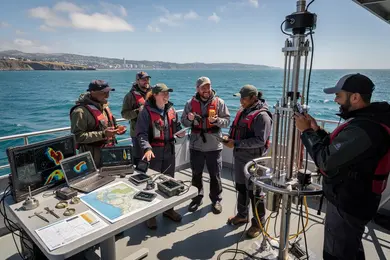
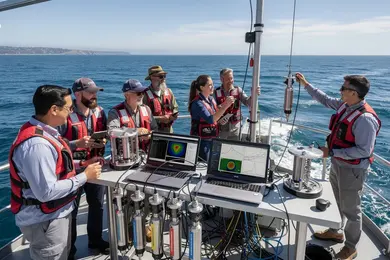
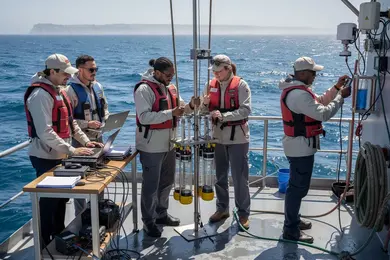
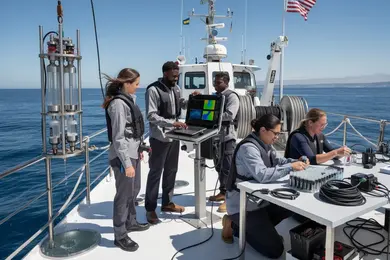
- Engagement Through Hands-On Experience: Campus programs offer intensive, in-person labs and fieldwork essential for mastering practical oceanography skills. Students seeking direct application of theory often find this immersive approach increases persistence and degree completion, while fully online learners may struggle without tactile opportunities.
- Accessibility and Flexibility for Non-Traditional Learners: Online formats provide critical access for students balancing work, family, or geographical constraints. However, success depends heavily on self-motivation and the availability of virtual support services, as isolation can elevate dropout risks without proactive institutional outreach.
- Academic Support Availability: Hybrid formats facilitate periodic face-to-face advising and peer interactions alongside virtual instruction, leading to improved retention compared to purely online models. Students who actively leverage these supports tend to outperform strictly online peers but may still fall short of campus counterparts benefiting from daily access to resources.
- Time Management Demands: Online and hybrid learners must independently manage their coursework and stay disciplined amidst competing priorities. This self-regulation is a common challenge; without effective time management skills, students risk falling behind, negatively impacting completion.
- Impact of Institutional Investment: Programs that embed virtual labs, collaborative tools, and tailored advising report better online student outcomes. Conversely, institutions lacking these resources often see higher attrition, suggesting that format alone does not dictate success, but the quality of support does.
- Real-World Implication Scenario: Consider a working parent enrolled in a hybrid oceanography program: flexible scheduling allows continuation of employment, while scheduled in-person labs ensure critical skill acquisition. This balance tends to increase both degree completion and post-graduate readiness relative to fully online options without experiential elements.
- Graduation Rate Differences by Format: Latest data from the National Student Clearinghouse Research Center (2024) indicates on average campus oceanography students graduate at rates up to 15% higher than online students, with hybrid programs positioned between these extremes-highlighting the tangible effect of instructional design and support on outcomes.
How Does Enrollment Status Affect Oceanography Completion Rates?
Enrollment status is one of the most significant factors influencing oceanography degree completion, but its impact depends largely on a student's personal circumstances rather than simply the number of courses taken each term. While full-time students tend to complete degrees more quickly, part-time enrollment can suit those balancing work or family obligations. Recognizing how these different patterns affect progress helps prospective students choose an option aligned with their resources and goals. The following points highlight key ways enrollment status shapes oceanography degree outcomes.
- Time Commitment and Focus: Full-time enrollment usually allows students to dedicate consistent hours weekly, fostering steady academic momentum. Those who can prioritize their studies tend to finish sooner, whereas part-time students often juggle competing demands that slow degree progress.
- Completion Rate Disparities: Data from the National Center for Education Statistics indicate full-time science students complete degrees approximately 15-25% more often within six years than part-time peers. This broad trend reflects the structured pacing and engagement full-time study often provides.
- Balancing Obligations: Part-time enrollment works best for students managing employment, caregiving, or health issues, offering flexibility but requiring strong self-discipline. These students face greater risks of delayed graduation or attrition if support systems are limited.
- Program Format Compatibility: Online and hybrid oceanography options attract many part-time learners due to adjustable scheduling, but this flexibility can also lead to pauses in enrollment. Campus programs generally favor full-time students with in-person resources that enhance persistence but may limit part-time accessibility.
- Academic and Lab Sequencing: In STEM fields like oceanography, course sequences and lab requirements can challenge part-time students by extending time to degree. Full-time status often aligns better with cohort-based progress and timely completion of these critical components.
- Institutional Support Availability: Growing recognition of part-time students' needs means some colleges now offer tailored advising, flexible deadlines, and credit transfer policies. Choosing schools with strong support can mitigate risks associated with part-time enrollment.
- Long-Term Workforce Entry: Full-time students entering the workforce sooner benefit by gaining earlier practical experience and career momentum. Conversely, part-time students may delay this advantage but maintain education alongside life responsibilities.
Prospective students assessing enrollment status impacts student success in oceanography programs completion should weigh these factors carefully. For those needing flexibility, explore adaptable options but plan for sustained engagement. Those prioritizing expedited entry might lean toward full-time study. For further comparison of online learning models, consider resources like construction management degrees online, which illustrate how enrollment pace affects completion in related fields.
Can Transfer Credits Improve Oceanography Degree Completion?
Transfer credits can significantly influence a student's trajectory in oceanography degree programs by potentially shortening the time required to graduate. Students who bring prior coursework-whether from previous colleges, military training, or professional certifications-may bypass redundant classes, allowing them to focus on advanced or specialized content sooner. A 2024 report from the National Student Clearinghouse Research Center highlights this effect, showing students with accepted transfer credits are 25% more likely to complete their degree within six years than those starting without such credits.
Still, the value of these credits depends heavily on how well they align with the specific requirements of the intended oceanography program. For instance, students transferring into campus-based programs might face more restrictions due to mandatory hands-on lab and fieldwork components that don't easily accommodate substitutions from other institutions. Conversely, online and hybrid programs often have more flexible articulation policies, especially if competencies from community colleges or related STEM courses can apply.
Consider a working professional with an associate degree in a related STEM field pursuing an online oceanography degree. Acceptance of prior credits could reduce their course load by a year or more, enabling them to graduate faster while managing work commitments. However, if crucial experiential courses aren't transferable, they may still need to complete them on-site or through specific arrangements, potentially extending their timeline.
Prospective students should not assume all transfer credits guarantee faster completion. The critical step is to obtain a formal evaluation of transfer credits by the institution to see how many count toward the major's core or elective requirements. Comparing this with the total credits left to complete and assessing personal enrollment capacity offers a realistic picture of potential timeline improvements. Transfer credits are a strategic tool that, combined with thoughtful program choice and pacing, can improve graduation rates but work best when aligned with the program's hands-on expectations and student life circumstances.
What Student Support Services Improve Oceanography Completion Rates?
Completion rates in oceanography degree programs vary notably depending on how well student support services are aligned with learner needs across online, hybrid, and campus settings. These services do not function in isolation; rather, their combined presence and accessibility often influence persistence more than any single resource. Drawing from multiple 2024 studies, the following support features emerge as the most crucial for helping students navigate the academic rigor and technical demands inherent in oceanography.
- Proactive Academic Advising: Early intervention advising that identifies student obstacles and creates personalized degree roadmaps improves completion rates by up to 15%, according to the National Center for Education Statistics. This is especially critical for online learners who may face motivation challenges without face-to-face encouragement.
- Flexible Tutoring Services: Virtual tutoring available beyond conventional hours helps online and hybrid students overcome immediate conceptual difficulties, reducing dropouts. For campus students, hands-on tutoring tied to labs and fieldwork reinforces practical understanding critical to oceanography.
- Robust Technological Support: Consistent access to reliable learning platforms and broadband connectivity is linked with higher course completion, particularly for remote learners. Technical troubleshooting and digital literacy training mitigate the risk of disengagement caused by technical roadblocks.
- Mental Health and Peer Networks: Institutions offering online counseling and structured student groups report stronger retention, as mental resilience supports long-term academic persistence amid the stresses typical of STEM fields.
- Structured Fieldwork Access: For oceanography, experiential learning through fieldwork or lab availability significantly impacts learner engagement and skill acquisition, fostering perseverance especially among campus and hybrid students.
- Customized Career Planning: Degree completion aligns more closely with career outcomes when institutions integrate professional development and job placement resources into support frameworks, helping maintain focus on long-term goals.
One online oceanography graduate recalled struggling with isolation during a critical semester when several complex modeling assignments converged. Frequent contact with their advisor not only clarified academic expectations but also provided tailored strategies to balance workload. The student described feeling relief after several virtual tutoring sessions that addressed particular technical weaknesses late at night, an option unavailable on campus schedules. This combination of proactive advising and flexible tutoring made the difference between pausing the program and reaching graduation within the planned timeframe.
How Do Oceanography Completion Rates Affect Career Outcomes?
Completion rates for oceanography degrees significantly shape career trajectories, directly affecting employment prospects and long-term earnings. Graduates who successfully complete these programs gain a competitive advantage in securing specialized roles, from environmental consulting to marine resource management. Understanding how different delivery formats-online, hybrid, and campus-based-impact completion rates is crucial for aligning educational choices with career goals. Below are key ways that oceanography degree completion influences career outcomes.
- Higher Employment Rates and Job Stability: Graduates who complete their oceanography degree have markedly higher employment rates in their field. A 2024 labor market report indicates that bachelor's degree holders in oceanography-related fields enter employment faster and sustain jobs longer than those who do not complete. Completing the degree signals readiness to employers who prioritize verified technical and practical skills, especially in scientific sectors.
- Access to Specialized Roles and Practical Experience: Campus programs with higher completion rates often provide hands-on learning and lab access essential for career entry. These immersive experiences equip students with skills valued by employers, smoothing transitions into roles that require direct knowledge of marine systems and fieldwork, which are less accessible in fully online formats.
- Graduate School and Advanced Study Opportunities: Completion increases eligibility and competitiveness for graduate programs critical to career advancement. The National Educational Statistics Center notes that students completing a bachelor's in oceanography are twice as likely to enroll in further academic pursuits compared to non-completers, laying groundwork for research and leadership positions.
- Balancing Flexibility with Persistence: Hybrid programs offer a middle path, requiring strong time management to complete. Students juggling work or family obligations who succeed in hybrid formats may benefit from sustained career momentum but face challenges that can impact completion and thus long-term outcomes.
- Reduced Advancement Prospects Without Completion: Lower completion rates in online oceanography programs may limit access to career progression and salary growth. Employers often prefer candidates with extensive hands-on and mentoring experience typically gained through higher-completion on-campus pathways, affecting online graduates' competitiveness.
For those curious about related fields and career possibilities, resources such as what can you do with a forensic psychology degree also provide insight into how completion rates influence professional success.
How Should Students Choose the Best Oceanography Learning Format?
Completion outcomes and long-term success in oceanography degree programs strongly depend on choosing the learning format best suited to an individual's circumstances. According to recent 2024 data from the National Center for Education Statistics, student characteristics and external commitments such as work and family influence degree completion rates across online, hybrid, and campus formats. For students weighing their options, here are key factors to evaluate when choosing the best oceanography degree format:
- Practical Skill Acquisition Needs: Oceanography demands hands-on experience with lab work and field research. Campus programs typically offer immersive access to these critical experiences, while online formats often lack consistent practical exposure. Students who require real-time mentorship and active experimentation may find campus or hybrid settings better support their learning outcomes.
- Self-Discipline and Time Management: Online formats provide flexibility but require strong self-motivation and discipline to maintain engagement over time. Those balancing multiple personal and professional responsibilities must realistically assess their ability to stay committed without direct oversight or structured schedules.
- Work and Family Commitments: Students with significant work hours or caregiving duties often prefer online options for their scheduling flexibility. However, evidence shows these commitments can lower completion rates if students struggle to navigate time demands, making hybrid models appealing intermediate options.
- Geographic and Access Constraints: Proximity to campuses offering oceanography programs influences feasibility. Students living far from institutions where hands-on labs occur may face barriers with campus-only formats and might consider online or hybrid pathways if local field experiences are available.
- Career and Employability Goals: The job market values graduates with practical field experience. Students aiming for roles requiring specialized skills should weigh how each format prepares them for employment, often favoring hybrid or campus routes to gain these competencies.
- Engagement With Faculty and Peers: Direct interaction often enhances learning and persistence. Campus programs excel in providing this, while online formats may offer limited opportunities, potentially affecting motivation and retention.
- Program Reputation and Support Services: Not all programs are equally equipped to support online learners. Prospective students should research whether their chosen program provides adequate academic advising, technical support, and career services aligned with their learning format choice.
For example, a working professional with irregular hours pursuing oceanography might benefit from hybrid coursework that balances online flexibility with scheduled lab sessions. Meanwhile, a recent high school graduate living near a well-resourced campus may find immersive, in-person learning optimal for mastering technical skills. Additionally, students interested in an online MBA accepting transfer credits can find models where the transfer process has parallels, emphasizing the importance of matching format to individual scheduling and academic needs.
Careful evaluation of these factors is crucial for students comparing online and campus oceanography programs to select a path aligned with their capacity to sustain engagement and ultimately succeed.
What Are the Long-Term Pros and Cons of Each Oceanography Learning Format?
Long-term outcomes for oceanography students vary notably based on whether they choose online, hybrid, or campus degree formats. Each format influences completion rates and skill development in distinct ways, affecting employability and career readiness. Understanding these differences helps students select a pathway aligned with their personal circumstances and professional goals. Consider the following key factors when comparing oceanography learning formats:
- Completion Rates and Persistence: Campus programs show higher completion rates due to structured environments and direct mentorship, while online formats report slightly lower graduation rates linked to less community engagement. Hybrid students often achieve moderate to high completion rates by combining flexibility with in-person support.
- Hands-On Skill Acquisition: Campus formats offer extensive access to labs and fieldwork critical in oceanography. Online students may face skill gaps unless they seek supplementary practical experiences, though advances in virtual labs are closing this gap. Hybrid formats balance remote learning with essential hands-on training.
- Career Readiness and Employability: Graduates from campus programs typically have stronger job prospects in research and field roles due to immersive experiences. Hybrid graduates benefit from diverse learning modes, enhancing adaptability. Online graduates may need internships to compete effectively in field-based positions.
- Flexibility for Diverse Learners: Online programs provide unmatched flexibility for working adults or those in remote locations. Hybrid models appeal to students seeking a balance between convenience and practical engagement, while campus settings best suit learners thriving in immersive environments.
- Community and Peer Collaboration: Campus students benefit from direct peer interaction fostering teamwork skills essential in oceanography. Hybrid formats maintain some level of community connection, while online students may experience weaker social bonds, impacting motivation and persistence.
- Technological Advancements Mitigating Limitations: Recent adoption of virtual labs and remote sensing tools in online and hybrid formats helps bridge experiential learning gaps, though cannot fully replicate in-person fieldwork demanding physical presence.
References
- Oceanography College Class Pros and Cons https://scubaboard.com/community/threads/oceanography-college-class-pros-and-cons.66617/
- Introduction to Oceanography - Seamester Study Abroad at Sea https://www.seamester.com/introduction-to-oceanography/
- UAlg promote advanced training in Oceanography through international course - SEA-EU https://sea-eu.org/sea-eu-and-ccmar-promote-advanced-training-in-oceanography-through-international-course/
- Tag: student engagement https://mirjamglessmer.com/tag/student-engagement/
- How to become an oceanographer | Conservation Careers https://www.conservation-careers.com/how-to-become-an-oceanographer/
- Oceanographer https://app.smore.com/n/vkczu-oceanographer
- Is Online Learning Here to Stay? Trends & Insights for 2026 https://www.calmu.edu/is-online-learning-here-to-stay-trends-insights-for-2026
- Planit : Job Profiles https://www.planitplus.net/JobProfiles/View/560/10
- Best Online Oceanography Courses and Programs | edX https://www.edx.org/learn/oceanography
- Hybrid Programs- Which Students Want Them? https://encoura.org/resources/wake-up-call/hybrid-programs-which-students-want-them/
Other Things You Should Know About Oceanography
The practical fieldwork and lab components central to oceanography pose significant challenges for fully online programs. Without direct access to specialized equipment and field sites, online students often must find alternative ways to fulfill these requirements, which can delay progress or lower completion likelihood. Programs that integrate virtual simulations or local partnerships may help, but students should expect additional time or effort to compensate for the limited in-person experience when pursuing an online oceanography degree.
Hybrid formats attempt to combine the flexibility of online study with essential face-to-face immersion, but their success varies based on program design. When in-person components align closely with lab work and field training, hybrids can substantially boost completion by addressing hands-on learning needs without sacrificing schedule adaptability. However, poorly structured hybrids that minimize meaningful campus time or cram practical sessions into short periods risk overwhelming students and undermining steady progress.
Employers in oceanography often prioritize graduates with strong field experience and technical proficiency, which are more readily demonstrated through campus or well-structured hybrid programs. Thus, even if online formats show comparable completion rates on paper, students aiming for highly competitive jobs should weigh whether their credential signals adequate practical preparation. Prioritizing program formats that incorporate sustained in-person training can improve not only completion odds but also career readiness and employer appeal.
Time management is a critical factor in degree completion, with distinct challenges depending on the format. Online students benefit from schedule flexibility but face the risk of procrastination or isolation, which can reduce motivation and delay finishing. Campus students encounter more rigid schedules but benefit from structured environments that foster accountability. Hybrid students must navigate a mix of both, sometimes facing conflicting demands. For those struggling with self-regulation, campus or hybrid formats with built-in support may increase completion likelihood more than fully online options.