2027 Chamberlain University Pros and Cons for Online Students

Co-Founder and Chief Data Scientist
Balancing work, family, and education creates a complex challenge for many prospective students considering online programs. When evaluating Chamberlain University's offerings, questions about schedule flexibility, financial investment, and program rigor become central. Over 60% of online students nationwide report working while studying, making the ability to manage competing demands a critical factor in their decision-making. Understanding how Chamberlain University fits within this dynamic helps clarify whether its structure supports such real-world constraints.
Evaluating both strengths and weaknesses is essential to avoid mismatched expectations and to align education choices with long-term career goals. Online programs inherently involve trade-offs in interaction, pacing, and resource access, influenced by personal learning preferences and professional aims. This article explores key advantages and drawbacks of Chamberlain University's online options, providing a practical framework to guide prospective students through this pivotal decision.
Key Points About Chamberlain University Pros and Cons for Online Students
- Chamberlain University's online programs use asynchronous classes and supportive faculty to offer flexible scheduling, appealing primarily to working professionals and transfer students needing adaptable pacing and minimal synchronous commitments.
- Technology issues and limited networking opportunities reduce real-time engagement, with academic advisement delays potentially slowing progress for students requiring immediate guidance or interactive learning environments.
- Graduates earn a median salary of $92,405, yielding an earnings-to-debt ratio of 4.42x against $42,952 tuition and $20,919 median debt, though the 50% graduation rate signals variability in student outcomes and persistence.
What are the biggest advantages of studying online at Chamberlain University?
Advantages of online learning vary significantly based on individual circumstances and priorities, particularly for working adults managing multiple commitments. Students seeking flexible scheduling and quality faculty interaction often gain more from a program that balances both. For example, a nurse working varying shifts can continue education without disrupting work hours while accessing instruction from experienced faculty.
Such practical alignment with life demands enhances both persistence and satisfaction. A recent Online Learning Consortium study highlights that 74% of online learners prefer programs combining flexibility with faculty engagement, a critical factor in Chamberlain University's online offerings. Key advantages to consider include:
- Flexible scheduling accommodations: Chamberlain's asynchronous courses allow students to balance education with work and family, making it viable for professionals with unpredictable or full workloads. This reduces dropout risk caused by conflicting time commitments.
- Consistent faculty expertise: Courses are taught by on-campus faculty, ensuring instructional rigor and relevant content aligned with current clinical and professional standards. Students seeking academic quality benefit from this continuity.
- High financial aid accessibility: With 88% of students receiving aid averaging $4,143, affordability improves, especially for candidates who might otherwise forgo further education due to cost constraints.
- Career outcomes linked to earnings: The reported median alumni salary of $92,405 signals strong employability, appealing to students focused on concrete return on investment after graduation.
- Support for online student career services: Networking and job placement support extend to remote learners, addressing a common gap in online education that can limit professional advancement.
- Alignment with student satisfaction drivers: The program's balance of faculty interaction and flexibility aligns well with proven factors leading to higher retention and learner contentment.
What are the biggest drawbacks of Chamberlain University's online programs?
Every online learning environment involves trade-offs that affect cost, technology, and student engagement. Understanding potential drawbacks before enrolling helps students assess whether the program fits their learning style and financial situation. Chamberlain University's online degree limitations include both financial and technological challenges that can impact outcomes. Students expecting seamless digital access and strong networking may find these programs less supportive in those areas. Below are some of the biggest drawbacks students should weigh carefully.
- High Total Cost: The tuition cost of $42,952, along with a $36,346 total cost of attendance reported by the Federal Scorecard, creates a significant financial burden. Graduates carry median debts of $20,919, which may hinder financial stability post-graduation, especially if employment results lag expectations.
- Hidden Fees Inflate Expenses: Additional charges like technology delivery and out-of-state tuition raise overall costs beyond the base tuition. These fees often catch students off guard and disproportionately affect those relocating or less financially flexible.
- Clunky Learning Management System: The online platform is frequently criticized for downtime and a difficult interface, disrupting study routines. Students needing consistent, reliable access to coursework may struggle with productivity.
- Limited Digital Resources: Compared to other institutions, library and research materials are scarce. This restricts academic research opportunities and independent study, a notable issue for rigorous degree paths.
- Isolation from Peers and Career Support: Minimal collaborative features and reduced access to career fairs limit networking chances. A 2024 Online Learning Consortium study shows 62% of online students feel disconnected, which lowers engagement and completion, particularly affecting students who benefit from community interaction.
Students considering Chamberlain University online programs should weigh these issues alongside their own expectations for interaction, support, and financial readiness. Those seeking cheapest doctoral programs might prioritize cost over digital experience, but realistic assessment of these drawbacks ensures better-informed decisions.
How flexible is Chamberlain University for online students?
Flexibility is a critical factor for online students evaluating programs. It extends beyond studying from home to include how course schedules accommodate dynamic work, family, or military commitments. For example, a working parent balancing evening shifts demands more than asynchronous lectures; it requires predictable windows for live sessions and manageable deadlines. Chamberlain University's flexible online learning options at Chamberlain University partly address these needs by combining asynchronous content with scheduled synchronous sessions, closely reflecting this balance.
Chamberlain University online program scheduling flexibility includes part-time and full-time enrollment options. This allows students to adjust course loads each semester based on their changing availability. Yet, some constraints remain. Scheduled test-proctoring and firm assignment due dates limit full autonomy, which can challenge students in irregular jobs or active military service unable to shift responsibilities easily. The hybrid format, blending fixed live participation and self-paced elements, can complicate efforts to fully customize learning around personal schedules.
A 2024 landmark study on online learning flexibility highlighted that students juggling mixed synchronous and asynchronous demands report 25% more difficulty managing employment alongside studies than those in fully asynchronous programs. This suggests that Chamberlain's hybrid schedule may introduce real tradeoffs for students needing supreme control over their hours. Still, pacing accommodations and leave options provide avenues to better align education with external responsibilities, provided students monitor degree completion timelines carefully.
Prospective students should evaluate their own learning preferences, daily obligations, and goals before choosing Chamberlain. Those valuing maximum scheduling freedom or dealing with unpredictable work hours may find alternative programs more suitable. Others who benefit from some structure yet appreciate part-time options might find Chamberlain an acceptable compromise. Considering which degrees offer the best financial return also matters; see what degrees make the most money when weighing educational investments alongside flexibility needs.
How strong is the online learning experience at Chamberlain University?
Evaluating the quality of the online learning experience extends beyond course delivery alone. It requires assessing student engagement, instructor responsiveness, course design, academic support, and the availability of meaningful learning opportunities. National data from the Online Learning Consortium shows 67.3% of students value timely instructor feedback and interactive components most, highlighting interaction as a critical factor. A platform that delivers content well but lacks dynamic exchange may limit student motivation and ownership of learning.
Chamberlain University's online environment offers stable access and a generally user-friendly system, which suits learners needing flexibility and reliable digital infrastructure. However, the variable depth of peer interaction and a 24-48 hour window for faculty responses could challenge those who thrive on immediate feedback or active collaboration. Independent learners might adapt better, while students seeking vibrant discussion or rapid clarification may find limitations that affect their academic experience.
Prospective students should weigh their communication preferences, discipline-specific demands, and self-management skills against Chamberlain's online structure. If a learner requires frequent, in-depth engagement or synchronous activity for motivation, alternative programs might be preferable. Conversely, those prioritizing flexible scheduling and foundational academic support might find the environment sufficient for achieving their goals without compromising practicality.
One Chamberlain graduate initially doubted online learning's effectiveness, especially given past struggles with remote courses. Facing job demands and childcare, she enrolled cautiously but found her instructors' consistent responses, even if not instant, helped her plan studies and meet deadlines. Over time, the steady platform and clear materials built her confidence. She said, "It wasn't about nonstop interaction but about knowing support was there when I needed it. That balance made finishing the program manageable and worthwhile."
Is Chamberlain University affordable for online students?
Evaluating Chamberlain University's affordability requires looking past tuition alone and focusing on total cost and long-term value. The stated tuition of $42,952 contrasts with federal data reporting $36,346 for total attendance, highlighting the complexity of real costs. Many students benefit from financial aid, with 88% receiving an average award of $4,143, yet median graduate debt near $20,919 signals the need to weigh earnings potential against borrowing. For example, a working nurse balancing family expenses should assess how income growth compares to debt repayment over time rather than just upfront tuition. This broader perspective is critical for measuring actual financial impact beyond sticker price.
Factors shaping affordability for online students at Chamberlain University include the ability to maintain employment while studying, reduced expenses like commuting or housing, and extra fees such as technology costs. These considerations complicate the typical view of tuition costs, making individual budgeting essential. Affordability depends heavily on one's situation; a student working full-time with employer tuition support may find the costs manageable, while others must carefully plan given the median debt and moderate earnings-to-debt ratio of 4.42x. Those interested in affordable online nursing programs Chamberlain University offers must also consider hidden costs and how they fit within their financial strategy.
Prospective students can evaluate whether Chamberlain's online offerings fit their needs by realistically reviewing employment status, educational timelines, and available aid. Understanding how long it takes to graduate, potential salary after completion, and debt levels is crucial. Students with steady jobs may offset costs more easily compared to those reliant on loans alone. For those seeking programs among online colleges with free applications, combining Chamberlain's financial data and personal goals leads to a clearer affordability judgment. Affordability remains a personal calculation shaped by both academic ambition and financial capacity.
How do online programs at Chamberlain University affect graduation time?
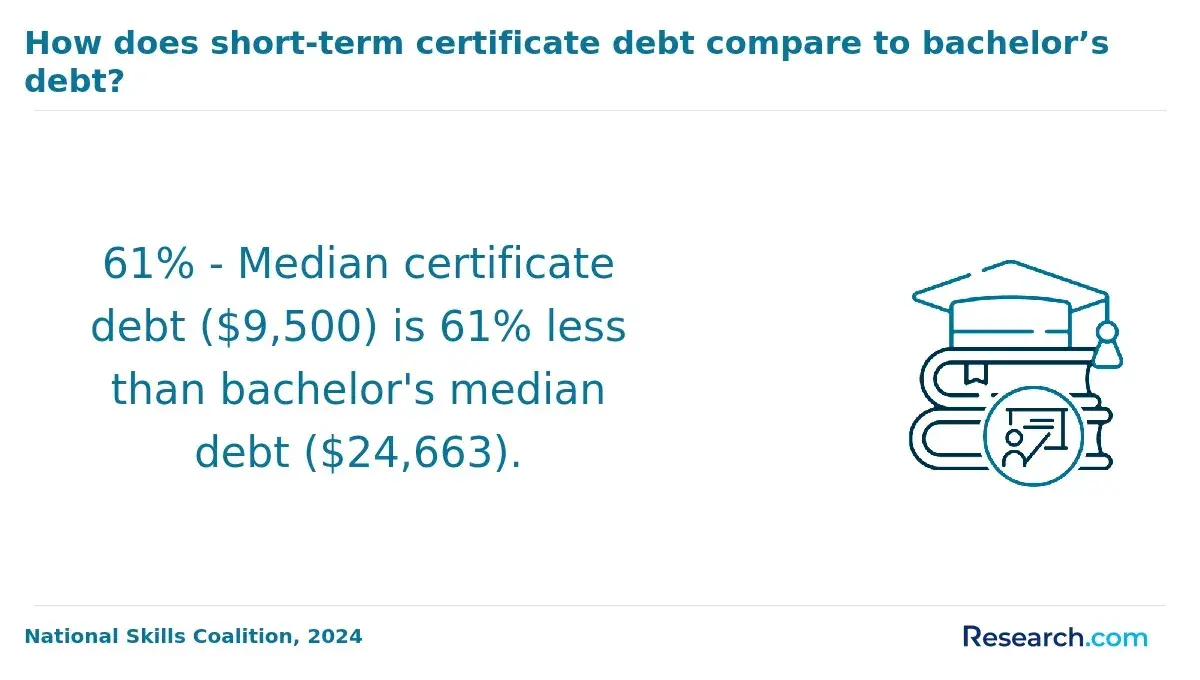
Graduation time at Chamberlain University depends on multiple variables beyond just the online delivery of courses. Factors like enrollment pace, course availability, scheduling flexibility, and individual life circumstances shape how long it takes to complete a degree. For example, limited access to key capstone courses or choosing part-time enrollment to manage work and family obligations can extend timelines. A 2024 report from the National Center for Education Statistics found online learners nationwide average 5.6 years to graduate, longer than the 4.2 years typical for on-campus students, illustrating how modality alone does not determine speed of completion.
Chamberlain's online format offers accelerated 8-week courses and year-round enrollment, potentially helping highly motivated students finish faster than traditional programs. Yet, those balancing full-time jobs, military service, or caregiving often progress more slowly since online study must compete with competing priorities. The flexibility with scheduling can be a double-edged sword; it allows learners to continue education amid life demands but does not guarantee a shorter path. Graduation speed depends largely on how consistently students can engage with programs amid their commitments.
Prospective students should realistically assess their intended course load, available weekly study hours, and other responsibilities to estimate their graduation timeline. Evaluating goals like finishing quickly versus maintaining work-life balance is essential. Those unable to sustain continuous enrollment or who face bottlenecks in required courses may experience delays. Understanding how these variables interact can guide personalized planning and reduce surprises in long-term academic progress and workforce entry.
One Chamberlain student shared, "I initially expected to graduate in just three years by enrolling full time, but after my second semester, I had to switch to part time due to my family's needs and a new job. At first, I worried this would set me back significantly. Over time, adjusting my timeline felt like the only way to keep progress steady without burning out. It wasn't ideal, but eventually I found a manageable pace that respected my responsibilities and still kept me on track for licensure and a meaningful start in nursing."
Who is most likely to succeed in Chamberlain University's online programs?
Success in Chamberlain University's online programs depends less on a student's age or prior background and more on their capacity to independently navigate academic demands. Managing flexible schedules, staying motivated without in-person oversight, and engaging consistently in a digital format challenge many but favor those with particular self-directed behaviors.
For example, a working parent returning to school after several years must juggle childcare, employment, and coursework without immediate external structure. This requires disciplined time management and proactive communication to keep pace with deadlines and course expectations. The following characteristics identify students most likely to thrive in Chamberlain University's online environment.
- Self-Disciplined Time Managers: Students who excel at creating structured routines and adhering to deadlines succeed by compensating for the absence of traditional classroom schedules. Their ability to allocate focused study periods around work or family obligations reduces risks of falling behind and builds consistency despite competing demands.
- Experienced Adult Learners: Those returning to education with relevant professional backgrounds bring clarity about the value of completing coursework and balancing commitments. Their maturity helps them prioritize tasks and leverage experience to contextualize learning, although refreshing academic skills may be necessary.
- Technologically Proficient Individuals: Comfort with digital tools and platforms accelerates navigation of course materials and communication channels. Students who develop or possess strong digital literacy avoid technical frustrations that can erode motivation and interrupt learning progress.
- Motivated Self-Starters: Learners who initiate contact with instructors or peers and seek resources proactively offset the lack of face-to-face interaction. This adaptability signals emotional resilience and persistence needed to manage challenges that arise from remote education.
- Students with Prior Academic Preparation: A foundation in college-preparatory coursework and standardized testing correlates positively with persistence. While not absolute prerequisites, these academic bases reduce adjustment time and improve comprehension, helping students stay engaged through rigorous content.
- Individuals with Developed Self-Regulation Skills: A 35% higher completion rate among students who master digital literacy and self-regulation underscores behavioral readiness as critical. These students regulate distractions and maintain consistent effort despite asynchronous learning formats.
How does Chamberlain University compare with other online colleges?
Choosing between online colleges requires analysis beyond reputation and rankings. Students must consider how well a university's offerings align with their individual educational needs, learning styles, and career aspirations. For example, a working adult aiming to transition into a healthcare profession may prioritize program flexibility and practical training partnerships over lower tuition.
National research shows that post-graduation earnings and program flexibility are the top factors for prospective online students. These priorities help explain why some may find Chamberlain University's online programs suitable despite higher costs. Students comparing Chamberlain University online programs vs other top online colleges should weigh multiple factors carefully. Key considerations include the following:
- Tuition and Financial Aid Impact: Chamberlain's tuition, totaling $42,952, is higher than many public in-state online options but similar to private institutions. Prospective students should evaluate how federal financial aid, reflected in an estimated cost of $36,346, offsets sticker price and fits their budget constraints compared to cheaper alternatives.
- Graduation Rate and Student Support: With a 50% average graduation rate, Chamberlain trails many top programs exceeding 60%. This may affect students who need strong retention and support structures to complete their degree, especially if balancing studies with work or family.
- Program Specialization and Accreditation: Chamberlain's healthcare-focused accreditations and partnerships provide an applied learning advantage. Students seeking nursing or health professions benefit from these but should verify if other institutions offer similar credentials and clinical experiences.
- Economic Outcomes and Debt Levels: Graduates report median earnings of $92,405 and a median debt of $20,919, producing a strong earnings-to-debt ratio of 4.42x. Students prioritizing return on investment should compare these metrics across schools, considering career placement and alumni success.
- Learning Flexibility and Scheduling: Flexibility is crucial for many online learners. Chamberlain delivers options but prospective students may find other schools with different pacing or asynchronous formats better suited for their work-life balance needs.
- Student Demographics and Community Fit: The culture and peer network impact engagement. Comparing student support and flexibility at Chamberlain University and other online schools helps determine if the social environment will encourage persistence and motivation.
- Real-World Training Partnerships: Chamberlain's alliances with healthcare providers offer practical training, a factor common but varying in scope among peers. Prospective students should assess if these relationships enhance their intended career path effectively.
For those balancing career and school, exploring accelerated degree programs for working adults can also be essential. Chamberlain's offerings might suit some learners while others may find different online colleges align better with their personal and professional timelines.
What student support services are available for online learners at Chamberlain University?
Student support services critically influence academic success in online education by addressing barriers unique to remote learners. These services mitigate isolation, technical difficulties, and gaps in professional guidance, which often undermine persistence and graduation rates in virtual programs. At Chamberlain University, such supports are structured yet reflect varied utility depending on students' stage and style of learning. Data shows 78% of online students nationally prioritize technical support and academic advising, underscoring their role in preventing attrition due to unresolved issues or unclear academic pathways.
Considering practical impacts, a working adult entering healthcare training may rely heavily on virtual career services to network and secure clinical placements, highlighting how support services extend beyond traditional academic aid. The following list outlines major support areas available for online learners at Chamberlain University.
- Specialized Academic Advising: Tailored advising for online students clarifies degree requirements and sequencing, reducing dropout risk by aligning coursework with career goals. This service especially benefits those balancing work and study by offering flexible, individualized guidance.
- Technical Support and 24/7 Help Desk: Continuous technical assistance addresses connectivity and platform issues promptly, crucial for students experiencing inconsistent internet access or unfamiliarity with e-learning tools, enhancing their ability to fully participate.
- Virtual Career Services: Includes resume workshops, online job fairs, and alumni mentoring, supporting learners transitioning to healthcare roles where practical experience and professional connections impact employability and job retention.
- Digitally Centralized Academic Resources: Access to online library databases, tutoring, and writing labs bolsters research and communication skills, aligning student capabilities with expectations from healthcare employers that require strong evidence-based practice competencies.
- Mental Health and Wellness Support: Services designed for flexible access acknowledge the pressures faced by non-traditional students balancing multiple responsibilities, providing critical coping mechanisms that support sustained academic engagement.
Before enrolling, prospective students should assess if Chamberlain University's online support services align with their preferred learning mode and need for in-person interaction. Students who actively engage with these resources typically show better retention and post-graduation outcomes. For those evaluating online degree programs for working adults, including Chamberlain University, this insight shapes decisions around program fit and long-term employability.
Is Chamberlain University the right choice for your career goals?
Selecting an online college requires prioritizing career alignment over convenience, cost, or institutional prestige alone. For instance, a working nurse seeking advancement may value practical program outcomes and employer recognition more than low tuition or broad name recognition. National surveys show over 60% of online students emphasize flexible scheduling but underreport employer engagement, highlighting the importance of understanding how well a program connects to career pathways before enrolling.
Chamberlain University's online nursing programs offer targeted education with steady mid-career earnings and moderate debt recovery timelines, supporting healthcare roles requiring licensure. However, its regional accreditation and limited networking opportunities may affect access to certain employers or specialized mentorships. Students aiming for flexible study alongside full-time work might find Chamberlain's balance of structured curriculum and online accessibility suitable, whereas those seeking strong alumni networks or diverse career tracks may face constraints.
Prospective students should evaluate Chamberlain University by clearly defining their career goals, current employment demands, and preferred learning style. Those needing hands-on experience or extensive professional connections may need supplemental strategies to compensate for limited campus-based engagement. Ultimately, no single institution fits all; success depends on choosing a program whose educational model, flexibility, and support infrastructure align tightly with a student's practical career objectives and long-term professional plans.
What Graduates Say About Chamberlain University Pros and Cons for Online Students
- John: "Studying in the online program at Chamberlain University gave me the necessary flexibility to balance my full-time job and family commitments. The ability to access lectures and assignments on my schedule was a huge advantage, but I found the limited real-time interaction with instructors occasionally made clarifying complex topics a bit challenging. Overall, I developed a routine around self-directed study that ultimately strengthened both my discipline and confidence in handling nursing responsibilities."
- Colin: "My firsthand experience with Chamberlain University's online program was largely positive, especially because it allowed me to maintain my work schedule without needing to commute. However, the absence of face-to-face engagement sometimes left me craving more peer collaboration, which I had to proactively replicate through virtual study groups. That push to create my own support system made me more resourceful, and it also helped improve my time management skills, which proved beneficial throughout my career."
- Ian: "Choosing Chamberlain University's online program was a pragmatic decision driven by my remote location and family needs. While I appreciated the flexibility and structured coursework, I struggled at times with staying motivated without the physical presence of classmates and instructors. To succeed, I had to establish strict daily goals and seek external accountability, which ultimately enhanced my self-reliance and ability to manage demanding workloads in clinical settings."
Other Things You Should Know About Chamberlain University Degrees
Online programs at Chamberlain University limit the face-to-face networking opportunities that traditional students enjoy, which can affect relationship-building with peers and faculty. While virtual events and discussion boards exist, they often lack the depth and spontaneity of in-person interactions. For students prioritizing strong professional connections in healthcare fields, relying solely on online networking may require proactive effort beyond what the university facilitates.
Online nursing students at Chamberlain University must handle clinical placements in their local communities, which can vary significantly in availability and quality. This decentralized model introduces uncertainty and requires students to coordinate with local healthcare providers, sometimes disrupting work or personal commitments. Prospective students should assess their local healthcare environment's capacity before committing, as clinical placement logistics can strongly affect timely program completion.
At Chamberlain University, programs with structured deadlines can enhance accountability and reduce the risk of delayed graduation, a crucial factor given the demanding nature of nursing education. However, self-paced options offer greater flexibility for working professionals or those with complex schedules but require strong time management skills. Students less confident in managing heavy workloads independently should lean towards cohorts with fixed pacing to maintain steady progress.
References
- In-Person vs. Online Nursing Programs https://www.chamberlain.edu/blog/in-person-vs.-online-nursing-programs
- Chamberlain University Services https://experttutors.info/chamberlain-university-services/
- Online College Review: Chamberlain University Online https://www.collegetransitions.com/blog/chamberlain-university-online-college-review/
- Chamberlain University Online BSN Program Review https://betternurse.org/chamberlain-university-bsn/
- Chamberlain University and ENA | ENA https://www.ena.org/membership/member-benefits/chamberlain-university-and-ena
- Student Handbook - Chamberlain https://www.yumpu.com/en/document/view/29085724/student-handbook-chamberlain
- Chamberlain College of Nursing Offers Two New Online Educational Options to Advance Careers https://www.prnewswire.com/news-releases/chamberlain-college-of-nursing-offers-two-new-online-educational-options-to-advance-careers-101789808.html
- Chamberlain University Reviews https://www.gradreports.com/colleges/chamberlain-university