2027 Johns Hopkins University Online MA in Communication - Political Communication: Cost, Curriculum, Admissions, and Career Outcomes

Co-Founder and Chief Data Scientist
Determining whether the online MA in Communication - Political Communication at Johns Hopkins University fits specific academic and career objectives can be complex. With adult learners accounting for nearly 40% of graduate enrollments nationwide in 2024, according to the National Center for Education Statistics, flexibility and relevance weigh heavily in program choice. Prospective students must assess the balance between rigorous political communication training and online delivery methods amid evolving workforce demands.
Understanding program costs, curriculum depth, admissions criteria, and career outcomes is crucial for informed decision-making. This article explores these aspects to clarify if the program aligns effectively with prospective students' aspirations and constraints.
Key Points About Johns Hopkins University's MA in Communication - Political Communication Program
- The 8% acceptance rate signals a highly competitive MA in Communication - Political Communication program, meaning students should prepare for stringent admissions and demonstrate clear focus and excellence.
- Graduates gain access to a robust alumni network influencing political communication fields, which aids job placement but demands active career engagement to leverage this advantage.
- The $80,778 tuition represents a substantial investment requiring evaluation against potential career returns, highlighting affordability and debt impact as critical factors for applicants.
What can students expect from Johns Hopkins University's online MA in Communication - Political Communication curriculum?
Students in the online MA in Communication - Political Communication curriculum at Johns Hopkins University can expect a balance of theoretical grounding and applied skills tailored to the political communication field's evolving demands. Unlike some programs that lean heavily on abstract theory or pure research, this curriculum actively engages students in analyzing practical communication challenges politicians and media face today. For example, a student might be tasked with designing a campaign communication plan that addresses social media misinformation while applying agenda-setting theory. This reflects the program's alignment with professional realities where theory informs tactical decision-making. The curriculum structure shares similarities with the broader U.S. academic standard but places a distinctive emphasis on combining rigorous media analysis with hands-on campaign development. Below are key coursework areas illustrating this blend:
- Political Discourse Analysis: Demands critical examination of political speeches, debates, and rhetoric to understand persuasive tactics and narrative framing. This enables graduates to decode and critique messaging strategies used in contemporary political environments.
- Research Methods: Requires competency in qualitative and quantitative research tools tailored to communication and political contexts, essential for producing data-driven insights applicable in policy or media roles.
- Campaign Communication Strategies: Focuses on developing practical messaging skills tailored to digital and traditional media platforms, preparing students to craft effective public engagement tactics amidst rapidly shifting political landscapes.
These components contribute to a comprehensive political communication coursework in Johns Hopkins University online program that fosters analytic rigor and applied proficiency. Such an integrated approach is crucial for those aiming to navigate the operational pressures in media, advocacy organizations, or public affairs offices.
Students interested in broader options for accelerated graduate study might also explore varied offerings through recognized platforms featuring top-rated online masters degree programs, which can serve as useful benchmarks when evaluating program length and intensity.
What are Johns Hopkins University's admission requirements for online MA in Communication - Political Communication program?
Admission to Johns Hopkins University's online MA in Communication - Political Communication program demands clear academic credentials and relevant documentation, reflecting the competitive and specialized nature of this graduate degree. Prospective students who have only partial academic records or lack formal secondary transcripts may struggle to demonstrate readiness for the program's rigorous communication focus. For example, an applicant transitioning from a professional communications background without a conventional academic path would need robust secondary records and recommendations to supplement their portfolio effectively. Below are the typical requirements applicants must prepare to ensure a complete and strong application.
- Secondary School Records: Applicants must submit official secondary school transcripts with evidence of high school completion or an equivalent credential such as a GED certificate. This formal documentation establishes foundational academic preparedness necessary before advancing to graduate-level study.
- Letters of Recommendation: Recommendations from academic or professional sources are required, providing insight into the applicant's competencies, communication skills, and potential to succeed in a specialized political communication environment.
- Demonstration of Competencies: While not strictly mandated, submitting portfolios, writing samples, or resumes is strongly encouraged to showcase practical skills and experience. This addition is particularly relevant for candidates seeking to illustrate their applied communication expertise beyond formal transcripts.
- English Proficiency (TOEFL): Non-native English speakers must supply TOEFL scores to verify they can engage effectively with coursework and academic discourse, mitigating language barriers that could affect program success.
- Transfer Credit and Advanced Placement: The program does not generally accept transfer credits or credit for life experience. Advanced placement credits may apply at the undergraduate level but do not substitute requirements in this graduate degree, making it important for transfer students to consult admissions directly.
Is it difficult to get admitted to Johns Hopkins University's online MA in Communication - Political Communication program?
Admission to a typical MA in Communication - Political Communication program is often competitive, reflecting the field's increasing importance in strategic communications and policy influence. Applicants commonly face rigorous academic thresholds and demand a mix of relevant experience and clarity of career objectives to stand out amid growing applicant pools.
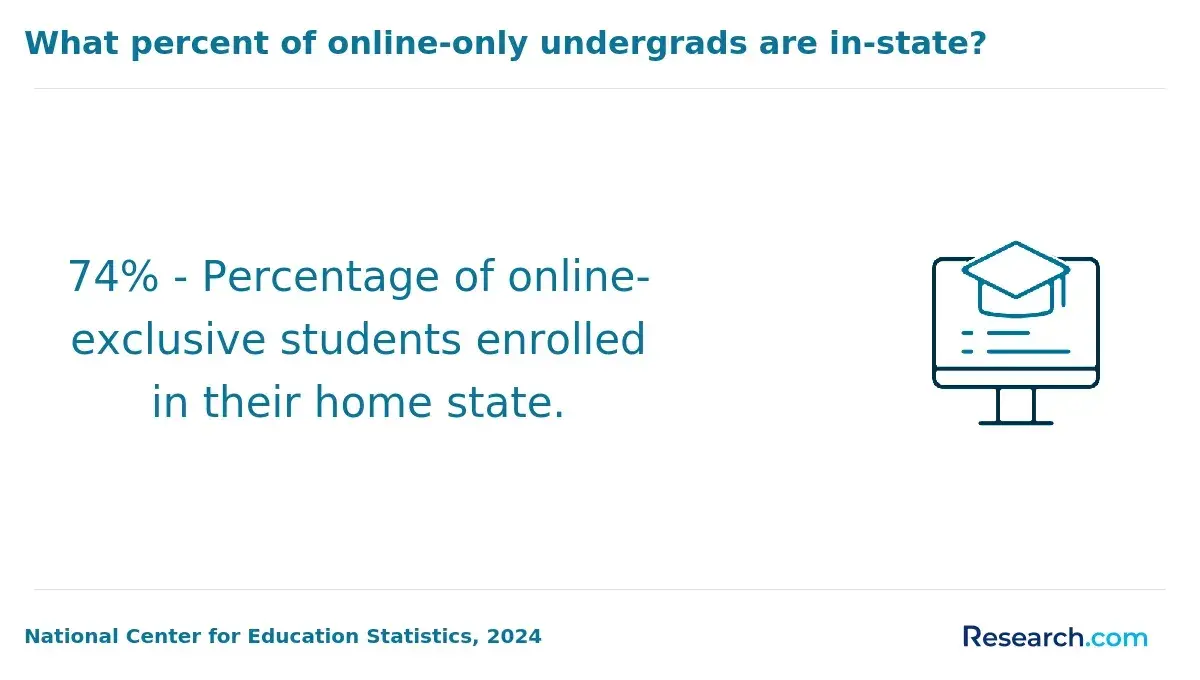
Johns Hopkins University exemplifies selectivity with an overall acceptance rate of just 8%, admitting 2,943 out of nearly 39,000 annual applicants. While detailed admissions data for this specific online master's remains limited, the university's high SAT verbal (750-780) and math (780-800) score ranges alongside ACT scores between 34 and 40 illustrate the caliber expected. The intense application environment suggests candidates must submit exceptionally strong academic records and coherent professional goals to progress through admissions.
One graduate recalled hesitating before applying, concerned whether their background matched such demanding criteria. They shared, "I double-checked that my experience aligned with the program's focus and revised my statement multiple times to clearly convey my intent." The pressure to meet stringent admissions standards, particularly in a remote format, underscored the importance of preparation and purposeful application despite initial self-doubt. Ultimately, the acceptance reaffirmed that demonstrating precise readiness significantly outweighs simply having a strong résumé.
What is the cost of attending an online MA in Communication - Political Communication program at Johns Hopkins University?
The annual tuition for the online MA in Communication - Political Communication program at Johns Hopkins University stands at $63,340, contributing to a total annual cost around $80,778 when including fees, books, and living expenses. This figure reflects a comprehensive cost structure that does not discount based on residency, as the university maintains uniform tuition rates for online students regardless of location. The absence of additional technology fees means students face the same tuition scale as on-campus peers, a factor worth weighing for those considering cost efficiency alongside program reputation.
Relative to the broader market for online MA programs focused on political communication, Johns Hopkins occupies a higher price tier. Many comparable programs offer tuition rates well below this level, which suggests a need for potential enrollees to evaluate whether the program's network, faculty expertise, and institutional brand align with the significant upfront investment. For candidates prioritizing cost-sensitive pathways, this positioning presents a tangible tradeoff between prestige and affordability.
From a practical standpoint, students assessing the online ma in communication political communication tuition cost at Johns Hopkins University must factor in the total cost's impact on debt and return on investment. The program's comprehensive fees are balanced by the potential leverage its reputation offers in competitive job markets, particularly in policy analysis and strategic communications roles. However, this value calculus varies widely depending on one's career aims and regional employment dynamics.
While researching degree options, comparing these costs against other fields or programs can be illuminating. For example, those exploring broader undergraduate pathways might consult data on the best bachelor degrees to get for income potential, further informing how an advanced communication degree fits into long-term career planning.
Are there financial aid options for online MA in Communication - Political Communication students at Johns Hopkins University?
Financial aid for students in the online MA in Communication - Political Communication at Johns Hopkins University exists but often requires strategic navigation due to limited program-specific awards. Prospective students should weigh institutional support alongside alternative funding sources, as relying solely on scholarships may not sufficiently offset the program's cost. This approach reflects common tradeoffs where employers' tuition assistance or military benefits can provide critical supplementary coverage, especially for those balancing work commitments. Below are key financial aid avenues applicable to this program.
- Institutional Scholarships: Available primarily through the university's general scholarship pool, these merit- or need-based awards require application through the financial aid office and typically vary widely in amount, often depending on demonstrated academic record and financial need.
- Federal Financial Aid: Students completing the FAFSA may qualify for federal loans such as Direct Unsubsidized or Grad PLUS Loans, which carry regulated interest rates and flexible repayment plans, though these increase long-term debt obligation.
- Employer Tuition Reimbursement: Working students may reduce out-of-pocket costs through employer-sponsored programs, which often cover partial or full tuition contingent on employment status and service agreements.
- Veteran Benefits: Active military or veteran students can utilize GI Bill® funding and other veteran-specific aid, supported by Johns Hopkins' designation as a military-friendly institution, to underwrite tuition expenses.
- Need-Based Institutional Aid: Additional grant opportunities exist for students demonstrating financial hardship, supplementing federal aid and scholarships but requiring thorough documentation and timely application.
What learning resources are available to online MA in Communication - Political Communication students at Johns Hopkins University?
Access to targeted learning resources plays a critical role in shaping outcomes for online MA in Communication - Political Communication students at Johns Hopkins University, especially given the program's reliance on digital interaction and self-directed study. The availability and quality of support directly impact how well students navigate complex political communication theories and apply them in uncertain professional contexts, such as government relations or media analysis roles where miscommunication can carry significant consequences. This environment demands resources that not only facilitate consistent engagement but also help build practical skills applicable to volatile real-world scenarios. Below are key resources that collectively support students' academic progression and career readiness.
- Digital Infrastructure: A stable online platform underpins course delivery and interaction, enabling students to access synchronous and asynchronous content. Reliable technology reduces downtime risks, which is crucial for maintaining momentum across fast-paced modules.
- Technical Support: Dedicated teams assist with connectivity problems and software issues, mitigating disruptions that could delay course completion or diminish learning consistency, critical for students balancing professional and academic commitments.
- Academic Advising: Experienced advisors guide students through course selections and degree requirements, helping to tailor learning paths that align with individual career trajectories and avoid unnecessary credit accumulation.
- Research Resources: Online access to extensive libraries and databases supports in-depth analysis and evidence-based assignments, an advantage when preparing for policy communication or media strategy roles requiring current, credible sources.
- Career Services: Personalized assistance in resume development, interview preparation, and job search strategies enhances employability. Networking facilitated through alumni connections helps graduates navigate the competitive landscape of political communication professions.
Does Johns Hopkins University's online MA in Communication - Political Communication program have in-person clinicals or practicums?
In-person practicals remain a core feature of many communication graduate programs, providing essential real-world experience through clinicals or practicums. Employers in political communication often value candidates who have demonstrated hands-on experience in live environments, which can influence hiring decisions and early job performance. However, Johns Hopkins University's online MA in Communication - Political Communication distinguishes itself by omitting mandatory in-person clinical or practicum requirements, reflecting a pedagogical shift that prioritizes remote accessibility over traditional site-based training.
The absence of in-person practicums in the Johns Hopkins University MA in Communication - Political Communication means students must rely heavily on project-based assignments, case studies, and simulations embedded into the curriculum to gain applied skills. For working professionals or international students who cannot participate in on-site sessions, this arrangement offers flexibility without sacrificing exposure to strategic communication campaign design and political media analysis. However, those seeking structured clinical hours or formal practicum experiences valuable for certain career trajectories must independently pursue local opportunities, as availability of clinical hours for Johns Hopkins University online MA in Communication - Political Communication students is not facilitated by the institution.
This design aligns with growing interest in fully online degrees that accommodate diverse life circumstances but introduces tradeoffs regarding direct experiential learning. Students weighing this program should consider how they will supplement their education with practical engagement outside the university if their career goals hinge on demonstrable hands-on experience. For prospects comparing options, a resource on the cheapest masters degree might also help identify programs with different experiential mandates.
What careers can graduates of online MA in Communication - Political Communication at Johns Hopkins University secure?
Graduates of the online MA in Communication - Political Communication at Johns Hopkins University must weigh the tangible career implications of their degree, particularly where political strategy and media relations intersect. The program's real-world value is evident when alumni secure roles that demand both analytical precision and sophisticated narrative-building, illustrating a direct connection between academic preparation and long-term professional outcomes. This alignment is crucial in assessing whether the program meets the practical expectations of a competitive political communication graduate career in the U.S. Among the avenues available, several stand out for their operational demands and strategic impact.
Careers for graduates of Johns Hopkins University online MA in Communication - Political Communication in the United States include:
- Political Communication Strategist: These professionals develop and execute messaging strategies to influence public opinion and voter behavior, requiring deep understanding of media landscapes and political contexts. Compensation tends to reflect this role's high strategic value.
- Public Affairs Specialist: Focused on maintaining relationships between organizations and the public or media, this role often involves policy advocacy and community engagement and offers competitive salaries tied to specialized expertise.
- Legislative Assistant or Policy Analyst: Supporting elected officials by conducting research and preparing policy briefs, these positions demand precise communication skills and can vary widely in pay depending on governmental level and location.
- Campaign Communication Manager: Managing election-related messaging and coordination, this role is fast-paced and strategic, often coming with compensation that reflects the campaign's scale and influence.
For students analyzing political communication graduate career opportunities in the U.S. for Johns Hopkins University online students, understanding these roles' operational realities can clarify expectations. When considering affordability alongside these prospects, prospective students might also explore options like the cheapest self-paced online college alternatives to balance investment and outcome effectively.
What is the salary outlook for online MA in Communication - Political Communication graduates?
Salary prospects for online MA in Communication - Political Communication graduates in the United States reflect a nuanced balance of specialized skills and market demand. A graduate from Johns Hopkins University with this focus can anticipate earning potential above many general communication fields, due in part to the program's intersection with political science and international affairs. For example, a political communication graduate engaged in government or public affairs roles may leverage this specialization to secure positions generally offering salaries closer to the broader median alumni salary of $87,555, rather than the lower median salaries typical in less specialized communication fields.
Career and salary outcomes for Johns Hopkins University political communication master's degree holders often align more closely with related disciplines such as Political Science and Government, where median salaries hover around $52,083, or International Relations and National Security Studies at $57,526. This suggests graduates can reasonably expect entry to mid-level roles with compensation reflective of these adjacent sectors, rather than lower-earning communication subfields like Rhetoric and Composition/Writing Studies, which average $35,359. Such distinctions emphasize the value of selectivity and practical expertise in political communication when navigating early career decisions.
For candidates evaluating an investment in this degree, a critical consideration involves the comparative salary advantage versus similar online degrees. Employers increasingly prioritize candidates demonstrating both communication prowess and sector-specific knowledge. Exploring comparable online degrees for remote jobs, available at online degrees for remote jobs, is advisable for those balancing flexibility with income expectations.
How do you know if Johns Hopkins University's online MA in Communication - Political Communication program is the right choice for you?
Choosing a MA in Communication - Political Communication program requires careful alignment with your academic preferences, lifestyle demands, and career ambitions. This evaluation matters because the balance between theoretical rigor and practical application often dictates long-term employability and job relevance. Considerations such as program structure, cultural environment, and industry recognition deeply influence how effectively the degree supports your specific goals. The following criteria highlight areas that should guide your decision-making process:
- Learning Format and Flexibility: Assess whether the program's delivery-predominantly asynchronous with some synchronous sessions-fits your schedule and learning style. This flexibility is crucial if you juggle work or personal commitments but weigh the tradeoffs between self-paced study and opportunities for live interaction.
- Academic and Community Culture: Investigate the intellectual climate and peer engagement within the program. A collaborative and critical-thinking-focused environment can enhance your learning experience, particularly if you thrive on interdisciplinary dialogue and faculty mentorship.
- Industry Reputation and Network Access: Consider how the institution's standing in political communication circles and connections to government or media sectors align with your career path. A recognized program can facilitate job opportunities but may carry higher competition and expectations.
- Practical Skill Development: Evaluate the curriculum's emphasis on real-world communication challenges, such as media strategy or policy advocacy, to ensure you acquire marketable competencies rather than solely theoretical knowledge.
Reflecting on my own experience, I entered the search for an online master's with uncertainty about balancing coursework and a demanding communications role. What tipped the scales for me was recognizing that Johns Hopkins University's blend of asynchronous coursework and occasional live seminars offered a workable compromise-I could engage deeply with complex political communication concepts without sacrificing professional responsibilities. The program's focus on research and practical application matched my goal to move into policy strategy, so despite initial hesitation about the intensity, I found a learning community that challenged me while offering flexibility. That blend of rigor and adaptability proved essential in navigating both academic demands and evolving job market expectations.
What Graduates Say About Johns Hopkins University's MA in Communication - Political Communication Program
- Daniel: "Studying at Johns Hopkins University provided me a deep dive into the nuances of political messaging that few programs offer. The MA in Communication - Political Communication's emphasis on case studies and strategy development helped me build a portfolio that employers genuinely value, even more than formal licensure in our field. After graduation, I leveraged these practical experiences into remote consultancy roles, which allowed me to enter the workforce faster and tailor my career path around emerging political trends."
- Jin: "Johns Hopkins University's program was challenging but realistic, especially when it came to understanding the limitations within political communication careers. Through its detailed coursework and rigorous internship requirements, I realized that without additional certifications or long-term agency experience, salary growth can be slow and competition fierce. This insight pushed me to focus on expanding my network and building a versatile skill set, but I still find it essential to balance ambition with the realities of the hiring landscape."
- Jason: "The MA in Communication - Political Communication at Johns Hopkins University gave me both the theoretical foundation and the analytical tools to navigate complex political environments. Reflecting on my time there, the program's flexibility was instrumental since I could work full-time while studying. Now, in my career, I often draw on what I learned about media framing and voter behavior, even though I had to pivot roles a couple of times before landing a job aligned with my goals. The experience underscored how adaptable you have to be in this industry."
Other Things You Should Know About Degrees
The online ma in communication - political communication at Johns Hopkins University generally mirrors the rigorous expectations of its on-campus counterpart. However, the asynchronous format requires students to be highly self-motivated and disciplined, as interaction is often virtual and deadline-driven. Prospective students should expect a substantial time commitment balancing coursework with professional or personal responsibilities, with less immediate access to peers and faculty for spontaneous discussion, making strong time management skills crucial.
While the program incorporates virtual networking through discussion boards, group projects, and occasional live sessions, it lacks the organic, in-person networking that traditional programs offer. This can limit spontaneous connections and mentorship opportunities crucial in political communication careers. Students prioritizing deep, ongoing professional relationships may need to supplement this program with external networking efforts or industry events.
Johns Hopkins University's online ma curriculum includes exposure to current digital communication platforms and data analysis tools tailored to political contexts. However, the program focuses more on theory and strategic communication frameworks than exhaustive technical training. Students seeking a heavy emphasis on cutting-edge software proficiency might need to pursue additional certifications or practical experiences outside the degree.
References
- What is Political Communication? Careers in Political Communication https://www.mastersincommunications.com/faqs/what-is-political-communication
- 331 Johns Hopkins University (JHU) scholarships 2026-27 [Updated] https://www.wemakescholars.com/university/johns-hopkins-university-jhu/scholarships
- Master's programme in political communication https://www.gu.se/en/study-gothenburg/masters-programme-in-political-communication-s2mkg
- How to take advantage of Hopkins resources https://www.jhunewsletter.com/article/2020/08/how-to-take-advantage-of-hopkins-resources