2027 Accredited Online Addiction Psychology Degree Programs for Working Adults: Flexible, Part-Time, and Self-Paced Options

Co-Founder and Chief Data Scientist
Choosing an online addiction psychology degree while working full time means weighing accreditation, schedule flexibility, cost, and career value before you enroll. The need is real: SAMHSA's 2024 release of the National Survey on Drug Use and Health estimated that 48.5 million people aged 12 or older had a substance use disorder in the past year. This guide is for adults comparing accredited online programs, including part-time, asynchronous, and self-paced options. You'll learn how formats differ, what licensure limits to check, and how to choose a program that fits your work schedule and long-term goals.
Key Things You Should Know
- Accreditation is the first filter: choose an institution recognized by the U.S. Department of Education or CHEA, then verify whether the curriculum supports your state's counseling, addiction, or psychology-related credential requirements.
- Working adults usually do best with part-time or asynchronous formats; a typical 3-credit online course often requires about 8 to 10 hours per week, so two courses can feel like a second part-time job.
- Cost and speed depend heavily on transfer credits: bachelor's programs may accept up to about 90 credits, while public four-year tuition benchmarks from College Board's 2024 pricing data show in-state published tuition and fees averaging $11,610 for the academic year.
What Is an Accredited Online Addiction Psychology Degree Program and Why Does Accreditation Matter?
An accredited online addiction psychology degree program is a college program delivered fully or mostly online that teaches the psychological, social, biological, and counseling foundations of substance use disorders and behavioral addictions. Depending on the school, the degree may be labeled addiction psychology, psychology with an addiction studies concentration, substance abuse counseling, behavioral health, human services, or clinical mental health counseling with addiction coursework.
Accreditation matters because it affects financial aid eligibility, transfer credit, employer recognition, graduate school admission, and, in some cases, licensure preparation. For most students, the first accreditation check is institutional accreditation from an agency recognized by the U.S. Department of Education or the Council for Higher Education Accreditation. Programmatic accreditation is less universal for addiction-focused undergraduate programs, but at the graduate counseling level, CACREP accreditation can matter for counseling licensure in some states.
Use the table below to separate the most common quality checks. This is especially important for working adults because a flexible program is not automatically a reputable or licensure-aligned program.
| Quality factor | What it means | Why it matters for working adults |
| Institutional accreditation | The college or university has been reviewed by a recognized accreditor | Helps protect access to federal aid, transfer options, and employer acceptance |
| Programmatic alignment | The curriculum matches addiction counseling, psychology, or behavioral health standards | Reduces the risk of completing courses that do not support your intended credential |
| State licensure fit | The program meets or partially meets education requirements in your state | Critical if you plan to become a licensed addiction counselor or professional counselor |
| Online delivery transparency | The school clearly explains live sessions, deadlines, exams, and fieldwork | Prevents schedule surprises after you commit tuition and time |
A common mistake is assuming that "online" means "licensure-ready everywhere." Licensing rules for addiction counseling, mental health counseling, psychology, and social work vary by state. Before enrolling, ask the school which state requirements the program is designed to meet and confirm that answer with your state licensing board.
Which Flexible Addiction Psychology Degree Formats Are Best for Working Adults: Part-Time, Full-Time, or Self-Paced?
The best format depends on your work schedule, family responsibilities, financial aid needs, and graduation timeline. Full-time enrollment can shorten the calendar, but part-time and self-paced options often fit working adults better because they reduce weekly pressure and make it easier to stay employed.
The table below compares the major online formats you are likely to see when researching accredited addiction psychology or addiction studies programs. Use it to identify the format that matches your real weekly availability, not just your ideal timeline.
| Format | Best fit | Main trade-off |
| Part-time online | Adults working full time, caregivers, and students using employer tuition benefits | Takes longer to finish, but workload is easier to manage |
| Full-time online | Students who can reduce work hours or have strong support at home | Faster completion, but heavier weekly reading, writing, and exam load |
| Asynchronous online | Shift workers, parents, military learners, and students in different time zones | Flexible weekly access, but still has assignment deadlines |
| Synchronous online | Students who want live discussion, instructor access, and class structure | Requires attendance at set times, which may conflict with work |
| Self-paced or competency-based | Highly organized adults with prior knowledge or transferable experience | Can be efficient, but procrastination and term limits can create risk |
| Cohort-based online | Students who want peer support and a predictable course sequence | Less flexible if you need to stop out, slow down, or change course order |
For many working adults, the safest starting point is one course in the first term, especially if you have not studied online before. Addiction psychology coursework can include research papers, case analysis, ethics discussions, abnormal psychology, pharmacology basics, and group projects, so the time commitment is not limited to watching lectures.
When comparing flexible programs, ask schools for concrete scheduling details rather than relying on marketing language. The following questions help reveal whether a program is truly compatible with full-time work:
- Are courses asynchronous, live, or a mix of both?
- How many required login times, proctored exams, or weekend intensives are built into the program?
- Can part-time students take one course per term without falling out of sequence?
- Does "self-paced" mean open deadlines, weekly milestones, or completion within a fixed subscription term?
- What happens if work obligations require you to skip a term?
Self-paced study can be valuable if you are disciplined and already familiar with psychology or human services concepts. It may be a poor fit if you need external structure, instructor reminders, or scheduled peer interaction to stay on track.
What Are the Admission Requirements for Accredited Online Addiction Psychology Degree Programs?
Admission requirements vary by degree level. Associate and bachelor's programs are usually more accessible, while master's programs in counseling, psychology, or addiction studies often require a completed bachelor's degree, prerequisite coursework, recommendations, and a statement of purpose.
The table below summarizes common admission expectations by degree level. Requirements differ by school, so use this as a planning guide rather than a substitute for each program's catalog.
| Degree level | Common admission requirements | Working-adult considerations |
| Associate degree | High school diploma or GED, placement information, basic application | Useful for career starters or students planning to transfer into a bachelor's program |
| Bachelor's degree | High school transcript or prior college transcript, minimum GPA, transfer evaluation | Best for adults who need a broad credential for behavioral health, case management, or graduate school preparation |
| Master's degree | Accredited bachelor's degree, GPA threshold, essays, references, resume, possible interview | Often necessary for licensed counseling roles, but fieldwork and live supervision may affect work schedules |
| Certificate or minor | Prior degree or current enrollment, depending on level | Good for professionals adding addiction-specific knowledge without completing another full degree |
If you already work in healthcare, social services, corrections, education, or peer recovery support, highlight that experience in your application. Admissions teams may value evidence that you understand client confidentiality, ethical boundaries, crisis situations, and professional communication.
Adults comparing healthcare programs sometimes evaluate addiction psychology alongside nursing or allied health pathways. For example, a nurse who wants a broader behavioral health foundation may compare addiction-focused study with an RN to BSN online program before deciding whether the next step should be psychology, nursing leadership, or graduate counseling.
Avoid three common application mistakes: applying before your transfer evaluation is complete, assuming prior work experience automatically counts as credit, and ignoring prerequisite statistics or research methods courses that may be required for graduate study.
How Much Does an Online Addiction Psychology Degree Cost, and What Financial Aid Options Are Available?
The cost of an online addiction psychology degree depends on degree level, public versus private status, residency rules, transfer credits, fees, textbooks, technology requirements, and whether fieldwork creates unpaid time away from work. College Board's 2024 Trends in College Pricing reported average published tuition and fees of $11,610 for in-state students at public four-year institutions and $43,350 at private nonprofit four-year institutions for the academic year. That gap shows why working adults should compare total program cost, not just the convenience of online delivery.
Use the list below to estimate what you will actually pay. Tuition is only one part of the budget, and online students can still face fees that materially change the total cost.
- Tuition per credit or flat-rate term tuition
- Online learning, technology, proctoring, graduation, and student service fees
- Textbooks, digital access codes, assessment tools, and software
- Background checks, drug screens, liability insurance, or immunization documentation for field placements
- Lost income or reduced work hours during practicum, internship, or intensive course periods
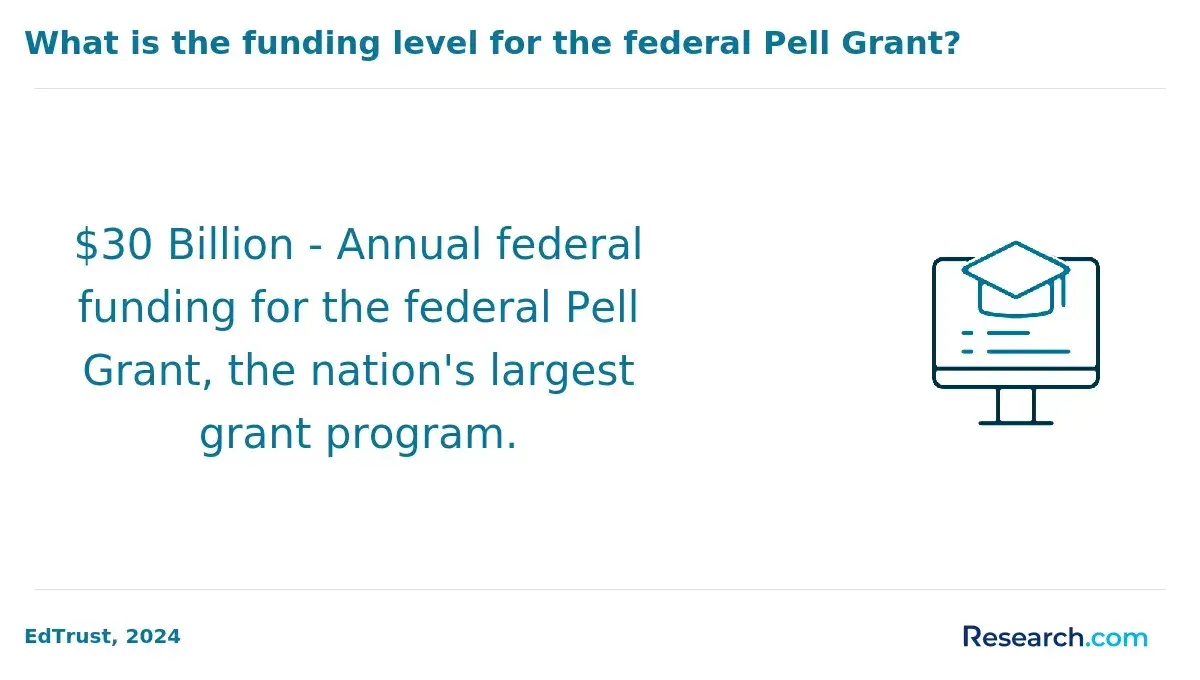
Financial aid can reduce out-of-pocket cost, but eligibility depends on the school, program, enrollment intensity, and your FAFSA results. For the 2024-25 award year, the maximum Federal Pell Grant was $7,395, which can be meaningful for eligible undergraduates but may not cover the full cost of tuition and fees.
Working adults should look beyond loans when comparing programs. Employer tuition reimbursement, union education benefits, state workforce grants, military education benefits, scholarships for behavioral health students, and payment plans can all change the net cost of attendance.
If affordability and aid access are top priorities, compare how schools disclose cost and financial aid across health programs. Researching accredited medical billing and coding schools online with financial aid can also help you see how online programs present aid, fees, and career-aligned training in another healthcare field.
The biggest cost red flag is a school that advertises a low per-credit price but makes it hard to find fees, course materials, practicum costs, or refund rules. Ask for a written total cost estimate before enrolling.
How Long Does It Take to Complete an Online Addiction Psychology Degree, and Can Transfer Credits Help You Graduate Faster?
Completion time depends on your starting credits, course load, term length, and whether the program uses a lockstep sequence. A first-time bachelor's student may need about four years of full-time study, while a transfer student with substantial prior credits may finish much faster. Part-time learners often take longer, but they may be more likely to persist if the schedule is realistic.
The table below shows typical timelines and workload patterns. These are general planning ranges, not guarantees, because each school sets its own calendar and credit requirements.
| Path | Typical completion pattern | Schedule impact for working adults |
| Associate degree | About two years full time; longer part time | Can build a foundation before transferring into a bachelor's program |
| Bachelor's degree from start | About four years full time; often five or more years part time | Best planned with a sustainable course load and transfer strategy |
| Bachelor's completion program | Often one to three years depending on accepted credits | Strong fit for adults with prior college credits |
| Master's degree | Often two to three years, depending on fieldwork and enrollment pace | May require evening, weekend, or daytime clinical placement availability |
| Certificate | Often several months to one year | Useful for adding addiction-specific coursework without a full degree |
Transfer credits can be the biggest time-saver for adults returning to school. Many bachelor's programs consider prior general education, psychology, sociology, statistics, and human services courses, but acceptance depends on grade minimums, accreditation of the sending institution, course age, and degree residency requirements.
Before choosing a program, follow this transfer-credit process so you do not overpay for courses you may not need:
- Request official transcripts from every college you attended, even if the coursework seems old or unrelated.
- Ask each school for a preliminary transfer evaluation before you commit to enrollment.
- Confirm how many credits must be completed at the new institution to graduate.
- Ask whether prior learning assessment, military training, professional certifications, or portfolio credit is available.
- Compare remaining credits, not advertised program length, when deciding which option is faster.
Do not assume accelerated is always better. A faster program can be worthwhile if you can manage the workload, but it can backfire if compressed terms, weekly deadlines, and work stress lead to dropped courses or repeated tuition charges.
What Should You Look for When Comparing Accredited Online Addiction Psychology Degree Programs?
Comparing accredited online addiction psychology degree programs requires more than checking whether classes are online. The best program for a working adult is the one that aligns accreditation, schedule, cost, curriculum, fieldwork, support, and career goals.
Use the following comparison criteria as a practical screening tool. These points help you separate truly work-compatible programs from programs that are online but still rigid.
- Accreditation status and whether the school is listed in recognized accreditation databases
- Clear explanation of addiction-focused coursework, including ethics, assessment, counseling skills, psychopharmacology, prevention, and co-occurring disorders
- State licensure disclosures for counseling, addiction counseling, or related credentials
- Course format details, including live class times, weekly deadlines, exam proctoring, and required campus visits
- Transfer-credit generosity and whether the program offers degree-completion pathways
- Total cost of attendance, including fees and fieldwork-related expenses
- Career services, academic advising, tutoring, library access, and mental health support for online students
- Faculty experience in addiction treatment, behavioral health, counseling, psychology, or human services
The table below summarizes common red flags and better alternatives. It is designed to help you avoid expensive enrollment decisions that are difficult to reverse once classes start.
| Red flag | Why it is risky | Better alternative |
| No clear accreditation information | Credits may not transfer, and aid or employer recognition may be limited | Verify institutional accreditation before applying |
| "Flexible" with no schedule details | You may discover required live meetings after enrollment | Ask for sample syllabi and weekly time expectations |
| No licensure disclosure | The program may not meet your state's education requirements | Contact the state licensing board and request written school guidance |
| Only tuition is shown | Fees and fieldwork costs may raise the real price | Request a full cost-of-attendance estimate |
| No online student support | Adult learners may struggle without advising or tutoring access | Choose programs with dedicated online advising and technical support |
Some adults compare addiction psychology with advanced healthcare roles that have different licensure and clinical scopes. If you are deciding between behavioral health and nursing-based practice, reviewing FNP programs can clarify how tuition, clinical hours, and professional outcomes differ across online graduate health pathways.
What Career Opportunities and Salary Potential Can You Expect With a Addiction Psychology Degree?
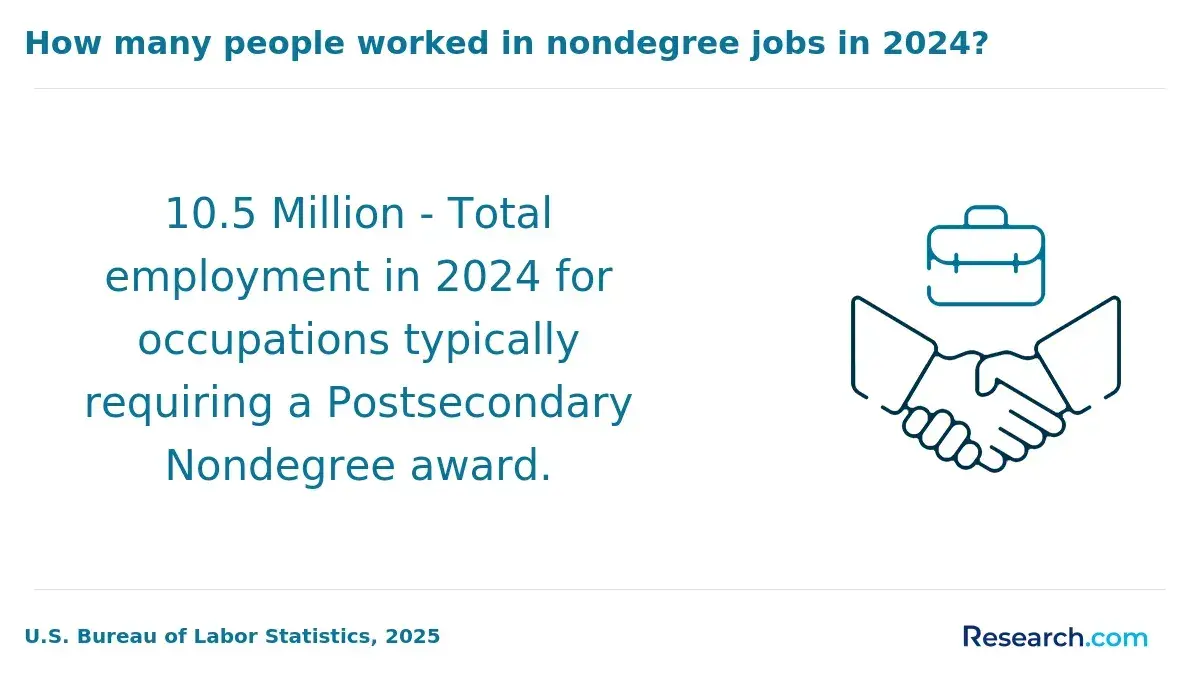
An addiction psychology degree can support several behavioral health, human services, and counseling-adjacent career paths, but the exact role you can pursue depends on degree level, state rules, supervised experience, and licensure. A bachelor's degree may qualify you for entry-level behavioral health roles, while independent counseling or psychologist roles typically require graduate education and state licensure.
BLS 2024 wage data reported a median annual wage of $59,190 for substance abuse, behavioral disorder, and mental health counselors. This figure is a national median, not a promise; pay varies by state, employer, degree level, license, experience, and work setting.
The table below connects degree levels to common career directions. Use it to evaluate whether the credential you are considering matches the job you actually want.
| Education level | Possible roles | Important limitations |
| Associate degree or certificate | Recovery support worker, behavioral health technician, community outreach assistant | Often requires supervision and may not meet counselor licensure requirements |
| Bachelor's degree | Case manager, prevention specialist, treatment program coordinator, probation or reentry support roles | May not qualify for independent clinical counseling |
| Master's degree | Addiction counselor, clinical mental health counselor, substance use disorder counselor, program director | Licensure, supervised hours, and exams usually apply |
| Doctoral degree | Licensed psychologist, researcher, faculty member, clinical supervisor | Requires extensive supervised training and state psychology licensure |
Employers may value skills such as motivational interviewing, trauma-informed care, crisis response, ethical documentation, cultural humility, relapse prevention planning, and knowledge of co-occurring mental health disorders. Because addiction treatment is often team-based, communication with social workers, nurses, physicians, peer specialists, courts, and family systems can be part of the work.
If your long-term interest is broader wellness, nutrition behavior, or diet-related counseling rather than addiction treatment, a masters in dietetics may be a better-aligned graduate pathway. The right choice depends on whether you want to focus on substance use and behavioral health or food, metabolism, and nutrition care.
The degree may be worth it if it helps you meet a specific credential requirement, move into behavioral health from another field, or prepare for graduate study. It may not be the best investment if your target job does not require a degree, if the program is not licensure-aligned in your state, or if the debt level is high relative to your expected career path.
How Can Working Adults Balance a Addiction Psychology Degree With Full-Time Work and Family Responsibilities?
Balancing an addiction psychology degree with full-time work and family responsibilities starts with an honest time audit. Online learning saves commuting time, but it does not eliminate reading, writing, exams, group work, research, or field placement obligations.
A practical plan should protect your job, your health, and your academic progress. Use the steps below before enrolling and repeat them each term as your workload changes.
- Calculate weekly study time based on the number of credits, not just the number of courses.
- Start with one course if you are returning to school after a long break or managing unpredictable work hours.
- Block recurring study sessions on a calendar before the term begins.
- Tell family members when you are unavailable and what support you need during exams or major papers.
- Ask your employer about tuition assistance, schedule adjustments, professional development funds, or practicum flexibility.
- Use school support early instead of waiting until you are behind.
Asynchronous programs can be especially helpful for adults with rotating shifts, but they still require discipline. A good rule is to complete discussion posts, readings, and quizzes before the final day they are due so that work emergencies do not derail your grade.
Adults considering health-related online degrees often compare workload intensity across fields. For example, an accelerated nutrition degree online may offer a different pace and science emphasis than addiction psychology, so it is worth comparing weekly workload, labs, practicum expectations, and career fit before choosing.
The most common mistake is overenrolling in the first term because the program looks flexible. A slower start can actually shorten your total timeline if it helps you avoid withdrawals, failed courses, burnout, or taking an unplanned break.
What Student Support Services and Online Learning Resources Should You Expect From a Addiction Psychology Degree Program?
Strong student support is not a bonus for working adults; it is part of program quality. Online addiction psychology students may need academic help, career guidance, technical support, library access, and field placement coordination outside traditional business hours.
The table below identifies support services that can make an online program more manageable. Ask whether each service is available remotely and during times that fit your schedule.
| Support service | What to look for | Why it matters |
| Dedicated academic advising | Advisors who understand adult learners, transfer credits, and part-time sequencing | Helps prevent missed prerequisites and delayed graduation |
| Online tutoring and writing help | Remote appointments, writing center feedback, statistics support | Useful for research papers, case studies, and psychology methods courses |
| Technical support | Evening or weekend help desk availability | Reduces risk when exams, uploads, or live sessions fail |
| Library access | Remote databases, research guides, librarian chat | Supports evidence-based papers and graduate-level research |
| Career services | Resume help, internship search support, employer connections, licensure guidance | Connects coursework to job goals and supervised experience planning |
| Wellness and counseling resources | Remote mental health support or referrals | Important for students studying emotionally demanding topics while managing adult responsibilities |
Online learning platforms increasingly include recorded lectures, mobile access, digital simulations, discussion boards, plagiarism checkers, e-books, and AI-supported study tools. These can help, but they do not replace faculty feedback, ethical training, or supervised practice. For addiction psychology, human judgment and professional boundaries remain central skills.
Before enrolling, ask to see a sample online course shell or syllabus. This can reveal whether the program is organized, accessible, and realistic for a working adult.
Do Online Addiction Psychology Degree Programs Include Internships, Practicums, or Other Hands-On Learning Requirements?
Many online addiction psychology and addiction counseling programs include hands-on learning, especially at the graduate level or in programs designed to support licensure. Requirements may include practicums, internships, supervised fieldwork, skills labs, role-play sessions, background checks, or site-based evaluations.
The table below explains common experiential requirements and why they matter. Even if coursework is online, these components may require scheduled hours at an approved site.
| Requirement | Where it may appear | Schedule impact |
| Practicum | Upper-level undergraduate or graduate counseling programs | May require weekly site hours and supervisor meetings |
| Internship | Licensure-oriented master's programs | Can involve substantial client-contact hours over multiple terms |
| Skills residency or intensive | Some online counseling or psychology programs | May require live online sessions or short campus visits |
| Background check and compliance documents | Programs with client-facing placements | Can add cost and preparation time before placement starts |
| Supervision documentation | Licensure-aligned pathways | Requires accurate tracking of hours and approved supervisors |
Working adults should ask field placement questions early, not after admission. The most important issue is whether placements can be completed near your home and whether evening or weekend hours are realistic in your local treatment, community health, corrections, or nonprofit settings.
Use this checklist before accepting an offer from a program with fieldwork:
- Does the school find placements, approve student-found sites, or require you to locate your own site?
- Are placements available in your state or region?
- Can your current workplace count as a placement if it meets supervision rules?
- What days and hours do most sites require?
- Are there extra costs for background checks, liability insurance, health records, or travel?
- Does the fieldwork meet your state's credentialing or licensure expectations?
The key trade-off is simple: fieldwork can reduce flexibility, but it also builds practical skills and may be necessary for credentialed roles. If your schedule cannot accommodate site hours, consider whether a non-licensure bachelor's program, certificate, or slower part-time plan is more realistic.
Other Things You Should Know About Addiction Psychology
Yes. Many undergraduate programs accept students without healthcare experience. You may need introductory courses in psychology, statistics, biology, or human services before moving into advanced addiction-focused coursework.
Not exactly. Addiction psychology is an academic focus on behavior, mental health, substance use, and treatment concepts. Substance abuse counseling is a professional practice area that may require specific coursework, supervised hours, exams, and state credentials.
Usually, diplomas from accredited institutions do not specify the delivery format, but policies vary by school. Ask the registrar how the diploma and transcript list the program before you enroll.
Possibly, but telehealth practice depends on your role, employer, state laws, supervision status, and license. Entry-level graduates may support telehealth programs administratively or under supervision, while independent counseling typically requires a qualifying license.
References
- Best Online Addiction Psychology Degree Programs (2026) https://www.counselingpsychology.org/counseling/addiction-psychology/
- Master in Counseling Psychology with Addiction Counseling https://www.montreat.edu/online/counseling-psychology-substance-abuse-addiction-counseling/
- Online Addiction Studies & Mental Health AAS Degree | CHCP https://www.chcp.edu/degrees-certificates/addictions-studies-mental-health-aas-degree/online/
- Financial Aid for Psychology Students https://www.onlinepsychologydegrees.com/financial-aid/
- 2025 Most Affordable Online Substance Abuse Counseling Degrees https://www.onlineu.com/most-affordable-colleges/substance-abuse-counseling-degrees
- Best Online Master's In Addiction & Recovery 2025 https://www.psychology.org/degrees/addictions-and-recovery/masters/
- Online Master's in Addiction & Substance Abuse Counseling Programs https://www.onlineeducation.com/counseling/masters-in-addiction-substance-abuse-counseling-programs
- Best Online Addiction Counseling Degrees 2025 https://www.affordablecollegesonline.org/degrees/counseling-programs/addiction-counseling/
- Substance Abuse Counselor https://onlinecounselingprograms.com/become-a-counselor/counseling-careers/substance-abuse-counselor/
- Substance Abuse Counselor Careers and Salary Earning Potential https://addiction-counselor.org/careers-salary/