2027 Fastest Accredited Online Addiction Psychology Programs: Accelerated Degrees and Completion Times

Co-Founder and Chief Data Scientist
The real challenge is not finding an online addiction psychology program; it is knowing which one can be completed quickly without sacrificing accreditation, licensure fit, or graduate-school options. BLS data reports a May 2024 median wage of $59,190 for substance abuse, behavioral disorder, and mental health counselors, with much-faster-than-average projected growth.
This guide helps transfer students, career changers, and working adults compare accelerated terms, competency-based formats, transfer limits, prerequisites, and fieldwork requirements so advertised timelines do not become misleading.
Key Things You Should Know
- The fastest realistic accredited online addiction psychology path is usually a bachelor's-completion program: students entering with about 75 to 90 transferable credits may finish roughly 30 to 45 remaining credits in about 12 to 24 months.
- Accelerated online programs commonly use 7.5-week, 8-week, or 10-week terms; these shorten the calendar but usually compress the same credit-hour workload into fewer weeks.
- Most full bachelor's degrees require about 120 semester credits, while some quarter-credit programs require about 180 quarter credits; transfer-credit caps of up to 75% of the degree are common among fast adult-completion options.
Which Colleges Offer the Fastest Accredited Online Addiction Psychology Programs?
The fastest accredited online addiction psychology programs are often not labeled exactly "addiction psychology." They may appear as psychology degrees with an addictions concentration, addiction counseling degrees, behavioral health degrees, or counseling and applied psychological science programs with substance use coursework.
The practical question is whether the program is accredited, online, credit-friendly, and aligned with the student's career or licensure goal.
The table below compares commonly available U.S. online options that are close matches for addiction psychology. Program names, transfer policies, and pacing can change, so use this as a shortlist and verify the current catalog, state authorization, and licensing disclosures before applying:
| College | Online addiction-related program | Acceleration features | Fastest realistic fit |
| Southern New Hampshire University | BA in Psychology with a concentration in Addictions | 120 credits, 8-week undergraduate terms, transfer-friendly policy allowing up to 90 credits toward a bachelor's degree | Strong option for students who already have substantial college credit and need a bachelor's-completion route |
| Liberty University | BS in Psychology: Addiction and Recovery | 120 credits, 8-week online courses, transfer policy that may allow up to 75% of the degree from approved prior coursework | Best for students who want a psychology-centered degree with addiction and recovery coursework |
| Arizona State University Online | BS in Counseling and Applied Psychological Science with substance abuse and addictions coursework options | 7.5-week online classes, 120-credit structure, multiple start dates across the academic year | Useful for students who want a behavioral health and counseling foundation from a large public university |
| Purdue Global | BS in Psychology in Addictions | Quarter-credit format, 10-week terms, transfer policy that may allow up to 75% of eligible degree requirements | Good for adult learners who want a career-focused psychology curriculum with addictions content |
| University of South Dakota | Online addiction counseling or addiction prevention-related undergraduate pathways | Public university option with addiction-focused coursework and state-relevant professional preparation | Worth considering for students who want a program more directly connected to substance use counseling preparation |
A program is genuinely accelerated when it shortens the calendar through shorter terms, year-round enrollment, accepted transfer credits, prior learning assessment, or self-paced competency progress. A program is not automatically faster just because it is online; a 120-credit bachelor's degree still requires enough completed credits, available courses, and time for any required field experience.
How Long Does It Take to Complete an Accredited Online Addiction Psychology Degree?
"Completion time" means the calendar time from enrollment to graduation after the school applies transfer credits, prerequisites, placement requirements, and any required internship or practicum. "Fastest" usually means the shortest realistic path for a prepared student, not the shortest advertised path for every applicant.
The table below shows how starting point changes the likely timeline. This matters because two students can enroll in the same accelerated online addiction psychology program and graduate years apart depending on prior credits and weekly study capacity:
| Starting point | Credits remaining | Typical online pace | Realistic completion range |
| No prior college credit | About 120 semester credits | Full time, year-round, with 7.5-week or 8-week courses | About 3 to 4 years for most students |
| Some college credit | About 60 to 90 credits remaining | Full time or heavy part time | About 2 to 3 years |
| Associate degree completed | About 45 to 60 credits remaining | Full time in accelerated terms | About 18 to 24 months |
| Maximum transfer-credit applicant | About 30 credits remaining | Year-round enrollment, often two courses per term | About 12 months, sometimes slightly less or more depending on course sequencing |
| Part-time working adult | Varies widely | One course per 7.5-week or 8-week session | Often 3 to 5 years if starting with limited transfer credit |
A fast degree plan can slow down if upper-division addiction courses are not offered every term, if general education gaps remain, or if the student needs a supervised field experience for state credentialing. Students pursuing counseling licensure should be especially cautious because bachelor's-level addiction coursework may support entry-level credentials in some states but may not replace a required master's degree.
How Do Accelerated and Competency-Based Online Addiction Psychology Programs Work?
Accelerated programs usually change the academic calendar, not the academic standard. An 8-week addiction counseling course may cover the same learning outcomes as a 16-week version, but readings, discussions, exams, papers, and projects arrive faster.
Students should understand the main formats because each affects speed, workload, and flexibility differently. The list below explains the most common acceleration models and the trade-off that comes with each one:
- Short-course terms: 7.5-week, 8-week, and 10-week courses allow students to complete more course cycles per year, but weekly deadlines are denser than in a traditional semester.
- Year-round calendars: Programs with fall, spring, and summer sessions can reduce idle time between courses, which helps students who can sustain continuous enrollment.
- Stacked sessions: Some schools let students take one course in the first half of a term and another in the second half, creating a full-time load with fewer simultaneous classes.
- Competency-based education: Students progress by proving mastery of defined competencies, which can help experienced learners move quickly through familiar material.
- Bachelor's-completion design: The fastest route is often built for students who already completed general education or an associate degree before entering the addiction-focused major.
Competency-based education can be especially attractive to adults with work experience in behavioral health, peer recovery, case management, crisis support, or human services. However, self-paced does not mean unstructured; students still need strong writing, time management, technology skills, and the ability to document learning at a college level.
What Accreditation Should an Online Addiction Psychology Program Have?
Accreditation is the first filter for any fast online addiction psychology degree. Institutional accreditation from an agency recognized by the U.S. Department of Education or the Council for Higher Education Accreditation is essential for federal financial aid eligibility, transfer-credit acceptance, employer confidence, and graduate-school review.
Programmatic accreditation is more complex because addiction psychology may sit inside psychology, counseling, social science, or human services departments. At the undergraduate level, many legitimate programs rely primarily on institutional accreditation rather than a separate addiction-specific programmatic accreditor.
For students who want a counseling license or substance use disorder credential, accreditation should be checked alongside state rules. The most important verification steps are practical rather than theoretical:
- Confirm institutional accreditation in the U.S. Department of Education's accreditation database or the school's official accreditation page.
- Ask whether the degree is designed for psychology, addiction counseling, behavioral health support, graduate study, or a specific state credential.
- Review the school's state authorization and professional licensure disclosure before assuming the degree meets requirements outside your state.
- For graduate counseling goals, check whether the next degree may need CACREP accreditation or another state-recognized counseling standard.
- For doctoral psychology goals, remember that APA accreditation generally applies to doctoral psychology programs, internships, and postdoctoral residencies, not standard online bachelor's degrees.
A red flag is any school that emphasizes speed but gives vague answers about accreditation, licensure alignment, or transferability. Fast completion is valuable only if the credential is usable for the student's next step.
How Can Transfer Credits and Prior Learning Shorten an Online Addiction Psychology Degree?
Transfer credit is usually the biggest factor in shortening an online addiction psychology degree. A student who transfers 90 approved credits into a 120-credit bachelor's program may need only the major core, upper-division electives, and institutional residency credits, while a first-time college student must complete the full degree sequence.
Prior learning credit can also help, but policies vary widely. Some schools award credit for military training, professional certifications, standardized exams, portfolios, or employer training that maps to college-level outcomes.
The table below shows how different credit sources may affect time to graduation. The key is not whether a school "accepts transfer credits" in general, but whether those credits apply to the exact requirements remaining in the addiction psychology plan:
| Credit source | How it can shorten the degree | What to verify |
| Associate degree | May satisfy many lower-division and general education requirements | Whether the associate degree transfers as a block or course by course |
| Prior bachelor's coursework | Can reduce electives, general education, and prerequisite requirements | Minimum grade, age limits, and upper-division credit rules |
| Military training | May convert some training into elective or discipline-related credits | Whether the school uses ACE recommendations and how credits apply |
| Professional certifications | May support credit for human services, addiction studies, or general electives | Whether the certification is evaluated for college credit |
| Portfolio assessment | Can document college-level learning from work or volunteer experience | Fees, faculty review timelines, and maximum credits allowed |
Before enrolling, request an official degree audit, not just an informal estimate. The same credit-audit logic applies in other adult-completion healthcare pathways, such as RN to BSN online programs, where the difference between "credits accepted" and "credits applied" can change the graduation date.
Students trying to finish as quickly as possible should take these steps before the first term begins. Each step reduces the risk of discovering late that a course must be retaken or that a required upper-division class is unavailable:
- Send transcripts from every prior college, even if the grades were mixed or the credits seem old.
- Ask for a written transfer evaluation that separates accepted credits from credits applied to the degree plan.
- Check the school's residency requirement, because many colleges require a minimum number of credits to be completed with them.
- Ask whether addiction-focused courses are offered every term or only during certain sessions.
- Clarify whether fieldwork, capstone, or internship requirements can be completed near your location.
What Are the Admission Requirements and Start Dates for Accelerated Online Addiction Psychology Programs?
Accelerated online addiction psychology programs often use rolling admissions or multiple start dates, but faster starts do not always mean faster graduation. A student who begins immediately without a transcript evaluation may lose time if transfer credits are applied late or if prerequisites are missed.
Common admission requirements vary by school and degree level, but most bachelor's programs ask for standard academic records rather than extensive clinical experience. Students comparing addiction psychology with more regulated graduate healthcare routes, such as FNP programs, should know that undergraduate addiction psychology admissions are often more flexible, while later licensure requirements may be stricter.
The list below shows the admissions and scheduling details that most directly affect speed. These items should be confirmed before choosing the first available start date:
- High school diploma, GED, or prior college transcript: Required to establish degree eligibility and determine transfer standing.
- Official college transcripts: Needed for a binding transfer-credit review and realistic completion estimate.
- Minimum GPA: May affect admission, transfer eligibility, or access to certain major courses.
- Technology readiness: Online programs may require reliable internet, webcam access, learning-management-system use, and proctored exam tools.
- Multiple annual starts: 7.5-week or 8-week calendars may offer several entry points, but course sequencing can still limit major progression.
- Background check or fieldwork clearance: May be required if the program includes practicum, internship, or placement in behavioral health settings.
The best start date is the earliest date after the student has a completed credit evaluation, financial aid plan, course map, and realistic weekly schedule. Starting one session later can be smarter if it prevents avoidable course duplication or a rushed first term.
How Much Does a Fast Online Addiction Psychology Degree Cost, and Is Financial Aid Available?
Fast online addiction psychology degrees can cost less if transfer credits reduce the number of courses taken, but acceleration does not automatically lower the price. Tuition is usually charged by credit, course, term, or subscription period, and extra costs may include technology fees, books, background checks, portfolio assessment fees, and field placement expenses.
Recent national pricing data gives useful context, but students should compare net price rather than sticker price. College Board's 2024 pricing data reported average published tuition and fees of:
- $11,610 for in-state students at public four-year colleges.
- $30,780 for out-of-state students at public four-year colleges.
- $43,350 for private nonprofit four-year colleges.
Those figures are broad averages, not addiction psychology program prices. Online tuition may be lower, similar, or higher depending on the institution, residency rules, and fee structure. The real comparison is the total cost to finish the credits you still need.
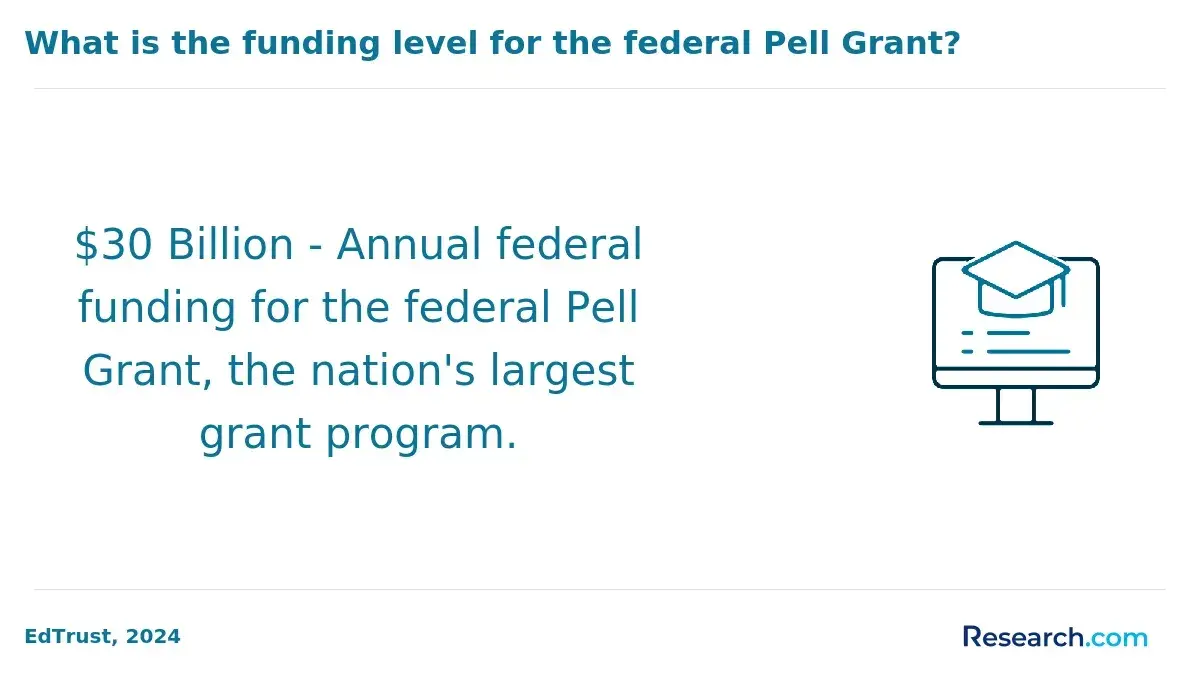
Students should also check financial aid early. Federal Student Aid set the maximum Pell Grant at $7,395 for the 2024-25 award year, but eligibility depends on the FAFSA, enrollment intensity, program eligibility, and individual financial circumstances. Similar financial-aid planning questions appear in other online career programs, including accredited medical billing and coding schools online with financial aid.
The table below summarizes cost factors that can make a fast program cheaper or more expensive than it first appears. Use it to compare schools on total completion cost rather than course speed alone:
| Cost factor | How it affects accelerated students | Question to ask |
| Transfer credits | Can reduce the number of paid credits needed | How many credits apply directly to my degree plan? |
| Flat-rate or subscription tuition | May reward students who complete many credits in one term | What happens if I need to slow down? |
| Per-credit tuition | Predictable, but faster pacing may not reduce total tuition unless credits are transferred | What is my total tuition for remaining credits? |
| Fees | Can add to each term, course, transcript review, or technology requirement | Which fees are mandatory? |
| Fieldwork expenses | May add travel, background check, fingerprinting, or placement costs | Are any in-person requirements expected? |
Can You Work Full Time While Completing an Accelerated Online Addiction Psychology Degree?
Many students can work full time while completing an accelerated online addiction psychology degree, but the schedule must be realistic. A compressed course may require more weekly intensity than a traditional semester course, especially in writing-heavy psychology, counseling, ethics, and case-study assignments.
The table below compares workload patterns for working adults. It is most useful for deciding whether faster graduation is worth the stress of heavier weekly commitments:
| Enrollment pace | Common course load | Best fit | Risk |
| Light part time | One course per accelerated session | Full-time workers, caregivers, students returning after a long break | Graduation may take much longer |
| Standard part time | Two courses in a traditional term or one course at a time in back-to-back accelerated sessions | Students who need steady progress without overload | Summer enrollment may be needed to stay on track |
| Full time | About 12 credits per semester equivalent | Students with predictable work schedules and strong study habits | Compressed deadlines can collide with work demands |
| Heavy accelerated pace | More than full-time equivalent across multiple short sessions | Students with major transfer credit, temporary schedule flexibility, or urgent graduation goals | Higher risk of withdrawal, lower grades, or burnout |
Students who already work in recovery services, behavioral health, healthcare administration, or social services may find course examples familiar, but familiarity does not eliminate the time needed for papers and exams.
Learners comparing workload across online health-related fields, such as a masters in dietetics, should pay close attention to supervised practice, fieldwork, and placement requirements because those are often less flexible than lecture courses.
A slower path may be the better choice for students with rotating shifts, multiple jobs, caregiving responsibilities, untreated technology gaps, or anxiety about returning to school. Finishing in 18 months is not a win if the pace makes it impossible to maintain grades needed for graduate admission or professional credibility.
Are Accelerated Online Addiction Psychology Degrees Respected by Employers and Graduate Schools?
Employers and graduate schools generally care more about accreditation, relevant coursework, grades, experience, and skills than whether the degree was completed online or on campus. An accelerated online addiction psychology degree from an accredited institution can be respected when the transcript, learning outcomes, and institutional reputation support the student's goals.
Career outcomes depend heavily on degree level and state rules. A bachelor's degree may support entry-level behavioral health, case management, prevention, peer support, or human services roles, while independent counseling or clinical practice commonly requires graduate education, supervised hours, and licensure.
The table below connects common career directions with the education and timeline implications students should consider before choosing the fastest program:
| Goal | Typical role focus | Education implication | Timeline consideration |
| Behavioral health technician or aide | Client support, documentation, safety checks, treatment-team assistance | Some roles accept certificates, associate degrees, or bachelor's coursework | A fast bachelor's may improve advancement options but may not be required for every entry role |
| Substance use prevention or outreach | Community education, prevention programming, referral support | Bachelor's coursework in psychology, addiction, and public health can be relevant | Internship or local credential rules may affect readiness |
| Case manager or human services coordinator | Client intake, service planning, referrals, records, advocacy | Bachelor's degree is commonly preferred or required by many employers | Transfer-friendly programs can shorten the path to eligibility |
| Licensed addiction counselor | Assessment, treatment planning, counseling under state-defined scope | Requirements vary widely by state and may include supervised hours, exams, and specific coursework | Fast bachelor's completion may be only one step in a longer credentialing process |
| Graduate study in counseling, psychology, or social work | Preparation for clinical, counseling, or advanced behavioral health roles | Graduate admissions may review GPA, prerequisites, recommendations, and accredited degree status | Rushing can hurt if grades, research experience, or recommendations suffer |
Current labor-market trends support careful program selection. Behavioral health employers increasingly value documentation skills, telehealth familiarity, crisis-response awareness, cultural humility, ethics training, and comfort with electronic records. AI-assisted documentation tools may become more common, but human judgment, confidentiality, rapport, and legally appropriate supervision remain central in addiction-related roles.
How Should You Compare the Fastest Accredited Online Addiction Psychology Programs?
The best fast accredited online addiction psychology program is the one that gives you the shortest usable path to your goal. That means comparing more than advertised months to completion. Students should evaluate accreditation, transfer results, course availability, workload, cost, state rules, and graduate-school fit together.
The checklist below is designed for a final program comparison call with admissions or advising. It helps separate truly accelerated programs from programs that simply market themselves as fast:
- Ask for the exact number of credits required after all transcripts are evaluated.
- Request a term-by-term graduation plan showing course names, credit loads, and expected completion date.
- Confirm whether addiction-focused courses are available every session or only once per year.
- Verify institutional accreditation and any relevant professional licensure disclosures.
- Ask whether the program includes internship, practicum, capstone, background check, or local placement requirements.
- Compare total cost to finish, including fees, books, prior learning assessment, and fieldwork expenses.
- Ask how many credits you may take per term and whether overload approval is required.
- Confirm whether graduates have entered the type of jobs or graduate programs you are considering.
The table below highlights common mistakes and better alternatives. These issues are especially important in accelerated programs because a wrong assumption can cost a full term or more:
| Common mistake | Why it delays students | Better approach |
| Assuming "accelerated" means easy | Shorter terms often increase weekly workload | Review syllabi and start with a manageable first term |
| Counting all prior credits before the audit | Some credits transfer only as electives or not at all | Use the official degree audit as the timeline basis |
| Ignoring state credential rules | A degree may not meet local addiction counselor requirements | Check state board rules before enrolling |
| Choosing the cheapest tuition rate without total-cost analysis | Fees, repeated courses, or nonapplied credits can raise cost | Compare total price for remaining required credits |
| Overloading while working full time | Burnout can cause withdrawals or lower grades | Choose the fastest pace you can sustain |
Students comparing fast online degrees across health and wellness fields may find similar decision points in an accelerated nutrition degree online: the shortest calendar is useful only when accreditation, prerequisites, supervised requirements, and career outcomes still align.
A good final rule is simple: choose the fastest program that you can complete well. In addiction psychology and behavioral health, credibility depends not only on graduating quickly, but also on ethical judgment, communication skills, cultural competence, and readiness for supervised work with people facing complex substance use and mental health challenges.
Other Things You Should Know About Addiction Psychology
No. The title "psychologist" typically requires a doctoral degree, supervised experience, and state licensure. An online bachelor's degree can be a step toward graduate study or behavioral health roles, but it does not by itself qualify someone for independent psychology practice.
Usually, yes. Certificates often require fewer credits than a bachelor's degree, but they serve different purposes. A certificate may support a specific state credential or entry-level specialization, while a degree provides broader academic preparation and may be needed for advancement or graduate school.
Many accredited institutions do not label the delivery format on the diploma, but policies vary. Employers and graduate schools can still ask about the program, so students should focus on accreditation, grades, curriculum quality, and relevant experience.
Common delays include late transcript submission, nonapplied transfer credits, unavailable upper-division courses, failed or withdrawn classes, financial aid holds, background-check issues, and fieldwork scheduling problems. A written degree plan is the best way to spot these risks early.
References
- Becoming an Addiction Counselor: Essential Skills and Qualifications Explained - Mental Health Degree https://mentalhealthdegree.org/careers/addiction-counselor/
- Explore One Year Psychology Master's Programs Online https://www.onlinemastersdegrees.org/best-programs/psychology/1-year-accelerated/
- Psychology Accreditation: What you need to know https://www.onlinepsychologydegrees.com/articles/accreditation/
- How Long Does a Substance Abuse Program Take? Expert Info - Rego Park Counseling https://www.regoparkcounseling.com/how-long-does-a-substance-abuse-program-take-expert-info/
- Become an Approved Accreditation Body | SAMHSA https://www.samhsa.gov/substance-use/treatment/opioid-treatment-program/accreditation-bodies
- What Accreditations Mean in Addiction Treatment | Fellowship Hall https://fellowshiphall.com/what-accreditations-mean-in-addiction-treatment-how-to-choose-the-right-program/
- Masters in Psychology and Counseling Accreditation Council | Council for Higher Education Accreditation https://www.chea.org/masters-psychology-and-counseling-accreditation-council
- Compare Counseling And Psychology Accreditation https://www.accreditedschoolsonline.org/psychology/resources/accreditation/
- Top Accrediting Bodies For Counseling Degrees https://www.psychology.org/resources/accreditation-for-counseling-degrees/