2027 Online Addiction Psychology Degree Programs With Monthly Tuition Payment Plans

Co-Founder and Chief Data Scientist
An online addiction psychology degree can fit a working adult's schedule, but tuition is often billed by term rather than by month. Monthly payment plans divide a semester or session balance into scheduled installments, they are not usually long-term loans.
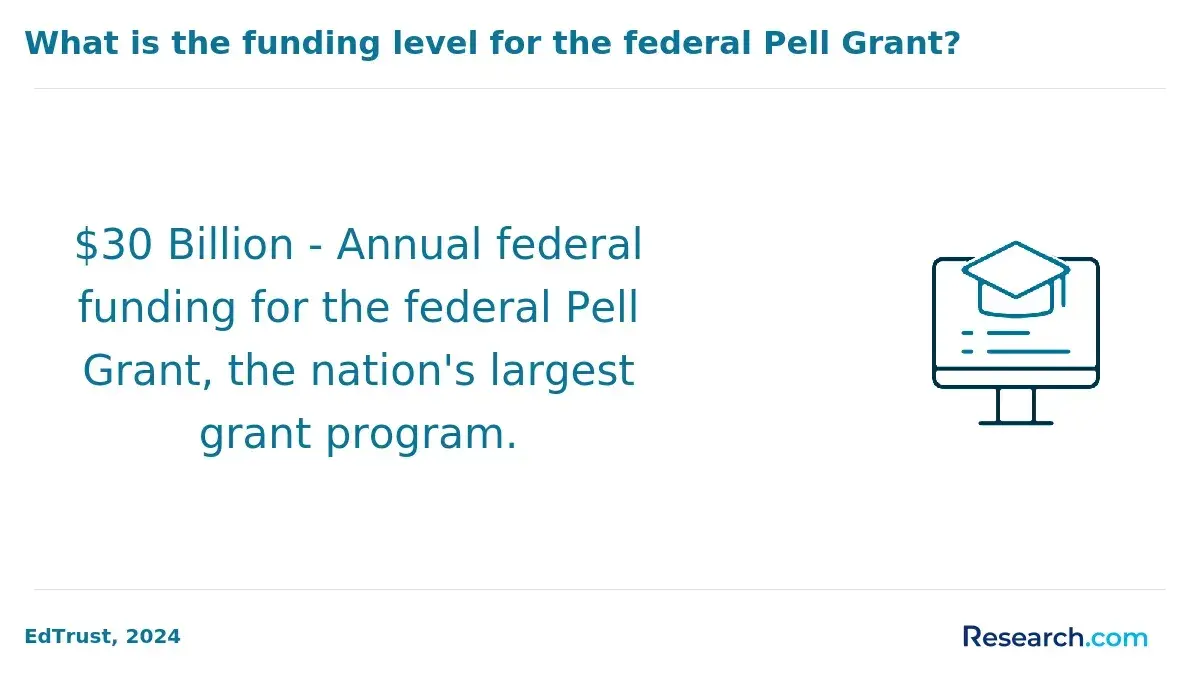
For context, the maximum Federal Pell Grant for the 2025-26 award year is $7,395, which can substantially reduce the balance a student needs to budget. This guide helps prospective students compare program availability, installment terms, aid, fees, and affordability before choosing an online program.
Key Things to Know About Addiction Psychology Programs with Monthly Tuition Payments
- Monthly tuition plans are usually school-administered installment arrangements for one semester, quarter, or online term - not a way to spread an entire degree over several years.
- Federal aid is generally applied to eligible charges first; for 2025-26, the maximum Pell Grant is $7,395, so the installment amount should be based on your remaining balance after aid.
- Compare the enrollment fee, required down payment, number of installments, late-payment policy, and excluded charges before enrolling; a low monthly amount can still cost more if the plan includes fees.
Which online Addiction Psychology degree programs have monthly tuition payment plans?
Standalone online degrees titled "addiction psychology" are uncommon. More often, students find addiction-focused coursework within online psychology, behavioral health, addiction studies, or substance-use counseling programs. A school-wide tuition payment plan may be available to online students, but availability can depend on the campus, term length, program level, and account balance.
The examples below identify institutions with online study relevant to addiction psychology and publicly described institutional payment options. They are starting points for verification, not a guarantee that every program, start date, or student account qualifies.
| Institution and relevant online study | Payment-plan availability to verify | Best question for admissions or student accounts |
| Purdue Global University: online psychology pathways that may include addiction-related coursework | Installment payment options may be available through institutional billing arrangements | "Can my program balance be divided into monthly installments after financial aid posts?" |
| Southern New Hampshire University: online BA in Psychology | Payment arrangements may be offered for eligible balances by term | "How many payments are available for my course schedule and what is due at enrollment?" |
| Liberty University: online psychology and addiction-related study options | Payment-plan eligibility may vary by academic session and account status | "Does the plan cover online tuition, course fees, and prior balances, or tuition only?" |
Program titles and curricula matter. If your goal is substance-use counseling or a license, confirm that the curriculum, supervised experience, and degree level meet requirements in the state where you expect to work. A psychology bachelor's degree alone does not generally qualify a graduate for independent clinical practice.
Students comparing adjacent health pathways can also review accredited medical billing and coding schools online with financial aid to see how another online healthcare credential handles aid and affordability questions.
How much do online Addiction Psychology degree programs typically cost?
Total cost depends on degree level, transfer credit, residency rules, course load, technology charges, and whether the program is delivered by a public, private nonprofit, or private for-profit institution. Online delivery does not automatically mean lower tuition, although it may reduce commuting and relocation costs.
A practical estimate starts with published per-credit tuition multiplied by the credits you still need. For example, an online psychology bachelor's program priced at $330 per credit would total $39,600 in tuition for 120 credits before fees, assuming no transfer credit and no tuition changes. That calculation is an illustration, not a quoted price or payment-plan amount.
| Cost component | How to estimate it | Why it matters for monthly budgeting |
| Tuition | Per-credit rate × credits remaining | This is usually the largest eligible payment-plan charge. |
| Mandatory institutional fees | Review the term bill and program disclosures | Some schools include them in installments; others require them upfront. |
| Books, testing, and supplies | Use the course materials list | These costs may be separate from the student account. |
| Fieldwork or practicum expenses | Ask the department about placement, background checks, and travel | These can be important in addiction or counseling-oriented pathways. |
Use net cost rather than sticker price when comparing schools. Subtract grants, scholarships, employer benefits, and confirmed transfer credit before deciding whether the remaining term balance fits your cash flow. Students considering clinical career pathways may also compare the budgeting structure of FNP programs, which often have additional clinical and placement-related expenses.
How common are monthly tuition payment plans among Addiction Psychology programs?
Installment plans are common across U.S. colleges, but schools do not use one standard model, and institutions rarely publish plan participation rates by academic major. Therefore, it is more accurate to evaluate payment-plan access at the institution and program level than to assume every online addiction psychology option offers the same terms.
Most plans operate for a single billing period. A university may divide a fall-semester balance into four or five payments, while an accelerated online program may offer fewer installments because its terms are shorter. This distinction matters: a program can advertise "monthly payments" even when the final installment is due before the term ends.
Flexible billing has become especially relevant as students combine employment with part-time online study. However, plan availability may be restricted if a student has a past-due balance, registers late, has incomplete financial-aid documents, or is enrolled in a short session. Confirm the exact plan after receiving your registration-based bill, not merely during an admissions conversation.
Can monthly tuition plans make paying for Addiction Psychology degrees more attainable?
Yes, when the remaining balance can realistically be paid within the school's term. A payment plan can convert one large due date into predictable installments and may help a student avoid borrowing for a relatively small short-term gap. It is most useful for learners with steady monthly income, employer reimbursement, savings arriving during the term, or a manageable balance after grants and scholarships.
The comparison below separates cash-flow relief from long-term financing. Neither option is universally better; the appropriate choice depends on the size of the balance and the certainty of your income.
| Option | Usually makes sense when | Main trade-off |
| School monthly payment plan | You can clear the balance within the semester or session | Missed payments can trigger late fees, registration holds, or plan cancellation. |
| Federal student loan | You need financing beyond the academic term and remain eligible | Repayment and interest obligations may continue after enrollment. |
| Employer tuition assistance | Your employer offers a benefit and your program qualifies | Reimbursement may arrive after you have paid the school. |
| Paying upfront | You have available funds and no discount is lost by paying early | It requires more cash at the beginning of the term. |
Before choosing installments, build a term-by-term budget: subtract confirmed aid from billed charges, add excluded educational costs, then divide only the remaining eligible balance by the actual number of payments. Do not base affordability on anticipated overtime, an unconfirmed scholarship, or reimbursement that may arrive after the final due date.
For students already working in healthcare, an RN to BSN online pathway can be another example of a degree format where employer support and term-based budgeting may be relevant.
Does monthly payment plans have an effect on the overall cost of Addiction Psychology degrees?
A monthly payment plan does not normally change the underlying tuition rate. It can increase the amount you pay if the school charges a nonrefundable enrollment fee, processing fee, late fee, returned-payment fee, or interest. Many institutional plans are interest-free, but "interest-free" does not mean fee-free.
Compare the full payment-plan cost against paying by the regular due date. The following calculation framework helps identify the actual difference.
| Calculation | What to include | Decision use |
| Total billed educational charges | Tuition and mandatory fees on the account | Establishes the balance before aid. |
| Minus confirmed aid and credits | Grants, scholarships, employer payments, and deposits | Shows the amount you may need to finance or pay. |
| Plus plan-specific charges | Enrollment, processing, and any expected late fees | Shows the real cost of using installments. |
| Divided by scheduled payments | Number of payments and required initial payment | Tests whether each due date fits your budget. |
A longer schedule can lower the monthly bill while raising the risk that payments extend into another financial obligation. If a federal loan is necessary, review loan terms separately rather than treating the school plan as a substitute for long-term financing. Avoid private financing unless you have compared its interest, fees, repayment conditions, and consumer protections with federal aid.
Do monthly payment plans affect your financial aid eligibility for Addiction Psychology programs?
Enrolling in a school payment plan generally does not itself reduce eligibility for federal financial aid. Eligibility is determined by factors such as FAFSA information, enrollment status, satisfactory academic progress, cost of attendance, and applicable federal and institutional rules. The payment plan is a billing method used after the school calculates charges and applies aid.
Timing is the issue students most often overlook. Aid may not disburse until enrollment is confirmed and required documents are complete, while the first plan payment may be due earlier. Ask the financial-aid office whether expected aid can be reflected in the payment-plan balance and what happens if an award changes after the plan begins.
Protect your aid and avoid billing surprises with these steps:
- Submit the FAFSA and every verification document by the school's deadlines.
- Accept or decline offered aid intentionally; do not assume all listed aid will apply automatically.
- Request a written estimate showing tuition, aid expected to disburse, and the remaining amount due.
- Recheck the account after add/drop deadlines because withdrawals or course changes can alter charges and aid.
Students evaluating other health education routes can use a masters in dietetics comparison as a reminder that graduate-program aid, clinical requirements, and billing timelines may differ from undergraduate psychology programs.
Is there a deposit required before starting Addiction Psychology monthly payment plans?
Often, yes. Schools may require a down payment when you enroll in the plan, although the amount and label vary. It may be called a first installment, initial payment, enrollment deposit, or payment-plan enrollment fee. A separate admissions or enrollment deposit may also apply before registration, especially at some institutions.
Do not assume that an advertised "$0 down" option means no money is due. The school may still require the first monthly installment immediately, may exclude certain fees from the plan, or may require payment of a prior balance before enrollment.
Ask student accounts for these details in writing before accepting a plan:
- What amount is due today, including the first installment and all enrollment charges?
- Is any deposit refundable if I withdraw before classes begin?
- Does the required initial payment change after grants or scholarships disburse?
- Can a registration deposit be applied to my tuition balance?
If the required upfront amount would strain your budget, ask whether a later enrollment date, a lighter course load, additional institutional scholarship review, or employer billing is available. Reducing course load may affect financial-aid eligibility and time to degree, so confirm those consequences first.
Are there fees not covered by monthly tuition payment plans for Addiction Psychology programs?
Yes. Plans commonly cover eligible tuition and some institutional fees posted to the student account, but they may exclude expenses billed elsewhere or charges due before a plan is activated. Addiction-focused and counseling-oriented programs can also include costs associated with practica, professional requirements, or background screening.
This table highlights charges students should separate from their monthly tuition estimate. Exact charges vary by school, course, and state requirements.
| Potential charge | Often included in a plan? | What to verify |
| Tuition for registered courses | Often | Whether the full term balance or only a portion is eligible |
| Technology and mandatory university fees | Sometimes | Whether they are included in each installment or due upfront |
| Books, e-books, and course materials | Varies | Whether materials are billed by the school or purchased separately |
| Application, graduation, and transcript fees | Often no | Due dates and whether the plan covers non-tuition charges |
| Background checks, drug screening, or practicum travel | Often no | Whether the department or outside vendor bills the expense |
A common mistake is using the installment quote as a complete cost estimate. Read the registration statement, program handbook, and course materials requirements, then reserve funds for costs outside the student account. Learners who need a faster academic path should also weigh whether an accelerated nutrition degree online format would compress both coursework and payment deadlines.
What should you look for in payment plan terms for Addiction Psychology programs?
Read the agreement as carefully as you would a loan disclosure. The best plan is not necessarily the one with the lowest initial payment; it is the one whose full schedule, fees, and consequences fit your expected income and academic plan.
Use the following checklist to compare written terms from two or more schools:
- Number and dates of installments, including whether payments continue after the term ends.
- Required down payment and whether grants or scholarships reduce it before aid disburses.
- Enrollment, processing, late, returned-payment, cancellation, and reinstatement fees.
- Whether the plan is interest-free and whether any third-party servicer is involved.
- Charges included, excluded, or added later after schedule changes.
- Consequences of a missed payment, including holds on registration, transcripts, grades, or future enrollment.
- Refund treatment if you drop a course, withdraw, or receive revised financial aid.
Request answers by email or save the agreement and account disclosure. Verbal descriptions may omit conditions such as automatic payments, a grace period, or the school's right to accelerate the remaining balance after a missed installment. If terms are unclear, delay plan enrollment until the billing office explains them.
How do you know if online Addiction Psychology degrees with monthly payments are right for you?
A monthly plan is a good fit when you have a predictable income source and can pay the full post-aid balance within the school's schedule without missing essential living expenses. It may be less suitable when your balance is large, employment income is uncertain, employer reimbursement arrives after the final due date, or you would need to rely on credit cards to make installments.
Consider a payment plan if it lets you avoid borrowing a small, short-term balance at a reasonable fee. Consider grants, scholarships, employer support, federal aid, a lower-cost program, transfer credits, or a reduced course load if the monthly amount leaves little room for housing, food, transportation, healthcare, and emergency savings.
Make a final decision using this sequence:
- Confirm that the online curriculum supports your career goal, especially if you seek addiction-counseling credentials or future graduate study.
- Calculate your net term balance after only confirmed aid, scholarships, and employer payments.
- Add excluded educational costs and the payment-plan fee to your budget.
- Compare each installment due date with your actual pay schedule and reserve a margin for unexpected expenses.
- Choose the plan only after reviewing missed-payment, withdrawal, and refund terms in writing.
The most affordable-looking program is not automatically the best value. Prioritize appropriate accreditation, curriculum quality, transfer-credit policies, student support, state-specific licensure alignment where relevant, and a payment schedule you can sustain.
Other Things You Should Know About Addiction Psychology
Possibly. Some schools allow plans for any eligible balance above a minimum amount, while others require a larger balance or full-time enrollment. Ask whether a single-course balance meets the plan's minimum and whether the enrollment fee makes the plan worthwhile.
Usually not in the same way as a traditional credit product. Institutional plans are generally billing arrangements, not credit accounts. Late or unpaid balances can still create serious school-account consequences, so review the agreement carefully.
Yes. Accepted transfer credits can reduce the number of courses and tuition charges you must pay. Obtain an official transfer evaluation before relying on an estimated total program cost or installment amount.
Usually, a bachelor's degree alone is not sufficient for independent clinical counseling licensure. Requirements commonly include a qualifying graduate degree, supervised clinical experience, examinations, and state-specific approvals. Verify requirements with the licensing board in the state where you plan to practice.
References
- Accelerated Addiction Counseling Programs | Fast Track Degrees https://www.addiction-counselors.com/blog/accelerated-addiction-counseling-programs/
- Financial Aid For Psychology Students | Psychology.org https://www.psychology.org/resources/financial-aid/
- Financial Aid for Psychology Students https://www.onlinepsychologydegrees.com/financial-aid/
- B.S. Addictions Counseling https://www.indwes.edu/program/bs-addictions-counseling/
- 2025 Most Affordable Online Colleges for Psychology Degrees https://www.onlineu.com/most-affordable-colleges/psychology-degrees
- Substance Abuse Training: What To Expect https://sobercollege.com/addiction-blog/substance-abuse-training-what-to-expect-2/
- Online Addiction Counseling Bachelor's Degrees - BS in Counseling https://addiction-counselor.org/degrees/online-bachelors/
- Affordable College Tuition and Fees https://www.calsouthern.edu/admissions/affordable-tuition/