2027 Questions to Ask About Online Addiction Psychology Degree Programs Before You Enroll

Co-Founder and Chief Data Scientist
Choosing an online addiction psychology degree can be challenging without clear insight into program quality and career outcomes. Nearly 70% of graduates in addiction-related fields report difficulty securing relevant employment within six months. This highlights the need for prospective students to evaluate licensure preparation, curriculum rigor, and industry alignment carefully.
Rising demand for qualified addiction counselors underscores the importance of strategic program selection. This article explores key questions regarding accreditation, cost transparency, faculty expertise, and employment support. It equips readers to make informed decisions that enhance their chances of success and professional growth in addiction psychology careers.
Key Benefits of Enrolling in Online Addiction Psychology Degree Programs
- Online addiction psychology programs offer flexible schedules, enabling students to balance coursework with personal and professional responsibilities, a key factor cited by 65% of enrolled students.
- Cost savings are significant, as online programs reduce expenses related to commuting, housing, and materials, making education more accessible without sacrificing quality.
- Maintaining work-life balance is easier through online learning, allowing students to apply real-world experience immediately and enhance career prospects while studying.
Is the online addiction psychology degree program accredited?
Accreditation plays a vital role in online accredited addiction psychology degrees, ensuring that these programs meet rigorous academic and professional standards. This recognition directly impacts degree acceptance by employers, eligibility for state licensure, and access to advanced graduate education.
According to data from the National Center for Education Statistics, about 35% of online students consider accreditation a top priority when selecting a program, highlighting its significance in career and education planning.
Addiction psychology programs are commonly accredited by regional agencies recognized by the U.S. Department of Education, including the Higher Learning Commission (HLC) and the Middle States Commission on Higher Education (MSCHE). Additionally, specialized accreditation or recognition by professional bodies such as the Commission on Accreditation of Allied Health Education Programs (CAAHEP) or the National Association of Alcoholism and Drug Abuse Counselors (NAADAC) further underscores program quality and relevance.
Prospective students evaluating accreditation for addiction psychology programs online should take care to verify accreditation status through reliable sources. This includes consulting the U.S. Department of Education's official database and reviewing program websites for clear accreditation details.
Confirming alignment with state licensing requirements is also critical for practice readiness. Prioritizing accredited programs not only safeguards the value of the education received but also helps maintain open and legitimate career pathways in addiction psychology. For those exploring related fields, comparative research on BCBA online programs may offer additional options in behavioral health specialties.
What are the admission requirements for online addiction psychology programs?
Evaluating admission requirements is essential for prospective students assessing their eligibility for online addiction psychology degrees and preparing necessary documentation. These criteria ensure that applicants have the foundational knowledge and skills to succeed in rigorous graduate-level coursework and related career pathways.
Below are key admission requirements commonly expected in addiction psychology programs online:
- Educational Background: A bachelor's degree from an accredited institution is typically required, with preference for majors in psychology, social work, or closely related fields. This baseline helps maintain program quality and aligns with eligibility criteria for addiction psychology programs online.
- GPA Minimum: Programs generally require a minimum GPA of approximately 2.5 to 3.0 to demonstrate sufficient academic readiness and ability to handle graduate studies.
- Letters of Recommendation: Applicants must provide recommendations from academic or professional contacts who can attest to their competence, motivation, and aptitude for advanced addiction psychology coursework.
- Statement of Purpose: This written essay outlines the applicant's goals, motivations, and commitment to addiction psychology, helping admissions committees evaluate fit and seriousness.
- Resume or Work Experience: Demonstrating relevant experience in counseling, healthcare, or social services is preferred or required by some programs, supporting a practical understanding of addiction issues.
Prospective students exploring CACREP-accredited online counseling programs will benefit from assessing these requirements carefully to align their backgrounds with program expectations and career goals.
What classes do you take in an online addiction psychology program?
Knowing a program's curriculum is vital for students comparing online addiction psychology options, as it highlights the depth and focus of study and how well it prepares learners for future roles. Enrollment in online psychology-related courses has surged more than 20% over the past five years, illustrating growing interest in flexible behavioral health education.
Programs typically consist of several principal class types, including:
- Core Courses: These classes delve into foundational concepts like addiction theories, counseling frameworks, mental health disorders, and strategies for facilitating behavior change. They equip students with essential knowledge and clinical skills applicable in assessment and treatment planning.
- Electives: Specialized classes give students the chance to pursue topics such as co-occurring mental health issues, family systems impacting addiction, or the pharmacology related to substance dependency. Electives help tailor learning to individual career goals and interests.
When I spoke with a student currently enrolled in an online addiction psychology degree, he mentioned the workload initially felt overwhelming due to the detailed reading and complex theories involved. He appreciated how certain elective courses allowed him to deeply explore areas he was passionate about, which kept him motivated.
While the classes can be challenging, he found that consistent time management and engaging with instructors through online forums significantly eased the process, making the learning experience rewarding and relevant to his career aspirations.
Knowing how long it takes to complete an online addiction psychology degree helps students plan their education and future career effectively. This insight allows for budgeting time and resources, ensuring a smoother path to workforce entry.
Below are typical program timelines with important details affecting completion:
- Full-Time Bachelor's Degree: Typically finished in about four years, this option suits students dedicating their full schedule to studies. It offers a steady pace without the prolonged timeline of part-time enrollment.
- Part-Time Bachelor's Degree: Spanning five to six years or more, this flexible choice accommodates work, family, or other commitments. Extended duration requires consistent effort over a longer period but eases balancing outside responsibilities.
- Accelerated Master's or Certificate: Designed for faster completion within one to two years, these programs condense coursework and may operate year-round. They demand significant time investment and rapid progression, suitable for highly motivated students.
- Programs with Internships or Clinical Hours: Adding essential hands-on experience, these components can extend study time by several months up to a year. Such practical training is necessary for licensure readiness and professional development in addiction psychology.
Most online addiction psychology programs do require students to complete internships or practicums to gain practical experience. These components are arranged so students can complete them locally, allowing flexibility to balance work or family commitments while gaining supervised clinical training. Such experiences are essential not only for honing assessment and counseling skills but also because many states mandate them for licensure.
Additionally, practical work helps students connect with diverse client groups and develop professional relationships critical for career advancement. Research indicates that over 85% of accredited addiction psychology programs incorporate mandatory experiential learning, demonstrating its integral role in preparing skilled practitioners.
When asked about this, a graduate of an online addiction psychology program shared her perspective. She recalled facing initial uncertainty about how to find a suitable internship near her hometown, as the program expected her to secure the placement independently. Despite the challenge, she valued the real-world exposure, describing it as "a crucial turning point" where classroom concepts truly came alive.
She emphasized feeling more confident in client interactions after the hands-on training and appreciated how the experience expanded her professional network, which later helped in job searching. Reflecting on the process, she noted that while balancing work and practicum hours was demanding, the opportunity to practice under supervision was "invaluable for both personal growth and career readiness."
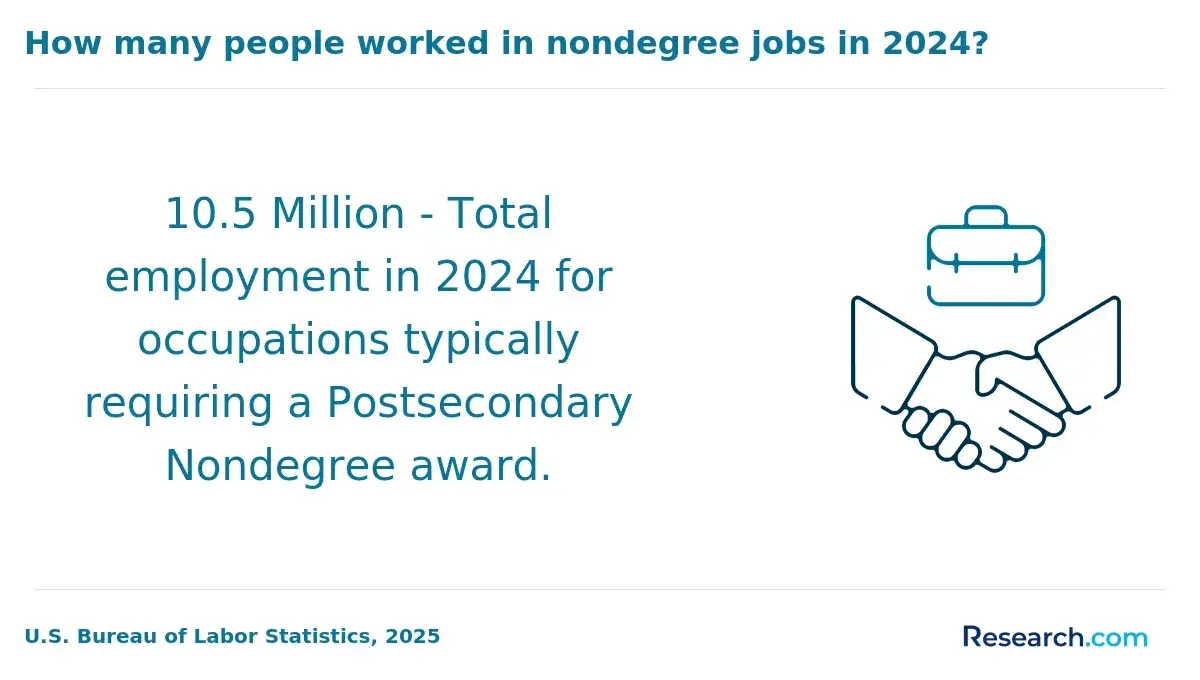
Graduates of online addiction psychology degree programs can obtain professional licensure, provided their program meets specific state licensing requirements. These typically include completing accredited education, a set number of supervised clinical hours-often between 2,000 and 4,000-and passing a licensure exam.
Many online programs are designed to comply with these criteria and often hold accreditation from recognized organizations such as the American Psychological Association (APA) or the National Association of Addiction Professionals (NAADAC). To support licensure preparation, online programs frequently offer flexible practicum or internship placements that allow students to fulfill required clinical hours in approved local settings.
Coursework also covers essential topics such as ethics, assessment, and treatment planning to prepare students for professional practice and licensure exams, making understanding online addiction psychology degree licensure requirements a crucial step for prospective students.
Licensure is vital because it legally permits practitioners to diagnose and treat addiction disorders, which directly affects employment opportunities and earning potential. Approximately 75% of addiction counselors are mandated to hold state licensure or certification, emphasizing the importance of choosing a program that supports this pathway. Prospective students should prioritize programs offering clear guidance on licensure, including exam preparation and practicum coordination, when comparing options.
For those exploring related fields, resources like library science degree online can also provide insights into flexible online education models. Understanding how to get licensed in addiction psychology online ensures students can make informed decisions that align with their career goals.
Evaluating the cost of online addiction psychology programs is essential for prospective students aiming to balance quality education with financial feasibility. Tuition expenses are a key factor, with prices generally rising about 3-5% annually, reflecting ongoing inflation in higher education costs.
Several cost components contribute to the total investment in an online addiction psychology degree. These components can vary widely depending on the program's format, institution type, and additional requirements. Below is an overview of typical expenses associated with these programs.
- Tuition per Credit: Tuition typically ranges from $300 to $800 for each credit hour. Public institutions often offer lower rates than private ones, and more prestigious or specialized programs may charge at the higher end of this scale.
- Technology and Online Learning Fees: Many programs assess additional fees to maintain online platforms, which support video lectures, discussion boards, and digital resources. These fees may be charged each term or as a one-time enrollment charge and vary depending on the institution's infrastructure.
- Application and Registration Fees: Prospective students should budget for non-refundable application fees, which cover administrative costs. These fees are generally modest but add to upfront expenses and differ by school.
- Course Materials and Textbooks: Required textbooks, software, and subscription resources can substantially impact total costs. Some addiction psychology programs may also require access to specialized tools or digital platforms relevant to counseling practicum placements.
- Additional Practicum or Licensing Preparation Costs: Certain programs include fees for supervised counseling practicums or workshops necessary for licensure readiness. These expenses vary widely but are important to consider when planning your budget for an online addiction psychology degree.
Careful comparison of these costs helps prospective students understand the full expenses of online addiction psychology program tuition fees and identify choices aligned with their financial goals as well as career aspirations. To further explore career outcomes and academic options, consider reviewing resources about the best bachelor degrees.
Understanding financial aid options is vital for students pursuing online addiction psychology programs because these supports can significantly lower the total cost of their education. As tuition fees continue to rise, approximately 85% of U.S. college students rely on some form of financial assistance, highlighting the importance of exploring available resources in this field.
Several financial aid options are tailored to help online addiction psychology students manage their educational expenses:
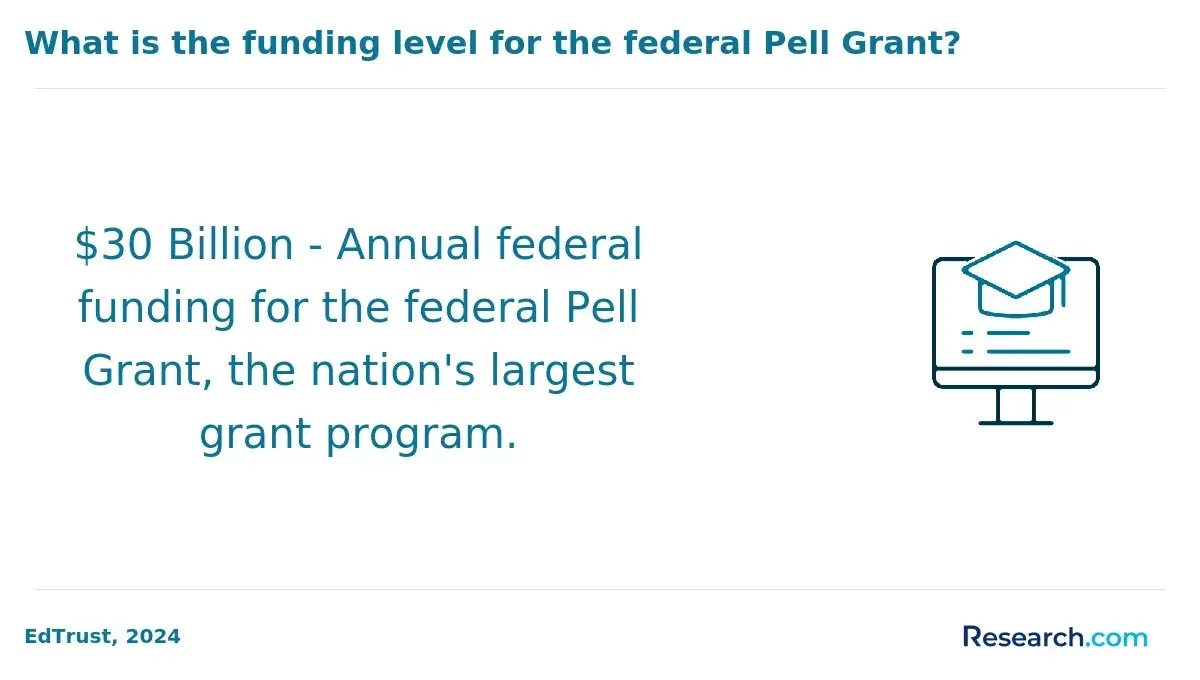
- Federal Grants: These need-based awards, including the Pell Grant, require submission of the FAFSA form and are intended to assist lower-income students. Grants do not require repayment, providing meaningful support without adding debt.
- Student Loans: Federal Direct Loans offer low-interest borrowing with flexible repayment plans. While loans must be repaid, they ease the burden of upfront tuition and fees.
- Scholarships: Various organizations offer scholarships specifically for students pursuing addiction psychology degrees or related mental health fields. These merit-based or need-based awards do not require repayment and can vary significantly in value.
- Work-Study Programs: Federal work-study programs enable eligible students to earn money through part-time employment while enrolled, which helps offset educational costs.
By researching scholarships and grants for addiction psychology degree programs early, students can improve their chances of reducing out-of-pocket expenses. This proactive approach allows more focus on academic performance and preparing for licensing requirements.
For those uncertain about program options, considering an easiest online degree might provide a useful starting point in identifying programs with accessible coursework and supportive financial aid opportunities.
Knowing the career options linked to an online addiction psychology degree is essential for students assessing their education investments. The U.S. Bureau of Labor Statistics projects employment for substance abuse, behavioral disorder, and mental health counselors to grow 17% until 2034, highlighting strong demand in this field. Below is an overview of common career paths available to graduates.
- Substance Abuse Counselor: These professionals provide support and treatment plans for individuals battling addiction. The role often involves individual and group counseling, with opportunities to advance into supervisory or management positions in treatment centers.
- Behavioral Health Specialist: They assess and assist clients facing addiction and co-occurring mental health issues. This role requires strong clinical skills and may lead to specialized positions in hospitals or community health organizations.
- Case Manager: Case managers coordinate care and resources for clients dealing with addiction, ensuring access to medical, social, and psychological services. The position offers pathways into administrative roles within healthcare agencies.
- Recovery Coach: Recovery coaches support clients in maintaining sobriety after treatment, guiding lifestyle changes and preventing relapse. This role benefits from strong interpersonal skills and may evolve into peer leadership or advocacy roles.
Evaluating potential earnings is vital for students choosing an online addiction psychology program to ensure their education aligns with career and financial goals. Salary data offers insight into the value and opportunities available within this profession. Recent figures indicate the median annual wage for addiction counselors is around $59,190, with projected growth in behavioral health fields outpacing many other sectors.
Several elements affect the earnings of graduates from online addiction psychology programs:
- Level of Education: Higher degrees such as master's or doctoral programs often provide access to advanced clinical roles, supervisory positions, and research opportunities, which come with higher salaries compared to entry-level credentials.
- Specialization: Expertise in targeted areas like adolescent addiction, trauma-informed approaches, or dual diagnosis enhances a professional's value, frequently leading to increased compensation due to specialized skills.
- Experience: Accumulating years of relevant work sharpens competencies and boosts professional reputation, which typically results in higher pay and chances for leadership responsibilities.
- Geographic Location: Salary levels vary widely by region; urban areas and states with higher living expenses usually offer better wages than rural or less populated areas, reflecting cost-of-living differences.
- Work Setting: The type of employer influences pay, with private practices or specialized treatment centers often providing more competitive salaries than community-based organizations or government agencies.
What Graduates Say About Enrolling in an Online Addiction Psychology Degree
- Jordan: "Choosing an online addiction psychology degree felt like a big investment, especially with the average cost around $20,000, but it was worth every penny. The flexibility of the program allowed me to balance work and study, and the practical knowledge I gained has already opened doors in counseling roles. I'm truly enthusiastic about how this degree propelled my career forward."
- Mei: "I was drawn to the online addiction psychology program because it offered a more affordable option than traditional routes, helping me manage costs while advancing my education. The coursework was rigorous yet accessible, prompting me to reflect deeply on addiction issues both personally and professionally. This degree has been instrumental in broadening my approach as a behavioral health specialist."
- Paige: "The financial aspect of the online addiction psychology program was an important consideration; knowing the average tuition rates helped me plan carefully. The structured online classes provided a professional environment that solidified my expertise in addiction treatment. Completing this degree has significantly enhanced my credibility and opportunities in the mental health field."
Other Things You Should Know About Addiction Psychology Degrees
Many programs require 100 to 600 supervised practicum hours, plus an internship in an approved counseling, treatment, or community setting. Ask whether the program arranges sites, who signs off on hours, and whether the placement meets state licensure or certification requirements.
Many online programs are designed to align with the knowledge requirements for certification exams in addiction counseling or related fields. However, it is crucial to check whether the curriculum meets state or national certification standards. Additional exam prep courses might be necessary depending on the program.
Students should be comfortable using learning management systems, video conferencing platforms, and online research databases. Basic skills in word processing, submitting assignments digitally, and engaging in virtual discussions are essential. Most schools provide orientation or technical support to help new online learners adapt.
- ADC420: Addiction Counseling Practicum Course Online - City Vision University https://www.cityvision.edu/course/addiction-counseling-practicum/
- Practicums Vs Internships: A Complete Guide | Psychology.org https://www.psychology.org/resources/internships-and-practicums/
- Substance Abuse Counselor Careers and Salary Earning Potential https://addiction-counselor.org/careers-salary/
- Addiction Counseling Online Degree Schools - Addiction Counselor Degree Programs https://beal.edu/programs/addiction-counseling/
- Online Addiction Counseling Degree - Addiction-Counselors.com https://www.addiction-counselors.com/education/
- Guide To Online Addiction Counseling Degrees https://www.accreditedschoolsonline.org/counseling/bachelors/addiction-counseling/
- How Much Can You Make as an Addiction Counselor? https://www.hazeldenbettyford.org/graduate-school-addiction-studies/drug-alcohol-counselor-salary
- Addiction Psychotherapy - KUL with accreditation https://www.kul.pl/addiction-psychotherapy-kul-with-accreditation,art_104835.html
- Online Bachelor of Science in Psychology - Substance Abuse https://gps.averett.edu/bachelor-of-science-in-psychology-substance-abuse/