2027 Online vs On-Campus Addiction Psychology Degree Programs: Pros & Cons

Co-Founder and Chief Data Scientist
Online addiction psychology degree programs have surged in popularity, reflecting a 21% increase in enrollment over the past five years according to National Center for Education Statistics. This growth highlights a shifting preference among students balancing education with personal and professional commitments. Evaluating the pros and cons of online versus on-campus programs is essential for prospective students aiming to optimize flexibility, cost, learning experience, and career outcomes. This article offers a comprehensive, expert analysis to help individuals make informed decisions based on credible data and practical considerations within the evolving landscape of addiction psychology education.
Key Benefits of Online vs On-Campus Addiction Psychology Degrees
- Online addiction psychology degree programs offer greater flexibility, allowing students to balance work and family commitments while benefiting from a 15% average increase in job placement rates for remote learners.
- Students in online programs save an average of 40% on commuting, housing, and campus fees, making education more affordable and accessible.
- On-campus addiction psychology programs provide direct access to faculty and hands-on clinical experiences that improve practical skills by up to 25%, critical for building professional confidence and networking opportunities.
Are Online vs. On-Campus Addiction Psychology Programs Structured the Same Way?
The structure of online and on-campus addiction psychology degree programs differs primarily in how courses are delivered, scheduled, and how students interact with faculty and peers. These differences shape the learning environment and overall student experience in significant ways.
Below is a comparison of key structural elements in both formats:
- Course Delivery: On-campus programs use traditional classroom instruction with scheduled lectures and face-to-face group work, fostering real-time interaction. Online programs utilize digital platforms with recorded lectures, interactive assignments, and discussion forums, allowing students to access material anytime for greater flexibility.
- Class Schedules: In-person classes require attendance at fixed times, which can challenge students managing work or family. Online formats offer asynchronous learning, letting students work at their own pace within deadlines, sometimes shortening program duration to as little as six months.
- Interaction and Collaboration: On-campus students benefit from immediate peer and faculty engagement through hands-on activities and spontaneous discussions. Online students must actively participate in scheduled video conferences, virtual groups, and forums to build connections and avoid isolation but can tap into broader professional networks.
- Hands-on Experience: Both formats require practicum or supervised fieldwork. On-campus programs often provide more integrated, face-to-face practicum opportunities, while online students typically coordinate placements independently with program support.
- Technology Requirements: Online students need reliable internet and digital literacy to navigate learning platforms, which may be barriers for some. On-campus students rely on standard study tools and minimal technology.
- Networking Opportunities: In-person learning encourages local networking through classes and campus events. Online programs expand networking geographically but demand intentional engagement in online discussions and virtual events to build professional connections.
Are Admission Requirements the Same for Online vs On-Campus Addiction Psychology Degree Programs?
Colleges and universities maintain consistent academic standards for both online and on-campus addiction psychology degree programs, ensuring graduates are well-prepared regardless of the delivery format. However, they may differ in how they assess an applicant's readiness, particularly for succeeding in an online learning environment.
To better understand these nuances, the following overview compares key admission requirements for online vs on-campus addiction counseling program prerequisites:
- Academic Qualifications: Both online and on-campus programs typically require a relevant bachelor's or master's degree for graduate admission or a high school diploma/GED for undergraduate study, usually with a minimum GPA ranging from 2.0 to 3.0. These standards rarely differ, reflecting consistent academic benchmarks across formats.
- Application Materials: Applicants generally submit transcripts, resumes, letters of recommendation, and personal statements for both formats. Some online programs may emphasize written communication skills and independent study capability more heavily, which can appear in supplemental essays or the personal statement.
- Standardized Test Scores: On-campus undergraduate programs often require SAT or ACT scores, whereas many online programs are shifting toward test-optional policies, focusing instead on academic history and relevant experience.
- Work Experience: While not universally mandatory, online programs frequently value prior work or volunteer experience in behavioral health fields, aligning with the adult-learner demographics. On-campus programs tend to admit more traditional students coming directly from high school or college.
- Interview Process: In-person interviews are common for on-campus applicants, but online programs usually conduct interviews via telephone or video calls to assess motivation and remote learning readiness.
- Technical Readiness: Applicants to online addiction psychology programs may need to demonstrate basic computer literacy and reliable access to technology, requirements that are generally not formalized in on-campus admissions but are critical for online success.
Understanding these distinctions can help prospective students better navigate admission requirements for online addiction psychology degree programs and traditional settings alike.
Those exploring flexible educational pathways might also consider programs featured among the best accelerated associates degree options, which may offer advantages in cost and scheduling.
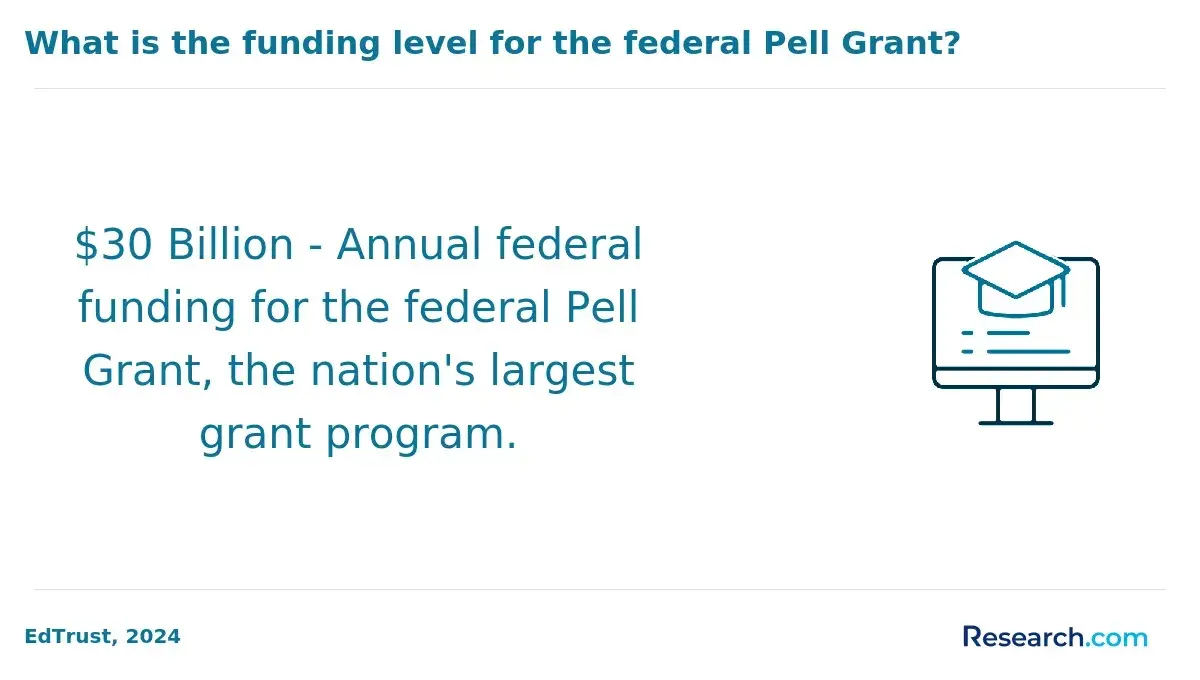
Do Online Addiction Psychology Students Receive the Same Academic Support as On-Campus Students?
Universities have significantly expanded their academic support systems to ensure that online addiction psychology students receive resources and assistance comparable to those offered to their on-campus peers. This development reflects a commitment to accessibility and tailored services that meet the unique needs of both learning formats.
Below is a comparison of the main academic support services typically available to online and on-campus addiction psychology students.
- Tutoring Services: Universities provide tutoring in-person and through virtual platforms. Online students connect with tutors via video calls, chat, or email, while on-campus students meet face-to-face. Effective tutoring in either format supports academic performance and retention.
- Career Counseling: Career services are accessible online through webinars and virtual appointments, and on-campus via office visits and workshops. Both approaches guide students in career exploration, certification preparation, and internship placement.
- Library Access: Online students use digital libraries, journals, and research databases, whereas on-campus students combine physical and digital library resources. This ensures all students have the materials necessary for research and staying current in addiction psychology.
- Faculty Interaction: Professors engage with online students through discussion forums, email, and video calls. On-campus students benefit from face-to-face meetings. Both formats emphasize timely feedback and support critical to student success.
- Mental Health Support: Counseling and mental health services are offered in person and via teletherapy or digital wellness tools. Universities prioritize accessible mental health resources across both modalities.
- Peer Networking: Online platforms enable virtual study groups and networking, while on-campus students connect in person. Though online networking requires more initiative, it expands opportunities nationally.
The time required to complete an addiction psychology degree varies based on the program's delivery format, the student's pace, and the flexibility offered by the schedule. These factors play a key role in how quickly a student can earn their degree and begin their professional career.
To understand these differences better, here is a comparison of the average completion time for online versus on-campus addiction psychology degree programs:
- Online addiction psychology degree: Most online bachelor's programs in addiction psychology are structured for completion in about four years of full-time study, paralleling traditional timelines. However, many online programs provide accelerated options, transfer credit acceptance, and flexible, asynchronous coursework, enabling highly motivated students to graduate in as little as 18 months to 3.5 years depending on prior credits and year-round enrollment.
- On-campus addiction psychology degree: Traditional on-campus bachelor's degrees commonly take four years to complete with fixed semester schedules and in-person attendance requirements. The pace tends to be more rigid, with limited chances for acceleration unless students participate in summer sessions or pursue heavier course loads. Transfer credits can shorten duration but generally, the standard four-year timeline is typical.
We talked to an addiction psychology graduate, and he shared that pursuing his online addiction psychology degree was a careful balancing act. The flexibility was invaluable, but "managing coursework alongside a full-time job and family obligations often meant late nights and self-discipline."
He was able to leverage accelerated classes and apply previous credits, which shortened his path to under three years-significantly faster than friends in on-campus programs.
Despite occasional struggles to stay motivated without face-to-face interaction, he appreciated the ability to tailor his study schedule around life demands, concluding that this flexibility was essential to completing the degree in his preferred timeframe.
Tuition, fees, and other expenses for online addiction psychology programs generally tend to be lower than those for on-campus programs, though total costs vary depending on the format and individual circumstances. Understanding the specific cost factors that contribute to these differences can help students make more informed decisions about their education.
Below is a breakdown of the main cost factors influencing the price difference between online and on-campus addiction psychology degree programs:
- Tuition and Fees: Online addiction psychology degrees often have lower tuition rates than their on-campus counterparts, sometimes ranging from $8,000 to $15,000 per year. Many online programs extend in-state tuition rates to all students, eliminating extra fees usually charged to out-of-state enrollees, though some prestigious online programs may still match on-campus pricing.
- Living Expenses: One of the most significant savings for online students is on housing, transportation, and meal costs since they do not need to relocate or live on campus. These savings can amount to several thousand dollars annually, which often makes the most affordable online addiction psychology degree programs in the US a budget-friendly option.
- Technology Costs: While online students avoid many campus-based fees, they must factor in expenses like reliable internet access, a computer, and occasional software needs. Generally, these technology costs are modest compared to what students save on commuting and housing expenses.
- Financial Aid Availability: Both online and on-campus students at accredited institutions typically qualify for federal aid, scholarships, and grants. Additionally, some employers offer tuition assistance for online programs, effectively lowering overall costs.
- Additional Fees and Requirements: Online learners sometimes face technology or proctoring fees and may need to attend on-campus residencies or local internships. Conversely, on-campus programs might bundle more comprehensive student support services into their fees. When doing an online vs on-campus addiction psychology program cost comparison, these extra charges can influence the general affordability of each option.
Students looking for the easiest way to get a bachelor's degree in this field should carefully review these factors to evaluate the true cost differences between formats.
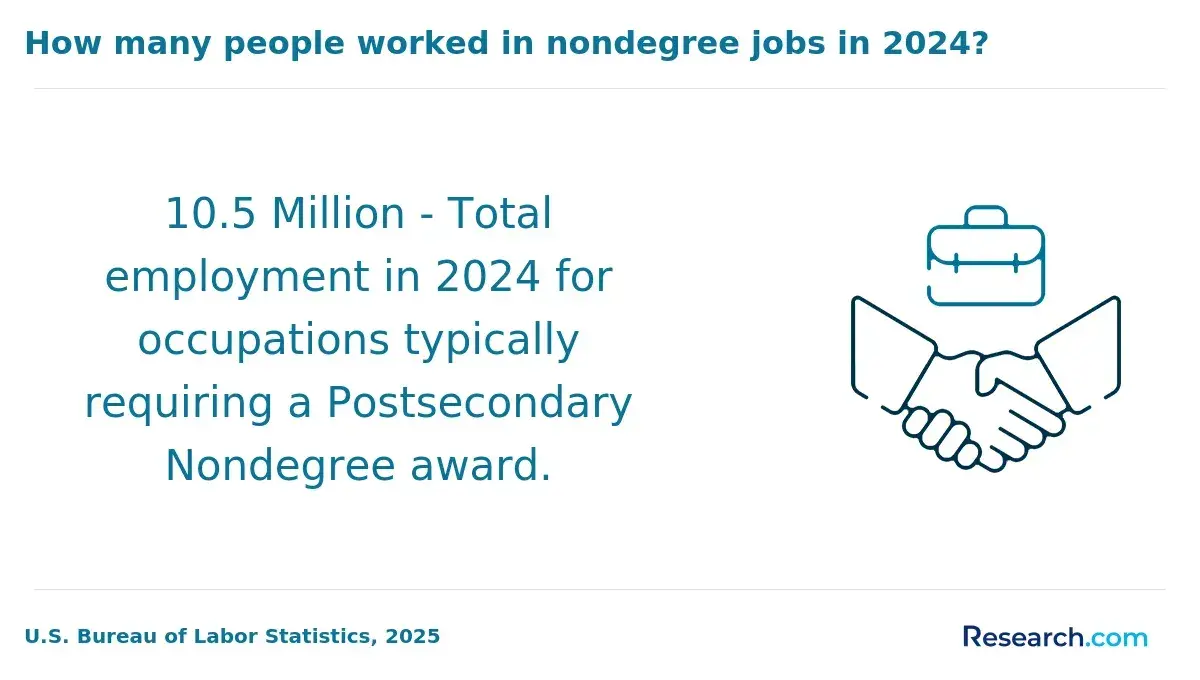
Both online and on-campus students pursuing addiction psychology degrees may qualify for a variety of financial aid options, but eligibility and accessibility can vary depending on the program format and type of institution. Understanding these differences can help students maximize available resources for their education.
Below is an overview of key financial aid opportunities:
- Federal financial aid: Both online and on-campus students can access federal aid such as Pell Grants, Direct Subsidized and Unsubsidized Loans, and Federal Work-Study programs, provided their program is accredited and they complete the FAFSA. Most accredited online programs qualify, but confirming eligibility is essential for ensuring access to these funds.
- State aid: State grants and scholarships typically support residents enrolled in in-state schools, whether online or on-campus. However, some state aid requires students to attend public institutions or complete a minimum amount of on-campus coursework, which may limit options for fully online learners.
- Scholarships and grants for addiction psychology students: Many colleges offer both merit-based and need-based scholarships that apply to online and on-campus students alike. Certain institutions also provide special tuition discounts for groups like military personnel and transfer students. For example, the University of South Dakota offers a 50% tuition reduction for eligible National Guard members, while the University of Cincinnati grants $2,500 per semester to veterans.
- Employer tuition reimbursement: Employer-sponsored tuition assistance is available for students in both formats, with online programs often preferred for their flexibility to balance work and study. This adaptability benefits working professionals pursuing degree advancement without pausing their careers.
- Private student loans: Available to both online and on-campus students, private loans typically require credit checks and may carry higher interest rates than federal options. Online students should verify that their program is recognized by lenders, as some private loan providers restrict funding based on accreditation or program type.
Online addiction psychology programs can also offer cost advantages with lower tuition rates and fewer campus-related fees.
For those interested in advanced study options, including potentially more flexible formats, exploring online doctoral programs no dissertation might provide additional avenues for educational advancement.
Accreditation, faculty qualifications, and curriculum standards play a crucial role in establishing the credibility of both online and on-campus addiction psychology programs.
Reputable online programs are often accredited by recognized bodies such as the National Addiction Studies Accreditation Commission (NASAC) or the Council for Accreditation of Counseling & Related Educational Programs (CACREP). These organizations ensure that coursework, faculty expertise, and practicum requirements meet industry and licensing standards.
Faculty members in both formats typically hold advanced degrees and possess relevant field experience, while curricula cover essential competencies including assessment, treatment planning, crisis intervention, and ethics. Proper accreditation helps online programs maintain the same academic rigor and quality as their on-campus counterparts.
Perceptions of online addiction psychology degrees have evolved considerably among employers, academic institutions, and licensing boards. Over 80% of behavioral health employers now regard accredited online degrees as equally credible to traditional ones when programs follow established standards.
Licensing boards and graduate schools generally accept degrees from accredited online programs, especially as these formats increasingly require supervised clinical or practicum hours comparable to in-person tracks.
Although some concerns remain about face-to-face interaction benefits, innovations such as interactive simulations and virtual learning communities are bridging these gaps.
Collaborations between online programs and treatment centers or professional organizations also enhance hands-on training opportunities, further boosting the reputation and acceptance of online addiction psychology education.
Employers today generally regard online and on-campus addiction psychology degrees as equivalent, especially when the programs are accredited and come from reputable universities.
Surveys such as the National Association of Colleges and Employers (NACE) Job Outlook reveal that 87.4% of employers hire graduates with online degrees, and notably, 100% of these employers reported paying equal starting salaries to graduates, regardless of delivery format.
While on-campus programs often offer immediate access to hands-on experiences and networking, online programs have advanced to provide virtual community connections and expectations that students secure local practicums or internships.
These evolving formats reflect broader workplace norms, including the widespread acceptance of remote and hybrid work, which have helped normalize online credentials among hiring managers.
Research from ASU Online further supports this shift, with 76% of hiring professionals viewing online degrees more favorably and 92% willing to consider candidates with such credentials.
However, employer preferences are less about whether a degree was earned online or in person and more focused on factors like university reputation, program accreditation, and the demonstration of practical skills. Addiction psychology employers prioritize candidates who have completed robust internship experiences and can show effective communication and fieldwork abilities.
This emphasis means that accredited online programs offering quality practicum components are valued similarly to their on-campus counterparts. Ultimately, employers are looking for candidates who graduate from credible programs and bring real-world experience, which reduces bias toward the mode of instruction.
As hiring practices continue to evolve in response to changing work environments, graduates who meet these criteria, regardless of how they earned their degree, are well-positioned in the job market.
I recently spoke with a professional who earned her addiction psychology degree entirely online and shared how her experience shaped her career prospects. She noted that while she initially worried employers might view her degree with skepticism, her completed practicum and strong portfolio of fieldwork helped overcome any doubts.
"The practical skills I gained during my internship were what really opened doors, not the fact it was an online program," she explained. Her positive hiring experience was also influenced by the program's accreditation and the solid reputation of her university.
Reflecting on her journey, she emphasized that online study offered the flexibility needed to balance work, family, and education while still providing the necessary opportunities to demonstrate competence and readiness for employment in addiction psychology.
Salary comparisons between online and on-campus addiction psychology graduates are increasingly shaped by factors such as employer perceptions, geographic location, and academic credentials rather than the degree format itself.
As more reputable accredited institutions introduce comprehensive online programs, the earning potential gap between online and on-campus graduates continues to narrow.
Below is an overview of key trends and factors influencing salary outcomes for graduates of addiction psychology programs:
- Accreditation and Program Reputation: Employers prioritize graduates from accredited programs regardless of delivery format. Graduates from regionally accredited online programs, particularly those linked to prestigious universities, tend to earn salaries comparable to their on-campus counterparts.
- Level of Degree and Specialization: Salary ranges primarily depend on whether a graduate holds a bachelor's, master's, or doctoral degree. For instance, addiction psychologists with doctoral training earn significantly more than those with bachelor's degrees; this distribution is consistent regardless of whether the degree was earned online or in person.
- Employer Perception: Although skepticism towards online degrees has declined, some employers still prefer traditional education for clinical and research roles. Yet, most now accept accredited online degrees due to their rigorous curricula and supervised practicum requirements.
- Geographic Location: Location greatly influences salaries, with metropolitan areas like California and New York offering higher pay for addiction psychology professionals. This effect holds true regardless of whether graduates attended online or on-campus programs.
- Experience and Certification: Additional professional certifications and years of experience weigh more heavily on salary than the program's format. Graduates who pursue specialized credentials typically secure higher-paying roles.
- Cost and Debt Burden: Online programs often cost less annually-approximately $22,500 versus $34,000 for in-person-potentially reducing debt burden and providing more career flexibility while maintaining competitive salary prospects.
Those interested in accelerated options might consider programs like the 1 year online doctorate, which exemplifies the increasing availability of efficient pathways that do not compromise potential earnings.
Overall, the average salary for online addiction psychology degree graduates aligns closely with that of on-campus graduates when all influencing factors are considered.
Choosing between an online vs on-campus addiction psychology program depends largely on your personal learning preferences, lifestyle, and long-term professional goals. Both formats offer distinct advantages that can influence your overall educational experience and career path.
Here are key factors to consider before deciding which option best aligns with your needs and circumstances.
- Learning style: If you benefit from direct interaction and immediate feedback, on-campus programs provide face-to-face engagement with professors and peers. In contrast, online programs are ideal for self-driven students who prefer independent study and digital communication.
- Flexibility needs: Many of the best online addiction psychology programs 2025 offer asynchronous coursework, allowing you to study at your own pace and balance work or family commitments. On-campus programs usually follow fixed schedules, which offer structure but may limit flexibility.
- Budget: Online programs often come with lower tuition costs and save money on commuting or housing, whereas on-campus programs might require higher expenses including living costs and campus fees. Being mindful of these differences helps you choose a program that fits your financial situation.
- Networking opportunities: On-campus students have easier access to local professional networks, study groups, and mentoring relationships. Online students must actively engage in virtual forums and professional associations but may connect with a wider, sometimes national, community.
- Access to campus resources: In-person programs provide immediate availability of campus facilities like libraries and mental health support services. While online learners can access digital resources, certain support options could be less accessible or less personalized.
When you compare online and on-campus addiction psychology degrees, these factors give a framework to identify which format supports your individual academic and career goals. Understanding your priorities helps you select the environment that optimizes both learning and professional development.
For those weighing educational investments, it can also be helpful to explore options among the best trade school jobs that pay well to understand potential career earnings tied to your chosen path.
Here's What Graduates of Online vs On-Campus Addiction Psychology Programs Have to Say About Their Degree
- Olivia: "Completing my addiction psychology degree fully online allowed me to balance my full-time job and family responsibilities while gaining the knowledge I needed to advance my career. The flexibility of the program meant I could study at my own pace without sacrificing quality education. Since graduating, I've been able to work as a licensed counselor and really make a difference in the recovery journeys of my clients. This path truly opened doors I never thought possible and gave me the confidence to advocate for mental health awareness in my community. "
- Sabrina: "Attending an on-campus addiction psychology degree program was a transformative experience that immersed me in both academic rigor and a vibrant campus community. The face-to-face interactions with professors and peers fostered a deep understanding of the subject and built lasting professional connections. Starting my career immediately after graduation, I appreciated how the respected reputation of my university helped me secure a role at a leading rehabilitation center. It was challenging but incredibly rewarding, and I grew not just intellectually but personally as well. "
- Addison: "The hybrid addiction psychology degree perfectly suited my learning style by combining the best of both worlds-online coursework for flexibility and on-campus sessions for hands-on training. This blend helped me stay motivated while also gaining practical experience through internships I arranged with ease. Professionally, the hybrid format gave me a unique perspective that employers value, allowing me to excel in diverse clinical settings. Beyond that, it enriched my personal growth, inspiring me to contribute significantly to community outreach programs focused on addiction prevention. "
Other Things You Should Know About Online & On-Campus Addiction Psychology Degree Programs
Most addiction psychology degrees require a supervised practicum or internship of 300 to 600 hours before graduation. Programs commonly place students in treatment centers, hospitals, or community agencies, and the site must usually be approved by the department or accrediting body.
On-campus addiction psychology programs in 2027 offer hands-on learning, direct faculty interaction, and access to campus resources. They provide opportunities for in-person collaboration, immediate feedback from peers and instructors, and immersion in a structured academic environment conducive to discipline and networking.
- Social Work Careers & Specializations Guide 2025 https://careersinpsychology.org/online-degree-vs-campus-social-work/
- Undergraduate Addiction Counseling Degrees | Are they Necessary? - Addiction-Counselors.com https://www.addiction-counselors.com/education/undergraduate-addictions-counseling-education/
- Does Academic Burnout Alleviate or Exacerbate Internet Dependence in University Students with Depression and Anxiety? https://pmc.ncbi.nlm.nih.gov/articles/PMC11646402/
- The Surprising Cost of Online Education: Why 83% of Online Degrees Aren’t More Affordable https://www.nexford.edu/insights/the-surprising-cost-of-online-education-why-83-of-online-degrees-arent-more-affordable
- Best Online Bachelor's In Addiction & Recovery 2025 https://www.psychology.org/degrees/addictions-and-recovery/bachelors/
- A Guide to On-Campus Vs. Online Forensic Psychology Programs https://www.thechicagoschool.edu/insight/career-development/online-m-a-forensic-psychology-programs-guide/
- What is the difference between a psychology degree concentrating on addiction versus a degree in social science concentrating on substance abuse ? https://www.careervillage.org/questions/722771/what-is-the-difference-between-a-psychology-degree-concentrating-on-addiction-versus-a-degree-in-social-science-concentrating-on-substance-abuse
- Master’s in Addiction Counseling - Online & On-Campus https://substanceabusecounselor.org/substance-abuse-counselor-degree-guide/masters-degrees/
- Cost of Online Education vs. Traditional Education [2025]: Comparison https://educationdata.org/cost-of-online-education-vs-traditional-education
- Master in Counseling Psychology with Addiction Counseling https://www.montreat.edu/online/counseling-psychology-substance-abuse-addiction-counseling/