2027 Cheapest Accredited Online Addiction Psychology Master's Programs With No Out-of-State Tuition Surcharge

Co-Founder and Chief Data Scientist
An online addiction psychology master's can look affordable until nonresident tuition, required practicum travel, and university fees are added. Programs with one online tuition rate can give out-of-state students a more predictable price, but they are not automatically the least expensive option.
This guide helps prospective counselors, behavioral-health professionals, and career changers compare accreditation, total cost, transfer policies, flexibility, and career fit. The U.S. Bureau of Labor Statistics reports a $59,190 median annual wage for substance abuse, behavioral disorder, and mental health counselors in 2024, making careful degree-to-career alignment especially important.
Key Things You Should Know
- A no-out-of-state-surcharge policy means eligible online students pay the same published tuition regardless of residence; it does not mean tuition, fees, travel, or practicum costs are low.
- Use total required credits × the applicable online per-credit rate, then add mandatory fees and fieldwork expenses; comparing advertised per-credit prices alone can produce the wrong "cheapest" choice.
- For career planning, distinguish an addiction-focused psychology degree from a clinical counseling degree: substance abuse, behavioral disorder, and mental health counselors had a 2024 median annual wage of $59,190, but state licensure requirements vary.
What Does No Out-Of-State Tuition Surcharge Mean for an Online Addiction Psychology Master's Program?
A no-out-of-state-tuition-surcharge program charges the same tuition rate to eligible online students whether they live in the institution's home state or elsewhere in the U.S. It is often called a flat online rate, distance-learning rate, universal tuition rate, or residency-neutral tuition. The policy can be especially valuable when a public university's standard nonresident rate is substantially higher than its resident rate.
It is not identical to "in-state tuition." A school may charge all online learners one rate that is higher than its campus in-state rate but lower than its campus nonresident rate. Another school may offer a temporary waiver, limited-state reciprocity arrangement, or discount that does not apply to every online graduate program.
The comparison below shows why readers should evaluate the full published price rather than the label alone.
| Tuition model | How residency affects tuition | Best fit | Main caution |
| Flat online tuition | Same eligible online rate for residents and nonresidents | Students who expect to remain out of state | Rate may still exceed a local public university's resident price |
| In-state and out-of-state rates | Residence can change the tuition rate | Established residents or students eligible for a formal waiver | Do not assume online enrollment qualifies for resident pricing |
| Private nonprofit tuition | Usually does not change by state residence | Students valuing predictable pricing and a particular format | Published tuition may be higher before aid |
Before relying on a residency-neutral claim, ask the institution to confirm in writing that it applies to the exact master's program, your intended start term, all required credits, and your location. State authorization rules can also affect whether the university may enroll students who live in particular states.
How Can Students Verify Accreditation for an Affordable Online Addiction Psychology Master's Program?
Accreditation is a quality-review process, but readers should verify the type of accreditation and its relevance to their goal. Institutional accreditation applies to the university as a whole. Programmatic accreditation applies to particular professional programs and can matter more when a degree is intended to support counseling licensure or another regulated pathway.
An addiction psychology master's may be an MA or MS in psychology with an addictions concentration, a substance-use studies degree, or a clinical counseling degree with addiction coursework. A psychology program can be academically strong without preparing graduates for independent clinical practice. Conversely, a clinical counseling program may have curriculum and supervised-experience requirements that are more relevant to licensure.
Use these steps to verify what a degree can actually support before paying an application fee.
- Confirm the institution's current accreditation with the recognized accreditor and the university's accreditation office.
- Ask whether the specific online program holds any programmatic accreditation and whether that status covers online delivery.
- Request the curriculum, practicum requirements, and licensure disclosure for the state where you plan to work.
- Compare the degree title, required supervised hours, and faculty credentials with your target state board's rules.
- Keep written confirmation of tuition policy, accreditation status, and eligibility disclosures for your records.
A common mistake is treating institutional accreditation as proof of counseling licensure eligibility. It confirms important institutional standards, but it does not replace state-specific coursework, supervised clinical experience, examination, and postdegree requirements. Students seeking addiction counseling credentials should also investigate whether their state recognizes the degree for the credential they want.
How Much Does the Cheapest Online Addiction Psychology Master's Program Cost in Total?
The cheapest program is the one with the lowest net total cost for your required path, not necessarily the lowest advertised price per credit. Because addiction psychology master's programs vary in credit requirements, practicum expectations, and fee structures, a reliable national "cheapest" figure cannot be assumed without reviewing each school's current tuition schedule.
Calculate each option using the same categories. This framework separates predictable tuition from expenses that can materially change the final bill.
| Cost category | How to calculate it | Why it matters |
| Base tuition | Required program credits × applicable online per-credit tuition | Programs with lower rates may require more credits |
| Mandatory university fees | Term, credit-hour, technology, distance-learning, or graduation fees | These may apply even when online tuition is flat |
| Program expenses | Books, testing, background checks, software, and professional insurance if required | Costs vary by curriculum and fieldwork rules |
| Fieldwork and travel | Transportation, lodging, parking, and lost work time for practicum, residency, or intensives | A fully online label may not mean zero in-person expense |
| Financial aid | Subtract grants, scholarships, employer support, and other nonrepayable aid | Shows estimated out-of-pocket cost rather than sticker price |
Ask for a term-by-term estimate rather than a verbal statement that a program is affordable. Also ask whether tuition is locked for continuing students or may change annually. A low first-term price can be less useful than a clearly documented rate for all required credits.
Do Online Addiction Psychology Master's Students Have to Establish Residency to Receive the Lowest Tuition Rate?
Usually, no: students in a genuine no-surcharge online program do not need to establish state residency to receive that program's published online rate. However, they may still need to meet admission, location, or state-authorization requirements. Residency rules for tuition, state grants, and professional licensure are separate issues.
Students should not move or change legal residency solely because an admissions representative suggests that resident tuition may be possible. Traditional residency classification commonly involves state-specific requirements related to domicile, duration of residence, financial independence, and purpose for moving. Enrollment in online courses does not automatically establish residency.
Ask the bursar or financial-aid office whether any of the following conditions apply to your situation.
- The flat rate applies only to fully online students and changes if a campus course is added.
- The rate excludes students in certain states, territories, or international locations.
- A military, employee, alumni, or partner discount has separate eligibility rules.
- State-funded grants require legal residency even when tuition does not.
- Moving during enrollment changes state authorization, practicum placement, or licensure disclosures.
The red flag is vague wording such as "competitive online tuition" without a published rate or program-specific confirmation. Obtain the tuition schedule and ask whether your residence affects any required fees, rather than relying on a broad university marketing page.
How Do Public and Private Universities Compare on the Cost of an Online Addiction Psychology Master's Degree?
Public universities often offer the lowest price to residents, while a public institution with flat online tuition can be attractive to nonresidents. Private nonprofit universities commonly use one tuition rate regardless of geography, which can simplify planning. Neither category is automatically the better value.
This comparison highlights the cost and service trade-offs to investigate at the program level.
| Institution type | Potential cost advantage | Potential limitation | What to compare |
| Public university | May offer low resident tuition or an online nonresident waiver | Fees, residency rules, and cohort availability can vary | Total credits, online rate, fees, and field placement support |
| Private nonprofit university | Usually has residency-neutral pricing and may provide institutional scholarships | Sticker price may be higher | Net price after aid, tuition lock, student services, and outcomes |
| For-profit institution | May offer frequent starts or streamlined enrollment | Cost and transferability require especially close review | Accreditation, borrowing, withdrawal policy, and licensure alignment |
Compare like with like: a 30-credit nonclinical psychology master's should not be treated as equivalent to a longer counseling program that includes clinical training. The latter may cost more because it is designed for a different professional outcome. Students also exploring nursing routes should compare scope, licensure, and clinical requirements rather than price alone; RN to BSN online with no clinicals programs serve a distinct nursing-completion pathway.
Can Financial Aid Reduce the Cost of a Cheap Online Addiction Psychology Master's Program?
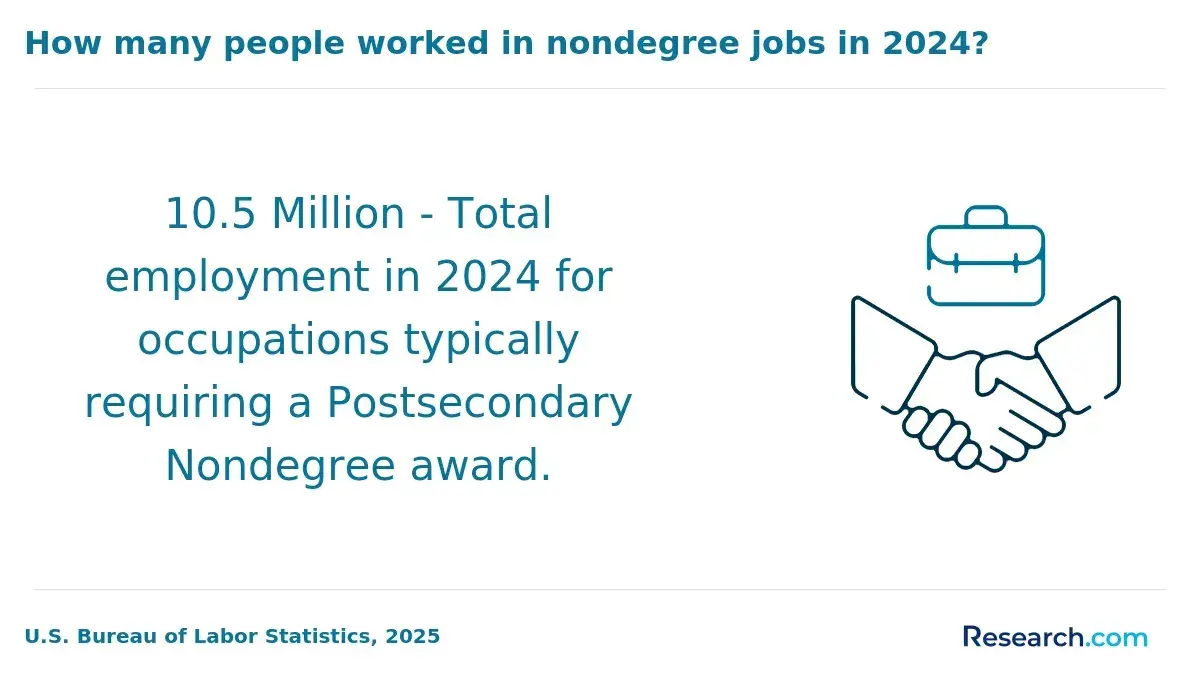
Yes. Federal Direct Unsubsidized Loans, Graduate PLUS Loans, institutional scholarships, employer tuition assistance, veterans' education benefits, and outside scholarships may reduce the immediate cost of attendance or change how it is financed. Aid eligibility and loan limits depend on the student and institution, so a school's financial-aid office should provide a personalized estimate.
Complete the FAFSA early and compare aid notices using the same total-cost estimate. A higher-tuition program with a meaningful institutional scholarship or employer partnership can cost less out of pocket than a lower-price program with no aid. Loans should be shown separately from grants because loans must generally be repaid with interest.
Before accepting aid, get answers to these practical questions.
- Are online graduate students eligible for the same institutional scholarships as campus students?
- Does the employer reimburse tuition only, or also required fees, books, and practicum expenses?
- Must the student pay first and seek reimbursement later?
- Is there a grade, continued-employment, or postgraduation work commitment?
- Will part-time enrollment change aid eligibility or the scholarship amount?
Employer support can be particularly useful for professionals already working in health services, community organizations, or treatment settings. It should not be confused with guaranteed funding. Learners considering a faster nursing transition can also examine accelerated LPN programs, but should evaluate their separate clinical, state-approval, and licensure costs.
How Do Program Format and Completion Time Affect the Cost of an Online Addiction Psychology Master's Degree?
Format affects both billed costs and indirect costs. Fully online asynchronous programs can reduce commuting and scheduling barriers for working adults, while synchronous classes may provide more real-time interaction but require fixed attendance. Hybrid programs, on-campus intensives, and local practicum placements can add travel and missed-work costs.
Accelerated programs may reduce the number of terms in which a student pays recurring fees and may help them reach a career goal sooner. They can also require a heavier weekly workload, making reduced work hours or burnout more likely. Traditional part-time enrollment may make monthly cash flow easier, but it can extend fee exposure and delay completion.
Compare format details, not just the phrase "100% online."
| Format feature | Possible cost effect | Decision consideration |
| Asynchronous courses | Can reduce commuting and permit continued employment | Requires strong time management and self-directed participation |
| Live online classes | May not add direct travel costs | Fixed meeting times can affect work schedules |
| Hybrid residencies or intensives | Can create travel and lodging expenses | Confirm frequency, location, and attendance requirements |
| Practicum or internship | May involve transportation, insurance, and background-check costs | Ask whether the school secures placements near your home |
| Accelerated terms | May reduce time-related expenses | Assess whether the pace is sustainable with employment and caregiving |
Students comparing health-profession timelines may see claims about 1 year FNP programs, but nurse practitioner preparation has different clinical and certification requirements from addiction psychology. Use completion-time comparisons only among programs leading toward comparable goals.
How Much Can Transfer Credits Reduce the Cost of an Online Addiction Psychology Master's Degree?
Transfer credit can lower tuition only when the receiving university accepts prior graduate-level coursework that fits the degree plan. Many master's programs limit the number of transferable credits, require a minimum grade, impose a recency limit, and exclude practicum or capstone courses. Some programs do not accept transfer credit at all.
The savings formula is straightforward: accepted transfer credits multiplied by the program's applicable per-credit tuition equals the tuition avoided. That result is only useful after confirming that transfer credits will not extend the program, trigger additional fees, or leave gaps in licensure-related coursework.
Request an official transfer evaluation before making an enrollment decision. Supply transcripts and course descriptions, then ask whether accepted credits satisfy required courses or merely count as electives. A verbal estimate from recruitment staff is not the same as a formal academic determination.
A common error is assuming that work experience, certificates, or undergraduate addiction coursework will automatically replace graduate courses. Some schools may offer prior-learning assessment or advanced standing, but policies differ widely. Students should also preserve syllabi from prior coursework because faculty reviewers may need them to assess equivalency.
Is a Cheap Online Addiction Psychology Master's Degree Worth the Cost for Career Advancement?
It can be worthwhile when the degree matches a clearly defined career target, required credentials, and realistic financing plan. Addiction psychology coursework can strengthen knowledge of substance-use disorders, assessment, behavior change, ethics, trauma-informed practice, prevention, and treatment systems. The appropriate degree depends on whether the student seeks counseling licensure, program coordination, behavioral-health administration, research, community education, or preparation for doctoral study.
For labor-market context, the U.S. Bureau of Labor Statistics projects employment of substance abuse, behavioral disorder, and mental health counselors to grow 19% from 2023 to 2033. That projection describes the occupation overall, not a guarantee that any particular online degree will qualify a graduate for a job or license. State rules, supervised experience, employer preferences, and prior education remain important.
A lower-cost academic psychology master's can make sense for students seeking nonclinical behavioral-health roles or doctoral preparation. Students intending to become licensed counselors should prioritize a program's curriculum, clinical placement structure, and state-board fit even if it costs more. People drawn to prevention and wellness work may also compare adjacent training such as an online dietitian degree, recognizing that dietetics has separate supervised-practice and credentialing standards.
Before enrolling, identify three target job postings and compare their preferred credentials with the degree plan. This simple check exposes mismatches between an appealing program title and the qualifications employers actually request.
How Should Students Compare the Cheapest Accredited Online Addiction Psychology Master's Programs?
Start with programs that are authorized to enroll students in your state and have accreditation appropriate to your goal. Then compare the same decision factors for every school: total required credits, tuition applicable to your residence, mandatory fees, program format, transfer policy, clinical requirements, financial aid, and career or licensure alignment.
A practical comparison sequence prevents the most common mistake: choosing the lowest posted rate before confirming what that rate buys.
- Define your target role and determine whether it requires clinical licensure, a specific certification, or only graduate-level behavioral-health education.
- Build a shortlist of accredited programs that can enroll students in your state and match that objective.
- Request each program's current tuition sheet, degree plan, fee schedule, transfer policy, and online-learning disclosure.
- Calculate total tuition and foreseeable non-tuition costs using the required number of credits rather than a sample term.
- Ask whether practicum, internship, residency, thesis, capstone, or proctoring requirements create extra time or travel costs.
- Compare net cost after confirmed grants, scholarships, employer aid, and realistic borrowing.
- Choose the program with the strongest balance of verified affordability, academic fit, flexibility, and career relevance.
Do not assume the lowest tuition creates the best return on investment. Strong student support, a workable schedule, local field-placement help, transparent outcomes, and an applicable curriculum may justify a higher total cost. Career changers considering workplace safety and prevention roles can also review an online environmental health and safety degree; it is a different field, but comparing role requirements first is the same sound decision-making practice.
Other Things You Should Know About Addiction Psychology
Addiction psychology applies psychological science to substance use, behavioral addictions, prevention, assessment, treatment, recovery, and relapse prevention. Programs may emphasize research, community practice, counseling skills, or behavioral-health systems, so curriculum review matters.
Not automatically. Licensure depends on the state and typically requires a qualifying degree, specified coursework, supervised clinical experience, examinations, and postdegree hours. Contact the licensing board in the state where you intend to practice before enrolling.
Neither is universally better. An MA may emphasize applied or counseling-oriented study, while an MS may emphasize research, data, or scientific methods. Review the actual curriculum, practicum structure, and career outcomes instead of choosing based on the degree letters alone.
Some do, especially research-oriented programs. Others use a capstone, comprehensive examination, applied project, or practicum. A thesis can be useful for doctoral-study preparation, while a capstone or practicum may better suit students focused on applied behavioral-health work.
References
- 2025 Most Affordable Online Substance Abuse Counseling Degrees https://www.onlineu.com/most-affordable-colleges/substance-abuse-counseling-degrees
- Online Master's in Addiction & Substance Abuse Counseling Programs https://www.onlineeducation.com/counseling/masters-in-addiction-substance-abuse-counseling-programs
- 2025's Most Affordable Online Master's Degrees in Psychology https://www.onlinemastersdegrees.org/most-affordable/psychology-programs/
- Best Online Master's In Addiction & Recovery 2025 https://www.psychology.org/degrees/addictions-and-recovery/masters/
- Online Master's in Addiction Counseling | Hazelden Betty Ford https://www.hazeldenbettyford.org/graduate-school-addiction-studies/online-masters
- Top Master's Degrees in Substance Abuse and Addictions Counseling for 2025 https://www.addiction-counselors.com/blog/top-masters-degrees-in-substance-abuse-and-addictions-counseling/
- 50 Best Master's Degree Programs in Addiction Counseling https://addiction-counselor.org/degrees/masters/