2027 Purdue Global Online AASBA in Information Processing: Cost, Curriculum, Admissions, and Career Outcomes

Co-Founder and Chief Data Scientist
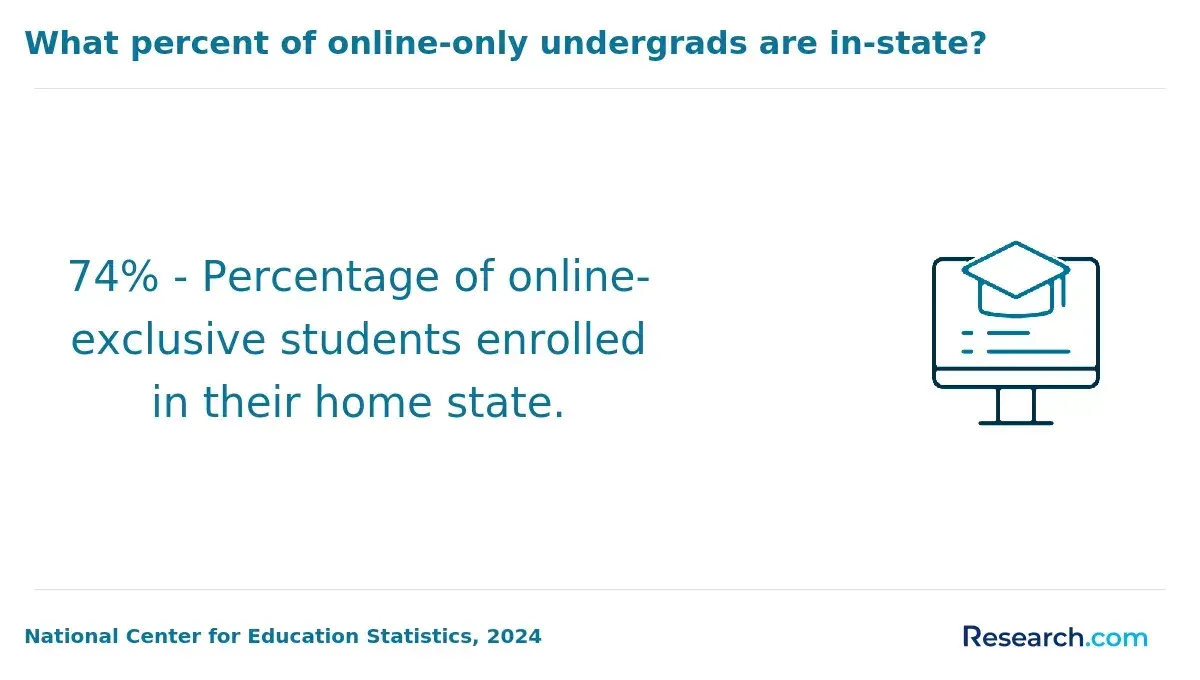
Determining whether the online AASBA in Information Processing at Purdue Global matches a student's academic needs and career goals requires evaluating more than just convenience. With over 60% of higher education enrollees now choosing online formats, according to the National Center for Education Statistics 2024 report, program accessibility plays a vital role in expanding learning opportunities for adult learners and working professionals.
However, prospective students must also weigh curriculum relevance, admission criteria flexibility, and potential career outcomes against the growing demand for information processing skills in today's job market. This article examines cost, curriculum, admissions, and career prospects to clarify if this program aligns with individual objectives.
Key Points About Purdue Global's AASBA in Information Processing Program
- Purdue Global's open admission policy reduces entry barriers, enabling diverse learners to pursue the AASBA in Information Processing; however, lower selectivity may affect peer cohort experiences and employer perceptions.
- The listed total tuition of $19,560 reflects a significant financial commitment that requires weighing against potential salary gains and career mobility within data and information management roles.
- Graduates' varied industry placements indicate the degree's functional versatility, but limited employer preference data suggests cautious evaluation of how it differentiates candidates in competitive job markets.
What can students expect from Purdue Global's online AASBA in Information Processing curriculum?
Employers seeking entry-level candidates with practical business and information technology skills often expect applied competence rather than advanced theoretical knowledge. Purdue Global's online AASBA in Information Processing aligns with this reality through a curriculum that reflects standard US degree requirements while emphasizing actionable skill sets. This balance prepares students for immediate workforce integration rather than academic progression alone.
For instance, a recent graduate filling an administrative support role must handle data entry and use spreadsheet software efficiently-core proficiencies developed within this program. Below is an overview of the Purdue Global online AASBA in information processing course structure, highlighting three essential areas students engage with:
- Principles of Management and Business Communication: Students explore foundational management theories alongside effective communication strategies, fostering both organizational understanding and practical interpersonal skills crucial for collaborative office environments.
- Information Processing Applications: This coursework covers computer applications, including electronic spreadsheets and database management, demanding hands-on assignment completion that mirrors real workplace tasks in data organization and analysis.
- Emerging Business Technologies: Integration of current and evolving office technologies challenges students to adapt rapidly-a necessary attribute as businesses advance toward digital workflow systems and automation tools.
The outcomes of AASBA in Information Processing at Purdue Global reflect a pragmatic approach to skill acquisition, with an emphasis on software tool proficiency and operational business knowledge that employers value in administrative, data entry, and office support positions. Students choosing this path should weigh its applied focus against their broader educational goals, particularly if future study or specialization is anticipated. For insights about related degree options that might better fit long-term aims, consider visiting good degrees to get.
What are Purdue Global's admission requirements for online AASBA in Information Processing program?
Admission to Purdue Global's online AASBA in Information Processing prioritizes accessibility over selective measures, making it more suitable for applicants who may not perform well on standardized tests or lack traditional academic credentials. For example, a candidate who worked full-time while completing a GED instead of a traditional high school diploma could still pursue this program without typical barriers such as GPA minimums or standardized test scores. Understanding these requirements can help applicants realistically assess their fit and prepare accordingly. Below are the typical admission elements prospective students should be prepared to meet.
- Official Transcripts: Applicants must submit official transcripts from prior educational institutions to document their academic history. This ensures that Purdue Global can verify previous studies and maintain academic standards despite its open admission policy.
- Standardized Test Scores: There are no minimum SAT, ACT, GMAT, or similar standardized test requirements, reflecting the program's focus on broader access and flexibility rather than traditional academic gatekeeping.
- Recommendation Letters or Portfolios: These are generally not required, simplifying the application process and reducing barriers related to obtaining subjective endorsements or assembling supplementary materials.
- Transfer Credits: Students transferring from other colleges may submit transcripts for evaluation. While transfer policies are flexible, submitted credits might shorten the time needed to complete the degree, benefiting those with prior postsecondary experience.
Is it difficult to get admitted to Purdue Global's online AASBA in Information Processing program?
Programs offering an associate-level applied science bachelor's degree in information processing often have some selective admissions criteria, including prerequisites or standardized test requirements. This can limit access for candidates balancing work, family, or career transitions, making acceptance a competitive hurdle for some. By contrast, Purdue Global's online AASBA in Information Processing removes many typical barriers through an open admission policy with an acceptance rate near 100%, which significantly simplifies entry compared to more restrictive institutions.
The absence of SAT or ACT requirements means applicants who meet basic enrollment standards generally face no competition for admission. This accessibility enables nontraditional learners and working adults to bypass common application gatekeeping, focusing instead on acquiring foundational skills relevant to IT and data management roles. However, employers may weigh the open admission nature when evaluating candidates, placing greater emphasis on documented competencies and experience outside the credential itself.
One graduate described feeling initial uncertainty about the admission process because "I wasn't sure if my lack of recent academic records would hold me back." After quickly completing the simple application, they felt relief but also recognized the need to build on the program's foundational knowledge through additional certifications to meet regional job market expectations. "The easy admission was a relief, but I knew my real challenge was proving my capabilities afterward."
What is the cost of attending an online AASBA in Information Processing program at Purdue Global?
The cost of attending an online Associate of Applied Science in Business Administration (AASBA) in Information Processing at Purdue Global centers around a base tuition and fees of approximately $10,110 annually. When accounting for books, supplies, and other related expenses, the total annual cost approaches $19,560. Since Purdue Global applies a flat-rate tuition model for online students regardless of geographic location, this provides predictable budgeting without regional cost variations or extra online technology fees.
These cost structures mean students must weigh not only tuition but also the variable expenses like books and supplies, which can affect total investment. The absence of location-based pricing can benefit students from higher-cost regions, providing more uniform access. This flat-rate approach differentiates it from many traditional colleges where costs may fluctuate significantly depending on residency or campus resources.
Compared to the wider array of programs offering similar AASBA degrees in Information Processing, Purdue Global's pricing is competitive, especially within private, for-profit online institutions. However, public institutions often have lower tuition for in-state students, which can be a decisive factor for some. Evaluating these tuition fees alongside factors such as program quality and student support options can clarify real-world value for career outcomes.
For individuals assessing the long-term cost-benefit ratio of enrolling in the Purdue Global online AASBA in Information Processing program, it is crucial to understand how tuition fits into overall expenses and career goals. Reviewing data on college degrees that pay well may help prospective students align their investment with anticipated workforce returns.
Are there financial aid options for online AASBA in Information Processing students at Purdue Global?
Financial aid for online AASBA in Information Processing students at Purdue Global can reduce the upfront cost but requires careful navigation to maximize benefits without accumulating unmanageable debt. Many applicants face the decision to leverage federal aid programs that offer grants and loans or pursue scholarships and employer tuition assistance, each with its own eligibility rules and implications on long-term expenses and creditworthiness. Clear understanding of these options is crucial for balancing immediate affordability against potential future financial liabilities. Below are common aid routes available to students:
- Federal Grants: Pell Grants provide need-based funding without repayment obligations for students who meet income thresholds and maintain enrollment standards, typically covering a significant portion of tuition costs.
- Institutional Scholarships: Purdue Global offers merit- and need-based scholarships accessible to AASBA in Information Processing students, usually requiring a demonstrated academic record or financial hardship and competitive application.
- Tuition Reimbursement: Corporate programs allow employed students to have part or all of their tuition reimbursed by employers, contingent on company partnerships and employee eligibility, which can ease cost but may impose work-related commitments.
- Veterans Benefits: Veterans and dependents can utilize federal education benefits like the GI Bill, which Purdue Global accepts, helping cover tuition and fees while often including monthly housing stipends.
- Student Loans: Federal and private loans offer supplementary funding but necessitate repayment with interest; students should weigh immediate educational access against future debt obligations carefully.
What learning resources are available to online AASBA in Information Processing students at Purdue Global?
Success in an online AASBA in Information Processing program often hinges on access to targeted, practical learning resources that address both academic demands and workforce expectations. For example, a student balancing full-time work who requires flexible, reliable technical support and timely academic guidance will find these resources pivotal for steady progress and skill acquisition. However, while these supports reduce logistic barriers, students must still self-manage their learning and career networking to fully leverage them. The following outlines key resources available to online AASBA in Information Processing students designed to meet these real-world challenges.
- Technical Support: Available 24/7, this service handles software compatibility, hardware issues, and connectivity problems. Rapid resolution minimizes disruptions, which is critical when students rely solely on online platforms for lectures and assignments.
- Academic Tutoring: Personalized tutoring and writing support aim to reinforce core skills in information processing and business administration. This resource targets common weaknesses that can hinder mastery of complex concepts.
- Digital Library Access: Comprehensive online collections include academic journals, e-books, and research databases. These specialized resources help students conduct relevant industry research and support evidence-based learning.
- Advising Services: Dedicated advisors assist with course selection and degree planning to align educational paths with career objectives. Personalized progress tracking helps students stay on course despite the flexible nature of online study.
- Career Services and Networking: Resume workshops, mock interviews, and job search assistance prepare students for employment transitions. Virtual career fairs and alumni connections offer opportunities to build professional relationships essential in competitive information technology job markets.
Does Purdue Global's online AASBA in Information Processing program have in-person clinicals or practicums?
Most associate degree programs in business and information processing do not mandate in-person clinicals or practicums, unlike allied health fields where hands-on training is critical for licensure or certification. Purdue Global's AASBA in Information Processing reflects this industry norm by structuring its curriculum around virtual labs, case studies, and simulated business scenarios. For students prioritizing flexibility-such as working adults or those with family obligations-the absence of on-site practicum requirements can be a decisive factor in program choice.
Regarding Purdue Global AASBA in Information Processing clinical requirements, the program deliberately avoids in-person practicum options, opting instead for assignments and collaborative projects completed remotely. This design supports experiential learning relevant to data management and information systems without mandating physical presence, a tradeoff that eases scheduling but may limit direct exposure to certain workplace environments. Students seeking deeper technical or application experience may need to pursue supplementary certifications or internships outside the program.
The lack of in-person practicum components aligns with the increasing availability of online business degrees tailored for immediate workforce entry or foundational skill development. Prospective enrollees should weigh the benefits of this arrangement against employer expectations in their target industries, especially in roles where hands-on technology use is essential. Those interested in more immersive practical experiences might consult resources highlighting best affordable online colleges to explore alternative offerings. best affordable online colleges provide broader insights on balancing program flexibility with experiential learning demands.
What careers can graduates of online AASBA in Information Processing at Purdue Global secure?
The marketability of graduates from the online AASBA in Information Processing at Purdue Global hinges on their ability to meet organizational needs in managing and processing data. A critical measure of this program's value is how well it translates into sustainable career opportunities that align with both industry demands and workforce realities.
For many students, entering roles with immediate practical skills offers a foothold in data-driven administrative environments but requires balancing entry-level pay against future upskilling potential. Navigating these job prospects for Purdue Global AASBA in Information Processing graduates involves understanding the scope and expectations tied to such positions. These careers typically emphasize operational precision, adherence to data integrity, and efficient information workflows. Key roles include:
- Data Entry Clerk: Focused on inputting and verifying data within company systems, these clerks handle routine but essential tasks that ensure business data accuracy. Earnings commonly start near minimum wage, with variation by industry and location.
- Records Manager: Responsible for maintaining and organizing both physical and electronic records, records managers implement retrieval systems that comply with company policies, reflecting a moderate salary range tied to administrative oversight.
- Administrative Assistant with Data Skills: This role combines general office support with specialized data coordination, including managing databases and compiling reports, offering slightly elevated pay tied to the dual skill set.
Choosing this degree means weighing the immediate accessibility of entry-level roles against the longer trajectory toward advanced data or IT positions, which often require additional education or experience. For those assessing if this path aligns with their goals, insights on which masters degrees are worth it can provide context on future advancement within data and administrative fields.
What is the salary outlook for online AASBA in Information Processing graduates?
The salary outlook for Purdue Global online AASBA in Information Processing graduates suggests moderate earning potential that aligns with general mid-tier business and technology roles rather than specialized technical positions. While median alumni salaries hover around $36,596, this reflects entry to mid-level compensation often associated with foundational roles requiring both business acumen and technical familiarity. Graduates who aim for higher pay typically need to supplement this degree with further specialization or experience due to the competitive nature of tech and business job markets.
Comparatively, career earnings of AASBA in Information Processing graduates from Purdue Global tend to fall below those in specialized computer science fields, where median salaries can reach $51,063, and also below general Business Administration alumni median earnings near $47,866. This gap highlights the tradeoff between obtaining a practical associate degree and pursuing advanced credentials or concentrated technical training that more directly map to higher-paying roles. For many students, the degree serves as a stepping stone for stable employment rather than immediate substantial income.
This financial dynamic emphasizes the importance of evaluating potential roles against salary expectations and understanding employer preferences. Those weighing educational options might consider how combining this credential with industry certifications could improve outcomes. Students exploring accessible programs with realistic compensation should also review resources on degrees felons can get as they assess potential career pathways and workforce integration prospects.
How do you know if Purdue Global's online AASBA in Information Processing program is the right choice for you?
Choosing whether an online AASBA in Information Processing at Purdue Global fits your specific situation hinges on matching program features with your personal circumstances and career priorities. This evaluation can clarify how the program's design and outcomes align with what you need to balance today and where you aim to be professionally tomorrow. Consider these critical factors as you weigh your options:
- Learning Flexibility and Schedule: Assess if the fully asynchronous format genuinely accommodates your work or family demands. Flexibility benefits many adult learners, but requires strong self-discipline to prevent delays and incomplete coursework.
- Curriculum Relevance and Practical Skills: Evaluate how well the program's integration of real-world projects prepares you for information management roles you seek. The value increases if the skillset matches current employer expectations and technological tools.
- Student Support Services: Look into the availability and accessibility of advising, tutoring, and career resources designed for adult learners. Quality support can critically impact retention and completion rates in online environments.
- Peer and Demographic Considerations: Reflect on whether a learning culture with primarily mature students aligns with your preference for networking and collaboration dynamics.
- Long-Term Employability Outcomes: Investigate actual graduate placement data in relevant fields and how employers perceive an online associate degree credential from this institution.
One graduate shared that initially, she hesitated because balancing full-time caregiving and part-time work made her doubt she could keep pace. Choosing a program with asynchronous courses was essential, but she also valued the structured projects that connected theory directly to job tasks she was aiming for. The targeted support from advisors helped her avoid common pitfalls like procrastination, ultimately making the program feel manageable rather than overwhelming. This experience underscored the importance of honest self-appraisal about your time management and support needs before committing to an online AASBA in Information Processing at Purdue Global.
What Graduates Say About Purdue Global's AASBA in Information Processing Program
- Ethan: "Studying at Purdue Global's AASBA in Information Processing program equipped me with hands-on skills that were crucial when I transitioned into a remote IT support role. The flexibility of the program allowed me to keep working while studying, and the practical projects helped me build a portfolio that employers valued far more than just the degree itself. Although I quickly found entry-level positions, I realized that without additional certifications, climbing past the early stages could be challenging, so I'm planning to pursue those next."
- Martin: "When I enrolled in Purdue Global's AASBA in Information Processing, I knew I wanted a career pivot from retail management to tech. The coursework was demanding but relevant, especially the modules on data processing and systems analysis, which provided real-world applications that I still use daily. One lesson I learned was that many employers prioritize internship experience and demonstrated problem-solving skills over formal licensure, so leveraging Purdue Global's internship opportunities made a big difference in landing my current analyst position."
- Fernando: "Reflecting on my time at Purdue Global, the AASBA in Information Processing program offered a solid foundation but came with its own set of trade-offs. While the degree helped me enter the IT workforce faster than traditional pathways, I faced stiff competition for advancement without further certification. The program's emphasis on practical experience through remote labs and collaborative assignments really helped me adapt to the realities of working in tech environments that increasingly value adaptability and ongoing learning over credentials alone."
Other Things You Should Know About Degrees
The tuition for the 2027 Purdue Global Online AASBA in Information Processing program varies based on several factors, including transfer credits and financial aid. Students should expect to budget for tuition, fees, and additional costs such as textbooks and technology.
Yes. Purdue Global online courses may use proctored exams through approved online proctoring services or testing centers. Students usually need a webcam, government ID, and a stable internet connection. The specific exam policy is listed in each course syllabus, and proctoring fees may apply.
The 2027 Purdue Global Online AASBA in Information Processing program requires the completion of 90 credit hours. This includes a mix of core courses, electives, and general education requirements, designed to give students a comprehensive foundation in information processing.
In 2027, the Purdue Global Online AASBA in Information Processing is accredited by the Higher Learning Commission (HLC). This accreditation ensures that the program meets high educational standards, which can be crucial for transferability of credits and recognition by employers.
References
- Purdue University Global Tuition | CollegeData https://www.collegedata.com/college-search/Purdue-University-Global-West-Lafayette-IN/money-matters
- Information Processing: Associate, Training & Online Degree Info https://learningpath.org/articles/Information_Processing_Associate_Training_Online_Degree_Info.html
- Criteria for selecting open web-oriented technologies for teaching the basics of programming to future software engineers https://acnsci.org/journal/index.php/etq/article/view/16
- How Purdue Global is expanding Purdue U's access to adult learners https://www.highereddive.com/news/how-purdue-global-is-expanding-purdue-us-access-to-adult-learners/545554/
- Purdue Global Online Nurse Practitioner Programs https://www.npschools.com/profiles/purdue-global
- Careers & Employment Trends - Career Center - Purdue University Northwest https://www.pnw.edu/career-center/career-center-resources/careers-employment-trends/
- Purdue Employment outlook remains strong for agriculture graduates - Swineweb.com - Complete Swine News, Markets, Commentary, and Technical Info https://swineweb.com/purdue-employment-outlook-remains-strong-for-agriculture-graduates/
- Tuition and Fees - Purdue Global Law School https://www.purduegloballawschool.edu/tuition/jd-and-ejd-students
- Purdue University Global IB requirements - International Baccalaureate® https://recognition.ibo.org/en-US/university-statements/