2027 Online Addiction Psychology Master's Programs at Accredited U.S. Universities

Co-Founder and Chief Data Scientist
Choosing an online addiction psychology master's program involves navigating complex tradeoffs between flexibility, cost, and accreditation. Nearly 50% of graduate enrollments in 2024 reflect working adults prioritizing programs that offer part-time schedules and asynchronous coursework, signaling a shift toward balancing education with professional and personal obligations. Understanding admission barriers, program delivery formats, and true tuition costs-including hidden fees-can determine whether a degree aligns with career goals and licensure pathways.
This analysis highlights the essential decision criteria for applicants managing varied backgrounds and constraints, illuminating pathways that optimize return on investment and support long-term employment prospects within the addiction psychology workforce.
Key Things to Know About Online Addiction Psychology Master's Programs at Accredited U.S. Universities
- Admission criteria often balance prerequisite psychology coursework with professional experience, implying that applicants without a traditional background may face longer preparatory pathways, increasing time and financial investment before enrollment.
- Program structures typically mix asynchronous coursework with synchronous clinical practicums, reflecting employer preference for graduates demonstrating both self-discipline and hands-on skills essential for addiction-related roles.
- Accreditation by regional and psychology-specific bodies ensures licensing recognition, but prospective students must weigh faster online program completion against potential hidden fees and limited financial aid, impacting overall affordability and timeline.
What Is the Overall Structure and Purpose of Online Addiction Psychology Master's Programs at Accredited U.S. Universities?
Evaluating online addiction psychology master's programs requires understanding how their structure balances the demand for strong clinical competencies with the practical constraints faced by many prospective students. These programs are specifically designed to offer accessibility without compromising the depth of training needed for addiction-focused roles.
Unlike traditional on-campus degrees, they emphasize asynchronous and flexible delivery to accommodate professionals who cannot relocate or pause their career progression. This flexibility, however, often means students must exercise greater self-discipline and time management to complete the coursework effectively.
- Program Purpose: These degrees aim to prepare graduates for specialized positions in clinical, counseling, and research arenas involving addiction, grounding students in evidence-based intervention, prevention, and etiology aligned with both mental health and healthcare industry standards.
- Credit Load: Completion usually requires 30 to 45 semester credits, integrating foundational psychological theory with addiction-specific content and practical components such as internships or applied research, which together foster comprehensive domain expertise.
- Delivery Methods: Predominantly fully online, these programs combine asynchronous lectures for maximum scheduling flexibility with interactive discussions and digital practice scenarios; some incorporate synchronous elements or local practicums to connect theory with real-world application.
- Time-To-Degree: Typically, part-time enrollment leads to graduation within two to three years, reflecting the realities of working professionals balancing study with employment and other commitments.
- Accreditation Role: Regional or specialized accreditation ensures that the program meets rigorous academic and professional standards, a critical factor for licensure eligibility, credit transfer, and employer recognition in the addiction treatment and mental health sectors.
For many, especially first-generation graduate students or those place-bound, understanding these components clarifies what differentiates online addiction psychology master's program structure and purpose in a U.S. accredited context. An informed approach includes weighing the academic rigor validated by accreditation against the flexible scheduling afforded by online formats, while recognizing how each element affects post-graduation opportunities and professional credibility.
Those comparing offers should consider this alongside financial implications-tuition and potential hidden costs-as part of a comprehensive evaluation. Additionally, prospective students might explore related fields to assess cost and career outcome tradeoffs; for example, reviewing comparative affordability and program format differences within healthcare education may include online DNP programs, which share online delivery challenges and workforce impact considerations.
Which Accrediting Bodies Recognize Online Addiction Psychology Master's Programs, and Why Does Accreditation Status Matter?
Choosing an accredited online addiction psychology master's program is a decisive step that shapes professional licensure options, career mobility, and financial eligibility. Selecting a program lacking the right accreditation can close doors to state licensure or employer recognition even if tuition is lower or formats appear more convenient.
Two main types of accreditation carry distinct weight in this field: regional institutional accreditation and specialized programmatic accreditation. Regional accreditation, granted by agencies recognized by the U.S. Department of Education, ensures overall academic quality and is critical for credit transferability and federal financial aid eligibility. However, it does not guarantee that the curriculum meets professional clinical standards required for addiction counseling licensure or practice.
- Regional Accreditation: Represents institutional approval from bodies like the Middle States Commission or WASC, establishing baseline academic rigor, eligibility for federal student aid, and transfer acceptance across universities.
- Programmatic Accreditation: Specialized endorsements, such as from the Council for Accreditation of Counseling and Related Educational Programs (CACREP), confirm that a program's curriculum aligns with behavioral health competencies needed for licensure and employment in addiction psychology.
- Licensing Board Recognition: Most states mandate graduation from a program with both regional and specific programmatic accreditation to qualify for addiction counseling credentials, making program choice pivotal for licensure pathways.
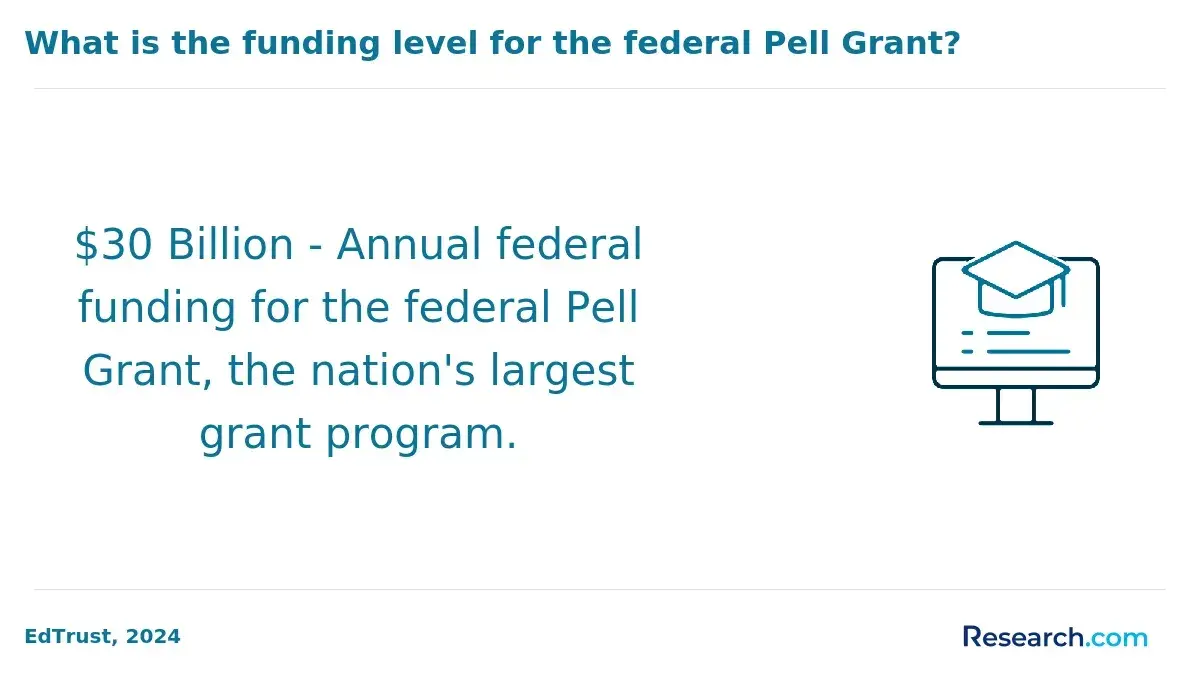
- Financial Aid Eligibility: Only students attending regionally accredited institutions generally qualify for federal loans and grants, affecting affordability, especially for career changers and those funding education independently.
- Employer Acceptance: Healthcare employers routinely favor credentials from accredited programs, viewing them as indicators of graduate competence; non-accredited credentials often limit job prospects or advancement.
- Credit Transferability: Regional accreditation supports recognition of coursework by other institutions, facilitating future educational advancement or specialization.
- Accreditation Quality Variation: Not all accreditors hold universal recognition. Students must verify that the specific accrediting bodies for their online addiction psychology program are recognized by both their state licensing boards and target employers before weighing cost or format.
What Are the Admission Requirements for Online Addiction Psychology Master's Programs at Accredited U.S. Universities?
Admission standards for online addiction psychology master's programs at accredited U.S. universities reveal essential tradeoffs impacting applicant competitiveness and workforce alignment. Meeting minimum requirements frequently represents a basic entry point rather than a guarantee of admission, especially in selective programs where deeper academic and experiential profiles strongly influence acceptance decisions. For working professionals balancing tuition investment and career transitions, evaluating these nuances alongside program quality is critical.
Many accredited U.S. universities addiction psychology master's prerequisites include these core components:
- Undergraduate GPA: Programs typically expect a minimum GPA ranging from 2.5 to 3.0, with more selective schools favoring 3.3 or above as a marker of applicant preparedness and academic rigor.
- Prerequisite Coursework: Foundational courses in psychology, statistics, or behavioral sciences are standard, though several programs admit students conditionally when coursework gaps exist, reflecting flexibility for diverse academic backgrounds.
- Letters of Recommendation: Two to three recommendations from academic or professional sources remain pivotal for evaluating an applicant's readiness and commitment to the field.
- Personal Statement: A focused essay articulating motivation and career objectives in addiction psychology can differentiate candidates, especially when competing against similar GPA profiles.
- Standardized Tests: Increasingly optional or waived post-pandemic, GRE scores are often unnecessary in public and working-professional-oriented programs, while some private or highly selective institutions maintain this requirement.
- Professional Experience: Though not universally mandated, prior roles or volunteering in behavioral health substantively enhance an application by demonstrating practical aptitude.
- Institutional Variation: Public/open-enrollment programs generally exhibit more accessible criteria, attracting wider applicant diversity but sometimes signaling varied rigor. Private/selective universities enforce stricter standards, which frequently correlate with concentrated cohorts and elevated expectations.
- Competitive Profile: Beyond minimum admission criteria, successful applicants typically present stronger academic records, complete prerequisite courses, compelling recommendations, and aligned career plans.
- Non-Traditional Applicants: Those shifting careers or holding non-psychology degrees often find pathways through conditional admission or bridge courses, enabling inclusion without sacrificing academic standards.
Prospective students must research median admitted profiles rather than focus solely on baseline eligibility. For example, a working professional weighing programs should assess how GPA thresholds and prerequisite flexibility align with their experience and career aims. In parallel, candidates exploring a PhD in nursing education can observe shared themes in balancing admissions rigor with workforce preparation across healthcare-related fields.
What Is the Minimum GPA Requirement for Addiction Psychology Master's Program Admission, and How Does Selectivity Correlate With Program Reputation?
Minimum GPA requirements for admission into online addiction psychology master's programs vary widely, reflecting more than just academic performance-they signal institutional expectations and influence applicant screening but do not alone determine acceptance. Most accredited programs expect a GPA around 2.5 to 3.0 on a 4.0 scale, though more competitive programs typically enforce cutoffs at 3.0 or above. However, these thresholds do not always translate directly into better licensure pass rates or employment outcomes.
Some programs with open admissions policies admit candidates with lower GPAs yet maintain comparable licensure success through intensive experiential learning and mentorship.
- Minimum GPA Standards: Typical admissions demand a minimum GPA near 2.5 to 3.0, with selective institutions emphasizing a higher standard. Conditional acceptance or probationary measures may supplement admissions for those slightly below these minimums.
- Selectivity and Reputation: Higher GPA cutoffs often coincide with programs boasting rigorous coursework and competitive alumni, but they are not absolute predictors of program quality or graduate success.
- Holistic Admissions: GPA is weighed alongside clinical experience, recommendation letters, and specialized certifications, allowing some candidates below traditional cutoffs to demonstrate readiness through professional accomplishments.
- Alternative Pathways: Conditional admission, post-baccalaureate training, and certificate programs offer avenues to strengthen academic credentials for those falling short of minimum GPA expectations.
- Workforce Implications: Employers value comprehensive training and licensure eligibility more than GPA alone; practical field experience and ongoing development are central to long-term success.
An online addiction psychology master's graduate recalled the uncertainty of applying during a rolling admissions cycle. Their undergraduate GPA hovered just below a common 3.0 cutoff, prompting hesitation and multiple consultations with admissions counselors before submitting materials. The flexibility to provide detailed professional references and an explanatory statement eventually helped their acceptance, but the waiting period was marked by strategic decision-making about whether to pursue conditional coursework or explore alternative programs.
This experience highlighted how navigating GPA requirements often involves balancing timing, preparedness, and careful presentation of qualifications beyond numbers alone.
How Many Credit Hours Are Required to Complete an Online Addiction Psychology Master's Program, and How Does This Affect Total Cost and Time-to-Degree?
Programs for an online master's degree in Addiction Psychology at accredited U.S. institutions typically range from about 30 to over 60 credit hours, with variation driven by accreditation demands, thesis or capstone obligations, and supervised practicum components. These requirements often exceed those of other disciplines due to the field's clinical focus, which necessitates hands-on training and specialized coursework to prepare students for licensure and practice.
- Credit Hours: Addiction Psychology programs require more credits than many other master's due to integration of clinical practice, ethical training, and sometimes research, which are essential for workforce readiness.
- Cost Impact: Total expenses result from multiplying the per-credit tuition by total credits. For example, a 30-credit program at $500 per credit costs $15,000, whereas a 60-credit counterpart doubles that amount, highlighting the importance of assessing full credit requirements rather than just per-credit rates.
- Time-to-Degree: For part-time students, higher credit loads translate into more semesters, increasing the length before workforce entry and adding living expenses and opportunity costs such as forgone earnings or promotions.
- Opportunity Cost: Extended program lengths can delay salary growth or career moves, necessitating careful weighing of time investment against personal and professional priorities.
- Comparison Basis: Prospective students should evaluate programs based on total credit obligations combined with per-credit rates to accurately predict both financial and timeline commitments.
What Specializations and Concentrations Are Available in Online Addiction Psychology Master's Programs at Accredited Universities?
Choosing a specialization within online addiction psychology master's programs at accredited U.S. universities directly shapes employability, program cost, and time to degree completion. For example, a working professional aiming for licensure in clinical addiction counseling must confirm that the concentration aligns with state-specific requirements; failure to do so can result in significant additional expenses or delayed credentialing.
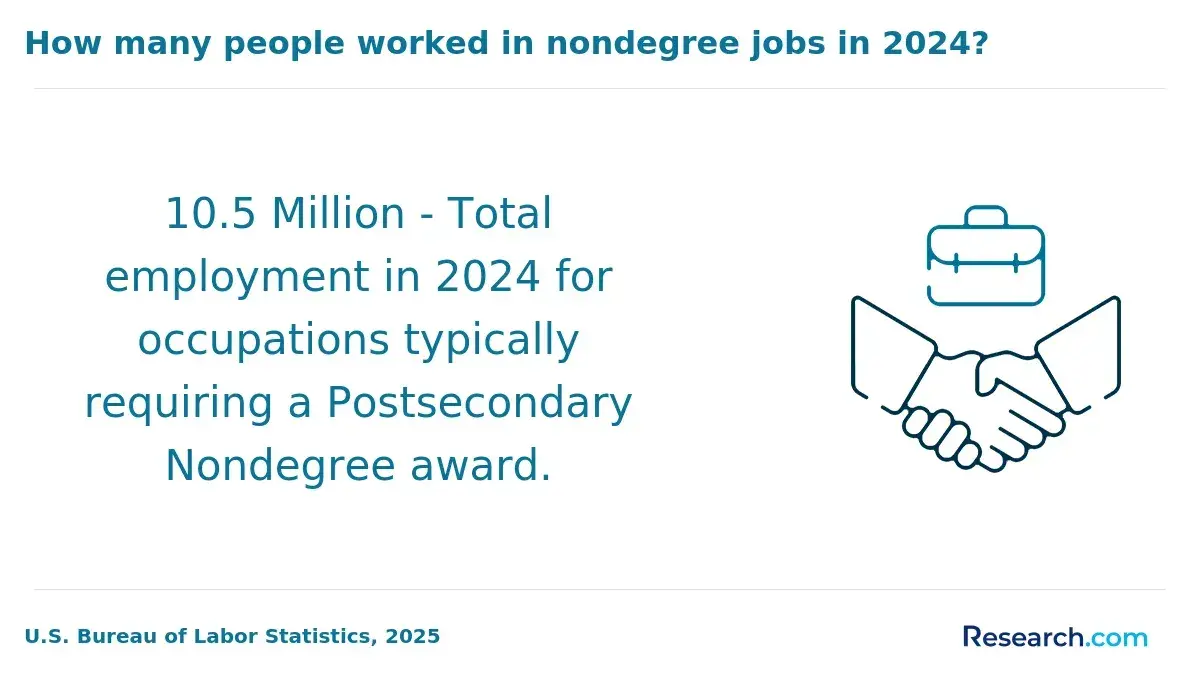
Specializations offered typically respond to shifting workforce demands and include areas such as behavioral health integration, dual diagnosis treatment, and clinical addiction counseling, which correspond with steadily increasing job openings in substance abuse and mental health services, per recent Bureau of Labor Statistics assessments. Selecting a program based solely on the mere presence of a specialization risks overlooking whether the program's faculty possess the practical expertise necessary to meet employer expectations in these high-demand niches.
Specializations in online addiction psychology master's programs in the U.S. usually fall into three structural categories:
- Structure: Embedded concentration tracks integrate focused coursework within the core curriculum, minimizing extra credits and preserving time-to-degree; elective clusters allow broader choice but may extend completion time; add-on certification options often require additional credits and fees, increasing overall cost.
- Career Alignment: Highly sought-after specializations correlate with professions showing strong labor growth, including clinical addiction counseling and behavioral health roles, where evidence-based clinical training improves marketability.
- Faculty Expertise: Programs taught by instructors with verifiable real-world experience in chosen tracks significantly enhance the relevance of training and are more likely to gain recognition from licensing bodies and employers.
- Licensing and Certification Impact: Many concentrations do not satisfy licensure prerequisites in certain states, making it vital for students to verify compliance to avoid costly post-graduate remediation.
- Cost Considerations: Concentrations frequently add tuition via extra credits or premium fees for specialized practicum placements; a detailed financial comparison is essential to balance educational benefits against tuition investment.
Prospective students should also investigate how various models of specialization affect total program length and budget, especially when comparing admission offers. Combining this knowledge with comprehensive evaluations of program accreditation and per-credit pricing, alongside awareness of financial aid options, provides a more complete perspective for career and financial planning. For a deeper analysis of related healthcare administration programs with specialized accreditation, see cahme accredited MHA programs.
How Do Online Addiction Psychology Master's Programs at U.S. Universities Compare in Format-Synchronous, Asynchronous, and Hybrid Delivery?
Choosing among asynchronous, synchronous live-online, and hybrid delivery formats for online Addiction Psychology master's programs requires weighing distinct trade-offs in flexibility, engagement, and cost that directly influence student success and career preparation. The format affects not only access to instructors and peer interaction but also financial outlay and logistical feasibility, especially for those managing complex work or family schedules.
- Asynchronous: Offers maximal schedule freedom by allowing students to complete coursework anytime without live meetings. This suits professionals juggling irregular hours or multiple time zones but limits immediate feedback and real-time discussion, which may hinder motivation and peer networking. Tuition tends to be lower since programs avoid costs tied to live faculty presence and technical infrastructure.
- Synchronous Live-Online: Requires students to attend scheduled video classes, fostering dynamic interaction with instructors and classmates, which many employers value for its closer replication of in-person learning. However, rigid timing can exclude those with shift work or challenging time-zone differences. These programs often carry higher tuition due to the need for continuous faculty engagement and sophisticated digital platforms.
- Hybrid: Combines online coursework with mandatory on-campus sessions, enhancing hands-on skill development and professional networking crucial in addiction psychology fields. Yet, travel demands increase expenses and complicate scheduling, which can be prohibitive for place-bound or caregiving students, offsetting some convenience of online delivery.
Prospective students should scrutinize program details beyond "online" labels, clarifying the frequency and nature of synchronous requirements, on-campus visit expectations, and technical support quality. This information is essential for anticipating hidden time commitments, financial burdens, and the fit with personal circumstances.
One graduate recalled the challenge of navigating rolling admissions while balancing a full-time job. With several schools providing vague timelines for accepting candidates, uncertainty complicated decisions about which synchronous program could realistically accommodate his irregular hours. Ultimately, he prioritized a fully asynchronous option to avoid potential scheduling conflicts that could disrupt his work, even though he knew it would reduce live interaction opportunities.
What Is the Average Cost per Credit Hour for Online Addiction Psychology Master's Programs, and How Does It Differ Across Institution Types?
The average cost per credit hour for online addiction psychology master's programs illustrates significant financial tradeoffs that shape educational choices and career mobility, particularly for working professionals balancing tuition investment with labor market outcomes. Public universities consistently offer the lowest rates-averaging between $350 and $550 per credit hour for in-state students-making them a common choice for those with geographic ties who seek to minimize debt.
However, out-of-state tuition premiums can increase these costs by 25% to 75%, sometimes narrowing the affordability advantage versus private institutions. This disparity affects many career changers and place-bound students evaluating cost-quality balances.
- Public Universities: Lowest sticker prices for residents, crucial for financially pragmatic students focused on return on investment within state healthcare systems.
- Private Nonprofit Institutions: Charge between $700 and $1,200 per credit hour, reflecting resource intensity and faculty expertise; net cost reductions through scholarships may offset sticker prices but require upfront research and application.
- Private For-Profit Schools: Comparable or higher prices ranging from $700 to $1,300 per credit hour, sometimes obscured by embedded fees that complicate budget planning.
- Residency and Fees: Residency impacts public university pricing significantly but less so private schools; additional fees for technology, licensing prep, or practicum coordination ranging $50 to $150 per credit hour can add substantial unanticipated costs.
- Sticker Price vs. Actual Cost: Published per-credit rates are baseline figures often detached from net expenses after factoring financial aid, employer tuition assistance, or federal support.
- Contextual Use: Per-credit cost serves as a starting point only-total financial commitment depends on program length, ancillary fees, potential aid, and realistic completion timelines.
Given that timing and program admission cycles influence enrollment decisions-data from recent years shows a concentration of applications during specific windows aligning with workforce demand-prospective students should integrate cost per credit analysis with career outcome expectations, regulatory licensing prerequisites, and strategic educational financing. This approach steers clear of simplistic dollar comparisons and anchors decisions in long-term professional viability.
For those curious about comparative compensation dynamics influencing career moves, exploring how much do pharmaceutical reps make may provide additional labor market perspective useful for evaluating sector-specific salary benchmarks and career planning.
How Do In-State and Out-of-State Tuition Policies Apply to Online Addiction Psychology Master's Programs, and Which Schools Offer Flat Residency-Neutral Rates?
In-state versus out-of-state tuition policies for online addiction psychology master's programs have historically reflected state funding priorities, often creating pronounced cost gaps that influence student decisions more than program quality or career outcomes. For example, a working professional relocating to another state may face a significant tuition premium unless the school employs a flat, residency-neutral tuition model. This shift toward uniform pricing acknowledges the increasing irrelevance of geographic boundaries in online learning and the need to reduce financial barriers for nonresident students balancing career transitions or personal constraints.
Many regionally accredited public universities offering online addiction psychology master's degrees now apply flat per-credit tuition rates that do not vary by residency, simplifying budgeting and expanding access for place-bound or career-changing learners. Conversely, some institutions retain traditional differential tuition, which can reduce enrollment diversity and place heavier financial burdens on out-of-state students, potentially limiting their long-term workforce mobility given the degree investment involved.
Regional tuition reciprocity agreements such as WICHE, SREB, and the Midwest Student Exchange Program partially mitigate these discrepancies by extending discounted tuition to qualified out-of-state students at participating universities. Nevertheless, students must verify current tuition policies directly with bursar or financial aid offices, as these rates and residency definitions can change frequently and are not always transparently marketed.
- Flat-Rate Tuition: Uniform per-credit fees charged to all online students regardless of residency improve clarity and equity in cost planning across programs.
- Traditional Differential Rates: Legacy pricing models impose higher tuition for out-of-state students, often discouraging applicants who must weigh affordability against program quality.
- Reciprocity Agreements: Participation in WICHE, SREB, or Midwest Student Exchange allows eligible nonresident students to access in-state or near in-state tuition benefits.
- Verification Essential: Because tuition policies evolve, direct confirmation with program offices is critical to accurate cost assessment before enrollment decisions.
- Program Selection Impact: Understanding residency-neutral versus differential models matters substantially in cost-effectiveness over a 30-40 credit program, influencing long-term debt load and return on investment.
Working professionals and recent graduates assessing online addiction psychology master's programs should integrate tuition considerations alongside admission requirements, accreditation, and license recognition, as part of a comprehensive evaluation of program value and workforce alignment. For practitioners seeking an affordable online transition to addiction psychology, comparing flat residency tuition rates for online addiction psychology master's degrees can reveal practical financial advantages.
For those exploring alternative graduate options, research on what is the easiest NP program offers useful insight into related healthcare pathways, illustrating the tradeoffs between program length, accreditation, and credentialing demands in similarly regulated fields.
What Mandatory Fees and Hidden Costs Are Added to Tuition for Online Addiction Psychology Master's Programs?
Evaluating online addiction psychology master's programs requires recognizing that tuition is only one piece of the financial picture. Mandatory fees and hidden costs can substantially increase a student's total out-of-pocket expenses, often doubling the published per-credit rates.
For example, a working professional balancing full-time employment and graduate study might choose a program with lower tuition, only to face unexpectedly high technology and proctoring fees that extend the time and cost to completion-directly impacting their return on investment and earning trajectory in a labor market where many addiction counselors earn between $45,000 and $65,000 annually, according to recent workforce data.
These additional costs vary by institution, program structure, and state-specific licensing demands, particularly for those requiring practicum or clinical placements. Prospective students should consider the following common fees:
- Technology Fees: Charged per semester or credit hour, these fees cover access to learning platforms and IT support, totaling several hundred dollars across the program.
- Program Fees: Administrative or course-specific charges often add a few hundred dollars per term.
- Student Services Fees: Mandatory fees for counseling, career, and library services can reach several hundred dollars each year.
- Graduation Fees: One-time expenses of $50 to $200 for diploma and commencement processing.
- Liability Insurance: Essential for practicum placements, costing from $50 up to over $200, depending on coverage requirements.
- Background Checks: Required before field placements, generally costing $30 to $100.
- Proctoring Fees: Remote exam supervision fees of $25-$50 per exam can accumulate over multiple assessments.
- Required Software and Textbooks: Specialized, current materials can cost several hundred dollars per term.
- Licensing Exam Preparation: Post-graduation materials or prep courses add several hundred dollars for certification readiness.
Choosing the lowest advertised tuition without accounting for these expenses risks underestimating total costs and can affect financial planning and timing of licensure. Candidates exploring quick degrees that pay well should reach out to current students or recent graduates to gain realistic insights into all fees and hidden charges before enrolling in any online addiction psychology master's program.
What Graduates Say About Online Addiction Psychology Master's Programs at Accredited U.S. Universities
- Major: "Balancing full-time work with my addiction psychology master's studies was a challenge, but the program's flexibility was the key factor in my decision to enroll. I was particularly focused on gaining practical skills quickly, so I sought out an internship early on, which greatly improved my candidacy. After graduating, I found that employers valued my hands-on experience more than my licensure status, although I still face some salary growth limits without full license credentials."
- Douglas: "Financial constraints forced me to pick an online addiction psychology program that fit my budget rather than prestige, which made me cautious at first. However, the curriculum's emphasis on portfolio development and remote practicums helped me stand out when applying for roles. The reality is that many positions require certifications or direct experience beyond the degree, so I continue to pursue additional credentials to remain competitive in what feels like a crowded job market."
- Ezra: "After pivoting from social work, I chose an online master's focused on addiction psychology because I needed a shorter program that allowed me to keep working. While I initially expected faster advancement, I realized that many employers prefer candidates with in-person internships, which are harder to secure remotely. Nonetheless, the program helped me transition to a specialist role, though I'm aware I'll need ongoing education and licensure to break into senior clinical positions."
Other Things You Should Know About Addiction Psychology Degrees
Most accredited online addiction psychology master’s programs require 300 to 600 supervised practicum hours, often arranged in approved local sites. Students usually complete client-contact, case documentation, and supervision hours before graduation, and some programs require the placement site to be preapproved by the university.
Online addiction psychology master's programs in 2027 typically require between 30 to 60 credit hours for completion. These credit hours include core courses in addiction psychology, electives, and often a capstone project or practicum focused on real-world applications in addiction counseling.
For 2027, admission requirements typically include a bachelor's degree in psychology or a related field, a minimum GPA (often around 3.0), letters of recommendation, a personal statement, and sometimes GRE scores. Some programs also require relevant work experience or a professional resume.
Evaluation should move beyond cost and convenience to a detailed review of clinical placement opportunities, alumni employment statistics, and state licensure compatibility. Students must weigh how program structure supports hands-on learning and skill development critical to addiction psychology careers, especially given variable employer expectations for online degrees. Prioritize programs that offer strong practitioner mentorships and partnerships with treatment centers, as these significantly enhance job placement rates. Ignoring these qualitative factors in favor of price alone risks prolonged job searches and reduced career growth potential.
References
- Graduate Tuition Rates | Program Costs | Adler University https://www.adler.edu/admissions/tuition/
- Masters in Psychology and Counseling Accreditation Council | Council for Higher Education Accreditation https://www.chea.org/masters-psychology-and-counseling-accreditation-council
- How Long Does It Take to Become a Licensed Counselor? https://onlinecounselingprograms.com/become-a-counselor/how-long-does-it-take/
- How Predatory Master’s Programs Get Away With It https://washingtonmonthly.com/2024/08/25/how-predatory-masters-programs-get-away-with-it/
- Online Master's in Addiction Counseling | Hazelden Betty Ford https://www.hazeldenbettyford.org/graduate-school-addiction-studies/online-masters
- Compare Counseling And Psychology Accreditation https://www.accreditedschoolsonline.org/psychology/resources/accreditation/
- A Comparison of Cognitive and Social Presence in Online Graduate Courses: Asynchronous vs. Synchronous Modalities | Online Learning https://olj.onlinelearningconsortium.org/index.php/olj/article/view/3046
- Best Online Master's In Addiction & Recovery 2025 https://www.psychology.org/degrees/addictions-and-recovery/masters/
- Frequently Asked Questions about Accreditation - Canadian Psychological Association https://cpa.ca/accreditation/faq/
- Course Delivery Formats 101: Synchronous, Asynchronous, and Blended/Hybrid Learning Explained https://www.iacet.org/events/iacet-blog/blog-articles/course-delivery-formats-101-synchronous-asynchronous-and-blended-hybrid-learning-explained/