2027 Best Value Online Addiction Psychology Master's Degrees: Affordable Accredited Programs with the Highest ROI

Co-Founder and Chief Data Scientist
Choosing the best value online addiction psychology master's degree involves balancing cost, accreditation, and career impact. For many adult learners and career changers, flexible enrollment options are critical; recent data from the National Center for Education Statistics shows that over 40% of graduate students now study exclusively online, reflecting a growing shift toward accessible, self-paced education. This trend highlights the increasing importance of programs that deliver recognized credentials without sacrificing affordability or future employability. Understanding which accredited programs maximize return on investment helps prospective students avoid costly dead ends and align their education with evolving workforce demands and realistic career pathways.
Key Things to Know About the Best Value Online Addiction Psychology Master's Degrees
- Programs balancing affordability against accreditation often require careful tradeoffs between tuition cost and recognized licensure paths, shaping eligibility for specialized clinical roles in addiction psychology.
- Employers increasingly prioritize graduates from regionally accredited, CACREP-aligned online programs, signaling workforce demand for rigorously credentialed professionals despite uniform degree titles.
- With adult learner enrollment rising 45% since 2020 per NCES data, flexible admission policies enhance access but may extend time-to-degree, impacting total cost and career timing.
What Are the Best Value Online Addiction Psychology Master's Programs in the U.S.?
The best value online addiction psychology master's programs in the U.S. combine several critical factors: reasonable tuition costs, credible regional accreditation, strong graduation rates, and demonstrable post-degree salary increases. This holistic value concept helps differentiate programs that merely advertise affordability from those that effectively prepare students for workforce demands and licensure. For example, a working professional choosing a program with a primarily asynchronous format but lower tuition may gain scheduling flexibility while trading off opportunities for synchronous peer interaction. Conversely, programs with synchronous components might foster stronger cohort engagement but require commitments that can complicate balancing work and study.
Below are five standout affordable accredited addiction psychology master's degrees with high ROI offered fully online, arranged from lowest to highest tuition so prospective students can weigh financial and operational priorities against educational benefits:
- University of Memphis: Estimated tuition $15,000; asynchronous delivery; distinguished by its strong focus on evidence-based counseling and comprehensive practicum options.
- Walden University: Estimated tuition $22,000; primarily asynchronous with some live sessions; notable for its extensive specialization tracks within addiction psychology that enhance employability.
- Capella University: Estimated tuition $25,000; fully asynchronous; offers competency-based progression allowing accelerated completion for qualified students.
- Regent University: Estimated tuition $28,500; mostly asynchronous with optional weekly live discussions; stands out for integrating Christian counseling perspectives alongside clinical training.
- Adler University: Estimated tuition $34,000; synchronous format; emphasizes social justice frameworks in addiction studies, preparing graduates for diverse community settings.
- Accreditation: All listed programs hold regional accreditation and meet CACREP or equivalent counseling standards appropriate for addiction psychology.
- Graduation Rate: These universities report 60-80% graduation rates for their online master's cohorts, reflecting balanced rigor and support.
- Post-Degree Salary Lift: Data from institutional surveys and IPEDS indicate a median 20-30% increase in income within two years of program completion.
- Delivery Format Variation: Asynchronous formats predominate to accommodate working students, but some programs offer hybrid synchronous options for enhanced interaction.
- Tuition Figures: Presented costs reflect current academic year estimates including fees, but exclude additional expenses like textbooks or licensing exam fees.
This analysis draws from 2024 institutional reporting and federal educational data, consolidating key indicators relevant to first-generation graduate students, working professionals, and career-changers. Those seeking transparent cost-to-value decisions will also find it useful to consider complementary certificates or medical coding classes for multidimensional skill building alongside addiction psychology credentials.
What Accreditations Should an Online Addiction Psychology Master's Program Have?
Choosing an online addiction psychology master's program without prioritizing proper accreditation can lead to expensive, time-consuming setbacks that limit career mobility and licensure eligibility. For instance, a graduate who enrolls in a nationally accredited-only program may find it difficult to transfer credits or secure positions requiring recognized credentials, undermining long-term return on investment.
The accreditation landscape for addiction psychology programs involves two distinct levels. First, regional institutional accreditation-granted by one of the seven recognized accreditors such as the Higher Learning Commission (HLC), Southern Association of Colleges and Schools Commission on Colleges (SACSCOC), or Middle States Commission on Higher Education (MSCHE)-forms the essential baseline. This accreditation validates the institution's overall educational standards, supports federal financial aid eligibility, and facilitates credit transfer, which is crucial for students pursuing further education or shifting programs mid-course. Employers also tend to view degrees from regionally accredited institutions as more credible and academically rigorous compared to those with only national accreditation.
Second, addiction psychology programs should possess programmatic or field-specific accreditation to confirm curriculum relevance and professional alignment. The Council for Accreditation of Counseling and Related Educational Programs (CACREP) is especially pertinent given the counseling overlap in addiction psychology curricula, influencing licensure attainment and clinical credibility. Other accreditors like AACSB or CEPH are less relevant here and should not be prioritized over mental health-specific recognitions. Programs lacking recognized regional or programmatic accreditation present red flags and may limit a graduate's clinical licensure prospects and employer acceptance.
Prospective students should verify accreditation rigorously by asking admissions representatives these critical questions:
- Regional Accreditation: Is the institution accredited by a recognized regional body, ensuring transferability and employer trust?
- Programmatic Accreditation: Does the addiction psychology program hold proper field-specific accreditation such as CACREP?
- Accreditation Documentation: Can the school provide verifiable proof of current and valid accreditation status?
- Red Flags: Has the program been accredited solely by less recognized national agencies or unaccredited entities?
How Much Does an Online Addiction Psychology Master's Degree Cost on Average?
The total cost of an online addiction psychology master's degree fluctuates based on institution type and residency, but a typical range spans from moderate to substantial financial investment. Public universities usually offer programs with per-credit costs that translate into lower overall tuition-especially for in-state students-while private nonprofit universities charge higher rates that can push expenses noticeably upward. Many accredited programs now employ flat tuition fees for online learners, removing residency as a factor but potentially obscuring other hidden expenses that affect the final price tag.
Tuition Range: Public universities generally provide more affordable tuition per credit compared to private counterparts, though out-of-state students may face higher costs unless a flat-rate tuition policy applies. Average total program costs reflect these differences and are often reported on institutional websites or via IPEDS data.
Additional Fees: Beyond base tuition, students should budget for mandatory technology, instructional, and resource fees that cumulatively add significant expenses often not highlighted in marketing materials.
Thesis or Capstone Fees: Some programs impose extra charges for major final projects, including fees for registration, proctoring, or submission services, which can surprise those unfamiliar with these embedded costs.
Residency Requirements: Although many online programs boast full remote completion, a subset still requires brief in-person residencies, introducing travel and lodging expenses that can strain budgets.
Cost Implications: First-generation graduate students and career-changers must weigh these layered costs carefully against anticipated outcomes, as programs with higher tuition do not necessarily guarantee stronger market value. Practical considerations about program length, accreditation, and specialized coursework often influence total expenditures and should factor into decision-making.
- Public University Average: Lower tuition per credit with potential out-of-state premiums; possible flat-rate tuition reducing complexity.
- Private/Nonprofit Average: Generally higher per-credit cost; often more specialized faculty or support but increased financial outlay.
Understanding the nuanced cost structures helps students identify affordable accredited addiction psychology master's degrees online that balance academic quality with financial feasibility. Career outcomes hinge not just on tuition but on hidden fees and program design.
For individuals considering related healthcare roles, analyzing medical coding pay alongside degree expenses can provide additional perspective on total career investment and expected returns.
What Is the Return on Investment (ROI) of an Online Addiction Psychology Master's Degree?
Evaluating the financial return of an online addiction psychology master's degree requires more than a simple cost-benefit calculation; it is a matter of analyzing how salary gains compare to program expenses over time. Return on investment (ROI) here measures the salary increase after graduation minus the total cost of the degree, divided by that cost, expressed either as a percentage or by the number of years needed to recover tuition and fees. For many, this payback period frames whether pursuing the degree is a sound financial decision.
Data from the Bureau of Labor Statistics estimates median salaries in addiction counseling-related roles to increase from around $47,000 before earning the degree to between $65,000 and $75,000 afterward. Given that online program costs fluctuate widely-from $15,000 to $40,000-the timeframe to recoup expenses can vary from under two years to more than five. This variation highlights the importance of tailoring choices based on one's circumstances and the program's attributes.
- Work Experience: Candidates with prior relevant experience often see faster salary growth post-degree, reducing ROI timelines.
- Institution Prestige: Degrees from well-recognized or accredited schools can enhance employability and salary prospects.
- Regional Demand: Geographic areas facing severe addiction treatment shortages typically offer higher salaries and more openings.
- Specialization: Focusing on niches such as adolescent addiction or co-occurring disorders may boost earnings but could also limit job opportunities.
- Non-Monetary ROI: Factors like increased job security, eligibility for promotions, and career flexibility are vital but harder to quantify financially.
One recent graduate reflecting on their decision recalled navigating a rolling admission process that delayed acceptance notifications for weeks. They hesitated to commit early due to uncertainty about financial aid and balancing family obligations but ultimately found the program's flexible pacing and reputation aligned well with their career goals. That cautious timing, although stressful, allowed them to secure resources and prepare adequately before enrollment, influencing how they perceived the degree's value beyond just salary considerations.
What Are the Admission Requirements for an Online Addiction Psychology Master's Program?
Admission to an online addiction psychology master's program often hinges on a combination of academic benchmarks and evidence of practical readiness, with standards varying widely across institutions. For example, a working professional with a 2.9 GPA may still gain admission by showcasing relevant clinical experience and strong recommendations, illustrating how programs increasingly weigh holistic qualifications.
Typical requirements include:
- Undergraduate GPA: Most programs prefer candidates with around a 3.0 GPA, though exceptions exist based on overall applicant strength and experience.
- Letters of Recommendation: Usually two or three are needed, ideally from academic or professional references who can attest to graduate-level potential and suitability for addiction psychology's demands.
- Statement of Purpose: Applicants must articulate clear motivations and relevant experiences, aligning their goals with the field's practical and research dimensions.
- Resume or CV: A current document highlighting relevant clinical, research, or work experiences proves crucial, particularly in competitive applicant pools.
- Prerequisite Coursework: Foundational classes in psychology, biology, or statistics are often required to ensure preparedness for specialized graduate study.
- Standardized Tests: GRE or GMAT are commonly optional or waived, reflecting a broader shift to reduce barriers for nontraditional candidates.
- Quantitative Competency: Programs treating addiction psychology within STEM frameworks may demand demonstrated skills in data analysis or research methods.
Because admission requirements and competitiveness vary significantly, applicants-especially those balancing work or from underrepresented backgrounds-should strategically apply to a mix of reach, match, and safety programs to optimize acceptance chances while maintaining realistic expectations about program affordability and career return on investment.
What Is the Minimum GPA Requirement for a Addiction Psychology Master's Program?
A realistic appraisal of the minimum GPA requirement for an addiction psychology master's program reveals meaningful distinctions between the baseline for eligibility and the academic competitiveness of admitted cohorts. Most accredited online addiction psychology master's programs typically enforce a minimum undergraduate GPA of 2.75 to 3.0. This range represents the threshold below which applicants generally face disqualification unless offset by other merits. However, programs with selective admissions often report average enrolled GPAs closer to or above 3.2, reflecting a profile more aligned with sustained academic achievement and preparedness for graduate-level rigor.
For instance, a working professional with a GPA of 2.8 but extensive relevant clinical or research experience might secure admission through conditional acceptance or a waiver, provided they demonstrate competencies in other domains. In contrast, an applicant relying solely on GPA who falls short of a 3.2 competitive average may struggle in more competitive programs, underscoring the practical tradeoff between credentials and holistic evaluation.
- Minimum GPA Requirements: Most programs require an undergraduate GPA ranging from 2.75 to 3.0 as a foundational eligibility criterion.
- Competitive GPA Profiles: Competitive programs typically expect a 3.2 GPA or higher, which mirrors the academic quality of their admitted classes.
- GPA Waivers: At many programs, GPA requirements may be waived if applicants provide strong professional experience, relevant portfolio work, or acceptable standardized test scores.
- Conditional Admission: Students with below-threshold GPAs might still gain provisional or conditional admission, often contingent on completing prerequisite coursework or demonstrating other competencies during their studies.
- Holistic Review: Admissions committees consider multiple factors beyond GPA, including work experience, recommendations, personal statements, and related skills, making GPA only one element of the broader admission profile.
Prospective students evaluating the minimum GPA requirement for online addiction psychology master's programs should also examine how these factors align with long-term workforce demands and employability. Given the diverse pathways into this field, applicants who complement their academic record with hands-on experience or targeted skill development may better position themselves for admission and career advancement. For a broader perspective on online degree options that balance affordability and academic credibility across health-related disciplines, consider reviewing resources on the exercise science online degree, which shares some admission and workforce considerations relevant to addiction psychology graduate programs in the US.
What Financial Aid Options Are Available for Online Addiction Psychology Master's Students?
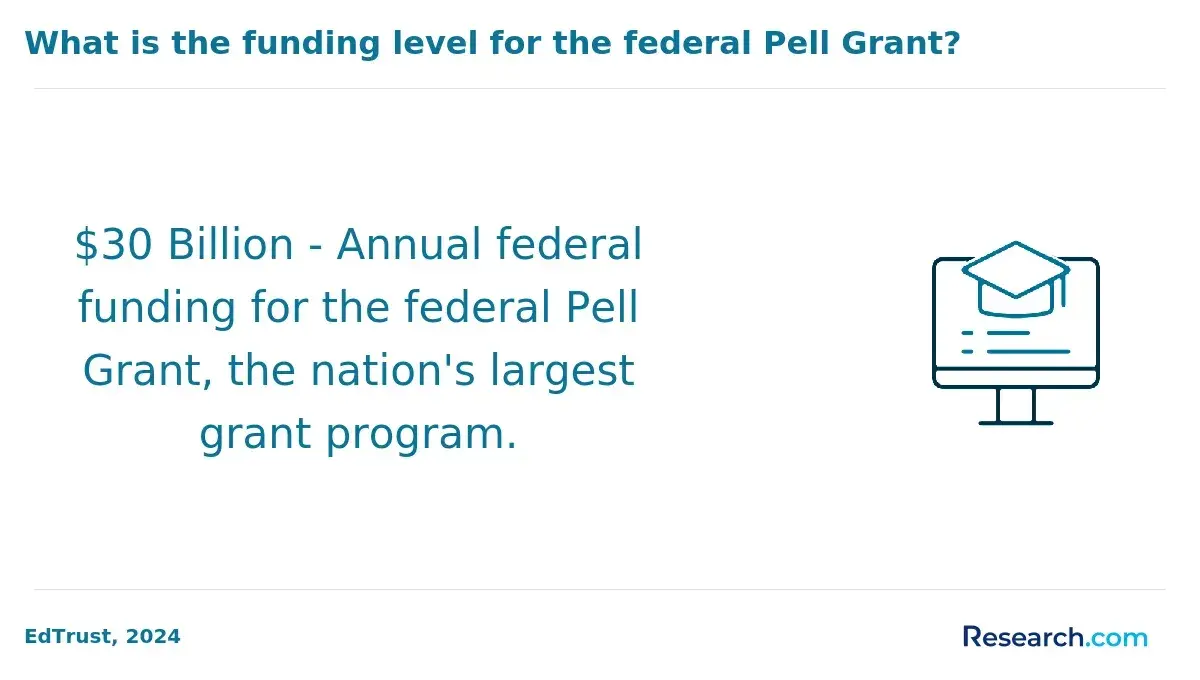
Graduate students pursuing an online addiction psychology master's often face a distinct financial aid landscape compared to undergraduates, with no access to federal grants like Pell Grants-a common surprise that can affect budgeting strategies. Funding typically requires blending multiple sources, each carrying implications for debt management and employment choices after graduation.
- Federal Loans: Direct Unsubsidized Loans provide initial support but begin accruing interest immediately, while Graduate PLUS Loans offer higher limits with credit checks, demanding careful repayment planning.
- Institutional Scholarships and Fellowships: Though less frequent for online students, these merit- or need-based awards can alleviate tuition burdens but require anticipatory applications and sometimes prior academic records.
- Employer Tuition Reimbursement: Many working students tap into this option, though it often involves conditions like maintaining specific grades or job retention, which can influence career moves during study.
- Graduate Assistantships: Available in fewer online settings, assistantships offer paid roles with research or administrative duties, combining financial relief with resume enhancement.
- External Scholarships: Professional organizations related to addiction psychology issue competitive grants often targeting underrepresented groups or career changers, adding both funding and field recognition.
- FAFSA and Student Aid Index: Graduate applicants file FAFSA similarly to undergraduates, but eligibility hinges on the Student Aid Index, reflecting a more precise expected family contribution, emphasizing early, accurate submission.
- Maximizing Aid Tips: Early applications, targeted research on discipline-specific scholarships, negotiation of aid packages when possible, and exploring state grants for residents-even for online studies-can substantially improve financial outcomes.
One graduate recalled waiting anxiously after submitting applications late in a rolling admission cycle; their employer's reimbursement approval was uncertain until the final acceptance letter arrived. This delay forced a last-minute scramble to secure additional loans and external scholarships. The experience underscored the importance of early, coordinated financial planning and proactive communication with both the program and employer to avoid funding gaps that could stall enrollment or increase reliance on costly loans.
How Long Does It Take to Complete an Online Addiction Psychology Master's Degree?
- Credit Hour Requirements: Most programs require between 30 and 45 credit hours, with total workload directly impacting duration.
- Course Load Per Semester: Taking more credits accelerates degree completion but may strain work-life balance and professional obligations.
- Transfer Credits: Accepting prior graduate coursework credits can shorten time to degree and reduce tuition costs.
- Program Scheduling: Cohort-based scheduling enforces fixed timelines, while self-paced tracks offer flexibility that can hasten or prolong completion depending on discipline and discipline-related motivation.
- Accelerated Options: Some programs permit completion in as little as 12 months; although faster paths appeal to career-changers eager for quick workforce entry, accreditation and employer credibility weigh more heavily than mere speed.
- Thesis or Capstone Projects: Required research components may extend study by one or two semesters, with variability affected by student initiative and faculty support availability.
A realistic time frame is crucial because prospective students who underestimate program length may face financial strain or career interruptions. For example, many employers prioritize applicants with accredited degrees demonstrating mastery and practical skills rather than those who finished rapidly without thorough training. This is particularly significant given recent workforce trends showing increasing demand across healthcare systems for well-qualified addiction specialists. Additionally, integrating advanced clinical roles, such as a functional nurse practitioner, often requires complementary credentials beyond the addiction psychology degree itself, influencing total career preparation time.
What Specializations or Concentrations Are Available in Online Addiction Psychology Master's Programs?
Choosing a concentration within online addiction psychology master's programs fundamentally shapes career pathways and earning potential. For example, a student focusing on clinical counseling may secure roles in treatment centers managing substance use disorders, whereas one selecting policy and advocacy might gravitate toward influencing public health initiatives. This distinction underscores the need for deliberate specialization aligned with market demand and personal career goals. Programs vary; some offer a flexible general track with elective breadth, while others require early commitment to a specialization, narrowing educational focus but potentially enhancing expertise and job readiness.
Common concentrations across accredited online addiction psychology master's degree programs in the United States include:
- Clinical Counseling: Therapeutic skills for treating addiction and co-occurring mental health conditions.
- Behavioral Health: Strategies for assessing and intervening with diverse populations facing addiction.
- Health Promotion and Prevention: Development of community-based programs to reduce substance abuse.
- Neuroscience and Pharmacology: Examination of addiction's biological basis and drug effects on brain function.
- Family and Systems Therapy: Addressing family dynamics and social factors in recovery processes.
- Policy and Advocacy: Training to shape addiction treatment policies and improve care access.
- Trauma-Informed Care: Approaches targeting the intersection of trauma and substance use disorders.
- Research and Evaluation: Skills for conducting empirical research and outcome assessments in addiction psychology.
Prospective students should analyze job postings tied to their target roles, identifying which specializations employers prioritize. This approach helps ensure alignment with labor market realities and maximizes long-term employability and salary growth. Not all concentrations carry the same weight, so consultations with program alumni or academic advisors provide crucial insight before final decisions. Those exploring advanced degrees may also consider complementary pathways such as online counseling PhD programs for deeper specialization or research-oriented careers.
- Accrediting Bodies: Programs typically hold accreditation from entities like CACREP and COAMFTE, confirming educational rigor and professional relevance.
- Program Structure: Emphasis on practicum aligned with chosen concentrations enhances real-world skills and readiness.
- Career Outcomes: Graduates with targeted specializations often experience better job placements in clinical, policy, or research roles.
How Do Online Addiction Psychology Master's Programs Compare to On-Campus Programs in Quality and Recognition?
Employer acceptance of online addiction psychology master's degrees has shifted significantly as accreditation remains the primary signal of quality rather than delivery mode. Surveys from SHRM indicate that most hiring managers do not differentiate between online and on-campus degrees when both come from the same regionally accredited institution, particularly if the diploma omits any "online" designation. This underscores the practical reality that the institution's reputation and accreditation status often trump the modality of instruction in hiring decisions.
That said, on-campus programs still hold tangible advantages in certain respects-most notably face-to-face networking, access to campus career services, and direct engagement in clinical practicum settings. Addiction psychology, being a field with substantial hands-on training requirements, often benefits from local placement support that some online programs struggle to replicate fully. However, leading online programs increasingly deploy virtual networking platforms, employer partnerships, and brief in-person residencies to bridge this gap.
Prospective students should prioritize institutional standing and graduate outcomes over modality alone. Reviewing alumni career trajectories, such as LinkedIn profiles, offers concrete insights into employability in addiction psychology roles and salary outcomes. For instance, addiction counseling roles vary widely by region and specialization, but median salaries often range from mid-$40,000 to upwards of $70,000 annually depending on experience and setting, demonstrating the field's expanding healthcare relevance.
- Accreditation: The definitive factor equalizing online and on-campus credentials; regional accreditation drives employer confidence and licensure eligibility.
- Employer Perception: Most recruiters see degrees equivalently if from the same accredited institution, especially when diplomas do not specify the program format.
- Networking: On-campus formats enable direct peer and faculty engagement; online programs vary in success replicating this virtually.
- Practicum Access: Local clinical placements are often more seamless with campus-based resources, though many online programs coordinate regional opportunities.
- Virtual Innovations: Hybrid residencies and digital platforms increasingly provide essential experiential components online.
- Program Reputation: Institution prestige and alumni success often outweigh concerns about delivery method.
- Graduate Outcomes: Employment trajectory review provides real-world evidence of program return on investment and career viability.
What Graduates Say About the Best Value Online Addiction Psychology Master's Degrees
- Major: "Balancing a full-time job and family made me prioritize programs with flexible schedules and affordable tuition when choosing my addiction psychology master's. I went with one that offered strong remote coursework, which let me complete internships locally on my own time. While not licensed, I've been able to build a portfolio that's opened doors to case management roles, though I have to acknowledge that salary growth remains limited without pursuing further certification."
- Douglas: "After a mid-career pivot, I aimed to shift into addiction psychology but faced tight budget constraints and limited time to upskill. Selecting an accredited, cost-effective program that emphasized practical skills and supervised internships helped me land an entry-level counseling position. I found, however, that many employers still prefer experience or certifications over the degree alone, so I'm proactively pursuing additional credentials while leveraging the hands-on experience I gained."
- Ezra: "I chose an affordable, accredited online addiction psychology master's because I needed a fast track into the workforce without quitting my job. The program's strong focus on research methods and clinical frameworks has been invaluable, but realistically, I discovered that many advanced roles require licensure or extensive field hours. Still, the degree boosted my confidence and helped me secure a remote support specialist role, which offers room to grow alongside completing my licensure requirements."
Other Things You Should Know About Addiction Psychology Degrees
Graduates typically find roles in counseling, case management, or behavioral health support, but it's important to note that many clinical positions require additional licensure beyond the master's degree. Job placement rates may not fully reflect immediate clinical employment opportunities since the degree alone often serves as a foundation prior to certification or supervised hours. Prioritizing programs with integrated practicum or internship placements can improve market readiness, easing the transition from academic training to employment.
Beyond tuition, students often face expenses such as mandatory background checks, liability insurance, or fees for clinical placements that are not always included in published prices. Technology requirements like high-speed internet and specialized software may add to recurring costs, depending on the program's delivery platform. Understanding all ancillary expenses upfront can prevent financial strain and informs comparison shopping between programs.
In 2027, students pursuing online addiction psychology master's degrees can apply for federal student loans, grants, and scholarships specific to psychology studies. Many programs also offer financial aid packages tailored to their curricula, including assistantships and tuition discounts for eligible students.
Decision-makers should weigh program accreditation, alignment with required licensure paths, and practicum arrangements against personal factors like work schedule and financial constraints. Programs offering specialized tracks or dual certifications can increase employability but might extend time or cost. Prioritizing schools with transparent outcome data and strong employer connections helps ensure the degree supports intended professional trajectories rather than becoming a costly credential with limited applicability.
References
- Best Online Master's & Doctoral Programs In Psychology 2025 https://www.psychology.org/rankings/best-online-graduate-degree-programs/
- Master's in Addiction Studies https://www.ucumberlands.edu/academics/graduate/masters-addiction-studies
- Online Master's in Addiction Counseling | Hazelden Betty Ford https://www.hazeldenbettyford.org/graduate-school-addiction-studies/online-masters
- Is Your Addiction Counseling Program Accredited? Here's How to Know https://www.addiction-counselors.com/addiction-counseling-accreditation/
- Master in Counseling Psychology with Addiction Counseling https://www.montreat.edu/online/counseling-psychology-substance-abuse-addiction-counseling/
- Directory of Addiction Study Programs (DASP) - International Consortium of Universities for Drug Demand Reduction (ICUDDR) https://icuddr.org/education/directory-of-addiction-studies-programs/
- 2025 Most Affordable Online Master's in Substance Abuse Counseling Degrees https://www.onlineu.com/most-affordable-colleges/substance-abuse-counseling-masters-degrees
- Return on Investment For an Online Psychology Degree https://www.onlinepsychologydegrees.com/articles/return-on-investment-for-an-online-psychology-degree/
- Best Online Addiction Counseling Degrees 2025 https://www.affordablecollegesonline.org/degrees/counseling-programs/addiction-counseling/
- Does College Pay Off? A Comprehensive Return On Investment Analysis - FREOPP https://freopp.org/whitepapers/does-college-pay-off-a-comprehensive-return-on-investment-analysis/