2027 Best Online Degrees at Florida Gulf Coast University: Programs, Tuition, and Admissions

Co-Founder and Chief Data Scientist
In 2026, prospective students seeking online degrees will find Florida Gulf Coast University noteworthy for its focus on serving a diverse student body, including working adults and transfer students, through programs centered on health sciences, business, and education.
The university's commitment to comprehensive online offerings is underscored by its emphasis on flexible scheduling that accommodates nontraditional learners, supported by data indicating that over 30% of its student population engages in fully online study. This balance of targeted program strengths and adaptability positions FGCU as a practical option for those prioritizing both career relevance and educational access.
Choosing the right online degree involves assessing factors beyond program availability, such as course pacing, tuition costs, and admissions criteria-all of which can vary significantly. Additionally, evaluating student support resources, transfer credit policies, and potential career outcomes is essential to avoid common pitfalls like extended program timelines or unexpected financial burdens.
This article provides a framework to help prospective FGCU students navigate these complexities, drawing on institutional data and broader educational research to highlight considerations that impact long-term success in online learning environments.
Quick Facts About Florida Gulf Coast University Online Degrees
- Florida Gulf Coast University charges an average total tuition of $28,032, which places it in a moderate cost range for public universities offering online degrees; prospective students should consider this in relation to potential financial aid and the long-term return on investment, especially when comparing with other regional or online programs.
- The institution maintains an average entrance difficulty for transfer students and has notably flexible credit transfer policies, including acceptance of ACE recommendations, CLEP subject and general exams, and DSST/DANTES credits; this approach benefits working adults or career changers seeking to leverage prior learning and accelerate degree completion while minimizing redundant coursework.
- FGCU's online degrees emphasize career-relevant fields such as nursing, business, IT, teaching, and healthcare, with many programs leading directly to licensure or industry certifications; this focus supports students aiming for clear professional advancement, but applicants should verify specific program accreditation and licensure prerequisites to ensure alignment with their career goals.
Is Florida Gulf Coast University a Good School for Online Degrees?
Common assumptions suggest that public universities always offer expansive online options and high national prestige, but Florida Gulf Coast University (FGCU) reflects a more nuanced reality. FGCU prioritizes accessible, regionally relevant education with small class sizes and personalized faculty engagement, serving around 16,000-17,000 students with a significant portion enrolled online.
Its public status ensures lower tuition for in-state students and diverse enrollment, which benefits working adults and transfer learners in Southwest Florida. However, the university's online program range remains narrower than larger institutions, limiting highly technical or research-intensive options.
FGCU holds credible accreditation including regional SACSCOC and specialized business and nursing accreditations, reinforcing academic legitimacy. Based on our research, this places FGCU solidly as a mid-tier choice nationally but with strong local recognition, fitting for students valuing a supportive, personalized environment over broad brand prestige or extensive offerings.
Practical Implications for Online Learners
Prospective students should weigh FGCU's smaller scale and regional focus against their academic and career goals. Online learners who seek comprehensive advising and community engagement will find FGCU's approach advantageous, but those needing extensive global networking or top-tier research resources might encounter limitations.
The university's integration of online and campus resources supports a well-rounded experience, though service options may not match mega-universities dedicated solely to distance education.
Positioning in Affordability and Growth
As online education continues to evolve, FGCU maintains steady growth while ensuring affordability for many local students. This balance appeals in particular to those exploring Florida Gulf Coast University online degree programs 2026 as a practical yet credible pathway.
For learners concerned about cost-effective doctoral routes, FGCU complements regional options such as the cheapest doctoral programs available nationally, enhancing overall educational value.
One recent graduate recalled choosing FGCU after juggling full-time work and family responsibilities. They appreciated the modest online class sizes that allowed direct interaction with faculty, describing it as "the kind of personal academic attention that kept me motivated."
Though initially uncertain about the program's reach, they found the regional network and practical coursework well suited to their community-focused career. They noted, "FGCU wasn't about the flashiest reputation but gave me the tools and support to make real progress balancing my busy life and education."
What Online Degree Programs Does Florida Gulf Coast University Offer?
Florida Gulf Coast University (FGCU) structures its online degree programs primarily around bachelor's and master's-level offerings, reflecting a strategic focus on advanced academic credentials rather than shorter-term associate degrees.
This operational emphasis means students seeking foundational or entry-level online associate degrees may find limited options, but those aiming for career advancement through specialized bachelor's or graduate programs have access to a varied array of choices.
Our research indicates FGCU's bachelor's portfolio spans key workforce sectors such as business, health sciences, education, and technology, with customizable concentrations in areas like management and healthcare administration.
These programs support diverse learners, from transfer students to working professionals seeking skill enhancement.
Bachelor's and Master's Degrees Tailored to Workforce Needs
The university's bachelor's degrees include business administration with majors in management and accounting, health sciences with a public health focus, education pathways incorporating teacher certification, and IT and computer science disciplines.
At the graduate level, FGCU blends professionally oriented programs-such as the MBA and a Master of Social Work-with select research-focused tracks, like environmental studies, allowing for specialization and industry-aligned certifications.
This layered program design reflects a practical balance of foundational knowledge and career-ready competencies, particularly suited for mid-career professionals targeting niche markets.
Limitations and Supplementary Credentials
While FGCU does not currently offer fully online doctoral degrees, it supplements degree pathways with online certificates in business analytics, healthcare compliance, and data management, which serve as flexible options for rapid workforce skill building.
Our analysis shows that popular online majors, including business administration and health sciences, align closely with regional labor demands, signaling FGCU's commitment to delivering programs that mirror real employer needs in Southwest Florida and beyond.
How Do Online Classes Work at Florida Gulf Coast University?
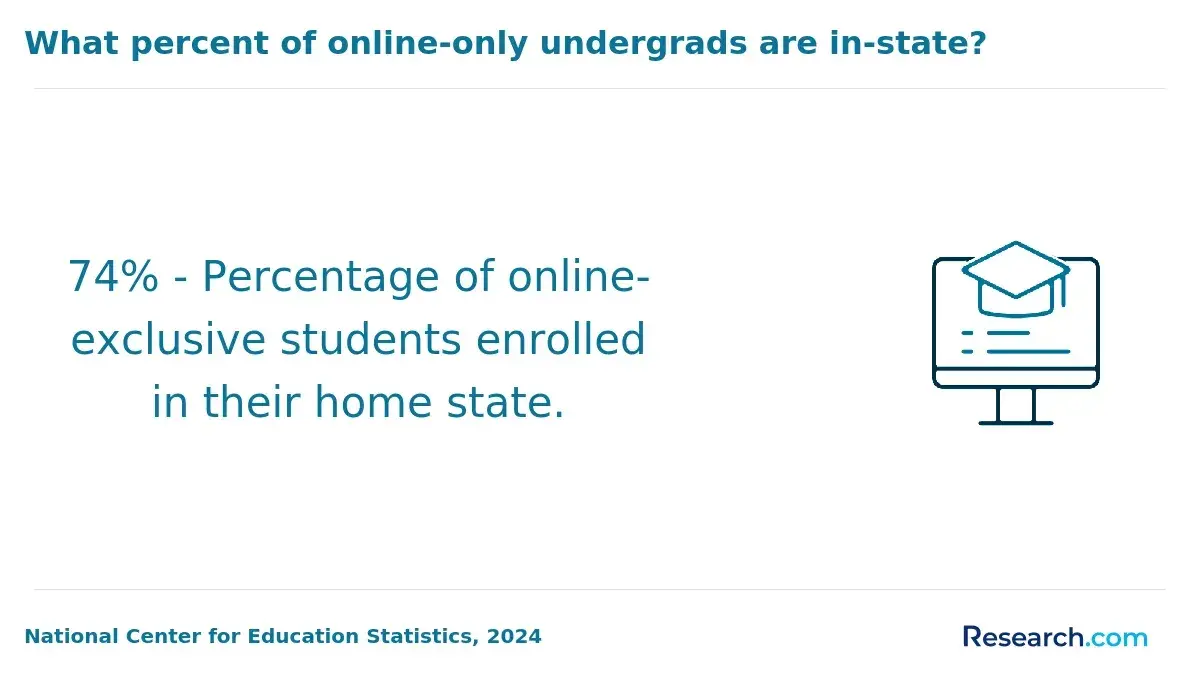
Florida Gulf Coast University's online classes primarily rely on asynchronous formats, offering flexible access to lectures, discussion boards, and assignments, which suits students managing work and family responsibilities.
However, some courses include scheduled synchronous sessions via Zoom to support real-time interaction, though these can prove challenging for students with irregular hours. FGCU supports both part-time and full-time online enrollment, allowing students to tailor their course load and pace, but accelerated terms demand intense weekly commitment, which may not fit all schedules.
Online courses are delivered through the Canvas LMS, integrating tools for communication, video conferencing, and mobile accessibility, enabling students to study remotely and on the go.
Despite this flexibility, certain disciplines require in-person internships or labs, which may limit options for fully remote learners. FGCU's acceptance of transfer credits and standardized exams facilitates smoother entry for transfer students.
Overall, the university's online model emphasizes student self-management and accountability within a structure that balances flexibility with essential engagement and practical requirements.
How Long Does It Take to Complete an Online Degree at Florida Gulf Coast University, and Can Transfer Credits Speed It Up?
Students aiming to complete an online degree at Florida Gulf Coast University should expect timelines that vary considerably by degree level and enrollment status, with transfer credits playing a pivotal role in acceleration. Online associate degrees typically require around 60 credits and take two years full-time or three to four years part-time.
Bachelor's degrees, spanning 120 to 128 credits, generally need four years full-time, but degree-completion options designed for transfer students can reduce this to one or two years if they meet FGCU's 30-to-36 credit residency requirement.
Part-time enrollment often extends bachelor's degree timelines beyond five years. Master's programs usually take one to two years full-time, with accelerated 7-week courses and multiple start terms further shortening duration.
Our research shows that leveraging transfer credits-accepted up to 90 credits for bachelor's degrees at FGCU-is among the most effective strategies to reduce time-to-degree and manage workloads effectively.
Impact of Enrollment and Accelerated Options
Full-time enrollment (12+ credits per term) consistently expedites graduation, whereas part-time pacing (6-9 credits) allows greater flexibility but lengthens completion time.
FGCU offers multiple annual start dates and compressed 7-week course formats, enabling motivated students to accelerate progress through continuous enrollment and heavier course loads. These mechanisms help balance rigorous schedules with professional and personal responsibilities common among online learners.
Transfer Credits and Degree Completion
Efficiently applying transfer credits is critical for students targeting an accelerated pathway at FGCU. By accepting up to 90 transfer credits toward bachelor's degrees, the university allows students to bypass a significant portion of lower-division coursework, focusing on concentrated upper-division classes during residency.
This policy, combined with institutional advising and flexible scheduling, supports a faster route to graduation for well-prepared transfer students. Prospective students should carefully evaluate how their prior credits align with program requirements to optimize their time to degree.
One FGCU graduate recalled juggling evening shifts and family care while enrolled part-time in an online bachelor's program. She noted that the university's multiple start dates allowed her to maintain momentum by enrolling in summer sessions when work was lighter.
After transferring 60 credits from community college, she appreciated how FGCU's clear residency rules and online accelerated courses ultimately enabled her to finish in just over three years despite part-time pacing. "It wasn't easy," she reflected, "but the flexibility and transfer credit policies really made pursuing my degree doable without putting life on hold."
This experience highlights the balance between institutional structures and personal commitment in managing time-to-degree effectively for online students at FGCU. For those interested in pathways that pay off, exploring fun majors in college that pay well can further inform degree decisions tailored to both timeline and career goals.
How Much Does an Online Degree at Florida Gulf Coast University Cost?
Contrary to the common assumption that online courses carry premium fees, Florida Gulf Coast University charges the same tuition rates for online and on-campus students based on residency status.
In-state undergraduates pay $213.60 per credit hour while out-of-state students incur $571.28, which means a full 120-credit bachelor's degree costs approximately $25,632 for residents and $68,553.60 for non-residents.
Graduate tuition is significantly higher, with in-state graduate students paying roughly $499 per credit hour, leading to nearly $15,000 for a standard 30-credit master's program. Our research also indicates that mandatory fees add about $24 to $27 per credit hour, raising total costs by nearly $2,900 for a bachelor's degree.
Additionally, students should budget around $1,200 annually for textbooks and supplies, with some programs incurring further expenses for specialized materials or clinical placements.
This transparent, uniform pricing model simplifies financial planning but underscores the importance of residency status and additional costs when evaluating overall affordability at FGCU.
Does Florida Gulf Coast University Offer Financial Aid for Online Students?
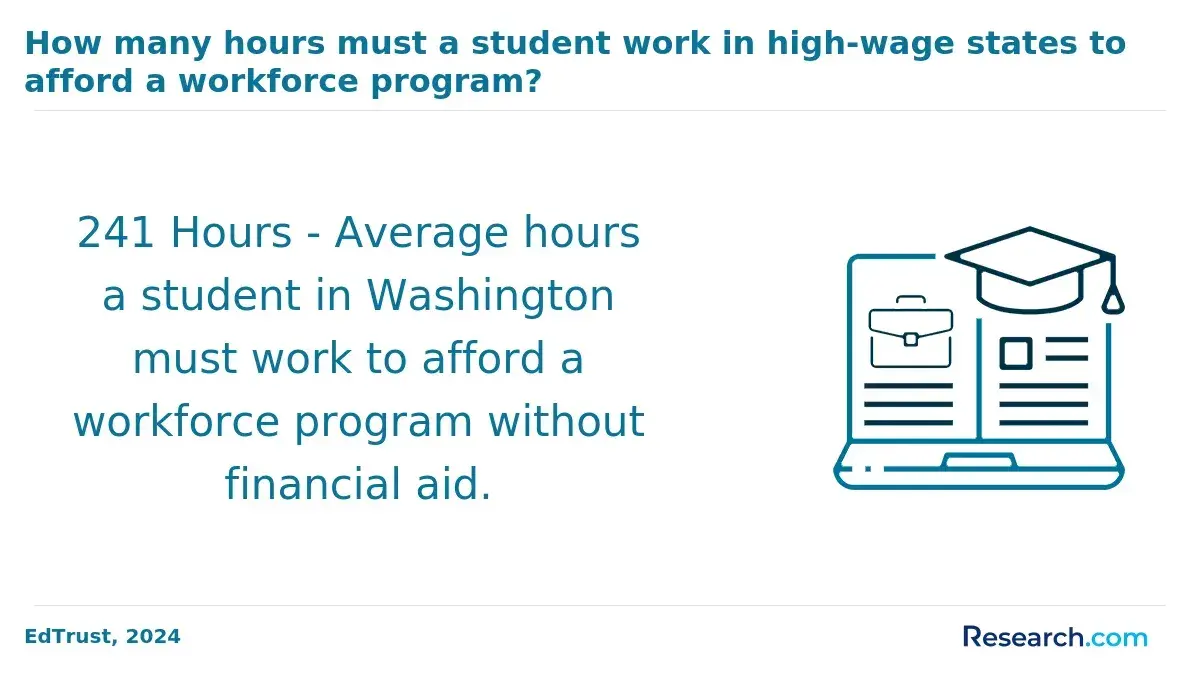
Financial aid availability significantly shapes affordability for Florida Gulf Coast University's online students, with approximately 79% of enrolled learners utilizing some form of aid based on our research.
FGCU enables access to federal financial assistance, including Pell Grants and Direct Loans, through FAFSA submission, which remains a critical eligibility step for online students despite enrollment status requirements.
State aid programs like the Bright Futures Scholarship primarily benefit Florida residents, introducing a residency-based variable that out-of-state students must consider when assessing net costs.
Institutional scholarships and targeted awards for transfer students, military members, and adult learners further alleviate out-of-pocket tuition burdens, which average around $6,238 annually for online degree programs.
Employer tuition reimbursement often supplements these options, especially for working professionals pursuing degrees aligned with their careers. Given these diverse funding avenues, students weighing Florida Gulf Coast University online degree tuition assistance should integrate FAFSA completion and state residency factors early into financial planning.
One FGCU graduate recalled navigating the FAFSA deadlines carefully while juggling full-time work, noting that "securing the Pell Grant made balancing tuition and living expenses manageable."
She also leveraged a military-affiliated scholarship alongside employer reimbursement, a combination she described as "essential for maintaining steady progress without piling up debt." Her experience underscores the nuanced coordination required to maximize the financial aid landscape available to online learners.
What Are the Admissions Requirements for Florida Gulf Coast University Online Programs?
Contrary to the assumption that online programs at Florida Gulf Coast University (FGCU) have highly selective admissions, the institution maintains a moderately accessible process with an undergraduate acceptance rate near 80%, reflecting its commitment to broad access for diverse applicants including adult learners and transfer students.
Our research shows that a minimum 2.5 high school GPA is generally required for undergraduate online admission, with some programs demanding higher standards, while graduate admissions typically require a minimum 3.0 GPA and often consider professional experience as a significant factor.
FGCU's admissions emphasize flexibility: since 2021, undergraduate applicants may submit SAT or ACT scores on a test-optional basis, which reduces barriers for those without recent standardized testing. Graduate applicants may also have GRE or GMAT waivers based on experience or prior academic performance.
Transfer students benefit from generous credit acceptance policies-up to 90 credits from regionally accredited institutions-and credits from military training and ACE-endorsed programs, facilitating degree completion online.
Multiple enrollment cycles and rolling admissions further enable working adults and non-traditional students to start studies without long delays.
Required application materials for online undergraduates focus on transcripts and completion records, while graduate programs may require statements or professional documentation depending on the discipline, making FGCU a pragmatic choice for students balancing education with professional commitments.
Is Florida Gulf Coast University Accredited and Respected by Employers?
Florida Gulf Coast University's regional accreditation by SACSCOC ensures its online degrees hold the same academic quality as traditional programs, supporting credit transfer and eligibility for graduate study.
Programmatic accreditations add critical value: its business college's AACSB accreditation places FGCU in the top 5% of global business schools, enhancing employer recognition and professional certification prospects.
Nursing programs hold CCNE accreditation, enabling graduates to qualify for the NCLEX-RN licensure exam, an essential step for entering healthcare professions. Employer trust in FGCU credentials is reinforced by these endorsements, reflecting national standards rather than delivery modality, as noted by data from the National Association of Colleges and Employers.
While FGCU's research activity is moderate, its standing in research.com's university rankings signals growing academic impact, particularly in health sciences and education, which can positively influence employer perceptions in regionally focused industries.
Accreditation Impact on Employment
Employers prioritize program accreditation-especially in regulated fields-over online delivery, making FGCU's AACSB and CCNE credentials strong assets. Graduates typically face fewer barriers in licensure eligibility and graduate admissions, benefiting from SACSCOC's rigorous standards and programmatic quality assurances.
Practical Considerations for Prospective Students
Students should consider that while FGCU's regional reputation supports employment within Florida and surrounding states, national name recognition may be less prominent. Licensure reciprocity varies by state, highlighting the need for due diligence based on geographic career goals.
FGCU's industry partnerships and internships further enhance practical readiness but students weighing research prestige should recognize its moderate classification relative to major research universities.
What Support Services Does Florida Gulf Coast University Offer Online Students?
Florida Gulf Coast University structures its online student support to closely mirror on-campus services, minimizing barriers commonly faced by remote learners. Its distributed network integrates academic advising, tutoring, technical aid, and career guidance with a focus on flexibility and timely accessibility-key for non-traditional students balancing work and family demands.
In our research, FGCU's proactive academic advising stands out, offering transfer-credit evaluations and personalized course planning that reduce delays in degree completion, which aligns with the needs of many online learners.
Extensive tutoring services, including STEM-focused and writing support with asynchronous options, accommodate varied schedules, enhancing academic persistence in subjects often linked to retention challenges.
The university's career services provide nearly full parity with on-campus offerings, facilitating internship access, resume development, and virtual networking-crucial to maintaining motivation and ensuring job readiness for online students.
Technical support is robust and accessible beyond business hours, which reduces downtime and supports continuous engagement. This comprehensive framework reflects FGCU's commitment to equitable, student-centered resources tailored for Southwest Florida online degree student resources.
Online library access with remote librarian consultations further strengthens academic rigor, while mental health resources and virtual student organizations address well-being and community building, counteracting isolation risks.
These integrated supports collectively foster degree persistence and timely graduation across FGCU's online portfolio. Prospective students might also explore pathways like the accelerated bachelor's degree offerings for expedited completion options.
A recent FGCU graduate shared how the university's academic advising helped her navigate transfer credits from a community college while working full-time. "My advisor didn't just plan my courses-they understood my schedule, helping me build a timeline that respected my job and family," she recalled.
When she struggled with technical glitches late at night, the after-hours helpdesk promptly resolved the issue, preventing setbacks. Her experience with virtual career fairs facilitated connections that ultimately led to an internship aligned with her career goals, illustrating how FGCU's coordinated support helped her balance complex responsibilities and stay on track.
Is an Online Degree From Florida Gulf Coast University Worth It?
The notion that all online degrees provide equal returns is misleading when examining Florida Gulf Coast University (FGCU). Our research shows that FGCU graduates earn a median salary of about $54,560 ten years after enrollment, indicating a moderate income trajectory consistent with the university's focus on career-relevant programs.
Despite annual tuition averaging near $6,500-$7,500, students graduate with a manageable median debt of approximately $17,622, yielding an income-to-debt ratio of about 3.10x, which suggests a favorable capacity for loan repayment compared to many public institutions.
Prospective students interested in the value of Florida Gulf Coast University online degrees should weigh these practical financial outcomes alongside program relevance, noting that salary gains are clearer in fields like business and healthcare, while employment rates remain solid but not exceptional.
FGCU's outcomes reflect balanced opportunities for career advancement and debt management typical of regional public university graduates. This insight aligns with broader Florida Gulf Coast University online programs outcomes and can help guide informed decisions about online education investments.
See our list of easy bachelor degrees for more information.
What Graduates of Florida Gulf Coast University Online Programs Say
- Carter: "Balancing a full-time job and family commitments meant I had very limited time to dedicate to school, so I chose FGCU's online program for its flexibility. While I didn't pursue licensure initially, the hands-on projects helped me build a solid portfolio that landed me an internship in digital marketing. I realized employers value demonstrable skills, though I'm planning to get certified eventually to open up more advancement opportunities."
- Terrell: "I switched careers late and needed a cost-effective way to break into IT without quitting my day job. Enrolling in the online program was a strategic choice to gain foundational skills quickly, but I found employers in my area still prioritized certifications over the degree. The program gave me enough knowledge to secure a help desk role remotely, though I'm constantly supplementing with cert prep to move beyond entry level."
- Maurice: "After juggling a demanding work schedule, the decision to enroll in FGCU's online program came down to its accelerated pacing and reasonable tuition. The coursework was challenging, but completing it allowed me to transition into a project coordination role within six months of graduating. However, I noticed that without additional licensure, salary growth was somewhat capped, so I'm now considering part-time study focused specifically on professional certification."
Other Things You Should Know About Florida Gulf Coast University Degrees
Florida Gulf Coast University's online degrees provide some scheduling flexibility, but students should be prepared for consistent weekly deadlines and regular participation requirements. Unlike fully asynchronous models without fixed dates, these programs typically have paced modules that can limit the ability to delay coursework without impacting progress. For working adults with tight or unpredictable schedules, it's important to prioritize time management and possibly discuss workload expectations with employers before committing.
The academic rigor for Florida Gulf Coast University's online programs aligns closely with their on-campus counterparts, meaning students face comparable reading volumes, assignments, and exams. However, the lack of in-person structure puts more responsibility on students for self-discipline. Those who struggle without direct oversight or who underestimate the substantial weekly commitment may find the workload challenging, suggesting a need for realistic assessment of personal time availability and study habits before enrollment.
While the degree itself is the same as the on-campus version, some employers in competitive or traditional fields may inquire about the modality of study, occasionally viewing online degrees as less rigorous, especially without supplementary professional experience. Candidates should be prepared to demonstrate comparable competencies through portfolios, internships, or work samples to overcome any implicit bias. Prioritizing roles or industries familiar with online education can reduce this potential barrier.
In 2027, Florida Gulf Coast University offers competitive tuition rates for online programs, helping students manage costs effectively. Financial aid options, including scholarships, grants, and loans, are available to assist students in making their education more affordable. Detailed information can be found on the university’s financial aid website.
References
- Florida Gulf Coast University (FGCU) Online MBA Programs https://www.bschools.org/profiles/fgcu-online-mba
- Apply to Florida Gulf Coast University https://www.commonapp.org/explore/florida-gulf-coast-university/
- Florida Gulf Coast University Tuition | CollegeData https://www.collegedata.com/college-search/Florida-Gulf-Coast-University/money-matters
- Florida Gulf Coast University (FGCU) https://www.princetonreview.com/college/florida-gulf-coast-university-1022259
- TRIO SSS Classic Application 23-24 https://fgcu-sss-pub.studentaccess.com/appform/default.aspx
- Florida Gulf Coast University https://courses.flvc.org/College/Florida-Gulf-Coast
- GCSC https://www.gulfcoast.edu/academics/online/index.html
- FGCU SAT Scores and GPA https://www.prepscholar.com/sat/s/colleges/FGCU-sat-scores-GPA