2027 Best Accredited Online Addiction Psychology Degree Programs: Compare Tuition, Admissions, and Career Outcomes

Co-Founder and Chief Data Scientist
Choosing an online addiction psychology degree is a high-stakes decision because the need for trained behavioral health professionals remains urgent. SAMHSA reported in 2024 that 48.5 million people ages 12 and older had a substance use disorder in the past year, making addiction-focused education relevant across counseling, prevention, recovery support, and public health. This guide is for prospective students comparing accredited online options. You'll learn how to judge cost, admissions, flexibility, accreditation, financial aid, and career outcomes so you can choose a program that fits your goals and budget.
Key Things You Should Know
- The strongest online addiction psychology programs combine recognized institutional accreditation, addiction-focused coursework, supervised field experience when required, and transparent outcomes rather than relying on tuition alone.
- College Board's 2024 data shows average published tuition and fees of $11,610 for in-state public four-year colleges and $43,350 for private nonprofit four-year colleges, so school type and residency can materially change total cost.
- The U.S. Bureau of Labor Statistics projects 17% employment growth for substance abuse, behavioral disorder, and mental health counselors from 2023 to 2033, but licensure and job eligibility vary by state, degree level, and supervised experience.
Which Accredited Online Addiction Psychology Degree Programs Offer the Best Overall Value?
The best overall value is usually not the cheapest program. For addiction psychology, value means the program is accredited, affordable for your residency and transfer status, aligned with your career goal, and clear about whether it prepares you for certification, licensure, graduate school, or entry-level behavioral health work.
Addiction psychology programs may appear under several names, including addiction counseling, substance abuse counseling, psychology with an addictions concentration, behavioral health, or human services with a substance use focus. A bachelor's program can prepare students for support, prevention, case management, and graduate study, while many counseling and clinical roles require a master's degree plus supervised hours.
The table below compares the main types of accredited online programs students commonly encounter. Use it to match the degree type to your career goal before comparing tuition or rankings.
| Program type | Best fit | Value strengths | Potential limitations |
| Online bachelor's in psychology with addiction concentration | Students who want a broad psychology foundation and may pursue graduate school | Flexible career base, strong preparation for master's study, often transfer-friendly | May not directly meet addiction counselor credential requirements in every state |
| Online bachelor's in addiction counseling or addiction studies | Students focused on substance use prevention, recovery support, or counseling pathways | More specialized coursework and stronger alignment with addiction-specific roles | May be narrower if you later shift away from behavioral health |
| Online master's in counseling with addiction emphasis | Students pursuing licensed counseling or advanced clinical roles | Often better aligned with licensure, practicum, and clinical supervision expectations | Higher admissions requirements and more fieldwork obligations |
| Online certificate in addiction studies | Students who already hold a degree and need focused addiction coursework | Lower time commitment and useful for career changers or continuing education | Usually not a substitute for a degree when a license or employer requires one |
For the strongest return on investment, start by defining the credential you need. If your state requires addiction counselor certification, a low-cost psychology degree that lacks required substance use coursework may cost less upfront but require additional classes later. If your goal is graduate school, a broader psychology program with statistics, research methods, abnormal psychology, and counseling-related electives may be the better academic foundation.
Students comparing behavioral health with other healthcare-adjacent paths should also consider how timeline and credential requirements differ. For example, an accelerated nutrition degree online may appeal to students who want a faster wellness-focused route, while addiction psychology is usually better for those interested in counseling, recovery, assessment, and behavior change.
A practical value test is to ask whether the program helps you avoid extra time, extra debt, or extra credential gaps after graduation. Programs that publish curriculum maps, transfer policies, fieldwork expectations, and licensing disclosures are typically easier to evaluate than programs that rely mainly on marketing language.
What Accreditation Should Students Look for in an Online Addiction Psychology Degree Program?
Accreditation is the first filter for any online addiction psychology degree. It affects federal financial aid eligibility, credit transfer, graduate school admission, employer recognition, and, in some cases, state credentialing. At minimum, the college or university should hold institutional accreditation from an accreditor recognized by the U.S. Department of Education or the Council for Higher Education Accreditation.
Programmatic accreditation depends on degree level and career goal. APA accreditation is most relevant to doctoral-level psychology programs, not typical online bachelor's programs. CACREP accreditation is important for many counseling master's programs, especially for students pursuing professional counseling licensure. Addiction-specific education may also be reviewed through specialized addiction counselor education standards, but state boards ultimately determine what coursework and supervised experience count.
Before applying, use the following steps to verify accreditation and avoid common red flags:
- Confirm the institution's accreditation status through the U.S. Department of Education's recognized accreditor database or the accreditor's own directory.
- Check whether the specific degree level matches your goal, because institutional accreditation alone does not mean a bachelor's program meets counseling licensure requirements.
- Review state licensing or certification board rules for addiction counselor, substance abuse counselor, or professional counselor credentials in the state where you plan to work.
- Ask the school for written licensing disclosures if the program markets itself as licensure-aligned or certification-preparatory.
- Be cautious if a program promises licensure, guarantees employment, avoids naming its accreditor, or refuses to explain field placement requirements.
The main mistake is assuming "accredited" means "approved for every addiction counseling career." Accreditation establishes academic legitimacy, but licensure and certification are controlled by states, employers, and professional boards. Students who plan to become licensed counselors should work backward from the licensing board's requirements before enrolling.
How Do Tuition Costs Compare Across Accredited Online Addiction Psychology Degree Programs?
Tuition for online addiction psychology programs varies by institution type, residency rules, credit requirements, transfer credits, and fees. The listed per-credit rate is only part of the cost; technology fees, course materials, practicum expenses, background checks, and travel for fieldwork can change the final amount.
College Board's 2024 Trends in College Pricing data provides a useful national benchmark for comparing published tuition and fees at four-year institutions. The table below does not replace a school's official cost sheet, but it helps students understand why public, private nonprofit, and online flat-rate models can produce very different bills.
| Institution category | Recent national tuition benchmark | What it means for online addiction psychology students |
| Public four-year, in-state | $11,610 average published tuition and fees | Often the strongest value for residents, especially if the school charges in-state online tuition |
| Public four-year, out-of-state | $30,780 average published tuition and fees | Can be costly unless the online program offers a separate flat rate or tuition discount |
| Private nonprofit four-year | $43,350 average published tuition and fees | May offer strong support or brand recognition, but net price after scholarships matters more than sticker price |
When comparing costs, focus on total program price rather than tuition alone. A program with a higher per-credit rate may still be less expensive if it accepts more transfer credits, includes textbooks, or has fewer added fees. A lower-cost program may become less attractive if it requires extra courses later to meet certification or graduate admission requirements.
Students weighing adjacent health professions may notice similar cost trade-offs in fields such as nutrition and dietetics. Comparing a behavioral health degree with a masters in dietetics can be useful if you are deciding between counseling-oriented work and nutrition-focused clinical or wellness roles, because the required credential level and supervised practice expectations differ.
Ask each school for a written estimate that includes tuition, mandatory fees, transfer credit evaluation, required software, books, field placement costs, and graduation fees. If a school only gives a per-credit price, you do not yet have enough information to compare affordability accurately.
How Competitive Is Admission to Accredited Online Addiction Psychology Degree Programs?
Admissions competitiveness depends mainly on degree level. Many online bachelor's programs are designed for access and may accept first-year students, transfer students, or adults returning to college. Master's programs are usually more selective because they may include counseling skills, supervised clinical training, and licensure-related coursework.
The table below summarizes common admissions expectations by program level. Requirements vary by institution, so students should treat this as a planning guide rather than a universal rule.
| Program level | Common admissions requirements | Competitiveness factors |
| Bachelor's degree | High school diploma or equivalent, transcripts, possible minimum GPA, transfer credit review | Often more flexible, but competitive transfer policies can affect time to graduation |
| Undergraduate certificate | High school diploma or current enrollment in a degree program, depending on the school | Usually accessible, but may not qualify students for advanced roles by itself |
| Master's degree | Bachelor's degree, transcripts, minimum GPA, personal statement, recommendations, possible interview | More selective when the program is licensure-oriented or includes clinical placements |
| Graduate certificate | Bachelor's or master's degree, professional background in a related field for some programs | Best for students who already meet degree requirements but need addiction-specific coursework |
Students should not assume flexible admissions mean weak academics. Many reputable online programs are built for working adults and transfer students. The more important question is whether the program has clear academic standards, qualified faculty, and enough advising to help students complete the degree.
Before applying, prepare a short admissions checklist. This helps you avoid paying application fees for programs that do not fit your background or career timeline:
- Confirm whether your previous credits apply to major requirements or only to general electives.
- Ask whether a lower GPA can be offset by work experience, a personal statement, or conditional admission.
- Check whether the program requires fieldwork that must be completed near your home.
- Ask if criminal background checks are required for internships or practicum placements, especially if you plan to work in treatment settings.
- Review whether the curriculum includes prerequisites for graduate counseling, social work, or psychology programs if you plan to continue your education.
A common mistake is choosing the school that admits you fastest without confirming whether it supports your next step. Speed matters, but a quick admission decision does not help if the program lacks the coursework, practicum structure, or transfer policy you need.
Which Learning Formats Offer the Greatest Flexibility in Online Addiction Psychology Degree Programs?
Online addiction psychology programs vary widely in scheduling. Some are fully asynchronous, while others require live evening classes, scheduled discussions, supervised fieldwork, or occasional campus visits. The most flexible format is the one that matches your work schedule, learning style, and ability to complete experiential requirements.
The table below compares common online learning formats. Use it to decide whether a program's delivery model fits your life before you enroll.
| Format | How it works | Best for | Possible drawback |
| Asynchronous online | Students complete weekly coursework without required live class meetings | Working adults, caregivers, military students, and students across time zones | Requires strong self-discipline and time management |
| Synchronous online | Students attend live virtual classes at scheduled times | Students who want real-time discussion and instructor interaction | Less flexible for changing work schedules |
| Hybrid | Most coursework is online, with some campus or in-person requirements | Students near campus or those who want limited face-to-face training | Travel can add cost and scheduling pressure |
| Online with local field placement | Coursework is online, but practicum or internship occurs in an approved local setting | Students preparing for counseling, prevention, or treatment-related roles | Placement availability may vary by location |
| Accelerated terms | Courses run in shorter sessions, often with multiple start dates | Motivated students who want faster progress | Heavy workload can be difficult with full-time employment |
Flexibility should not come at the expense of support or clinical readiness. Addiction-related work often requires communication skills, ethics training, crisis awareness, documentation, and cultural responsiveness. Programs that combine flexible coursework with structured faculty feedback and supervised practice may provide a stronger learning experience than programs that are simply self-paced.
Before choosing a format, ask how many hours per week students typically spend on each course, whether live attendance is required, how exams are proctored, and whether field placements can be completed in your area. The wrong format can delay graduation even if the program is academically strong.
What Student Support Services Improve Success in Online Addiction Psychology Degree Programs?
Student support is especially important in online addiction psychology programs because students often balance coursework with jobs, caregiving, and field placements. Strong support can improve persistence, reduce confusion about credential requirements, and help students translate coursework into career-ready skills.
Look for support services that go beyond basic technical help. The following services are particularly useful for students in addiction-focused behavioral health programs:
- Dedicated academic advising that explains course sequencing, transfer credits, and prerequisites for graduate school or certification.
- Career counseling with resume support for roles in treatment centers, community health agencies, corrections, prevention programs, and social services.
- Field placement coordination for programs requiring internships, practicum hours, or supervised experience.
- Faculty access through office hours, feedback on counseling-related assignments, and guidance on research or capstone projects.
- Licensure or certification advising that clearly separates school requirements from state board requirements.
- Online tutoring, writing support, library access, and mental health resources for remote learners.
One red flag is a program that requires field experience but leaves students entirely responsible for finding placements without guidance. Another is vague advising around state credentialing. If the school cannot explain how its curriculum aligns with your intended state or role, you may face additional coursework after graduation.
Support services also affect value. A slightly more expensive program may be worth considering if it offers stronger advising, better placement support, and clearer career preparation. However, students should ask for specifics rather than accepting broad promises about "student success."
Which Financial Aid Options Are Available for Accredited Online Addiction Psychology Degree Students?
Financial aid for online addiction psychology students often includes federal aid, state grants, institutional scholarships, employer tuition assistance, military benefits, and payment plans. To access federal student aid, students must attend an eligible accredited institution and submit the FAFSA.
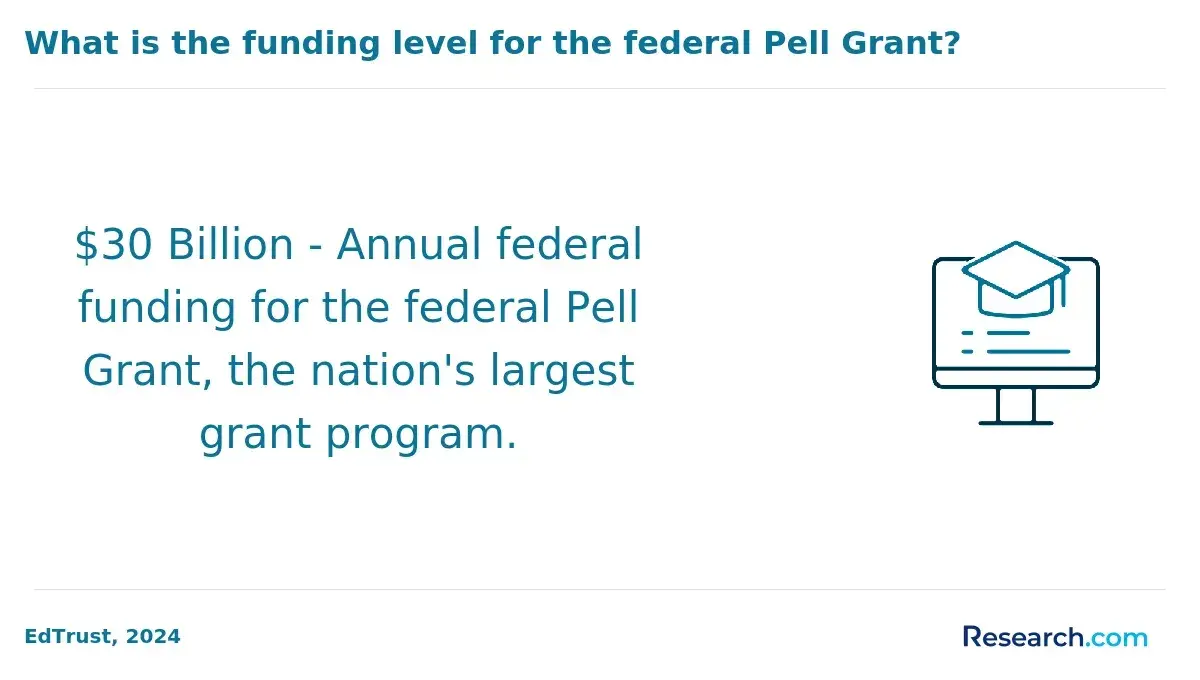
The federal Pell Grant maximum award is $7,395 for the 2024-25 award year, which can meaningfully reduce costs for eligible undergraduate students. The key point is that grants do not need to be repaid, while loans do, so students should compare aid packages by net price and borrowing need rather than by scholarship headline alone.
Use this sequence when comparing financial aid offers from online programs:
- Submit the FAFSA as early as possible and list every school you are seriously considering.
- Ask each school for the full cost of attendance, not just tuition, so you can compare net price accurately.
- Separate grants and scholarships from loans in each aid offer.
- Check whether scholarships are renewable and whether they require a minimum GPA or enrollment load.
- Ask whether transfer credits, part-time enrollment, or accelerated terms affect aid eligibility.
- Estimate monthly loan repayment before accepting loans, especially if you plan to work in entry-level behavioral health roles after graduation.
Students exploring lower-cost healthcare credentials may also compare aid availability across programs. For example, researching accredited medical billing and coding schools online with financial aid can help clarify whether a shorter administrative healthcare path better fits your budget or whether addiction psychology better matches your long-term counseling goals.
A common mistake is assuming the school with the largest scholarship is the cheapest. A high-tuition school with a large discount can still cost more than a public program with a smaller award. Always compare the amount you must pay or borrow after grants and scholarships are applied.
Which Career Outcomes Are Associated With Accredited Online Addiction Psychology Degree Programs?
Career outcomes depend on degree level, state rules, supervised experience, and employer expectations. An addiction psychology bachelor's degree may support entry-level roles in behavioral health, prevention, case management, recovery support, and human services. Licensed counseling, independent clinical practice, and psychologist roles generally require graduate education and supervised training.
The table below shows common career directions related to addiction psychology education. It uses U.S. Bureau of Labor Statistics data where available, but students should remember that wages vary by location, setting, licensure, and experience.
| Career direction | Typical education path | Recent labor market context | Important note |
| Substance abuse, behavioral disorder, or mental health counselor | Often bachelor's or master's degree, depending on state and role | BLS reports a $59,190 median annual wage for this occupational group in May 2024 | Licensure or certification requirements vary significantly by state |
| Community health worker or prevention specialist | Often bachelor's degree or related training | Demand is tied to public health, outreach, and community-based prevention initiatives | Some roles prioritize lived experience, bilingual skills, or community engagement |
| Case manager or behavioral health technician | Often associate or bachelor's degree, depending on employer | Common in treatment centers, hospitals, nonprofits, and social service agencies | May involve documentation, client coordination, and crisis support under supervision |
| Licensed professional counselor with addiction focus | Usually master's degree plus supervised postgraduate hours | BLS projects strong growth for the broader counseling group from 2023 to 2033 | Students should prioritize licensure-aligned master's programs |
| Psychologist specializing in addiction | Doctoral degree, internship, supervised experience, and licensure | Psychology roles require substantially more education and training | A bachelor's degree is usually only the first step |
Online addiction psychology can be worth it for students who want to work in recovery services, behavioral health systems, counseling preparation, or community-based prevention. It may be a poor fit for students who want immediate independent clinical authority after a bachelor's degree, because most independent counseling and psychology roles require graduate-level credentials.
Some students compare addiction psychology with other patient-care pathways. For licensed nurses seeking advancement, an RN to BSN online program may offer a more direct route within nursing, while addiction psychology is better suited to students focused on behavioral health, counseling, recovery, and substance use services.
To evaluate career outcomes, ask schools for graduation rates, retention rates, internship placement support, graduate school placement information, employer partnerships, and alumni job titles. Avoid any program that implies a degree alone guarantees a counseling license or a specific salary.
How Do Online and Campus-Based Addiction Psychology Degree Programs Compare?
Online and campus-based addiction psychology programs can cover similar academic content, but they differ in scheduling, networking, fieldwork logistics, and student experience. The right choice depends on whether you need maximum flexibility or benefit from in-person structure.
The table below compares online and campus-based formats across the factors that most often affect enrollment decisions.
| Factor | Online program | Campus-based program |
| Schedule | Often more flexible, especially with asynchronous courses | More structured class times and campus routines |
| Access | Can serve students who live far from campus or need to keep working | Best for students who can commute or relocate |
| Interaction | May rely on discussion boards, video meetings, and virtual office hours | More informal face-to-face interaction with classmates and faculty |
| Fieldwork | May require local placement approval and remote coordination | May have established relationships with nearby agencies |
| Cost | Can reduce commuting and relocation costs, but fees still matter | May include campus fees, transportation, and housing costs |
| Learning fit | Best for self-directed learners with strong time management | Best for students who prefer in-person accountability |
Online programs are often the better investment for working adults, transfer students, caregivers, and students who cannot relocate. Campus-based programs may be better for students who want frequent in-person mentoring, local agency connections, or a more traditional college experience.
Students comparing clinical healthcare paths should recognize that online flexibility varies by field. For example, many FNP programs include online coursework but still require clinical placements, similar to how addiction counseling programs may require supervised local experience even when classes are online.
The main mistake is assuming online means easier. A rigorous online addiction psychology program still requires reading, writing, research, exams, group work, ethical reasoning, and sometimes supervised practice. The best online programs make expectations clear before enrollment.
How Should Students Choose the Best Accredited Online Addiction Psychology Degree Program?
The best accredited online addiction psychology degree is the one that fits your career goal, state requirements, budget, schedule, and academic background. Instead of starting with a ranking, build a shortlist based on fit and evidence.
Use the following decision process to compare programs in a practical way:
- Define your target role, such as recovery support specialist, prevention specialist, substance abuse counselor, licensed professional counselor, or future psychologist.
- Check your state's education, coursework, exam, and supervised experience requirements for the credential you want.
- Verify institutional accreditation and, for graduate counseling programs, review whether specialized accreditation or licensure alignment matters in your state.
- Compare total net cost after grants, scholarships, transfer credits, employer benefits, and fees.
- Review curriculum for addiction counseling, abnormal psychology, ethics, assessment, multicultural counseling, trauma-informed care, research methods, and relapse prevention.
- Ask how online courses are delivered and whether fieldwork can be completed near you.
- Request outcome indicators such as retention, graduation, internship support, graduate school preparation, and common alumni roles.
- Speak with admissions, advising, and faculty before enrolling so you can compare the quality of answers, not just the brochure.
If you are choosing between addiction psychology and other health-related degrees, compare the daily work as much as the salary data. Students interested in food, wellness, and clinical nutrition may find a different fit through programs such as a masters in dietetics, while students drawn to recovery, counseling, and behavior change may prefer addiction psychology.
Prioritize lower tuition when two programs have similar accreditation, curriculum, support, and outcomes. Prioritize stronger career alignment when a slightly more expensive program clearly reduces the risk of needing extra coursework later. Avoid choosing based only on brand name, speed, or an admissions promise.
The final test is simple: can the school show, in writing, how the degree supports your next step? If the answer is vague, keep comparing.
Other Things You Should Know About Addiction Psychology
Not exactly. Addiction psychology is a broader academic area focused on behavior, mental health, substance use, motivation, relapse, and recovery. Substance abuse counseling is a professional practice area that may require specific state credentials, supervised experience, and exams.
No, a bachelor's degree alone is not enough to become a licensed psychologist. Psychologists typically need a doctoral degree, supervised clinical training, and state licensure. An online bachelor's can be a useful first step toward graduate study.
Some do, especially counseling-oriented or licensure-aligned programs. Others may use capstone projects, simulations, or applied assignments instead. Always ask whether fieldwork is required and whether placements are available in your local area.
It can be worth it if your goal is behavioral health, recovery services, prevention, counseling preparation, or graduate study. It may not be the best investment if you want a fast credential for independent clinical practice, because advanced roles often require a master's degree or doctorate.
References
- Top Accrediting Bodies For Counseling Degrees https://www.psychology.org/resources/accreditation-for-counseling-degrees/
- Best Online Addiction Psychology Degree Programs (2026) https://www.counselingpsychology.org/counseling/addiction-psychology/
- Home - CACREP https://www.cacrep.org/
- 50 Best Master's Degree Programs in Addiction Counseling https://addiction-counselor.org/degrees/masters/
- 10 Most Affordable Master's In Addiction And Recovery - GradSchoolHub.com https://www.gradschoolhub.com/affordable/online/masters/addictions-recovery/
- Top Online Addiction Counselor Degree and Certificate Options https://www.addiction-counselors.com/online-degrees/
- 2025's Most Affordable Online Master’s Degrees in Psychology https://www.onlinemastersdegrees.org/most-affordable/psychology-programs/
- Substance Abuse Counseling Schools | Psychology Degree Guide https://psychologydegreeguide.org/specialty/substance-abuse-counseling/
- Call for Systemic Changes to Alleviate International Students’ Practicum Barriers in APA Accredited Psychology Programs https://societyforpsychotherapy.org/call-for-systemic-changes-to-alleviate-international-students-practicum-barriers-in-apa-accredited-psychology-programs/
- Top 5 Highest-Paying Psychology Careers - Rivier Academics https://www.rivier.edu/academics/online/resources/program-resources/top-5-highest-paying-psychology-careers-rivier-university/