2027 Best Online Degrees at Aurora University: Programs, Tuition, and Admissions

Co-Founder and Chief Data Scientist
Aurora University draws a diverse body of students, including working adults and career changers, who seek applied bachelor's and master's programs designed for practical impact. Known for its commitment to small class sizes, with an average student-to-faculty ratio near 15: 1 according to NCES data, the university emphasizes personalized instruction alongside flexible online formats. This balance supports learners needing adaptable schedules without sacrificing meaningful interaction, a key consideration for those balancing education with other life responsibilities in 2026.
As prospective students weigh online degree options at Aurora, they must navigate factors such as program variety, the duration of accelerated or traditional pathways, and the institution's transparent tuition structure complemented by financial aid opportunities. Admissions criteria and transfer credit policies also shape the decision, alongside student support services tailored to online learners' needs. Evaluating these elements in tandem with expected career outcomes helps clarify whether Aurora's offerings align with individual goals, ensuring a practical and informed enrollment choice.
Quick Facts About Aurora University Online Degrees
- Aurora University maintains an average transfer admissions difficulty, backed by a notably strong credit acceptance policy that includes transfer credits each term (Fall, Spring, Summer) and recognition of ACE recommendations, CLEP (general and subject), and DSST/Dantes exams; this suggests practical flexibility for transfer and prior-learning credit evaluation, reducing barriers for students seeking to leverage previous academic or military experience.
- The institution's workforce-aligned programs emphasize areas like nursing, business, IT, teaching, and healthcare, all designed to align coursework with industry standards and often providing pathways to licensure or professional certification, which can translate into more direct career advancement and practical job readiness for graduates in these fields.
- With an undergraduate tuition of approximately $39,092 annually and a first-year retention rate near 85%, Aurora University demonstrates moderately competitive affordability among private institutions, paired with a retention rate that hints at reasonable student satisfaction and engagement, though potential students should carefully consider total cost and support structures relative to their career goals and financial situation.
Is Aurora University a Good School for Online Degrees?
Aurora University's online programs in 2026 offer a practical fit for nontraditional and career-focused students who value flexibility paired with academic rigor. Emphasizing online accessibility, Aurora targets adult learners balancing work and family, typically keeping online class sizes below 25 to foster personalized support and community connection. Its status as a private institution enables more tailored student services and curriculum agility, though tuition tends to be higher than at public schools, which may impact some budgets.
Aurora's regional accreditation through the Higher Learning Commission and specialized program accreditations affirm academic standards across delivery modes, yet the university's regional reputation and smaller scale mean fewer research opportunities and limited national visibility in online rankings compared to major competitors. Our research shows Aurora enrolls a significant proportion of learners aged 25 and older, reflecting its appeal to adults returning to education. Prospective students weighing online options should consider these tradeoffs when comparing Aurora to broader Illinois and national markets of best online colleges in Illinois 2026.
Aurora's online approach blends liberal arts foundations with applied training, benefiting students pursuing fields like education, business, and health-related careers. The university's commitment to asynchronous classes suits working adults needing adaptable scheduling, though opportunities for large-scale peer networking may be constrained by Aurora's moderate enrollment size. Though the institution lacks national rankings prominence, it maintains retention rates comparable to similar schools, indicating consistent student engagement and support. Notably, students looking into what is the easiest masters degree to get may find Aurora's balance of career relevance and academic rigor aligned with their goals, though research-intensive profiles might require considering larger research universities.
Aurora's student-centered strategies reflect in smaller classes and cohort progression models, fostering a community atmosphere that enriches the learning experience beyond many larger public universities. One recent graduate shared how juggling evening coursework with full-time work and parenting was made feasible by Aurora's flexible platform and attentive faculty: "I appreciated how instructors knew my name and understood my constraints, helping me stay motivated. It felt less like a number and more like part of a learning community, which kept me engaged when things got tough." This anecdote underscores Aurora's practical strengths in delivering online education that balances accessibility with personalized academic support.
What Online Degree Programs Does Aurora University Offer?
Prospective online learners aiming for career advancement at Aurora University will find a focused portfolio primarily oriented around bachelor's and master's degrees, emphasizing applied professional fields rather than an extensive array of liberal arts or STEM options. The university's choice to omit fully online associate degrees signals a strategic prioritization toward upper-division undergraduate and graduate credentials, which suits working adults seeking flexible, career-aligned pathways without the foundational associate-level entry. This approach aligns with workforce needs, especially in healthcare, business, education, and criminal justice sectors.
Aurora's online bachelor's programs center on practical fields like psychology, business administration, nursing (notably RN to BSN), education, and criminal justice. The absence of traditional STEM or expansive humanities majors may limit options for students desiring those fields, but the available curricula emphasize immediate applicability and accommodate adult learners' schedules. In our research, business-related degrees show tuition around $43,000 to $48,000 annually, reflecting a mid-tier investment in professional preparation.
At the graduate level, Aurora offers diverse master's degrees such as MBA with focused tracks (healthcare administration, leadership, project management), MS in Education, MSN, and Master's in Criminal Justice and Social Work. These programs support both licensed professionals seeking advancement and specialists requiring clinically oriented education rather than research-focused doctorates, which are limited online. Supplementary certificates and microcredentials enable career changers or busy professionals to upskill non-degree credentials, creating flexibility for continuing education without full program commitments.
How Do Online Classes Work at Aurora University?
Aurora University's online courses primarily use asynchronous formats, granting significant flexibility by letting students access lectures, assignments, and discussions on their own schedule. This approach benefits working adults and caregivers managing varied commitments but requires strong self-discipline and effective time management to keep pace without real-time prompts.
Some programs incorporate synchronous elements like evening or weekend live sessions to enhance peer interaction, which fosters engagement yet may constrain scheduling freedom for students with unpredictable work hours. The university supports both part-time and full-time enrollment, with accelerated options available through condensed terms, though these intensify weekly workload demands-typically between 8 to 15 hours per course-potentially challenging those balancing full-time jobs or family duties.
Aurora's use of Blackboard LMS, including a mobile app, facilitates accessible learning from diverse locations, while faculty and advising interactions occur through virtual channels, promoting regular support despite the remote setting. Transfer students benefit from flexible credit acceptance options, integrating prior learning to smooth enrollment transitions.
How Long Does It Take to Complete an Online Degree at Aurora University, and Can Transfer Credits Speed It Up?
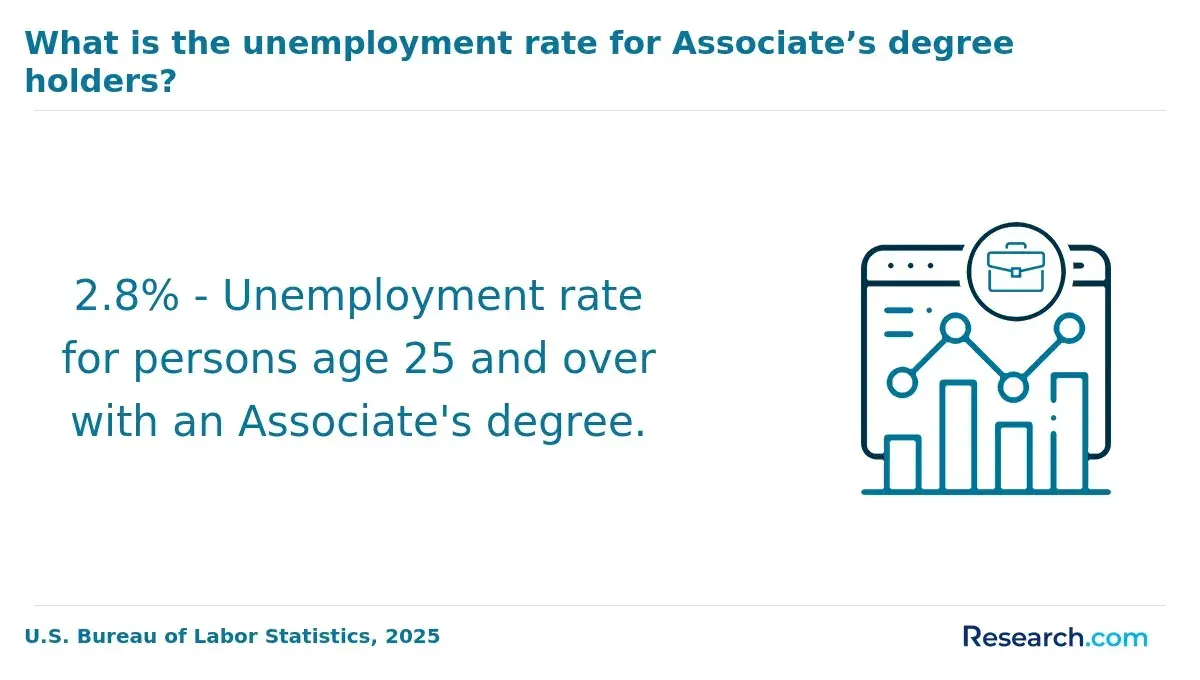
Time-to-degree at Aurora University varies notably by program level and enrollment status, with transfer credits serving as a key accelerator. Associate degrees, typically requiring 60 credits, take about two years full-time but extend to three or four years part-time. Bachelor's degrees generally require 120-128 credits, where full-time, year-round study-including accelerated eight-week terms-can reduce completion to roughly three years, while part-time enrollment may take five years or more.
Master's programs demand 30 to 42 credits, with some pathways offering completion in a single year through continuous full-time study, while others stretch to two or three years part-time. Transfer students benefit substantially; up to 75% of bachelor's credits may transfer, shortening time-to-degree significantly. This policy, alongside articulation agreements and military credit options, makes prior coursework critical in accelerating progress for online students balancing work and life commitments. Understanding these dynamics is crucial for managing expectations about time to complete online degree at Aurora University.
Full-time enrollment-typically 12 or more credits per term-drives shorter timelines. Aurora's model leverages multiple annual start dates and compressed eight-week terms to enable continuous study and potentially faster graduation. Yet, part-time students, taking fewer credits, face longer completion horizons. Transfer credits can offset this, especially for bachelor's degree-completion tracks, where many students begin with prior college credits. The combination of flexible term scheduling and generous transfer policies supports tailored pacing but demands discipline to capitalize on accelerated opportunities.
Transfer credits are pivotal in reducing the required credit load, particularly for online bachelor's students aiming to graduate efficiently. Up to three-quarters of credits can transfer, contingent on course equivalencies and grades. Community college articulation agreements and ACE evaluations for military experience further smooth transitions. This makes prior credit accumulation a strategic asset for students seeking a shorter, more manageable pathway amid competing personal and professional demands, reinforcing the practical value of transfer credits to accelerate Aurora University online degree completion.
In our research, a recent online bachelor's graduate named Clara balanced family obligations while transferring 90 credits from a community college. She shared, "Without those credits, finishing in three years while managing work and parenting wouldn't have been feasible." Clara leveraged Aurora's summer terms and eight-week courses to maintain steady progress, noting that the university's flexible start dates helped when unexpected life events required shifting her enrollment from full- to part-time temporarily. Her experience highlights how transfer credits, combined with Aurora's scheduling options, enable realistic, accelerated degree completion for busy adults.
How Much Does an Online Degree at Aurora University Cost?
Choosing an online degree at Aurora University involves weighing tuition and associated costs with anticipated academic progress and career plans. Our research indicates that the total expense for an online bachelor's degree typically nears $39,092, reflecting tuition calculated at approximately $510 per credit hour for 120 credits, coupled with mandatory fees like technology and student services charges.
Graduate programs, meanwhile, can cost more due to tuition rates ranging from $600 to $825 per credit, resulting in estimated totals around $28,220 for a 36-credit program. Additionally, students should budget approximately $1,200 annually for textbooks and digital materials, which varies by program requirements. These figures align with Aurora's model of charging uniform tuition regardless of residency, enhancing predictability for out-of-state learners.
However, specialized programs may incur extra expenses such as clinical fees or certification costs, underscoring the importance of consulting program advisors. Overall, while Aurora's pricing is competitive among regional peers, understanding these layered costs helps students make informed financial decisions about online degree paths.
Does Aurora University Offer Financial Aid for Online Students?
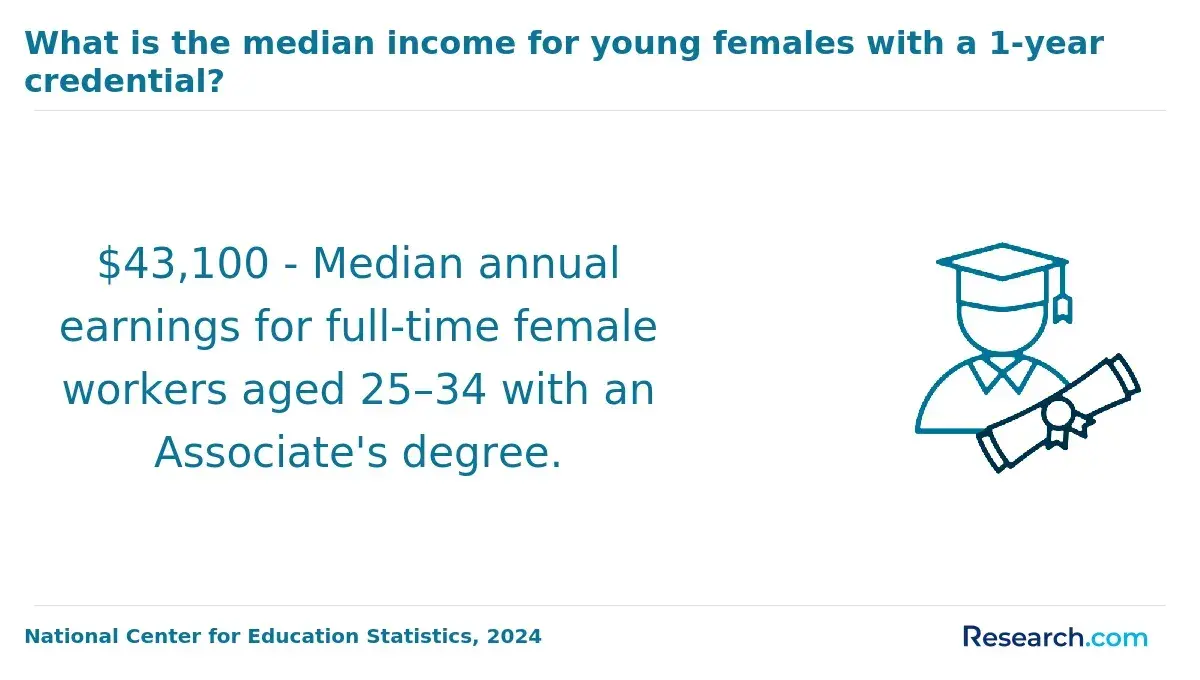
Aurora University's financial aid options for online learners require proactive FAFSA submission, which unlocks key federal grants and loans essential to offset tuition costs. Our research shows that Pell Grants may cover up to nearly $7,400 annually for eligible students, significantly reducing reliance on loans. Online programs meet Title IV requirements, ensuring federal aid applicability, though institutional scholarships and state grants often play critical supplemental roles, especially for Illinois residents.
Financial aid packages combine merit- and need-based awards, with some scholarships targeting adult learners, transfers, and military-affiliated students. Students should navigate GPA and stacking restrictions carefully to maximize support without jeopardizing eligibility. Additionally, employer tuition reimbursement and veteran benefits add practical financial strategies for working adults pursuing degrees online.
Our analysis highlights the average annual tuition around $16,587, emphasizing the importance of a multi-source aid approach. Prospective enrollees can gain deeper insight by exploring specific aid options and comparing them to the broader market of affordable online education programs such as the cheapest online master's degree offerings.
When Jamie, a working parent and transfer student, chose Aurora University's online program, she initially worried about balancing tuition with family expenses. After completing FAFSA early and consulting financial aid advisors, she received a Pell Grant plus an adult learner scholarship, which together covered most of her tuition. Jamie also leveraged her employer's tuition reimbursement, coordinating payments and course completion requirements carefully. She noted, "Having multiple financial aid avenues meant I could focus on my studies without constant money stress," reflecting the tangible benefits of Aurora's layered aid approach tailored for adult and transfer students in our analysis of aurora university online student financial aid options.
What Are the Admissions Requirements for Aurora University Online Programs?
Future applicants to Aurora University's online programs should anticipate a moderately selective admissions process that balances academic standards with flexibility. Our research indicates undergraduate applicants generally need a minimum 2.5 GPA, while graduate programs often require at least a 3.0 GPA, reflecting heightened rigor. Admissions consider more than grades: professional experience and personal attributes weigh heavily, especially for business, counseling, and education-related fields. This holistic review benefits adult learners and career changers who bring diverse backgrounds.
The acceptance rate for undergraduates hovers around 70%-75%, signaling accessible entry without sacrificing quality. Aurora's rolling admissions and multiple yearly start dates-including winter, spring, summer, and fall-offer scheduling flexibility critical for working adults managing education alongside other commitments.
Transfer credit policies are notably accommodating, accepting credits from regionally accredited institutions, AP exams, military training, and life experience, which helps returning students accelerate degree completion. Test-optional policies reduce barriers for undergraduates, while some graduate programs require GRE or GMAT scores depending on discipline and experience. Overall, prospective students should prepare official transcripts, essays or statements, and, for graduate applicants, letters of recommendation and resumes to demonstrate readiness and professional maturity.
Is Aurora University Accredited and Respected by Employers?
Aurora University's regional accreditation by the Higher Learning Commission anchors its online degrees with recognized academic legitimacy, essential for national employer, licensing, and graduate school acceptance. This accreditation ensures that degrees meet comprehensive standards including faculty qualifications and student outcomes, facilitating credit transfer and eligibility for advanced study.
For fields like education and nursing, programmatic accreditations from CAEP and CCNE respectively significantly bolster licensure prospects, aligning with many states' professional requirements. However, programs lacking specialized accreditation, such as business and social work, may face employer or certification limitations that students need to assess carefully.
Aurora's longstanding institutional status since 1893 and solid ranking among regional online universities in the Research.com database reflect moderate academic rigor and practical emphasis valued by employers. While online delivery is generally accepted, traditional sectors may still scrutinize credentials more strictly, highlighting the importance of weighing field-specific norms when considering Aurora's online degrees.
What Support Services Does Aurora University Offer Online Students?
Effective support structures significantly influence outcomes for online learners managing complex commitments. Aurora University's online student support services provide a personalized, multi-faceted framework that integrates academic advising, tutoring, career guidance, technical help, and wellness resources. Our research shows that these services emphasize tailored course planning and transfer-credit evaluations, essential for non-traditional students and transfer learners aiming to streamline degree completion. The commitment to continuous advising helps mitigate risks of delayed graduation, a common challenge for working adults balancing education with external demands.
Moreover, Aurora's tutoring and writing support combine synchronous and asynchronous options, addressing academic isolation by enabling immediate feedback across time zones. Career services mirror on-campus access, offering virtual resume reviews, interview preparation, and networking opportunities, although students must proactively engage to benefit fully. The institution's technical support, while robust during extended hours, lacks explicit 24/7 coverage, which could present issues for highly flexible or nocturnal learners.
Maintaining online student engagement is further bolstered by virtual community-building efforts and mental health support, vital for sustaining motivation and persistence. This holistic approach indicates the university's recognition of diverse barriers faced by its learners and reflects a structured ecosystem aligned with best practices in online education.
For prospective students evaluating options at Aurora University, exploring low GPA colleges could inform alignment between personal backgrounds and available institutional supports.
One Aurora graduate recounted juggling a full-time job and family obligations while completing her bachelor's degree online. She found that regular check-ins with her academic advisor were critical in adjusting her course load during unpredictable weeks. "My advisor helped me map out transfer credits clearly," she explained, "which saved me from retaking classes I'd already completed."
When struggling with statistical concepts, she relied on evening tutoring sessions that fit her schedule. Although networking virtually was initially awkward compared to campus life, participating in structured online career events helped her refine interview skills and connect with mentors in her field. She reflected, "The support felt tailored, not generic, which made me confident to keep going amid the chaos."
Is an Online Degree From Aurora University Worth It?
Evaluating the 2026 value of online degree programs at Aurora University requires balancing potential earnings with the financial investment and employment outcomes. Our research shows graduates earn a median salary of about $58,709, which aligns moderately well with regional peers. However, this salary level, combined with an average debt of $20,318, results in a strong earnings-to-debt ratio of 2.89x, indicating solid financial sustainability compared to many private institutions.
Employment rates hover around 78%, reflecting reasonable job placement though slightly below top-tier online programs. Prospective students focused on career mobility should consider these factors carefully, especially as returns can vary widely by field. For more detailed institutional and program comparisons, consult the best online colleges with weekly start dates available in our analysis.
What Graduates of Aurora University Online Programs Say
- Miguel: "Balancing a full-time job and family made returning to school daunting, but Aurora's online program offered the flexibility I needed. I chose it primarily because I could study evenings and weekends without sacrificing my income, although it meant a heavier workload overall. After graduating, I secured a remote position in data analysis; the practical projects helped build my portfolio, which employers valued even more than formal certifications in my interviews."
- Imran: "Switching careers at 34 with limited savings meant I had to be strategic about time and costs. Aurora's online program was a middle ground between affordability and quality, and it allowed me to maintain my day job while learning. Post-graduation, I found that while the degree opened doors, landing a higher-level role required additional internships, so I took a part-time internship to bridge that gap and gain hands-on experience employers sought."
- Amir: "I initially pursued the program to accelerate my entry into the workforce, as traditional degree paths felt too slow and rigid. The online format helped me dive straight into applicable skills, but I quickly realized that advancement without professional licensure was limited. Despite managing a heavier workload than expected, the experience-driven curriculum helped me land a stable role, although salary growth requires me to consider further certifications down the line."
Other Things You Should Know About Aurora University Degrees
Aurora University's flexible application timeline allows students to start courses at multiple points during the year, which is helpful for balancing education with personal or work commitments. However, this flexibility can fragment cohort group experiences, potentially reducing peer networking opportunities and collaborative learning consistency. Prospective students should weigh the convenience of entry timing against the possible need for more self-directed motivation and planning to maintain steady progress without a traditional semester cadence.
In 2027, tuition for Aurora University's online programs varies by degree. Undergraduate programs typically charge around $450 per credit hour, while graduate programs cost approximately $600 per credit hour. Financial aid opportunities are available to help reduce expenses for eligible students.
Nontraditional enrollment options accommodate a wide range of student circumstances, but they may also create variations in academic pacing and cohort dynamics. This can affect faculty availability and peer interaction quality since class sizes might fluctuate more than in fixed-semester models. For students who rely on structured support and consistent peer feedback, these enrollment options require a higher degree of self-discipline or proactive communication to sustain academic rigor and avoid feelings of isolation.
Aurora University's online programs often demand greater time management skills since course materials and deadlines are accessible asynchronously. This flexibility is beneficial for students juggling jobs or families but can blur boundaries between personal and academic time, occasionally leading to uneven workload distribution. Prospective students should prioritize courses with clear schedules and regular instructor interaction to prevent procrastination and ensure consistent workload pacing aligned with their real-life responsibilities.
References
- https://aurora.edu/online https://aurora.edu/online
- Aurora University (AU) https://www.princetonreview.com/college/aurora-university-1023003
- Help https://aurora.erezlife.com/contact/
- Admissions and Enrollment Information - Aurora University Online https://online.aurora.edu/admissions/
- Support for Teachers - Aurora https://aurora-universities.eu/support-for-teachers/
- Aurora University Tuition and Financial Aid https://www.prepscholar.com/sat/s/colleges/Aurora-University-tuition-financial-aid
- 2025-2026 Academic Catalogs https://catalog.aurora.edu/regulations-policy-catalog/admission/au-online/
- Aurora University - The Best Master's Degrees https://www.bestmastersdegrees.com/colleges/aurora-university/
- https://www.hlcommission.org/Directory-of-Accredited-Institutions.html https://www.hlcommission.org/Directory-of-Accredited-Institutions.html
- Aurora University: Cutoff, Courses, Admission 2026, Fees https://searchmycolleges.com/aurora-university-cutoff-courses-admission/