2027 George Washington University for Working Adults: Flexible Schedules, Transfer Credits, and Online Format

Co-Founder and Chief Data Scientist
Balancing full-time employment, family care, and education demands often forces working adults to prioritize immediate income over long-term credentials. Many face interruptions or lost credits when transferring between institutions, complicating degree progress. Nearly 40% of adult learners enrolled at George Washington University use transfer credits to shorten their time to graduation, reflecting a critical need for flexible, credit-recognizing programs that value prior learning and reduce redundancy.
George Washington University's scheduling options and online format must be evaluated against practical time constraints and employer expectations for relevant skills. This article analyzes those features, exploring how flexibility, transfer policies, and distance learning impact degree completion and career outcomes for working adults considering this institution.
Key Points About George Washington University's Flexible Schedules, Transfer Credits, and Online Learning for Working Adults
- George Washington University limits transfer credit to academically evaluated coursework, excluding dual credit or experiential learning, which constrains acceleration opportunities but maintains rigorous academic standards for working adults seeking degree completion.
- Online programs operate on fall, spring, and summer terms with structured schedules to accommodate full-time employment and family duties, facilitating manageable academic progress without compromising work-life balance.
- Admission requirements focus on formal academic preparation including high school credentials and AP credits, underscoring the need for foundational academic readiness rather than prior work experience for transfer applicants.
Is George Washington University a good fit for working adults?
George Washington University offers flexible scheduling and robust online formats tailored to working adults juggling professional and family commitments. The institution's transfer credit policies ease time to degree completion for those with prior college experience. Nearly half of GWU's online students attend part-time, which allows continued employment while studying, a critical factor supported by the university's 85% graduation rate. This flexibility is essential for adults managing variable work hours or caregiving duties.
The suitability of GWU depends on individual circumstances such as work schedule rigidity, degree requirements, and comfort with technology-enabled learning. For instance, a nurse working rotating shifts might find the online asynchronous options more manageable than a software developer expecting structured cohort learning. Also, the higher tuition cost at $80,727 demands evaluation against potential earnings, which average $90,873 post-graduation, to ensure financial feasibility without overextending current obligations.
Compared to peer institutions, George Washington University aligns well with learners needing part-time enrollment and credit transfer flexibility but might challenge those needing lower-cost alternatives or highly personalized academic advising. Its blend of retention outcomes and adult learner support surpasses many universities that offer less flexible scheduling. Prospective students should critically weigh this balance of cost, flexibility, and expected return relative to their unique career trajectory and life demands.
How flexible are George Washington University's online class schedules?
George Washington University's online class schedules are tailored to accommodate working adults managing multiple commitments like employment and family. The programs offer traditional 16-week semesters alongside accelerated 5- or 8-week terms, allowing students to select pacing that fits their lives. This structure supports efficient credit completion during more intensive periods while preserving academic standards. Additionally, about 70% of online courses are delivered asynchronously, providing flexibility in when students engage with course material. Multiple start dates throughout the year further enhance schedule adaptability for adult learners balancing professional and personal demands, a key feature of George Washington University flexible online class schedules.
However, flexibility varies by program and course requirements. Some degrees may include mandatory live sessions, internships, clinical placements, or group projects that necessitate synchronous participation. These elements can limit schedule freedom and require disciplined time management, particularly in accelerated formats. Working adults must weigh these commitments against their availability, as condensed courses often demand consistent focus alongside full-time jobs. Considering Washington DC university online classes for working adults, these realities mean schedule convenience is not universal across all programs or disciplines.
Compared to peer institutions, George Washington University offers a competitive balance of asynchronous coursework and multiple entry points, which appeals to many adult learners seeking manageable schedules. Yet, the university's admission requirements and the structure of certain curricula may restrict immediate access or flexibility for some nontraditional students. Prospective students looking for adaptable pacing with sufficient student support-reflected in the university's favorable student-to-staff ratio-may find this model more responsive than typical online offerings.
For those evaluating financial options, it is useful to consider FAFSA-approved online certificate programs which can complement flexible scheduling choices and help manage costs. Overall, George Washington University's scheduling format suits many but requires realistic assessment of academic demands relative to personal and professional schedules.
How long does it take working adults to finish a degree at George Washington University?
Working adults enrolled in online programs at George Washington University typically face varied completion timelines influenced by multiple factors. The university's average graduation rate of 85% signals solid outcomes, but time to degree for these students often extends beyond traditional four-year pathways. Flexible scheduling-including accelerated 6-week or 8-week sessions-allows for faster course completion compared to standard 15-week terms, helping adult learners progress while managing employment and family responsibilities.
The duration to finish a degree fluctuates depending on transfer credits, prior learning, degree requirements, and the course load a student can realistically sustain. George Washington University's transfer policies, which accept substantial coursework from accredited institutions, can significantly reduce credit requirements. This is crucial for working adults balancing full-time employment, as it trims both cost and time invested. However, the absence of widely available fully self-paced or competency-based models means acceleration depends largely on term selection and credit transfer.
Comparatively, George Washington University aligns with peer institutions that offer flexible degree timelines for adult learners but stands out through its structured use of accelerated terms. Studies focused on adult and online learners related to George Washington University report a trend where accelerated online courses reduce time to degree by about 25%, a meaningful gain for those prioritizing efficiency. These schedules reflect a growing response to workforce demands, yet students must consider the intensified pace and how it fits employer expectations and personal obligations.
For working adults aiming to earn bachelor degrees that pay well, George Washington University offers a realistic pathway when strategies around transfer credits and accelerated courses are well-implemented. The average degree completion time for working adults at George Washington University typically surpasses traditional full-time timelines, but thoughtful planning and flexible program structures can align educational progress with ongoing professional responsibilities.
How can transfer credits help working adults graduate sooner at George Washington University?
Transfer credits provide working adults at George Washington University a tangible way to shorten degree timelines, which is crucial when juggling employment, family, and other obligations. By applying previously earned academic credits, students reduce redundant coursework, freeing time for career and personal demands. Still, transfer credits require strategic planning due to selective acceptance and limits on transferable hours. A 2024 study from the National Center for Education Statistics found 43% of working adults with transfer credits graduate up to 30% faster, underlining their measurable impact when used effectively. The following points outline key ways transfer credits support timely graduation.
- Fewer Remaining Degree Requirements: Transferring credits cuts down the total classes needed to graduate. This allows working adults to complete degrees with fewer terms, which is vital for balancing tight schedules and avoiding burnout. Choosing courses eligible for transfer at prior schools maximizes this benefit.
- Reduced Course Load Per Term: With transfer credits covering foundational knowledge, students often carry lighter class loads each term. This eases pressure from work and family without delaying graduation, offering a sustainable pace that reduces dropouts.
- Lower Overall Tuition Costs: By paying for fewer GWU courses, students can save money. Because adult learners often depend on steady income, cost reduction reduces financial stress and helps maintain education continuity.
- Accelerated Entry into Advanced Roles: Finishing sooner lets students reach career milestones faster. Students balancing employer expectations and family needs find this speed critical for income growth or job security.
- Guaranteed Credit Acceptance Through Agreements: Transfer articulation agreements with partner institutions ensure certain credits count without lengthy reviews. This reliability is crucial for adults needing predictable timelines.
- Mitigates Risk of Extended Study Periods: Selective credit policies require careful planning. Understanding transfer limits and documentation demands from George Washington University avoids surprises that can prolong study, protecting adult learners' time investment.
One student shared how transferring 45 credits from a community college allowed her to reduce her remaining coursework from five years to just over three, all while working full-time and caring for two children. She noted, "It was overwhelming at first to gather transcripts and meet all requirements, but once approved, I felt a huge relief. My workload became manageable, and I could plan family time without sacrificing progress. Knowing my credits counted saved me months I desperately needed." This experience illustrates the practical challenges and rewards transfer credits can offer busy adults committed to finishing efficiently.
Does George Washington University award credit for prior learning or work experience?
George Washington University awards academic credit primarily through traditional means such as advanced placement (AP) exams and transfer credits from accredited institutions. The university does not provide credit for prior learning based on professional certifications, military training, or portfolios, nor does it engage in formal prior learning assessments (PLA). Work experience alone is not recognized for academic credit, reflecting a policy that focuses strictly on verifiable academic achievements rather than experiential learning. This limits the flexibility for working adults seeking to translate their professional skills directly into course credits.
Eligibility for transfer credit at George Washington University depends heavily on course equivalency and formal documentation rather than experiential learning or employer certifications. Transfer evaluations vary by degree program and are subject to rigorous institutional policies, requiring detailed syllabi and comparable course content. Students cannot expect to bypass core requirements through prior work experience and often must plan for a full academic course load. This can delay degree completion and increase educational expenses for adults balancing work and family.
Compared with many peer institutions that have expanded credit for prior learning to help working adults expedite graduation, George Washington University's conservative stance stands out. A recent study found 68% of adult-serving universities are broadening PLA options to reduce time to degree nationally. GWU's limited acceptance of experiential learning may disadvantage individuals looking to leverage professional backgrounds to lessen academic burdens. This approach may align more with employer expectations for formal credentials but restricts practical acceleration paths.
For adult learners weighing their options, the reality at George Washington University means credit is best gained through previously completed college courses or standardized exams rather than prior work experience. Those seeking accelerated timelines might explore programs offering broader credit recognition or self-paced formats, such as a 6-month master's degree online. Careful consideration of policy impacts on cost and timeline is essential before committing to GWU's transfer credit acceptance for working adults.
What technology and online learning skills do working adults need to succeed at George Washington University?
Working adults returning to school face a crucial challenge in mastering both technology and self-directed learning strategies. At George Washington University, success in online programs hinges on having up-to-date hardware and software that can reliably support the Blackboard learning management system, as well as the ability to navigate complex coursework without in-person interaction.
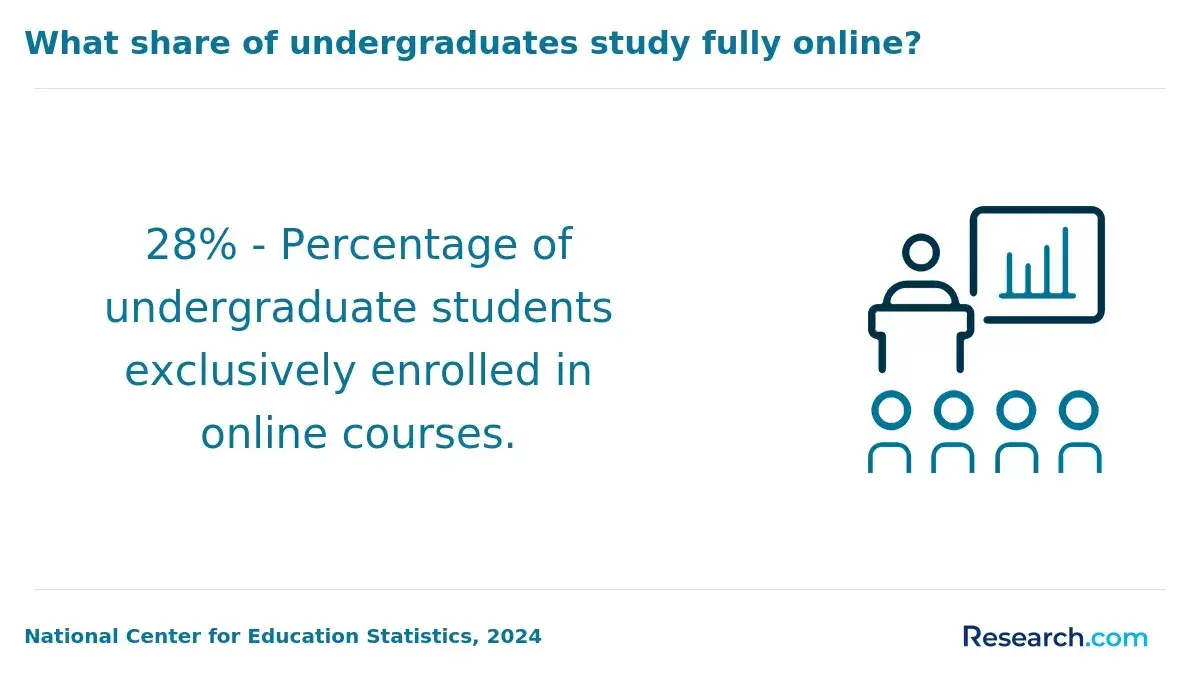
With about 65.2% of working adults now enrolled fully online, these technological and organizational competencies are not merely conveniences but necessities. Proper preparation can prevent costly delays caused by technical failures or mismanaged schedules. Below are key technology requirements and online learning skills that working adults must develop to thrive in this environment.
- Reliable and Modern Hardware: Students must use a computer that runs the latest browsers such as Chrome or Firefox and supports multimedia content. Outdated devices create obstacles in accessing lectures, submitting assignments, or participating in discussions, so investing in reliable technology reduces disruption and stress.
- Digital Literacy and Software Proficiency: Familiarity with PDF readers, office suites, and the Blackboard LMS is essential. Working adults can strengthen these skills through orientation modules and hands-on practice before courses start, which helps them avoid falling behind due to technical unfamiliarity.
- Strong Time-Management Abilities: Online programs at George Washington University rely heavily on asynchronous content, making it critical for students to plan study time amidst work and family duties. Developing calendars and setting consistent schedules supports steady progress and minimizes last-minute rushes.
- Self-Regulation and Accountability: Without the structure of on-campus classes, students must cultivate discipline to complete readings and assignments independently. Successful adults often use reminders, goal-setting apps, or peer accountability groups to maintain focus.
- Access to Stable, High-Speed Internet: Consistent connectivity is foundational for streaming lectures and submitting coursework. Students should test and secure reliable internet service in advance to avoid technical interruptions during critical deadlines.
- Problem-Solving Under Pressure: Technical glitches or unexpected learning barriers can arise. Developing the ability to troubleshoot minor issues, seek timely support, and adapt plans quickly is vital for maintaining momentum.
- Effective Communication Skills Online: Clear, concise messaging in discussion boards, emails, and group projects is necessary to avoid misunderstandings and build rapport remotely. Practicing professional digital communication supports smoother collaboration despite physical distance.
One graduate shared how balancing a full-time job and online studies tested her initially limited tech skills. "At first, I hesitated to ask for help because I thought I should manage alone. But after struggling with submission errors during my first course, I realized mastering the LMS and browser settings was essential. I dedicated evenings to tutorials and reached out to tech support without delay. That preparation made it possible to juggle work projects and deadlines while staying on top of coursework. Without improving my digital navigation early on, I couldn't have handled the unpredictable demands of the program."
How affordable is George Washington University for working adults?
Working adults weigh affordability heavily when considering higher education alongside full-time employment and household costs. George Washington University's high total cost of attendance, estimated at $80,727, demands scrutiny from adults balancing budgets and personal responsibilities. Unlike clear per-credit tuition details, specific fees for online or non-traditional students at GWU are not publicly available, complicating precise financial planning. However, the university's flexible scheduling and credit transfer policies potentially shorten degree time, which can reduce overall costs. This balance matters in Washington DC, where demand grows for cost-effective continuing education at George Washington University. Below are key factors shaping affordability for working adults.
- Financial Aid Reach: Approximately 79% of GWU students receive some form of aid, making this a vital tool for working adults. Access to scholarships and grants can significantly offset out-of-pocket expenses, especially when combined with employer tuition support.
- Transfer Credit Policies: GWU's acceptance of transfer credits allows students to avoid repeating coursework. Reducing required credits shortens time to degree, directly lowering tuition totals and lost wages.
- Flexible Online Formats: The online programs accommodate varying schedules, helping students maintain employment. This flexibility limits opportunity costs associated with full-time study.
- Employer Tuition Assistance: Many employers offer tuition benefits, which, when leveraged alongside institutional aid, can reduce costs by up to 30%, according to recent data from the National Student Clearinghouse.
- Lack of Transparent Tuition Pricing: The absence of detailed tuition rates for adult online learners complicates budgeting, requiring prospective students to carefully account for variable expenses.
- Federal Financial Aid Limitations: While federal FAFSA programs are applicable, specific data on adult distance learners obtaining government grants or subsidized loans at GWU is limited, requiring alternative financing strategies.
- Opportunity Cost Considerations: Working adults must assess time spent studying against current earnings and career progress. GWU's adaptable programs can minimize lost income, but the high sticker price demands careful cost-benefit analysis.
These factors together define how affordable tuition options at George Washington University for working adults truly are. For individuals seeking quality education while managing work and family life, understanding this matrix of costs, aid, and scheduling is crucial to making an informed decision. Further insight into non profit online universities supports evaluating GWU against broader trends and alternatives.
What challenges do working adults face while studying at George Washington University?
Balancing work, family responsibilities, and academic commitments creates unique challenges for adult learners at George Washington University. Many face limited time and energy to invest in studies while maintaining employment and personal lives. The adjustments to rigorous academic expectations and new digital platforms can overwhelm returning students. These pressures often reduce opportunities for meaningful peer interaction in large online classes, which affects motivation and retention. This tension between multiple priorities often forces learners to navigate complex tradeoffs in their pursuit of a degree. The most significant hurdles are outlined below.
- Isolation in Online Classes: Large, virtual cohorts limit meaningful peer connection, reducing opportunities for collaborative learning and networking. Students must proactively seek out study groups or virtual meetups to mitigate this isolation and build support.
- Transitioning Back to Academic Life: Adults returning after years in the workforce must adjust to unfamiliar academic formats and digital tools. This steep learning curve can hinder initial progress, requiring early engagement with academic advisors and tech support.
- Balancing Work and Study Demands: Employment and family commitments compete directly with study time, often forcing students to sacrifice either rest or coursework. Strong time management and realistic scheduling are essential to maintain steady progress.
- Lack of Academic Support and Community: A 2024 study by the National Adult Learner Association found 62% of adult students report this as a primary barrier to persistence. Active participation in virtual student organizations can help recreate a sense of belonging.
- Expectations for Soft and Technical Skills: Employers increasingly demand both skill sets, but isolated online learning may not nurture soft skills well. Seeking internships or volunteer roles alongside studies can supplement skill development.
- Motivation Under Competing Responsibilities: Sustained engagement suffers when multiple life demands cause burnout. Establishing clear goals and achievable milestones helps preserve motivation over time.
- Strategic Use of Transfer Credits: Transfer credit policies can shorten time to degree but require careful planning to ensure transferred credits align with program requirements and career goals.
For those weighing the journey, understanding these obstacles alongside flexible scheduling and transfer credit benefits is crucial. Some may explore short certificate programs that pay well online as alternatives when balancing work and study challenges at George Washington University proves untenable.
How does George Washington University compare with other online schools for working adults?
Working adults should weigh more than an institution's reputation when choosing an online school. Critical factors include how flexible scheduling aligns with work and family demands and whether transfer credits reduce time and cost to degree completion. Career impact relative to the financial investment also matters, as many online programs vary widely in outcomes. Comparing George Washington University to similar schools reveals meaningful advantages and tradeoffs beyond brand recognition. Key considerations to evaluate include the following.
- Flexible Scheduling and Course Pace: George Washington University offers scheduling designed to accommodate working adults, providing asynchronous formats that reduce conflict with professional responsibilities. This flexibility surpasses some competitors but still requires proactive planning around course start dates and workload. Prospective students should assess if the level of scheduling freedom matches their unpredictably changing work hours.
- Robust Transfer Credit Policies: GWU generally accepts transfer credits readily, which can shorten degree timelines and lower costs. This is particularly important for adults returning to education who already hold college credits. However, verifying transfer eligibility early is crucial to avoid administrative delays that could offset these benefits.
- Career Outcome and Earnings Potential: With a median alumni salary of $90,873 and an earnings-to-debt ratio of 4.44x, GWU outperforms many peer schools, where ratios above 3.5x are rare. For working adults, these data suggest a relatively strong return on investment, but balancing upfront costs against projected salary gains remains essential.
- Adult Learner Support Networks: GWU integrates dedicated success resources and career counseling tailored to adult students. This comprehensive support improves retention, with GWU's online adult learner retention exceeding 75%, compared to roughly 60-65% nationally. Such services can determine persistence and degree completion for busy adults juggling multiple priorities.
- Tuition and Total Cost Considerations: The total estimated attendance cost at GWU is $80,727, which is high relative to some competitors. Working adults must weigh this against the potential for accelerated career advancement and higher salaries. Financial aid options and employer tuition assistance should be factored into cost evaluations.
- Alignment with Employer Expectations: GWU's programs maintain strong industry connections and are recognized by many employers, which can facilitate smoother transitions into higher roles or new fields. Adults seeking degrees primarily for credentialing should verify how specific programs align with local job market demands before committing.
- Retention Rates Among Adult Online Students: Higher retention rates at GWU indicate greater student satisfaction and manageable program difficulty compared to many online alternatives. For a working professional, this suggests a lower risk of losing time and money due to course withdrawal or failure, a critical factor when balancing education with work and family obligations.
Is George Washington University the right choice for your career goals?
George Washington University's online programs provide working adults with flexible scheduling and transfer credit options that can help maintain career momentum or enable transitions into new fields. The structure suits professionals balancing jobs and personal commitments while pursuing degrees that emphasize practical skills. For instance, a mid-career IT specialist aiming to move into cybersecurity may benefit from GWU's curriculum aligned with industry certifications and market demands, making the degree a potentially pivotal step for professional skill enhancement and relevance.
The real career value of a degree from George Washington University heavily depends on the student's industry and professional goals. Fields like computer science and engineering often see stronger employer recognition and higher median salaries-$75,984 and above-compared to sectors such as public relations, where median alumni salary is closer to $47,727. Career services and networking events are available but their impact varies by sector, so students should weigh how well GWU's resources meet expectations for licensure, employer requirements, or long-term professional growth in their chosen path.
Compared to other online institutions, George Washington University tends to offer robust outcomes in business and STEM fields due to its corporate partnerships and curriculum alignment with labor market needs. A national survey by the National Association of Colleges and Employers reports that 78% of GWU online graduates find relevant employment within six months, which highlights competitive job placement rates. However, students pursuing less technical or niche degrees might face more moderate returns, making GWU a strategic rather than universal choice.
Ultimately, determining whether George Washington University matches one's career goals requires assessing both immediate applicability and future earnings potential against other online program options. The university's flexible format benefits students needing adaptability, but aligning academic offerings with employer recognition and professional pathways is crucial to maximize the investment's career payoff.
What Graduates Say About George Washington University's Flexible Schedules, Transfer Credits, and Online Learning for Working Adults
- Christian: "Balancing a full-time job while pursuing my degree through George Washington University's online format required careful use of their flexible scheduling system. I strategically planned my courses around peak work periods, sometimes taking fewer credits when projects ramped up and accelerating when schedules cleared. The transfer credit evaluation process was straightforward but thorough; I had to provide detailed syllabi, which helped me decide which past courses were worth transferring. This flexibility meant I could maintain steady progress without burnout, ultimately completing my degree slightly ahead of the original timeline. Graduating from George Washington University has since opened doors for leadership roles within my industry, reinforcing that managing academic pacing alongside career demands was a practical investment."
- Dalton: "My approach to earning a degree at George Washington University was quite deliberate because I knew transferring previous credits could either shorten or complicate my academic path. After submitting my transfer credits, I realized accepting them too early might limit my ability to take advanced electives later, so I opted for a steadier course load instead. The online learning platform was a crucial asset-it enabled me to juggle evening coursework and weekend assignments without missing critical work deadlines. Despite some constraints with course availability that required adjusting my schedule multiple times, the program's overall flexibility helped me complete my degree on schedule. Looking back, the credential has significantly enhanced my credibility in consulting, validating the measured pace I chose."
- Parker: "Flexible scheduling was essential for me while studying at George Washington University since I had to coordinate coursework with irregular hours at my job. I found that the transfer credit evaluation process was more detailed than expected, especially in verifying equivalency, which slowed down my initial planning but ultimately gave me confidence in my course choices. The online format demanded constant organization, so I used calendar reminders and weekly task lists to keep pace, especially during busier work months. This approach meant I completed the degree over a bit longer than anticipated, but with less stress and a stronger grasp of the material. Since graduating, I attribute my promotion in project management to the applicable skills and network I gained through this balanced and thoughtful path."
Other Things You Should Know About George Washington University Degrees
In 2027, George Washington University offers flexible course pacing options designed for working adults. These options allow students to tailor their schedules around professional and personal commitments, thus facilitating a balance between work, education, and family life, without sacrificing quality or rigor.
While George Washington University accepts transfer credits from accredited institutions, there are caps on how many credits can be transferred toward certain degrees, especially at the graduate level. This means that some prior coursework may not reduce the time or tuition cost as much as anticipated. Working adults should verify transfer policies for their specific program and plan for potential additional coursework, which could extend their studies despite previous academic experience.
The online learning environment allows limited opportunities for spontaneous networking compared to traditional classrooms, as interactions are often structured through forums or scheduled video sessions. For working adults aiming to advance their careers through connections, it may be necessary to complement online study with active participation in professional associations or on-campus events when possible. Relying solely on online formats may restrict informal relationship-building important for some industries.
George Washington University has a strong general reputation, but employer recognition of its online and flexible programs varies by sector and geographic region. For industries valuing traditional, in-person education, there may be an implicit bias that affects hiring or promotion opportunities. Working adults should assess their field's perspectives on online degrees and consider pursuing programs where employer acceptance is documented or supplementing education with industry certifications to maximize return on investment.
References
- G-W Online Textbook https://support.g-w.com/kb/article/87-system-requirements-g-w-online-textbook/
- Accredited Online High School Program & Curriculum | GWUOHS https://www.gwuohs.com/academics/high-school-program/
- Scheduling Courses for Flexibility and Student Success https://www.facultyfocus.com/articles/trends-in-higher-education-scheduling-courses-for-flexibility-and-student-success/
- Concerns about George Washington University https://talk.collegeconfidential.com/t/concerns-about-george-washington-university/2089854
- Online Courses from George Washington University https://www.edx.org/school/gw
- GW says estimated costs for returning students will be more than $98,000 per year https://www.nbcwashington.com/video/news/local/gw-says-estimated-costs-for-returning-students-will-be-more-than-98000-per-year/4083725/
- Education, Seniors | SeniorNavigator https://seniornavigator.org/program/27492/education-seniors
- The George Washington University Online Degree Program Partnership https://2u.com/partners/the-george-washington-university/
- George Washington University moving to online classes after spring break https://www.fox5dc.com/news/george-washington-university-moving-to-online-classes-after-spring-break
- GW Nursing https://online.gwnursing.org/catalog/