2027 The University of North Carolina at Chapel Hill Online Master of Business Administration - General MBA: Cost, Admissions, Curriculum, and Career Paths

Co-Founder and Chief Data Scientist
Professionals evaluating an online Master of Business Administration - General MBA from The University of North Carolina at Chapel Hill face a critical question: Does this program's flexible format and curriculum align with evolving career demands and adult learners' complex schedules?
With online graduate enrollment growing 8% in 2023 according to the National Center for Education Statistics, accessibility remains a key factor in educational decisions. However, the practical implications of course design, admissions criteria, and career outcomes vary widely.
Prospective students must weigh these elements carefully to ensure that the program supports meaningful career advancement without compromising learning rigor or professional relevance. This article examines the cost, curriculum structure, admissions process, and career results of this program to help readers determine its fit with their academic goals and professional ambitions.
Key Points About The University of North Carolina at Chapel Hill's Master of Business Administration - General MBA Program
- The University of North Carolina at Chapel Hill's General MBA program has a 19% acceptance rate, indicating a highly competitive selection that narrows enrollment to candidates with strong academic and professional backgrounds.
- Employer recognition of this MBA reflects not just the institution's brand but also alumni success in diverse sectors, impacting graduates' career mobility and salary negotiation leverage.
- The total tuition cost of $27,633 requires weighing upfront financial investment against likely long-term career advancement and earnings potential, especially given the program's selective admission.
What can students expect from The University of North Carolina at Chapel Hill's online Master of Business Administration - General MBA curriculum?
The University of North Carolina at Chapel Hill's online Master of Business Administration - General MBA curriculum aligns closely with typical U.S. MBA programs but adds purposeful integration of leadership and strategic management to meet current employer expectations.
For a mid-level manager transitioning to a cross-functional leadership role, the program's blend of technical expertise and organizational behavior focus prepares students for real-world complexities like navigating team dynamics while managing financial decisions.
The curriculum structure encompasses a rigorous core designed to build both foundational knowledge and applied skills. Key coursework elements include:
- Financial Accounting: This course demands mastery of accounting principles and financial statement analysis, enabling students to interpret and leverage financial data critical for business decision-making and stakeholder communication.
- Marketing Management: Emphasizing market research, consumer behavior, and strategic brand positioning, this coursework equips students to develop data-driven marketing strategies essential for competitive advantage in diverse industries.
- Organizational Behavior: Covering leadership theories and group dynamics, this course sharpens soft skills like conflict resolution and motivation, which are indispensable for effective management and fostering innovation in teams.
Students pursuing the online MBA program course structure at the University of North Carolina at Chapel Hill can also tailor their studies with electives addressing emerging business trends, adding a layer of specialization that enhances career relevance. The program's online format integrates case studies, group projects, and business simulations that mimic workplace challenges, reinforcing practical application over theory alone.
While the curriculum's breadth mirrors typical offerings, its emphasis on leadership soft skills reflects evolving employer priorities, particularly in sectors demanding adaptive and strategic leadership.
For those weighing education investments, examining the program's outcomes against alternatives like quick online degrees can clarify fit relative to time, cost, and career goals.
What are The University of North Carolina at Chapel Hill's admission requirements for online Master of Business Administration - General MBA program?
Admission to The University of North Carolina at Chapel Hill's online Master of Business Administration - General MBA program requires more than just basic qualifications; it demands a carefully curated portfolio demonstrating readiness for graduate-level business study. For instance, a working professional returning to school must prepare to provide a broad range of academic and professional documents that reflect both prior achievement and potential workplace contributions.
Below is an overview of key admission components to consider when applying.
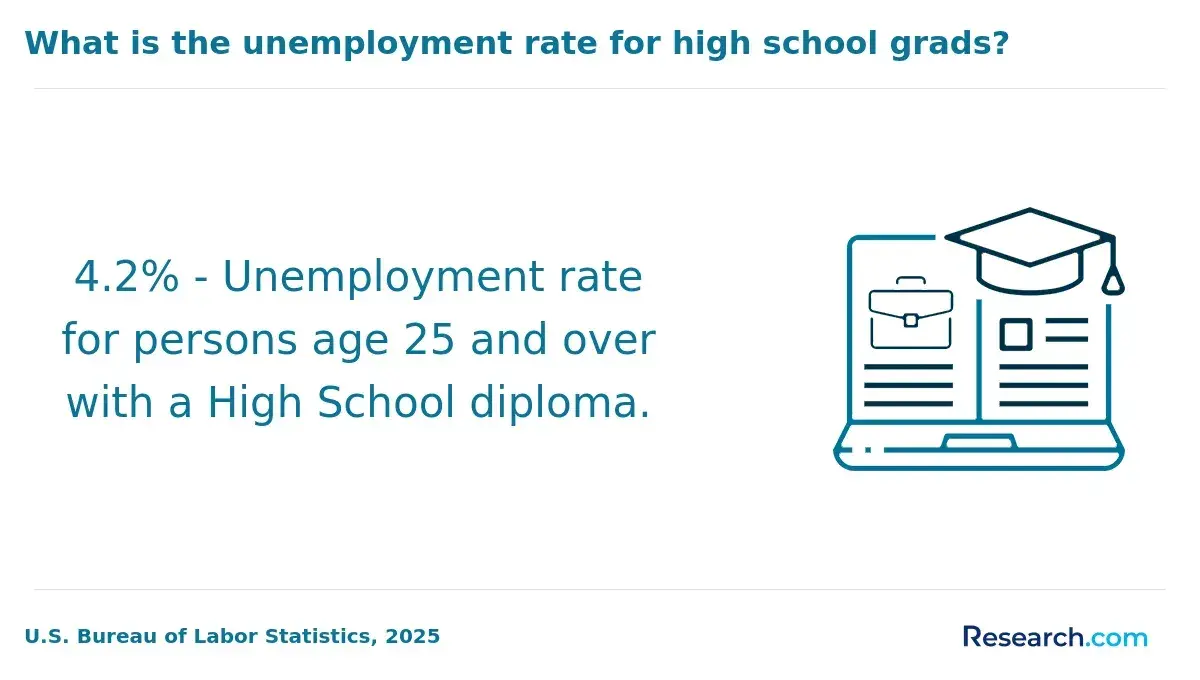
- Educational Background: Applicants must have completed high school with a standard diploma, as GED certificates are not accepted; this ensures foundational academic preparation through recognized secondary education.
- Academic Transcripts: Submission of official transcripts from all secondary and post-secondary institutions attended is mandatory to verify prior academic performance and readiness for rigorous MBA coursework.
- Standardized Testing: While specific SAT/ACT requirements are not published, the GMAT is a required element, reflecting the program's expectation of quantitative and analytical aptitude; competitive scores strengthen candidacy.
- Letters of Recommendation: These provide evaluative insights into an applicant's professional skills and academic promise, helping the admissions committee gauge fit and potential contributions.
- English Proficiency for International Students: TOEFL scores must be submitted by non-native English speakers to demonstrate sufficient command for fully online instruction and participation.
The program also suggests, but does not mandate, results from assessments like Wonderlic or WISC-III tests. Transfer students are accepted, yet specific credit transfer policies remain unclear, highlighting a need for direct consultation. Additionally, advanced placement credits and recognition of experiential learning could expedite degree progress, especially benefiting those with extensive professional backgrounds.
Importantly, UNC Chapel Hill prioritizes applicants residing in North Carolina and requires access to appropriate technology for online coursework, with options for device acquisition through the university. These layered requirements reflect a selective admissions model that weighs holistic qualifications beyond simple academic minimums.
Is it difficult to get admitted to The University of North Carolina at Chapel Hill's online Master of Business Administration - General MBA program?
Admission to General MBA programs is typically competitive, reflecting the degree's value in business leadership roles and the limited slots available at accredited institutions. The challenge increases notably at well-regarded programs, where admission hinges on both academic metrics and professional background, shaping cohorts aligned with workforce demands.
The University of North Carolina at Chapel Hill's online Master of Business Administration - General MBA exemplifies this trend through its low acceptance rate of 19%, admitting only 10,850 of 57,902 applicants.
This ratio signals a highly selective process driven by strong applicant volume and rigorous academic standards, including SAT scores in the 680-750 verbal and 690-780 math range or ACT scores between 30 and 34. Applicants must demonstrate strong intellectual preparation comparable to top-tier candidates to remain competitive.
The intensity of the admissions process has tangible effects, such as extended preparation periods and the need for strategically presented application materials. One graduate recalled hesitating over whether to apply amid uncertainty about meeting the high standardized testing thresholds, weighing the time investment against potential career impact.
Ultimately, careful preparation and precise application timing allowed admission, but underscored the crucial role of aligning credentials and readiness with the program's competitiveness.
The tuition fees for UNC Chapel Hill online MBA program present a deliberate balance between affordability and comprehensive service. The base tuition and fees amount to $8,989 annually, but the total cost of attending, factoring in books, room, board, and other expenses, rises to $27,633.
This difference underscores the importance of accounting for all financial commitments when evaluating the investment required for UNC Chapel Hill online MBA, especially since additional living costs can vary widely depending on individual circumstances.
UNC Chapel Hill's online MBA employs a flat-rate tuition system with no extra technology fees for distance learners, a notable advantage in managing expenses. For students residing out of state, this reduces the typical cost premium associated with residency status.
Compared with many other schools where tuition often surpasses $30,000 per year, this pricing model positions the online program as a financially prudent choice, particularly for those balancing work and study.
The financial tradeoff, however, extends beyond sticker price. Employers often weigh the strength of an MBA program against its cost and the associated time investment. Graduates from programs like UNC Chapel Hill's may find competitive opportunities without the burden of excessive debt, a factor increasingly relevant as hiring managers scrutinize return on educational investment in recruitment. What degree makes the most money considerations remain crucial for candidates aiming to maximize long-term career benefits.
Many candidates looking at the cost of the online Master of Business Administration - General MBA program at The University of North Carolina at Chapel Hill should weigh not only tuition but also living and ancillary expenses.
The comprehensive cost estimates provide a more accurate picture for financial planning when contrasted with federal data revealing lower costs for in-state, on-campus students, reflecting methodological differences in cost reporting rather than direct price disparity.
Financial aid significantly shapes the accessibility of the online Master of Business Administration - General MBA at The University of North Carolina at Chapel Hill, particularly for mid-career professionals balancing education costs against immediate earning potential.
Decisions about tuition financing often influence whether students can fully engage or need to extend program timelines. The university's financial support landscape blends merit-based merit awards with employer partnerships and federal loans, enabling diverse funding pathways.
Below is an outline of principal aid options, highlighting eligibility and coverage nuances that impact practical affordability and planning.
- Merit-Based Scholarships: These awards target candidates demonstrating leadership, professional achievement, and academic excellence. Applicants typically submit a separate scholarship application alongside admissions materials. Coverage varies but can substantially reduce overall tuition fees.
- Corporate Tuition Reimbursement: Students employed at companies with tuition assistance programs may apply employer contributions toward their MBA costs, lowering out-of-pocket expenses. Eligibility depends on employer policies and often requires proof of enrollment and satisfactory grades.
- Military Education Benefits: Veterans and active-duty service members may utilize benefits such as the GI Bill to fund part or all of their studies. These benefits often provide more favorable terms than traditional loans but necessitate appropriate military status documentation.
- Institutional Assistantships and Fellowships: Available selectively, these awards recognize academic or professional potential and typically involve a work or research commitment. They provide variable financial support and can offer valuable experiential learning aligned with career goals.
- Federal Student Loans: Graduate students qualify for direct and PLUS loans by completing the FAFSA. Loan amounts are influenced by need and credit status, offering a standardized but debt-incurring financing option. Repayment terms and borrowing limits require careful consideration relative to post-MBA income prospects.
Effective learning resources are crucial in bridging the gap between theoretical business concepts and practical application, particularly for online Master of Business Administration - General MBA students who must navigate remote learning challenges while competing in a dynamic job market.
Access to well-structured academic and professional support can mitigate isolation, technical disruptions, and networking gaps that often limit the value of online formats. Balancing these factors is essential for students aiming to leverage their degree into viable career opportunities.
Below are key resources integral to supporting this process at The University of North Carolina at Chapel Hill.
- Digital Learning Platform: This stable, interactive online system supports synchronous and asynchronous coursework, enabling real-time collaboration and communication between students and faculty, which is vital for maintaining engagement and academic rigor in a distance setting.
- Technical Support Services: Responsive teams address platform-related issues swiftly, minimizing study interruptions and helping students maintain their academic momentum without significant downtime or frustration.
- Academic Advising and Tutoring: Personalized guidance and tutoring help students navigate complex coursework and build skills critical for leadership roles, ensuring that knowledge gaps are addressed early and learning goals remain achievable.
- Research Library Access: Comprehensive digital libraries and databases empower students to conduct in-depth research, which supports data-driven decision-making skills highly valued by employers in business sectors.
- Career Services and Networking: Virtual career fairs, mentorship programs, and alumni networks facilitate connections with industry professionals, an essential factor in transitioning from education to employment, especially in competitive fields where direct exposure to business communities matters significantly.
Employer Confidence in Online vs. In-Person Degree Skills, Global 2024

Many MBA programs expect students to complete in-person practicums or clinicals to integrate theoretical knowledge with direct workplace experience. These typically involve supervised roles in consulting, marketing, finance, or operations within real organizations, which can significantly impact employability by demonstrating hands-on skills.
However, the University of North Carolina at Chapel Hill online Master of Business Administration - General MBA diverges from this model by not requiring in-person clinical or practicum attendance, a notable deviation from prevailing industry standards.
This approach suits professionals who need flexible schedules without relocation burdens, allowing them to balance work while pursuing their degree. The program emphasizes applied learning through virtual case studies, team projects, and simulations rather than traditional workplace immersion, adapting practical experience to an online environment.
Students are encouraged to leverage their current jobs or personal projects to gain real-world business insights aligned with their career goals. This structure addresses the challenges of accessing in-person clinicals but may underdeliver on direct experiential work exposure valued by some employers.
For students evaluating the University of North Carolina at Chapel Hill online MBA in-person practicum requirements, the absence of mandated onsite experience means tradeoffs between convenience and the depth of workplace engagement. While this flexibility aligns with remote learners' realities, individuals targeting sectors with stringent hands-on experience prerequisites might consider how this impacts their readiness.
Exploring other options such as the best associate degrees that include embedded clinical components could complement such MBA pathways.
Graduates of the online Master of Business Administration - General MBA from The University of North Carolina at Chapel Hill often secure positions where strategic decision-making and cross-functional leadership are paramount. The value of this program is reflected in its ability to equip students for roles requiring both analytical rigor and team management, a critical factor given the competitive employment landscape in North Carolina.
For example, transitioning from a mid-level role to a senior management position hinges on the practical skills gained through such programs, balancing prior experience with advanced business knowledge. These outcomes are integral to understanding employment prospects for graduates of UNC Chapel Hill online MBA programs.
Below are some typical career paths associated with this degree:
- Product Manager: Oversees product development cycles, coordinates with various departments, and aligns offerings with market needs. This role demands adaptability and strategic insight, often yielding competitive salaries.
- Financial Analyst: Interprets financial data to guide company investments and budgeting. Precision and analytical thinking are critical here, making it a staple role for those leveraging an MBA in finance-related career shifts.
- Marketing Director: Develops and implements promotional campaigns to enhance brand visibility and customer engagement. Strong leadership and data-driven strategy underpin success in this senior role.
- Operations Manager: Focuses on optimizing business workflows and resource allocation to improve efficiency. This position requires balancing multiple operational demands and often influences organizational performance directly.
Choosing this online degree includes considering how flexible learning allows professionals to apply fresh skills immediately in complex environments across sectors such as technology, finance, healthcare, and consulting. Such versatility can enhance one's trajectory but requires a clear assessment of individual career goals against the program's practical demands.
For students weighing options among self paced online universities, UNC's offering stands out for merging academic rigor with market-relevant competencies.
The salary outlook for graduates of the University of North Carolina at Chapel Hill's online Master of Business Administration - General MBA reflects a practical balance between versatility and earning potential in a competitive labor market.
Alumni with degrees in Business Administration, Management, and Operations earn a median salary of $74,938, surpassing the broader median alumni figure of $72,200 and positioning graduates favorably among peers in fields such as Economics or Computer Science. This distinction highlights how the program equips learners with widely applicable business competencies valued by employers.
These income figures suggest that students pursuing the online General MBA salary potential in North Carolina can expect returns that justify the investment, especially when contrasted with disciplines that typically yield lower median wages, such as Humanities or Social Sciences.
Many hiring managers prefer candidates who demonstrate both quantitative and strategic skills, which this MBA offers, thereby enhancing employability in diverse industries where leadership and operational know-how are crucial.
This financial perspective aligns with broader workforce trends where earning power strongly correlates with adaptable qualifications like an MBA. The University of North Carolina at Chapel Hill program's outcomes emphasize the importance of acquiring relevant skills without geographic constraints, making it a meaningful option for individuals exploring the best degrees for remote work that maintain competitive salary trajectories.
Deciding if the University of North Carolina at Chapel Hill's online Master of Business Administration - General MBA fits your needs requires thoughtful alignment of program features with your professional priorities and lifestyle constraints. An online MBA often demands balancing work, personal commitments, and study, so understanding how this program's structure and outcomes correspond with your long-term ambitions is critical.
Consider these key factors to determine whether the program's delivery and focus match your career trajectory and learning preferences.
- Schedule Flexibility: Assess whether the blend of live sessions and asynchronous coursework suits your daily routines and work responsibilities. The ability to engage in real-time interaction alongside self-paced study is essential if your job or family life involves unpredictable hours.
- Peer Interaction And Networking: Evaluate the program's cohort model and how effectively it fosters meaningful connections with classmates and alumni. Strong peer engagement benefits leadership development and opens doors in competitive job markets.
- Practical Curriculum Relevance: Analyze how well the coursework addresses real-world business challenges through case studies and corporate projects. Courses designed for immediate application can accelerate skills that employers recognize and value.
- Career Impact And Outcomes: Review the program's reputation and alumni network strength in sectors you target. Employer recognition and connections often weigh heavily in promotion considerations and job transitions.
One recent graduate shared how she weighed her options while working full-time in consulting. She initially hesitated due to concerns about live session conflicts but found the hybrid format manageable with her employer's support.
Her primary decision hinge was whether the program's focus on leadership through practical projects aligned with her goal to move into strategic management within five years. She appreciated that cohort-based discussions mirrored in-person dynamics, which helped her build a network she did not anticipate forming online.
Reflecting on her choice, she noted, "It wasn't just about fitting it into my schedule. It was about choosing a program that felt tailored to the kind of leadership role I was aiming for." This nuanced perspective underscores how personalized evaluation of program attributes can clarify whether UNC Chapel Hill's online General MBA is the right investment for individual ambitions.
What Graduates Say About The University of North Carolina at Chapel Hill's Master of Business Administration - General MBA Program
- Sofia: "Studying at The University of North Carolina at Chapel Hill gave me a robust understanding of practical business strategy, which was crucial when I transitioned from a mid-level analyst role to project management. The General MBA program emphasized real-world case studies and teamwork, which, in today's hybrid work environment, made it easier to collaborate with diverse teams remotely. Although I noticed some employers still prioritized direct industry experience over academic credentials, the program opened doors for me in competitive settings where I could showcase a well-rounded portfolio."
- Mallory: "The flexibility of The University of North Carolina at Chapel Hill's Master of Business Administration - General MBA allowed me to continue working full-time while studying, which was essential given my family commitments. What stood out was the program's focus on leadership and ethical decision-making, skills I directly apply in my current role managing client relations. In terms of career impact, the MBA helped me pivot from marketing into operations, but I've had to be proactive about gaining certifications and hands-on experience to meet industry demands beyond just having the degree."
- Gabriella: "As someone who needed a career shift, the Master of Business Administration - General MBA from The University of North Carolina at Chapel Hill gave me the analytical tools and confidence to move into a data-driven role within supply chain management. The coursework was challenging and required a careful balance with my part-time consulting work, but it sharpened my ability to tackle complex problems. In the job market, I've found that while the MBA signaled a solid foundation, employers often prioritized candidates with specific software skills and relevant internships, so I supplemented my studies with targeted training to stay competitive."
Other Things You Should Know About Degrees
The online Master of Business Administration - General MBA at The University of North Carolina at Chapel Hill requires a significant weekly time investment, typically around 15-20 hours, which can strain full-time workers. Students should realistically assess their capacity to balance work, study, and personal life over the program's duration. Prioritizing time management is critical, as underestimating the workload could lead to stress and lower academic performance.
Yes. UNC Chapel Hill’s online MBA includes required in-person experiences for some cohorts, such as orientation and selected immersion sessions. These meetups support team-based learning, leadership development, and networking, and they are scheduled so working professionals can plan around them.
The program allows for some elective selection but maintains a structured core curriculum, limiting deep specialization. Students aiming for niche roles requiring specialized knowledge may need additional certifications or learning beyond the MBA. Therefore, prospective students should prioritize this MBA if they prefer a broad business foundation over highly tailored expertise.
- Explore MBA Salary, Jobs, and Careers in Business https://teach.com/online-ed/business-degrees/online-masters-business-administration/salary-and-career-outlook/
- MBA Salary: How Much Can You Earn After Graduation? | Walbrook https://www.walbrook.ac.uk/subjects/mba/mba-degree-salary-how-much-can-you-earn/
- UNC MBA Acceptance Rate: Your Odds at Kenan-Flagler https://menlocoaching.com/top-mba-programs/unc-kenan-flagler/acceptance-rate/
- What is an MBA? A comprehensive guide https://esmt.berlin/knowledge/what-is-an-mba
- UNC Kenan-Flagler Business School https://www.clearadmit.com/schools/kenan-flagler/
- UNC Kenan-Flagler's MBA online https://www.edx.org/masters/online-mba/unc-master-of-business-administration
- Is business the hardest major to get in for at UNC? https://talk.collegeconfidential.com/t/is-business-the-hardest-major-to-get-in-for-at-unc/2018953
- UNC Pembroke MBA Online https://online.uncp.edu/degrees/business/mba/general/
- Find Course Materials | Official Store of the University of North Carolina https://unc.bncollege.com/course-material/course-finder