2027 Is Arcadia University Good for Transfer Students?

Co-Founder and Chief Data Scientist
Choosing a transfer-friendly school often hinges on how well prior credits apply toward degree completion and how flexible the institution is with different student needs. Transfer students face uncertainty about how many credits will transfer, admission hurdles, and the true cost of finishing their degree. Arcadia University presents a case worth examining for those juggling affordability and flexibility, especially given that recent national data shows transfer enrollment rebounded by 5% after a downturn, signaling renewed interest from returning adult learners and two-year college transfers.
Arcadia's approach to credit evaluation, cost structure, and support services shapes student outcomes in tangible ways. Understanding these practical factors, alongside available online or part-time options, is essential for anyone considering Arcadia after attending another college. This article analyzes Arcadia University's transfer policies, expenses, academic environment, and flexible pathways to help readers weigh its fit for their unique academic and professional goals.
Key Points to Know About Arcadia University for Transfer Students
- Arcadia University has moderate transfer selectivity, requiring secondary school records, college-preparatory completion, formal competency, and TOEFL where applicable, but excludes dual credit or life experience for transfer credit, which limits flexible credit accumulation options.
- Transfer credits undergo departmental evaluation and apply to majors or electives individually, with fall and spring admissions but no open enrollment, affecting planning and transfer timing for degree progression.
- Total attendance cost is $61,240, higher than many peers, making financial aid crucial; cost-sensitive students must assess this against alternative pathways for completing degrees more affordably.
Is Arcadia University a Transfer-Friendly College for New Students?
Arcadia University offers a moderately transfer-friendly admissions process, accepting applications for both Fall and Spring terms and considering CLEP exams for credit. This matches common transfer-student needs for flexibility and credit recognition. However, average entrance difficulty means transfer applicants must still present strong academic records to maximize credit acceptance and avoid extended degree timelines.
Real-world students should weigh Arcadia's credit policies carefully. While its mid-size enrollment may provide better advising access than large universities, credit articulation can vary by program, risking slower progress if prior coursework does not align well. A recent 12% growth in national transfer enrollment highlights rising competition, suggesting proactive credit evaluation before committing to Arcadia is crucial for cost and time efficiency.
For cost-conscious and nontraditional learners, Arcadia's transfer practices are viable but imperfect. Affordability and personalized support help, yet the average admission difficulty and program-dependent credit application mean transfer students face some risk of delayed graduation. Thus, transfer candidates must balance flexibility benefits with the possibility of extra terms or credits, especially if shifting disciplines or transferring from less conventional pathways.
How Easy Is It to Transfer Credits to Arcadia University?
Transferring credits to Arcadia University requires a formal evaluation ensuring prior coursework meets Arcadia's academic standards, including accreditation and course equivalency. Acceptance hinges on whether credits satisfy major requirements or count as electives. The university does not grant credit for life experience or dual enrollment but accepts Advanced Placement credits.
Students often face credit loss when transferring, with industry data showing around 20% to 30% of credits typically not applying due to curriculum mismatches or accreditation differences. This credit loss directly affects time to degree and can increase total tuition spent, a critical consideration for cost-conscious transfer students.
Advising resources at Arcadia guide students in understanding which credits apply and how many may count toward their degree. However, proactive engagement is necessary to reduce credit loss. Students should weigh how many accepted credits align with their major as excessive elective credits prolong program length and expenses.
For example, a student transferring with 60 credits might expect to lose up to 18 credits to non-transferability, extending their study time and costs. Given this, transfer credit acceptance at Arcadia demands careful planning and realistic expectations around degree completion timelines and financial impact.
What Transfer Admission Requirements Does Arcadia University Have?
Arcadia University sets moderately difficult transfer admission requirements, reflecting a balance between access and academic rigor that impacts a transfer student's likelihood of success and degree completion time. Transfer applicants should expect to submit official transcripts showing college-level coursework with a solid GPA, typically after completing at least 24 transferable credits including foundational courses aligned with their intended major.
These standards are designed to ensure readiness for upper-division study without risking extended time or elevated costs. In light of evolving trends, below are key considerations transfer students must address when applying to Arcadia University.
- Minimum GPA Expectations: While exact GPA thresholds vary by program and credits completed, maintaining a competitive GPA is crucial. Recent data shows 38% of four-year institutions have raised transfer GPA requirements, highlighting academic preparedness as a growing priority. Transfers with weaker grades should evaluate whether improvement or additional coursework will enhance their admission chances.
- Required College Credits: Applicants generally need 24 or more transferable credits. This baseline ensures students have completed enough foundational material to succeed in advanced courses. Community college transfers should verify credit articulation to avoid delays.
- Prerequisite Coursework: Courses relevant to the intended major are emphasized to prevent gaps in knowledge. Missing prerequisites can lead to longer degree timelines and higher costs, so early planning is essential for career-oriented or returning students aiming for efficient pathways.
- Standardized Test Policy: Arcadia University does not require SAT or ACT scores for transfer admissions. This supports adult learners and those returning after breaks, easing a common barrier and focusing evaluation on academic achievement rather than test performance.
- Transcripts and Application Deadlines: Official transcripts demonstrating completed credits and coursework must be submitted on time. Programs may have specific deadlines and requirements, so early inquiry avoids lost admission cycles. Students balancing work or family commitments should prioritize timely submission to stay on track.
Understanding these requirements helps transfer students assess whether Arcadia University fits their academic record and career timeline. Prospective applicants pursuing fast online degrees that pay well should particularly focus on how prerequisites and credit transfers align with their goals for a swift, cost-effective degree completion.
How Many Credits Can Transfer Students Bring to Arcadia University?
Arcadia University limits transfer students to a maximum of 90 transfer credits, covering roughly three-quarters of a standard 120-credit bachelor's degree. Yet, this cap varies based on the accreditation of prior institutions, with credits from regionally accredited colleges accepted more readily. Transfer students should anticipate that only up to 60 credits from two-year institutions typically count toward degree progress. This policy directly affects those coming from community colleges or pursuing 2 year accelerated bachelor degrees, influencing how quickly they can finish their degree.
Credits are evaluated based on accreditation, content equivalency, and course level, not just volume. Most accepted credits apply to general education or electives, while major requirements generally must be completed at Arcadia. This distinction can lead to longer time-to-degree and higher costs for students whose transferred credits do not satisfy core major needs. A 2024 national study found 38% of transfer credits fail to apply directly to major requirements, leading to longer degree completion times and additional expenses. This highlights the importance of thorough credit evaluation and understanding residency requirements before transferring.
Below are key points that prospective transfer students must consider when planning graduation timelines and managing credit transfer:
- Maximum Transfer Credit Limit: Arcadia accepts up to 90 transfer credits toward a bachelor's degree. This sets a firm ceiling, so students with more credits must plan for additional coursework at Arcadia.
- Two-Year Institution Credit Cap: Only 60 credits from community colleges or similar two-year institutions typically apply. Students relying heavily on these credits face potential delays in degree progress.
- Accreditation Dependency: Credits from regionally accredited schools transfer more easily. Those from vocational or less recognized institutions encounter stricter evaluation, risking rejection.
- Major Requirement Residency: Core major courses usually must be completed in residence at Arcadia, limiting how many major credits transfer and often extending time to degree.
- Credit Applicability to Degree: Transferred credits mainly fulfill general education or elective requirements. The high percentage of unused major credits underscores the need for early detailed credit audits and strategic course selection to minimize time and cost impacts.
Does Arcadia University Have Transfer Pathways or Community College Agreements?
Arcadia University has established transfer pathways through articulation agreements and community college partnerships that offer moderate accessibility but variable outcomes depending on credit alignment. With a 79% acceptance rate for transfer applicants, the university provides a structured framework that aims to reduce credit loss and expedite degree completion.
Nevertheless, the practical value of these agreements depends on how rigorously students follow recommended course mappings and how flexibly Arcadia evaluates previous credits. For example, a student transferring with an associate degree aligned to Arcadia's course equivalencies can potentially save time and tuition costs by bypassing introductory classes, while someone whose credits do not fit neatly may face additional requirements and delays.
This list outlines key transfer pathways, partnership models, and credit-planning elements at Arcadia University relevant to prospective transfers.
- Formal Articulation Agreements: Arcadia maintains official agreements with multiple community colleges specifying which courses satisfy lower-division requirements. This clarity supports more predictable credit transfer for students holding those specific credits, helping to avoid redundant coursework, primarily benefiting transfers from partner institutions.
- Guaranteed Admission Pathways: Certain programs offer conditional acceptance upon meeting criteria at partner schools. These pathways increase admission certainty, which can reduce application stress but still require close credit evaluation to ensure smooth degree progression.
- Major-Specific Transfer Maps: Arcadia provides detailed course equivalency guides tailored to majors, allowing transfer students to align previous coursework with specific degree plans. This helps limit credit loss in technical or specialized fields but requires precise academic advising to navigate successfully.
- Credit Applicability Review Process: Transfer credits undergo a rigorous review that can vary by department, sometimes resulting in unforeseen credit denial. Students should anticipate possible course substitutions or additional classes if prior credits do not fully match Arcadia's requirements.
- Advising and Support Services: Dedicated transfer advising helps students interpret articulation details and plan effectively. Strong advising can improve the benefit of formal pathways but its effectiveness depends on student engagement and timely communication.
A 2024 study from the National Student Clearinghouse Research Center underscores the impact of guided transfer pathways, finding up to a 20% increase in bachelor's degree completion rates for students using such agreements versus those who transfer without formal support. This statistic highlights the practical advantage of Arcadia's structured partnerships, although the ultimate benefit depends on transfer student diligence and credit assessment outcomes.
Is Arcadia University Affordable for Transfer Students?
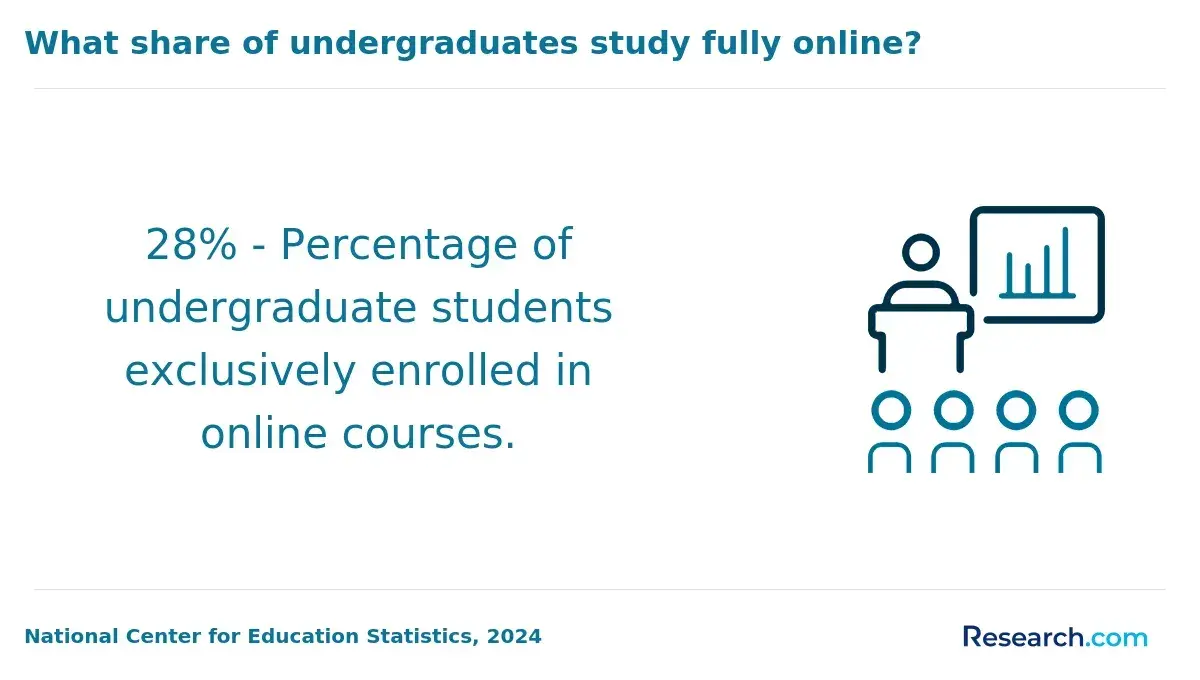
Arcadia University's tuition and fees present a significant upfront expense for transfer students, with a total cost of attendance of $61,240 and tuition alone reported at $75,630. Financial aid opportunities, including scholarships and grants, exist but vary widely by FAFSA status, enrollment intensity, residency, and program, influencing actual costs. Transfer credit acceptance impacts how many credits count toward degree completion, which can substantially alter net price and time to graduation.
Transfer students enrolling part-time or choosing online options may face different financial dynamics. Online learners qualify for the same aid as on-campus students, yet the overall savings might be limited due to program fees or technology costs. Credit loss during transfer can extend degree length, raising housing and living expenses and increasing the total investment beyond published costs.
A 2024 study by the National Center for Education Statistics shows transfer students frequently encounter financial aid gaps, resulting in lower persistence rates. This highlights the need for prospective transfers to verify transfer credit policies, be aware of aid application deadlines, and clarify all program fees. Confirming these details upfront helps identify the cheapest viable path to a degree and minimizes unexpected debt.
To reduce financial risk, transfer students should request official credit evaluations early, ensure FAFSA and institutional aid applications are complete, and track billing cycles. Prioritizing programs with transparent fee structures and substantial aid availability supports sustainable progression without academic or financial delays.
What Academic Programs at Arcadia University Are Best for Transfer Students?
Transfer students find the best academic programs for transfer students at Arcadia University primarily in business administration, health sciences, and education. These programs offer flexible credit evaluation and clear prerequisite structures, facilitating smoother degree completion paths. For example, students transferring from community colleges often benefit from articulated degree plans that emphasize timely graduation, a critical advantage given the national 42% rise in major-switching among transfer students, which complicates credit applicability and can extend time to degree.
Program choice significantly impacts the transfer credit acceptance, course sequencing, and total cost. Business and health sciences at Arcadia align well with workforce demand and typically lead to mid-career salaries 15-20% higher than those for liberal arts graduates, reflecting strong economic returns. However, students in specialized programs with rigid sequences may face limited credit transfers, prolonging their studies and increasing expenses.
Those planning a swift degree path should weigh these tradeoffs carefully. Arcadia's top transfer-friendly degrees offer pathways that balance academic rigor with practical applicability. Given the demand for practical skills, transfer students should confirm major requirements, transfer equivalencies, and prerequisite gaps ahead of enrollment.
Seeking advising support is essential to ensure credits apply as expected. Prospective students comparing options may also consider programs designed with flexible modalities. For students seeking accelerated options compatible with transfer credits, exploring the fastest masters degree can supplement undergraduate credits and career readiness.
Does Arcadia University Offer Online or Flexible Options for Transfer Students?
Evaluating online and flexible options at Arcadia University as a transfer student requires assessing how well prior credits apply while managing work, family, and limited commuting capacity. Transfer students often juggle part-time enrollment to balance obligations, making course sequencing and major-specific restrictions key. Arcadia offers some online, hybrid, and evening classes to aid flexibility, but the scope of fully online degree-completion programs remains limited.
Transfer credit policies can influence how quickly students advance, especially when rigid prerequisites or pacing slow graduation timelines. Advising support plays a crucial role in navigating these complexities and aligning schedules with personal and financial constraints. The rising demand for distance education among adult learners-up 17.3% nationwide in recent years-underscores the importance of realistic online pathways.
Below are key factors affecting transfer students seeking flexible options at Arcadia University.
- Part-Time Enrollment Availability: Arcadia allows part-time attendance, which benefits students balancing jobs or caregiving, but this extends graduation time and can increase overall costs compared with full-time progression.
- Hybrid Course Formats: Combining online lectures with limited on-campus sessions reduces commuting but requires careful planning to fit work hours and family schedules, offering modest flexibility over fully on-campus models.
- Transfer Credit Evaluation: Prior credits must align strictly with degree requirements, sometimes requiring extra courses. This limits speed of completion, especially for majors with fewer online options, affecting cost and timeline.
- Advising and Academic Support: Personalized advising helps tailor course loads and sequence for transfers, crucial for avoiding delays or unnecessary classes that add time and expense.
- Evening Class Offerings: Evening courses cater to employed students but are limited in number, potentially forcing compromises in pacing or major choice.
- Limited Fully Online Degree Paths: While online and hybrid options exist, fully online degree completion is scarce. Students seeking accelerated or remote-only routes may face constraints impacting speed and accessibility.
- Graduation Timeline Impact: Scheduling restrictions and credit transfer hurdles combine to extend time to degree for many transfers, a critical factor when weighing opportunity costs and employer expectations.
What Support Services Does Arcadia University Provide for Transfer Students?
Transfer students at Arcadia University face complex challenges: confirming how previous credits apply, selecting remaining courses, managing affordability, and adapting to a new academic culture without extending time to graduation. Arcadia's transfer student support services aim to address these issues through dedicated advising, credit evaluation, degree planning, orientation, financial aid counseling, tutoring, career services, and resources for online or flexible learners.
These layers of support collectively determine how efficiently transfer students can progress. The following details key support areas students should review when comparing Arcadia with other transfer-friendly institutions.
- Transfer Advising: Advisors guide credit evaluation and academic planning to minimize unnecessary course repetition. Comparing this service is crucial, since effective advising directly reduces credit loss and aids timely graduation.
- Credit Evaluation Support: Arcadia evaluates incoming credits carefully to preserve student progress. This matter impacts affordability by avoiding redundant tuition costs for already completed coursework, a critical factor for transfer students balancing budgets.
- Transfer Orientation: Orientation programs acclimate students early, easing adjustment to campus resources and academic expectations. Transfers should assess this support to enhance persistence and academic confidence.
- Financial Aid Counseling: With 100% of transfer students receiving aid, counseling helps navigate complex aid options, making cost management more transparent and feasible compared to institutions with less comprehensive aid outreach.
- Academic Tutoring Services: Customized tutoring addresses diverse needs, including nontraditional and online learners, critical for students balancing work and study demands without losing academic momentum.
- Career Services: These prepare students for workforce entry with skills aligned to labor market trends. Evaluating career support helps gauge post-graduation employability prospects.
- Online and Flexible Learning Options: Resources tailored for working or returning students support continuity in education, reducing disruption risks and fostering persistence.
Research from the National Student Clearinghouse Research Center shows structured transfer advising and planning reduce excess credits by up to 20%, improving persistence rates. This statistic highlights the practical value of Arcadia University resources for transfer students committed to an affordable, efficient degree path, including those pursuing an online associate's degree.
Is Arcadia University Worth It for Transfer Students Based on Graduation and Career Outcomes?
Arcadia University offers a moderate graduation rate of 64% for transfer students, slightly better than the national benchmark of 57% for community college transfers. This figure signals a practical, though not exceptional, chance of degree completion. Transfer students with previous credits should carefully evaluate how their courses apply, as credit transfer flexibility significantly influences time-to-degree and costs.
Career outcomes after transferring to Arcadia University are modest, with a median alumni salary of $58,336. This level reflects steady but limited earning potential, a key consideration for those balancing tuition costs against long-term return on investment. Transfer students aiming for swift degree completion and robust workforce value must weigh these outcomes relative to alternative programs.
Flexibility and credit applicability make Arcadia a viable fit for transfer students prioritizing completion. However, those seeking rapid advancement or higher earnings should compare Arcadia's offerings with other options and potentially more specialized programs. Incorporating career services and assessing program alignment can impact both total cost and post-graduation readiness.
Given these factors, transfer students evaluating Arcadia University should examine degree pathways that match their goals. For example, students pursuing easy bachelor degrees might find Arcadia suits their needs, but cost-conscious and career-focused learners must analyze if the expected benefits justify the investment.
What Do Graduates Say About Arcadia University for Transfer Students?
- Genesis: "Transferring to Arcadia University was a pragmatic decision after I realized only 60% of my previous credits applied directly to my major, with the rest counting as electives. The clear transfer advising helped me map out a path that kept my degree completion on track, despite a slightly extended timeline due to course sequencing. Choosing their flexible online options allowed me to balance a part-time job while managing tuition costs, making the total investment reasonable for my career goals in healthcare administration."
- Precious: "I found Arcadia University's transfer process quite supportive, especially with their articulation agreements that accepted almost all of my community college credits toward my communications degree. Their financial aid office offered competitive scholarship packages that, combined with lower mandatory fees, made the cost far more manageable than I anticipated. The degree has already boosted my resume in entry-level marketing roles, validating that the upfront transfer effort was definitely worthwhile."
- Samira: "While I appreciated Arcadia University's reputation for transfer-friendliness, I learned the hard way that affordability depends heavily on individual circumstances; some credits didn't transfer, which extended my time and increased tuition expenses. The advising staff was available but not always proactive in helping navigate degree requirements, so I had to be very hands-on. Ultimately, the degree has opened doors in nonprofit management, but I'd advise future transfer students to evaluate how their specific credits align before deciding."
Other Things You Should Know About Arcadia University Degrees
Arcadia University operates on a traditional semester system, which can create timing challenges for transfer students coming from institutions with quarter or trimester calendars. This means some credits may transfer but require additional semesters to complete due to scheduling mismatches. Transfer students should carefully evaluate how their current credits align with Arcadia's semester timeline to avoid extending their degree completion unnecessarily. Prioritizing early academic advising is essential to build a realistic plan that minimizes extra time and tuition costs.
Transfer students at Arcadia often face challenges integrating into the social fabric compared to first-year students who build networks from the start. The university's size and campus activities tend to focus on freshmen orientation and four-year students, leaving transfer students with fewer organic opportunities to connect. Those valuing strong peer networks should consider whether they can proactively compensate through clubs or cohorts focused on transfers. Choosing Arcadia requires weighing academic fit against potentially slower social integration.
While Arcadia University allows transfer students to bring in a significant number of credits, the institution expects degree requirements to be completed within eight years for credential validity and financial aid eligibility. This puts practical pressure on non-traditional or part-time transfer students to complete coursework promptly. Students who need more time due to work or life commitments might find these policies restrictive, thereby affecting their ability to extend study plans without impacting aid or graduation status. Transfer students balancing external responsibilities should assess if Arcadia's timeline fits their pace.
References
- Quick Links https://www.myccp.online/transfer-agreements/arcadia-university
- Arcadia University Transfer Credit https://www.straighterline.com/colleges/arcadia-university/
- Advice needed desperately. Ineligible to transfer from CC due to too many credits. https://talk.collegeconfidential.com/t/advice-needed-desperately-ineligible-to-transfer-from-cc-due-to-too-many-credits/410280
- Transfer Opportunities https://www.ccp.edu/student-services/academic-support-services/transfer-opportunities
- Arcadia University named among nation's top schools for transfer students - Glenside Local https://glensidelocal.com/arcadia-university-named-among-nations-top-schools-for-transfer-students/
- Arcadia University Named Among Nation's Top Schools for Transfer Students https://www.prnewswire.com/news-releases/arcadia-university-named-among-nations-top-schools-for-transfer-students-301867338.html
- Transfer Equivalency Tool https://arcadia-transfer-equiv.com/transfer-equivalency-home.html