2027 Is Grand Canyon University's Online BS in Behavioral Health Science - Trauma Worth It? What Students Should Know

Co-Founder and Chief Data Scientist
Choosing an online BS in Behavioral Health Science - Trauma program requires weighing practical factors like curriculum depth, flexibility, and alignment with evolving workforce demands. The Bureau of Labor Statistics projects a growing need for behavioral health professionals, reflecting increased public focus on trauma-informed care. However, not all programs equally prepare students for this dynamic field or offer accessible formats accommodating working adults.
Grand Canyon University's program must be assessed for how effectively it integrates trauma theory with hands-on skills, supports career mobility, and fits diverse learner schedules. This article examines those elements to clarify whether the program meets aspiring behavioral health professionals' academic and career goals.
Key Points About Grand Canyon University's Online BS in Behavioral Health Science - Trauma Program
- Grand Canyon University's online BS in Behavioral Health Science - Trauma accepts 60% of applicants, balancing accessibility with selectivity to maintain academic rigor and program quality.
- The total tuition of $37,212, combined with a 1.91x earnings to debt ratio, indicates financially reasonable returns relative to educational investment and career prospects.
- Employers in behavioral health recognize the degree's value, as alumni with this specialization have demonstrated success in trauma-related roles within the workforce.
What makes Grand Canyon University's online BS in Behavioral Health Science - Trauma program stand out?
The distinct value of Grand Canyon University's online BS in Behavioral Health Science - Trauma program lies in its scalability and flexibility, accommodating students who must juggle education with professional or personal demands. With over 107,000 students and close to 8,000 faculty members, the program can deliver extensive resources and specialized trauma-focused training while maintaining accessible faculty support. For working adults pursuing behavioral health roles, this structure offers a significant advantage over traditional, less adaptable programs that may not align with irregular schedules.
The curriculum's integration of trauma-specific coursework prepares students for practical application in clinical and support environments, enhancing employability in sectors where trauma-informed care is increasingly prioritized. The program's asynchronous classes and multiple annual start dates mitigate common barriers such as time constraints and geographic limitations. However, the average graduation rate of 43% signals the substantial commitment required, underscoring that this program demands discipline and resilience, which prospective students must weigh against their readiness for rigorous study combined with other responsibilities.
Is it difficult to get admitted to Grand Canyon University's online BS in Behavioral Health Science - Trauma program?
Admission to a typical BS in Behavioral Health Science - Trauma program often balances the need for capable candidates against the profession's growing demand. Highly competitive programs tend to have stricter entry barriers, reflecting robust applicant pools and stronger employer preferences for demonstrated academic rigor. Meanwhile, moderately selective ones aim to maintain standards while accommodating workforce needs for trained professionals in behavioral health.
Grand Canyon University's online BS in Behavioral Health Science - Trauma fits within this moderate selectivity range, admitting about 60% of applicants. With nearly 29,000 students enrolling annually, the program is accessible yet retains some academic expectations. SAT scores commonly fall between 540 and 620 verbal and 518 to 555 math, while ACT scores range from 19 to 170, suggesting the university values baseline academic competence without creating prohibitive hurdles.
This level of admission difficulty indicates a practical tradeoff—candidates with adequate preparation gain entry, supporting workforce entry without sacrificing quality. However, applicants should recognize that meeting minimum test scores does not guarantee admission, and regional demand for trauma-informed behavioral health professionals can affect competitiveness outside just admissions metrics.
One graduate recalled that despite initial uncertainty after submitting application materials close to the deadline, the moderate difficulty meant there was room to overcome minor delays and test score fluctuations. "It wasn't intimidating like other programs I looked at, but I still worried if my ACT scores were on the lower end," they explained. "Being able to apply without extremes in competition let me focus on improving my profile rather than obsessing over every point."
This experience highlights how the program's accessible threshold can ease candidate anxiety while requiring adequate readiness for effective admission.
How does the curriculum of Grand Canyon University's online BS in Behavioral Health Science - Trauma program stay aligned with current industry trends?
Aligning with evolving employer requirements in behavioral health, Grand Canyon University's online BS in Behavioral Health Science - Trauma embeds practical and interdisciplinary elements critical for addressing trauma within diverse populations. This alignment addresses a key tradeoff faced by many programs that lean heavily on theory while underpreparing students for crisis intervention or comorbid conditions seen in real-world settings.
Below are three factors demonstrating how GCU's curriculum reflects current industry standards and workforce demands:
- Evidence-based curriculum: The program integrates trauma-informed care and crisis intervention courses that emphasize applied strategies validated by recent research. This foundation prepares graduates to implement approaches that many service providers now mandate, ensuring relevance in job roles that demand measurable outcomes.
- Interdisciplinary focus: By including courses on behavioral pharmacology, counseling ethics, and family systems, the curriculum mirrors the multifaceted challenges encountered in trauma-related behavioral health. This breadth equips students with nuanced perspectives necessary for collaborative care models prevalent in Arizona's trauma behavioral health science program industry alignment.
- Applied learning components: Practical assignments such as case study analyses and applied research projects foster critical thinking and communication skills expected by employers. These elements reduce the common disconnect between academic preparation and workplace realities within trauma-focused roles.
Grand Canyon University's online BS in Behavioral Health Science - Trauma offers a curriculum structure that addresses many contemporary workforce needs but may require supplementary experience or certification post-graduation for a competitive edge in complex care environments.
Prospective students should weigh how well this program matches their career intentions, considering these operational factors. For those comparing advanced degree affordability, consulting resources on the cheapest online doctoral programs can offer additional context for educational investment decisions.
How much does Grand Canyon University's online BS in Behavioral Health Science - Trauma program cost?
Tuition and fees for Grand Canyon University's Behavioral Health Science - Trauma online programs run about $17,450 annually, excluding living expenses. Students should also anticipate an additional $1,100 each year for books and supplies, which can affect budgeting for those juggling multiple financial responsibilities. Given this, prospective students must weigh whether the investment aligns with expected career outcomes within behavioral health fields that often require licensure or advanced qualifications for higher wages.
The program's total annual cost, including tuition, fees, housing, and other expenses, can reach $37,212, though many students will not pay this full amount. Around 99% of undergraduates receive some form of financial aid averaging $7,744, which significantly reduces net costs and impacts affordability. This aid availability often differentiates Grand Canyon University's Behavioral Health Science - Trauma tuition and fees from other institutions with less robust financial support, making it more accessible for students seeking online education options.
Unlike many online degrees, Grand Canyon University's flat-rate tuition applies in-state rates to all online students regardless of residency, avoiding the common premium charged to out-of-state learners. The absence of additional technology fees also enhances the transparency and predictability of costs, an important consideration for working adults managing expenses. When compared to national averages, these pricing policies help keep costs competitive even as students pursue coursework remotely and flexibly.
For students evaluating alternatives, online tuition at Grand Canyon contrasts with other schools that might charge higher rates for online delivery or lack institutional financial aid. Exploring 2 year bachelor degree programs can provide context on accelerated or cost-efficient paths in behavioral health, highlighting tradeoffs between program length, price, and workforce entry speed.
Understanding these dynamics will clarify if Grand Canyon University's program offers a practical balance of cost and credentialing suited to individual career goals.
What are the admission requirements for Grand Canyon University's online BS in Behavioral Health Science - Trauma program?
Meeting admission criteria for Grand Canyon University's online BS in Behavioral Health Science - Trauma program requires navigating both mandatory standards and suggested benchmarks, which influence students' readiness and future employability in behavioral health roles. Ignoring these requirements may delay entry or hinder credit transfers, affecting time-to-completion and financial investment.
Prospective students should carefully evaluate how their academic background and test scores align with these standards before applying. Below are key elements of the admissions process:
- Educational Credentials: Applicants must have a high school diploma or GED. This baseline ensures foundational academic skills necessary for the program's coursework.
- Academic Record: A secondary school GPA and record are required, emphasizing prior academic performance, though strict rank or formal preparatory program completion is recommended but not mandatory.
- English Proficiency: Non-native English speakers must submit TOEFL scores to verify language skills critical for success in an online, text-heavy environment.
- Standardized Testing: SAT or ACT scores fall within a moderate to competitive range. Additional tests like Wonderlic are advised but not required, allowing some flexibility depending on the applicant's profile.
- Transfer Credits: The institution accepts credits from various examinations and experiential learning, facilitating accelerated progress for students with prior relevant education or experience.
What is the ROI of attending Grand Canyon University's online BS in Behavioral Health Science - Trauma program?
The return on investment for Grand Canyon University's online BS in Behavioral Health Science - Trauma program hinges on balancing its substantial cost against the relatively modest and stable income graduates can expect. Annual expenses approach $37,212 when factoring tuition, fees, and living costs, while median graduate earnings start near $42,186. This near parity suggests students should weigh carefully whether the long-term financial gain justifies the upfront outlay, especially since median salaries in behavioral health often show only gradual increases over a decade.
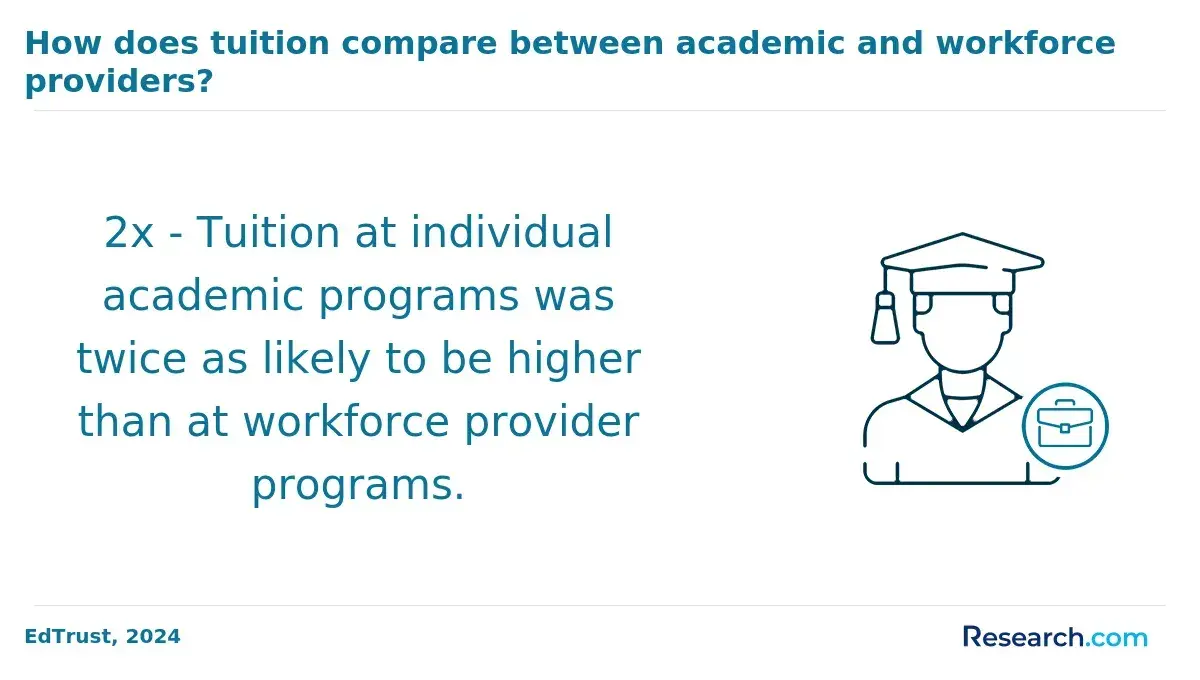
A critical factor influencing ROI is the graduate debt burden, which averages $22,114 and yields an earnings-to-debt ratio of 1.91x. This ratio indicates that while alumni do eventually earn nearly twice their debt, repayment can still be a challenge without strong job placement or income growth. Students able to secure scholarships, grants, or subsidized loans improve this calculus, as lower debt reduces financial pressure post-graduation.
Employment trends also shape the practical value of this degree. Graduates typically find roles in healthcare providers, government agencies, and nonprofit trauma support services, sectors known for stability but limited acceleration in compensation. Those targeting higher salaries must often pursue additional credentials or experience, underscoring that ROI depends on individual circumstances, including funding options and career strategy, rather than solely on degree completion.
Is there a high student satisfaction for Grand Canyon University's online BS in Behavioral Health Science - Trauma program?
Student satisfaction with Grand Canyon University's online BS in Behavioral Health Science - Trauma program tends to hinge on its flexible structure and institutional support, which can be decisive for remote learners juggling multiple responsibilities. While the moderate graduation rate signals persistent challenges around motivation and engagement, those who successfully navigate the program often credit the availability of mentoring and virtual communities for sustaining their commitment. Flexibility in course schedules helps students maintain work-life balance, a crucial tradeoff for many who cannot attend traditional on-campus classes.
The student culture across GCU's online platforms leans on building connection through digital groups and peer-led organizations that attempt to replicate a sense of belonging without physical proximity. However, some students report a lingering sense of isolation that can affect satisfaction, revealing the importance of proactive outreach and self-discipline in this learning mode. Faculty accessibility appears robust given the large staff size, but the part-time faculty proportion may influence consistency in student support experiences.
One graduate reflected on their decision to enroll while managing full-time employment: "I hesitated at first because online programs can feel lonely, but the faculty mentors really made a difference. When I hit rough patches balancing work and study, those virtual check-ins kept me going. It wasn't easy, but I valued having that connection even without a campus." This perspective underscores how institutional resources and individual determination interplay to shape satisfaction in this program's practical context.
How does Grand Canyon University help online BS in Behavioral Health Science - Trauma graduates secure employment?
Employers in behavioral health increasingly value candidates who demonstrate both relevant academic credentials and practical networking connections that ease the transition into trauma-related roles. The ability of Grand Canyon University Online's behavioral health trauma career support to reduce the time between graduation and employment reflects the critical role institutional resources play in shaping outcomes.
Data from recent workforce studies suggest that 79% of behavioral health science graduates engaged in structured university-sponsored job placement services find relevant employment within six months, a metric that holds practical meaning given the competitive and relationship-driven nature of trauma support careers.
This figure underscores how effective career services combine with alumni networks and targeted recruitment to shorten job searches and improve alignment with employer expectations. The platform GCU provides establishes a career-readiness environment that extends beyond the classroom.
Key mechanisms supporting employment for GCU behavioral health science trauma graduates include:
- Virtual Job Fairs: Periodic online events connecting students with employers actively hiring in behavioral and trauma health sectors, facilitating real-time conversations and early access to job openings that might not be widely advertised.
- Resume Workshops: Interactive sessions tailored to optimizing resumes for trauma and mental health roles, emphasizing keyword strategies and highlighting relevant clinical and interpersonal skills valued by employers.
- Career Portal: A specialized job board focused on behavioral health science positions, which filters openings to enhance the relevance and timeliness of opportunities presented to graduates.
- Alumni Mentorship: Networking programs pairing current students with graduates employed in trauma-related fields, providing insider insights and professional guidance that can accelerate placement.
These resources acknowledge the complexities of entering trauma-focused behavioral health professions and the necessity of proactive, targeted employment strategies. Students balancing education and work could view these supports as instrumental in managing the demanding job search landscape, especially compared to self-directed efforts common in less supported programs.
For those evaluating long-term ROI and considering accelerated pathways, examining how these career supports integrate with advanced degrees like a master degree in 6 months might reveal additional efficiency in building expertise and obtaining advanced credentials within tighter timelines.
What are the career outcomes for recent graduates of Grand Canyon University's online BS in Behavioral Health Science - Trauma?
Graduates of Grand Canyon University's online BS in Behavioral Health Science - Trauma frequently enter roles that require foundational human services knowledge but primarily focus on mental health support. This degree's value hinges on how well it prepares students for entry-level positions where trauma-informed care skills are increasingly relevant.
However, for many, it represents a starting point before seeking certifications or graduate degrees needed for higher-earning roles. Career outcomes are critical in evaluating the program's worth since employment prospects and salary potential directly impact return on investment.
Below are specific career paths common among recent graduates, illustrating practical outcomes and earning expectations:
- Behavioral Health Technician: These professionals assist clients managing mental health challenges, often providing direct support under clinical supervision. Average salaries align with entry-level positions, reflecting the role's supportive nature in trauma-related care environments.
- Case Manager: Case managers coordinate services and care plans for individuals with behavioral health needs. This role involves administrative skills alongside direct client interaction and generally offers slightly higher pay compared to technician roles.
- Trauma Counselor: Counselors trained in trauma work directly with individuals to address psychological impacts of traumatic experiences. While often requiring further certification, initial roles accessible after the degree may be limited in scope and compensation but position graduates for growth in social service sectors.
- Social Worker: Some graduates may transition into social work roles with additional licensure. Salaries for social workers typically surpass general human services positions, reflecting the additional responsibilities and credentials involved.
In Arizona, behavioral health trauma career opportunities increasingly demand comprehensive knowledge combined with experience. Employment prospects for Grand Canyon University trauma degree graduates hinge on gaining practical skills and advancing certifications to leverage broader job markets.
For students weighing an online program, comparing these outcomes with alternatives like an online associate degree may clarify the best educational investment aligned with their career goals.
How do I know if Grand Canyon University's online BS in Behavioral Health Science - Trauma program is the right fit for my goals?
Determining if Grand Canyon University's Online Behavioral Health Science Trauma program fits depends heavily on aligning the program with your specific academic and professional objectives. For example, a student aiming for trauma-focused clinical roles needs a curriculum rich in evidence-based trauma care and practicum opportunities, while someone targeting broader behavioral health positions might prioritize theory and policy. The value of the program is thus contingent on how well it prepares you for your intended career outcomes and the realities of the job market.
Several criteria are essential to consider before committing to this or any specialized degree. These include:
- Curriculum Relevance: Evaluate whether the program content covers critical trauma-informed care practices and integrates behavioral health theories with practical skills. Check for applied learning components that will directly enhance your employability in targeted roles.
- Accreditation and Industry Recognition: Confirm that the degree is accredited by recognized bodies in behavioral health. This accreditation often dictates employer trust and your eligibility for certifications or licensure, which are pivotal in professional advancement.
- Online Delivery and Flexibility: Analyze if the program's format suits your learning style and life circumstances. Some students benefit from fully asynchronous courses offering self-paced study, while others require scheduled live interactions to remain engaged.
- Support and Networking Opportunities: Investigate availability of academic advising, career counseling, and trauma-specific internship placements. These resources can significantly influence your practical experience and job placement prospects post-graduation.
- Graduate Outcomes and Employability: Look beyond graduation rates to assess employment statistics in trauma-related roles, employer demand in your region, and long-term career prospects linked to the degree.
Since assessing program fit depends on nuanced factors, exploring a range of online degree programs for working adults can also inform your decision regarding the best educational pathway in behavioral health science - trauma. Being mindful of these considerations ensures that you select a program aligned with your goals and the workforce realities of trauma-informed care.
What Graduates Say About Grand Canyon University's Online BS in Behavioral Health Science - Trauma Program
- Jamal: "Studying at Grand Canyon University gave me a strong foundation in trauma-informed care, which was crucial when I started applying for jobs. While the curriculum prepared me well, I quickly realized that employers in this field often prioritize hands-on experience and certifications over just the degree. The program's flexibility helped me balance my coursework with part-time internships, enabling a smoother transition into a supportive role at a community health center."
- Sanjay: "The bs in behavioral health science - trauma program at Grand Canyon University offered a practical lens on behavioral health challenges, which aligned closely with my career goals. However, after graduation, I encountered some limitations in salary growth and advancement without further licensure. That sparked a strategic pivot for me toward obtaining additional certifications, but the knowledge I gained accelerated my entry into remote counseling roles, which I value for the work-life balance."
- Minh: "Grand Canyon University's program was rigorous and required real commitment, which helped me develop a professional mindset about the realities of trauma work. In the field, I've noticed employers often look beyond the degree itself, favoring portfolios and relevant internships, so I made sure to document my practicum thoroughly. The program definitely sharpened my ability to assess client needs critically, but navigating the hiring process still meant facing tough competition for clinical roles without a license."
Other Things You Should Know About Degrees
In 2027, Grand Canyon University's online program offers flexible scheduling, allowing working professionals to balance studies with their careers. Coursework is designed to be accessible at any time, enabling students to manage class, work, and personal commitments efficiently.
While the online program offers some discussion boards and virtual group work, it generally lacks the frequency and depth of face-to-face interactions typical in traditional settings. This can limit organic networking with peers and instructors, which is often critical in behavioral health fields for mentorship and job leads. Students prioritizing strong professional relationships may need to supplement their experience outside the platform with local internships or professional associations.
Grand Canyon University provides placement assistance, but the decentralized nature of clinical sites means availability can depend heavily on the student's geographic area. Unlike on-campus programs with established local partnerships, online students might need to proactively secure suitable trauma-focused practicum sites, which could extend the time to completion or reduce specialization options. Preparing early and exploring multiple placement options is advisable.
The curriculum assumes some familiarity with psychological concepts, so those without any prior exposure might face a steeper learning curve. If your goal is to pivot careers quickly, it's important to recognize that foundational courses may be intensive and require additional outside study. For these students, starting with a more general behavioral science or psychology bachelor's program might be a better stepping stone before specializing in trauma.
References
- 9 Mental Health Careers You Can Pursue with a BA https://www.nec.edu/news/9-mental-health-careers-you-can-pursue-with-a-ba
- Career Services https://georgian.edu/academics/career-services/
- Behavioral Health https://www.pikespeak.edu/programs/behavioral-health/index.php
- Grand Canyon University (GCU) Rankings, Campus Information and Costs | UniversityHQ https://universityhq.org/best-colleges/grand-canyon-university/
- Grand Canyon University Reviews https://www.gradreports.com/colleges/grand-canyon-university
- Careers https://www.gce.com/careers.html
- Grand Canyon University Ranking: What You Need To Know https://www.staging.westernautisticschool.vic.edu.au/vic-news/grand-canyon-university-ranking-what-you-need-to-know-1767648806
- Behavioral Health Science Degree Guide | All Bachelor Degrees https://allbachelordegrees.com/degrees/what-is-a-behavioral-health-science-degree-and-what-can-you-do-with-it/
- How much does the DBH program cost? - Cummings Graduate Institute for Behavioral Health Studies https://cgi.edu/dbh-tuition/
- Behavioral Health Career Descriptions | SAMHSA https://www.samhsa.gov/about/careers/behavioral-health-workforce/careers-by-state/descriptions