2027 Is The University of Illinois Springfield Good for Online Students? Programs, Flexibility, and Value

Co-Founder and Chief Data Scientist
Deciding whether The University of Illinois Springfield provides a supportive and effective environment for online learners requires more than reviewing course catalogs. With a 15% annual increase in online college enrollments reported by the National Center for Education Statistics in 2024, students now prioritize programs that combine flexibility with tangible career benefits. The challenge lies in assessing how well The University of Illinois Springfield accommodates diverse schedules, delivers quality education remotely, and offers resources that enhance student success. This article examines the university's online programs, their flexibility, associated costs, and the value offered to help prospective students make informed enrollment decisions.
Key Points About Studying at The University of Illinois Springfield as an Online Student
- The University of Illinois Springfield charges a total tuition of $15,092, inclusive of access to virtual libraries and technical support, framing a cost structure tailored to affordability with academic resources embedded.
- Student satisfaction reflects effective course design and faculty responsiveness, indicating instructional approaches adapted to professional schedules that can enhance persistence for working learners.
- An average graduation rate of 61% suggests moderate program completion success, highlighting the need for student self-motivation and support systems in navigating the online format.
What online degree programs are available at The University of Illinois Springfield?
Employers increasingly value credentials from flexible programs that accommodate working schedules without sacrificing academic rigor or real-time engagement. The online degree programs at The University of Illinois Springfield reflect this balance, offering diverse options that combine asynchronous learning with opportunities for live interaction.
For a mid-career professional balancing work and family, such a structure can provide critical flexibility while maintaining meaningful connection with instructors and peers. Below is an overview of notable online programs designed to meet varied workforce demands within flexible online academic programs in Illinois.
- Accounting Bachelor's Degree: This fully online undergraduate program focuses on fundamental accounting principles, financial reporting, and auditing. Most coursework is asynchronous, allowing learners to complete assignments on their own schedules, with occasional synchronous sessions for case discussions and problem-solving.
- Health Care Management Bachelor's Degree: Targeting the administrative side of healthcare, this program delivers content mostly asynchronously while integrating real-time discussions to analyze current health policy trends and system management challenges relevant to a growing healthcare sector.
- Computer Science Bachelor's Degree: Offering a fully online curriculum, this degree combines theoretical foundations with practical coding and software development skills. Students benefit from asynchronous lectures and collaborative synchronous labs to simulate real-world IT team workflows.
- MBA (Master of Business Administration): The MBA program emphasizes leadership, strategy, and organizational behavior through a mix of recorded lectures and scheduled live virtual seminars that facilitate peer interaction and networking within business cohorts.
- MPA (Master of Public Administration): Designed to prepare students for public sector management, this program balances asynchronous study modules with synchronous group projects to foster policy analysis skills and applied learning activities.
- Computer Science Master's Degree: This graduate program deepens technical expertise and research methodologies using a flexible online format featuring asynchronous coursework complemented by live Q&A sessions with faculty experts in specialized topics.
- Specialized Graduate Certificates: Certificates in areas such as Disability Studies and Data Analytics provide targeted skills through intensive, mostly asynchronous classes tailored for professionals seeking to enhance qualifications rapidly.
These offerings demonstrate how The University of Illinois Springfield's online degree programs align with real-world workforce requirements, contributing to more informed decisions for students pursuing flexible online academic programs in Illinois. Prospective students seeking guidance on suitable fields may find value in comparing these options against research on the best college majors to pursue, ensuring that their chosen pathway corresponds to evolving employment trends and personal circumstances.
Are admissions for online degrees at The University of Illinois Springfield difficult?
Admissions for online degrees at The University of Illinois Springfield strike a balance between accessibility and academic standards, making the process moderately challenging. With an acceptance rate of 84%, the university is neither highly selective nor broadly open admission; applicants must meet defined academic benchmarks including a minimum high school GPA, completion of college-prep coursework, and submission of standardized test scores like SAT or ACT within specified ranges. This level of selectivity provides a more structured filter compared to open-admission models, aiming to ensure student readiness without excessive barriers.
Applicants who do not have traditional academic records can still benefit from the university's flexible transfer credit policies, which accept credits earned through exams like CLEP, advanced placement, or documented life experience. The emphasis on these options aligns with a growing trend among online programs to accommodate non-traditional students while maintaining academic quality. However, unlike some institutions, UIS does not offer device leasing or require computer ownership, placing the onus on applicants to secure their own technology.
One UIS graduate shared that while the entrance requirements made her pause, the clear expectations helped streamline her application. "I appreciated that my SAT scores and high school transcripts were all I needed upfront, and when I highlighted my work experience for transfer credits, it really eased the process." She noted a sense of relief once admitted, as the criteria felt stringent enough to ensure program rigor but fair enough to avoid unnecessary gatekeeping.
How flexible are the online degree programs are at The University of Illinois Springfield?
The flexible online degree options at The University of Illinois Springfield emphasize balancing accessibility with essential practical requirements. Programs commonly combine asynchronous coursework, which lets students engage with lectures and assignments on their own time, with synchronous sessions designed for live interaction and collaboration. For example, a working professional pursuing a nursing degree may appreciate completing theoretical modules online but must plan for periodic in-person clinical placements, which align with real-world employer expectations in healthcare.
Student-friendly online program scheduling in Illinois at The University of Illinois Springfield is supported by a semester-based academic calendar offering multiple start dates annually, a structure that facilitates entry points beyond traditional semester deadlines. However, this hybrid model means students should anticipate occasional commitments such as practicums or internships that cannot be completed remotely, particularly common in fields like education and social work where hands-on experience is critical for job readiness. While these requirements may limit continuous remote study, they enhance long-term employability by meeting industry standards.
Prospective students weighing these programs should consider whether the degree's flexible delivery aligns with their personal circumstances and career goals. The balance of asynchronous flexibility alongside mandated in-person components can increase the program's practical value but also requires proactive scheduling. For those prioritizing fully online with minimal in-person demand, some trade-offs exist. This approach contrasts with programs focused solely on convenience, potentially offering greater workforce relevance, especially in sectors identified among the most profitable college majors.
Is it expensive to attend an online program at The University of Illinois Springfield?
The cost of pursuing an online degree at The University of Illinois Springfield is moderate, with base tuition and fees totaling $12,252 annually. When factoring in typical expenses like books and supplies, which add roughly $1,200 per year, total annual costs approach $15,092. This pricing reflects a stable and predictable commitment for students balancing education with work or family obligations, unlike programs where variable fees can complicate budgeting.
The University of Illinois Springfield applies a flat-rate in-state tuition for online students regardless of their geographic location, avoiding additional technology or out-of-state fees. This uniform pricing model removes uncertainty for students who reside outside Illinois but seek flexible, remote education. Such a structure is particularly relevant for working professionals who require transparency on total costs before enrollment decisions.
Financial aid significantly offsets the cost of online programs at The University of Illinois Springfield. With 98% of undergraduates receiving aid averaging $11,218, many students effectively reduce their net tuition burden. This aid availability enhances affordability and widens access beyond those who can pay full sticker price upfront.
Compared to national benchmarks where online tuition frequently exceeds $20,000 annually, The University of Illinois Springfield provides a competitive alternative for budget-conscious students evaluating the cost of online programs at The University of Illinois Springfield. For those seeking to maximize value while managing expenses, this blend of fixed tuition and substantial financial aid is a key consideration when identifying a cheapest online college.
What resources are included in the tuition cost at The University of Illinois Springfield?
Access to comprehensive online resources directly affects student retention and degree completion, especially when balancing education with work or family commitments. For example, a working professional juggling irregular hours needs immediate troubleshooting help and streamlined academic support to maintain momentum without delay. In this context, The University of Illinois Springfield's tuition covers a broad array of integrated services that reduce barriers commonly faced by online learners. These resources collectively form the backbone that enables sustained academic engagement and practical skill development essential for real-world employability. Below are key examples of these offerings that underscore their operational role in supporting online students.
- Dedicated Online Help Desk: Available through phone, email, and live chat, this service addresses technical issues in real time, minimizing downtime caused by connectivity or platform challenges crucial for students balancing multiple responsibilities.
- Intuitive Learning Management System: A centralized digital platform where online students access lectures, assignments, grades, and course materials, facilitating self-paced progression and clear academic tracking without administrative friction.
- Academic Advising and Tutoring: One-on-one virtual sessions provide targeted tutoring and writing support, which are particularly valuable for remote learners needing personalized guidance to meet program requirements and enhance critical thinking skills.
- Online Student Portal: Serving as an administrative hub, this portal integrates registration, financial aid monitoring, and direct faculty communication, enabling efficient management of both academic and financial obligations.
- Career Development Services: Virtual career counseling, resume workshops, interview preparation, and access to online career fairs and alumni networks are included, helping translate academic credentials into tangible employment opportunities.
Are the online degrees at The University of Illinois Springfield ideal for working professionals?
Online degrees at The University of Illinois Springfield provide viable options for working professionals who require flexibility without sacrificing academic rigor or career relevance. For example, a mid-level manager aiming to move into executive leadership can leverage asynchronous courses to balance full-time employment with graduate-level business or public administration studies. This setup facilitates skill acquisition and networking aligned with real-time workplace challenges, enhancing professional mobility within competitive industries.
The learning modalities foster an environment where students can immediately apply theoretical knowledge, while employer partnerships and tuition discount programs further integrate academic advancement with workforce realities. Below are key factors that make The University of Illinois Springfield a strong choice for working adults seeking practical, career-focused education:
- Flexible Online Delivery:The asynchronous format allows students to access lectures and assignments on their schedule, crucial for professionals managing work and family obligations simultaneously.
- Career-Focused Curricula:Programs center on skills applicable to sectors like business administration, public administration, computer science, and health care management, reflecting employer needs and industry standards.
- Employer-Aligned Tuition Benefits:Corporate tuition discount initiatives encourage employer support, lowering financial barriers and strengthening employee development within organizations.
- Relevant and Updated Content:The curriculum evolves to stay current with industry trends, ensuring students gain competencies that enhance employability and practical workplace application.
- Professional Networking Opportunities:Connections with peers and faculty specialized in relevant fields facilitate career growth and access to sector-specific insights.
- Balance of Theory and Practice:Academic programs emphasize real-world application, enabling immediate use of learned concepts to increase workplace effectiveness.
- Access to a Recognized Online Community:Students join a network of professionals engaged in similar career trajectories, supporting both learning and mentorship possibilities.
For prospective students comparing providers, it is valuable to consider The University of Illinois Springfield among best self paced online college options, where flexibility and targeted professional skills converge to support sustained career development.
How big is the online student community at The University of Illinois Springfield?
The University of Illinois Springfield's online student population, comprising a sizable portion of its total enrollment of 4,661, creates a critical mass for meaningful peer interaction and resource sharing. This density makes the online community more than a convenience, serving as a practical network for collaboration, accountability, and shared learning challenges-factors often missing in less-populated online programs.
For instance, a working professional balancing job demands with coursework can leverage official social media groups and student-run forums to troubleshoot assignments or prepare for exams in near-real-time. These platforms replicate small cohort dynamics, improving engagement despite the geographic dispersion of students and fostering a sense of belonging that correlates with better retention and academic persistence.
Moreover, the presence of honor societies and special interest groups specifically tailored to online learners' fields of study enriches networking beyond casual peer contact. This targeted community structure can translate into tangible career benefits, such as mentorship opportunities and industry insights, which are especially valuable in competitive job markets where practical connections often supplement degree credentials.
While the virtual community does not fully substitute for face-to-face interaction, The University of Illinois Springfield's digital support ecosystem strengthens the value proposition of their online programs by addressing common isolation challenges and promoting sustained academic engagement.
Is there high online student satisfaction at The University of Illinois Springfield?
Online students at The University of Illinois Springfield generally express satisfaction with the flexibility that allows them to balance coursework alongside full-time jobs or family commitments. For example, a working professional pursuing a degree appreciates the ability to access lectures and submit assignments without strict scheduling constraints, which supports continued employment and steady income. The adaptability of course delivery is frequently cited as a critical factor enabling persistence and degree completion.
Students also highlight strong faculty interaction and a reliable technology platform that minimizes disruptions and fosters engagement. These aspects contribute to a learning environment that aligns with professional standards and practical application, helping learners directly connect their studies to workforce demands.
However, some students report frustrations with administrative delays, which can hinder timely support for enrollment, financial aid, or technical issues. Additionally, limited options in specialized online courses sometimes restrict tailored academic pathways, particularly for those seeking niche fields or advanced credentials exclusively through digital means.
Overall, The University of Illinois Springfield sustains a broadly positive reputation among its online student body. While operational challenges exist, most students find that the combination of flexible scheduling, faculty access, and practical relevance provides meaningful value for online degree completion and subsequent employability.
What is the average salary for online degree graduates at The University of Illinois Springfield?
Career earnings of online degree holders from The University of Illinois Springfield reveal meaningful differentiation by field, illustrating the practical consequences of program choice. For example, a graduate pursuing business administration in government administration may find their starting salary notably less competitive than a peer with a computer science degree entering a tech-focused private sector role. This variance highlights the necessity of aligning program selection with realistic income expectations.
The average salary for University of Illinois Springfield online graduates centers around $57,103, with degrees in Computer Science commanding one of the highest medians at $64,516. Other lucrative fields include Clinical/Medical Laboratory Science/Research and Allied Professions, offering salaries near $55,601, which align well with increasing demand across healthcare systems. Conversely, majors like Business Administration, Management and Operations, and Accounting show more modest earnings between $41,513 and $46,603, reflecting the diverse salary landscape among disciplines.
Graduates' workforce placement spans government agencies, healthcare, and private companies that recruit heavily from the university's programs. The broad range of salary outcomes underscores the importance of understanding how program selection shapes financial return on investment. Those considering flexible options should also evaluate innovative paths like competency based programs that can further enhance practical employability and career trajectories.
Does the ROI of an online degree from The University of Illinois Springfield justify the cost?
Investing in an online degree can involve significant upfront costs, but the financial benefits post-graduation determine whether that investment is worthwhile. For many students considering The University of Illinois Springfield, the central question is how long it will take to recoup tuition and debt through improved earnings. UIS graduates report an earnings-to-debt ratio near 3, suggesting the average alum earns almost three times their student loan amount over time. This metric is valuable for framing repayment expectations in real-world terms rather than relying solely on sticker price.
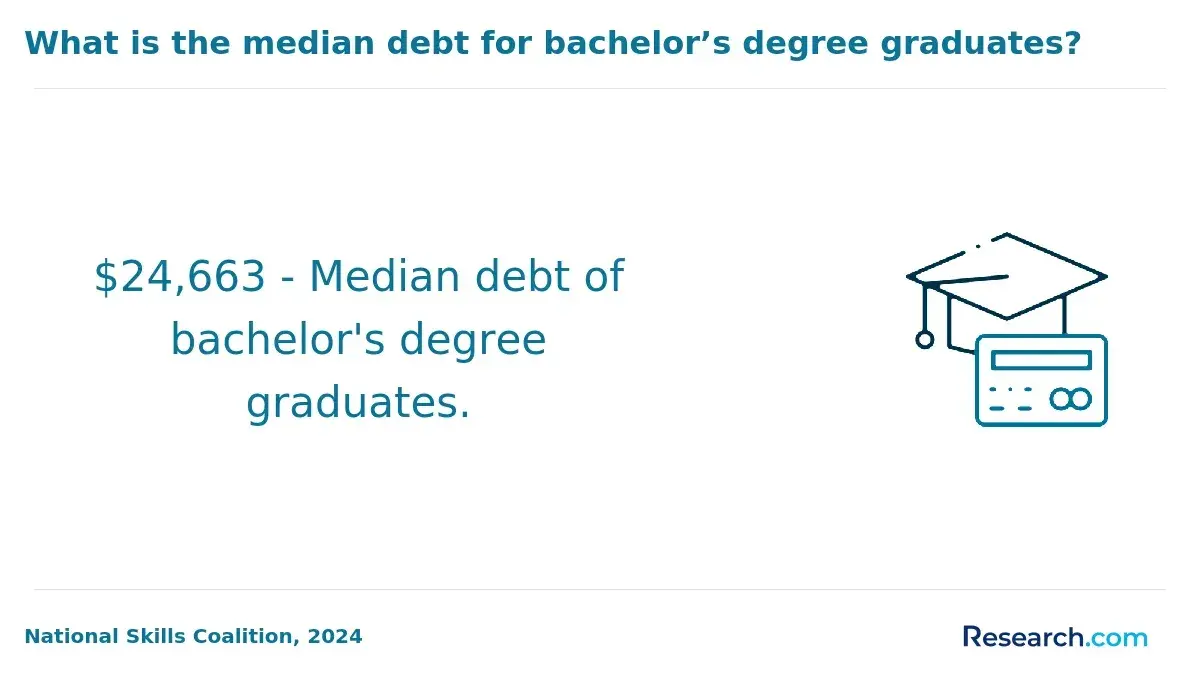
The median student debt at UIS is approximately $19,000, which slightly exceeds the reported tuition cost of about $15,000, indicating some borrowing covers additional expenses beyond tuition. This moderate debt level contrasts with overall graduate earnings, reflecting the institution's ability to balance cost control and financial aid. Many working professionals enrolled online can take advantage of UIS's tuition guarantee policy, stabilizing education costs and reducing uncertainty-an advantage in budgeting, especially for those balancing family or employment obligations.
Repayment timelines for UIS online graduates typically align with steady income progression after degree completion, particularly in fields where the university's curriculum connects directly with in-demand occupations. The relatively low loan default rate indicates graduates generally achieve financial stability sufficient to meet debt obligations without excessive strain. For students weighing this investment against potential career income, UIS's financial patterns suggest a reasonable chance at positive long-term returns.
Ultimately, the question is whether UIS's online programs translate into measurable economic value. The institution's cost structure, coupled with alumni earning capacity, provides a credible financial foundation. However, these outcomes rely heavily on the student's ability to leverage the degree into relevant employment. Without a clear career pathway, even manageable debt can become burdensome.
One online graduate shared that initially enrolling felt risky given their family and work responsibilities. They worried whether the time and money would pay off quickly enough, especially since they had limited savings. Yet, the fixed tuition helped them plan finances upward without surprises. After completing their degree part-time, a promotion increased their salary enough to comfortably handle monthly loan payments within two years. They described the experience as "worth the uncertainty," emphasizing how UIS's structure provided a critical balance between affordability and flexibility crucial for adult learners like them.
What Graduates Say About The University of Illinois Springfield's Online Degree Programs
- Stella: "Completing my online degree at The University of Illinois Springfield allowed me to balance full-time work with my studies, which was essential. While the curriculum was rigorous, it equipped me with practical knowledge that helped me transition smoothly into a remote project management role. I found that having the degree opened doors, but employers in my field really emphasized hands-on experience and certifications over the degree alone."
- Helena: "My time studying online at The University of Illinois Springfield was an exercise in discipline and adaptability, especially as I was juggling family responsibilities. Entering the workforce, I appreciated how the flexibility of the program prepared me for the evolving expectations of remote work. Though I initially hit some roadblocks competing for advanced positions without a traditional campus network, the degree's recognition gave me credibility, particularly in roles valuing formal education and communication skills."
- Cecilia: "I pursued an online degree at The University of Illinois Springfield to facilitate a mid-career pivot into IT. The structured coursework was challenging but relevant, and it gave me the credentials needed to get past HR screens. Still, in practice, my portfolio and recent certifications weighed more heavily in interviews, particularly in technical roles. Overall, the degree provided a solid foundation but it was the combination with ongoing professional development that truly made a difference."
Other Things You Should Know About The University of Illinois Springfield Degrees
The absence of extensive synchronous sessions at The University of Illinois Springfield in 2027 may increase flexibility for online students but could challenge real-time interaction and immediate feedback, necessitating proactive communication with peers and instructors to enhance understanding and engagement.
Online students at The University of Illinois Springfield have access to career services; however, networking opportunities tend to be less organic compared to in-person experiences. Events and employer connections conducted virtually may not match the impact of face-to-face interaction, which is often key for job placement in competitive fields. Students aiming to build strong local or industry-specific networks might need to supplement with independent efforts outside the university's offerings.
The University of Illinois Springfield's online courses maintain the same academic rigor as on-campus counterparts, but the workload can feel concentrated due to condensed schedules and fewer structured class times. Students balancing full-time work or personal obligations should plan for significant self-discipline and time management, as the absence of regular class meetings requires proactive progress tracking. Prioritizing realistic scheduling upfront is essential to avoid burnout.
While The University of Illinois Springfield is regionally accredited, some employers may still harbor biases favoring traditional degrees, especially in fields with established on-campus reputations. Graduates should emphasize the university's accreditation, the program's content rigor, and any demonstrated skills or internships when presenting their credentials. For students in industries where in-person networking and internships are crucial, integrating practical experience alongside the online degree can mitigate potential employer hesitation.
References
- Apply to University of Illinois Springfield https://www.commonapp.org/explore/university-illinois-springfield/
- University of Illinois Springfield | UCLC https://www.ucenter.org/member-universities/university-of-illinois-springfield
- University of Illinois at Springfield, USA - Ranking, Reviews, Courses, Tuition Fees | Hotcourses India https://www.hotcoursesabroad.com/india/us-usa/school-college-university/university-of-illinois-springfield/74191/international.html
- University of Illinois Springfield: Is It Worth It? ROI https://www.campusroi.com/schools/university-of-illinois-springfield/
- Online Courses Catalogue https://www.uillinois.edu/online
- Tuition and fees increase at UIS and other University of Illinois campuses https://www.nprillinois.org/education-desk/2026-01-15/tuition-and-fees-increase-at-uis-and-other-university-of-illinois-campuses
- University of Illinois Springfield enrollment dips slightly https://www.sj-r.com/story/news/education/2024/09/13/university-of-illinois-springfield-enrollment-dips-slightly/75171897007/
- University of Illinois Springfield - Cost & Financial Aid https://www.meetyourclass.com/uis/cost
- University of Illinois Springfield - Wikipedia https://en.wikipedia.org/wiki/University_of_Illinois_Springfield
- University of Illinois at Springfield Reviews https://www.gradreports.com/colleges/university-of-illinois-at-springfield