2027 Graphic Design Degree Popularity by Gender, Region, and Degree Level

Co-Founder and Chief Data Scientist
A prospective graphic design student researching programs may notice striking differences in enrollment trends across states and degree levels, complicating how to gauge program quality and future opportunities. For example, 2024 data shows male enrollment in associate graphic design degrees dropped by 15% nationwide, while female enrollment in bachelor's programs rose by 12%. This divergence suggests shifting gender dynamics impacting peer networks and workforce representation differently depending on degree type.
Regional variations also affect access, with some areas showing strong demand for lower-level credentials and others favoring advanced degrees. This article examines graphic design degree popularity by gender, region, and degree level to clarify these patterns and guide informed educational choices.
Key Things to Know About Graphic Design Degree Popularity by Gender, Region, and Degree Level
- Women constitute nearly 60% of graphic design bachelor's enrollments in 2024, reflecting ongoing gender shifts that may influence employer diversity goals but could also signal field-specific retention challenges.
- Regional enrollment skews toward urban coastal areas, amplifying workforce concentration but potentially limiting rural talent pipelines and complicating equitable access for geographically dispersed students.
- Associate degree pursuits have grown 15% since 2022, offering lower-cost, faster credentialing but trading off some advanced skills employers often prioritize in competitive markets.
- Key Things to Know About Graphic Design Degree Popularity by Gender, Region, and Degree Level Key Things to Know About Graphic Design Degree Popularity by Gender, Region, and Degree Level
- How Does Job Market Demand Influence Graphic Design Degree Popularity? Market Demand and Degree Popularity
- How Does Online Graphic Design Degree Enrollment Compare to Traditional Campus Programs? Online vs. Campus Enrollment
- What Degree Level Is Most Common Among Graphic Design Students? Most Common Degree Levels
- How Do Enrollment Trends Differ Between Associate, Bachelor's, Master's, and Doctoral Graphic Design Degrees? Enrollment Trends by Degree Level
- How Popular Is the Graphic Design Degree Compared to Other College Majors? Degree Popularity vs. Other Majors
- Why Is the Graphic Design Degree More Popular in Certain States and Regions? Regional Popularity Drivers
- What Demographic Groups Are Driving Growth in Graphic Design Degree Programs? Growth by Demographic Groups
- What Is the Future Outlook for Graphic Design Degree Enrollment by Gender, Region, and Degree Level? What Is the Future Outlook for Graphic Design Degree Enrollment by Gender, Region, and Degree Level?
- How Have Graphic Design Degree Enrollment Trends Changed Over the Past Decade? How Have Graphic Design Degree Enrollment Trends Changed Over the Past Decade?
- Where Is the Graphic Design Degree Most Popular Across the United States? Geographic Popularity Analysis
How Does Job Market Demand Influence Graphic Design Degree Popularity?
Job market demand shapes enrollment trends in graphic design degree programs in complex ways that extend beyond simple supply-and-demand logic. For instance, states with concentrated creative economies like California and New York not only exhibit stronger hiring needs but also higher participation in specialized bachelor's and master's tracks that emphasize digital tools and UX design.
Despite an overall projected employment growth of about 3% through 2032 according to the U.S. Bureau of Labor Statistics, regional disparities mean that students in less urbanized areas often weigh reduced job prospects against program costs and curricular relevance, influencing their decision to enroll or pursue alternative pathways.
Gender representation within graphic design programs also reflects nuanced labor market dynamics rather than uniform national trends. Although female students account for a significant portion of enrollees, regional and degree-level variations reveal how social and economic factors intersect with evolving career demands.
Programs adapting to workforce trends, such as integrating interdisciplinary skills and aligning with credentialing standards, tend to attract a more diverse student body, including those considering shifts from other fields. Prospective students must therefore assess whether a graphic design degree aligns with long-term employability, factoring in these localized job market signals and the increasingly competitive skill requirements embedded in advanced and specialized curricula.
Enrollees facing growing tuition pressures and fragmented job roles must consider practical career implications, including whether graduate study offers meaningful leverage in this sector. The decision is often influenced by how well programs incorporate emerging market needs including multimedia production and digital proficiency, which can vary widely by region and institution.
Those exploring advanced educational options might also review data on affordability and outcomes, such as those highlighted in research on affordable online doctoral programs, to ensure an investment in continued education enhances rather than dilutes career prospects in a field marked by steady but moderate demand growth.
How Does Online Graphic Design Degree Enrollment Compare to Traditional Campus Programs?
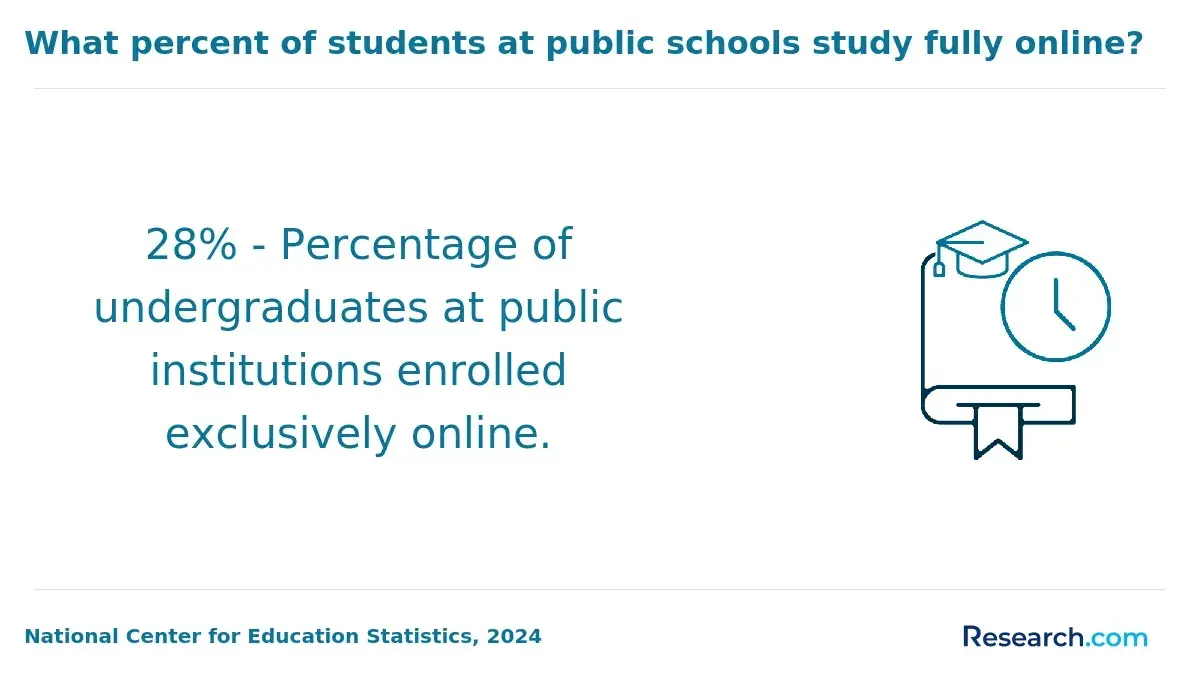
Enrollment in online graphic design degree programs is expanding significantly faster than traditional campus options, reflecting a strategic shift among students prioritizing flexibility and geographic access. Data from the National Center for Education Statistics in 2024 shows online programs growing at about 12% annually compared to a 3% increase for on-campus offerings.
This disparity highlights how online platforms attract older, non-traditional students balancing work or family, as well as those in rural areas without easy access to specialized in-person studios. Meanwhile, brick-and-mortar schools maintain stronger appeal among younger, local students seeking hands-on projects and direct critique experiences that often shape professional portfolios.
The modality also correlates with degree level preferences: undergraduate graphic design enrollment surges online, while graduate programs remain largely campus-centered due to their intensive mentorship and networking demands. This split underscores practical tradeoffs-online tracks broaden foundational access and convenience, yet may struggle with retention and providing immersive skill development valued by employers.
Prospective students therefore face a concrete choice between broader accessibility and potentially richer in-person experiential learning, impacting completion likelihood and portfolio quality that influence early career trajectories.
What Degree Level Is Most Common Among Graphic Design Students?
The predominance of the bachelor's degree in graphic design reflects a convergence of employer expectations and program accessibility that shapes both enrollment and graduate outcomes. Roughly 65% of graphic design degree completions in 2024 occur at the bachelor's level, according to the National Center for Education Statistics, underscoring how this degree serves as the industry's baseline credential.
Employers typically require this level for entry roles, valuing its comprehensive combination of technical training, theoretical grounding, and portfolio development opportunities, which are less common at the associate level. This dynamic positions the bachelor's degree as the most pragmatic pathway for those targeting immediate professional integration.
Associate degrees, while more affordable and faster to complete, mainly function as stepping stones rather than final credentials, often feeding into bachelor's programs rather than producing direct hire-ready graduates. In contrast, master's and doctoral degrees, which together make up less than 15% of completions, cater to specialized ambitions such as academic research, advanced creative leadership, or niche industry roles, limiting their appeal to a narrower student demographic.
The rise of online and hybrid bachelor's programs has further expanded access and diversity among enrollees, particularly benefiting working adults and non-traditional students, although rapid industry changes continue to challenge the longer-term benefits of advanced degrees relative to practical experience and skill currency.
How Do Enrollment Trends Differ Between Associate, Bachelor's, Master's, and Doctoral Graphic Design Degrees?
Enrollment patterns in graphic design programs reveal distinct motivations and practical considerations across degree levels, shaped by workforce demands and regional variations. Associate degrees maintain steady but slow growth, often serving students seeking rapid workforce entry or constrained by limited resources and articulation agreements.
This pragmatic choice contrasts with bachelor's programs, which command about 70% of enrollments partly due to their appeal among younger students aiming for a balanced mix of creative and technical skills, a trend particularly visible in regional differences in associate and bachelor's graphic design degree enrollment. Employers typically favor bachelor's credentials for many design roles, reflecting these programs' comprehensive scope and relative accessibility.
Master's degrees exhibit a sharper enrollment increase, underscoring rising demand for specialization and leadership capabilities within creative industries. Women predominate in this segment, which is concentrated in metropolitan centers where advanced digital proficiencies are essential.
Meanwhile, doctoral enrollments remain minimal, primarily attracting those pursuing academic research rather than mainstream industry positions, a fact that limits their impact on broader workforce outcomes. Prospective students should weigh these distinctions carefully, recognizing how degree level influences not just program offerings but also career trajectory and regional demand.
Given these nuanced enrollment trends, strategic educational planning becomes crucial. Balancing immediate job market entry against long-term specialization goals means assessing specific program benefits in context.
For instance, those interested in related fields might also consult options like online construction management degrees, which highlight different regional and practical considerations. These realities emphasize the importance of aligning degree choice with both current labor market conditions and evolving professional aspirations within graphic design's diverse educational pipeline.
How Popular Is the Graphic Design Degree Compared to Other College Majors?
The relatively modest popularity of the graphic design degree compared to larger majors like business reveals important tradeoffs in program scale and workforce demand. While roughly 9,000 associate and bachelor's degrees in graphic design-related fields were awarded in 2023-2024 according to the National Center for Education Statistics, this pales in comparison to over 300,000 graduates in business administration, highlighting graphic design's more specialized niche.
This scale affects resources such as course variety and peer collaboration while reflecting a labor market with steadier, but slower, growth projections. Student interest is also shifting toward intersecting fields like digital and multimedia design, suggesting that the graphic design degree must increasingly integrate technology to maintain relevance.
Gender and regional trends further nuance the degree's appeal, with women slightly outnumbering men in graphic design programs and urban or coastal areas showing higher enrollment due to the concentration of creative and marketing industries. Graduate degrees in graphic design remain uncommon, with fewer than 1,500 master's awarded annually, underscoring industry preferences for portfolios and practical experience over advanced credentials.
Prospective students should consider that while demand is stable, the slower growth rate and geographic clustering may influence job availability and the competitive landscape, underscoring the importance of adaptable skills and local market alignment.
Why Is the Graphic Design Degree More Popular in Certain States and Regions?
Graphic design degree popularity is largely shaped by the concentration of local industries and labor market demand, rather than merely student interest. States like California and New York, with dense media, advertising, and technology sectors, offer not only a robust job market but also a network-rich environment where graduates can leverage local creative economies.
This dynamic influences where students choose to enroll, as programs located in these areas often provide more practical and industry-aligned instruction, increasing perceived degree value and employability. For example, Austin's growth has reinforced Texas as a significant player in the graphic design education landscape, supported by public policies that fund arts education and specialized institutions.
Regional disparities in graphic design degree popularity reflect broader economic and demographic trends, impacting both student opportunities and program access. Rural states and regions with fewer creative sector employers see lower enrollment due to limited local demand and fewer training options, which affects graduates' readiness for available jobs.
Online learning has partially mitigated these gaps but cannot fully replace the professional networking and hands-on experiences tied to geographic industry clusters. Prospective students navigating regional demand for graphic design education must weigh program availability against workforce realities, recognizing that relocating or selecting programs with strong industry connections often results in stronger career outcomes.
These trends underscore the importance of aligning educational pathways with actual labor market demands, a principle seen across fields including the operations management degree arena. Understanding where regional enrollment concentrations occur helps current students and graduates interpret the value of their credentials in context and anticipate workforce shifts linked to demographic changes, funding policies, and evolving employer needs within creative professions.
What Demographic Groups Are Driving Growth in Graphic Design Degree Programs?
Shifts in graphic design degree enrollment increasingly reflect real-world workforce dynamics and evolving educational access, with women now comprising a majority of undergraduates-a trend that reshapes classroom cultures and peer collaboration. This majority presence underscores broader societal efforts to close gender gaps in creative and technical disciplines, which can influence curricular emphasis and networking opportunities. As programs adapt to these demographic changes, educators face the practical challenge of balancing traditional artistic skill development with technological fluency demanded by the digital economy.
Regional growth concentrated in states like California, Texas, and Florida highlights the interplay between local industry demand and educational delivery methods, especially through expanded online offerings that cater to adult and nontraditional students. Nearly 40% of graphic design enrollees are over 25, reflecting how flexible, remote education serves professionals seeking to pivot careers or enhance applied skills rather than follow conventional academic trajectories. This age distribution affects program design by prioritizing portfolio-ready projects and practical competencies over purely theoretical approaches.
Racial and socioeconomic enrollment patterns also reveal practical implications for access and equity in graphic design education. While Hispanic and Asian American student numbers have climbed above national averages-partly due to targeted recruitment-representation of Black or African American students lags, signaling persistent barriers that could constrain talent pipelines in a competitive creative labor market.
Additionally, the rising participation of first-generation college students suggests shifting economic factors driving demand for affordable, career-focused programs aligned with digital media and marketing sectors, emphasizing the importance of accessible pathways without diluting employability outcomes.
What Is the Future Outlook for Graphic Design Degree Enrollment by Gender, Region, and Degree Level?
Graphic design degree enrollment is poised to experience uneven growth shaped by demographic shifts, regional economic dynamics, and evolving degree-level demands. Female students are expected to maintain or slightly increase their majority presence, currently at about 60% of undergraduates, reflecting sustained interest and inclusivity efforts in STEM-adjacent creative fields. Male enrollment growth may lag as these students increasingly gravitate toward tech-centric disciplines, potentially influencing program diversity and peer collaboration dynamics.
Meanwhile, regions with expanding tech industries, particularly in the Western and Southern United States, will likely see enrollment rises supported by robust creative economies and broader adoption of online learning platforms, whereas rural and Midwestern areas may face stagnant or shrinking student pools unless institutions expand outreach or hybrid-flexible offerings.
The demand for master's-level graphic design education is projected to grow faster than undergraduate programs, with anticipated increases around 7%, underscoring employer preferences for advanced skills in digital media and UX design critical to leadership and specialized roles in competitive markets. This trend shifts longer-term academic planning for students and institutions alike, highlighting practical tradeoffs between entry-level accessibility and the value of specialized graduate credentials.
For prospective students and current degree holders, these enrollment and demographic patterns suggest that geographic choices, modality options, and degree level will substantially affect program availability, career trajectories, and the nature of professional networks they engage with, as confirmed by the National Center for Education Statistics projections and the Art & Design Education Association's 2024 data.
How Have Graphic Design Degree Enrollment Trends Changed Over the Past Decade?
Enrollment in graphic design degree programs in the United States has shifted in response to evolving workforce demands and educational strategies, underscoring a cautious recalibration of student interest rather than broad expansion. After peaking around 2017-2018, total enrollment started to decline slightly through the early 2020s, reflecting the sector's adaptation to automation and alternative digital skill sets. These changes have practical implications for how students gauge the relevance of a graphic design degree amid increased competition from emerging tech competencies and diversified credential frameworks.
Gender dynamics within graphic design programs reveal a notable trend, with female participation increasing to approximately 55% of enrollment by 2023, signaling both progress in diversity and the impact of targeted outreach in creative and tech fields. This demographic evolution influences program demand and may affect hiring patterns as employers respond to a more gender-balanced applicant pool.
Regional disparities also continue to shape enrollment, as states like California and New York, with robust creative economies, sustain higher participation rates, while others reflect stagnant or diminished interest. These geographic patterns emphasize the uneven distribution of educational opportunities and workforce development across states, influencing where prospective students might prioritize study.
The shift away from associate degrees toward bachelor's and higher-level programs corresponds with employer preferences for candidates demonstrating comprehensive portfolios supported by advanced credentials. This realignment pushes students toward longer programs with broader skill development, though some may weigh the tradeoffs of time and cost against immediate labor market entry.
Additionally, emerging hybrid and online formats, including options such as competency based masters degrees, reflect ongoing innovation in access and delivery, further impacting how enrollment trends respond to changes in student priorities and educational policy. These factors collectively influence decisions by those examining how have graphic design degree enrollment trends shifted in the United States.
Where Is the Graphic Design Degree Most Popular Across the United States?
Graphic design degree popularity by state clusters largely reflect the spatial distribution of creative industries and educational capacity rather than an even national spread. Regions with established media hubs, technology sectors, and higher education institutions offering specialized programs attract disproportionate enrollment. This concentration creates environments rich in professional networking and internship opportunities, which often translate into stronger workforce integration for graduates.
However, it also means prospective students outside these regions may face limited local options or weaker industry connections, impacting their education-to-employment pathways.
California and New York exemplify this pattern, with their dense creative and digital economies reinforcing the appeal and practical value of graphic design degrees. Meanwhile, emerging markets such as Texas and Washington highlight how growing tech industries can gradually shift enrollment trends by funding expanded program offerings and attracting new talent. The geographic popularity of graphic design degrees influences access to resources and career outcomes, requiring students to weigh these factors carefully when selecting programs.
For those seeking flexibility, researching online colleges starting this month can be a viable option to circumvent traditional regional limitations. Understanding regional trends in graphic design degree enrollment helps clarify how local labor demands and institutional strengths shape both educational opportunities and long-term career prospects in this competitive field.
References:
- Graphic Design Schools & Careers | How To Become A Graphic Designer https://www.learnhowtobecome.org/graphic-designer/
- Online Graphic Design Degree Programs and Job Outlook - OEDB.org https://www.oedb.org/rankings/online-graphic-design-programs/
- Best State To Be A Graphic Designer? • Graphic Design USA https://gdusa.com/survey-best-states-to-be-graphic-designer/
- Is a Graphic Design Degree Worth It? https://www.sessions.edu/notes-on-design/is-a-graphic-design-degree-worth-it/
- Comprehensive Graphic Design Market Insights | Growth Trends https://www.nextmsc.com/report/graphic-design-market
- Graphic design programs: A comprehensive guide to the Midwest https://bigshoesnetwork.com/blog/graphic-design-programs
- Why Demand for Designers Is on the Rise | Figma Blog https://www.figma.com/blog/why-demand-for-designers-is-on-the-rise/
- Types of College Degrees https://www.act.org/content/act/en/students-and-parents/high-school-success/what-to-do-after-high-school/college-degrees.html
- Graphic Design Schools & Careers Guide | All Art Schools https://www.allartschools.com/graphic-design/
- Raising Consciousness: Diversity in Graphic Design https://www.artcenter.edu/connect/dot-magazine/articles/diversity-graphic-design.html
Other Things You Should Know About Graphic Design
Gender imbalance in graphic design programs can indicate differences in classroom culture, peer networks, and even mentorship availability. If you identify with an underrepresented gender in the program you're considering, prioritize institutions with active support systems and inclusive environments rather than focusing solely on enrollment numbers. These factors can impact collaboration opportunities and access to resources, which are crucial for skill development and professional growth.
Regions where graphic design degrees are more popular often have programs emphasizing certain specializations driven by local industry demand, such as digital media in tech hubs or print and branding in creative capitals. When choosing a program, consider how regional trends align with your career goals, as the curriculum and internship opportunities may vary significantly. Selecting a location with a strong industry presence related to your interests can enhance practical experience and employment prospects.
Undergraduate degrees typically provide comprehensive foundational skills and broader design exposure, while graduate programs often demand specialized portfolios and focus on strategic thinking or creative leadership. If immediate employability and entry-level skill acquisition are priorities, an undergraduate degree might be more practical. Conversely, a graduate degree can carry weight with employers seeking advanced expertise, but it requires a stronger time and financial commitment, which may not guarantee proportionally higher job placement without relevant experience.
Networking in regions or programs with skewed gender ratios may lead to homogenous professional circles, which can limit diverse perspectives and opportunities. Prospective students should assess how varied their program's community is because diverse peer groups broaden creative ideas and offer access to wider industry connections. Prioritizing programs that actively foster inclusive networking events and regional industry partnerships can improve your long-term career mobility and adaptability.