2027 Graphic Design Degree Program Availability Report: Which States and Schools Offer the Most Options

Co-Founder and Chief Data Scientist
The concentration of graphic design degree programs offers insight into how educational institutions respond to regional economic demands and workforce needs. States with diverse creative industries show broader curricular offerings, reflecting local employers' expectations for versatile design skills. According to the National Center for Education Statistics (2024), enrollment in creative technology fields has stabilized, suggesting programs emphasize practical competencies over sheer volume.
This balance shapes how schools prioritize specialized tracks and collaborations with industry. Examining which states and schools provide the most options reveals disparities in educational access and institutional focus, highlighting the alignment-or lack thereof-between academic pathways and evolving labor market realities within graphic design.
Key Benefits of States and Schools That Offer the Most Graphic Design Degree Program Options
- More program options correlate with diverse specialization tracks, but this variety can complicate course selection, requiring students to invest extra time in aligning curricula with specific career goals.
- States offering numerous graphic design degrees typically present employers with graduates who have broader skill sets, increasing adaptability but raising expectations for demonstrated portfolio versatility in hiring.
- Expanded geographic access reduces relocation costs and time-to-enrollment, but fragmented program quality demands rigorous comparison to avoid diminished returns from less-established institutions.
- Key Benefits of States and Schools That Offer the Most Graphic Design Degree Program Options Key Benefits of States and Schools That Offer the Most Graphic Design Degree Program Options
- Which States Offer the Most Graphic Design Degree Programs? Top States
- Why Do Some States Have More Graphic Design Programs Than Others? Why Do Some States Have More Graphic Design Programs Than Others?
- Which Colleges Offer the Largest Number of Graphic Design Degree Options? Top Schools
- How Do Online Programs Improve Access in States With Limited Options? Online Program Access
- How Much Does Graphic Design Program Tuition Vary by State? How Much Does Graphic Design Program Tuition Vary by State?
- How Does Graphic Design Program Demand Affect Admissions Decisions? Program Demand
- How Do Graphic Design Specialization Options Vary by Region? Specialization Options
- How Does Regional Employer Demand Affect Career Outcomes? Employer Demand
- What Factors Matter Most When Comparing Graphic Design Programs Across States? Key Comparison Factors
- Which Regions May See the Fastest Growth in Graphic Design Education? Fastest Growing Region
Which States Offer the Most Graphic Design Degree Programs?
Program availability in graphic design across states mirrors broader patterns of population concentration, institutional capacity, and regional labor demand. States with dense urban centers and well-established higher education infrastructures often sustain more offerings, catering to the evolving needs of creative industries and technological innovation. This alignment ensures students can access diverse programs closely tied to local professional ecosystems, enhancing practical skill development and post-graduate employability. However, abundant choices don't guarantee quality; students must critically assess how program content and regional industry connections shape long-term opportunities.
- California: The state leads due to its sprawling creative economy, anchored by Hollywood's entertainment sector and Silicon Valley's tech innovation. Its universities and colleges provide a wide range of graphic design degree programs from associate to doctoral levels. This ecosystem offers students access to internships and networking within some of the largest design-related labor markets in the country, supporting specialization options and career pathways aligned with industry standards.
- New York: With a dense concentration of private and public institutions across metropolitan areas, New York's graphic design programs frequently focus on integrating traditional art with digital media disciplines. The state's robust media, publishing, and advertising industries demand graduates with up-to-date design skills, reflected in the diversity and intensity of program offerings. This environment creates favorable conditions for students to engage with practical, portfolio-building experiences required by many employers.
- Texas: Growing urban hubs like Austin and Dallas drive the expansion of accredited graphic design programs. Texas benefits from its rising technology sector and creative service industries that increasingly require design professionals versed in digital content and branding. Economic factors such as lower tuition costs and a business-friendly atmosphere enhance accessibility, attracting students seeking reputable programs without premium coastal market pricing.
States like Massachusetts and Illinois also host specialized clusters of graphic design education, leveraging historic institutions and emerging fields such as user experience and interactive media. Yet, the highest program availability correlates strongly with regional industry robustness and institutional capacity. Importantly, while volume provides variety, prospective students should evaluate programs based on practical outcomes like internship opportunities, faculty expertise, and alignment with employer expectations in competitive job markets.
For those researching pathways to advanced credentials, exploring the cheapest PhD programs online can inform long-term education planning within the graphic design discipline.
Why Do Some States Have More Graphic Design Programs Than Others?
Variations in the availability of graphic design degree programs across states primarily reflect differences in higher education infrastructure and regional labor market demand for skilled graduates. States with dense populations and robust university systems tend to offer a broader range of graphic design options, driven by both public funding models and institutional priorities that support diverse creative curricula. Data from the National Center for Education Statistics highlight this concentration, showing that states like California and New York lead with thousands of degree completions annually, reflecting extensive program capacity aligned with local industry needs. These structural factors play a critical role in shaping why some states provide significantly more graphic design opportunities than others.
Key drivers behind these geographic disparities include state educational funding priorities, the research and development capacity of universities, and the presence of industry clusters that demand creative talent. States investing in STEM and creative technology education foster interdisciplinary programs that expand graphic design offerings, often linked to competitive markets such as technology, media, and entertainment. The clustering of employers with specific demands-for example, for UX design or motion graphics skills-encourages institutions to tailor curricula to workforce expectations, reinforcing program growth in those regions. This systemic alignment between employer demand and program availability underscores the regional factors affecting graphic design education availability.
Such disparities have broader implications for student access and regional workforce development. While urban and economically diversified states benefit from established program networks, others with less developed higher education ecosystems face limited options, often increasing reliance on online alternatives. Students outside major hubs may find fewer specialized tracks or industry connections locally, which can affect long-term career trajectories within creative fields. However, hybrid and remote learning modalities are gradually mitigating geographic barriers, similar to trends seen in fields like masters in construction management, promoting more equitable access despite entrenched regional imbalances.
Which Colleges Offer the Largest Number of Graphic Design Degree Options?
The variety of graphic design degree options at a college hinges significantly on its institutional scale, funding, and academic infrastructure rather than simply its geographic setting. Larger universities or research-intensive institutions are more likely to offer specialized tracks, multiple degree levels, and diverse delivery formats, reflecting their broader resources and faculty expertise. This capacity allows them to address niche fields such as UX/UI design or motion graphics, which smaller schools seldom provide.
- Large Public Research Universities: These institutions commonly host extensive art and design departments with the capacity to provide multiple undergraduate and graduate programs. For instance, flagship state universities often integrate graphic design with related disciplines like marketing or computer science, enabling interdisciplinary pathways that meet evolving workforce demands. Their substantial budgets support diverse course offerings and cutting-edge facilities, attracting students targeting specialized skills.
- Specialized Art and Design Colleges: Private or highly focused art schools tend to deliver concentrated degree options, including Bachelor of Fine Arts and Master of Fine Arts programs, emphasizing creative depth and technical mastery. Institutions with established reputations expand program variation by offering advanced concentrations and workshops that respond directly to industry trends, maintaining close ties with creative sectors.
- Comprehensive Universities with Interdisciplinary Faculties: Universities combining liberal arts, technology, and business faculties often develop graphic design curricula that blend theory with applied skills, tailored to sectors like branding or digital media. They leverage interdepartmental collaboration to build flexible degree routes, appealing to employers valuing adaptability in graduates.
- Community Colleges and Technical Institutes: Although offering fewer degree paths, these schools typically focus on associate degrees or certificates orientated toward foundational graphic design skills. Their programs serve immediate job entry or vocational training but generally lack the depth and specialization found in four-year institutions, which can limit upward mobility in competitive creative fields.
According to the 2024 Integrated Postsecondary Education Data System, four-year institutions with dedicated art schools represent the majority of programs with varied graphic design options, underscoring that broad academic infrastructure and funding play pivotal roles in nurturing program diversity and alignment with employer expectations.
How Do Online Programs Improve Access in States With Limited Options?
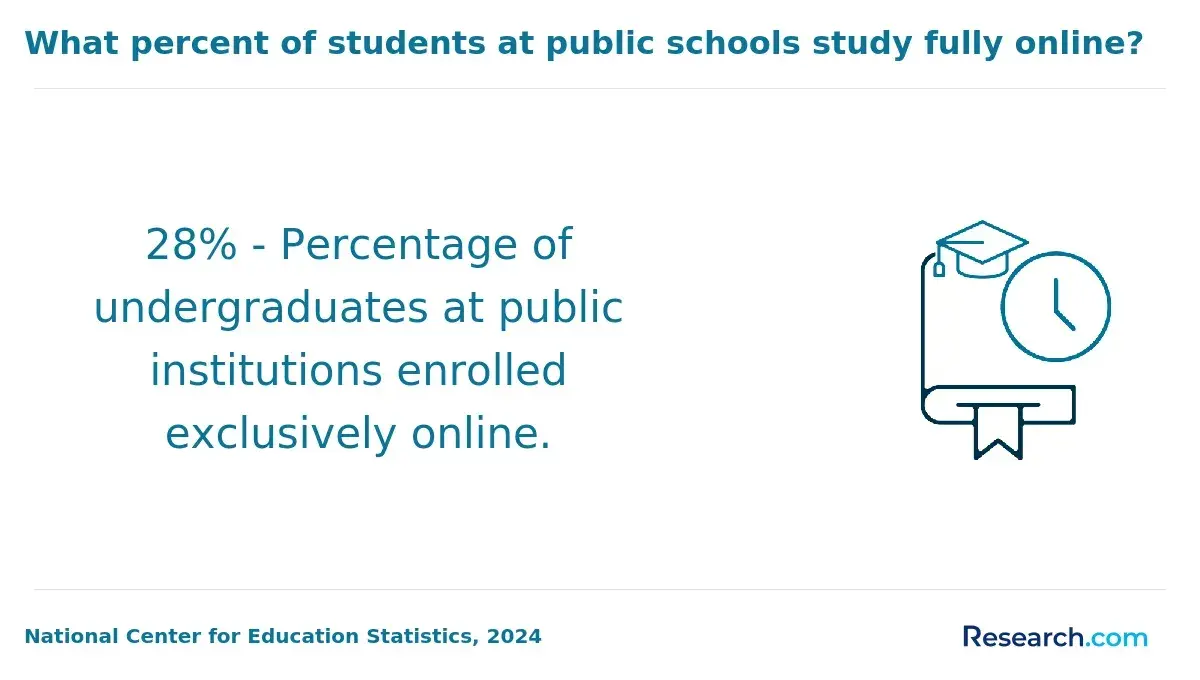
In states where in-person graphic design programs are scarce or nonexistent, online degree offerings significantly broaden educational access by removing the need for physical proximity to specialized institutions. Digital delivery enables students to engage with curricula from schools outside their immediate region, which is particularly vital in rural or underserved areas lacking local options. According to a 2024 report by the National Center for Education Statistics, fully online undergraduate enrollment rose over 15% in the past year, underscoring a clear shift toward remote learning pathways as practical alternatives to traditional on-campus programs. This expansion not only diversifies the available programs but also increases enrollment rates among students who might otherwise forgo formal education due to geographic constraints.
The accessibility improvements stem primarily from online programs' capacity to circumvent state boundaries, leveraging asynchronous coursework and scalable digital platforms that accommodate varied schedules and learning paces. Students gain the ability to participate in leading-edge graphic design curricula without relocating, reducing costs tied to housing and transportation. For institutions, this model facilitates enrollment growth beyond local catchment areas, enabling them to serve a nationwide student body even if their physical campuses are limited. Importantly, this shift weakens dependency on local universities, allowing students in states with minimal or no in-person graphic design degrees to access advanced training and technology remotely.
Beyond individual access, these dynamics reshape regional workforce development by supplying creative professionals to areas traditionally underserved by specialized educational infrastructure. Increased cross-state enrollment amplifies competition among programs, encouraging innovation and responsiveness to employer expectations across regions. The growth of online graphic design education thus advances equity by bridging gaps in academic availability and contributes to a more geographically balanced distribution of future design talent within the labor market.
One recent graduate recalled applying to multiple online graphic design programs amid a rolling admissions process that required meticulous timing. Initially hesitant to commit, the student faced delays in receiving application decisions, which complicated aligning financial aid and work schedules. This uncertainty underscored the importance of early preparation and flexible planning when relying on online program timelines. Ultimately, the student valued the access online formats provided, allowing enrollment without relocating to a state with limited local options, but the experience highlighted real operational challenges that prospective enrollees should anticipate during admission cycles.
How Much Does Graphic Design Program Tuition Vary by State?
Graphic design program tuition differences across states stem largely from varied state-level higher education funding models, institutional types, and residency-based pricing systems. Public universities rely heavily on state appropriations, resulting in significantly lower in-state tuition compared to out-of-state fees, which are often two to three times higher to reflect the absence of local tax support. Private institutions, which depend more on endowments and tuition revenue, typically set higher sticker prices that do not differentiate by residency. Beyond funding, regional economic factors and institutional priorities also shape pricing structures, contributing to a landscape where identical programs can cost markedly different amounts depending on location and school type.
Cost variation for graphic design degrees by state becomes evident when examining typical tuition ranges. Public flagship universities often charge annual in-state tuition between approximately $6,000 in states like Wyoming or North Carolina and over $15,000 in states such as New Hampshire and Vermont. Out-of-state students can face fees exceeding $30,000 annually. Private colleges offering graphic design programs generally list prices between $20,000 and $40,000 per year, though financial aid availability can modify actual costs for many students. These figures, drawn from institutional reports and education data sources, reflect how program availability and pricing align with state funding and institutional mission rather than arbitrary cost-setting. Geographic cost of living further complicates overall expense but is distinct from tuition itself.
Affordability disparities rooted in these structural tuition patterns impact student mobility and program accessibility. Students considering out-of-state public programs must weigh higher tuition against potential benefits such as stronger regional employment markets or specialized curriculum options, while those seeking cost efficiency often prioritize in-state public institutions. Recognizing these differences is crucial for prospective students, especially those balancing financial constraints with long-term career goals and practical training opportunities. To better understand the total educational investment, interested individuals might also explore alternative pathways including online options highlighted among degrees for moms, which can mitigate some regional tuition and living cost barriers.
How Does Graphic Design Program Demand Affect Admissions Decisions?
Rising demand for graphic design programs frequently drives institutions to tighten admissions standards, reflecting the need to balance applicant interest with available resources. When programs receive significantly more applications than they can accommodate, acceptance rates decline, and selection criteria expand beyond basic academic metrics to include portfolio quality, practical skills, and alignment with evolving industry needs. This heightened selectivity often emerges in states with concentrated program offerings and intense applicant competition, prompting schools to implement layered evaluation processes such as interviews and detailed portfolio assessments to discern candidates most likely to succeed professionally.
Underlying this admission tightening are practical constraints including faculty capacity, classroom space, and accreditation mandates that limit program growth despite surging interest. Institutions must calibrate enrollment to safeguard educational quality while responding to labor market demand for graduates versed in digital tools and creative problem-solving. These pressures encourage programs to focus on candidates demonstrating readiness for the specific skill sets employers prioritize, integrating real-world expectations into admissions decisions. Consequently, demand fluctuations intricately link to how schools manage selectivity, balancing capacity limitations with objectives to maintain relevance and graduate employability.
For applicants, increasing demand reshapes preparation and timing strategies, as early, polished submissions with strong portfolios can improve competitive positioning amid rolling admissions. Programs gaining reputational traction through more rigorous selection may boost graduate outcomes but also narrow accessibility, creating trade-offs between prestige and inclusivity. Understanding this dynamic is essential for prospective students aiming to navigate the shifting landscape of graphic design education effectively.
A recent graduate recalled waiting anxiously during the rolling admissions period, noticing how the program's selectivity intensified mid-cycle as more applicants poured in. They hesitated submitting a final portfolio revision, weighing whether immediate application or additional refinement offered a better chance. Ultimately, submitting early with a solid but not perfect portfolio proved wiser, as later candidates faced stiffer competition and later notifications. This experience underscored how timing and demand-driven selectivity influenced admission outcomes beyond mere portfolio strength.
How Do Graphic Design Specialization Options Vary by Region?
Specialization tracks within graphic design programs are deeply shaped by regional economic priorities and the concentration of key industries. Areas anchored by technology and media sectors, such as California, New York, and Washington, typically offer advanced digital media, UX/UI design, and interactive design concentrations that mirror local labor market demands. These programs often capitalize on access to cutting-edge facilities and foster collaboration across disciplines, aligning education closely with evolving digital creative roles. Conversely, regions like the Midwest and South emphasize traditional graphic design foundations such as print, branding, and advertising, reflecting the stable presence of manufacturing, regional marketing firms, and product-oriented businesses.
Variation in program offerings emerges from several interconnected factors, including dominant local industries, institutional research agendas, and partnerships with employers. Coastal urban institutions tend to support specializations in emerging areas like motion graphics and environmental design, responding to the needs of experiential marketing and advanced advertising fields concentrated in those locations. By contrast, schools in smaller cities or less populated states maintain curricula grounded in broad-based competencies to meet the requirements of more generalist or foundational design roles. According to a 2024 report by the National Center for Education Statistics, about 65% of metropolitan-area graphic design programs incorporate digital design specialties, while fewer than 40% of rural and smaller city programs do, underscoring a clear geographic divide linked to workforce integration.
These regional disparities carry significant implications for student decisions and career trajectories. Prospective students must consider how specialization availability intersects with local industry demand to optimize alignment between their training and employment prospects. Geographic variation in emphasis influences not only the types of skills developed but also the accessibility of niche career paths, often necessitating mobility or strategic choices about where to study to maximize both educational relevance and labor market competitiveness.
How Does Regional Employer Demand Affect Career Outcomes?
Regional employer demand for graphic design careers exerts a significant influence on job availability and early professional opportunities for graduates. Areas with dense clusters of creative industries, including tech hubs, advertising agencies, and media firms, tend to offer not only more numerous roles but also higher entry-level wages and faster integration into specialized design projects. By contrast, graduates entering markets with sparse employer demand may confront limited openings, requiring them to accept positions outside their core skill set or face delayed hiring timelines, which ultimately shapes career outcomes for graphic design graduates by state in varied and measurable ways.
The underlying dynamics reflect industry concentration and long-standing employer-university relationships that bolster talent pipelines in key metros. Wage competition in regions like San Francisco, New York, or Los Angeles drives median salaries approximately 20-30% above national averages, as reported by the U.S. Bureau of Labor Statistics, underscoring the premium placed on location-specific expertise. Additionally, specialized hiring ecosystems, which include internships, portfolio collaborations, and continuing education opportunities, further reinforce the demand-supply alignment critical to sustaining robust career trajectories within these geographic pockets.
These regional demand patterns also have broader implications, compelling many graduates to weigh the cost-benefit of relocation to attain competitive positions and compensation or negotiate a more limited local market. While increasing acceptance of remote work models shifts some dynamics, the physical proximity to concentrated employer networks remains a crucial factor in long-term progression and salary growth. For students considering a transition into graphic design or related fields, understanding these geographic variations aligns with analysis seen in other professions, such as SLPs, emphasizing the strategic importance of program selection informed by regional labor ecosystem realities.
What Factors Matter Most When Comparing Graphic Design Programs Across States?
Comparing graphic design programs across states requires focusing on factors beyond mere availability. State-level differences heavily influence tuition costs, program diversity, specialization opportunities, and ultimately, post-graduation outcomes. Understanding these dimensions is essential for students aiming to balance educational quality, affordability, and long-term career prospects.
- Program Accreditation and Curriculum Rigor: Accreditation by recognized bodies like the National Association of Schools of Art and Design (NASAD) is linked to stronger curriculum standards and higher graduate employment rates-often around 15% better than non-accredited programs, according to the 2024 National Center for Education Statistics report. States with a concentration of accredited programs frequently provide more reliable educational outcomes.
- Tuition Cost Variation: Geographic disparities in tuition and fees can significantly affect affordability and debt load. Students should evaluate how tuition cost variation for graphic design programs by state aligns with available financial aid and in-state residency benefits-factors that strongly influence actual program value in relation to earning potential.
- Specialization and Emerging Fields: States with more extensive program offerings often include specializations in user experience (UX) design, motion graphics, and digital media. These options reflect evolving market demands and better prepare students for sectors prioritizing digital fluency. Limited specialization options may require students to pursue supplemental training after graduation.
- Hands-On Learning and Industry Connections: Access to internships, cooperative education, and real-world client projects varies by state and impacts workforce readiness. Larger urban centers with creative industry hubs tend to offer more practical opportunities, which employers prioritize when hiring.
- Graduate Outcomes and Labor Market Alignment: Job placement rates and average starting salaries vary across states due to different industry demands and program quality. Examining these metrics helps prospective students assess how well programs align with regional employer needs and long-term career pathways.
Prospective students should weigh these interdependent factors carefully to understand which states offer the most comprehensive educational infrastructure for graphic design degrees. Those looking for detailed workforce insights might also examine resources on how to become a profiler, showcasing how specialized education relates to employment outcomes in competitive fields.
Which Regions May See the Fastest Growth in Graphic Design Education?
Growth in graphic design education primarily occurs where employer demand, population increases, and higher education investment align closely. Future expansion of programs is usually tied to broader economic and workforce developments rather than isolated academic initiatives. Regions experiencing vibrant creative industry growth, urbanization, and institutional capacity building are best positioned to expand their graphic design offerings substantially. Understanding these factors can clarify where students are likely to find the most diverse and relevant academic paths.
- South and Southeast: The South stands out due to rapid urban population growth, expanding creative sector hubs, and strong state-level investment in multidisciplinary arts and technology education. This region benefits from large university systems increasing program capacity, especially with a focus on digital media and UX/UI specialties. The South's evolving tech and media markets create ongoing employer demand that supports program proliferation and diversification.
- West: The West, including California, shows continued strength fueled by its established technology clusters and robust creative economies. Institutions here adapt curricula towards emerging skills such as motion graphics and digital branding, reflecting regional workforce priorities. Growth in hybrid and online modalities in this region also extends access beyond metropolitan centers.
- Mountain West: Though smaller in scale, the Mountain West is seeing incremental growth due to rising urbanization and efforts to attract creative industries. Universities in states like Colorado and Utah are expanding curriculum breadth and capacity to meet steady demand from employers focused on digital production competencies.
- Midwest: Growth in the Midwest is comparatively slower and more uneven, reflecting slower population gains and traditional manufacturing-centric economies. However, certain metropolitan areas invest in creative sector education as part of economic diversification, which may enhance local program availability over time.
- Northeast: The Northeast's growth is limited by its mature higher education landscape and relatively stable population. Existing institutions maintain strong programs but offer fewer opportunities for rapid expansion. Here, specialization within established programs-rather than widespread increases in new offerings-more commonly addresses employer needs.
Source: National Center for Education Statistics (2024)
References
- Why Studying Graphic Design Online Can Be Great for Learning Designers? - Discover Learning Designs https://discoverlearning.com.au/2025/02/why-studying-graphic-design-online/
- Graphic Design Services in the US Industry Analysis, 2026 https://www.ibisworld.com/united-states/industry/graphic-design-services/1412/
- Graphic Design Software Market Size, Share & Growth Report 2033 https://www.snsinsider.com/reports/graphic-design-software-market-8537
- The Most Lucrative Graphic Design Specializations https://www.tops-int.com/blog/the-most-lucrative-graphic-design-specializations
- Graphic design programs: A comprehensive guide to the Midwest https://bigshoesnetwork.com/blog/graphic-design-programs
- Why Choose a B.A. in Graphic Design? Career Paths & Program Benefits at GCU | Georgian Court University | Lakewood, New Jersey https://georgian.edu/why-choose-a-b-a-in-graphic-design-career-paths-program-benefits-at-gcu/
- Five of the best graphic design programs in the U.S. https://www.cca.edu/newsroom/5-best-graphic-design-programs-us/
- Graphic Design Market Size, Share and Analysis | Trends – 2032 https://www.skyquestt.com/report/graphic-design-market
- Top 50 Graphic Design Schools and Colleges in the U.S. – 2024 Rankings | Animation Career Review https://www.animationcareerreview.com/articles/top-50-graphic-design-schools-and-colleges-us-2024-rankings
- Design Industry: In-Demand Design Jobs 2023 | MVST. https://www.mvst.co/blog/post/in-demand-design-jobs
Other Things You Should Know About Graphic Design
States with numerous programs often feature a wide range of program structures, from accelerated tracks to traditional four-year degrees. This variation affects weekly workload, project intensity, and internship availability. Students need to carefully assess whether programs emphasize studio time, client projects, or theoretical study, as these elements directly influence practical preparedness and the ability to balance school with outside obligations.
In states hosting the most graphic design degree programs, employers may expect higher or more specialized skillsets due to competitive graduate pools. This can raise the bar for portfolio quality and relevant experience, particularly in states with strong creative industries. Students should seek programs that incorporate real-world projects and industry connections to stay aligned with state-specific employer standards and improve job placement outcomes.
While a high quantity of programs offers flexibility, decision-making should prioritize program reputation, faculty expertise, and curriculum relevance over sheer volume. States with many options may also mask wide variation in program rigor and resources. Prospective students should focus on schools with proven graduate success rates and strong industry engagements to ensure their education translates into meaningful career advantages.