2027 Graphic Design Degree Completion Time Report: How Long Students Actually Take to Graduate

Co-Founder and Chief Data Scientist
Completion timelines for graphic design degrees often diverge from traditional expectations due to complex influences beyond curriculum length. Work obligations, portfolio development demands, and fluctuating course availability disproportionately extend progression, especially for students balancing employment or transfer credits. Recent 2024 data from the National Student Clearinghouse Research Center reveal that less than 60% of art and design majors graduate within six years, underscoring persistent delays rooted in real-world constraints rather than academic calendar structures. These patterns reflect how practical skill acquisition, internship opportunities, and economic pressures shape the time students require to meet graduation criteria in graphic design programs.
This article examines how long students actually take to complete graphic design degrees by analyzing these underlying factors. It explores variation in timelines related to part-time study, financial considerations, and industry-relevant experiences. Understanding these influences helps prospective and current students set realistic expectations about their educational journeys and career preparation within diverse graphic design disciplines.
Key Things To Know About Graphic Design Degree Completion Time
- Knowing your exact degree timeline lets you strategically prepare for creative, visually driven careers like UI/UX designer, brand coordinator, or corporate art director. This clarity helps you align your portfolio development and internship applications with key hiring cycles in advertising agencies and tech companies.
- Pinpointing your program length clarifies when you can expect to access the steady earning potential of the creative industry, where graphic designers earn a median annual salary of $61,300. Having this specific target date allows you to proactively plan your financial transition and confidently negotiate starting wages prior to entering the workforce.
- Establishing your completion date helps you maximize the advantages of an online learning environment, which naturally mirrors the digital workflow used by professional design teams. You can construct real-world client projects, master industry-standard software, and build a competitive freelance portfolio during peak hours while completing your modules on a flexible schedule.
- What Is the Average Graduation Time for Graphic Design Students? Average Graduation Timeline
- What Factors Have the Biggest Impact on Graduation Speed? Graduation Timeline Factors
- How Does Full-Time Versus Part-Time Enrollment Affect Graduation Timelines? Full-Time vs. Part-Time Graduation Timeline
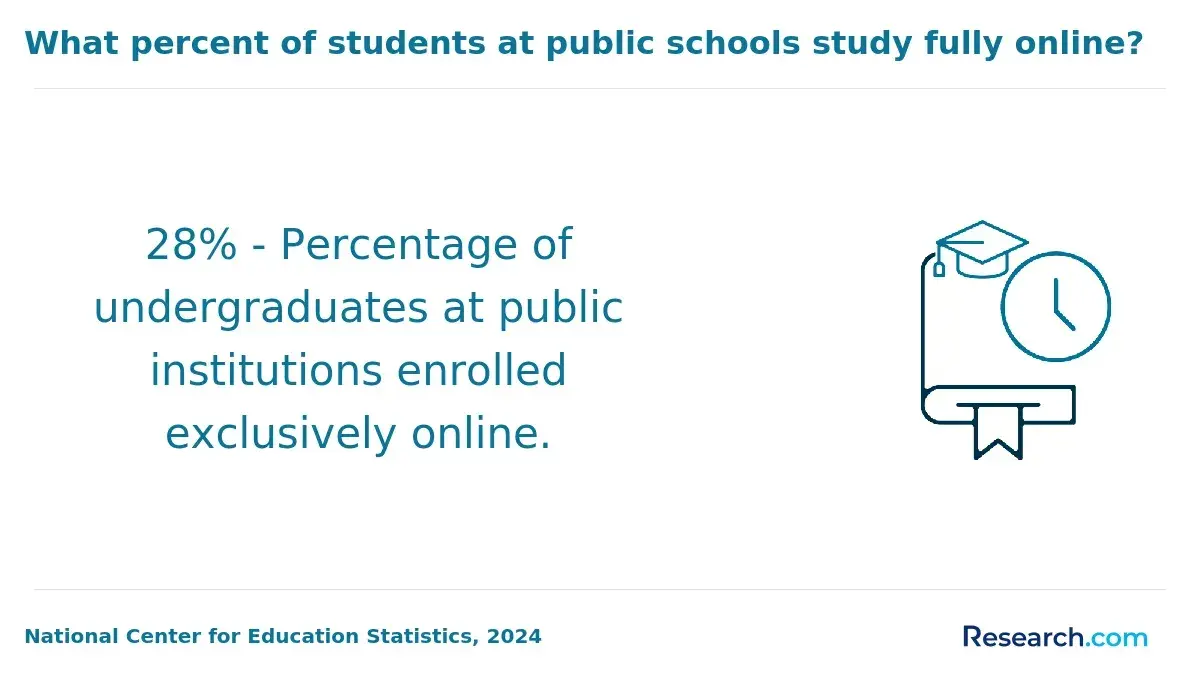
- Do Online Graphic Design Students Graduate Faster Than Campus-Based Students? Online Graphic Design Student vs Campus-Based Students
- How Many Months or Years Can Transfer Credits Save? Transfer Credits
- Do Accelerated Graphic Design Programs Significantly Reduce Completion Time? Accelerated Program Timeline
- Which Graphic Design Program Requirements Most Often Extend Graduation Timelines? Factors Extending Graduation Timeline
- Does Taking Longer to Graduate Increase the Cost of a Graphic Design Degree? Impact on Program Cost
- Does Graduating Faster Improve Career Prospects? Impact on Career Prospects
- Which Scheduling Mistakes Commonly Delay Graduation? Mistakes to Avoid
What Is the Average Graduation Time for Graphic Design Students?
Typical completion times for a graphic design degree mostly center around four years for students attending full-time, aligning with the standard structure of many undergraduate programs. However, the average time to graduate with a graphic design degree extends beyond this for nearly half of students, with many taking five years or more to finish. Part-time enrollment, increasingly prevalent among working adults balancing job or family responsibilities, often lengthens this timeline as these students take reduced course loads. These dynamics underscore that the conventional four-year trajectory applies primarily to full-time, continuous enrollment scenarios.
Graduation timelines vary significantly due to factors such as enrollment status, transfer policies, and program design. Transfer students frequently face delays caused by credit evaluation and curriculum alignment issues between institutions. Additionally, the graphic design curriculum's emphasis on portfolio development and experiential learning pushes many students to incorporate internships, electives, or project-based courses, which can increase time to degree but enhance market readiness. Differences between on-campus and online formats also contribute; while online options may offer flexible pacing, they still require careful planning to avoid extended durations. These factors mean that the typical graduation timeline for graphic design students intersects with individual choices around workload, institutional policies, and career-oriented learning opportunities.
These variations have practical implications for educational planning and workforce entry. Extended graduation periods impact financial investment and require students to navigate tradeoffs between timely degree completion and acquiring skills valued by employers. Understanding how graduation timing relates to career readiness helps students set realistic goals and make informed decisions, whether they pursue fast-track options like cheapest EdD programs or more traditional paths. Aligning academic progression with personal circumstances and labor market demands ultimately shapes both the efficiency and effectiveness of the graphic design educational journey.
What Factors Have the Biggest Impact on Graduation Speed?
Graduation speed for students pursuing a graphic design master's degree is shaped by a complex interplay of academic planning, institutional frameworks, and individual circumstances rather than any single factor. Variances in enrollment intensity, credit transferability, and curriculum design create differing pathways that can either compress or extend the time to degree completion. For students balancing external obligations or navigating program requirements, understanding these dynamics offers actionable insights to optimize course load and choose formats that align realistically with their needs.
- Enrollment Status and Course Load Intensity: Full-time enrollment consistently leads to faster degree completion because students take heavier course loads each semester. According to a 2024 report by NCES, full-time students graduate roughly 30% faster than part-time peers, a discrepancy amplified in graphic design programs where studio and project hours demand significant weekly commitment. Part-time students often juggle employment or family responsibilities, leading to lighter semesters and stretched timelines.
- Transfer Credits and Prior Coursework: Acceptance of transfer credits can significantly shorten program length by allowing students to bypass foundational classes. However, institutional policies vary widely, and credit loss or mandatory repetition can delay progress. The compatibility of prior coursework with specific graphic design curricula also influences whether transferred credits accelerate graduation or require remedial classes that counteract time savings.
- Curriculum Flexibility and Program Design: Programs with flexible structures-such as accelerated tracks, online or hybrid delivery, and summer terms-enable faster completion by allowing continuous or intensified study periods. Conversely, rigid course sequences and prerequisite chains restrict students' ability to rearrange classes, potentially causing bottlenecks. Additionally, graphic design's technical demands, including mastery of evolving software, may necessitate extra specialized courses that extend time-to-degree.
- Academic Preparedness and Remediation Needs: Students with stronger academic backgrounds often progress more smoothly, while those requiring remedial courses or struggling with complex studio projects face additional semesters. The Education Data Initiative's recent findings highlight the correlation between high school GPA and timely graduation, illustrating how preparedness can reduce the need for extended study periods.
- External Obligations and Financial Factors: Employment status and financial constraints exert a substantial influence on enrollment pace. Full-time jobs typically force students into part-time study options, thereby lengthening their graduation timeline. Moreover, tuition costs and access to financial aid affect enrollment consistency and credit load, making these economic considerations key determinants in how swiftly students can complete their graphic design degree programs.
Students weighing options should also consider how these factors interact. For example, enrollment status may counterbalance credit transfer limitations, or strong academic preparation might mitigate curricular inflexibility. Realistic planning, informed by detailed knowledge of these influences within specific programs, empowers students to navigate the variable graduate timelines they will encounter, reflecting the realities of online business degree programs accredited and other fields equally balancing flexibility and rigor.
How Does Full-Time Versus Part-Time Enrollment Affect Graduation Timelines?
Students enrolled full-time in graphic design programs generally complete their degrees within four to five years, reflecting a more accelerated path compared to their part-time counterparts, who often take five to seven years or longer. This variation in graduation timelines is primarily due to the course load per semester-with full-time students undertaking roughly 12 to 15 credits each term, enabling steady credit accumulation that meets program requirements efficiently. Part-time students distribute fewer credits per semester, frequently balancing coursework with employment or personal obligations, which extends the time needed to finish. Data from recent government education reports in 2024 highlight that full-time enrollment remains the strongest predictor of on-time degree completion across creative arts disciplines including graphic design.
Several intertwined factors shape these differing trajectories beyond mere credit loads. Course sequencing and availability significantly impact progression speed, as students-especially part-time-may encounter limited offerings of prerequisite or specialized classes during accessible times, delaying their academic plan. Program delivery formats, whether in-person, hybrid, or online, also influence scheduling flexibility, with some institutions providing more adaptable options that can mitigate extended timelines for working students. Personal circumstances such as work hours, family care, and financial pressures further complexify enrollment decisions, often necessitating part-time attendance despite its slower pace. This interplay of institutional structure and individual needs means the pathway for a graphic design degree is rarely linear and requires careful navigation to progress effectively.
Deciding between full-time and part-time status carries implications that extend beyond graduation dates, influencing financial planning, academic intensity, and workforce entry timing. Full-time study typically demands greater upfront investment and sustained academic workload but offers the advantage of earlier degree completion and faster workforce integration, which can be critical in competitive creative industries where early experience accrual matters. Conversely, part-time enrollment spreads academic costs over a longer horizon and accommodates life's external demands, but delays credential acquisition and subsequent career momentum. Navigating these tradeoffs requires aligning enrollment choices with long-term professional goals and realistic assessments of capacity, rather than prioritizing speed alone.
Do Online Graphic Design Students Graduate Faster Than Campus-Based Students?
Online graphic design students often complete their degrees faster than those attending traditional campus programs, but this trend is not universal. Data from the National Center for Education Statistics in 2024 indicates online students in art and design programs typically finish approximately six to nine months sooner. This acceleration is frequently linked to greater scheduling flexibility, allowing learners to take heavier course loads or engage in year-round sessions without being constrained by fixed class times. However, campus-based students benefit from structured academic calendars and direct access to resources, which can support a deeper immersive experience but may limit rapid progression due to semester boundaries and on-site commitments.
The pace of degree completion hinges on several factors beyond delivery format. Online programs often feature asynchronous courses that enable students to adjust their cadence, a critical advantage for working adults balancing employment with study. Conversely, campus settings may require adherence to rigid schedules and more frequent in-person participation, potentially slowing time to degree for those juggling outside responsibilities. Credit transfers, availability of accelerated or condensed courses, and institutional support further shape how quickly students can progress. Additionally, internship or portfolio requirements, common in graphic design curricula, impact timelines similarly across modalities but rely on each program's integration approach and local industry networks.
Choice of educational modality also influences time management demands and entry timing into professional roles. Online learners typically need heightened self-discipline to maintain momentum without face-to-face oversight, while campus students may find their progress steadier but less flexible. In fields like graphic design, where portfolio development and practical experience weigh heavily in hiring decisions, the speed of degree completion must be balanced against the quality of skill acquisition and critical networking opportunities. Therefore, selecting an online or campus format involves tradeoffs between accelerated scheduling and the immersive, hands-on experiences that shape long-term employability.
One graphic design graduate recalled applying to an online program during a rolling admissions cycle and initially hesitating to finalize enrollment while weighing job commitments. The school's flexible start dates allowed this student to delay registration for several months until a work project ended, reducing the risk of overextension. Though this pause lengthened time before starting coursework, it ultimately enabled a smoother transition and sustained progress through the degree without burnout-a practical example of how flexible pacing in online programs can support individual circumstances, even if it does not always mean the fastest overall graduation timeline.
How Many Months or Years Can Transfer Credits Save?
Transfer credits can shorten the time required to complete a graphic design degree, but the extent of this acceleration varies greatly. Typically, students with 30 to 60 transferable credits-about one to two years of prior coursework-may see a reduction in their degree timeline by a comparable duration. However, this saving is not uniform; the actual months saved with transfer credits in graphic design degrees depend heavily on how closely prior coursework matches the receiving program's requirements. While some students may trim several semesters off, others might only shorten their path by a few months due to curricular mismatches or additional course mandates.
Key factors influencing how transfer credits impact graduation time include institutional policies on maximum allowable transferred credits, accreditation compatibility between sending and receiving schools, and course equivalency determinations. Many programs maintain residency requirements or have strict rules about accepting studio, portfolio, or specialized graphic design courses, thereby limiting credit applicability. These academic credit system constraints mean that even substantial prior coursework might not translate into proportional savings in degree duration. Understanding the nuances of credit evaluation processes is essential for realistic expectations about transfer credits impact on graduation time, as well as effectively planning degree pathways.
Beyond time saved, transfer credits carry broader implications for academic planning and cost management. They can reduce tuition expenses and opportunity costs tied to extended enrollment but may also compress a student's learning schedule, requiring rapid adaptation to advanced topics. For many working adults, balancing credits with professional duties means that even with transfer credits, total graduation timelines might stretch over multiple years. Prospective students should also note that degree acceleration options appear across various fields, with some exploring pathways like an accelerated master's program psychology to understand how credit transfer and fast-track dimensions work in different contexts.
Do Accelerated Graphic Design Programs Significantly Reduce Completion Time?
Accelerated graphic design programs aim to condense the typical four-year degree timeline by reorganizing the curriculum into shorter terms or increased course loads, intending to help students graduate in roughly three years. These programs often rely on compact scheduling, year-round classes, and the elimination or reduction of traditional academic breaks. The intention is to streamline credit completion while maintaining the core curriculum, allowing motivated students a faster path to degree conferral without formally reducing required credits.
Whether time savings materialize significantly depends on several operational factors. Programs may demand heavier credit loads per term, but prerequisite course sequencing and fixed experiential components like internships or capstone projects often remain unchanged, limiting acceleration potential. Students must balance intense academic pacing with maintaining performance, as compressed schedules leave little room for flexibility or remediation. Additionally, institutional policies on credit transfer and enrollment windows can affect progression, sometimes diluting potential time reductions despite an "accelerated" label.
The expedited pace often increases pressure, reducing downtime and opportunities for skill refinement or professional networking critical in design fields. This trade-off can impact the depth of learning and portfolio development, which employers prioritize. Consequently, accelerated pathways may suit highly disciplined individuals able to sustain rigorous workflows but may constrain students juggling external commitments or seeking a comprehensive educational experience.
One graduate recalled that while the accelerated program promised quicker completion, uncertainty around rolling admissions complicated their start date. Although eager to begin immediately, they delayed application submission to assemble a stronger portfolio, fearing a rushed start would undermine their foundation. The program's intake schedule required weighing the benefits of starting sooner against the risk of inadequate preparation, illustrating how timing and personal readiness can override straightforward timeline reductions in practice.
Which Graphic Design Program Requirements Most Often Extend Graduation Timelines?
Lengthened graduation timelines in graphic design programs often stem less from total credit counts and more from embedded curricular elements that enforce rigorous pacing and sequencing. These components, intended to build professional-grade competencies, integrate experiential learning and interdisciplinary knowledge that demand time beyond classroom hours. While indicative of program depth and alignment with industry expectations, these requirements can slow student progress by imposing fixed scheduling windows or workload intensity that challenge flexible term planning.
- Hands-On Studio Courses: Studio classes form the core of applied graphic design education but require extensive project iterations and critiques outside class time. This workload often limits students' ability to enroll in additional courses per term, restricting acceleration and extending program duration, particularly for those balancing work or personal commitments.
- General Education and Interdisciplinary Coursework: Requirements spanning art history, communication theory, and related areas aim to produce versatile designers but may not directly enhance portfolio-ready skills. These mandatory courses can increase semester loads or add terms, depending on how institutions sequence them relative to specialized studio work.
- Capstone Projects and Internships: Completing integrative projects and gaining real-world experience through internships are increasingly mandated to validate employability. Scheduling internships to align with industry cycles often forces timing adjustments in students' academic plans, leading nearly 35% of students to extend their studies, according to a 2024 Lightcast workforce report.
- Transfer Credit Limitations: Students entering from other institutions frequently encounter roadblocks in transferring technical or studio credits due to curriculum differences. Repeating foundational courses to meet program standards disrupts planned timelines, with the most impact occurring in courses requiring software proficiency and hands-on labs.
These requirements reflect an operational balance between cultivating comprehensive skill sets and accommodating institutional and industry rhythms. Awareness of these structural demands enables students and advisors to better anticipate progression bottlenecks and strategically plan course loads, ultimately shaping realistic expectations around program completion velocity.
Does Taking Longer to Graduate Increase the Cost of a Graphic Design Degree?
Extended completion times in graphic design degree programs typically increase total tuition and related expenses, especially when schools charge on a per-credit or per-semester basis. Students who take longer to graduate often pay for additional credits beyond the standard program requirements, with cumulative fees for course materials, lab access, and campus services further elevating costs. Financial aid policies may also shift unfavorably as prolonged enrollment can reduce eligibility for certain grants or scholarships, increasing reliance on loans that accumulate interest. Understanding the impact of extended graduation time on graphic design degree expenses is critical, since delays not only inflate direct tuition but also indirectly raise the long-term debt burden. Additionally, postponed graduation delays full-time workforce entry, exacerbating opportunity costs by deferring salary progression in a field where salaries typically range from moderate starting wages to significant increases with experience, according to the U.S. Bureau of Labor Statistics and recent industry reports.
However, under some institutional pricing models, taking longer does not always translate directly into higher costs. Programs with flat-rate tuition or part-time enrollment options may offer flexible pacing that mitigates additional fees for slower progress. Employer tuition assistance can further offset financial strain for working professionals, allowing extended timelines without proportional debt growth. Enrollment decisions, such as reducing course loads, may spread costs over a longer period but prevent term overload charges. Evaluating how graduation delays affect total graphic design program costs requires analyzing these variables in concert since student financial outcomes depend on the interplay between enrollment behavior, institutional pricing, and aid availability. Prospective students weighing timelines should consider the broader economic tradeoffs, including the potential merits of flexible pacing within affordable structures, comparable to options highlighted in MBA programs under 10k.
Does Graduating Faster Improve Career Prospects?
Graduating faster from a graphic design program can allow students to enter the job market sooner, potentially gaining an advantage in early career timing and initial employment opportunities. However, employers rarely assess candidates solely on the speed of degree completion. Instead, the context behind the graduation timeframe-such as the quality of applied skills and readiness for professional demands-plays a more crucial role in hiring decisions. The graphic design degree completion time impact on career advancement often comes down to how early graduation aligns with relevant experience and the ability to demonstrate value beyond just finishing quickly.
The benefits of graduating early from graphic design programs depend largely on factors like internship experience, portfolio strength, mastery of industry-standard software, and networking within creative communities. Employers prioritize candidates who bring a robust mix of practical skills and professional connections that signal long-term potential. A faster timeline without substantial real-world experience or verified skills may not improve hiring competitiveness, while those who leverage accelerated programs to deepen their portfolio and internship track record can enhance their employment prospects effectively.
Students must weigh the trade-offs between faster completion and experiential depth, as accelerated pathways can limit opportunities to build diverse skills and meaningful industry relationships. Many who take longer to graduate use this time to engage in internships, design competitions, or freelance projects, which bolster their practical expertise and adaptability to evolving creative trends. For those balancing education with work or looking for flexible scheduling, exploring options like a forensic science bachelor degree online program may offer relevant insights into managing degree timelines without compromising career readiness.
Which Scheduling Mistakes Commonly Delay Graduation?
Delays in graduation within graphic design programs frequently stem not from academic difficulty alone, but from avoidable errors in scheduling and enrollment planning. These challenges affect students across degree levels and formats, including working adults and transfers. Recognizing how inconsistent course pacing, prerequisite mismanagement, and elective overload disrupt momentum is key to sustaining steady academic progress in complex curriculum structures.
- Irregular Part-Time Enrollment: Many students fluctuate between full-time and part-time statuses due to external commitments, which research from the National Student Clearinghouse Research Center in 2024 quantifies as extending time to graduation by approximately 50%. This staggered enrollment interrupts the credit accumulation rhythm required for timely degree completion.
- Improper Prerequisite Sequencing: Graphic design curricula often enforce strict prerequisite chains-early missteps here limit access to advanced core studios and technology courses, creating bottlenecks that delay progression by semesters. Without strategic course planning, students face forced pauses that undermine portfolio development and applied learning opportunities.
- Imbalanced Elective Load: Overloading semesters with electives detracts focus from essential major coursework, while postponing required electives concentrates pressure later in the program, increasing risk of course failure or withdrawal. Both extremes extend time spent in the program by disrupting balanced progression.
- Poor Academic Advising and Planning: Absence of tailored enrollment roadmaps aligned with students' schedules and career goals can lead to unnecessary course registrations or missed acceleration opportunities, compounding delays. Personalized guidance is crucial given the complexity and sequencing demands of graphic design programs.
References
- Main navigation https://www.mcad.edu/academics/graduate/master-arts/graphic-and-web-design
- Anant National University | First DesignX University in India https://www.anu.edu.in/the-challenges-and-rewards-of-earning-a-master-of-design-degree/
- Graphic Design School: How Long Does it Take? | F.I.R.S.T. https://www.first.edu/blog/graphic-design-industry/graphic-design-school-how-long-does-it-take-to-learn-graphic-design/
- Master in Advanced Graphic Design | SHIFTA https://weareshifta.com/en/studies/master-in-advanced-graphic-design/
- 15 Exciting Career Paths After Graphic Design Course https://alifbyteedu.com/types-of-career-after-graphic-design-course/
- Online Master in Principles of Graphic Design • LABASAD https://www.labasad.com/en/master/online-master-in-principles-of-graphic-design/
- 2025's Best Online Master’s in Graphic Design Programs https://www.onlinemastersdegrees.org/best-programs/graphic-design/
- Graphic Design MA (Online) https://www.falmouth.ac.uk/study/online/postgraduate/graphic-design
- MA Graphic Design (Online) https://aub.ac.uk/graduate-courses/ma-graphic-design-online
- Graduate Graphic Design MFA Program https://www.artcenter.edu/academics/graduate-degrees/graphic-design/overview.html
Other Things You Should Know About Graphic Design
Capstone projects and portfolio development often require sustained effort beyond regular coursework and can extend the total time needed to graduate. These components are critical for employability, as employers prioritize strong portfolios demonstrating practical skills and conceptual thinking. Students should plan their schedules to allow dedicated time for these projects, as rushing can compromise quality and post-graduation job readiness. Prioritizing early development of portfolio pieces alongside coursework helps keep graduation timelines on track without sacrificing the depth of work employers expect.
Transferring credits between institutions frequently introduces administrative delays and may require course substitutions that disrupt curriculum flow. This can extend a student's time to degree if core graphic design courses must be retaken or if sequencing changes prevent immediate enrollment in advanced classes. Prospective transfer students should verify not just credit acceptance but also how those credits fit into graduation requirements to minimize unforeseen timeline extensions. Strategically choosing transfer institutions with aligned curricula is essential for maintaining efficient progress.
Working adults often opt for part-time enrollment, which naturally lengthens completion time but offers necessary flexibility. However, the slower pace can impact skill retention and momentum, especially in technical areas that evolve rapidly like graphic design software and trends. Employers value up-to-date proficiency, so professionals must actively seek ways to integrate learning with work tasks or continuous practice to offset this risk. Prioritizing courses that enhance current job requirements can improve both academic progress and immediate workplace impact.
Course availability directly influences graphic design degree completion times. In 2027, limited course offerings and inflexible scheduling can extend graduation timelines, as students may face challenges in enrolling in mandatory courses or filling specific credit requirements in a timely manner.