2027 Graphic Design Tuition Inflation Report: How Fast Are Program Costs Rising?

Co-Founder and Chief Data Scientist
Rising tuition in graphic design programs reflects unique operational and educational demands distinct from other disciplines. Increased investment in cutting-edge software, specialized hardware, and studio spaces drives costs beyond typical academic inflation. Additionally, evolving employer expectations for proficiency in emerging digital tools and multimedia platforms require programs to update curricula and hire specialist faculty, further influencing tuition.
Data from the National Center for Education Statistics in 2024 shows a 6.5% enrollment increase in design majors, amplifying resource needs. The age distribution skewing younger suggests growing interest but also intensifies competition for limited program capacity and funding, shaping future access and workforce readiness.
Key Things to Know About Graphic Design Tuition Inflation
- Tuition for graphic design programs has surged over 40% since 2019, intensifying financial barriers and forcing many students to reconsider the cost-benefit ratio of extended degree pathways.
- Employers increasingly value portfolios and technical proficiency over formal credentials, suggesting rising tuition may not directly translate to improved job prospects or hiring priority.
- Rising costs create timing pressures, pushing students toward shorter, alternative credentials or self-directed learning, which can limit access to comprehensive curriculums and networking opportunities.
- Key Things to Know About Graphic Design Tuition Inflation Key Things to Know About Graphic Design Tuition Inflation
- How Much Has Graphic Design Tuition Increased Over the Past Decade? How Much Has Graphic Design Tuition Increased Over the Past Decade?
- How Does Graphic Design Tuition Inflation Compare to Overall Inflation? How Does Graphic Design Tuition Inflation Compare to Overall Inflation?
- Which Types of Schools Have Experienced the Fastest Graphic Design Tuition Growth? Tuition Growth by School Type
- What Factors Are Driving Rising Costs in Graphic Design Degree Programs? Tuition Cost Drivers
- How Does Graphic Design Tuition Growth Vary by State and Region? Tuition Growth by State
- Are Online Graphic Design Programs Becoming More Affordable Than Campus-Based Programs? Online Program Affordability
- How Have Financial Aid and Scholarships Changed as Graphic Design Tuition Has Increased? Impact on Financial Aid and Scholarships
- How Does Rising Graphic Design Tuition Affect Student Debt After Graduation? Impact on Student Debt
- Do Higher-Cost Graphic Design Programs Deliver Better Career Outcomes or Earnings? Impact on Career Outcomes
- What Do Current Tuition Trends Suggest About the Future Cost of a Graphic Design Degree? What Do Current Tuition Trends Suggest About the Future Cost of a Graphic Design Degree?
How Much Has Graphic Design Tuition Increased Over the Past Decade?
Tuition for graphic design programs in the United States has risen sharply over the past decade, outpacing general inflation and wage growth. Data from 2024 sources such as the National Center for Education Statistics and College Board reveal that public four-year institutions have increased tuition and fees by roughly 35% in inflation-adjusted terms since 2014, while private nonprofit schools have seen even steeper hikes, often exceeding 40%. According to the U.S. Department of Education's College Scorecard, these specialized art and design programs consistently carry higher costs than many other undergraduate majors, underscoring how much graphic design tuition has increased in the United States relative to broader higher education trends.
Several factors drive this decade-long trend in graphic design program costs beyond mere inflation. Declining public funding for state schools has forced institutions to rely more heavily on tuition revenue, while operational expenses-including investments in digital tools and technology critical to creative disciplines-continue to climb. Additionally, changes in enrollment patterns and institutional priorities shape pricing strategies, with some programs capitalizing on growing demand for creative professionals. These dynamics reflect systemic pressures that make the sticker price of a graphic design education less about instructional costs alone and more about the complex economics of sustaining specialized programs.
For prospective students, escalating tuition raises critical affordability and return-on-investment questions, especially as entry-level wages in creative fields often lag behind rising education costs. The financial tradeoffs mean that pursuing credentials such as certifications or shorter-term alternatives can sometimes better align with employer expectations focused on practical skills and portfolio strength. Navigating these options thoughtfully, including considering programs like BCBA certification programs online, becomes essential to avoid unsustainable debt while positioning for career opportunities in competitive creative markets.
How Does Graphic Design Tuition Inflation Compare to Overall Inflation?
Tuition inflation for graphic design programs has surpassed general consumer price inflation in the United States, with annual increases often between 4% and 6%, compared to the Consumer Price Index's more modest average of around 3% in recent years. Data from the National Center for Education Statistics and the College Board reflect this persistent gap through 2024, underscoring how the rising costs of graphic design degree programs versus national inflation trends impact educational affordability. This acceleration in tuition reflects more than typical economic pressures, as the sector faces unique cost inflators tied to program-specific needs.
Underlying the divergence between graphic design tuition inflation and overall inflation are structural factors such as declining public subsidies and increased administrative overhead, which force institutions to depend more heavily on tuition revenue. Programs frequently invest in expensive technology, software licenses, and studio facilities to keep pace with evolving industry standards, driving up operational costs beyond general inflation. These inflationary pressures coincide with expanding student support services and infrastructure upgrades, creating a cost structure that conventional inflation measures do not capture effectively.
For students and families, this growing tuition gap intensifies affordability challenges and elevates reliance on borrowing, complicating the calculus for return on investment in graphic design education. Rising program expenses can influence enrollment decisions, sometimes pushing learners toward online alternatives or less costly fields, a dynamic also observed in related sectors like marriage and family therapy online programs. These trends signal broader systemic shifts in higher education funding and highlight the importance of weighing long-term career outcomes against increasing financial commitments.
Which Types of Schools Have Experienced the Fastest Graphic Design Tuition Growth?
Tuition increases for graphic design programs differ widely depending on institutional type, financial structures, and program delivery methods. Understanding these distinctions is critical to accurately assess cost trajectories and weigh the practical value of a degree against rising expenses. Variations in funding sources, enrollment pressures, and program resource demands drive divergent tuition inflation patterns across the higher education landscape.
- Private Nonprofit Universities: These institutions often experience the fastest tuition growth, averaging roughly 5.2% annually according to 2024 data from the National Center for Education Statistics. Reliance on tuition revenue due to relatively limited public funding, combined with investments in specialized digital media facilities and faculty expertise, fuels upward pressure on prices.
- Public Universities: While tuition at public universities tends to rise more slowly (around 3.1% per year), shrinking state appropriations shift more financial responsibility onto students. Nevertheless, public institutions may leverage economies of scale and broader cross-subsidization, which tempers costs compared to private peers.
- For-Profit Institutions: These schools often face volatile tuition trends linked to enrollment shifts and investor-driven priorities. Higher tuition can reflect intensified marketing expenses and program expansion, though these institutions also offer flexible scheduling that appeals to working adults.
- Research-Intensive Universities: Tuition growth is influenced by the pressure to maintain cutting-edge technology and interdisciplinary curricula. However, these universities can offset rising costs through grants and endowments, sometimes stabilizing price increases relative to less resourced schools.
- Regional Colleges and Community Colleges: Typically exhibiting the slowest tuition inflation, these schools serve as cost-efficient options. Their funding models stress accessibility and local demand management, providing more affordable pathways but often with fewer specialized resources.
What Factors Are Driving Rising Costs in Graphic Design Degree Programs?
Cost increases in graphic design degree programs stem from a complex interplay of institutional priorities and broader economic trends rather than any single factor. These programs must balance increasing operational expenses with the demand to maintain industry-relevant training, which requires continual updates to technology and curriculum. The rising price of maintaining state-of-the-art equipment and software tools essential for real-world design skills reflects long-term investments that universities often cannot offset through other revenue streams. Simultaneously, the growing administrative burden to comply with accreditation standards and to provide enhanced student support further inflates program expenses. This multifaceted cost environment challenges institutions to manage resource allocation while addressing competitive pressures within the creative education landscape.
The decline in public funding for higher education has forced many public institutions to rely heavily on tuition dollars, directly contributing to price escalations in graphic design programs. Faculty compensation has increased as programs seek professionals with substantial industry experience and advanced qualifications, aligning salaries more closely with market rates but adding to financial strain. Alongside this, growing administrative layers support compliance, advising, and student retention efforts, often outpacing instructional spending growth, adding overhead costs that are ultimately passed to students. Equally significant are investments in digital infrastructure, including high-performance computers, specialized software licenses, and virtual learning environments, which are costly to procure and continually upgrade to stay current with industry demands. According to recent data from the National Center for Education Statistics, technology-related expenditures in art and design programs increased by 8% within three years, underscoring the tangible financial implications of maintaining relevant program offerings.
A graphic design graduate recalled navigating the uncertainties of rolling admissions, where timing was critical. They hesitated after receiving an early interview invitation, unsure whether to accept immediately or wait for a potentially better offer from other programs. The decision was further complicated by looming application deadlines and financial aid considerations, creating a pressure-filled environment of delays and strategic calculations. Ultimately, the student's cautious approach highlighted how admissions timing and preparation can affect entry conditions, financial planning, and even perceived program value amid rising costs that weigh heavily on such decisions.
How Does Graphic Design Tuition Growth Vary by State and Region?
Tuition growth for graphic design programs varies substantially across states and regions in the U.S., driven by divergent state funding models, institutional types, and local economic conditions. These differences reflect how state appropriations to public universities, cost-of-living factors, and the presence of private or research-intensive institutions shape pricing strategies. Regions with higher living expenses and competitive markets often show more aggressive tuition hikes, which can disproportionately affect students' long-term educational affordability and career investment choices.
A primary driver of this variation is how states allocate public funding. Declining or stagnant state appropriations compel public universities in costlier regions to rely more heavily on tuition increases to balance budgets. This is especially evident in states such as California, New York, and Massachusetts, where tuition growth for graphic design programs frequently exceeds 5% annually. Additionally, local labor market demand influences these spikes, since employers in high-cost metro areas often expect designers to possess advanced portfolios or credentials to command competitive salaries. Conversely, states in the Midwest and South, including Ohio, Texas, and Georgia, tend to maintain slower tuition growth around 2% to 3%, benefiting from steadier public funding and more moderate cost-of-living increases, which supports broader accessibility despite potentially fewer regional industry opportunities. These layered factors make the regional differences in graphic design program costs a reflection of complex education finance systems and workforce demand dynamics.
These disparities in tuition growth have practical implications for student mobility and program selection, as affordability increasingly constrains access to quality education. Higher tuition inflation in well-funded urban centers may push students to consider more affordable alternatives or seek supplemental credentials to maintain competitiveness. This creates an uneven return on investment landscape tied closely to geographic and economic context. Students balancing cost with career goals might also explore related areas such as online paralegal certificate programs as alternative, more cost-stable educational pathways within creative or business-adjacent fields. Ultimately, understanding nuanced regional tuition trends aids informed decision-making about financing and attending graphic design programs aligned with both local economies and long-term employability prospects.
Are Online Graphic Design Programs Becoming More Affordable Than Campus-Based Programs?
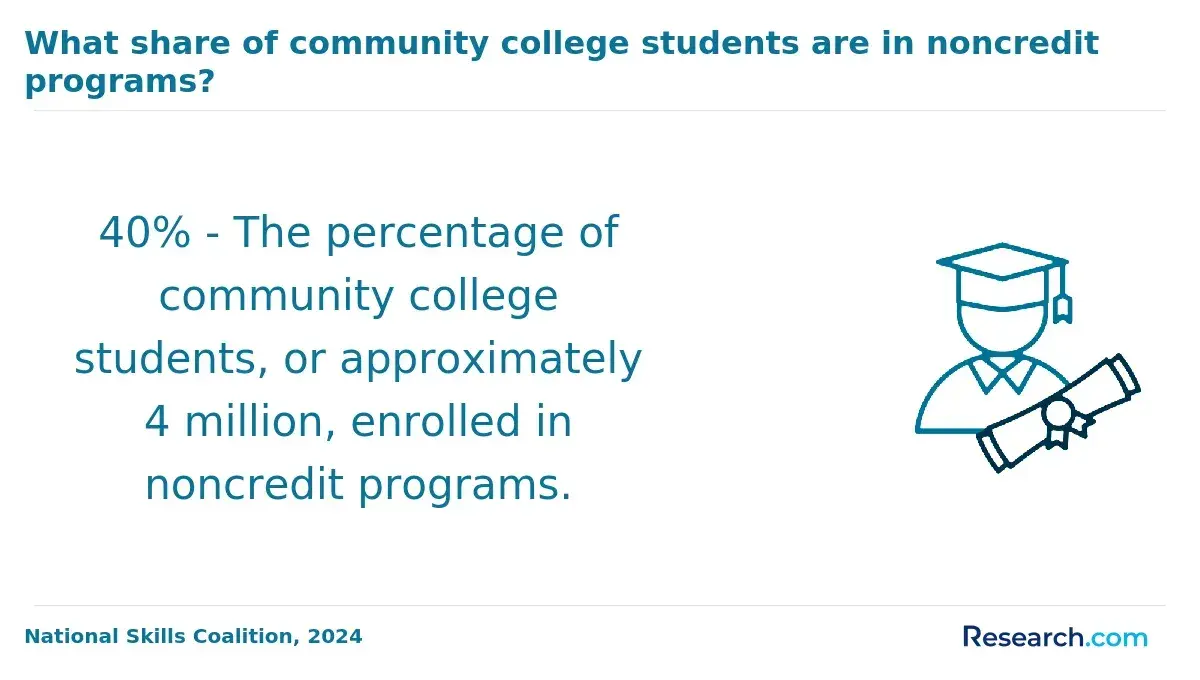
Recent data from the National Center for Education Statistics in 2024 reveals that online graphic design degree programs typically offer lower tuition rates than their campus-based counterparts, with annual costs trending 15% to 25% below traditional public institution pricing. This difference largely stems from distinct institutional pricing frameworks shaped by the varying delivery formats. Whereas campus programs factor in substantial physical infrastructure expenses, population density on-site, and in-person operational overhead, online programs adopt pricing that reflects scalable digital environments and sometimes incorporate added technology or assessment fees. Consequently, affordability gaps between formats reflect strategic institutional cost allocations rather than simple tuition comparisons.
The reduced reliance on physical campus facilities significantly cuts costs for online programs, which do not require maintenance of classrooms, studios, or public spaces. However, these savings often offset investments in digital learning platforms, multimedia content creation, and specialized instructional design required to engage remote learners effectively. Faculty workload models may differ as online courses demand ongoing technology support and asynchronous instruction, while student services-including advising, technical help, and proctoring-also influence total program expenses. Thus, affordability variances are the result of evolving institutional strategies balancing digital infrastructure investments against traditional on-campus resource demands, indicating that pricing differences are structural and likely to persist as modes of delivery continue to diverge.
One graduate of an online graphic design degree recalled feeling uncertain during the rolling admissions process because application decisions arrived unpredictably over several weeks. This created tension in planning, as the delay postponed her ability to finalize financial aid and transfer credit evaluations. She found herself juggling fast decisions with limited time, leading to moments of hesitation until her admission was confirmed. Her experience underscores how navigating cost and enrollment timing in online programs can add practical complexities beyond simple tuition calculations.
How Have Financial Aid and Scholarships Changed as Graphic Design Tuition Has Increased?
As tuition for graphic design programs has escalated, financial aid and scholarship strategies have adapted, but not always in ways that fully counterbalance rising costs. Many institutions have increased overall aid budgets; however, much of this growth is directed toward merit-based scholarships aimed at attracting students with strong portfolios and academic records. This shift often leaves need-based aid relatively stagnant, limiting support for students facing economic barriers. Consequently, while nominal financial aid amounts may be higher, the net price for many students increases because tuition inflation outpaces the growth in accessible assistance.
Key drivers behind these shifts include heightened competition among colleges to recruit top candidates, prompting expanded merit aid that effectively serves as a tuition discount for select applicants. Federal contributions like Pell Grants have seen modest nominal increases but have not kept pace with inflation-adjusted tuition, reducing their relative purchasing power. Meanwhile, several states have implemented targeted grants for creative fields, though uneven funding and availability mean these remain unreliable across regions. Institutions' reliance on tuition discounting through merit awards, rather than expanding broad-based need aid, reflects an operational priority to maintain revenue amid rising costs, reshaping the financial aid landscape in graphic design education.
This evolving aid environment contributes to mixed outcomes in affordability and student debt. As net prices rise for many, students may face more borrowing or forgoing programs with more robust aid packages, influencing enrollment decisions and demographic diversity. The growing emphasis on merit scholarships favors applicants with early access to portfolio development resources, potentially disadvantaging others despite financial need. For prospective graphic design students, these patterns signal a need for careful scrutiny of institutional aid offers and realistic budgeting, as the overall climb in program expenses increasingly challenges traditional affordability metrics and may affect long-term return on investment in this field.
How Does Rising Graphic Design Tuition Affect Student Debt After Graduation?
Rising tuition costs for graphic design programs lead to significantly higher student borrowing levels and greater loan dependency upon graduation. As program expenses escalate, many students find scholarships and financial aid insufficient to bridge the gap, compelling them to increase their loan amounts. This growing reliance on debt corresponds with an amplified average student debt burden for graduates of graphic design programs, reflecting a trend where tuition inflation disproportionately raises borrowing rather than savings or work-study contributions.
Several factors exacerbate this issue, including widening discrepancies between tuition fees and available financial aid, especially at private institutions where costs tend to be less regulated than at public schools. Interest accumulates not only during repayment but often throughout the study period and grace years, inflating total payback amounts beyond the original borrowed sums. Furthermore, post-graduation income varies widely in graphic design fields, with many entry-level positions offering wages that do not keep pace with the increasing debt load, complicating timely repayment. These dynamics underscore the necessity for prospective students to critically assess the average student debt burden for graduates of graphic design programs in relation to their expected returns.
Heightened debt levels contribute to extended repayment timelines and increased financial stress among graduates, influencing decisions on program selection and career paths. Some may pursue income-driven repayment plans or loan forgiveness programs, but these are often complex and contingent on fulfilling specific criteria. Rising tuition also drives shifts in enrollment toward shorter or alternative credentials, as adult learners and younger students weigh educational costs against realistic earning potential. Those interested in accelerated educational routes might explore options such as a fastest online masters to limit debt exposure while maintaining skill development relevant to their fields.
Do Higher-Cost Graphic Design Programs Deliver Better Career Outcomes or Earnings?
Higher-cost graphic design programs do not inherently guarantee stronger career outcomes or significantly higher earnings, despite common perceptions linking tuition fees with quality and return on investment. The reality is more nuanced: program costs alone are a weak predictor of graduate salary premiums or employment success. According to recent 2024 labor market analyses, including data from the National Center for Education Statistics and the Bureau of Labor Statistics, starting salaries for graphic design graduates average around $50,000 nationwide, with only marginal differences-often a 5-10% increase-between graduates of more expensive versus less costly programs. This indicates that rising tuition costs impact affordability without proportionally enhancing early-career compensation.
Factors such as institutional reputation, depth of specialization, availability of robust internship pipelines, and regional industry connections contribute more directly to career outcomes than tuition alone. Higher-cost programs may offer better alumni networks and employer partnerships, which can facilitate placement and networking opportunities. However, many employers prioritize demonstrable skills, portfolio quality, and practical experience over institutional prestige, especially in creative industries. Geographic location and program curricular flexibility also influence long-term earnings potential. These dynamics show that while the brand value of expensive programs can matter, they are not a decisive advantage on their own in shaping measurable employment results or the impact of graphic design tuition on earnings.
Prospective students should therefore evaluate return on investment by balancing program costs against expected career benefits, considering alternatives that offer strong skill acquisition without excessive debt. Practical experience and continuous specialization often outweigh the initial price tag when assessing long-term value. Thoughtful decision-making includes weighing tangible benefits like industry connections and internship access against affordability, much like considerations students make for unrelated decisions such as selecting programs that accept MBA transfer credits. A strategic approach grounded in labor market realities helps manage the complex tradeoffs embedded in higher graphic design tuition costs career outcomes considerations.
What Do Current Tuition Trends Suggest About the Future Cost of a Graphic Design Degree?
Tuition trends for graphic design degree programs over recent years indicate a consistent rise well above general inflation, reflecting persistent cost pressures in higher education. From 2020 to 2024, average tuition and fees at public four-year institutions increased roughly 15%, according to data from the National Center for Education Statistics. This historical growth suggests that future costs for graphic design degrees will likely continue trending upward at a pace exceeding consumer price inflation, shaped by entrenched institutional funding challenges and evolving market demands.
Key drivers behind rising tuition include the escalating need for specialized skill training beyond traditional design fundamentals. As employers expect candidates to master digital tools, UX/UI design, and multimedia production, programs must invest heavily in updated technology, qualified faculty, and expanded student services. Additionally, shifts toward more flexible and technologically mediated education delivery, including online and hybrid formats, increase operational complexity and require sustained financial outlays. These factors combine with fluctuating enrollment demographics, where adult learners more often opt for alternative credentials, influencing institutions' pricing strategies.
Consequently, prospective students should approach tuition projections with a nuanced understanding that rising costs reflect broader structural funding and labor market dynamics rather than arbitrary increases. This trend underscores growing affordability challenges and reinforces the importance of evaluating program format, credentials, and long-term return on investment. Awareness of these systemic factors can guide better-informed enrollment decisions amid an increasingly complex graphic design education landscape.
References
- Yes, Aid Fuels Tuition Inflation | Cato at Liberty Blog https://www.cato.org/blog/yes-aid-fuels-tuition-inflation
- Tracking College Tuition Growth https://www.richmondfed.org/publications/research/economic_brief/2024/eb_24-23
- Graphic Design Salaries: In-House vs. Agency vs. Freelance https://www.tops-int.com/blog/graphic-design-salaries-inhouse-vs-agency-vs-freelance
- 2025 Most Affordable Online Graphic Design Degrees https://www.onlineu.com/most-affordable-colleges/graphic-design-degrees
- Graphic Design Training Cost https://www.agitraining.com/graphic-design-classes/graphic-design-training-cost
- Average Cost of College [2025]: Yearly Tuition + Expenses https://educationdata.org/average-cost-of-college
- BA Hons Graphic Design Enrolment Form https://www.oca.ac.uk/courses/ba-graphic-design/
- Graphic Design Courses: Top Universities, Fees, Scholarships https://www.aeccglobal.com/study-abroad/courses/graphic-design
- Best Graphic Design Classes (In-Person and Online) | CourseHorse https://coursehorse.com/blog/best-graphic-design-classes
- How Much Does it Cost to Learn Graphic Design? https://blog.nobledesktop.com/learn/graphic-design/graphic-design-cost-to-learn
Other Things You Should Know About Graphic Design
As tuition costs rise, students must carefully consider program length and workload since a longer program can mean higher overall expenses beyond just per-credit tuition increases. Programs with intense studio requirements or mandatory internships might extend the timeline to graduation, effectively increasing total cost and time investment. Prioritizing programs that balance reasonable tuition growth with efficient degree completion can reduce financial strain and help students enter the workforce sooner, which is critical given the rapid cost escalation.
In 2027, rising tuition costs do not automatically ensure enhanced skill development or portfolio quality. While some schools may invest in better resources, students should critically assess a program's offerings and outcomes against its financial demands to gauge true educational value.
When tuition inflation makes traditional in-person graphic design programs more expensive, hybrid models that combine online coursework with periodic on-campus sessions may offer a cost-effective alternative. However, these hybrid programs can vary in their ability to provide hands-on studio time and face-to-face critiques, which are critical for developing practical skills and receiving immediate feedback. Students should prioritize programs that maintain a strong experiential component while offering flexible delivery to manage costs without sacrificing the depth of practical learning.
Tuition inflation adds a financial pressure that should lead students to weigh whether specialized graphic design tracks justify their often higher costs compared to broader design curricula that cover multiple disciplines. Specialized programs may enhance niche expertise, appealing to certain employers, but can also limit adaptability if industry demands shift. Given fast-rising costs, students might prioritize generalist programs that build versatile design skills and software proficiency, providing wider career options and potentially greater resilience amid fluctuating market needs.