2027 Accredited Online Cinematography Degree Programs for Working Adults: Flexible, Part-Time, and Self-Paced Options

Co-Founder and Chief Data Scientist
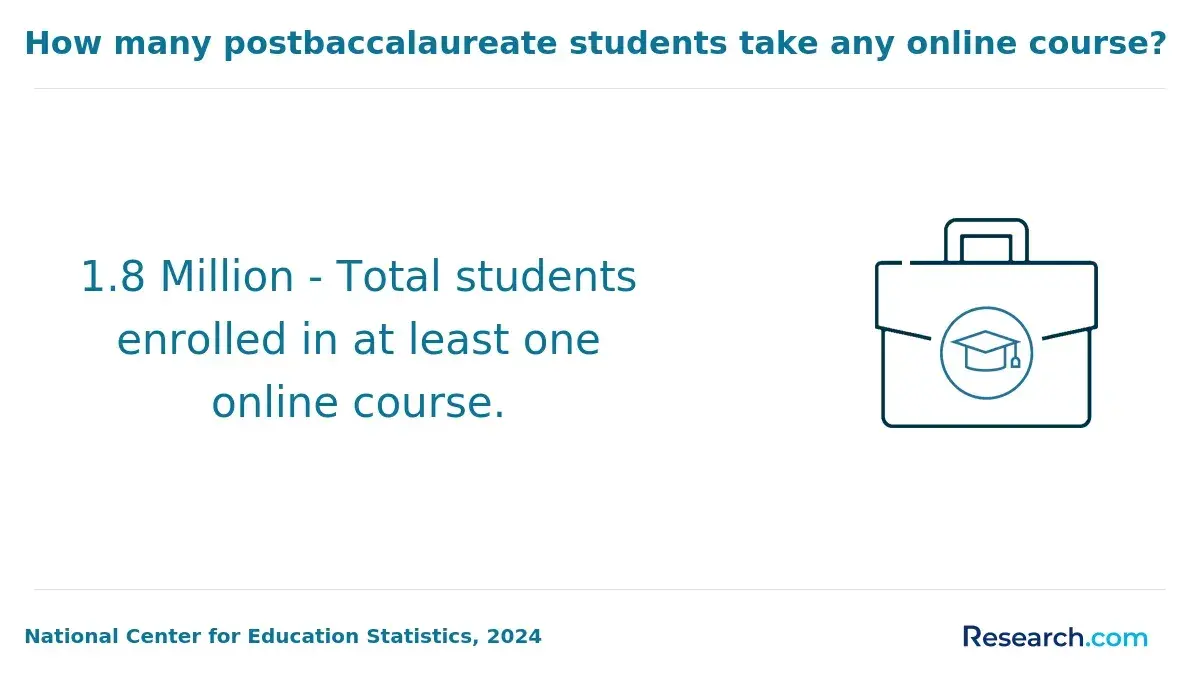
Choosing an online cinematography degree while working full time means weighing accreditation, deadlines, equipment needs, cost, and portfolio value. Flexible formats matter because the National Center for Education Statistics reported that more than half of U.S. college students took at least one distance education course, showing that online learning is now a mainstream path rather than a backup option.
This guide is for adults who need practical, schedule-aware advice on accredited online cinematography programs, including part-time and self-paced options, so they can choose a program that fits their work life and long-term creative goals.
Key Things You Should Know
- Accreditation should be verified at the institution level first; online cinematography programs are usually housed in film, digital media, media production, or visual arts departments, and programmatic accreditation is helpful but not always required for employment.
- Working adults should expect about 10 to 18 hours per week for a part-time load and more for production-heavy courses; a bachelor's degree commonly requires about 120 credits, while transfer-friendly programs may shorten the path substantially.
- Cost varies widely. The College Board's 2024-2025 national averages list public four-year in-state tuition and fees at $11,610 and private nonprofit tuition and fees at $43,350, before equipment, software, books, and possible travel for residencies.
What Is an Accredited Online Cinematography Degree Program and Why Does Accreditation Matter?
An accredited online cinematography degree program is a college program delivered fully or mostly online that teaches visual storytelling, camera operation, lighting, composition, editing workflows, production planning, and portfolio development. Many schools use related degree names such as film production, digital cinematography, media arts, video production, motion pictures, or digital filmmaking, so adults should search beyond the single word "cinematography."
Accreditation matters because it signals that a college has been reviewed for academic quality, student services, financial stability, faculty qualifications, and institutional integrity. For working adults, it also affects practical issues: federal financial aid eligibility, employer tuition reimbursement, transfer credit, graduate school admission, and whether employers view the credential as credible.
There are two main accreditation layers to understand. Institutional accreditation applies to the whole college or university and is the baseline standard to verify. Programmatic accreditation or specialized arts review may apply to some film, design, or media programs, but many legitimate cinematography-related degrees do not have a separate professional accreditor because cinematography is not a state-licensed field.
Before applying, use this short accreditation check to avoid expensive mistakes. It helps you separate recognized degree programs from schools that may market "online film degrees" without the academic recognition needed for aid, transfer, or employer acceptance.
- Confirm that the institution is listed by the U.S. Department of Education or the Council for Higher Education Accreditation.
- Ask whether the online degree has the same accreditation status as the campus version, if both formats exist.
- Verify that online students are eligible for federal aid, transfer credit review, academic advising, and career services.
- Check whether credits are semester-based, quarter-based, competency-based, or continuing education units, because not all credit types transfer equally.
- Ask whether the final credential says "online" on the diploma; many accredited institutions do not distinguish delivery format on the diploma, but policies vary.
A common red flag is a program that emphasizes speed and celebrity-style production outcomes but avoids clear answers about accreditation, faculty credentials, credit transfer, or financial aid. A good program should be transparent about who teaches the courses, what equipment is required, how projects are reviewed, and how students build a portfolio.
Which Flexible Cinematography Degree Formats Are Best for Working Adults: Part-Time, Full-Time, or Self-Paced?
The best format depends on how predictable your work schedule is, how quickly you want to finish, and how much time you can realistically dedicate to production assignments. Cinematography is more time-intensive than many lecture-based online majors because students often need to plan shoots, capture footage, revise edits, and respond to instructor critiques.
The table below compares common online formats from a working-adult perspective. Use it to identify the format that matches your weekly availability rather than choosing the fastest option by default.
| Format | Best fit | Typical workload pattern | Main trade-off |
| Part-time asynchronous | Adults with full-time jobs, caregiving duties, or rotating shifts | Often 1 to 2 courses at a time, with weekly deadlines | More manageable, but extends time to graduation |
| Full-time online | Adults who can reduce work hours or have strong schedule control | Usually 4 or more courses in a term, including production projects | Faster completion, but less forgiving during busy work periods |
| Self-paced or competency-based | Highly organized learners with prior experience and irregular schedules | Progress may depend on completed projects or assessments | Flexible pacing, but may still have term limits, tuition clocks, or project review delays |
| Hybrid or low-residency | Students who want online coursework plus supervised camera, lighting, or studio experiences | Online classes with scheduled campus intensives or local fieldwork | Strong hands-on learning, but travel and time away from work may be required |
| Cohort-based online | Adults who want structure, peer collaboration, and predictable sequencing | Fixed start dates and shared deadlines | Good accountability, but less flexibility if you need to pause |
Part-time study is usually the safest starting point for working adults who cannot predict overtime, childcare conflicts, or seasonal work demands. It is also useful if you are building a portfolio slowly and want time to apply new techniques in freelance, workplace, or community projects.
Full-time online study can work if you already have production experience, reliable equipment access, and a stable weekly schedule. However, "online" does not mean "light workload." Production courses may require location scouting, shot lists, lighting setups, revisions, and peer critique participation.
Self-paced learning sounds ideal, but adults should read the fine print. Some programs allow you to accelerate only within a term, while others require courses to be completed in a fixed sequence. If you are comparing flexible models across fields, resources about an accelerated MBA can help you understand how compressed schedules differ from truly self-paced learning.
Choose self-paced study only if you can manage deadlines without weekly reminders and can produce quality creative work independently. If you need instructor feedback, peer collaboration, and production accountability, a structured asynchronous or cohort-based format may be a better fit.
What Are the Admission Requirements for Accredited Online Cinematography Degree Programs?
Admission requirements vary by degree level and school selectivity, but most online undergraduate cinematography-related programs look for evidence that you can succeed in college-level writing, visual analysis, technology-based learning, and creative production. Selective programs may also ask for a portfolio or creative sample.
For working adults, the most important issue is not only getting admitted; it is entering at the right level. A student with prior college credit, military training, professional video experience, or an associate degree may qualify for advanced standing, while a first-time college student may need general education and foundational media courses.
Most programs ask for a combination of academic and creative materials. Review these requirements early so you do not lose an enrollment term waiting on transcripts or portfolio files.
- High school transcript, GED, or prior college transcripts for undergraduate admission.
- Minimum GPA requirement, often with more flexibility for adult transfer students than for first-time applicants.
- Personal statement explaining creative goals, work experience, or interest in film and visual media.
- Portfolio, reel, photography sample, script excerpt, or short video project for selective production-focused programs.
- Resume or work history, especially for adult degree-completion programs.
- English placement, math placement, or proof of completed general education courses, depending on the school.
- Technology readiness, including access to a reliable computer, broadband internet, editing software, storage, and camera equipment if not supplied by the program.
Graduate programs, if available in cinematography, film production, or visual storytelling, may require a bachelor's degree, a stronger portfolio, letters of recommendation, and a statement of artistic intent. Some master's programs are designed for professionals, while others expect applicants to have already completed substantial creative work.
A common mistake is assuming that professional video experience automatically replaces academic requirements. Some schools award credit for prior learning, but they usually require documentation, portfolio review, faculty evaluation, or standardized prior-learning assessment rather than accepting experience informally.
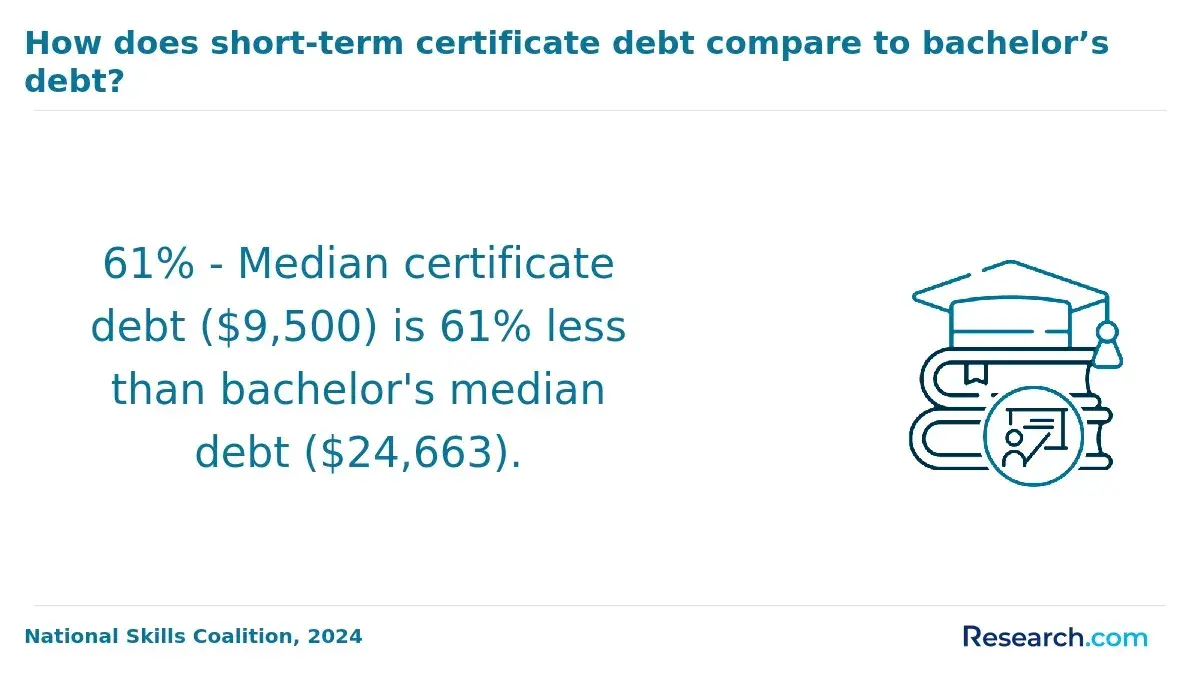
The cost of an online cinematography degree depends on tuition, fees, transfer credits, equipment, software, residency travel, and how long you remain enrolled. College Board's 2024-2025 national averages show how wide the tuition range can be: public four-year in-state tuition and fees average $11,610, while private nonprofit tuition and fees average $43,350. For adult learners, the key question is total completion cost, not just the advertised per-credit rate.
When comparing schools, list every required cost before deciding that one program is cheaper. Cinematography programs may have higher technology costs than some online degrees because visual production depends on hardware, software, storage, and sometimes lighting or audio gear.
- Tuition: Compare per-credit tuition, flat-rate tuition, and whether online students pay in-state, out-of-state, or special online rates.
- Required fees: Include technology fees, distance learning fees, graduation fees, portfolio review fees, and course-specific production fees.
- Equipment: Budget for camera access, lenses, lighting, microphones, tripods, media cards, hard drives, and backup storage if the school does not provide loaner equipment.
- Software: Confirm whether editing, color grading, sound, screenwriting, or production management tools are included in tuition.
- Residency or travel: ask whether any on-campus intensives, festivals, labs, or capstone screenings are required.
- Opportunity cost: consider whether the program schedule will require cutting work hours, turning down freelance projects, or paying for childcare.
Financial aid can reduce upfront cost if the school is eligible and you qualify. Accredited institutions may participate in federal aid programs, and the 2024-2025 maximum Federal Pell Grant is $7,395 for eligible undergraduates. That figure does not mean every student receives the maximum, but it shows why accreditation and FAFSA eligibility should be checked before enrolling.
Working adults should also ask about employer tuition assistance, veteran benefits, scholarships for adult learners, payment plans, and credit for prior learning. The affordability comparison process is similar across flexible online degrees; for example, adults researching an EdD program often compare tuition, employer benefits, transfer policy, and time-to-degree in the same way cinematography students should.
Avoid choosing a program based only on the lowest tuition. A slightly higher-priced program may be a better value if it accepts more transfer credits, includes software, provides equipment access, offers stronger portfolio review, or has better career support for production roles.
A bachelor's degree in cinematography, film production, digital media, or a related area commonly requires about 120 credits. Full-time students often complete that amount in about four academic years, while part-time adult learners may take longer depending on course load, transfer credits, and whether courses are offered every term.
Transfer credit is one of the biggest timeline advantages for working adults. If you already completed general education courses, an associate degree, military training, or media-related coursework, you may be able to reduce both time and cost. However, production courses sometimes have stricter transfer rules because faculty may need to verify that prior work matches current technical and artistic standards.
The table below summarizes common timeline scenarios. It is not a guarantee, but it shows how enrollment intensity and transfer credits affect planning.
| Student situation | Likely path | Planning consideration |
| First-time bachelor's student | About 120 credits from start to finish | Expect general education, foundational production, advanced cinematography, and capstone work |
| Associate degree holder | May enter as a junior if credits transfer cleanly | Confirm whether the degree is transfer-oriented and whether production courses count toward the major |
| Adult with scattered credits | May need transcript-by-transcript evaluation | Ask for a written degree plan before enrolling |
| Professional videographer | May qualify for prior learning or portfolio credit at some schools | Credit is not automatic and usually requires documented review |
| Self-paced learner | May accelerate some general education or theory courses | Creative production reviews can limit how quickly major courses can be completed |
Accelerated formats can be attractive, but cinematography acceleration has limits. Unlike a reading-heavy course that can be completed quickly by a motivated student, production coursework often requires planning, shooting, revision, critique, and technical troubleshooting. Adults comparing accelerated online study in other fields, such as accelerated psychology programs online, should remember that film production courses may be less compressible because the work is project-based.
Before enrolling, ask the school for a course map that shows when each required major course is offered. A program can advertise flexible online study but still delay graduation if advanced lighting, cinematography workshop, or capstone courses are available only once per year.
Working adults should compare online cinematography programs using a practical checklist: accreditation, curriculum depth, scheduling rules, faculty experience, equipment expectations, portfolio outcomes, student support, and total cost. The best program is not always the fastest or cheapest; it is the one that helps you produce credible work without creating an unsustainable schedule.
Use the following comparison points when speaking with admissions advisors. They are especially important because schools may use similar marketing language while offering very different levels of flexibility and production support.
- Accreditation: verify institutional accreditation and confirm that online students are covered by the same institutional approval.
- Curriculum: look for camera, lighting, visual storytelling, editing, color, sound, production planning, directing collaboration, and capstone or portfolio courses.
- Format: ask whether courses are asynchronous, live online, self-paced, cohort-based, hybrid, or residency-based.
- Deadlines: confirm whether "flexible" means weekly deadlines, open pacing, evening live sessions, or only multiple start dates.
- Equipment access: determine whether the school ships kits, offers loaner gear, requires personal purchases, or expects local rental access.
- Faculty background: review whether instructors have professional production, cinematography, editing, documentary, commercial, or narrative film experience.
- Portfolio support: ask how many completed projects, reels, critiques, and revisions students produce before graduation.
- Transfer policy: request a preliminary transfer evaluation and a written degree plan before committing.
- Career services: check whether support includes media-specific internships, freelance guidance, reel review, networking, and job search coaching.
The table below highlights common mistakes and better alternatives. This is useful because adult learners often have less room for trial and error than traditional students.
| Common mistake | Why it creates problems | Better approach |
| Assuming online means self-paced | Many online courses still have weekly discussions, critiques, and production deadlines | Ask for a sample syllabus before enrolling |
| Ignoring equipment requirements | Hidden gear and storage costs can change affordability | Request a complete technology and equipment list |
| Choosing based only on tuition | A low tuition rate may not include software, support, or transfer efficiency | Compare total completion cost |
| Overlooking portfolio outcomes | Creative hiring often depends on demonstrable work, not only the credential | Review student reels, capstone expectations, and critique structure |
| Skipping accreditation checks | Credits, aid, and employer recognition may be affected | Verify institutional accreditation through recognized databases |
If you are exploring several creative or design-oriented online degrees, comparing a cinematography program with an architecture online degree can clarify an important point: hands-on and studio-based fields can work online, but they require stronger planning around critiques, technology, project documentation, and supervised practice.
A cinematography degree can support careers in camera operation, video production, editing, lighting, digital content production, commercial media, documentary work, corporate video, streaming content, social media production, and film crew roles. The degree may be most valuable when paired with a strong reel, technical fluency, collaboration skills, and real production experience.
The U.S. Bureau of Labor Statistics reported a May 2024 median annual wage of $70,570 for film and video editors and camera operators. This median is not a promise for degree holders, because pay varies by region, union status, employer, experience, freelance volume, and portfolio quality, but it gives adults a grounded benchmark for evaluating the potential return on education.
The table below connects common roles with the type of preparation an online cinematography program can provide. It can help you decide whether the degree aligns with the work you actually want to do.
| Career path | Typical responsibilities | How the degree may help |
| Cinematographer or director of photography assistant | Support visual style, camera setup, lighting plans, lenses, and shot execution | Builds visual storytelling, lighting, composition, and production collaboration skills |
| Camera operator | Capture footage for film, television, events, news, commercials, or digital media | Develops camera technique, movement, framing, and technical troubleshooting |
| Video producer | Plan, shoot, edit, and deliver video content for organizations or clients | Combines production planning, cinematography, editing, and client communication |
| Film or video editor | Organize footage, shape story, manage pacing, and prepare final cuts | Supports postproduction workflow, narrative structure, and editing software skills |
| Content creator or media entrepreneur | Create branded, educational, social, documentary, or commercial video content | Provides structured training and portfolio development for independent work |
Current trends are reshaping the field. Virtual production, AI-assisted editing, cloud collaboration, remote client review, and short-form video demand are changing the tools cinematographers and video professionals use. A strong program should teach durable visual principles while also exposing students to current workflows, file management, color pipelines, and ethical use of AI-assisted tools.
Adults should also think about opportunity cost. If you already have strong production skills and need business training, marketing ability, or a specialized certificate, a full degree may not be the only path. If you are comparing creative careers with other fields, guides to the top degrees in demand for the future can provide broader context on labor market resilience, earnings potential, and skill transferability.
Balancing cinematography coursework with work and family requires more than motivation. It requires a realistic weekly schedule, predictable production windows, backup plans for equipment or locations, and honest communication with instructors before conflicts become emergencies.
Start by estimating your available time before choosing a course load. A part-time schedule may feel slower, but it can prevent burnout and allow better creative work, especially in courses that require shooting, editing, and revision.
These steps can help working adults build a schedule that survives busy weeks. Use them before the term begins rather than waiting until the first major production assignment is due.
- Block fixed obligations first, including work shifts, commuting, caregiving, sleep, and recurring appointments.
- Reserve two or three predictable production blocks each week for shooting, editing, critique, and file management.
- Choose courses strategically by avoiding multiple production-heavy classes in the same term if you work full time.
- Create a home or mobile workflow with labeled storage, backups, batteries, chargers, and software access ready before assignments begin.
- Tell family members or housemates when you need quiet time for recording, editing, or live critiques.
- Use employer flexibility carefully by asking about tuition assistance, shift adjustments, or professional development time if the degree relates to your role.
- Build a contingency plan for weather, location access, actor availability, childcare disruptions, and hardware failure.
One of the biggest mistakes is underestimating "invisible" production time. A three-minute project may require hours of planning, setup, capture, file transfer, editing, export, and revision. If a program lists only credit hours, ask how much weekly time students typically spend in production courses.
Adults with unpredictable schedules should prioritize asynchronous programs with clear weekly deadlines over live-heavy programs. Adults who struggle with self-directed work may do better in cohort-based programs that provide accountability, instructor contact, and peer critique at regular intervals.
A credible online cinematography program should support both academic success and production success. General online tutoring is helpful, but film and media students also need feedback on visual work, access to technology help, and guidance on portfolio development.
Ask schools which services are available to online students specifically, not just campus students. This distinction matters because some production resources, studio spaces, gear libraries, or career events may be campus-centered unless the program has built remote alternatives.
- Academic advising that helps adult learners plan part-time sequencing and avoid course availability delays.
- Technical support for the learning platform, editing software, file uploads, video compression, and cloud storage.
- Library access with streaming media, film databases, research guides, and citation support.
- Instructor critique and peer review processes for camera, lighting, composition, editing, and story decisions.
- Career services that understand film, video, freelance, media production, and creative portfolio hiring.
- Accessibility services for captioning, accommodations, assistive technology, and deadline support when approved.
- Mental health, adult learner, or student success services that can help students manage stress and persistence.
- Portfolio, reel, resume, and interview preparation tailored to creative industry expectations.
Online learning resources should also include clear production standards. Students need to know acceptable camera formats, sound requirements, lighting expectations, release forms, file naming rules, and backup policies. Without those details, adults may spend unnecessary time redoing projects because of technical issues rather than creative growth.
Credential-based hiring is also influencing adult education decisions. Employers may care less about whether a degree was online and more about whether the applicant can demonstrate skill, reliability, collaboration, and finished work. That is why support services should help students translate coursework into a reel, project list, LinkedIn profile, client-ready portfolio, or graduate school application.
Do Online Cinematography Degree Programs Include Internships, Practicums, or Other Hands-On Learning Requirements?
Many online cinematography-related programs include hands-on learning, even when the coursework is remote. The format may involve local production assignments, portfolio projects, capstones, remote critiques, internships near the student's home, or short campus residencies. The details vary widely, so adults should ask how hands-on requirements work before enrolling.
Hands-on learning is especially important in cinematography because employers and clients often evaluate what you can produce. A transcript may show academic completion, but a reel demonstrates framing, lighting, camera movement, editing judgment, and production discipline.
Programs may use several types of applied learning. Each one has different scheduling implications for working adults.
- Local production projects: students shoot assignments in their own communities using approved equipment and submit footage for critique.
- Capstone films or reels: students complete a final portfolio project that demonstrates visual style and technical competence.
- Internships: students work with production companies, media departments, studios, nonprofit organizations, or local broadcasters when placements are available.
- Practicums: students complete supervised, credit-bearing production work tied to course outcomes.
- Low-residency labs: students travel to campus or a production site for intensive camera, lighting, or collaborative workshops.
- Virtual collaboration projects: students work remotely with classmates on planning, editing, critique, or post-production tasks.
Before choosing a program, ask whether internships are required, optional, or self-arranged. If you work full time, clarify whether evening, weekend, remote, or local placements are allowed. Also ask whether your current job can count if you already perform video, media, marketing, or production tasks and the school permits work-based learning.
A common red flag is a program that promises industry access but cannot explain how online students complete practical requirements. A stronger program will provide internship guidelines, faculty supervision, learning objectives, evaluation rubrics, and examples of acceptable local placements.
Other Things You Should Know About Cinematography
Not always. Some programs allow students to begin with approved entry-level equipment, rented gear, or school-provided kits. However, you should confirm camera, audio, lighting, computer, storage, and software requirements before enrolling so you can budget accurately.
The degree can help, but hiring in cinematography and video production is strongly portfolio-driven. Employers and clients usually want to see a reel, completed projects, collaboration experience, and technical reliability in addition to education.
AI can assist with editing, planning, storyboarding, metadata, and workflow tasks, but it does not replace core cinematography judgment. Lighting, framing, visual continuity, camera movement, collaboration, and ethical creative decision-making remain important human skills.
Programs may use editing, color grading, sound, screenwriting, and production management tools. Common categories include nonlinear editing systems, color correction software, cloud review platforms, script tools, and media storage workflows, but exact requirements vary by school.
- Online Degree Programs - The Los Angeles Film School - Catalog https://catalog.lafilm.edu/007-online-degree-programs/
- Career Programs - Women in Film https://womeninfilm.org/career-programs/
- Remote Filmmaking Courses - Young Film Academy https://www.youngfilmacademy.co.uk/courses/remote-filmmaking-courses/
- How a Filmmaking Diploma Helps You Find Work https://collegeforartsandtech.com/how-filmmaking-diploma-help-job-hunting/
- Online Degrees https://www.nyfa.edu/online-degrees/
- Top 11 Fully Funded MFA Film Programs in the US and Canada https://www.filmschool.org/articles/top-10-fully-funded-mfa-film-programs-with-generous-stipends-in-the-us-and-canada.222/
- Top Ten BEST Filmmaking Courses Online | Indie Film Hustle® https://indiefilmhustle.com/filmmaking-courses-online/
- ABOUT US - FILMFORUM https://filmforum.pl/en/about-us/
- Tuition, Bursaries and Financial Aid Programs | Toronto Film School https://www.torontofilmschool.ca/admissions/tuition/
- Making sure you're not a bot! https://journals.uclpress.co.uk/fej/article/id/3060/print/