2027 Accredited Online Cinematography Degree Programs With No GRE or GMAT Requirements

Co-Founder and Chief Data Scientist
Choosing an online cinematography degree is already a big decision; adding standardized tests can make it slower and more expensive. Many accredited film, digital filmmaking, and cinematography-related programs now evaluate applicants through transcripts, portfolios, creative experience, and goals instead of GRE or GMAT scores. That matters because the U. S. Bureau of Labor Statistics reported May 2024 median wages of about $71,000 for film and video editors, showing that screen-based production skills remain commercially relevant. This guide helps prospective students compare no-test programs, avoid weak options, and choose a degree with stronger long-term value.
Key Things You Should Know
- Most online cinematography-related degrees that do not require the GRE or GMAT are undergraduate programs, while graduate options usually emphasize portfolios, statements of purpose, résumés, and prior creative work instead of test scores.
- No-GRE or no-GMAT admissions does not mean open admission; accredited schools still evaluate GPA, transcripts, creative samples, technical readiness, recommendations, and fit with the program's production model.
- Cost should be compared by total program price, not only per-credit tuition; College Board's 2024-25 data shows published tuition and fees average $11,610 at in-state public four-year institutions and $43,350 at private nonprofit four-year institutions.
Which Accredited Online Cinematography Degree Programs Do Not Require the GRE or GMAT?
Accredited online cinematography degree programs are usually housed under names such as digital cinematography, digital filmmaking, film and media studies, motion pictures and television, film production, or film and television. The GRE is mainly a graduate admissions test, and the GMAT is mainly used for business programs, so many film-focused online degrees either do not request them at all or use test-optional admissions.
The table below highlights accredited U.S. online or online-accessible programs that can fit a cinematography-focused search. Because admissions policies can change, students should confirm the current GRE, GMAT, portfolio, and modality rules directly with the school before applying.
| School | Online cinematography-related program | Degree level | Accreditation type to verify | GRE or GMAT status | Best fit |
| Full Sail University | Digital Cinematography | Bachelor's | Institutional accreditation through a recognized accreditor | Not typically required for undergraduate admission | Students who want a production-oriented online program focused on camera, lighting, editing, and visual storytelling workflows |
| Los Angeles Film School | Digital Filmmaking | Bachelor's | Institutional accreditation through a recognized accreditor | Not typically required for undergraduate admission | Students seeking online film production coursework connected to directing, cinematography, postproduction, and content creation |
| Academy of Art University | Motion Pictures and Television | Associate, bachelor's, master's, or MFA pathways may be available online | Institutional accreditation through a recognized regional accreditor | GRE or GMAT scores are generally not central to admission; portfolio expectations may vary by level | Students who want multiple degree levels and a broad film-production curriculum with cinematography-relevant electives |
| Savannah College of Art and Design | Film and Television through online-accessible study options where available | Graduate and undergraduate pathways may vary by term | Institutional accreditation through a recognized regional accreditor | GRE or GMAT scores are generally not the main admissions requirement; portfolio and creative materials matter more | Students comparing a design-focused film school environment with strong emphasis on portfolio development |
| Arizona State University Online | Film and Media Studies | Bachelor's | Institutional accreditation through a recognized regional accreditor | Not required for undergraduate admission | Students more interested in film analysis, media industries, screen culture, and theory than hands-on cinematography training |
Students should separate cinematography training from broader film studies. A digital cinematography or digital filmmaking degree usually includes practical camera, lighting, editing, and production assignments, while a film and media studies degree may focus more on analysis, history, criticism, writing, and media industries.
Why Have Accredited Online Cinematography Degree Programs Eliminated GRE and GMAT Requirements?
Schools have moved away from GRE and GMAT requirements in many creative and professional fields because standardized tests often do not measure the abilities that matter most in visual production. For cinematography, a strong lighting exercise, edited reel, storyboard, or production résumé can tell an admissions team more than a quantitative or verbal reasoning score.
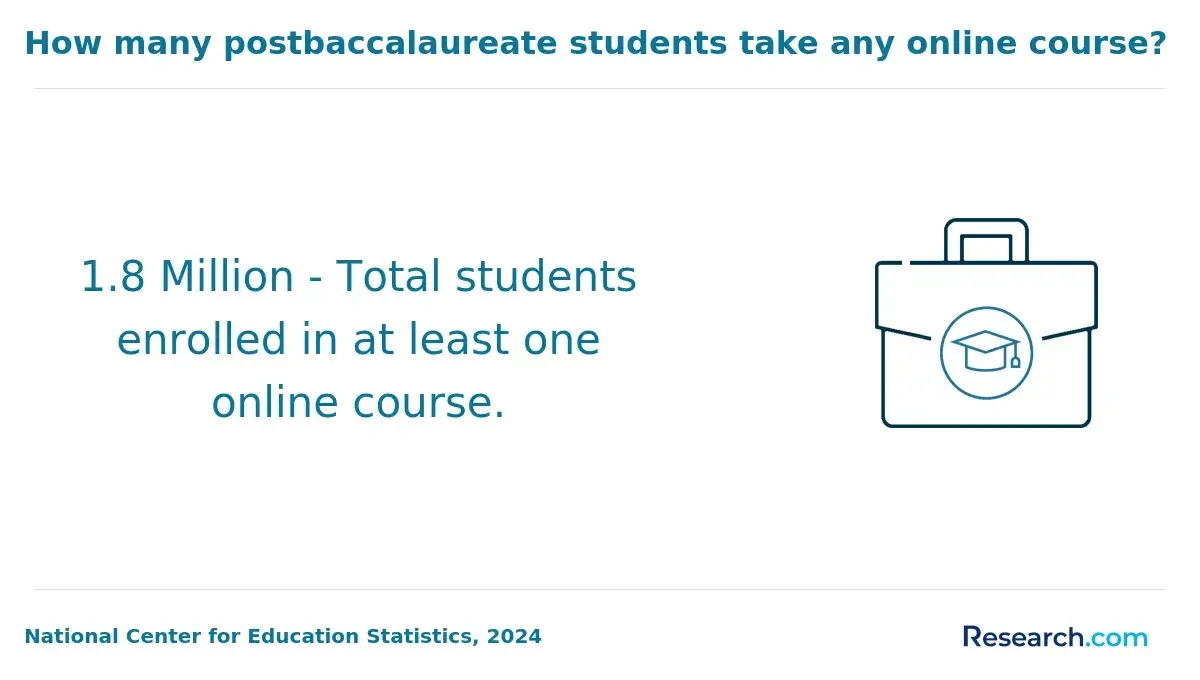
The shift also reflects broader online education behavior. Working adults and transfer students often want faster admissions decisions, fewer upfront costs, and a process that recognizes prior experience. This is similar to test-flexible admissions trends in business programs, where students comparing an accelerated MBA may also find schools placing more weight on professional background, GPA, and goals than on standardized testing.
For film programs, the change is especially logical because technical and artistic readiness can be evaluated through more relevant evidence. A no-GRE policy may help schools attract applicants with industry experience, military media backgrounds, YouTube or social video portfolios, photography experience, or community college production credits.
However, applicants should understand the distinction between test-free, test-optional, and test-waiver policies. Test-free means scores are not used. Test-optional means scores may be submitted but are not required. A waiver policy means the school normally requires scores but may waive them for applicants who meet GPA, degree, experience, or professional criteria.
What Admissions Criteria Matter Most Without GRE or GMAT Scores?
When a school does not use GRE or GMAT scores, the rest of the application carries more weight. The admissions team is trying to answer a practical question: can this student complete production-based coursework, collaborate professionally, and build a coherent body of visual work?
The table below shows the admissions factors that often matter most in no-test cinematography-related programs and how applicants can interpret them.
| Admissions factor | Why it matters | What a stronger applicant shows |
| Accredited prior coursework | Confirms academic preparation and transfer eligibility | Consistent grades in writing, media, art, communication, design, photography, or production courses |
| GPA | Helps schools assess readiness without test scores | A record that shows improvement, discipline, and ability to manage deadlines |
| Portfolio or reel | Demonstrates visual judgment and technical growth | Short, well-labeled samples that show framing, lighting, editing, sound awareness, and storytelling choices |
| Statement of purpose | Explains goals and fit with the program | A clear reason for choosing cinematography, digital filmmaking, or film production rather than a generic interest in movies |
| Résumé or experience record | Shows professional habits and creative initiative | Set experience, freelance work, student films, photography projects, content creation, theater tech, or related media work |
| Recommendations | Provides outside evidence of reliability and collaboration | References who can discuss deadlines, teamwork, creativity, and communication rather than only personal character |
Applicants who lack a formal portfolio can still compete if they build a small, focused creative sample before applying. A short scene, documentary clip, lighting study, product video, or photography sequence can be more useful than a long reel with uneven work.
Students comparing creative degrees with other online pathways should notice that admissions evidence varies by discipline. For example, applicants researching accelerated psychology programs online may focus more on prerequisites and transfer credits, while cinematography applicants usually need stronger creative proof.
No-GRE and no-GMAT online cinematography degree programs are not automatically easier to get into. They are easier to apply to because students can skip test registration, preparation time, and score reporting, but the school may still be selective about portfolios, GPA, writing ability, and program fit.
The most important difference is where the pressure moves. In test-required admissions, a standardized score can offset some weaknesses in the file. In no-test admissions, weak creative samples, vague goals, or poor academic history may stand out more clearly.
Students should think about admissions difficulty in three categories:
- Open or broad-access undergraduate programs: These may admit many applicants who meet basic documentation and readiness requirements, but students still need discipline to succeed in self-paced or production-heavy online courses.
- Portfolio-aware undergraduate programs: These may not require the GRE or GMAT, but they may review creative interest, prior coursework, and ability to complete media projects.
- Graduate film or MFA programs: These are usually more selective because the school expects a defined artistic direction, stronger samples, and evidence that the applicant can handle advanced critique and production planning.
If a program says tests are optional, students should submit scores only if the scores are strong and add something meaningful to the application. In cinematography, a polished portfolio, strong statement, and relevant production experience will usually be more persuasive than average standardized test results.
Skipping the GRE or GMAT does not reduce academic quality by itself. Accreditation, faculty qualifications, curriculum design, student support, and career-relevant production work are much better indicators of whether a program is legitimate.
Institutional accreditation means the school has been reviewed by an accrediting agency recognized by the U.S. Department of Education or the Council for Higher Education Accreditation. For students, this matters because accreditation can affect federal financial aid eligibility, credit transfer, employer recognition, and admission to future graduate study.
The table below separates admissions testing from quality indicators so students do not confuse convenience with academic strength.
| Question to ask | Why it matters more than GRE or GMAT status | Warning sign |
| Is the institution accredited by a recognized accreditor? | Accreditation supports legitimacy, financial aid access, and transfer review | The school uses vague language such as "licensed" or "approved" without naming a recognized accreditor |
| Does the curriculum include production practice? | Cinematography requires applied work, not only film appreciation | Few assignments involving camera, lighting, editing, sound, or visual storytelling |
| Who teaches the courses? | Faculty experience can affect critique quality and industry relevance | No clear faculty profiles, credits, academic credentials, or professional background |
| What equipment or software is required? | Online production courses may shift equipment costs to students | Requirements are unclear until after enrollment |
| What student work is available to review? | Graduate reels and portfolios show what students actually produce | No examples of student projects, reels, festivals, capstones, or portfolio outcomes |
The same accreditation logic applies across online graduate and professional education. A student comparing film programs can use a similar verification process to someone evaluating an EdD program: confirm recognized accreditation first, then compare cost, curriculum, faculty, support, and outcomes.
No-GRE or no-GMAT online cinematography programs are especially useful for students whose strengths are better shown through creative work than test performance. They can also help applicants who want to avoid delaying enrollment for months of exam preparation.
These programs tend to fit several types of students:
- Working media professionals: Videographers, editors, photographers, content producers, and camera assistants may already have practical experience that is more relevant than a standardized test score.
- Transfer students: Students with community college credits in media, communication, art, or general education may benefit more from generous transfer policies than from test-based admissions.
- Career changers: Adults moving from marketing, journalism, theater, education, events, or design may use an online program to build a structured portfolio while continuing to work.
- Military and veteran students: Applicants with audiovisual, public affairs, training, or technical experience may be able to connect prior service to production and storytelling goals.
- Students with test anxiety or limited testing access: A no-test pathway can remove a barrier without lowering the need for academic and creative preparation.
These programs may be a poor fit for students who need extensive in-person equipment access, want a traditional on-campus film set environment every week, or are not ready to manage production deadlines independently. Online cinematography study can be flexible, but it still requires self-direction, planning, collaboration, and a willingness to shoot projects outside a classroom studio.
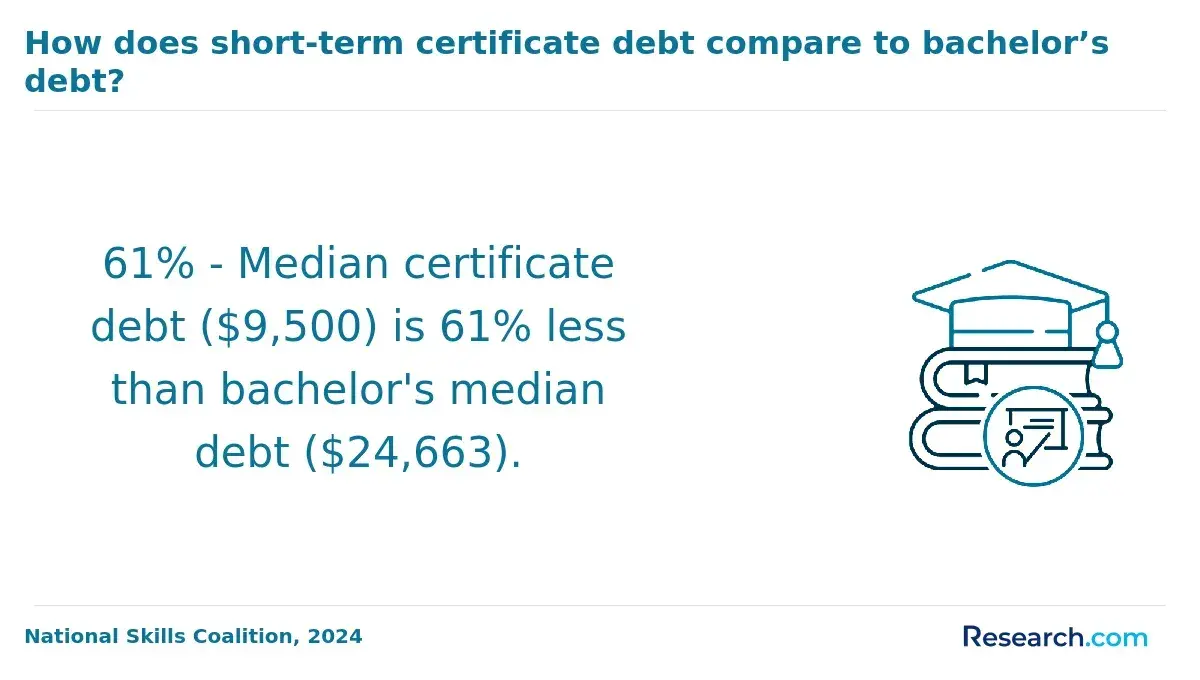
No-GRE admissions can reduce application expenses, but it does not necessarily make the degree itself cheaper. The GRE General Test fee in the U.S. is commonly around $220, and GMAT testing can cost more, so skipping exams may save money upfront. The bigger financial decision is still total tuition, required technology, equipment, software, fees, and time to completion.
College Board's 2024-25 pricing data reported average published tuition and fees of $11,610 for in-state students at public four-year institutions and $43,350 at private nonprofit four-year institutions. Online cinematography programs may fall outside those averages depending on institution type, credit load, and program structure, so students should calculate their own full cost rather than relying on national averages.
The table below shows the cost categories students should compare before enrolling in a no-GRE online cinematography program.
| Cost category | What to check | Why it affects value |
| Tuition model | Per credit, per term, subscription, or full-program pricing | Two programs with similar tuition rates can differ significantly if one requires more credits |
| Transfer credit | Maximum accepted credits and whether film, art, or general education credits transfer | Accepted transfer credits can shorten completion time and reduce total cost |
| Equipment | Camera, lenses, lighting, audio gear, storage, tripod, and computer requirements | Production programs may require purchases beyond tuition |
| Software | Editing, color grading, screenwriting, sound, and collaboration tools | Subscription costs can continue every term |
| Fees | Technology, graduation, portfolio, lab, or online course fees | Fees can make a low tuition rate less affordable than it first appears |
| Financial aid | Federal aid eligibility, scholarships, employer tuition help, military benefits, and payment plans | Aid availability can change the net cost, not just the published price |
Students comparing cost across disciplines should be careful not to assume that all online degrees price the same way. A studio-oriented film program may have equipment expectations that differ from text-heavy or management-focused options, while programs such as an architecture online degree may involve their own software, portfolio, and design-studio cost considerations.
Before applying, ask the admissions or financial aid office for a written estimate that includes tuition, required fees, equipment, software, transfer-credit assumptions, and the expected number of terms. This makes it easier to compare the real cost of multiple no-test programs.
A no-GRE online cinematography degree can support careers in camera operation, video editing, digital content production, lighting, production assistance, motion graphics coordination, freelance videography, corporate video, documentary production, and media entrepreneurship. The degree itself is rarely the only hiring factor; employers and clients usually want to see a reel, portfolio, credits, references, and evidence that the candidate can solve production problems.
BLS May 2024 wage data reported median annual pay of about $71,000 for film and video editors and about $62,000 for camera operators in television, video, and film. These figures are useful benchmarks, but they do not predict an individual outcome because pay varies by market, union status, freelance volume, employer type, credits, and technical specialization.
Students should connect coursework to roles they might realistically pursue after graduation. Cinematography-related programs can build several career-relevant skills:
- Camera and lighting judgment: Choosing composition, exposure, movement, lenses, and lighting setups that serve a story or client goal.
- Postproduction fluency: Editing, color correction, audio coordination, file management, and delivery for multiple platforms.
- Production planning: Translating scripts, treatments, or client briefs into schedules, shot lists, budgets, and safe shooting plans.
- Collaboration: Working with directors, producers, editors, actors, clients, and crew members under deadline pressure.
- Portfolio development: Building a reel that shows consistent visual identity and problem-solving ability rather than isolated class assignments.
Students who are deciding whether cinematography is the best long-term investment may also want to compare it with broader labor-market-oriented options. Reviewing top degrees in demand for the future can help applicants weigh creative goals against fields with different hiring patterns, credential requirements, and salary structures.
The absence of a GRE or GMAT requirement can make students move too quickly. The most common mistake is treating "no test required" as the main reason to enroll, instead of evaluating whether the program is accredited, affordable, production-focused, and aligned with career goals.
Applicants can reduce their risk by avoiding these mistakes before they submit applications:
- Ignoring accreditation: Always verify the institution's recognized accreditation status before focusing on convenience, speed, or marketing claims.
- Submitting a generic statement: Explain why the program's curriculum, production format, and faculty fit your specific goals in cinematography or digital filmmaking.
- Using an unfocused portfolio: Choose a small number of strong samples instead of a long reel with inconsistent work, unclear roles, or weak audio and editing.
- Overlooking equipment requirements: Ask what gear and software are required before enrolling so you do not face unexpected costs after classes begin.
- Assuming online means easy: Online production courses can require location scouting, shooting, editing, peer critique, and repeated revisions.
- Failing to compare transfer policies: A program that accepts more relevant credits may be more affordable than one with a lower advertised tuition rate.
- Not asking about career support: Look for portfolio reviews, internship guidance, alumni examples, networking support, and capstone expectations.
A strong application does not need to be perfect, but it should be intentional. If your academic record is uneven, use the statement of purpose to explain growth, current readiness, and how your recent creative or professional work shows commitment.
How Should Students Compare Accredited Online Cinematography Degree Programs Without GRE or GMAT Requirements?
The best no-GRE or no-GMAT online cinematography program is not simply the easiest one to enter. It is the accredited program that fits your career goal, budget, schedule, technical needs, and preferred learning style.
Use the following sequence to compare programs in a practical way:
- Verify accreditation first: Confirm that the school is institutionally accredited by a recognized accrediting agency before reviewing tuition or admissions convenience.
- Match the degree title to your goal: Choose digital cinematography or digital filmmaking for applied production, and choose film and media studies if you want more analysis, writing, or media theory.
- Review the curriculum course by course: Look for camera, lighting, editing, sound, production management, visual storytelling, color, and capstone requirements.
- Ask how online production works: Find out whether you need local collaborators, specific equipment, synchronous critiques, campus visits, or proctored assignments.
- Compare total cost: Include tuition, fees, equipment, software, transfer credits, financial aid, and the number of terms needed to graduate.
- Evaluate portfolio outcomes: Ask to see student reels, capstone examples, alumni work, or portfolio expectations by graduation.
- Check support services: Prioritize programs with academic advising, technical support, career services, library access, tutoring, and faculty feedback.
- Confirm admissions details in writing: Ask whether the GRE or GMAT policy is test-free, test-optional, or waiver-based and whether it applies to your exact degree level.
Portfolio-heavy disciplines often require a different comparison process than exam-driven fields.
A good final test is simple: if two programs both waive the GRE or GMAT, choose the one that offers clearer accreditation, stronger production learning, more transparent costs, better portfolio support, and a structure you can realistically complete.
Other Things You Should Know About Cinematography
Yes, many accredited online cinematography degree programs for 2027 may require a portfolio showcasing your previous work. This helps admissions committees assess your creative skills and experience. Portfolio guidelines usually specify formats, content type, and submission methods.
Online cinematography degree programs in 2027 typically require around 120 credit hours to graduate. This includes core courses in cinematography techniques, film history, and visual storytelling, along with general education requirements. Specific credit hour requirements may vary by institution.
Often, yes. Requirements vary by school, but online production students may need access to a camera, audio equipment, lighting, editing software, storage, and a capable computer. Always request the required equipment list before enrolling.
An MFA may be useful for advanced artistic development, teaching goals, or a stronger graduate portfolio, but it is not automatically better for every student. A bachelor's degree may be more appropriate for students who still need foundational production, general education, and technical training.
- 2025 Most Affordable Online Colleges & Degrees https://www.onlineu.com/most-affordable-colleges
- MBA Programs that Don’t Require GMAT, GRE or EA Test Scores https://www.clearadmit.com/mba-programs-that-dont-require-gmat-gre-or-ea-test-scores/
- Schools with best financial aid? https://www.filmschool.org/threads/schools-with-best-financial-aid.21229/
- Online Degree Programs - The Los Angeles Film School - Catalog https://catalog.lafilm.edu/007-online-degree-programs/
- Tuition & Payments Options | CG Spectrum https://www.cgspectrum.com/tuition-payment-options
- Online Degrees https://www.nyfa.edu/online-degrees/
- 8 Online Film Schools You Should Know https://www.careersinfilm.com/online-film-schools/