2027 Online Cinematography Degree Programs That Accept 60, 75, or 90 Transfer Credits

Co-Founder and Chief Data Scientist
Transfer students often ask one practical question: how much of my past college work can move into an online cinematography degree? Some online film, digital filmmaking, and cinematography-related bachelor's programs may consider 60, 75, or even 90 transfer credits, but acceptance does not always mean every credit counts toward graduation.
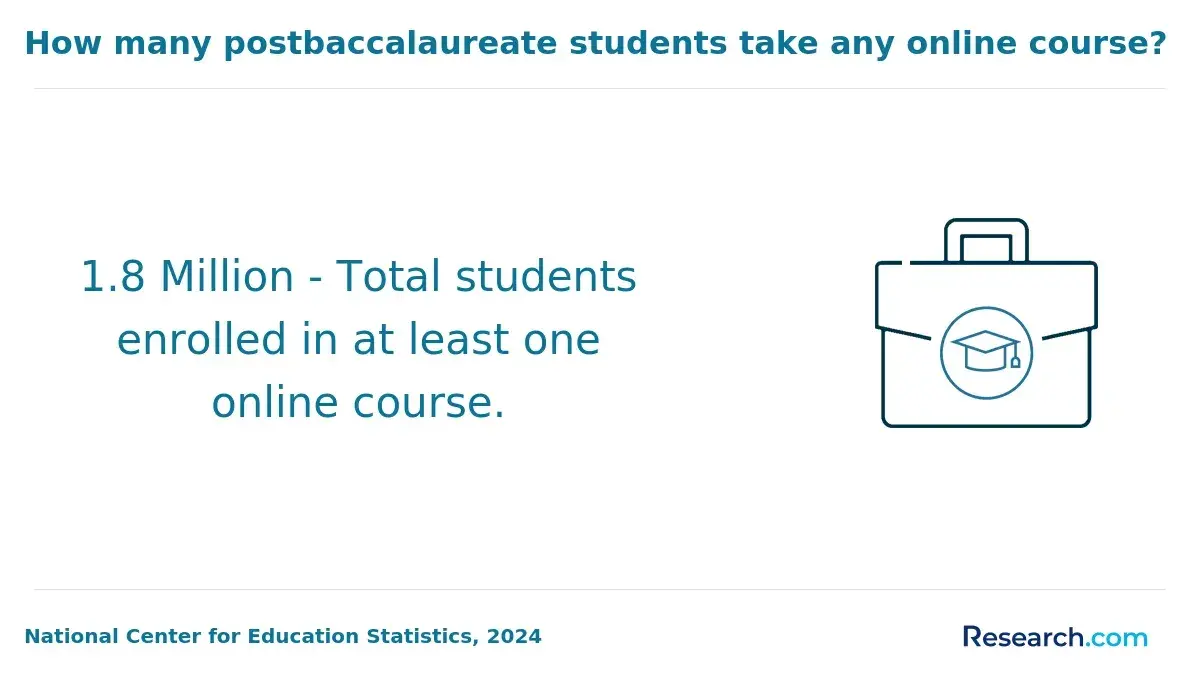
The NCES Condition of Education reports that more than half of U. S. postsecondary students took at least one distance education course in fall 2022, making online degree completion a mainstream path. This guide explains transfer limits, remaining requirements, cost impact, and how to compare programs before enrolling.
Key Things You Should Know
- A 120-credit bachelor's degree usually leaves about 60 credits after transferring 60 credits, 45 credits after transferring 75 credits, or 30 credits after transferring 90 credits, but major, upper-division, and residency rules can increase the credits you still need.
- The most transfer-friendly online cinematography-related programs often cap transfer credit at 75% of the degree, which equals 90 credits in a 120-credit bachelor's program, while many schools require at least 30 credits completed through the degree-granting institution.
- Before choosing a program, verify three things in writing: how many credits are accepted, how many apply to the cinematography or film major, and whether the remaining courses are available online in the terms you need.
How Many Transfer Credits Can You Apply Toward an Online Cinematography Degree?
In an online cinematography degree, "transfer credits accepted" means the school is willing to recognize previous college-level learning. "Transfer credits applied" means those credits satisfy specific general education, elective, major, or graduation requirements. The second number is the one that determines your remaining cost and completion time.
Most bachelor's programs in film, digital filmmaking, media production, or cinematography require around 120 semester credits. The table below shows how common transfer-credit scenarios typically change the academic work left to complete, assuming the credits apply cleanly to the degree plan.
| Transfer credits applied | Approximate credits remaining in a 120-credit degree | Common student profile | Main issue to verify |
| 60 credits | 60 credits remaining | Associate degree holder or student with two years of college | Whether lower-division courses satisfy general education and film foundation requirements |
| 75 credits | 45 credits remaining | Student with an associate degree plus extra electives or prior university coursework | Whether extra credits apply to electives or are lost because of major sequencing |
| 90 credits | 30 credits remaining | Degree-completion student close to senior standing | Whether residency, upper-division, capstone, and production-studio requirements still require more than 30 credits |
A 90-credit transfer sounds ideal, but cinematography is a production-heavy field. Schools may still require you to complete camera, lighting, editing, directing, portfolio, senior project, or capstone courses through their program so they can assess your technical and creative work against their outcomes.
Which Online Cinematography Degree Programs Accept 60, 75, or 90 Transfer Credits?
Online cinematography programs are often listed under related names such as digital cinematography, digital filmmaking, film and media studies, film production, motion pictures and television, or media arts. When comparing options, focus less on the label and more on whether the curriculum includes cinematography-relevant work: camera operation, lighting, composition, visual storytelling, editing, production planning, and portfolio development.
The table below summarizes common online or online-compatible film and cinematography-related degree options to investigate. Policies can change, so treat the transfer-credit column as a screening tool, not a substitute for an official evaluation.
| Program type | Examples of online or online-compatible programs to review | Transfer-credit range to investigate | Best fit |
| Digital cinematography or digital filmmaking bachelor's degree | Full Sail University BS in Digital Cinematography; The Los Angeles Film School BS in Digital Filmmaking | Often worth investigating for up to 75% transfer policies, or about 90 credits in a 120-credit degree, subject to course match and residency rules | Students who want production-focused coursework and already have college credits in film, media, art, communications, or general education |
| Film, media studies, or film and television bachelor's degree | ASU Online BA in Film and Media Studies; University of Arizona Online film or media-related pathways where available | Often transfer-friendly for general education and elective credits; community college transfer limits may be lower than the total bachelor's transfer ceiling | Students who want broader film analysis, screen culture, media theory, writing, or production-adjacent career preparation |
| Motion pictures, television, or media arts bachelor's degree | Academy of Art University online film and media programs; online media arts programs at public universities | May accept substantial lower-division credit, but major studio sequences may need to be completed in-house | Students who need a creative portfolio and want structured production feedback |
| Applied digital media or visual communication bachelor's degree | Online digital media, visual communication, or multimedia production programs | Can be flexible for transfer electives, but may not be a pure cinematography degree | Students who want video production plus design, social media, UX, marketing, or content strategy options |
Because cinematography careers overlap with media, communications, advertising, streaming content, and entertainment technology, students comparing film programs may also want to understand how creative majors fit into broader workforce trends; our guide to top degrees in demand for the future can help frame that bigger decision.
How Can You Tell Whether Transfer Credits Will Actually Apply Toward Your Cinematography Degree?
The only reliable way to know whether transfer credits will help you graduate faster is to request a degree-specific transfer evaluation. A school may accept 90 credits on the transcript but apply only 72 to your actual cinematography degree if some credits are duplicates, technical electives, non-equivalent courses, or lower-division credits that do not meet upper-division requirements.
Use this sequence before committing to a program, especially if you are choosing between schools based on a promised transfer maximum.
- Send official transcripts from every college you attended, including dual-enrollment, community college, military, and prior university coursework.
- Ask for a program-level evaluation, not just a general admissions review, so the school maps credits to the cinematography degree plan.
- Request a remaining-course list that identifies general education, major, upper-division, elective, residency, capstone, and portfolio requirements.
- Confirm whether every remaining course is offered online and how often production, lighting, editing, or capstone courses run.
- Compare the remaining credits, estimated tuition, course availability, and graduation timeline across at least two schools before enrolling.
Portfolio-based degrees can be less flexible than they first appear because sequencing matters. That is also true in other design-heavy fields, so students comparing creative programs may find it useful to review how requirements are structured in an architecture online degree, where studio and upper-division progression can affect transfer efficiency.
Online cinematography programs may consider several kinds of previous learning, but each school decides what counts, what grade is required, and where the credit fits. Most regionally accredited institutions prefer prior coursework from accredited colleges and commonly require a minimum grade such as C or higher for transfer, though competitive or major-specific courses may have stricter rules.
The categories below are the most likely sources of transfer credit for cinematography degree-completion students. Review them against the actual curriculum, not just the total credit count.
- General education credits: English composition, math, humanities, social science, natural science, and communication courses are often the easiest to transfer because they satisfy broad bachelor's requirements.
- Film and media foundation courses: Intro to film, media history, screenwriting, editing, production basics, digital imaging, and visual storytelling may transfer if the course outcomes match the new program.
- Technical production courses: Camera, lighting, sound, post-production, color grading, and studio production credits may require syllabi, sample work, or faculty review before they apply to the major.
- Elective credits: Courses that do not match general education or major requirements may still count as free electives, which can reduce the total credits remaining but may not shorten major sequencing.
- Associate degree block transfer: Some schools accept an associate degree as a package for lower-division requirements, but this does not always waive film prerequisites or upper-division production courses.
The key question is not simply whether your credits transfer, but whether they reduce required courses in the degree audit. A communications course may count as an elective, for example, while a production course with outdated software or insufficient lab hours may not replace the required cinematography course.
Residency requirements define how many credits you must complete at the school awarding the degree. Upper-division requirements define how many advanced junior- and senior-level credits you must complete, often including major courses. Together, these rules explain why a 90-credit transfer student may still need more than a simple 30-credit finish.
The table below shows how these requirements can change the value of transferred credits. Use it when comparing schools that advertise similar transfer-credit maximums.
| Requirement | What it means | Why it matters for cinematography transfer students | What to ask |
| Institutional residency | Minimum credits completed at the awarding school, often around 30 credits for a bachelor's degree | Even if 90 credits transfer, you may still need to complete a full final year at the new institution | How many credits must I take with your school after transfer? |
| Major residency | Minimum credits completed within the film, media, or cinematography major at the school | Transferred production courses may count as electives instead of replacing required major courses | How many major credits must be completed through your program? |
| Upper-division requirement | Required junior- and senior-level coursework | Community college credits are usually lower-division, so they may not satisfy advanced production or capstone requirements | How many upper-division credits will I still need? |
| Capstone or portfolio requirement | Final production, reel, thesis, or portfolio course | Usually must be completed at the degree-granting school, even for strong transfer students | Can any prior production work waive or modify the capstone? |
A generous transfer maximum is valuable only if it works with these rules. For example, a program that accepts 90 credits but requires 36 credits of in-house upper-division film courses may take longer than a program that accepts 75 credits but applies them more directly to your degree plan.
The transfer evaluation process is partly administrative and partly academic. Admissions staff may verify accreditation and credit levels, while faculty or department evaluators may decide whether a film, editing, or cinematography course is equivalent to a required major course.
To avoid delays, prepare documentation before you apply. The more production-related credit you hope to transfer, the more evidence you may need.
- Collect official transcripts from all prior schools and confirm that each transcript shows final grades and credit values.
- Download course descriptions from the catalog year in which you took each course, especially for film, media, art, and technology classes.
- Save syllabi for production courses that include camera, lighting, sound, editing, directing, post-production, or studio hours.
- Prepare a sample reel or portfolio if the school allows faculty review of creative or technical coursework.
- Ask for the evaluation in writing and compare it with the published degree requirements before paying an enrollment deposit.
One common mistake is accepting a verbal estimate such as "most of your credits should transfer." That may help you start a conversation, but it is not enough for a financial or timeline decision. Wait for a written degree audit that shows exactly what remains.
Completion time depends on applied credits, course load, course availability, and whether the remaining courses are sequential. A student with 90 applied credits may still need two or more terms if the capstone requires prerequisites or if advanced production courses are not offered every session.
The table below provides a practical planning range. It assumes a 120-credit bachelor's degree and typical online enrollment patterns, but your exact timeline will depend on the school calendar and your ability to take production-intensive courses while working.
| Applied transfer credits | Credits remaining | Possible full-time timeline | Possible part-time timeline | Timeline risk |
| 60 credits | About 60 credits | Roughly 2 years if courses are available continuously | About 3 to 4 years | Major prerequisites may stretch the plan if lower-division film courses did not transfer |
| 75 credits | About 45 credits | Roughly 15 to 24 months | About 2.5 to 3 years | Elective-heavy transfer credits may not reduce required production sequences |
| 90 credits | About 30 credits | Roughly 1 year if residency and capstone courses align | About 18 to 24 months | Upper-division and capstone requirements may require more than 30 credits in practice |
Some students look for accelerated formats because they want a faster finish, but speed only helps if the remaining courses line up with graduation requirements. The same planning logic applies in other fast online degree pathways, such as accelerated psychology programs online: the fastest option is the one that applies the most useful credits, not simply the one with the shortest advertised terms.
Transfer credits can reduce cost because you pay for fewer remaining credits, but only applied credits create savings. If a school accepts credits as electives that do not satisfy your degree plan, those credits may not lower tuition as much as expected.
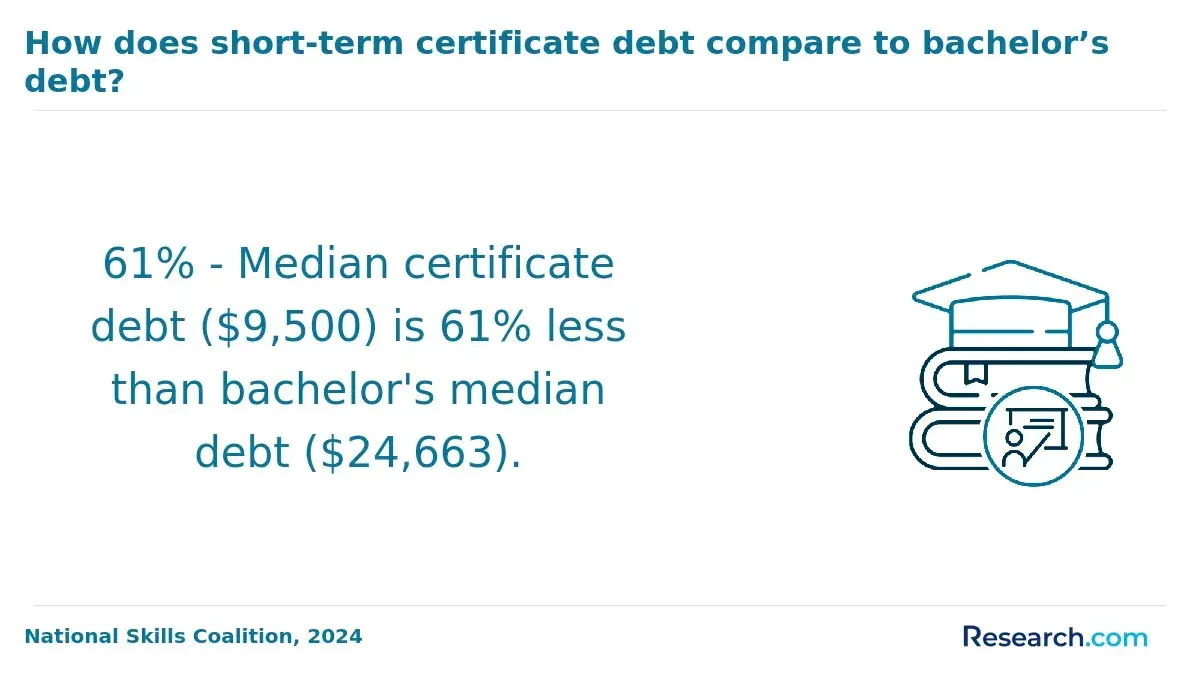
For context, the College Board's Trends in College Pricing and Student Aid reported an average published in-district public two-year tuition and fee price of $4,050 for 2024-25. That matters because many cinematography transfer students bring lower-cost community college credits into a bachelor's program, potentially replacing more expensive upper-level tuition only when those credits apply to the degree.
The table below uses a simple $450-per-credit example to show how transfer credits can change tuition exposure. Replace $450 with the actual per-credit rate, technology fees, equipment fees, and production costs at each school you are considering.
| Applied transfer credits | Credits avoided compared with starting from zero | Illustrative tuition avoided at $450 per credit | Important limitation |
| 60 credits | 60 credits | $27,000 | You may still pay for major prerequisites if prior courses do not match |
| 75 credits | 75 credits | $33,750 | Some credits may apply only as electives and not shorten major sequencing |
| 90 credits | 90 credits | $40,500 | Residency, upper-division, and capstone rules may set a practical minimum cost |
Cost comparison should include more than tuition. Ask about camera kits, editing software, cloud storage, production insurance, portfolio review fees, graduation fees, and whether financial aid applies to part-time enrollment. Students comparing return on investment across accelerated formats can use the same framework often applied to an accelerated MBA: calculate the actual remaining credits, total fees, time away from full-time work, and realistic career value.
Some online cinematography programs may award credit for learning outside a traditional college classroom, but policies vary widely. Prior learning credit is more likely to satisfy electives than required cinematography courses unless the school has a formal portfolio assessment or industry-training equivalency process.
These credit sources are worth asking about if you have substantial professional, military, or technical experience. The goal is to reduce redundant coursework without weakening the major preparation you need.
- Prior learning assessment: A portfolio, work samples, supervisor letters, professional productions, or reflective essays may be reviewed for credit, usually with limits and fees.
- Military training: Joint Services Transcript recommendations may transfer as electives, communications, leadership, technical, or media-related credits depending on the institution.
- Standardized exams: CLEP, DSST, AP, or IB credits may satisfy general education requirements if scores meet the school's minimums.
- Industry certifications: Editing software, production technology, digital media, or creative software certifications may be considered by some schools, but often as elective or competency credit.
- Professional film experience: Paid production work can strengthen an application or portfolio, but it does not automatically become academic credit unless the school has an approved assessment process.
Before paying for exams or prior learning assessment, ask whether the credit will apply to your remaining degree requirements. Transfer and alternative-credit policies also differ significantly by degree level; for example, an EdD program may treat transfer credit very differently from an undergraduate degree-completion program.
Do Older College Credits Expire When Transferring Into an Online Cinematography Degree?
Older college credits do not always expire, but they may be limited by relevance. General education credits such as English composition or history often remain usable longer than technical production courses tied to software, camera systems, codecs, editing platforms, or current industry workflows.
The table below explains how schools commonly review older credits. Use it to decide which documents to gather and which courses may need a closer faculty review.
| Type of older credit | Likelihood of transfer | Why review may be stricter | Best action |
| General education | Often transferable if earned at an accredited institution with an acceptable grade | Usually less tied to rapidly changing technology | Submit official transcripts and catalog descriptions if requested |
| Film history, theory, or media studies | Often considered if course level and content match | May need to align with the program's humanities or major requirements | Provide course descriptions and ask whether it satisfies the major or an elective |
| Camera, lighting, editing, or post-production | Variable | Technology, software, and workflow may have changed | Submit syllabi, project samples, and a portfolio if allowed |
| Internship or practicum credit | Variable | Schools may not accept experiential credit from another institution without matching outcomes | Ask whether it counts as elective credit or can support a portfolio review |
A major red flag is a school that gives a high transfer estimate without reviewing old technical coursework closely. For a cinematography degree, current production competence matters, so it may be better to retake a key camera or lighting course than to transfer an outdated course that leaves you underprepared for advanced work.
Other Things You Should Know About Cinematography
It can be, especially when the program is properly accredited and helps you build a strong reel or portfolio. In film and media hiring, employers often care about demonstrated work, technical ability, collaboration, and reliability in addition to the degree title.
Some do, while others admit students based on transcripts and then build portfolio development into the curriculum. Transfer students should ask whether a portfolio can help with placement, course waivers, or faculty review of production credits.
Often, yes, if the receiving school has an articulation agreement or block-transfer policy for that associate degree. However, do not assume the associate degree will cover cinematography prerequisites; confirm how it applies to the exact bachelor's curriculum.
Possible paths include camera assistant, videographer, editor, production assistant, lighting technician, content producer, media specialist, or independent filmmaker. Career outcomes depend heavily on portfolio quality, location, networking, internships, freelance experience, and production credits.
- Digital Cinematography Bachelor's https://www.fullsail.edu/degrees/digital-cinematography-bachelor-degree-program
- Seattle Film Institute - Bachelors Degrees at SFI https://sfi.edu/bachelors/
- Online Degree Programs - The Los Angeles Film School - Catalog https://catalog.lafilm.edu/007-online-degree-programs/