2027 Fastest Accredited Online Cinematography Programs: Accelerated Degrees and Completion Times

Co-Founder and Chief Data Scientist
Choosing the fastest accredited online cinematography program is really a timeline decision: how quickly can you earn a credible film-production degree without weakening your portfolio? The U.S. Bureau of Labor Statistics reported a May 2024 median annual wage of $70,860 for film and video editors and camera operators, making speed, cost, and skill fit important.
This guide is for students comparing online film, digital cinematography, and production degrees. You will learn what "accelerated" actually means, which formats are fastest, and how transfer credits, course load, prerequisites, and production requirements can change the advertised graduation date.
Key Things You Should Know
- The shortest realistic accredited online path is usually an associate degree in digital filmmaking or cinematography in about 18 months; the fastest full bachelor's options commonly advertise about 29 to 36 months, while standard online bachelor's degrees often take 4 years from zero credits.
- Accelerated online cinematography programs typically use 7.5-week, 8-week, monthly, or year-round terms; shorter terms move faster but compress the same production, editing, lighting, and critique work into fewer weeks.
- Transfer credit is often the biggest time-saver: many bachelor's programs require about 120 credits and may accept up to 60 to 90 transfer credits, but residency rules, portfolio courses, and major-specific production sequences can limit how much time you actually save.
Which Colleges Offer the Fastest Accredited Online Cinematography Programs?
The fastest accredited online cinematography options are usually not labeled only "cinematography." They may be called digital cinematography, digital filmmaking, film and media studies, motion pictures and television, or digital film production. For students who want camera, lighting, editing, visual storytelling, and portfolio development, the best comparison is advertised completion time plus how production-heavy the curriculum is.
Based on current institutional program descriptions and catalog-style information, the following schools are among the more practical online options to compare. Always verify the latest curriculum, accreditation status, transfer policy, and online availability directly with the school before applying, because film programs can revise course sequences and delivery formats.
| School | Online program to compare | Accreditation type to verify | Advertised or typical speed | Best fit |
| Full Sail University | Bachelor of Science in Digital Cinematography | Institutional accreditation by ACCSC | Often advertised at about 29 months online | Students who want a structured, fast bachelor's program focused on digital production workflows |
| The Los Angeles Film School | Associate or Bachelor's in Digital Filmmaking | Institutional accreditation by ACCSC | Associate options may be around 18 months; bachelor's options are commonly around 36 months | Students seeking a production-oriented online film pathway with a shorter associate exit point |
| Academy of Art University | Online BFA in Motion Pictures and Television | Regional institutional accreditation by WSCUC; program details should be verified | Typically closer to a standard bachelor's timeline unless transfer credits shorten it | Students who value a broader production school model and may already have credits |
| Arizona State University Online | BA in Film and Media Studies | Regional institutional accreditation by HLC | Uses accelerated online course sessions, but completion depends heavily on credits transferred and course load | Students who want a flexible film/media degree with less emphasis on hands-on cinematography than a production BFA or BS |
| Grand Canyon University | BA in Digital Film with production-related emphasis options | Regional institutional accreditation by HLC | Often structured around shorter online courses; total time depends on transfer credits and enrollment intensity | Students looking for a broad digital film curriculum with online scheduling flexibility |
A direct answer: if your goal is the fastest fully accredited online bachelor's program with cinematography in the title, Full Sail University's online BS in Digital Cinematography is one of the shortest advertised options at about 29 months. If you are open to an associate degree first, an online digital filmmaking associate pathway may be faster, but it may not carry the same career or graduate-school flexibility as a bachelor's degree.
The biggest caution is that "fastest" does not automatically mean "best." A cinematography student needs a portfolio, production practice, instructor critique, editing feedback, and enough time to create strong reels. A 29-month bachelor's can be attractive, but only if the weekly workload fits your job, equipment access, and family schedule.
How Long Does It Take to Complete an Accredited Online Cinematography Degree?
Completion time depends on whether you are starting from zero credits, transferring prior college work, or choosing an associate-to-bachelor pathway. In accredited online cinematography and film-production programs, "completion time" usually means the time needed to finish required credits, major courses, general education, electives, and production projects.
The table below summarizes realistic timelines. Use it to separate advertised program speed from the time you may actually need based on transfer credits and weekly availability.
| Path | Typical credit range | Fast, realistic completion time | More common completion time | What can extend the timeline? |
| Online associate degree in digital filmmaking or cinematography-related production | About 60 credits | About 18 months | 18 to 24 months | Part-time enrollment, repeated production courses, or limited course availability |
| Accelerated online bachelor's in digital cinematography | About 120 credits | About 29 to 36 months | 3 to 4 years | Heavy production workload, general education gaps, or required course sequencing |
| Online bachelor's completion program with transfer credits | Usually 120 total credits, with prior credits applied | About 12 to 24 months after transfer evaluation | 2 to 3 years | Nontransferable credits, residency requirements, or missing major prerequisites |
| Standard online film, media, or production bachelor's from zero credits | About 120 credits | 3 years with year-round full-time enrollment | 4 years | Taking 12 credits or fewer per term, changing majors, or pausing enrollment |
Accelerated formats work best for students who can treat school like a major weekly commitment. A 3-credit course in a traditional 15- or 16-week term is spread out; the same course in an 8-week term moves at roughly twice the pace. Production classes can feel even more compressed because filming, reshoots, editing, and peer critique do not always fit neatly into a short academic calendar.
Students comparing fast creative degrees can use the same logic often applied to an accelerated MBA: the shorter calendar is possible because courses are compressed or sequenced year-round, not because the academic expectations disappear. For cinematography, the trade-off is time saved versus the pressure of completing portfolio-quality work quickly.
How Do Accelerated and Competency-Based Online Cinematography Programs Work?
Accelerated online cinematography programs usually speed up graduation through scheduling, not by removing core content. A legitimate program still needs to cover visual storytelling, lighting, camera operation, editing, sound, production planning, film history, digital workflows, and portfolio development.
These are the main accelerated formats you are likely to encounter. Each one can shorten the calendar, but the best choice depends on how much structure and flexibility you need.
- Short terms: Courses run in 7.5-week or 8-week sessions instead of traditional 15- or 16-week semesters, allowing students to complete more course starts in a year.
- Year-round enrollment: Programs reduce summer breaks or use continuous terms so students do not lose months between required classes.
- Lockstep cohorts: Students follow a fixed course sequence, which can prevent scheduling delays but leaves less room to slow down.
- Monthly or frequent start dates: Students can begin sooner rather than waiting for a fall or spring semester, which can reduce the time between application and first course.
- Transfer-friendly degree completion: Students with general education credits, an associate degree, or prior film coursework may enter closer to upper-division production classes.
Competency-based education is less common in cinematography than in business, IT, or some social science fields because film production depends on critique, collaboration, project review, and creative iteration. A self-paced model can work for certain general education or theory courses, but camera and lighting courses often need deadlines, instructor feedback, and completed visual projects.
For comparison, many accelerated psychology programs online can move quickly because the curriculum is often reading-, writing-, and assessment-heavy. Cinematography students should expect additional time for shooting, editing, file management, location logistics, and reshoots, even when the online course shell looks flexible.
Accreditation is the main quality checkpoint when comparing fast online cinematography degrees. For most students, the essential requirement is institutional accreditation from an accreditor recognized by the U.S. Department of Education or the Council for Higher Education Accreditation. This affects federal financial aid eligibility, credit transfer, graduate school review, and employer confidence.
Programmatic accreditation is not typically required for cinematography in the same way it may be required in fields tied to professional licensure. However, arts schools may hold additional approvals or memberships, and some programs may be reviewed by specialized arts accreditors. Treat those as helpful signals, not substitutes for recognized institutional accreditation.
The table below explains the accreditation checks that matter most before enrolling in a fast online cinematography program. These checks help you avoid programs that sound quick but may limit financial aid, transfer, or graduate-school options.
| Accreditation item | Why it matters | What to ask the school |
| Institutional accreditation | Supports federal aid eligibility and basic academic recognition | Which recognized agency accredits the institution, and is the status current? |
| Regional or national accreditation | Both can be recognized, but transfer and graduate-school acceptance may vary | How often do credits transfer to regionally accredited colleges or graduate programs? |
| Program delivery approval | Some accreditors and states review distance education separately | Is this specific online program approved for distance delivery in my state? |
| State authorization | Online students may be subject to state authorization rules | Can residents of my state enroll, complete projects, and receive the degree? |
| Major-specific requirements | Production degrees may require equipment, software, or local filming access | Are there in-person, internship, residency, or field-production requirements? |
Students sometimes assume that online creative degrees are easier to verify than studio-based fields, but the same due diligence applies. If you have compared an architecture online degree, the parallel is useful: accreditation, studio expectations, software, and portfolio requirements can matter as much as the advertised online format.
Transfer credits can shorten an online cinematography degree more than any accelerated term structure. A student who brings in an approved associate degree, general education credits, or prior film coursework may remove semesters from the plan, while a student starting from zero credits must complete the full curriculum.
Before counting on a faster finish, ask for a written transfer evaluation. The following credit types may reduce time to graduation, but each school sets its own limits and residency requirements.
- General education credits: English, math, humanities, social science, and science courses are often the easiest to transfer if they come from an accredited college and meet minimum grade rules.
- Prior film or media courses: Editing, screenwriting, photography, sound, or production courses may transfer, but schools may require a syllabus or portfolio review.
- Associate degree block transfer: Some schools apply an completed associate degree toward lower-division requirements, which can make bachelor's completion faster.
- Advanced Placement, CLEP, or DSST credit: These exams may satisfy certain general education requirements, although they rarely replace upper-level cinematography courses.
- Military or professional training: Some colleges review Joint Services Transcript credit, industry training, or documented media experience for elective credit.
- Prior learning assessment: A portfolio or documented work history may earn limited credit at some institutions, but creative-major credit is usually reviewed carefully.
The most common mistake is assuming all previous credits will apply. A school may accept 90 transfer credits in theory but still require a certain number of credits in residence, a minimum number of upper-division major courses, or a specific production sequence. That means 90 accepted credits may not always equal one year to graduation.
A practical strategy is to compare degree audits, not marketing pages. Ask each admissions office to show which credits apply to general education, which apply to the major, which count only as electives, and which do not apply at all. The fastest program for you is often the one that accepts the most credits into required categories, not the one with the shortest advertised term length.
Admission requirements for accelerated online cinematography programs are usually straightforward, but production-focused degrees may ask for more than a basic application. Requirements vary by school and degree level, so students should confirm whether the program is open admission, selective, or portfolio reviewed.
The following items are commonly requested. Missing one of them can delay your start date, which matters if your goal is the fastest possible graduation timeline.
- High school diploma or GED: First-time bachelor's and associate applicants usually need proof of secondary completion.
- Official college transcripts: Transfer students must send transcripts from every prior institution, even if they do not expect all credits to transfer.
- Minimum GPA rules: Some programs publish a minimum GPA, while others review applicants more holistically.
- Portfolio or creative sample: Production-heavy programs may request films, photography, scripts, editing samples, or a statement of creative goals.
- Technology readiness: Students may need a computer that can run editing software, sufficient storage, reliable internet, and sometimes camera or audio equipment.
- Financial aid documents: Completing the FAFSA and school-specific aid steps early can prevent registration delays.
Start dates can be a major advantage of accelerated online programs. Some schools offer monthly or frequent starts, while others use 6 to 8 starts per year or traditional semester calendars. A program with more start dates may help you begin sooner, but it will not shorten the degree unless required courses are available often enough to keep you continuously enrolled.
Ask admissions advisors about course sequencing before you apply. If a required cinematography course is offered only once or twice per year, failing or postponing it could delay graduation more than you expect. This is especially important in lockstep programs where each course builds on the prior production course.
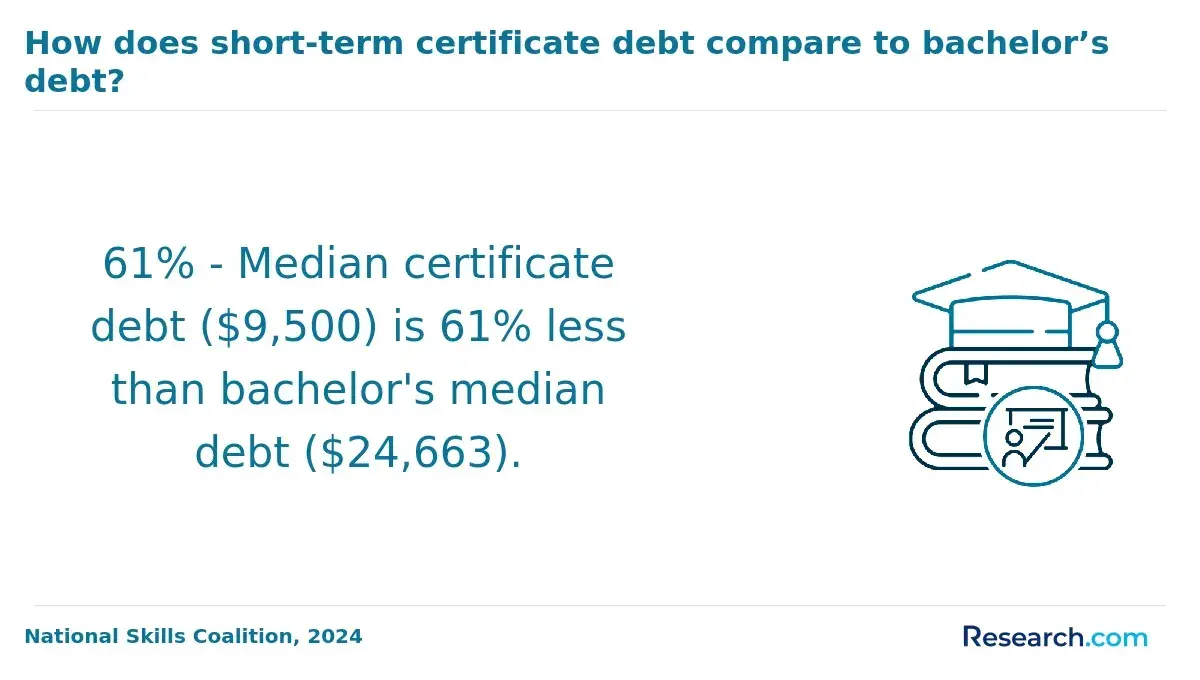
Cost varies widely because online cinematography programs may charge by credit, by term, or by full program. Faster graduation can reduce housing or opportunity costs, but it does not always reduce tuition. Some accelerated schools charge a fixed program price, while others charge for every credit attempted.
Recent national tuition data gives useful context. The College Board's 2024 pricing data reported average published tuition and fees of $11,610 for in-state public four-year colleges and $43,350 for private nonprofit four-year colleges. Online film programs may fall below, within, or above those benchmarks depending on institution type, fees, equipment, and software.
Common cost items to compare include tuition plus production-related expenses. Request a full cost sheet before enrolling so you can compare the total price of finishing, not just the per-credit rate.
- Tuition charged per credit, term, academic year, or full program
- Technology fees, online learning fees, graduation fees, and transcript fees
- Camera, lighting, sound, storage, and computer requirements
- Editing, color, screenwriting, or production-management software costs
- Books, media subscriptions, stock footage, props, location costs, and festival submission fees
- Extra tuition if you repeat a course, pause enrollment, or change programs
Financial aid may be available if the institution is eligible to participate in federal student aid programs and the student qualifies. For 2024-25, federal Direct Subsidized and Unsubsidized Loans for undergraduate students carried a fixed 6.53% interest rate, which makes borrowing cost part of the timeline decision.
A faster program can reduce time away from the workforce, but taking too many courses at once and repeating them can increase debt.
If affordability is your main filter, compare net price, not sticker price. The same principle applies across online degrees, from creative bachelor's programs to an affordable online EdD program: grants, transfer credits, employer aid, and time to completion can change the real cost substantially.
You can work full time while completing an accelerated online cinematography degree, but the fastest timeline may not be realistic for every working adult. A standard rule used by many colleges is that each credit can require about 2 to 3 hours of academic work per week outside class; in an 8-week course, the weekly pace can feel much heavier because assignments are compressed.
Before choosing the fastest plan, estimate the weekly workload created by production classes. Cinematography courses often require tasks that are harder to fit into short evening blocks, such as filming during daylight, coordinating actors or crew, recording clean sound, troubleshooting equipment, exporting large files, and revising edits after critique.
The table below compares enrollment intensity. It can help you decide whether the fastest plan fits your life or whether a slightly slower pace may protect your grades and portfolio quality.
| Enrollment pace | Likely fit | Timeline impact | Main risk |
| Full-time accelerated | Students with flexible jobs, strong time management, and reliable equipment access | Fastest path, often 18 to 36 months depending on degree level | Burnout, rushed projects, or lower-quality portfolio work |
| Full-time standard online | Students who want steady progress with less compression | Often 3 to 4 years from zero credits for a bachelor's | Longer calendar time and more terms to finance |
| Part-time accelerated | Working adults who want short courses but fewer at once | Can still be faster than traditional part-time enrollment | Required course sequencing may create gaps |
| Part-time standard | Students with unpredictable work, caregiving, or freelance production schedules | Often the slowest path | Momentum loss and changing curriculum requirements over time |
A good compromise is to start with a manageable first term, especially if you have not taken online classes before. If you earn strong grades and can complete projects on schedule, ask your advisor whether you can increase your course load in later terms.
Accredited online cinematography degrees can be respected by employers and graduate schools, but the degree format is only one factor. In film and media production, employers often care heavily about portfolio quality, technical skills, reliability, collaboration, editing judgment, and the ability to solve production problems under deadline.
The labor market is also changing. AI-assisted editing, virtual production, remote collaboration, color workflows, and short-form video demand are influencing what entry-level creatives are expected to know. A fast program should still give you enough time to build a reel that shows lighting control, composition, camera movement, continuity, sound awareness, and postproduction decisions.
BLS employment projections released for the 2024-34 period show modest growth for film and video editors and camera operators, with competition likely to remain strong in popular media markets. That means the credential may help, but a degree alone is rarely enough; students should use school projects to build a portfolio, network, and credits on real productions.
If you are weighing cinematography against other fields, compare the role's creative fit, income variability, and employment structure with top degrees in demand for the future. Cinematography can be rewarding, but it is often portfolio-driven and freelance-friendly, so students should evaluate risk tolerance as well as passion.
Graduate schools typically review institutional accreditation, transcripts, GPA, recommendations, statement of purpose, and creative work. If you may pursue an MFA or another graduate degree later, ask prospective graduate programs whether they accept credits or degrees from the accreditor of the online school you are considering.
How Should You Compare the Fastest Accredited Online Cinematography Programs?
The best way to compare the fastest accredited online cinematography programs is to build a personalized graduation estimate. Do not rely only on the advertised completion time, because that timeline often assumes continuous enrollment, full-time course loads, successful first attempts, and a specific starting credit profile.
Use the following steps to identify the fastest credible program for your situation. These steps focus on practical evidence rather than marketing claims:
- Verify institutional accreditation through a recognized accreditor and confirm the online program is approved for your state.
- Request a written transfer-credit evaluation from every school before comparing timelines.
- Ask for a term-by-term degree plan showing required courses, prerequisites, and expected graduation date.
- Confirm whether production courses require local filming, synchronous meetings, internships, equipment kits, or in-person experiences.
- Compare total cost to finish, including software, gear, fees, repeated courses, and loan interest.
- Review student work, faculty background, portfolio expectations, and career support rather than judging by speed alone.
- Ask what happens if you drop to part time, fail a course, take a leave, or miss a required course sequence.
Common red flags include vague accreditation language, no clear degree plan, pressure to enroll before a transfer review, unclear equipment costs, and promises that a degree will lead directly to a specific job. Be especially cautious if a school advertises a very short timeline but cannot explain weekly workload, course sequencing, or portfolio requirements.
The strongest choice is the fastest program you can complete well. For some students, that may be a 29-month online bachelor's. For others, it may be an associate degree first, a transfer-friendly bachelor's completion pathway, or a standard-paced online film degree that leaves more time for work and portfolio development.
Other Things You Should Know About Cinematography
Not exactly. Cinematography focuses on the visual side of storytelling, including camera, lighting, lenses, framing, movement, and visual mood. Filmmaking is broader and may include directing, writing, producing, editing, sound, and distribution.
Often, yes. Requirements vary, but many online production programs expect students to have access to a capable camera, microphone, editing computer, storage, and software. Some schools provide equipment kits or specify minimum technical standards.
It can help you build technical knowledge and a portfolio, but director of photography roles usually require experience, strong reels, networking, and credits on productions. The degree is one part of the path, not a shortcut to senior roles.
Yes. Certificates and nondegree programs can be much faster because they focus on specific skills such as lighting, editing, or camera operation. However, they may not provide the same transfer value, financial aid access, or bachelor's-level credential as an accredited degree.
- Best Film Schools in Canada of 2026 | CourseCompare.ca https://www.coursecompare.ca/the-best-film-schools-in-canada/
- ACCSC – The Los Angeles Film School https://www.lafilm.edu/disclosures/accsc/
- Online Degrees https://www.nyfa.edu/online-degrees/
- One year program Filmmaking | EICAR https://www.eicar.fr/en/filmmaking/programs/one-year-program-filmmaking
- Your Chances of Getting a Job After Film School - San Francisco Film School https://www.sanfranciscofilmschool.edu/your-chances-of-getting-a-job-after-film-school/
- Best Online Master's Degree in Film Studies Programs https://www.bestcollegesonline.org/most-affordable/masters-film-studies-online/
- Digital Cinematography Bachelor's https://www.fullsail.edu/degrees/digital-cinematography-bachelor-degree-program
- INTERNATIONAL FILM PRODUCTION PROGRAM https://stockholmsfilmskola.com/international-film-production-program/
- Online Degree Programs - The Los Angeles Film School - Catalog https://catalog.lafilm.edu/007-online-degree-programs/