2027 Accredited Online Digital Media Degree Programs for Working Adults: Flexible, Part-Time, and Self-Paced Options

Co-Founder and Chief Data Scientist
Choosing an online digital media degree while working full time usually comes down to three questions: is it accredited, is the schedule realistic, and will the cost support your career goals? The U.S. Bureau of Labor Statistics reports that web developers and digital designers had a median annual wage of $95,380 in May 2024, which helps explain why adults are looking for flexible routes into media, design, content, UX, and production roles.
This guide explains formats, admissions, costs, timelines, transfer credits, and career fit so you can compare programs with less guesswork.
Key Things You Should Know
- Choose a school recognized by a U.S. Department of Education-approved accreditor, then confirm whether the digital media program has portfolio, internship, software, or capstone requirements that affect your weekly schedule.
- Most online bachelor's degrees require about 120 credits; full-time students often take about 15 credits per term, while working adults commonly choose 6 to 10 credits and should expect roughly 8 to 15 study hours per week for each 3-credit production-heavy course.
- Public four-year in-state tuition and fees averaged $11,610 in College Board's 2024 data versus $43,350 at private nonprofit four-year institutions, and transfer-friendly programs may accept 60 to 90 credits toward a bachelor's degree if prior coursework applies.
What Is an Accredited Online Digital Media Degree Program and Why Does Accreditation Matter?
An accredited online digital media degree is a college program delivered fully or mostly online through an institution that has been reviewed by a recognized accrediting agency. Digital media programs usually combine visual communication, video production, web design, motion graphics, social media strategy, interactive media, UX basics, storytelling, and portfolio development.
Accreditation matters because it affects federal financial aid eligibility, credit transfer, graduate school recognition, and employer confidence. For working adults, it is also a protection against spending time and money on a program that may not be accepted by other schools or hiring managers.
Use the table below to separate the main types of quality checks you may encounter. This distinction is important because a legitimate college may be institutionally accredited even when the digital media major itself does not have a separate programmatic accreditor.
| Quality check | What it tells you | Why it matters for working adults |
| Institutional accreditation | The college or university meets broad academic, financial, and student-support standards. | Usually required for federal financial aid, credit transfer, and recognized degree status. |
| Programmatic accreditation | A specific department or discipline has additional external review. | Less common in digital media than in health, education, law, or counseling, but useful when available. |
| State authorization | The school is allowed to offer online education to students in your state. | Important if you live outside the school's home state or may move while enrolled. |
| Employer recognition | The program's curriculum, portfolio outcomes, and alumni paths align with hiring needs. | Especially important in creative fields where your portfolio may carry as much weight as the degree title. |
Before applying, verify accreditation directly instead of relying only on marketing language. This is especially important if a program advertises "career-ready," "accelerated," or "flexible" without explaining transfer, scheduling, and faculty-review policies.
- Search for the institution in the U.S. Department of Education's recognized accreditation database or the accreditor's own directory.
- Confirm that the online campus or online division is covered by the same institutional accreditation as the main university.
- Ask whether digital media courses are taught by faculty, industry practitioners, or a mix of both.
- Request written details on transfer credit, portfolio review, internship requirements, and any required campus visits.
- Check whether the school has state authorization for your residence state before you enroll.
Accreditation rules vary widely by field. For example, career changers comparing media programs with licensure-focused pathways such as BCBA accredited programs online should understand that digital media generally emphasizes institutional accreditation, portfolio strength, and applied projects rather than professional licensure.
Which Flexible Digital Media Degree Formats Are Best for Working Adults: Part-Time, Full-Time, or Self-Paced?
The best format depends on your work schedule, family responsibilities, prior credits, and tolerance for deadlines. "Online" does not automatically mean self-paced; many online digital media programs still use weekly due dates, group critiques, live sessions, or scheduled production milestones.
The table below compares common formats in the way a working adult is most likely to experience them. Use it to decide whether you need maximum flexibility, faster completion, or a more structured learning environment.
| Format | Typical structure | Best fit | Trade-off |
| Part-time asynchronous | Courses open online with weekly deadlines, recorded lectures, and discussion boards. | Adults working full time who need evenings or weekends for coursework. | Slower completion, but often the most sustainable option. |
| Full-time online | Heavier course load, often 12 to 15 credits per term. | Students with flexible jobs, strong time management, or significant financial aid coverage. | Can be difficult during busy work seasons or family obligations. |
| Self-paced or competency-based | Students move through modules after proving mastery, sometimes within subscription terms. | Adults with prior design, video, marketing, or web experience who can work independently. | Requires discipline and may have term limits, assessment windows, or fewer live critiques. |
| Synchronous online | Live virtual classes, critiques, workshops, or faculty meetings at set times. | Students who want interaction and accountability. | Less convenient for shift workers, caregivers, or frequent travelers. |
| Hybrid or low-residency | Mostly online with occasional campus, studio, or residency requirements. | Students near campus or those seeking hands-on production access. | Travel, lodging, or missed work may increase the real cost. |
For many working adults, part-time asynchronous study is the safest default because it balances predictability with flexibility. Self-paced learning can be faster, but it is not automatically easier; production courses still require time for editing, revisions, software practice, peer feedback, and portfolio polishing.
Choose the format by matching it to your real calendar, not your ideal calendar. A practical decision process can prevent you from overloading your first term.
- Map your weekly non-negotiables, including work hours, commuting, caregiving, sleep, and recurring appointments.
- Ask the school for the expected weekly workload in studio, design, coding, writing, and capstone courses.
- Start with one or two courses if you have not studied online before or if your job has unpredictable overtime.
- Choose self-paced only if you can create your own milestones and do not need frequent reminders to stay on track.
- Reassess after the first term and increase credits only if your grades, stress level, and portfolio quality remain strong.
What Are the Admission Requirements for Accredited Online Digital Media Degree Programs?
Admission requirements vary by degree level and selectivity. Associate and bachelor's programs usually focus on academic readiness, while master's programs may expect a portfolio, professional experience, a statement of purpose, or prior coursework in design, communication, media, or technology.
The table below summarizes common requirements. It can help you identify whether you are ready to apply now or need to gather transcripts, build a portfolio, or complete prerequisite coursework first.
| Program level | Common admission requirements | Working adult considerations |
| Associate degree | High school diploma or GED, placement assessment, basic technology access. | Good for adults who want a lower-cost entry point or plan to transfer later. |
| Bachelor's degree | High school diploma or GED, official transcripts, minimum GPA, transfer-credit review, possible portfolio for selective programs. | Best for adults seeking a full undergraduate credential for design, media, marketing, or UX-related roles. |
| Bachelor's completion program | Prior college credits, minimum transferable credit count, GPA requirement, sometimes professional resume. | Often the strongest option for adults who already completed general education courses. |
| Master's degree | Bachelor's degree, transcripts, resume, statement of goals, portfolio or writing sample, possible interview. | Useful for specialization, leadership, teaching, UX strategy, or advanced production roles. |
| Certificate stackable into a degree | Short application, prior education depending on level, course prerequisites. | Can test the field before committing to a full degree, but confirm whether credits stack into an accredited program. |
Adult applicants should pay special attention to transcript policies. If you attended multiple colleges, the school may need official transcripts from each institution before it can make a final transfer decision.
Before submitting an application, gather the items that most often delay adult learners. Doing this early helps you compare programs on equal terms instead of accepting the first fast admission offer.
- Official transcripts from every college previously attended, even if you withdrew or earned only a few credits.
- A current resume that highlights media, marketing, design, writing, photography, video, coding, or communication experience.
- A small portfolio if required, using your strongest work rather than every project you have created.
- A statement of goals that explains why digital media fits your career path and why online study fits your schedule.
- Documentation for military, workplace, certification, or prior-learning credit if the school reviews nontraditional learning.
How Much Does an Online Digital Media Degree Cost, and What Financial Aid Options Are Available?
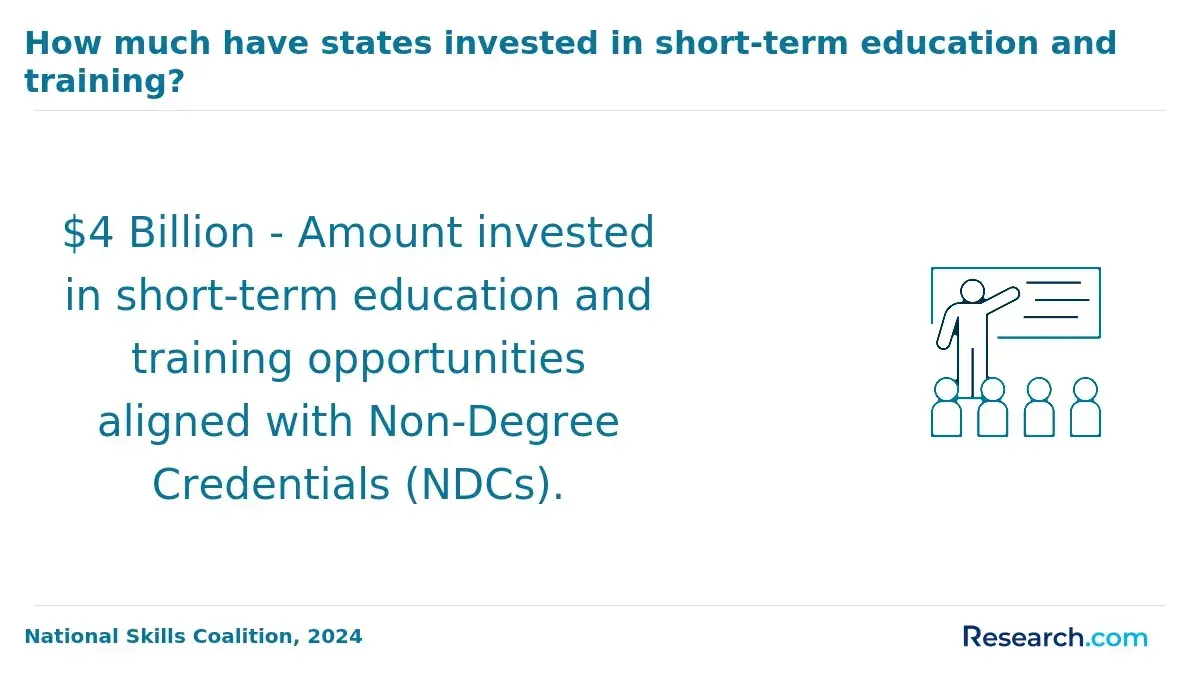
The cost of an online digital media degree depends on school type, residency rules, transfer credits, technology fees, software subscriptions, and whether the program charges per credit or per term. College Board's 2024 pricing data reported average published tuition and fees of $11,610 for in-state public four-year students and $43,350 at private nonprofit four-year institutions, which shows why school type and residency can change the total price dramatically.
When comparing programs, focus on total cost to completion rather than the per-credit rate alone. Digital media students may also need a capable computer, external storage, camera or audio equipment, and access to creative software.
- Average published in-state tuition and fees at public four-year institutions: $11,610.
- Average published tuition and fees at private nonprofit four-year institutions: $43,350.
- Maximum federal Pell Grant for eligible undergraduates in the 2024-25 award year: $7,395.
- Common hidden cost categories: technology fees, online course fees, software subscriptions, portfolio hosting, production equipment, and graduation fees.
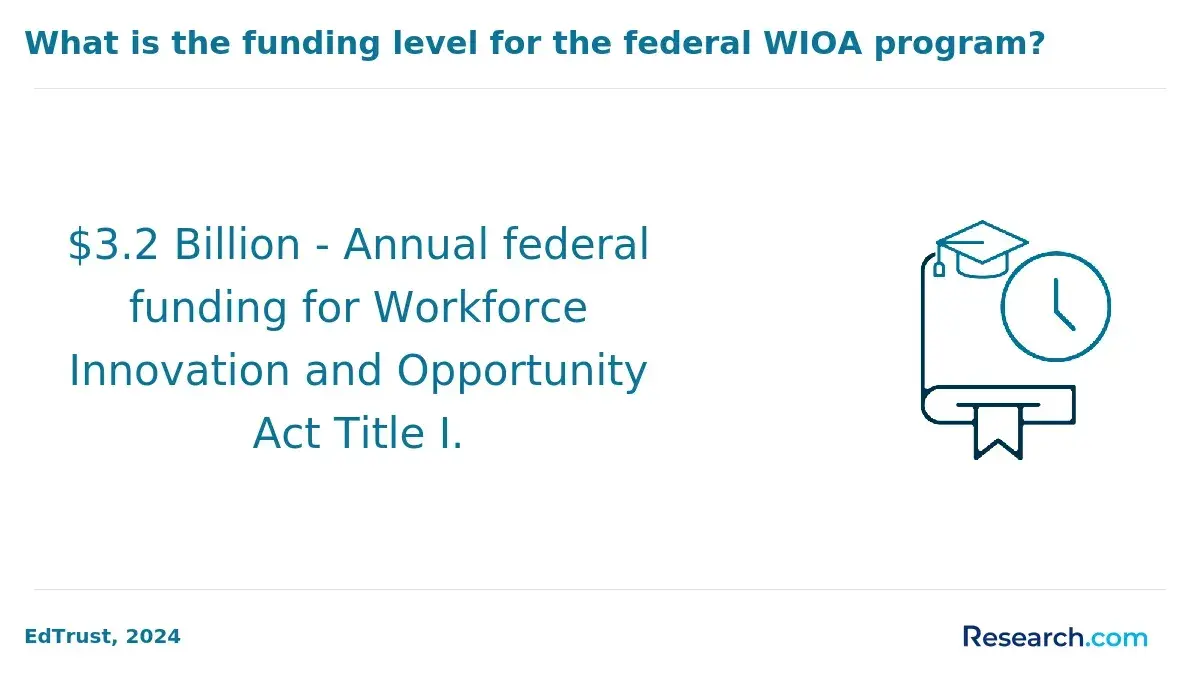
Financial aid may include federal grants, federal student loans, state grants, institutional scholarships, employer tuition assistance, military education benefits, and payment plans. If you are considering graduate study after a digital media bachelor's degree, comparing a low cost masters degree online can also help you plan a long-term education budget rather than viewing the bachelor's degree in isolation.
Use a step-by-step cost check before enrolling. This is where many adults discover that the cheapest per-credit program is not always the least expensive path to graduation.
- Ask for a written degree plan showing exactly how many credits you must complete after transfer evaluation.
- Multiply required credits by tuition, then add mandatory fees, software, equipment, and estimated textbook costs.
- Compare net price after grants and scholarships, not just the advertised tuition rate.
- Ask your employer whether tuition assistance applies to online, part-time, or self-paced programs.
- Calculate the monthly payment you could manage if you use loans, and avoid borrowing based on best-case salary assumptions.
A practical return-on-investment question is not "Is digital media worth it for everyone?" but "Will this program help me build a stronger portfolio, qualify for realistic roles, and avoid unnecessary debt?" That answer depends on your starting experience, location, specialization, and ability to finish the degree without interrupting your income.
How Long Does It Take to Complete an Online Digital Media Degree, and Can Transfer Credits Help You Graduate Faster?
A traditional bachelor's degree usually requires about 120 credits, while associate degrees often require about 60 credits and master's programs commonly require 30 to 36 credits. For working adults, calendar time depends less on the official program length and more on how many credits you can take consistently without sacrificing work performance or family responsibilities.
The table below gives a practical view of completion timelines. These are not guarantees; they are planning ranges that depend on term length, course availability, transfer credit, and whether required courses are offered every term.
| Enrollment pattern | Typical credit load | Planning timeline for a 120-credit bachelor's degree | Best use case |
| Full-time | About 12 to 15 credits per term | About 4 years with no transfer credits | Students with flexible schedules or fewer outside obligations. |
| Part-time | About 6 to 9 credits per term | Often 5 to 7 years with no transfer credits | Full-time workers who need a sustainable pace. |
| Accelerated terms | One or two shorter courses at a time | Can shorten the calendar if courses are taken continuously | Adults who can handle compressed deadlines. |
| Bachelor's completion | Varies after transfer evaluation | Often 1.5 to 3 years if many credits apply | Adults with an associate degree or substantial prior college credit. |
| Self-paced | Based on mastery or subscription term | Can be faster for experienced learners, but depends on assessment pace | Students with strong prior skills and self-management. |
Transfer credits can be one of the biggest advantages for working adults. Some schools may accept community college credits, prior university coursework, military training, industry certifications, standardized exams, or portfolio-based prior learning, but policies vary widely.
To make transfer credit work in your favor, get specific answers before you enroll. A verbal estimate is not enough when thousands of dollars and months of study are at stake.
- Request an official or preliminary transfer evaluation before committing to a start date.
- Ask which credits apply to general education, major requirements, electives, and free electives.
- Confirm the maximum number of credits accepted toward the degree.
- Ask whether old technology, design, or media credits expire or require department review.
- Check whether transfer students still must complete a minimum number of credits at the institution.
The main risk is assuming that all completed credits will reduce your timeline. A course may transfer as elective credit but still not satisfy a digital media production, design, or capstone requirement.
What Should You Look for When Comparing Accredited Online Digital Media Degree Programs?
A strong online digital media program should combine recognized accreditation, flexible scheduling, current software training, portfolio development, instructor feedback, and career support. The right choice is not necessarily the fastest or cheapest program; it is the one you can complete and use professionally.
The table below summarizes the comparison factors that matter most for working adults. Use it to move beyond marketing language and evaluate how a program will actually function week by week.
| Factor | What to check | Why it matters |
| Accreditation | Institutional accreditation, state authorization, and any relevant program review. | Protects aid eligibility, credit transfer, and degree recognition. |
| Scheduling model | Asynchronous, synchronous, self-paced, cohort-based, accelerated, or hybrid. | Determines whether the program fits your work schedule. |
| Curriculum relevance | Courses in digital storytelling, design, video, web, UX, analytics, social media, and content strategy. | Helps align the degree with current media roles. |
| Portfolio structure | Required projects, critiques, capstone, public portfolio, and faculty review. | Employers in creative fields often want evidence of applied skill. |
| Technology expectations | Required laptop specifications, software, camera, audio, storage, and internet speed. | Prevents surprise expenses after enrollment. |
| Transfer policy | Maximum transfer credits, prior-learning credit, and transcript evaluation timing. | Can reduce both cost and time to graduation. |
| Career outcomes | Internship access, alumni work examples, job-search support, and employer partnerships. | Shows whether the program connects coursework to real opportunities. |
Red flags are often visible before you apply if you ask direct questions. Watch for vague promises, unclear accreditation language, or programs that advertise flexibility without explaining deadlines and course sequencing.
- Do not enroll before verifying accreditation through an independent directory.
- Do not assume "online" means no live meetings, group projects, or fixed due dates.
- Do not choose a self-paced option without asking about minimum progress rules and maximum completion limits.
- Do not compare tuition without adding software, equipment, technology, and portfolio costs.
- Do not ignore student support; online learners need advising, tutoring, library access, and technical help just as much as campus students.
- Do not choose a program solely because it is accelerated if your job schedule makes sustained heavy coursework unrealistic.
Adults exploring multiple career-change routes can learn from comparison habits used in other applied fields, such as reviewing curriculum, accreditation, and outcomes in guides to the best paralegal certificate programs. The key is to compare structure and credibility, not just speed.
What Career Opportunities and Salary Potential Can You Expect With a Digital Media Degree?
A digital media degree can support careers in design, content production, web media, social media, video, UX, brand communication, and digital marketing. It is especially useful for adults who want to combine creative work with technical tools, communication strategy, and a portfolio of completed projects.
Salary depends on role, experience, location, industry, and technical specialization. The U.S. Bureau of Labor Statistics reported a median annual wage of $95,380 for web developers and digital designers in May 2024, which suggests that digital media skills can be economically meaningful when paired with marketable technical and design capabilities.
The table below compares career paths commonly connected to digital media study. It focuses on job function rather than promising a specific outcome, because employers weigh portfolios, experience, and software fluency differently.
| Career path | Typical responsibilities | Degree value |
| Digital media specialist | Create multimedia content, manage campaigns, coordinate visuals, and analyze engagement. | Useful for building broad production and communication skills. |
| Web or digital designer | Design website layouts, user interfaces, graphics, and digital experiences. | Strongest when coursework includes UX, accessibility, responsive design, and portfolio projects. |
| Video editor or producer | Edit footage, develop story structure, manage audio, color, motion graphics, and publishing formats. | Valuable when the program includes hands-on production and critique. |
| Social media content strategist | Plan content calendars, develop platform-specific creative, track metrics, and support brand voice. | Best when paired with analytics, writing, and marketing coursework. |
| UX content or interaction media assistant | Support user research, wireframes, content flows, prototypes, and usability-focused media. | Useful if the curriculum includes design thinking, web tools, and human-centered design. |
| Motion graphics or multimedia designer | Create animated visuals, title sequences, explainers, and interactive assets. | Most valuable when students build a reel and learn current production software. |
Current trends affecting digital media include AI-assisted editing, generative design tools, short-form video demand, accessibility expectations, data-informed content strategy, and cross-platform storytelling. These trends do not eliminate the need for human judgment; they raise the value of professionals who can combine creative direction, ethics, audience understanding, and tool fluency.
To evaluate ROI, compare digital media with other education investments and your own career goals. Research.com's guide to the most lucrative college degrees can provide broader context, but a digital media degree should be judged by fit, portfolio quality, debt level, and the types of roles you are realistically targeting.
How Can Working Adults Balance a Digital Media Degree With Full-Time Work and Family Responsibilities?
Balancing a digital media degree with adult responsibilities requires more than motivation. Production courses often involve creative iteration, rendering time, file management, software troubleshooting, peer critique, and revisions, so the workload may feel different from reading-based online classes.
A realistic weekly plan should account for both class time and creative production time. Many students underestimate the time needed to revise a video, redesign a layout, or troubleshoot a website after receiving feedback.
- Choose a first-term course load that protects your job performance, especially if you are returning to school after a long break.
- Reserve fixed study blocks on your calendar before the term begins, including one backup block for emergencies.
- Use small daily sessions for tutorials, readings, and discussion posts, then longer blocks for editing, design, or production work.
- Tell your household when major deadlines, critiques, or capstone milestones are coming.
- Keep course files organized by project, version, and date so you do not lose time searching for assets.
- Ask instructors early about late work, revision, and critique policies before a work emergency happens.
Part-time study is often the better option if you work overtime, care for children or relatives, travel for work, or have unpredictable shifts. Full-time online study can work, but only if you can protect large blocks of time and handle multiple project deadlines in the same week.
Self-paced study can be attractive because it gives you more control, but it also removes some external structure. If you choose this format, create your own internal deadlines and treat them as seriously as employer deadlines.
If your work schedule changes weekly, prioritize asynchronous courses with generous access windows. If your schedule is stable but you need accountability, a scheduled online cohort may be a better fit than a fully self-paced model.
What Student Support Services and Online Learning Resources Should You Expect From a Digital Media Degree Program?
Online students should expect more than uploaded lectures. A strong digital media program should provide academic advising, technical support, online library access, tutoring, software guidance, career services, accessibility accommodations, and meaningful faculty feedback on creative work.
The table below shows support services that are especially important in digital media. These resources can affect completion, portfolio quality, and your ability to solve problems while studying outside normal business hours.
| Support service | What good support looks like | Why it matters online |
| Academic advising | Clear degree maps, transfer guidance, course sequencing, and graduation planning. | Prevents adults from taking unnecessary courses or missing prerequisites. |
| Technical support | Help with learning platforms, file uploads, software access, and account issues. | Digital media assignments often depend on large files and specialized tools. |
| Online library | Databases, media resources, research help, citation tools, and remote librarian access. | Supports research-based content, media analysis, and capstone projects. |
| Creative feedback | Instructor critiques, peer review, revision opportunities, and portfolio coaching. | Improves work quality beyond simply completing assignments. |
| Career services | Resume review, portfolio review, internship leads, interview preparation, and job-search strategy. | Helps translate coursework into employable evidence. |
| Accessibility services | Accommodation planning, assistive technology support, and accessible course materials. | Ensures online study is manageable for students with documented needs. |
Because digital media overlaps with content organization, archives, metadata, and digital asset management, some students also explore information-focused graduate routes such as an MLIS degree. This can make sense for adults interested in digital collections, media preservation, or knowledge management rather than commercial design or production.
Before enrolling, ask how support works for students who study at night or on weekends. A support office that is available only during your workday may not be enough if assignments are due outside business hours.
- Ask whether tutoring, advising, and tech support offer evening or weekend availability.
- Confirm whether the school provides software licenses or expects students to purchase them separately.
- Ask how instructors deliver feedback on design, video, writing, and web projects.
- Review sample course shells if available so you can see how online learning is organized.
- Find out whether career services review portfolios, reels, websites, and LinkedIn profiles, not just resumes.
Do Online Digital Media Degree Programs Include Internships, Practicums, or Other Hands-On Learning Requirements?
Many online digital media programs include hands-on learning, but the format varies. Some require internships, while others use capstones, client-based projects, production labs, portfolio courses, virtual collaborations, or supervised independent projects.
Hands-on requirements are not a drawback; they are often where students build the strongest portfolio evidence. The key for working adults is understanding whether these requirements can be completed remotely, during evenings, through a current employer, or on a flexible schedule.
The table below explains common applied learning formats. Use it to identify which requirements may affect your work schedule or require advance planning.
| Hands-on component | What it may involve | Scheduling concern |
| Internship | Supervised work with an employer, agency, nonprofit, media team, or campus partner. | May require fixed hours or daytime availability unless remote or employer-based options are allowed. |
| Capstone project | A final portfolio, campaign, website, video, interactive project, or media strategy. | Usually flexible, but workload can be intense near the end of the term. |
| Portfolio course | Selection, revision, presentation, and critique of completed work. | Requires time for revisions, not just uploading past assignments. |
| Client-based project | Work for a real or simulated client with deliverables and feedback. | Group timelines may be less flexible than individual coursework. |
| Production lab or practicum | Applied media production, editing, design, or interactive work under instructor supervision. | May require specific software, equipment, or scheduled critique sessions. |
Before choosing a program, ask detailed questions about applied learning. This is especially important if you cannot take unpaid daytime internship hours because of full-time employment.
- Ask whether internships are required, optional, or replaceable with a capstone or portfolio project.
- Confirm whether your current job can count if your duties involve media, marketing, design, video, web, or communications work.
- Ask whether remote internships are accepted and how supervision is documented.
- Check whether background checks, insurance, site approvals, or minimum weekly hours are required.
- Request examples of recent student capstones or portfolio projects to judge quality expectations.
If a program has no internship, that does not automatically make it weak. What matters is whether it provides enough structured, reviewed, career-relevant work to help you demonstrate skills to employers.
Other Things You Should Know About Digital Media
Usually not for associate or many bachelor's programs, though selective programs may request samples. If you do not have a portfolio yet, choose programs that build portfolio projects into early courses instead of expecting advanced work at admission.
Requirements vary, but students often need a reliable laptop or desktop capable of running design, video, web, or animation software. Always ask for the official hardware and software list before enrolling because equipment costs can change the real price of the degree.
Some programs include basic web design, HTML, CSS, UX, or interactive media, but not every digital media degree is coding-heavy. If you want web or UX roles, choose a curriculum with stronger technical coursework; if you prefer video, design, or content strategy, coding may be less central.
Yes, a certificate can be a practical first step if you want to test the field, update software skills, or build a small portfolio quickly. Before enrolling, confirm whether the certificate is offered by an accredited institution and whether its credits can apply toward a future degree.
References
- 2025 List of Accredited Online Degree Programs https://www.onlineu.com/degrees
- Online Bachelor’s in Digital Media Programs (Digital Media Major) https://www.mastersincommunications.com/related-degrees/bachelors-in-digital-media
- Employer Tuition Assistance Program / Employee Tuition Reimbursement - Finance | Learn & Work Ecosystem Library https://learnworkecosystemlibrary.com/topics/employer-tuition-assistance-program-employee-tuition-reimbursement-finance/
- Self-Paced Online Degree Programs https://www.umassglobal.edu/why-umassglobal/flexible-ways-to-learn/self-paced
- Companies That Pay for Your Degree | ComputerScience.org https://www.computerscience.org/resources/companies-that-pay-for-college/
- Top accredited online schools offering flexible pacing https://www.asuprepdigital.org/blog/accredited-online-school-with-flexible-pacing/
- Guide to Employers Who Subsidize Online Education https://www.onlineeducation.com/features/employers-who-subsidize-higher-ed
- Best Accredited Online Universities in 2025 https://www.study.eu/article/best-accredited-online-universities
- Guide To Self-Paced Online Colleges And Courses https://www.affordablecollegesonline.org/college-resource-center/self-paced-online-college/
- Flexible online colleges https://www.gatewayunj.org/student-stories/flexible-college-programs-making-it-possible-to-earn-your-degree-on-your-schedule