2027 Accredited Online Digital Media Degree Programs With No GRE or GMAT Requirements

Co-Founder and Chief Data Scientist
Choosing an online digital media degree is harder when you are trying to avoid extra testing, application delays, and prep costs. Many accredited programs now review applicants without GRE or GMAT scores, especially for communication, media design, digital strategy, and marketing-focused degrees.
The timing matters: the U. S. Bureau of Labor Statistics projects 8% growth for web developers and digital designers from 2023 to 2033, faster than average. This guide helps career changers, working adults, and recent graduates compare legitimate no-test programs, understand admissions trade-offs, and choose a degree with stronger academic and career fit.
Key Things You Should Know
- Accredited no-GRE and no-GMAT online digital media programs are most common at the bachelor's and professional master's levels, where schools usually weigh GPA, portfolios, résumés, statements of purpose, and professional experience more heavily than standardized tests.
- The BLS reports a May 2024 median annual wage of $95,380 for web developers and digital designers, but outcomes vary by role, portfolio strength, location, experience, and whether the program builds technical, creative, and strategic skills.
- Admissions flexibility does not automatically mean lower cost: graduate students can borrow up to $20,500 per academic year in federal Direct Unsubsidized Loans, so comparing total tuition, fees, transfer credit, and employer aid is essential before enrolling.
Which Accredited Online Digital Media Degree Programs Do Not Require the GRE or GMAT?
Accredited online digital media programs without GRE or GMAT requirements are typically offered in fields such as digital communication, emerging media, interactive media, digital marketing, web design, media production, and user experience. At the undergraduate level, GRE and GMAT scores are not part of admissions because those tests are designed for graduate study; at the graduate level, many schools have moved to test-free or test-optional review.
The table below shows examples of accredited U.S. online programs or closely related digital media pathways where applicants can usually apply without GRE or GMAT scores. Policies can change, so use this as a comparison starting point and confirm the current requirement with the admissions office before applying.
| School | Online digital media-related program | Degree level | Accreditation context | GRE or GMAT status to verify | Best fit |
| University of Florida | Online Master of Arts in Mass Communication, digital strategy and related specializations | Master's | Institutionally accredited public university | GRE generally not required for online mass communication master's applicants | Students seeking digital strategy, audience engagement, and communication leadership roles |
| Southern New Hampshire University | Online MA in Communication with new media and marketing-related coursework | Master's | Institutionally accredited nonprofit university | No GRE or GMAT commonly required | Working adults who want flexible communication and digital media coursework |
| Arizona State University Online | Online graphic information technology, digital audience, and media-related degree pathways | Bachelor's or graduate depending on program | Institutionally accredited public university | GRE or GMAT usually not relevant for bachelor's programs; graduate policies vary by program | Students comparing large-scale online programs with broad digital media options |
| Penn State World Campus | Online Bachelor of Design in Digital Multimedia Design | Bachelor's | Institutionally accredited public university | No GRE or GMAT because it is an undergraduate program | Students focused on multimedia design, visual communication, and portfolio development |
| University of Central Florida Online | Online digital media and web design-related undergraduate pathways | Bachelor's | Institutionally accredited public university | No GRE or GMAT because it is an undergraduate program | Transfer students and first-time bachelor's students seeking web and interactive media skills |
| Liberty University Online | Online digital media, strategic communication, and digital marketing-related programs | Bachelor's or master's depending on program | Institutionally accredited private nonprofit university | GRE or GMAT often not required, but graduate policies should be confirmed | Students wanting accelerated online terms and broad media-adjacent options |
When comparing programs, separate test-free from test-optional. Test-free means the school does not use GRE or GMAT scores for that program. Test-optional means you may submit scores if you believe they strengthen your file, but you are not required to do so.
Why Have Accredited Online Digital Media Degree Programs Eliminated GRE and GMAT Requirements?
Many online digital media programs have removed standardized test requirements because the tests often do not measure the skills most central to media work. A strong digital media applicant may demonstrate ability through a portfolio, analytics project, campaign case study, writing sample, design work, coding experience, video production, or professional communication experience.
There is also a practical enrollment reason. Online programs often serve working adults, transfer students, military-affiliated students, and career changers who may have been out of school for years. Requiring a GRE or GMAT can add cost and delay without giving faculty much additional evidence of readiness for applied creative and strategic work.
Digital media is also changing quickly because of AI-assisted content creation, social platform shifts, short-form video, data-driven audience targeting, accessibility expectations, and UX-centered design. Programs increasingly want applicants who can show adaptability, ethical judgment, and hands-on skill rather than only test performance.
This shift is not unique to digital media. Other professional fields have also moved toward competency-based review, although requirements vary by discipline. For example, students comparing education and behavioral science pathways may notice that BCBA-accredited programs online still require careful accreditation and eligibility review even when admissions requirements look flexible.
What Admissions Criteria Matter Most Without GRE or GMAT Scores?
When GRE or GMAT scores are not required, admissions committees usually look harder at evidence that you can succeed in online coursework and contribute to a project-based field. The most important materials depend on whether the degree is design-oriented, communication-oriented, marketing-oriented, or technical.
These application components often carry the most weight because they show academic readiness and professional fit more directly than a standardized test score:
- Prior GPA and transcript pattern: Schools may care less about one low grade than about whether your recent coursework shows improvement, writing ability, quantitative comfort, or relevant prerequisites.
- Portfolio or work samples: Design, video, web, UX, branding, journalism, social media, analytics, or campaign samples can help prove that you understand digital storytelling and production.
- Statement of purpose: A focused statement should explain why the program fits your goals, which skills you want to build, and how your background prepares you for graduate or upper-division work.
- Résumé or professional experience: Schools may value internships, freelance projects, communications work, marketing roles, teaching, nonprofit media work, military experience, or self-directed creative projects.
- Recommendations: Strong letters should speak to your reliability, writing, creativity, technical learning, collaboration, and ability to complete online coursework independently.
If your GPA is weaker, use the rest of the application to reduce uncertainty. A polished portfolio, concise career narrative, recent coursework, or supervisor recommendation can help show that your past transcript does not fully represent your current readiness.
Are No-GRE or No-GMAT Online Digital Media Degree Programs Easier to Get Into?
No-GRE and no-GMAT programs are often easier to apply to, but they are not always easier to get into. Removing a test requirement lowers the application barrier, but accredited schools can still be selective based on GPA, portfolio quality, prerequisite knowledge, writing ability, and alignment with the program's curriculum.
The main difference is where the admissions risk moves. Instead of spending time on test preparation, applicants need to make the rest of the file stronger. For a creative media program, a generic résumé and vague statement can hurt more than a missing test score.
The comparison below shows how admissions pathways differ and when each option may make sense.
| Admissions model | How it works | When it helps the applicant | Possible downside |
| Test-free | The program does not consider GRE or GMAT scores for admission | Best for applicants with strong portfolios, experience, GPA, or writing samples | You cannot use a high score to offset a weaker academic record |
| Test-optional | You may submit scores, but they are not required | Best if your score is strong and adds evidence not shown elsewhere | A mediocre score may distract from stronger materials |
| Test-waiver | The program normally requires a test but waives it for applicants who meet certain criteria | Best for applicants with a qualifying GPA, graduate credits, professional experience, or advanced degree | Waiver rules may be narrow and must be approved before review |
| Test-required | GRE or GMAT scores are mandatory | Best for applicants who test well and want programs that still emphasize standardized metrics | Higher cost, longer timeline, and less flexibility for working adults |
If a program is test-optional, submit scores only when they clearly strengthen your application. If your portfolio, GPA, and experience already tell a strong story, applying without scores may be the better choice.
Does Skipping the GRE or GMAT Affect Academic Quality or Accreditation?
Skipping the GRE or GMAT does not determine academic quality or accreditation. Accreditation is based on institutional review, academic governance, faculty qualifications, student support, learning outcomes, financial stability, and continuous improvement processes. A program can be accredited and rigorous without requiring standardized test scores.
For digital media degrees, the most important baseline is institutional accreditation from an accreditor recognized by the U.S. Department of Education or the Council for Higher Education Accreditation. Specialized accreditation is less common in digital media than in fields such as nursing, counseling, or law, so students should pay closer attention to curriculum quality, faculty expertise, portfolio outcomes, and technology access.
Before applying, verify quality signals that are independent of the GRE or GMAT policy:
- Confirm that the institution is accredited and that the online program is offered by the same accredited school named on the transcript.
- Review whether courses include current tools and topics such as UX, analytics, accessibility, AI-assisted production, content strategy, digital ethics, and multimedia storytelling.
- Ask whether students complete a portfolio, capstone, internship, practicum, campaign plan, or client-based project.
- Check online student support, including advising, library access, tutoring, career services, software resources, and technical help.
- Look for transparent tuition, fees, transfer credit rules, graduation requirements, and faculty contact information.
Accreditation needs vary widely by field. Digital media usually does not lead to a state license, but students comparing other professional online degrees, such as an MLIS degree, should check whether a specific accreditor matters for employment in their target setting.
Which Students Benefit Most From Online Digital Media Degree Programs Without GRE or GMAT Requirements?
No-GRE and no-GMAT online digital media programs are especially useful for applicants whose strengths are better shown through experience, creative work, or applied projects than through standardized tests. They can also help students apply faster, avoid test preparation costs, and enter the next available term sooner.
These students often benefit most from a no-test admissions route:
- Working professionals: Applicants in marketing, communications, design, education, journalism, public relations, social media, or web roles can use work samples and supervisor recommendations instead of test scores.
- Career changers: Students moving from teaching, business, fine arts, IT, or nonprofit work can show transferable skills through projects, writing, and a clear career plan.
- Applicants with strong portfolios: A compelling body of work can be more relevant than a GRE or GMAT score for design, multimedia, UX, content strategy, and production programs.
- Adult learners returning to school: Students who have been out of college for several years may prefer admissions review based on current professional maturity rather than older academic metrics.
- Budget-conscious applicants: Avoiding test registration, prep courses, and retake costs can make the application process more affordable.
Students should be cautious, however, if they have limited experience, a low GPA, and no portfolio. In that situation, taking a relevant course, building sample projects, earning software credentials, or completing volunteer media work before applying may improve the odds of admission.
Applicants who are still exploring high-ROI fields should compare digital media with other academic routes before committing. Reviewing the most lucrative college degrees can help clarify whether a creative, technical, business, or hybrid path best matches your income goals and interests.
How Do Tuition and Financial Aid Compare for No-GRE Online Digital Media Degree Programs?
No-GRE policies do not automatically make a program cheaper. They reduce application friction, but tuition, technology fees, course materials, software subscriptions, residency requirements, transfer credit limits, and time to completion have a much larger effect on total cost.
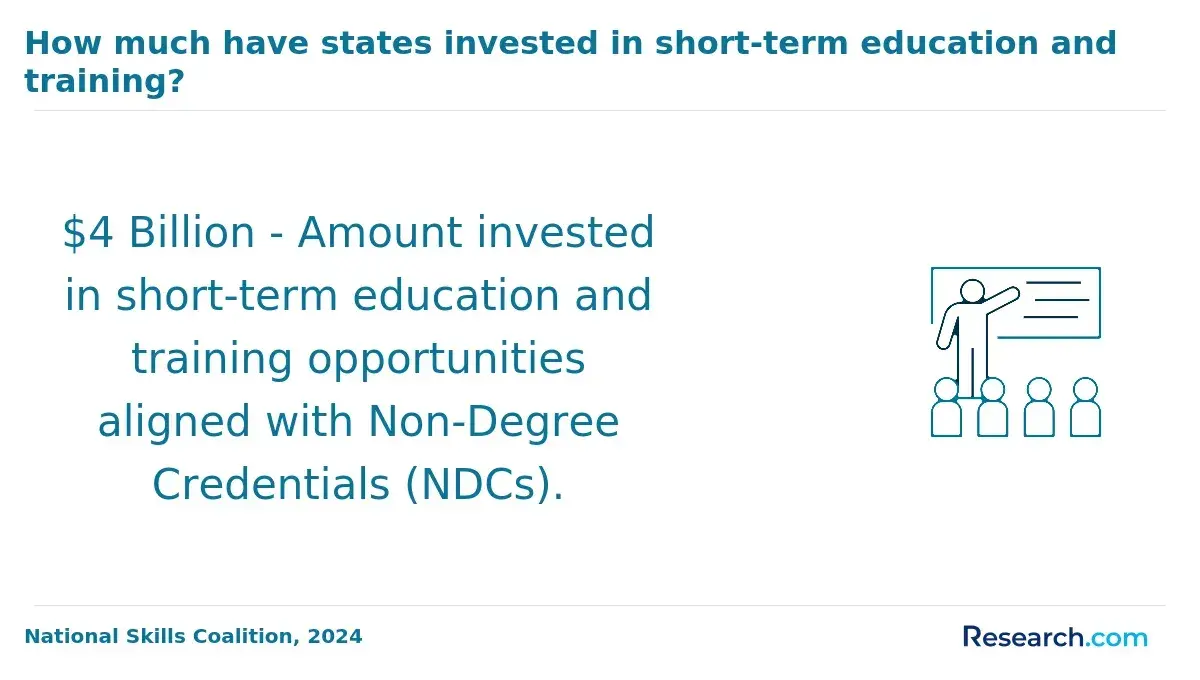
Federal Student Aid rules for the 2024-25 academic year allow eligible graduate students to borrow up to $20,500 annually through Direct Unsubsidized Loans before considering Grad PLUS loans. That limit matters because a convenient online master's can still create substantial debt if students do not compare total program cost before enrolling.
The table below summarizes cost factors that often matter more than the presence or absence of GRE or GMAT requirements.
| Cost factor | Why it matters | What to ask before enrolling |
| Per-credit tuition | Most online degrees charge by credit, so small differences can multiply across the full program | What is the total tuition for all required credits? |
| Fees and software | Digital media students may need Adobe Creative Cloud, video tools, hosting, hardware, or lab-related resources | Which tools are included, discounted, or required at extra cost? |
| Transfer credits | Accepted credits can shorten the timeline and lower cost | How many credits can transfer, and do they apply to major requirements? |
| Course load flexibility | Part-time study can help working adults avoid overborrowing, but it may extend time to completion | Can I change pace without losing aid eligibility? |
| Employer tuition assistance | Media, marketing, education, and corporate communication employers may help pay for relevant coursework | Does the program qualify for my employer's reimbursement rules? |
| Portfolio and career support | A cheaper program is not always the better value if it lacks applied projects or career support | Will I graduate with work samples aligned to my target roles? |
Students pursuing graduate study on a budget should compare digital media options with broader affordability lists, including guides to a low-cost master's degree online, while still checking whether each program's curriculum fits their creative and career goals.
What Career Outcomes Can Graduates Expect From No-GRE Online Digital Media Degree Programs?
Employers generally care more about skills, portfolio quality, experience, and the credibility of the institution than whether a graduate submitted GRE or GMAT scores. A no-test admissions policy usually does not appear on a transcript, and it is not a standard hiring concern for digital media roles.
Digital media degrees can support several career directions, but the right path depends on the program's emphasis. A design-heavy program may lead toward UX, visual design, or multimedia production. A communication-heavy program may fit content strategy, social media management, public relations, or digital campaigns. A technical program may support web production, analytics, or interactive media roles.
The BLS reported a May 2024 median annual wage of $95,380 for web developers and digital designers. That figure is useful as a labor-market benchmark, but it should not be treated as a prediction for every graduate because salaries vary by region, portfolio, technical depth, industry, and experience.
Common career paths connected to online digital media degrees include:
- Digital media specialist: Creates and manages multimedia content for websites, social platforms, email campaigns, and brand channels.
- Content strategist: Plans content systems, editorial calendars, audience messaging, and performance measurement across digital platforms.
- UX or interactive designer: Designs user flows, prototypes, interfaces, and digital experiences with attention to accessibility and usability.
- Social media manager: Develops platform strategy, manages campaigns, tracks engagement, and coordinates brand voice.
- Web producer or digital project coordinator: Helps manage websites, creative assets, production schedules, CMS updates, and cross-functional teams.
- Multimedia producer: Creates video, audio, motion graphics, photography, and interactive content for organizations or clients.
The strongest programs help students graduate with evidence, not just credits. Look for capstones, client projects, analytics dashboards, campaign plans, UX case studies, or production reels that can be shown to employers.
What Common Application Mistakes Reduce Admission Chances to No-GRE Online Digital Media Degree Programs?
The biggest mistake is assuming that no GRE or GMAT means the application can be casual. In reality, when test scores disappear, the remaining materials become more important because they carry the full burden of proving readiness and fit.
Avoid these common mistakes when applying to accredited online digital media programs without standardized test requirements:
- Choosing only because the test is waived: A no-test policy is convenient, but it should not outweigh accreditation, curriculum quality, cost, and career alignment.
- Submitting a generic statement: Admissions reviewers should see why this specific program fits your goals, not just that you like media or creativity.
- Ignoring the portfolio requirement: If the program requests samples, submit polished, relevant work and briefly explain your role, tools, audience, and outcome.
- Overlooking prerequisites: Some programs expect writing, design, statistics, communication, coding, or production experience even if they do not require tests.
- Failing to explain a weak GPA: A short, mature explanation plus evidence of recent improvement can be better than ignoring the issue.
- Missing technology expectations: Digital media coursework may require specific hardware, software, internet speed, or file management skills.
- Assuming policies are permanent: Test-free, test-optional, and waiver rules can change by term, campus, or concentration.
The best way to reduce risk is to contact admissions before applying. Ask whether your background fits the program, whether a portfolio is recommended, how transfer credits are evaluated, and whether optional test scores would add value in your specific case.
How Should Students Compare Accredited Online Digital Media Degree Programs Without GRE or GMAT Requirements?
Start with your career goal, then work backward. A program that is excellent for social media strategy may not be the right choice for UX design, motion graphics, web production, or digital journalism. Admissions convenience should be one factor, not the deciding factor.
Use this step-by-step process to compare programs in a practical way:
- Confirm accreditation first: Verify institutional accreditation through official accreditation databases or the school's accreditation page.
- Match the curriculum to your target role: Look for required courses and electives that build the skills employers expect in your chosen path.
- Review portfolio outcomes: Prioritize programs with capstones, client projects, production work, analytics assignments, or case studies.
- Compare admissions policies carefully: Identify whether the program is test-free, test-optional, or waiver-based, and ask whether submitting scores could help your file.
- Calculate total cost: Include tuition, fees, software, hardware, travel, transfer credit, time to completion, and likely borrowing.
- Evaluate online flexibility: Check whether courses are asynchronous, synchronous, accelerated, cohort-based, part-time, or full-time.
- Ask about student support: Strong online programs should provide advising, technical help, library resources, tutoring, career services, and faculty access.
- Look beyond rankings: Compare program fit, faculty expertise, course relevance, and graduate work samples instead of relying only on brand recognition.
If you are comparing several online credentials, also consider whether a shorter certificate or adjacent professional program could meet your goal faster. For example, students interested in legal communication or media work in law-related settings may want to compare digital media degrees with the best paralegal certificate programs before choosing a longer degree path.
Other Things You Should Know About Digital Media
Not always. Some bachelor's and professional master's programs admit students without a formal portfolio, while design-heavy programs may require or strongly recommend work samples. If you do not have a portfolio, build a small one with class projects, freelance work, volunteer media, mock campaigns, UX case studies, or multimedia samples.
Useful skills include basic familiarity with Adobe Creative Cloud, content management systems, social media analytics, video editing tools, web design platforms, and collaboration software. You do not need to master every tool before enrolling, but comfort with digital workflows can make online coursework easier.
A bachelor's degree is usually better for students who need a first degree and broad skill development. A master's degree is better for professionals who already have a bachelor's and want advanced strategy, leadership, UX, analytics, communication, or specialized media skills.
Sometimes. General education and introductory courses are more likely to transfer than specialized studio, production, or graduate courses. Ask each school for a formal transfer evaluation before enrolling because transfer limits, grade requirements, and residency rules vary by institution.
References
- A Guide to GMAT-Free Online MBA Degree Programs https://www.coloradotech.edu/articles/studies/business-and-management/online-mba-options-working-professionals
- Exploring No-GMAT Online MBA Programs https://www.aiuniv.edu/degrees/business/articles/exploring-no-gmat-online-mba-degree-programs
- Online Bachelor’s in Digital Media Programs (Digital Media Major) https://www.mastersincommunications.com/related-degrees/bachelors-in-digital-media
- Online courses increase enrollment but not graduation rates https://www.highereddive.com/news/online-courses-increase-enrollment-but-not-graduation-rates/526206/
- Online Master’s in Communications Programs with No GRE Requirement in 2025 https://www.mastersincommunications.org/online-no-gre/
- List of 50+ Online MBA Programs with No GMAT + AACSB Accredited Programs | OnlineMBAPage.com https://onlinembapage.com/online-mba-without-gmat/
- Online Master’s in Accounting Programs No GRE Required or GMAT Waiver https://www.onlineeducation.com/business/faqs/gmat-requirements-online-masters-in-accounting-programs
- Affordable Accredited Online Colleges https://www.onlineu.com/online-schools/low-tuition
- 2025's Best Online Master’s Programs: No GRE Required https://www.onlinemastersdegrees.org/best-programs/no-gre/
- MBA Programs that Don’t Require GMAT, GRE or EA Test Scores https://www.clearadmit.com/mba-programs-that-dont-require-gmat-gre-or-ea-test-scores/