2027 Graphic Design Affordability by State: Where Students Pay the Most and Least

Co-Founder and Chief Data Scientist
Choosing between a state university with $5,000 annual in-state tuition and a private college charging $25,000 can feel decisive for prospective graphic design students. Yet, a recent 2024 study reveals that average living expenses often outpace tuition differences by up to 40% depending on location, complicating the financial equation. Student borrowing trends show that many underestimate these costs, resulting in greater debt burden long after graduation.
These disparities reflect broader state policy variations and regional economic realities that shape affordability beyond sticker prices. This article examines state-by-state graphic design affordability to help students pinpoint where pursuing a degree is financially viable or prohibitive.
Key Things to Know About Graphic Design Affordability by State
- Tuition disparities among states reflect varying state funding priorities; higher out-of-state fees often double in-state costs, pushing students to weigh residency establishment against immediate expenses when selecting programs.
- Employers in creative hubs often prefer graduates with hands-on campus experience, challenging assumptions that online affordability offsets networking tradeoffs essential in graphic design careers.
- Rising living costs in traditionally cheap states can negate tuition savings, with 2024 data showing total attendance costs exceeding pricier states, underscoring the need to evaluate full financial impact over headline tuition.
- Key Things to Know About Graphic Design Affordability by State Key Things to Know About Graphic Design Affordability by State
- Which States Have the Most Affordable Graphic Design Degree Programs? Most Affordable State Programs
- Which States Have the Highest Graphic Design Degree Costs? Highest State Tuition Costs
- How Much Does a Graphic Design Degree Cost by State? Degree Costs by State
- Why Does Graphic Design Affordability Vary So Much Between States? State Affordability Variations
- How Do In-State and Out-of-State Tuition Rates Affect Graphic Design Affordability? In-State vs. Out-of-State Rates
- How Does the Cost of Living Impact Overall Graphic Design Affordability by State? Living Costs and Affordability
- Which States Offer the Best Value for a Graphic Design Degree? Best Value State Degrees
- What Financial Aid and Scholarship Opportunities Can Reduce Graphic Design Costs? What Financial Aid and Scholarship Opportunities Can Reduce Graphic Design Costs?
- Are Online Graphic Design Degree Programs More Affordable Than On-Campus Options? Are Online Graphic Design Degree Programs More Affordable Than On-Campus Options?
- Is a Graphic Design Degree Worth the Cost Based on Career Outcomes and ROI? Degree ROI and Outcomes
Which States Have the Most Affordable Graphic Design Degree Programs?
States offering the most affordable graphic design degree programs typically combine substantial public funding with targeted residency policies that significantly reduce tuition for in-state students. For example, Wyoming's higher investment in public universities allows it to maintain resident tuition well below the national average, directly impacting a student's out-of-pocket expense and potential debt load. This affordability dynamic means that students who qualify for in-state tuition or can access generous state-sponsored financial aid programs in these regions often encounter lower barriers to degree completion compared to peers in higher-cost states, where out-of-state rates and limited aid magnify the financial strain.
Regional cost-of-living differences also play a crucial role in shaping the total cost of pursuing a graphic design degree, affecting housing, transportation, and daily expenses beyond tuition alone. States like Arkansas and Mississippi offer not only tuition savings but also a lower overall expense environment, which can be decisive for budget-conscious students balancing part-time work or family commitments. Those comparing options must consider these indirect costs alongside sticker prices because the net affordability shapes enrollment decisions, program completion, and long-term educational value. Students researching paths might also explore the cheapest easiest online degree alternatives that often mirror in-state tuition rates but provide additional flexibility and savings through remote study options.
Importantly, the most affordable graphic design degree programs are often situated where competitive institutional pricing meets state-level incentives, fostering environments where scholarship offerings and tuition structures are increasingly aligned to contain student debt. However, affordability can vary significantly based on individual circumstances; for instance, a non-resident student attending a public college in a low-cost state may face expenses similar to or exceeding those in traditionally expensive states due to higher out-of-state tuition rates. This variability means students must evaluate how residency status, local funding priorities, and educational delivery models collectively influence effective costs and accessibility. According to College Scorecard data, graduates in affordable states carry approximately 15-20% less loan debt, underscoring the tangible financial impact of these state policy and market differences.
Which States Have the Highest Graphic Design Degree Costs?
Higher graphic design degree costs in certain states largely reflect systemic funding and geographic cost disparities rather than program quality alone. States with reduced public investment in higher education often shift more financial responsibility onto students through elevated tuition, particularly affecting out-of-state learners due to residency-based pricing tiers. Additionally, regions with a dense concentration of private institutions tend to inflate average costs because these colleges charge significantly more to support specialized curricula and industry connections. For students weighing where to pursue their degree, these factors intersect with high local living expenses-cities known for creative industries often pair expensive housing and daily costs with steep tuition, pushing overall attendance well beyond sticker price. The 2024 Integrated Postsecondary Education Data System highlights that in California, for example, public in-state tuition averages exceed $15,000 annually, while private programs frequently surpass $40,000, underscoring sharp financial tradeoffs.
Choosing a graphic design program in a high-cost state therefore involves balancing potential access to established creative markets and internships against the elevated economic burden. Some students mitigate expenses by pursuing online options available from out-of-state institutions or focusing on public colleges with more affordable tuition frameworks. However, the hidden costs associated with relocation, supply materials, and networking opportunities within competitive creative hubs complicate straightforward cost comparisons. Ultimately, the decision requires a nuanced assessment of the total investment versus the prospective career advantages tied to regional industry ecosystems and alumni networks, rather than defaulting to sticker price or brand recognition alone.
A recent graduate recalled their deliberate approach when comparing options between a northeastern private college and a midwestern public university. They hesitated when factoring in out-of-state tuition premiums and higher living expenses in the northeast, despite the school's reputation and strong local internship pipeline. After extensive budgeting and discussions with financial aid offices, they cautiously chose the public university, attracted by lower tuition and in-state residence eligibility, while planning to supplement education with remote internships. This experience highlights how cost structures, residency policies, and ancillary expenses critically shape graphic design students' enrollment decisions beyond headline tuition figures.
How Much Does a Graphic Design Degree Cost by State?
Tuition costs for a graphic design degree differ sharply across U.S. states, shaped largely by state residency policies and the public-versus-private institutional divide. For instance, average annual tuition for in-state students at public four-year colleges can be as low as around $6,000 in Wyoming, compared to more than $16,000 in states like Massachusetts, according to 2024 National Center for Education Statistics data. These disparities mean that students weighing whether to attend out-of-state schools must consider how much higher nonresident tuition inflates total expenses, often doubling base costs and influencing borrowing needs or the feasibility of relocating. Meanwhile, private institutions, with sticker prices frequently exceeding $40,000 annually, add another layer of complexity, as substantial financial aid-though unevenly distributed-may partially offset upfront costs but complicates straightforward comparisons.
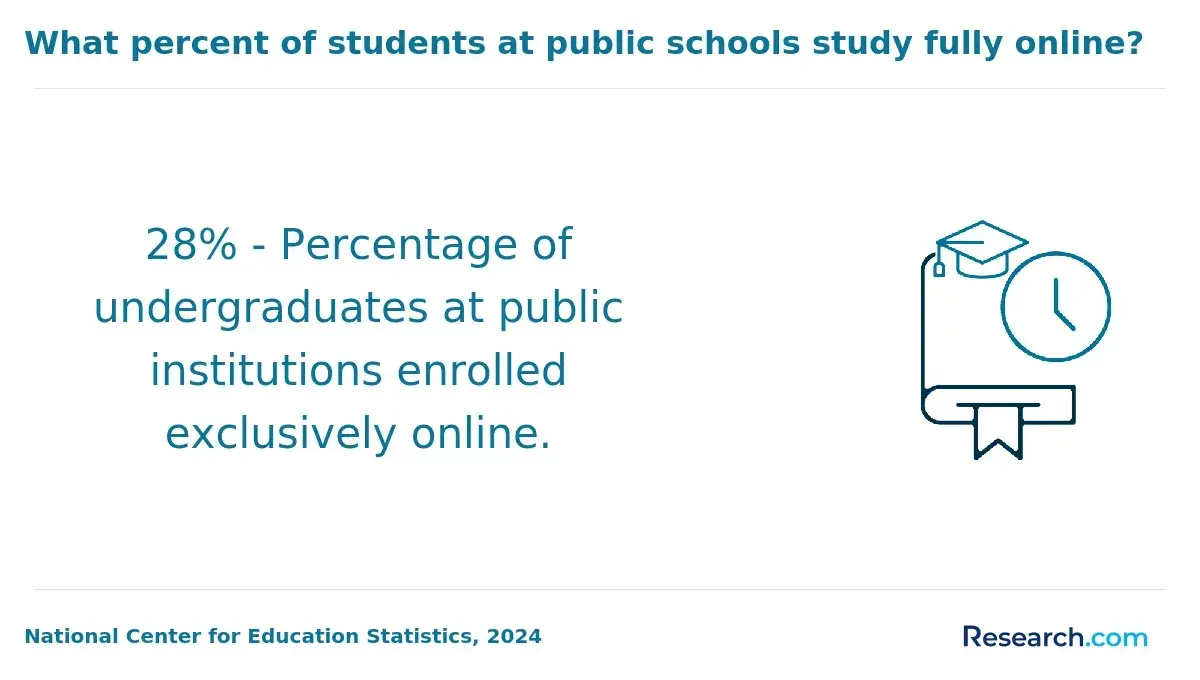
Beyond tuition, cost of living significantly impacts the overall investment required for a graphic design degree. States with high living expenses such as California or New York can increase annual costs substantially, making otherwise affordable tuition less accessible in practice. Conversely, midwestern and southern states offer comparatively lower housing and transportation costs, which can ease budget pressures for students from tighter financial circumstances. This dynamic often forces prospective students to balance tuition savings against everyday expenses and local job market viability post-graduation. Given the growing availability of online graphic design programs, some learners mitigate these tradeoffs by enrolling remotely to avoid relocation costs, although this approach may affect internship opportunities and networking critical to design careers.
Why Does Graphic Design Affordability Vary So Much Between States?
Differences in state funding and institutional mixes substantially drive state-by-state graphic design tuition differences, shaping where students find the most accessible programs. States that heavily subsidize public universities enable lower tuition for residents, while others shift costs onto students through higher fees and reduced grant support. For example, a student weighing programs in California-where high living costs and predominantly private school offerings intensify expenses-faces markedly different financial realities compared to peers in Midwest states with expansive public systems and more modest cost-of-living burdens.
Regional cost factors for graphic design degrees also influence enrollment decisions and long-term educational planning. Students often weigh the tradeoff between in-state programs offering resident tuition discounts and the appeal of out-of-state or online options that might lack such benefits but save on local living expenses. Data from the National Center for Education Statistics (2024) confirm that states prioritizing higher education funding tend to see lower tuition rates, affecting net price and accessibility. Financial aid availability, especially state-specific grants targeted to graphic design, further skews affordability and can encourage students to remain in-state or pursue institutions where these supports are strongest.
These affordability disparities impact how students approach transfer decisions and assess the viability of programs relative to future earnings potential. Those in regions with fewer public options or aggressive private tuition pricing often confront barriers that extend beyond sticker price, including opportunity costs tied to living expenses and funding variability. Budget-conscious learners should assess these dynamics carefully and consider pathways like reputable online degrees when exploring less expensive avenues, such as the cheapest masters program alternatives, to maximize value amid shifting financial landscapes.
How Do In-State and Out-of-State Tuition Rates Affect Graphic Design Affordability?
State residency significantly shapes the financial calculus for students pursuing a graphic design degree, often determining whether the total cost aligns with personal budgets and career timelines. According to 2024 data from the National Center for Education Statistics, public universities charge an average of $11,700 annually for in-state tuition but nearly $27,000 for out-of-state students, a disparity that can influence whether candidates target local programs or opt for higher-cost institutions elsewhere.
These tuition gaps interact with state policies such as reciprocity agreements, which can offer in-state rates to out-of-state applicants in specific regions, potentially mitigating financial barriers for students willing to consider geographic flexibility. However, for many outside these compacts, out-of-state tuition adds a substantial premium that can outweigh benefits like program quality or industry connections, altering enrollment decisions and financial planning strategies.
Online program availability further complicates residency's impact by introducing flat-rate tuition models that blur traditional cost distinctions; yet, this can also obscure true affordability when accounting for fees and living expenses, which vary by location. Private institutions add another layer, with uniform tuition regardless of residency, often reflecting higher overall costs that shift the affordability conversation beyond residency status alone. Students must weigh these factors alongside potential eligibility for residency reclassification and financial aid nuances that differ across states, understanding that savings on tuition may be offset by out-of-pocket expenses or opportunity costs related to relocation and networking. In practice, the calculus involves balancing upfront tuition against the long-term value derived from program offerings, industry ties, and regional demand for graphic design talent.
One recent graduate recalled moving across state lines after college acceptance, initially assuming they'd qualify for in-state tuition after a year. Instead, the lack of eligibility for residency reclassification forced them to pay out-of-state rates throughout their studies, which strained their finances more than anticipated. This experience reshaped their view on program selection, emphasizing confirmation of residency rules early and factoring in the real costs of relocation and limited financial aid access for out-of-state students pursuing graphic design degrees.
How Does the Cost of Living Impact Overall Graphic Design Affordability by State?
Regional living expenses influence on graphic design degree costs extend far beyond tuition and directly impact students' financial realities in ways often overlooked during enrollment decisions. For instance, urban hubs like New York and California, despite offering some competitive tuition rates, impose housing costs two to three times above the national average, shifting the affordability calculus dramatically. This disparity means students who choose institutions in these states face higher overall debt and financial strain, especially when combined with elevated transportation, food, and healthcare expenses. Such cost-of-living variations force many to reconsider in-state versus out-of-state options, remote learning, or taking on longer commutes, all of which affect degree completion timelines and workforce integration.
The cost of living and graphic design affordability by state emphasizes crucial trade-offs students must assess alongside program quality and local job market strength. Elevated living expenses reduce discretionary funds for essential education supplies or enrichment opportunities, limiting practical skill-building critical to employability. Additionally, regional wage variations and employer expectations often demand location-sensitive financial planning to manage increased debt burdens without sacrificing career readiness. Budget-conscious learners benefit by balancing immediate educational expenses with long-term stability, sometimes choosing lower-cost regions without sacrificing access to quality instruction or post-graduation employment opportunities. Prospective students can also explore alternative pathways that include online programs or hybrid formats, such as those highlighted among the top masters in social work programs, which illustrate viable models of affordability when traditional living costs are prohibitive.
Which States Offer the Best Value for a Graphic Design Degree?
When assessing the best states for pursuing a graphic design degree, low tuition alone does not equate to better value. Students must consider how state residency policies affect in-state tuition eligibility, availability of financial aid, and program completion rates, which collectively shape the real cost and time to degree. For example, Texas offers in-state tuition averaging around $10,000 and a moderate cost of living, but its well-established public institutions and a projected 7% job growth for graphic designers through 2030 enhance post-graduation employment prospects, making the upfront investment more likely to yield tangible returns.
In contrast, states like California and New York impose higher tuition and living expenses that often inflate debt without corresponding wage premiums in entry-level design roles, highlighting how residential accessibility and local market saturation can constrain financial outcomes. North Carolina and Georgia demonstrate balanced affordability paired with growing creative industries and internship opportunities, which bolster both completion success and early-career earnings. These factors show the importance of reviewing not only sticker prices but also institutional quality, public funding levels, and regional economic dynamics to gauge where students can secure sustainable educational value without excessive financial risk.
Ultimately, the decision to study in a particular state should integrate considerations about total cost of attendance-including housing and fees-alongside practical workforce demand and pathways to residency-based tuition benefits. Choosing a less expensive state that lacks strong program support or employment networks may delay graduation or extend reliance on loans, offsetting initial savings. Recognizing these real-world tradeoffs equips students and families to prioritize states offering a cohesive package of affordability, program completion, and labor market relevance tailored to graphic design's evolving skill requirements.
What Financial Aid and Scholarship Opportunities Can Reduce Graphic Design Costs?
Federal need-based grants, particularly the Pell Grant, continue to be the most consistent financial aid mechanism making graphic design degrees accessible, with about 60% of undergraduates receiving some form of federal assistance according to the National Center for Education Statistics. However, the impact of these grants varies significantly when paired with state-specific programs. For instance, Midwestern states often offer comprehensive need- and merit-based grants that prioritize in-state residents, which can substantially reduce net costs compared to coastal states where such aid is less generous or competitive. This disparity creates a critical tradeoff for out-of-state students who might face higher tuition without access to in-state grants or reciprocity benefits.
Institutional scholarships frequently reward candidates based on portfolio quality or academic merit, but these awards are typically limited in availability and often renewed annually based on continued merit or enrollment status. Employer-sponsored tuition benefits provide an alternative pathway for working students, though they remain niche within graphic design and usually require balancing professional commitments with academic progress. Importantly, students must navigate varying eligibility rules, renewal criteria, and aid stacking policies that influence their actual costs and debt burdens-and these requirements differ widely across institutions and states.
While grants and scholarships can significantly reduce immediate expenses, the pervasive reliance on student loans underscores a broader affordability challenge, often complicating career planning for graphic design graduates. Understanding these nuances, including how residency rules, application timing, and institutional policies affect aid access, is crucial for prospective students comparing programs or locations. These factors can decisively influence whether a graphic design degree is financially feasible or whether alternative educational or career pathways may offer better long-term value.
Are Online Graphic Design Degree Programs More Affordable Than On-Campus Options?
Online graphic design degree programs do not uniformly guarantee lower total costs compared to traditional campus options; affordability depends heavily on tuition structures, residency policies, and individual circumstances. For instance, students in high-cost states who live off-campus or commute may save around $7,000 annually by avoiding housing and transportation fees that on-campus students must bear. However, this saving can be offset by online-specific expenses such as technology fees, upgraded hardware needs, and reliable high-speed internet, complicating straightforward cost comparisons across states and institutions.
The cost comparison of online versus on-campus graphic design degrees by state further highlights how residency requirements and institutional policies influence tuition differentials and eligibility for financial aid. Some state and scholarship programs limit funding to in-state or on-campus students, although recent expansions in federal and employer tuition assistance programs have improved support for online learners.
The Integrated Postsecondary Education Data System (IPEDS) reports growing enrollment in online graphic design programs—including self-paced options at competency based universities—indicating increased demand from learners who weigh these nuanced affordability factors against flexibility and career goals.
Prospective students should evaluate their need for campus resources and hands-on training since hybrid formats or frequent campus visits can increase opportunity costs and out-of-pocket expenses. Additionally, career outcomes in graphic design often emphasize portfolios and practical skills over degree format, making financial decisions a balance between educational value and real-world benefits.
Is a Graphic Design Degree Worth the Cost Based on Career Outcomes and ROI?
The decision to pursue a graphic design degree must weigh the uneven landscape of tuition costs and their influence on career outcomes. States with lower public university fees can offer programs under $7,000 annually, while others dominated by private institutions exceed $18,000, significantly impacting student debt and eventual financial flexibility. Graduates facing an average debt load of $28,000 for art and design disciplines must consider how this burden affects long-term career mobility and lifestyle choices, especially when job growth in graphic design is projected at just 6%, below the national average.
Evaluating graphic design degree return on investment in the United States requires attention beyond tuition. Completion rates, which hover around 65% within six years, and the strength of local creative economies like California and New York heavily influence salary potential and employability. Students who choose less costly programs without robust industry connections risk stagnant wages and underemployment despite the credential. For many, leveraging options such as accelerated bachelors degree programs for adults offers a path to reduce opportunity costs and align education with immediate workforce entry, making affordability and program quality pivotal factors in assessing true worth.
Career outcomes for graphic design graduates by state demonstrate that ROI depends on more than upfront costs-it involves portfolio development, internships, and networking crucial for job placement. Graduates from regions with limited design markets often face challenges that high tuition alone does not mitigate. Budget-conscious learners should prioritize institutions balancing reasonable costs with strong career support, as the value of a graphic design degree derives as much from the context in which it is earned as from the credential itself.
References
- 2025 Most Affordable Online Graphic Design Degrees https://www.onlineu.com/most-affordable-colleges/graphic-design-degrees
- Importance of Cost of Living | Goldwater Institute https://www.goldwaterinstitute.org/cost-of-living/
- Graphic Design Associate Degree Tuition https://www.pennfoster.edu/programs/creative/graphic-design-associate-degree/tuition
- This map shows how cost of living varies by state https://finance.yahoo.com/personal-finance/banking/article/cost-of-living-by-state-map-164246259.html
- You'll Never Guess the Best State in America to Be a Graphic Designer – PRINT Magazine https://www.printmag.com/design-news/best-states-for-graphic-designers-study/
- Best Graphic Design Classes (In-Person and Online) | CourseHorse https://coursehorse.com/blog/best-graphic-design-classes
- Graphic Design Services in the US Industry Analysis, 2026 https://www.ibisworld.com/united-states/industry/graphic-design-services/1412/
- Study Graphic Design in USA - Top Universities for Masters, MBA, PhD Degree Programs https://studee.com/degree/usa/graphic-design
- Top 13 Best Affordable Graphic Design Degree Programs https://www.graphicdesigndegreehub.com/best/affordable-programs/
- The Effects of Rising Student Costs in Higher Education - Ithaka S+R https://sr.ithaka.org/publications/the-effects-of-rising-student-costs-in-higher-education/
Other Things You Should Know About Graphic Design
Lower tuition in a given state often reflects regional cost structures rather than program quality, but it can also signal fewer resources or less industry connection within the graphic design curriculum. Students should critically assess whether affordable programs offer robust portfolios, access to contemporary tools, and industry-standard projects that align with employer expectations. While some less expensive programs are strong, prioritizing affordability without evaluating program outcomes risks limited career preparation or networking opportunities critical for design fields.
Curricula may vary in technical training, creative focus, or specialization options depending on state educational standards and industry demand. States with programs emphasizing digital media, UX/UI, and brand strategy often produce graduates better positioned for evolving job markets, impacting employability and salary potential. Students should weigh program content relevance and adaptability over cost alone, as a more expensive degree with cutting-edge skills might yield greater long-term returns than a cheaper, less current curriculum.
Choosing an out-of-state program with higher tuition but stronger industry partnerships can enhance networking, internships, and job placement in competitive markets. For graphic design students, proximity to creative hubs often correlates with exposure to high-caliber projects and employers who value localized reputations. If budget permits, investing in out-of-state options with significant professional access may outweigh initial savings from more affordable local programs that lack these connections.
States differ in program length, credit requirements, and workload intensity, which impacts total tuition paid and time to degree completion. Longer or more demanding programs increase living expenses and may delay income earning, offsetting lower per-credit costs. Graphic design students should evaluate not just the sticker price but also pace and course demands to avoid hidden financial and personal costs, balancing affordability with manageable workloads that support skill mastery and timely graduation.