2027 Online vs Campus Graphic Design Outcomes Report: Graduation Rates, Cost, and Career Trade-Offs

Co-Founder and Chief Data Scientist
Adult learners attempting to transfer credits into a graphic design program confront significant disparities in how online and campus-based institutions evaluate prior coursework. In 2024, only 56% of credits typically transfer fully between institutions, reflecting a growing but uneven institutional shift toward flexible degree pathways. This trend indicates a persistent challenge: maximizing previously earned credits remains unreliable, often elongating time-to-graduation and inflating total costs unexpectedly. Campus programs might offer clearer credit articulation but involve higher fees and rigid schedules. Conversely, online programs provide flexibility yet show lower average graduation rates, complicating career timing.
This article analyzes graduation metrics, expenses, and career trade-offs to guide informed decisions between online and campus graphic design tracks.
Key Things to Know About Online vs Campus Graphic Design Outcomes
- Campus-based graphic design programs report a 72% graduation rate versus 54% for online, reflecting higher on-site support and peer collaboration that reduce dropout risk and improve completion timelines.
- Employer surveys from 2024 indicate mixed perceptions: 68% value campus program portfolios for hands-on projects, challenging online graduates to demonstrate equivalent practical skills independently.
- Online graphic design programs offer 30-50% lower total costs, but extended part-time pacing often delays career entry, requiring students to balance affordability against potential lost earnings during longer studies.
- Key Things to Know About Online vs Campus Graphic Design Outcomes Key Things to Know About Online vs Campus Graphic Design Outcomes
- What Are the Biggest Differences Between Online and Campus Graphic Design Program Outcomes? Online vs Campus Outcomes
- How Do Graduation Rates Compare Between Online and Campus Graphic Design Programs? Comparing Graduation Rates
- Why Do Online and Campus Graphic Design Students Have Different Completion Rates? Why Completion Rates Differ
- How Do Online and Campus Graphic Design Programs Compare on Total Cost? Total Cost Comparison
- What Hidden Costs Should Students Expect in Online vs Campus Graphic Design Programs? Hidden Program Costs
- How Does Financial Aid Affect the Cost of Online and Campus Graphic Design Programs? Financial Aid Impact
- Do Online and Campus Graphic Design Graduates Have Different Career Outcomes? Comparing Career Outcomes
- How Do Employers View Online vs Campus Graphic Design Degrees? How Do Employers View Online vs Campus Graphic Design Degrees?
- Which Graphic Design Degree Format Offers Better Flexibility for Working Adults? Which Graphic Design Degree Format Offers Better Flexibility for Working Adults?
- How Should Students Choose Between an Online and Campus Graphic Design Program? Choosing Your Program Format
What Are the Biggest Differences Between Online and Campus Graphic Design Program Outcomes?
Graduation rates reveal a stark performance gap between campus and online graphic design programs, with campus-based options averaging close to 60% completion within six years, while online offerings struggle to exceed 50%. This disparity often translates into extended timelines and increased debt loads for online learners, who frequently face less personalized academic advising and fewer peer engagement opportunities. For example, a student juggling work and study through an online program might take longer to finish and consequently accumulate higher debt, affecting early-career financial flexibility. Such challenges underscore why many employers still favor candidates with campus-based experiences that typically include structured internships and direct access to specialized resources, which enhance practical skills and portfolio strength.
Cost considerations further complicate the choice, as the apparent affordability of online education can be offset by hidden fees and the risk of prolonged enrollment. The total financial burden for many online students is amplified by technology requirements and subscription costs, sometimes surpassing those of traditional campus programs. Career-wise, campus graduates often benefit from stronger local industry connections and campus career services that improve placement rates. Prospective students weighing these differences must also consider how the flexibility of online programs aligns with their circumstances, especially since online formats tend to attract part-time learners who may sacrifice some cohort immersion and networking advantages crucial for graphic design pathways.
Beyond immediate cost and completion metrics, students should strategically evaluate how modality impacts long-term career mobility and employer perception, particularly in a competitive creative labor market. The trade-off between short-term convenience and the comprehensive experiential learning found in campus environments can influence hiring outcomes and professional trajectory. Those interested in accelerated options might investigate accelerated bachelor degree programs, which sometimes integrate online flexibility with structured milestones to mitigate common online program drawbacks. Ultimately, navigating these distinctions requires a nuanced understanding of graduation rates and career trade-offs in graphic design education to select a program format that balances flexibility, affordability, and meaningful skill development.
How Do Graduation Rates Compare Between Online and Campus Graphic Design Programs?
Graduation rates for graphic design programs vary significantly between online and campus settings, influenced by student demographics, course design, and institutional support. Data from the National Center for Education Statistics in 2024 shows six-year completion rates average around 62% for traditional campus programs versus about 45% for fully online formats, with hybrid models falling near 54%.
However, these figures reflect more than just program quality—they also reveal differences in part-time enrollment, external responsibilities, and advising access common among online students, many of whom juggle work and family alongside studies. Campus programs often benefit from cohort-based structures and immersive studio work that reinforce peer networks and steady academic momentum, factors less easily replicated online and crucial for persistence in creative fields.
Raw graduation rates can be misleading without context on program features and student realities. Many online graphic design students face extended timelines or interruptions due to employment or caregiving roles, making their lower completion percentages less an indicator of weaker instruction and more a reflection of diverse learner circumstances.
Meanwhile, selective admissions and in-person access to hands-on resources on campus may also elevate on-time graduation numbers. Prospective students should weigh these trade-offs carefully, considering whether an online program's flexibility aligns with their need for structured progression and direct faculty interaction, which strongly correlate with finishing a graphic design credential on schedule.
One recent graphic design student recalled hesitating when choosing between formats, noting the campus program's reputation for supportive cohorts and regular advising contrasted with her own demanding work schedule and need for flexibility. She spent weeks comparing graduation outcomes and seeking feedback, ultimately concerned that an entirely online path might lack the community and accountability she needed to stay focused. This cautious evaluation helped her decide on a hybrid approach that balanced in-person collaboration with remote coursework, offering a compromise between completion risk and scheduling constraints she found reassuring.
Why Do Online and Campus Graphic Design Students Have Different Completion Rates?
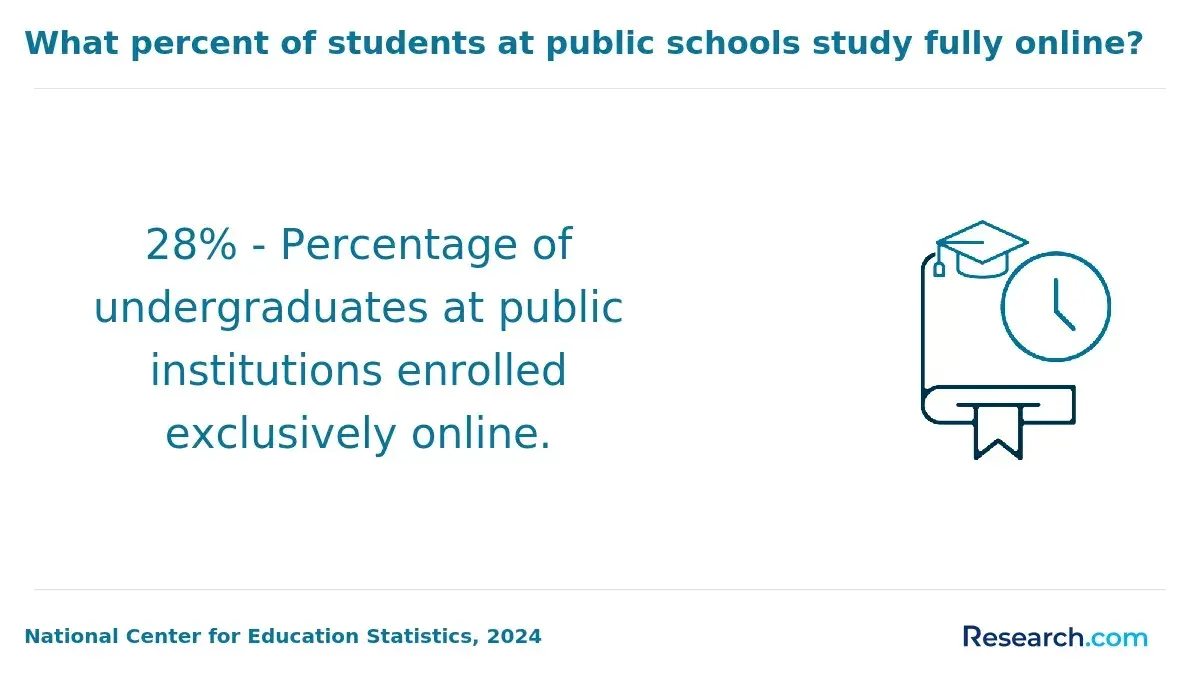
Graduation rates for graphic design students differ significantly between campus-based and online programs largely due to variations in student demographics and program structure rather than instructional quality alone. Campus students typically benefit from cohort-based learning environments and scheduled, synchronous classes that foster peer engagement and faculty interaction, which enhance persistence. In contrast, online learners often juggle part-time enrollment with work and family commitments, making consistent progress challenging; this is reflected in data from the National Center for Education Statistics showing campus programs surpass 60% six-year completion rates, while online programs hover near 40%.
The disparities also stem from the availability and accessibility of support services. On-campus students have more direct access to academic advising, tutoring, and career counseling, resources that are crucial for navigating transfer credits and sequencing required practicum components integral to graphic design curricula. Meanwhile, online students face greater risks of stop-outs caused by limited synchronous interaction and less structured pacing, factors that can derail progress, particularly when balancing external responsibilities. Prospective students should interpret graduation rate differences in light of their own schedule flexibility and need for institutional support to sustain steady advancement through the program.
Understanding these dynamics helps clarify why simply choosing an online format for convenience may introduce hidden challenges to completion. Working adults enrolling part-time with caregiving duties, for instance, must weigh how less cohort cohesion and reduced real-time instructor contact could impact persistence relative to campus peers. Ultimately, decision-making should focus on matching program design and support availability to the learner's context and goals, recognizing that completion outcomes often reflect these operational realities more than differences in academic rigor or content quality.
How Do Online and Campus Graphic Design Programs Compare on Total Cost?
The total cost of attendance for online versus campus graphic design programs often defies simple comparison, as lower advertised tuition for online tracks may be offset by fees, residency eligibility, and financial aid accessibility. For example, while campus tuition combined with mandatory fees averages around $12,000 annually for in-state students per 2024 National Center for Education Statistics data, adding housing, meals, and transportation raises campus expenses significantly, often by $12,000 or more. Conversely, online students avoid these living costs but may face technology fees and typically receive fewer institutional scholarships, increasing their dependence on federal loans and potentially impacting debt accumulation and repayment timelines.
This uneven cost distribution influences other critical factors such as program length and ability to maintain employment while studying. Campus-based learners might benefit from direct access to studios and networking, which some employers value, but must budget for commuting or relocation costs that extend financial strain. Online options, which provide flexibility for working adults and caregivers, require careful evaluation beyond tuition to include these hidden expenses and aid dynamics, affecting overall affordability and time to degree.
Comparing the total cost of attendance for online versus campus graphic design students means accounting for these layered trade-offs rather than relying solely on sticker prices. For those exploring alternatives or less conventional paths, researching the easiest MSW programs to get into can offer insights into structured online learning tailored for working professionals.
What Hidden Costs Should Students Expect in Online vs Campus Graphic Design Programs?
Hidden costs in online versus campus graphic design programs significantly affect overall affordability and can reshape a student's financial and scheduling strategies. While online learners may avoid commuting and campus fees, many face recurring technology surcharges, exam proctoring charges, and mandatory licenses for specialized software, with about 65% of programs reporting tech fees between $100 and $400 per semester according to the National Center for Education Statistics.
Conversely, campus students often incur higher ancillary expenses, such as housing, meal plans, and parking fees that can exceed $10,000 annually, alongside costs for materials and printing that digital environments may minimize or exclude. These divergent hidden expenses influence completion timelines as students weigh lost income due to commuting or reduced work hours against upfront equipment investment and recurring online course fees.
These cost dynamics extend into career planning, as students must balance the immersive, hands-on access of campuses with the flexibility—and unpredictability—of online learning's additional fees. The College Scorecard data from 2024 show campus attendees tend to graduate with about 15% more debt, reflecting both direct and indirect living and incidental costs, which can affect early career financial stability. For those balancing family or relocation considerations, childcare or residency requirements compound decisions beyond pure tuition comparisons, making a careful assessment of these non-tuition expenses essential for realistic budgeting and timely program completion.
A recent graphic design student recounted weighing two programs—one online, one campus-based-only—to find that the advertised lower online tuition was offset by multiple technology fees, expensive software licenses, and proctored exam costs not initially clear. Meanwhile, the campus option's higher overall price tag included housing and parking but fewer surprise fees, offering a more predictable expense pattern. This student ultimately viewed the tangible access to campus resources and clearer cost structure as a stabilizing factor despite the higher price, illustrating how hidden costs deeply impact format preference and financial confidence in graphic design education choices.
How Does Financial Aid Affect the Cost of Online and Campus Graphic Design Programs?
Financial aid fundamentally reshapes the cost comparison for students choosing between online and campus graphic design programs, but the landscape is nuanced and demands careful evaluation. While average net prices tend to be 15-20% lower for online learners at public institutions due to grant and scholarship aid differences, this gap is often driven less by sticker tuition and more by aid eligibility restrictions and additional expenses.
For example, campus students generally have access to a wider array of institutional scholarships, assistantships, and work-study opportunities tied to on-site presence—resources largely unavailable to online students who depend more heavily on federal Pell Grants and employer tuition reimbursement. This dynamic can alter borrowing needs and affect whether a student can afford to enroll full-time or must stretch the degree over additional semesters, influencing both total debt and time to graduation.
Those comparing financial aid options for campus graphic design students must weigh living and commuting costs against the technology fees and self-financed software that online learners must cover. Part-time online students often face higher per-credit expenses with limited need-based aid, complicating scenarios when extended program pacing leads to accumulated debt.
Moreover, residency discounts that lower tuition for in-state campus learners may not apply to online students, further narrowing savings. Employer tuition benefits and military education programs provide crucial financial support primarily accessed by working adult students enrolled online, highlighting the importance of aligning aid eligibility with personal circumstances.
Prospective students should critically assess how these aid factors intersect with their enrollment intensity and program duration to determine the true net price and career feasibility of each path. For deeper insight into aid structures among accredited degrees, reviewing resources like ABA approved paralegal programs can offer relevant comparative context.
Do Online and Campus Graphic Design Graduates Have Different Career Outcomes?
The career trajectories of online and campus graphic design graduates largely converge when programs maintain recognized accreditation and institutional reputation, yet subtle trade-offs shape outcomes. For example, campus cohorts benefit from embedded employer networks through on-site internships and career fairs that foster local hiring relationships, which can be decisive in regional markets. Conversely, online learners often leverage flexible schedules to accumulate concurrent work experience, enhancing their portfolios despite less direct access to face-to-face mentorship or live project collaboration.
Employer attitudes reflect nuanced distinctions rather than outright biases, with many valuing the quality of the credential over delivery mode, especially when transcripts do not denote online study. However, alumni networks and career services tend to be more robust on campus, supporting long-term mobility and professional connections. Graduates from either path aiming for licensure or certification find curricular alignment more critical than format, though the experiential component—such as internships or capstone projects—remains a key determinant in readiness and market competitiveness.
Recent data from the U.S. Department of Education's 2024 College Scorecard indicates median earnings between these groups stay within a 10% margin within five years of graduation, underscoring the limited impact of delivery method alone. Ultimately, prospective students should consider how institutional reputation, access to internships, and the balance between networking opportunities versus schedule flexibility align with their individual career contexts and geographic employment markets. Choosing between online and campus graphic design programs hinges not on a simple quality hierarchy but on practical factors tied to personal circumstances and local industry dynamics.
How Do Employers View Online vs Campus Graphic Design Degrees?
Employer evaluations of online versus campus graphic design degrees hinge less on delivery format and more on concrete indicators of academic rigor and professional readiness. Graduates holding credentials from regionally or programmatically accredited institutions with demanding curricula and significant experiential components—such as internships and portfolio projects—tend to be viewed more favorably regardless of mode. For example, employers in competitive design firms often scrutinize applicants' portfolios and practical work experience with more weight than simply where the degree was earned, reflecting a preference for demonstrable skills over delivery style.
While 63% of employers report confidence in accredited online degrees, lingering hesitation remains in segments where traditional campus degrees and their associated networking and mentorship opportunities are deeply embedded in hiring practices. Employer familiarity with specific online programs can mitigate skepticism, particularly if transcripts and diplomas clearly communicate accreditation and program content equivalence. However, less experienced candidates relying on online degrees may face challenges if their portfolios do not effectively showcase applied expertise, a factor critical in creative hiring decisions and ongoing professional trust.
Ultimately, graphic design students must weigh trade-offs between flexible online formats and the immersive environments of campus programs, considering how each path aligns with industry norms and opportunities for experiential learning. The choice influences long-term outcomes as employers increasingly prioritize creative problem-solving and adaptability—attributes nurtured through real-world projects and sustained mentorship, available to varying degrees across educational formats. Practical assessment of program quality and graduate work remains paramount in navigating career implications beyond the degree's delivery method.
Which Graphic Design Degree Format Offers Better Flexibility for Working Adults?
Online programs tend to offer superior scheduling control for working adults compared to campus-based graphic design formats, but this advantage depends heavily on program structure. While online graphic design degrees allow asynchronous study that suits shift workers or caregivers managing irregular hours, mandated synchronous sessions, studio residencies, or cohort pacing can limit true flexibility. In contrast, campus programs often require commuting and fixed class times, which disrupt continuity for employed students and can increase total cost exposure through unpaid time off or altered work schedules. Employers increasingly favor tuition support for programs aligned with flexible work patterns, a trend that further underscores the practical value of flexible graphic design programs for working professionals.
Persistence and graduation timing also diverge notably between online and campus pathways. NCES data indicate that working adult students in traditional full-time campus programs show roughly a 10% lower six-year graduation rate relative to online counterparts, partly due to difficulty balancing rigid residency or lab hours with life demands. Part-time options, remote access to digital tools, and flexible stop-out policies available in many online or hybrid offerings enable learners to maintain career continuity without sacrificing progress. However, campus formats may provide richer in-person critiques and networking that some students find essential, presenting a real-world tradeoff between experiential benefits and pragmatic scheduling.
Those weighing online versus campus graphic design flexibility for adult learners should consider the implications on total cost, time to degree, and workforce integration. Since many adult learners combine coursework with ongoing employment, selecting a format that accommodates shifting commitments directly affects return on educational investment and career momentum. For example, students seeking versatile STEM credentials might explore a broader range of options, including online bachelor's in electrical engineering programs, which often parallel graphic design in their balance of technical skill acquisition and flexible delivery modes.
How Should Students Choose Between an Online and Campus Graphic Design Program?
Graduation rates and career outcomes reveal critical trade-offs between online and campus graphic design programs that shape student success and workforce readiness. Campus-based programs report higher completion rates—about 62% within six years, according to the National Center for Education Statistics—reflecting structured sequencing, faculty engagement, and hands-on access to design labs that support timely progression. This advantage often translates into stronger industry connections and portfolio development, factors many employers prioritize. However, on-campus attendance frequently entails added costs like housing and commuting, pushing total yearly expenses above $25,000, which can deter some candidates despite the potential return on investment.
Online graphic design programs appeal to learners needing flexible schedules, such as working adults balancing caregiving or second jobs, but they demand high self-discipline and may limit peer interaction and immediate feedback. The reduced supplementary expenses of online formats can lower upfront costs, yet students must invest in reliable technology and the internet. Importantly, online offerings have evolved to include virtual internships and remote career services, partially addressing networking gaps. When comparing graduation and career outcomes of online versus campus graphic design programs, students should weigh these factors against their learning style and professional goals, recognizing that persistence and career mobility depend on both educational format and individual agency.
In deciding which path to pursue, it's essential to consider how employer expectations vary by program type and accreditation, which directly affect job prospects in competitive creative fields. Furthermore, understanding how various roles value experience, as highlighted in analyses like features on "What types of paralegals make the most money?" can guide graphic design students in aligning education with their career ambitions. Choosing between an online and campus graphic design program thus requires integrating practical cost-benefit analysis with a realistic assessment of schedule flexibility, access to specialized resources, and long-term career trajectory.
References
- Graphic Design Training Cost https://www.agitraining.com/graphic-design-classes/graphic-design-training-cost
- Learning Outcomes for Graphic Design & Visual Communication BFA - Champlain College https://www.champlain.edu/learning-outcomes-for-graphic-design-visual-communication/
- What can you do with a graphic design degree https://www.falmouth.ac.uk/news/what-can-you-do-graphic-design-degree
- Fees & Payments | Student Handbook | The Graphic Design School https://www.thegraphicdesignschool.com/student-handbook/fees/
- How to become a graphic designer without a degree | edX https://www.edx.org/become/how-to-become-a-graphic-designer-without-a-degree
- BA Hons Graphic Design Enrolment Form https://www.oca.ac.uk/courses/ba-graphic-design/
- Graphic Design - Costs & Funding https://creativearts.seattlecentral.edu/programs/graphic-design/funding-your-education
- Financial Aid | Online Art & Graphic Design | Sessions College https://www.sessions.edu/financial-aid/
- Which is better to choose university or course? https://www.graphicdesignforum.com/t/which-is-better-to-choose-university-or-course/22858
- Online vs in-person study: which one is right for you? https://www.ube.ac.uk/whats-happening/articles/online-vs-in-person-learning/
Other Things You Should Know About Graphic Design
Campus programs provide more organic and immediate networking through face-to-face interactions with peers, instructors, and visiting professionals, which often leads to internship referrals and job opportunities. Online students must rely on virtual platforms and self-directed outreach, which can limit spontaneous collaboration and mentorship. For students prioritizing industry connections, campus programs tend to offer a more effective environment, though proactive online students can still build networks with additional effort and strategic use of digital communities.
Online programs often require students to have their own technology setups and may limit hands-on access to specialized studio equipment or high-end software available on campus. This can affect the depth of skill development, especially for complex tasks requiring direct technical guidance. Campus students benefit from in-person labs and immediate technical support, which can accelerate learning curves and reduce troubleshooting delays. Those choosing online should be prepared for greater self-discipline in technical problem-solving and may need to invest more in equipment.
Online students often juggle coursework alongside work and personal responsibilities, increasing the risk of procrastination and burnout due to less structured environments. Campus students face fixed schedules and deadlines that can provide rhythm but may also create intense short-term pressure. For students who struggle with self-motivation, campus programs typically promote steadier progress, whereas online learners must develop strong time-management skills to avoid delays or incomplete projects impacting portfolio quality.
Specialized fields often require collaborative projects, critiques, and real-time feedback that campus settings handle more effectively, enhancing both skill proficiency and portfolio strength. While some online programs offer specialized tracks, they may lack the immersive environment needed for nuanced skill acquisition and teamwork experience. For those targeting niche roles, prioritizing campus programs usually yields stronger preparation and employer credibility, while online options can suffice if paired with internships or external projects that demonstrate relevant skills.