2027 Graphic Design Skills Gap Analysis: What Employers Want vs What Degree Programs Teach

Co-Founder and Chief Data Scientist
Imagine a recent graduate entering the job market with a graphic design degree, only to find that employers expect expertise in digital tools and real-world project experience that their program barely covered. This gap leaves many struggling to demonstrate relevant skills or produce a portfolio that meets market demands.
The disconnect creates frustration and uncertainty about career prospects, especially when compared to peers with direct industry experience or vocational training. This situation is common as degree programs often emphasize theory and traditional methods more than practical workflow and emerging technologies. Employers prioritize adaptability, proficiency with current software, and collaboration skills.
This article analyzes the gulf between what employers seek and what degree programs teach in graphic design, offering insights on how to bridge the gap and improve job readiness for students and graduates.
Key Things to Know About Graphic Design Skills Gap
- Employers report that traditional graphic design degree programs underemphasize UX/UI integration, creating a mismatch where graduates must self-educate to meet evolving user-centered design demands.
- A 2024 industry study found 68% of hiring managers expect proficiency in motion graphics and interactive media, skills rarely prioritized in formal curricula but critical for project adaptability.
- Students who engage in cross-disciplinary internships and freelancing before graduation develop critical client communication and project management abilities, directly enhancing post-degree employability in competitive markets.
- Key Things to Know About Graphic Design Skills Gap Key Things to Know
- What Skills Do Employers Expect From Graphic Design Graduates? Employer Expectations
- What Do Graphic Design Degree Programs Typically Teach? Program Curriculum
- Where Is the Biggest Skills Gap Between Graphic Design Programs and Employers? Biggest Skills Gap
- Which Technical Skills Are Most Important for Graphic Design Careers? Technical Skills
- Which Workplace Skills Matter Beyond Technical Knowledge? Workplace Skills
- How Do Internships and Real-World Experience Improve Career Readiness? Career Experience
- How Can Students Close the Graphic Design Skills Gap Before Graduating? Closing Skills Gap
- How Is the Graphic Design Job Market Changing Employer Skill Requirements? Changing Skill Requirements
- How Do Different Graphic Design Programs Compare in Career Preparation? Career Preparation
- How Should Students Choose a Graphic Design Program That Builds Career-Ready Skills? Choosing a Program
What Skills Do Employers Expect From Graphic Design Graduates?
Employers hiring graphic design graduates in 2024 increasingly demand a nuanced combination of technical expertise and soft skills that reflect the fluid nature of creative industries. Evidence from LinkedIn and Lightcast indicates that while technical skills remain a baseline requirement, adaptability, communication, and cross-disciplinary knowledge now distinguish candidates.
For example, a designer collaborating with a marketing team must not only create visually compelling assets but also adjust concepts rapidly based on client feedback and shifting project goals. Data from the World Economic Forum's 2024 report shows over 60% of job postings seek candidates proficient in both static and interactive media, highlighting this blend of proficiencies.
The following list identifies key essential graphic design skills employers seek, informed by current industry expectations and workforce analyses:
- Technical Versatility: Employers look for proficiency in core software such as Adobe Creative Suite alongside newer tools like Figma and Sketch. This breadth allows graduates to work efficiently across print, digital, and UX/UI projects, meeting diverse client demands and facilitating interdisciplinary workflows.
- Digital Media Integration: The ability to combine graphic assets with basic front-end development skills, including HTML and CSS, enhances collaboration with web developers and enriches interactive design outcomes. Graduates who understand these intersections can better translate creative concepts into functional interfaces.
- Communication Skills: Clear presentation of ideas to clients and teams is vital. Strong communication supports alignment on project objectives and smooths iterations, particularly in fast-paced or agile settings where quick feedback cycles are the norm.
- Project Management & Teamwork: Practical knowledge of managing timelines and collaborating within multidisciplinary teams ensures projects progress efficiently. Graduates who can juggle client priorities and internal resources excel in real-world production environments.
- Creative Problem Solving: Employers value graduates who approach challenges with innovative solutions, employing design thinking to address both aesthetic and strategic business needs. This skill is often sharpened through capstone projects or internships that simulate client-driven scenarios.
- Adaptability to Emerging Trends: Continuous learning and responsiveness to evolving design technologies and market shifts distinguish standout designers. Building a diverse portfolio that showcases varied media and styles reflects this agility.
- Professionalism in Business Contexts: Understanding how design decisions affect branding, user experience, and marketing goals enables graduates to align creativity with organizational objectives, a trait increasingly emphasized across sectors.
Students aiming to increase their workforce readiness should consider how foundational design expertise intersects with these broader competencies. Those contemplating alternative or complementary paths might explore a 2-year psychology degree online to deepen insight into user behavior, enhancing UX-related design work and employability in hybrid roles.
What Do Graphic Design Degree Programs Typically Teach?
Core graphic design curriculum components reveal a balance between artistic fundamentals and technical proficiency, aiming to equip students for both creative expression and the practical demands of the profession. While mastery of design tools and principles forms the backbone of most programs, a notable gap persists in preparing graduates for collaborative and dynamic work environments.
Data from the National Association of Schools of Art and Design shows that about 85% of programs emphasize traditional skills alongside software expertise, reflecting an industry-aligned but still evolving educational focus. Understanding these typical skills taught in graphic design degrees helps clarify what competencies students can expect to build, along with areas where further real-world experience is often necessary.
Below are major learning areas commonly developed through graphic design degree programs:
- Fundamental Design Principles: Students learn core concepts such as typography, color theory, composition, and layout design. These foundational skills are crucial for producing visually coherent and compelling work, providing a versatile artistic framework that supports lifelong adaptability in diverse project contexts.
- Digital Tool Proficiency: Curriculum typically includes intensive training in industry-standard software like Adobe Creative Suite. Proficiency with these tools ensures students can execute their designs efficiently, yet this technical skill must be paired with conceptual understanding to remain relevant as new technologies emerge.
- Portfolio Development: Degree programs prioritize building a cohesive and professional portfolio that reflects both creative voice and technical skill. This tangible output serves as a critical asset for job pursuits but requires iterative refinement often beyond academic settings to meet competitive industry expectations.
- Conceptual Problem-Solving: Students are encouraged to approach design challenges through critical thinking and ideation processes that align with client goals and user needs. Emphasizing creativity within constraints prepares graduates to navigate real-world projects that demand both innovation and strategic communication.
- Limited Workplace Skill Preparation: While design execution is well covered, training in client communication, collaborative workflows, and project management remains inconsistent. This gap means graduates often must supplement their education with internships or on-the-job learning to manage iterative feedback and team dynamics effectively.
- Emerging Media Exposure: Few programs systematically embed UX/UI design, motion graphics, or data visualization despite their growing market demand. The Design Management Institute highlights that under 30% of programs include these modules, signaling a mismatch between academic competencies and evolving industry requirements.
- Artistic Voice and Authenticity: Programs strongly focus on fostering individuality and conceptual innovation, encouraging students to develop a distinctive design perspective. While this supports creative authenticity, balancing it with agile project methodologies remains a challenge for many graduates transitioning into professional environments.
For students weighing online, hybrid, and campus options, verifying how these core competencies and gaps are addressed in program delivery can influence completion rates and career readiness.
Those seeking practical skill integration alongside creative growth may find value in formats offering mentorship or real-time collaboration opportunities. Prospective learners can also explore tailored curricula, perhaps through specialized programs like a master of social work online, where interdisciplinary skill sets complement visual communication careers in nuanced ways.
Where Is the Biggest Skills Gap Between Graphic Design Programs and Employers?
Graduates with a graphic design degree often find a significant disparity between their academic preparation and the practical demands of today's creative industries.
A 2024 National Association of Colleges and Employers report highlights that employers identify critical deficiencies in newer graduates, especially in applied skills that extend beyond foundational creativity. For many, this gap stems from degree programs focusing on theory and individual work rather than team-based projects or evolving digital tools.
Below are some key areas where this mismatch is most frequently observed:
- Advanced Software Proficiency: While graduates typically master standard tools like Adobe Photoshop and Illustrator, many employers expect fluency in broader digital software suites including UX/UI platforms, motion graphics tools, and basic coding. This gap limits graduates' ability to contribute immediately to diverse projects, but students can mitigate it by pursuing internships that require hands-on experience with these programs or completing targeted online certifications.
- Collaborative Project Experience: Academic programs often emphasize solo assignments, leaving graduates less prepared for the interactive, multidisciplinary teamwork common in agencies and corporate settings. This shortfall affects communication and project management skills critical for navigating real-world workflows. Engaging in group projects, cross-departmental collaborations, or co-op placements can develop these competencies beforehand.
- Business and Strategic Literacy: Employers are increasingly valuing designers who grasp brand strategy, consumer psychology, and data-driven insights. However, such content is infrequently integrated into traditional curricula, causing graduates to struggle with client relations and adapting work based on analytics. Supplementary courses or workshops focused on marketing fundamentals and communication skills help close this gap.
- Adaptability to Emerging Trends: Rapid changes in digital media require designers to continuously learn new approaches like motion design or responsive web techniques. Static program structures can leave students behind current expectations, making ongoing self-directed learning essential to remain competitive.
A recent graduate shared how their first job at a digital marketing firm exposed these gaps firsthand. Although confident in design fundamentals, they quickly realized a lack of experience in UX software slowed their ability to contribute to client projects. Facing tight deadlines, they felt pressure to catch up quickly while collaborating with more experienced teammates.
This situation underscored the importance of seeking experiential learning opportunities beyond coursework to master tools and workflows before entering the workforce.
Which Technical Skills Are Most Important for Graphic Design Careers?
Technical skills form the bridge between classroom theory and the realities of professional graphic design work. As industry tools and client needs evolve, the most sought-after competencies shift accordingly.
Mastery of foundational software alone no longer guarantees job readiness; instead, employers prioritize adaptability, cross-platform fluency, and an integrated understanding of digital ecosystems. According to data from the Bureau of Labor Statistics in 2024, over 65% of hiring managers specifically favor candidates with advanced proficiency in digital design and UX-related software.
Below are essential technical skills that consistently strengthen graduates' competitiveness across diverse graphic design roles:
- Adobe Creative Suite Mastery: Employers expect fluency in Photoshop, Illustrator, and InDesign, as these tools remain industry standards for creating, editing, and preparing visual assets. Students often gain these skills through intensive coursework and portfolio projects, making this competence foundational for immediate employability and sustained creative flexibility.
- User Experience Design: A growing number of positions require understanding of UX principles to ensure visual elements translate into intuitive, accessible digital interfaces. Developing UX skills often involves cross-disciplinary projects incorporating user research and wireframing, which enhances a designer's ability to collaborate effectively in product teams.
- Web Technologies: Basic familiarity with HTML, CSS, and JavaScript is increasingly important, as designers frequently engage with web development teams or manage front-end layouts themselves. Practical experience through internships or interactive coursework prepares students to address responsive design challenges.
- Data Visualization Techniques: With rising demand for interactive and data-driven content, the ability to convert complex information into clear visuals is critical. This skill set is cultivated by learning specialized software and storytelling methods, positioning designers well for roles in digital marketing and analytics-focused environments.
- Collaborative Digital Tools: Platforms like Figma and Sketch facilitate teamwork across multiple stakeholders. Mastery of these tools, learned through group assignments or real-world projects, mirrors professional workflows and enhances productivity in modern design studios.
- File and Workflow Management: Effective organization of assets, version control, and knowledge of digital production processes reduce errors and streamline deadlines. Students develop these habits through project-based learning experiences, which support long-term success in fast-paced agencies or corporate settings.
Which Workplace Skills Matter Beyond Technical Knowledge?
Career success in graphic design requires more than proficiency with software and technical tools. Employers consistently point to a gap where graduates excel in technical skills but fall short in professional or durable skills critical for real-world effectiveness.
According to the 2024 National Association of Colleges and Employers Job Outlook survey, competencies like communication, collaboration, and problem-solving rank higher than specialized technical knowledge when hiring entry-level candidates. For example, a designer might deliver a visually appealing concept yet struggle to incorporate client feedback or fit their work into a broader strategic plan. This disconnect affects employability and long-term career growth.
The following essential workplace soft skills for graphic design professionals reveal how students can bridge this gap:
- Communication Skills: Employers value designers who clearly convey ideas verbally and visually, facilitating smooth dialogue with clients, developers, and marketers. Courses focusing on presentations and critiques help students refine this skill, crucial for explaining and justifying design decisions across multidisciplinary teams.
- Collaboration and Teamwork: Comfort with iterative workflows and constructive feedback distinguishes successful designers. Experiential learning through group projects fosters this ability, aligning academic preparation with workplace realities.
- Critical Thinking and Adaptability: The rapidly evolving design landscape requires strategic problem-solving rather than rote application of design principles. Students who embrace flexible thinking and scenario-based exercises better navigate project constraints like budget and accessibility.
- Time Management and Organization: Managing multiple deliverables under tight deadlines is central to professional reliability. Project-based courses that simulate real-world timelines build these indispensable skills.
- Listening and Feedback Integration: Active listening promotes responsiveness to client needs and peer critiques, enhancing design outcomes and client satisfaction. Embedding feedback cycles in coursework encourages reflective practice.
- Strategic Insight: Understanding brand objectives and business contexts helps designers create solutions that extend beyond aesthetics. Case studies and internships provide exposure to these broader dimensions.
- Emotional Intelligence: Emotional awareness aids in negotiating design choices and maintaining professional relationships. Role-playing and collaborative exercises develop these interpersonal skills.
Students seeking to strengthen their workplace readiness might explore programs with integrated curricula emphasizing communication and teamwork skills in graphic design careers. For those interested in broader marketing contexts, social media degree programs can complement design expertise by adding valuable perspectives on audience engagement and brand strategy.
How Do Internships and Real-World Experience Improve Career Readiness?
Classroom instruction in graphic design often focuses heavily on theory, principles, and technical software skills, yet it can fall short in preparing students for the unpredictable demands of professional environments. Real-world experience, such as internships, bridges this gap by allowing students to contextualize academic concepts within actual workflows, timelines, and client expectations.
For instance, a student working on a live branding project with a multidisciplinary team gains insight into collaboration dynamics and iterative feedback processes that a classroom studio simulation might overlook. This immersion builds confidence and sharpens judgment, equipping emerging designers with practical problem-solving abilities that employers prioritize.
Internships and experiential learning also cultivate competencies beyond technical skills, including professional communication, understanding workplace culture, and navigating project management tools. These settings expose students to varied perspectives, constructive criticism, and networking opportunities, which help inform more strategic career decisions.
However, availability and quality of such experiences can differ widely across programs and sectors, sometimes challenging students to find placements aligned with current industry trends like user experience or digital branding. Data from the National Association of Colleges and Employers in 2024 highlights that graphic design graduates holding internship experience achieve nearly 20% higher employment rates within six months post-graduation compared to those without.
To optimize the benefits of internships, students should pursue these opportunities early, seek projects that reflect emerging industry practices, and maintain active engagement with mentors and peers. Reflecting on workplace experiences and linking them to long-term objectives reinforces learning and career readiness.
Ultimately, internships are most impactful when integrated with strong academic performance, ongoing skill enhancement, and deliberate career planning, ensuring graduates develop both the creative expertise and the professional savvy required to thrive in complex design careers.
How Can Students Close the Graphic Design Skills Gap Before Graduating?
Students don't have to postpone becoming fully career-ready until after graduation. Actively building practical skills alongside academic learning can vastly improve job prospects in graphic design. Employers consistently favor candidates who demonstrate real-world experience, a blend of technical proficiency, and adaptable soft skills.
Integrating workplace competencies during studies helps students develop confidence and professional insight before entering the job market.
Below are key strategies to close the graphic design skills gap before graduation:
- Internships: Engaging in internships exposes students to genuine design challenges and workflows, a major advantage since 73% of employers prioritize candidates with hands-on experience through such placements. Internships cultivate communication skills and networking opportunities that often lead to direct employment.
- Project-Based Learning: Taking part in courses that mimic industry assignments sharpens problem-solving and teamwork abilities. Research shows graduates involved in structured project-based programs are 34% more likely to secure jobs in their field within six months post-graduation.
- Undergraduate Research: Participating in research focused on emerging design technologies or user experience nurtures critical thinking and adaptability. Though less typical in design than STEM fields, such experiences prepare students to anticipate evolving employer demands.
- Certifications: Earning credentials like Adobe Certified Expert or UX design certificates signals competency and dedication. When combined with a robust portfolio and practical learning, certifications differentiate candidates in competitive hiring environments.
- Networking Through Industry Events: Attending design expos, workshops, or local meetups helps students build relationships beyond campus. These connections often translate into job leads, mentorship, or freelance opportunities, providing a vital edge.
- Portfolio Integration: Continuously updating a professional portfolio with internships, projects, and research outputs allows students to demonstrate applied skills clearly. A strong portfolio bridges the gap between academic work and employer expectations.
- Collaborative Teamwork: Actively seeking group projects or cross-disciplinary collaboration fosters interpersonal skills highly valued by employers. Real team experiences develop students' ability to navigate feedback, deadlines, and diverse viewpoints.
One recent graduate described feeling uncertain about balancing coursework with job preparation but chose to accept a competitive internship midway through the final year. Juggling client deadlines alongside classes was initially overwhelming, yet it revealed gaps in time management and communication that no lecture had addressed.
This hands-on exposure accelerated professional growth and provided a confident transition to full-time employment shortly after graduation, illustrating how pushing beyond academics can close the skills divide effectively.
How Is the Graphic Design Job Market Changing Employer Skill Requirements?
Rapid advancements in technology, particularly artificial intelligence and automation, are reshaping the graphic design job market and shifting employer skill demands. According to the World Economic Forum, there is a rising need for designers skilled not only in traditional techniques but also in data visualization, motion graphics, and collaborative software platforms.
This evolving graphic design employer skill demands reflect a broader trend toward hybrid roles where creativity intersects with technical fluency, requiring designers to engage with cross-disciplinary teams and contribute beyond static visual content.
These shifting priorities impact both technical and professional competencies. Employers increasingly value adaptability, problem-solving, and communication across remote or global teams as much as proficiency with digital tools.
The U.S. Bureau of Labor Statistics and Lightcast data reveal gaps between curriculum-focused teaching and real-world expectations, where foundational theory often fails to prepare graduates for coding, motion design, and interactive media challenges. Continuous learning and hands-on experience, such as internships, applied projects, and certifications, have become essential to maintain workforce readiness and employability amid these changes.
Students hoping to align with current graphic design job market trends should integrate foundational coursework with experiential learning and professional networking. Pursuing competency based programs can support this by emphasizing real-world skills and outcomes. Long-term career sustainability will depend on an ongoing commitment to skill updating, blending core design principles with new technological fluencies to meet employer expectations in a dynamic environment.
How Do Different Graphic Design Programs Compare in Career Preparation?
Career preparation in graphic design depends on much more than the degree title alone. Programs vary widely in how they equip students to meet employer expectations and adapt to evolving industry demands.
A 2024 report from the National Center for Education Statistics combined with employer surveys highlights that only those programs integrating hands-on projects, internships, and current software training consistently yield graduates with stronger workforce readiness scores. Recognizing these discrepancies is especially important for anyone comparing the best graphic design degree programs for career readiness.
Below are key factors to consider when evaluating curricula and outcomes:
- Practical Learning Integration: Programs that emphasize project-based work and real client interactions provide students with experience directly translatable to professional settings. This training enhances problem-solving and time management skills often missing from theory-heavy programs.
- Industry Software Proficiency: Mastery of tools like Adobe Creative Suite and emerging technologies is critical. While some programs may focus deeply on traditional art concepts, those prioritizing software skills better position graduates to handle the technical demands employers expect.
- Interdisciplinary Curriculum: Combining graphic design with marketing, user experience, or communication prepares students to be versatile contributors. Employers increasingly value graduates who can bridge design and strategy within cross-functional teams.
- Workforce Connection Opportunities: Accredited institutions offering internships and portfolio development tied to industry contacts provide essential pathways into jobs. These experiential components often distinguish a candidate in competitive markets.
- Alignment with Career Goals: No single program suits all. Students must assess how well a program's focus, pacing, and offerings correspond to their professional aspirations, learning styles, and willingness to pursue opportunities beyond classes.
For example, a student focused on landing a role in a fast-paced advertising agency should prioritize programs with substantial internship placements and current technology training rather than those offering mainly classical art theory.
On the other hand, someone aiming at fine art or editorial work might value stronger foundational design history. The 2024 Higher Education Research Institute study confirms that adaptability combined with contemporary competencies remains the most reliable predictor of early career success in graphic design.
To further understand educational choices for broader STEM fields, consider exploring military friendly online electrical engineering degree programs that similarly balance theory and practice within evolving industries.
How Should Students Choose a Graphic Design Program That Builds Career-Ready Skills?
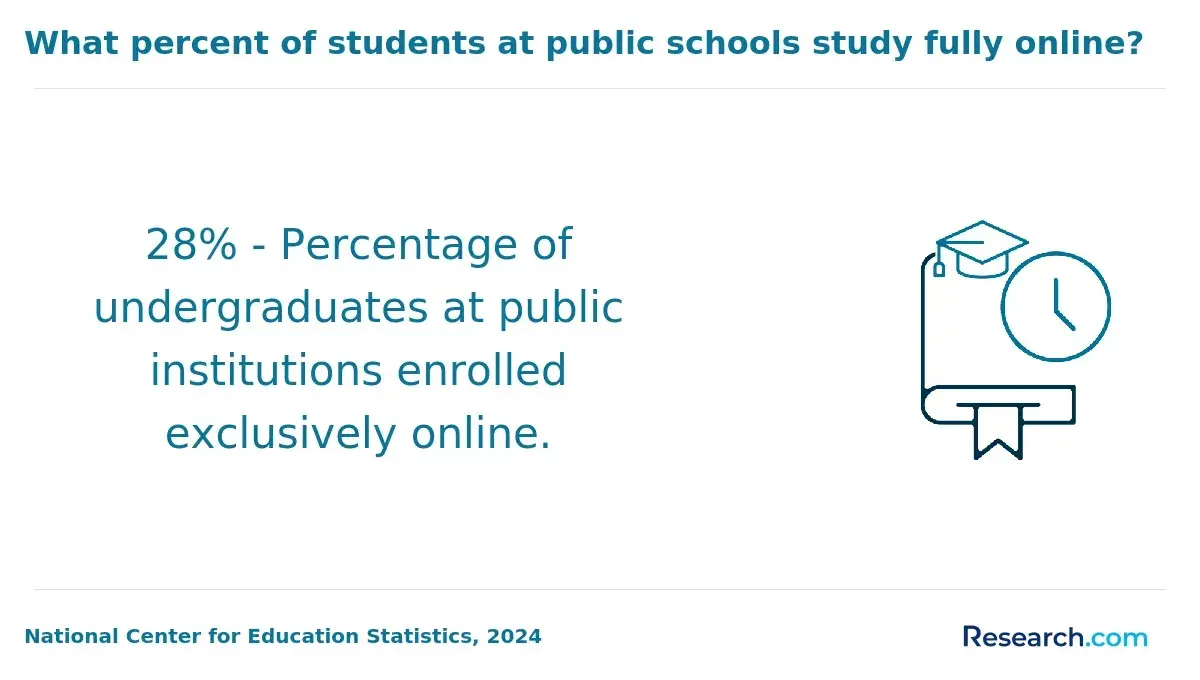
Choosing the right learning format for completing a graphic design program critically impacts long-term career outcomes, adaptability, and job market competitiveness. Each format-online, hybrid, and campus-offers distinct advantages and trade-offs based on a student's lifestyle, learning preferences, and professional goals.
The 2024 data from the National Center for Education Statistics highlight that experiential learning and career services are key drivers of graduate success regardless of format.
Consider these factors when evaluating your options:
- Networking Opportunities: Campus programs usually provide richer face-to-face networking with faculty and peers, benefiting those seeking industry connections. Hybrid formats blend in-person interaction with flexibility, while fully online programs may require extra effort to build professional relationships.
- Learning Environment: Online formats offer unmatched flexibility for self-directed learners balancing work or family, but may lack immediate feedback. Campus settings support immersive, hands-on experiences favored by students needing structured environments; hybrid programs offer a mix of both.
- Access to Resources: Students on campus often gain direct access to studios, labs, and software, enhancing skill application. Online learners must rely on digital tools and remote collaboration, necessitating strong self-motivation.
- Career Support Services: Graduates from programs with robust career centers and alumni networks, found across formats but especially strong in campus programs, tend to transition smoothly into jobs. Hybrid and online programs vary widely in this offer.
- Curriculum Relevance: All formats must maintain current curricula featuring UX/UI, motion graphics, and coding basics. According to the American Institute of Graphic Arts, graduates proficient in cross-disciplinary digital skills across any format have higher employability.
- Graduate Outcomes: Data reveal that completion rates and job placements can be comparable if programs integrate internships or industry projects, regardless of format. Thus, the program's experiential rigor matters more than delivery mode.
- Long-Term Adaptability: Campus and hybrid programs often promote critical thinking through in-person collaboration, which may facilitate continuous learning. Online programs foster digital proficiency and adaptability for remote work environments.
References
- Guide to Graphic Design Internships | Higherin https://higherin.com/career-guides/design/graphic-design-internships
- Top Graphic Design Skills to Master in 2026 https://www.theinkorporated.com/insights/top-graphic-design-skills/
- 11 Ways to Improve Your Graphic Design Skills | Practical Design Tips – Shillington https://www.shillingtoneducation.com/blog/how-to-improve-graphic-ddesign-skills
- Tell Your Story Visually: How to Develop Your Graphic Design Skills https://www.lcca.ac.uk/blog/graphic-design/tell-your-story-visually-how-to-develop-your-graphic-design-skills/
- Visual College of Art & Design https://www.vcad.ca/about/spotlights/what-skills-do-graphic-designers-need/
- Beyond the Brief: The Soft Skills Behind Great Design https://www.affirma.com/blog/graphic-design-soft-skills/
- How to Improve Skills in Graphic Design https://www.topcoder.com/thrive/articles/how-to-improve-skills-in-graphic-design
- ArtBound Initiative | Graphic Design Internships https://www.artboundinitiative.com/graphic-design-internships
Other Things You Should Know About Graphic Design Skills Gap
Students face a tradeoff between broad exposure to diverse graphic design concepts and deep mastery of specific tools or techniques. Degree programs often emphasize conceptual foundations but may underprepare students for the specialized software or workflow efficiency employers expect. Prioritizing depth in industry-standard software and practical project management within elective coursework or extracurricular experience can enhance employability more effectively than a purely theoretical focus.
Because many programs lag in integrating up-to-date industry tools or niche skills, self-driven learning through online courses or workshops is increasingly essential. However, this demands substantial motivation and time management from students who must balance coursework. A pragmatic approach is to use the degree as a conceptual framework while deliberately investing time in targeted skills outside class to close practical gaps employers notice.
Academic schedules often allow longer project timelines and encourage iterative refinement, which contrasts with fast-paced client-driven environments emphasizing rapid turnaround. Students should seek opportunities within or outside programs to simulate compressed deadlines and multitasking to build resilience. Understanding this mismatch can inform choices like taking internships with time-sensitive deliverables to adapt successfully post-graduation.
Portfolios focused solely on class assignments risk appearing detached from real-world challenges that employers prioritize, such as brand consistency or cross-platform adaptability. Projects demonstrating problem-solving for actual clients, collaboration with other disciplines, or measurable outcomes tend to have stronger impact. Graduates should strategically integrate varied work samples that show both creative process and practical execution to stand out in hiring contexts.