2027 Graphic Design Degree Completion Rates by Format: Online, Hybrid, and Campus Programs Compared

Co-Founder and Chief Data Scientist
Choosing how to complete a graphic design degree poses a significant challenge for many students balancing education with personal and professional commitments. Online programs offer flexibility but may lack the immersive experience and direct interaction that campus settings provide. Hybrid formats attempt to blend these approaches, but prospective students often struggle to predict how these differences affect their chance of finishing the degree.
Completion rates vary notably across online, hybrid, and traditional campus programs, reflecting diverse factors like student engagement, support services, and time management demands. Understanding these outcomes is crucial for aligning educational choices with career objectives and employer expectations. This article compares completion rates by format, examines influences on student success, and offers insight on selecting the path that best supports degree attainment and long-term goals.
Key Things to Know About Graphic Design Degree Completion Rates by Format
- Online graphic design programs show a 25% lower completion rate than campus formats, highlighting challenges in maintaining sustained motivation and hands-on skill acquisition remotely.
- Hybrid formats often yield the highest completion rates, combining self-paced digital learning with in-person critiques, which better simulates professional design environments and feedback loops.
- A 2024 study indicates that campus students benefit from embedded peer collaboration, translating into higher persistence; this underscores the importance of networking in creative fields for career path clarity.
- Key Things to Know About Graphic Design Degree Completion Rates by Format Key Things to Know About Graphic Design Degree Completion Rates by Format
- How Do Completion Rates Compare Across Online, Hybrid, and Campus Graphic Design Programs? Completion Rate Comparison
- What Factors Have the Greatest Impact on Graphic Design Degree Completion? Degree Completion Factors
- Which Graphic Design Degree Format Is Hardest to Complete? Completion Difficulty
- How Does Each Graphic Design Learning Format Affect Student Success? How Does Each Graphic Design Learning Format Affect Student Success?
- How Does Enrollment Status Affect Graphic Design Completion Rates? How Does Enrollment Status Affect Graphic Design Completion Rates?
- Can Transfer Credits Improve Graphic Design Degree Completion? Transfer Credits
- What Student Support Services Improve Graphic Design Completion Rates? Student Support Services
- How Do Graphic Design Completion Rates Affect Career Outcomes? Impact on Career Outcomes
- How Should Students Choose the Best Graphic Design Learning Format? Choosing the Best Format
- What Are the Long-Term Pros and Cons of Each Graphic Design Learning Format? Learning Format Pros & Cons
How Do Completion Rates Compare Across Online, Hybrid, and Campus Graphic Design Programs?
Completion rates in graphic design programs often reflect the diverse circumstances and characteristics of enrolled students rather than serving as absolute indicators of program quality. Variations in these rates commonly arise from who chooses each format-students in campus, online, or hybrid settings frequently differ in age, work obligations, and access to resources. Understanding graphic design program completion rates by format requires contextualizing these statistics within the broader student experience, as those enrolling online may face different challenges than their campus-based peers.
The disparity in completion rates between online, hybrid, and campus programs stems largely from differences in flexibility, support structures, and student commitments. Online students frequently juggle full-time jobs or family responsibilities and rely heavily on self-directed learning, which can depress graduation rates compared to the more structured campus environment. Hybrid students often benefit from periodic in-person engagement that blends flexibility with community support, situating their completion rates between the other two. Still, personal motivation and time management remain critical factors, regardless of format, underscoring that success correlates as much with individual circumstances as with program delivery mode.
For prospective students evaluating graphic design program completion rates by format, aligning these data with personal preferences and obligations is essential. Those with limited study time and significant outside responsibilities may find online options viable if they can maintain strong self-discipline, while individuals seeking immersive, face-to-face instruction may gravitate toward campus programs. Hybrid formats offer a compromise that can suit learners seeking some direct interaction without full campus commitment.
Exploring options like an accelerated online bachelor's degree in graphic design can also help reconcile these tradeoffs. Ultimately, applying completion rate insights alongside one's goals and lifestyles offers a practical strategy for selecting a viable learning path.
What Factors Have the Greatest Impact on Graphic Design Degree Completion?
Completing a graphic design degree depends on more than just student motivation; it hinges on a dynamic combination of personal circumstances, academic resources, and the design of the program itself. Students must navigate challenges such as time management, engagement, and the relevance of curriculum to future careers, all while balancing external commitments. Recognizing these diverse influences offers prospective students clearer insight into how to bolster their chances of persistence and timely graduation.
Key factors that commonly influence graphic design degree completion include:
- Consistent academic engagement and support:A 2024 National Student Clearinghouse report identifies steady participation paired with access to learner support services as the strongest predictor of completion, especially in hybrid and campus settings. Students who actively seek mentorship, utilize tutoring, and participate in collaborative activities tend to maintain momentum through program requirements.
- Modality-specific challenges for online learners:Online graphic design students face unique hurdles such as isolation and self-motivation demands. Overcoming these typically requires strong self-regulation skills and institutional offerings like synchronous sessions and peer collaboration platforms, which can mitigate dropout risks that stem from disconnection.
- Financial stability and flexibility:Striking a balance between studies, work, and family is especially critical for online students, according to the U.S. Department of Education's 2024 IPEDS data. Financial aid policies and flexible scheduling tailored to accommodate these pressures can prevent interruptions and withdrawals.
- Curriculum relevance tied to real-world application:Completion rates improve when programs integrate portfolio development and faculty mentorship with practical experience. The National Association of Schools of Art and Design highlights that hands-on projects and networking opportunities enhance motivation by linking academic progress visibly to employment prospects.
- Time management skills:Effective prioritization and scheduling impact learners across all formats. Students who cultivate disciplined study habits and realistic timelines manage program demands better, reducing burnout and increasing persistence through challenging coursework.
- Institutional responsiveness and flexible support:Programs that adapt to diverse student needs-offering tailored advising, mental health resources, and culturally responsive services-tend to see higher graduation rates. This is especially relevant for underrepresented populations within graphic design education.
For example, a working parent pursuing a graphic design degree online may struggle to balance synchronous class sessions with their job and family duties unless their institution provides flexible options and robust academic advising. This real-world scenario illustrates how tailored institutional support can make the difference between completion and attrition, emphasizing that the impact of learning formats on graphic design graduation success cannot be isolated from these intertwined factors.
Prospective students weighing their options might also consider how program structure aligns with life circumstances and career goals, which is why some explore alternative paths such as a doctorate in organizational leadership to complement their skill set and leadership potential within creative industries.
Which Graphic Design Degree Format Is Hardest to Complete?
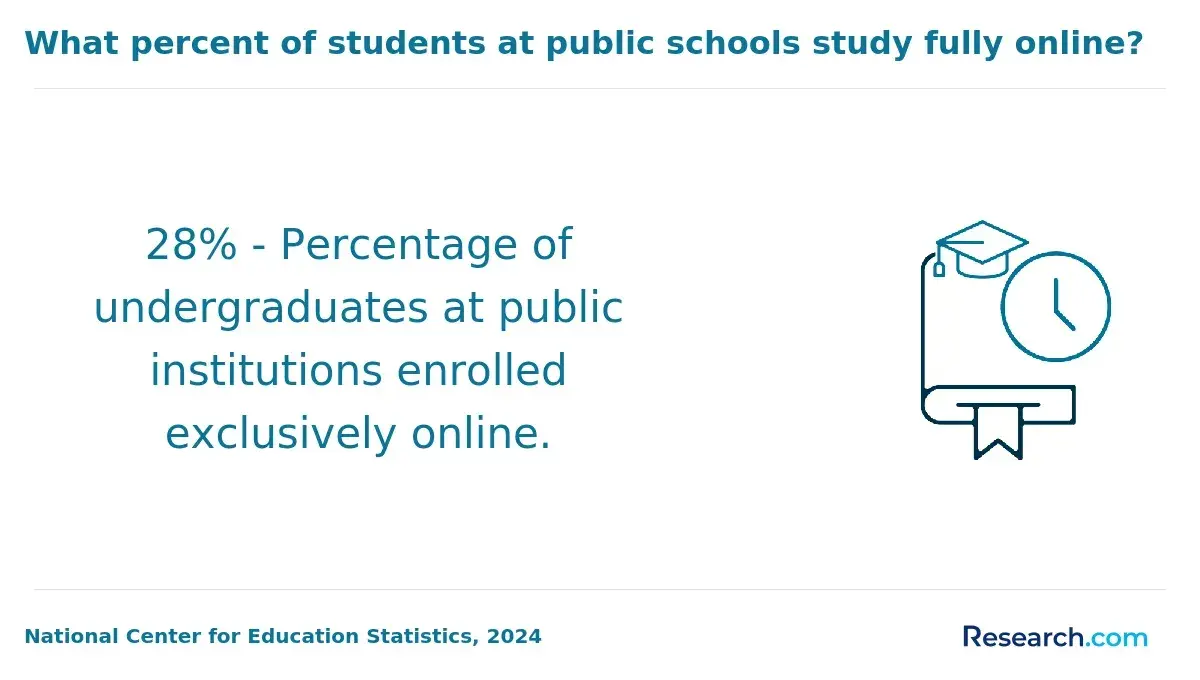
Completion rates for graphic design degrees vary significantly by format, reflecting deeper challenges beyond mere convenience. Data from the National Student Clearinghouse Research Center and the U.S. Department of Education in 2024 indicate that fully online programs have the lowest completion rates, hovering around 40-50%. Hybrid formats see moderate success, with rates between 55-65%, while campus-based programs foster the highest persistence, often exceeding 70%. This disparity highlights how direct interaction and access to resources on campus can better sustain students through complex technical and creative demands.
The demands of graphic design-requiring both hands-on software mastery and collaborative critique-often expose the limits of online learning, where motivation and real-time feedback may falter. For busy adults balancing work and family, fully online courses can become a precarious juggling act, leading to interruptions that reduce completion likelihood. Hybrid models offer a middle ground, combining some in-person engagement to build accountability and community while preserving flexibility. Nevertheless, the absence of immersive campus experiences may still create barriers for students seeking robust networking and portfolio development opportunities.
A graduate from a hybrid graphic design program recalled struggling to complete projects while managing a full-time job and childcare. Initially drawn to the flexibility of online classes, they found the limited direct access to instructors and peers made it harder to stay motivated during tough assignments. Switching to hybrid courses added crucial in-person workshops, which helped resolve difficult technical issues and provided timely feedback, allowing them to regain momentum. The student described their journey as "a balancing act of urgency and relief"-understanding that flexibility alone wasn't enough without tangible in-person support to complete the degree.
How Does Each Graphic Design Learning Format Affect Student Success?
Student success in a graphic design program hinges more on the alignment between the learning format and an individual's study habits, time management skills, and life obligations than on the format itself. For example, a working parent might thrive in a hybrid setting that offers flexibility without sacrificing face-to-face interaction, while a self-disciplined learner with fewer outside responsibilities could excel fully online. Recognizing these nuances helps explain why degree completion rates differ across formats. Recent data from the National Student Clearinghouse Research Center (2024) shows that traditional campus programs maintain the highest completion rates, followed by hybrid models, with fully online formats trailing behind. Key factors influencing success include:
- Engagement and Accountability: Campus offerings often yield stronger student-faculty interaction and peer connections, essential for sustained motivation and timely progress. Online students may struggle with isolation, reducing accountability unless programs actively foster virtual communities.
- Access to Academic Support: On-campus students benefit from immediate access to tutoring and personalized advising. Hybrid learners access some campus resources plus flexible online options, while fully online students may face delays or limited support, impacting their ability to overcome academic challenges.
- Flexibility Versus Structure: Online programs offer unmatched scheduling freedom, favoring students balancing jobs or family care. However, this flexibility also demands high self-regulation; students without strong time-management skills risk falling behind. Hybrid formats moderate this tradeoff by blending scheduled in-person sessions with online coursework.
- Learning Environment Quality: The immersive experience of campus studios and labs supports hands-on skill development, critical in graphic design. Hybrids provide partial access, whereas online programs must rely on virtual tools that may not fully replicate in-person collaboration and critique dynamics.
- Student Demographics and Needs: Non-traditional students, including adult learners enrolling online, often require enhanced institutional support to persist given competing priorities. Campus programs typically attract traditional students who benefit from a consistent academic and social ecosystem.
- Persistence and Retention Rates: Research from the National Center for Education Statistics (2024) indicates hybrid students show moderately improved persistence rates compared to fully online peers, reflecting the motivational advantage of some face-to-face engagement while retaining convenience.
- Resource Availability and Program Design: Universities that invest in robust online infrastructures and interactive course designs report narrower outcome gaps with campus cohorts, demonstrating the critical role of program quality beyond delivery mode.
How Does Enrollment Status Affect Graphic Design Completion Rates?
Enrollment status is one of the most important factors influencing degree completion rates in graphic design programs, but its impact extends beyond simply how many courses a student takes. The choice between full-time and part-time enrollment reflects a student's broader life context, including work, family commitments, and learning preferences. Completion success depends on whether the chosen pace aligns with these realities, rather than enrollment intensity alone. Below are key ways enrollment status shapes completion outcomes for graphic design students.
- Time Commitment and Focus: Full-time enrollment typically demands a sustained, immersive engagement with coursework, allowing students to build momentum and complete degrees faster. Students balancing heavy external responsibilities may find part-time enrollment more manageable but risk slower progress and lower completion rates.
- Competing Responsibilities: Part-time students often juggle work, family, and education, which can create scheduling conflicts and reduce study time. For these students, selecting hybrid formats that blend online and face-to-face sessions may improve persistence by offering structured interaction without overwhelming flexibility.
- Access to Academic Resources: Full-time students, particularly on campus, usually have easier access to advising, tutoring, and career services, which support degree progress. Part-time learners, especially in fully online programs, might struggle with limited direct faculty interaction, impacting motivation and completion.
- Self-Discipline Requirements: Online part-time students must rely heavily on self-motivation and effective time management, which not all students are prepared for. Recognizing this can help students choose an enrollment status that suits their organizational skills and learning style.
- Completion Rate Disparities: According to the National Center for Education Statistics, full-time students in design-related fields complete their degrees at rates 20 to 25 percentage points higher than part-time students within six years, underscoring the time-to-degree advantage of full-time enrollment.
- Financial and Career Timing Considerations: Full-time enrollees often enter the workforce sooner, potentially enhancing employability and earnings over time, while part-time students may extend their educational debt and delay job market entry. These tradeoffs should factor into enrollment decisions in graphic design programs.
- Program Delivery Format Interaction: Hybrid models reduce completion barriers for part-time students by balancing flexibility with some on-site engagement. Campus programs tend to attract more full-time students benefiting from immersive academic environments, whereas purely online options may require greater self-regulation.
For prospective students comparing online, hybrid, and campus formats, understanding how full-time versus part-time enrollment affects graduation success is critical. Those looking to navigate these tradeoffs effectively might also explore resources related to the best online social work programs as examples of how enrollment status impacts completion across disciplines.
Can Transfer Credits Improve Graphic Design Degree Completion?
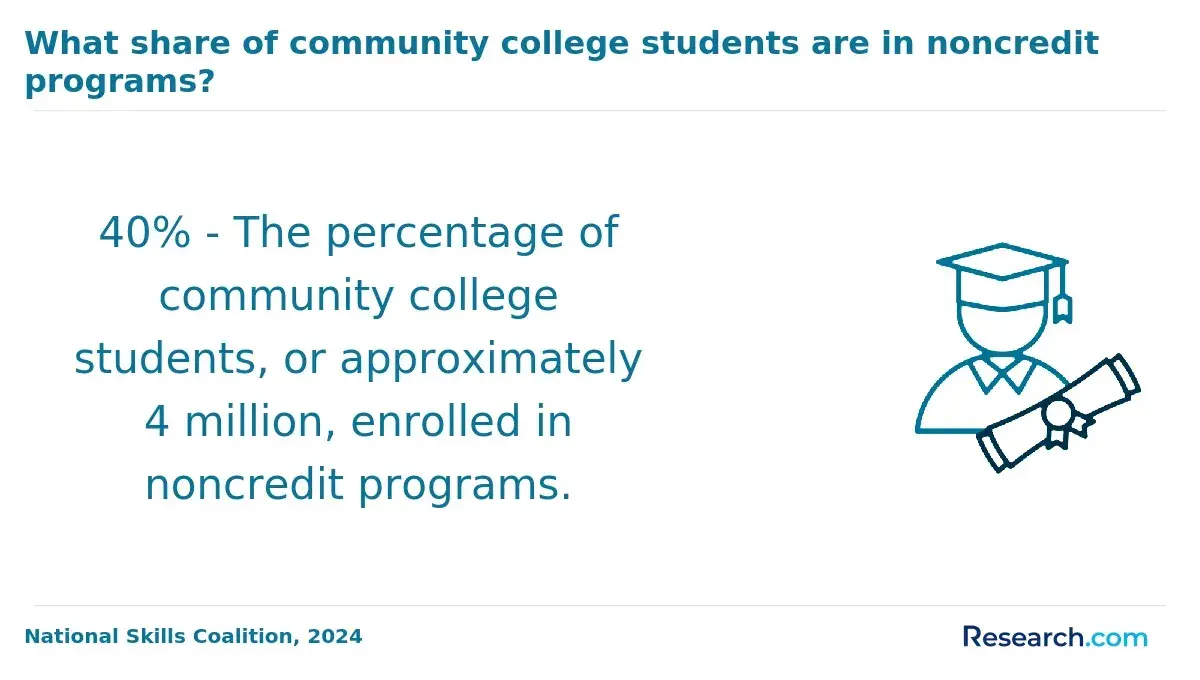
Transfer credits can meaningfully impact the time it takes to complete a graphic design degree, but the advantage varies widely based on institutional policies and how well prior coursework aligns with program requirements. According to the National Student Clearinghouse Research Center's 2024 report, students who transfer credits have up to a 15% higher chance of graduating within six years compared to those starting without any credits. This suggests transfer credits often reduce redundant coursework and speed up progress by allowing students to skip introductory or foundational classes.
For example, a student who has completed general education or basic design courses at a community college might enter a four-year graphic design program with several credits already accepted. This reduces their overall credit load and can enable them to focus earlier on specialized, career-relevant classes or internships. However, not all credits transfer equally: differences in curricula, course rigor, or articulation agreements can lead to partial acceptance or delays if additional evaluation or appeals are needed.
Students with military training, professional certificates, or prior degrees may also benefit but should be cautious in assuming transfer credits will automatically shorten their path to graduation. Online and hybrid learners may encounter slower administrative review processes or less advising support compared to campus students, which can affect how quickly transfer credits are applied and degree progress is reflected.
Prospective graphic design students should assess whether transferring credits will realistically accelerate completion by carefully reviewing program-specific credit acceptance policies and obtaining an official evaluation before enrolling. Comparing the number of remaining credits against the time they plan to commit can clarify if transfer credits offer a meaningful time or cost savings. While transfer credits often support faster degree completion, they represent one component among many-including enrollment intensity, course availability, and institutional support-that influence graduation outcomes.
What Student Support Services Improve Graphic Design Completion Rates?
Student support services significantly influence completion rates in graphic design degree programs, yet their impact varies by learning format and student needs. Effective supports not only address academic challenges but also bridge gaps in motivation and career readiness. Recognizing how these services interact with online, hybrid, and campus environments is key to understanding their role in persistence and graduation. Below are critical support services linked to improved outcomes across formats.
- Personalized Academic Advising: Tailored guidance helps students navigate course requirements and manage their schedules, reducing confusion and overwhelm. Institutions that offer advising responsive to different formats see higher persistence, with data from the National Center for Education Statistics showing advising boosts retention by up to 15%.
- Flexible Tutoring and Real-Time Assistance: Immediate academic support via chat, video, or drop-in sessions is vital for online learners who might otherwise feel isolated. The Online Learning Consortium found that virtual tutoring correlates with a 12% decrease in dropout rates among remote students.
- Integration of Career Services: Embedding portfolio development, internships, and industry networking into support frameworks connects academic progress with tangible job outcomes. This connection is especially important in practice-driven fields like graphic design, helping sustain student motivation toward graduation.
- Monitored Peer Mentoring and Collaborative Labs: Peer interactions provide motivation and skill reinforcement, which are often missing from virtual programs. Hybrid and campus students benefit from in-person collaboration that online formats attempt to replicate through monitored platforms.
- Proactive Outreach to At-Risk Students: Targeted communication and support for students struggling academically or personally help reduce attrition, particularly important in demanding visual arts programs. Campus-based efforts demonstrate substantial impact in keeping students on track.
- Seamless Technological Support: For hybrid learners balancing on-campus and online components, reliable tech support ensures smooth access to resources, minimizing distractions and frustration that could result in disengagement.
One recent graduate of an online graphic design program described encountering early setbacks due to feeling disconnected from instructors and peers. Initially hesitant to seek help, the availability of on-demand tutoring and a responsive advisor changed her trajectory. The advisor's proactive check-ins and the tutoring service's quick turnaround on project feedback helped her re-engage and complete courses she doubted she could manage remotely. She credited this tailored support as pivotal in overcoming the isolation and technical hurdles that nearly led her to withdraw.
How Do Graphic Design Completion Rates Affect Career Outcomes?
Completion rates in graphic design degree programs have a direct and measurable impact on career trajectories. Students who finish bachelor's degrees-whether through online, hybrid, or campus formats-tend to see better employment prospects and earning potential than those who do not complete. The choice of study format also influences these outcomes, as campus-based programs offer structured support while online and hybrid options provide flexibility that suits different lifestyles. Understanding these dynamics is crucial for prospective students weighing how graphic design degree completion impacts career advancement. Key effects include the following:
- Access to specialized graphic design roles that require formal qualifications: Completing the degree opens doors to positions such as user experience design, branding strategy, or digital media production. These roles usually offer higher salaries and greater job stability than entry-level or non-degree jobs, benefiting students able to persist through program challenges.
- Higher overall employment rates and earning potential: Data from 2024 confirm that bachelor degree completers in graphic design experience notably higher employment rates and lifetime earnings than those who leave programs unfinished. This advantage reflects employer preferences for degree completion when hiring for mid-level and senior positions.
- Increased eligibility for graduate studies and career advancement: Those who complete their bachelor's can pursue advanced degrees that further enhance career growth. Graduates aiming for leadership or specialized expertise are most likely to gain from this progression, which non-completers typically cannot access.
- Development of critical self-discipline and digital communication skills: Online and hybrid completion often cultivates skills prized in remote, freelance, or entrepreneurial graphic design careers. Students balancing work and study benefit substantially from these formats, which contribute to long-term employability and adaptability.
- Stronger professional networks and timely degree completion: Campus programs provide structured environments and networking opportunities that support steady progress. Students who can leverage these advantages often complete programs faster, entering the workforce sooner and with more industry connections.
Incorporating these factors alongside practical realities helps students make informed decisions about the format and their investment in degree completion. For those interested in evaluating the comparative value of advanced education, exploring masters degrees that are worth it can provide additional insights into long-term returns on graduate study in design and related fields.
How Should Students Choose the Best Graphic Design Learning Format?
Choosing the best graphic design degree format requires considering how one's personal situation aligns with the unique demands of online, hybrid, and campus programs. Recent 2024 research highlights that campus programs typically see completion rates above 70%, thanks to structured environments and direct faculty interaction, while online completion rates fluctuate widely between 40% and 60%, largely influenced by a student's self-discipline. Hybrid formats, blending remote and in-person elements, offer moderate completion around 60-65%. How should students weigh these tradeoffs? Key factors include:
- Learning Style and Self-Motivation: Students who excel in self-directed settings and manage their time well usually thrive in online or hybrid programs. Those who need regular structure and peer interaction tend to succeed more on campus. Realistically assessing whether you stay on task without external prompts is crucial before selecting a format.
- Work and Life Commitments: For those balancing jobs or family, online programs offer valuable flexibility, but require strong discipline to maintain progress. Hybrid programs can ease transitions between work and study, whereas campus formats often demand full-time availability, limiting options for external obligations.
- Access to Practical Resources: Campus programs provide hands-on studio experiences and immediate access to faculty, which may benefit students needing tactile learning. Online equivalents often rely on virtual tools, requiring reliable technology and self-driven practice.
- Networking and Career Development: Immersive campus environments foster richer connections and portfolio-building opportunities, impacting employability in the graphic design field more directly than remote alternatives. Students should consider how vital in-person networking is to their career goals.
- Program Completion Rates and Institutional Support: Completion rates differ notably by format; campus programs lead, but strong institutional support in online or hybrid formats can bridge gaps. Investigating available academic and technical assistance helps gauge fit.
- Personal Academic Readiness: Students must honestly evaluate their academic preparedness, as online learning demands high autonomy. Those less confident may benefit from the guided nature of campus or hybrid models.
- Cost and Financial Considerations: While not always the primary factor, some students find online formats more affordable or convenient. Balancing cost against potential lengthier completion times due to format challenges is necessary.
For working adults examining the best graphic design degree format for students juggling multiple priorities, hybrid programs can offer a practical compromise, blending engagement with flexibility. Additionally, those interested in related fields might explore cybersecurity courses online as an example of how program format flexibility impacts diverse disciplines.
What Are the Long-Term Pros and Cons of Each Graphic Design Learning Format?
Completing a graphic design degree presents distinct long-term advantages and challenges depending on whether students choose online, hybrid, or campus formats. Each format shapes educational experiences, skill development, and career readiness differently. For instance, an aspiring designer working full-time at a startup may thrive with online flexibility but face obstacles gaining hands-on critique essential for portfolio building. Consider these key factors when assessing your educational path:
- Completion Rates and Retention: Campus programs show higher completion rates due to structured schedules and direct faculty access, benefiting students who prefer in-person accountability. Online formats exhibit lower completion rates, reflecting challenges in sustained engagement, while hybrid options balance these factors for moderate retention success.
- Skill Application and Portfolio Development: On-campus learners often gain stronger portfolios through immediate feedback and studio access, critical for job placement. Online students may lack real-time critique, potentially hindering skill refinement, whereas hybrid students get partial hands-on experience fostering practical growth.
- Flexibility Versus Structure: Online programs excel in accommodating work or family commitments, ideal for non-traditional students. Campus formats provide rigid structures that can prolong completion for those with external obligations, with hybrid formats offering a flexible yet collaborative compromise.
- Networking and Industry Connections: Face-to-face interactions on campus facilitate robust networking opportunities vital for internships and employment. Online students might face limited connections, impacting career launch, whereas hybrid learners enjoy some in-person engagement enhancing professional relationships.
- Cost and Accessibility: Online formats often reduce costs related to commuting and housing, making education accessible. Campus attendance usually incurs higher expenses but offers resources and environments conducive to immersive learning, with hybrid options presenting varied financial balances.
References
- Planit : Job Profiles https://www.planitplus.net/JobProfiles/View/19/20
- Is Graphic Design Hard? | Sessions College https://www.sessions.edu/notes-on-design/is-graphic-design-hard/
- How One Freelance Graphic Designer Found Her Niche - Aventive Academy https://aventiveacademy.com/freelance-graphic-designer-found-niche/
- Graphic design - Vistula University https://vistula.edu.pl/en/major/graphic-design-ii
- Developing Graphic Design Skills for Success: Q + A with Professor Aaron Winey https://www.grace.edu/developing-graphic-design-skills-for-success/
- FULL-TIME | WINNIPEG LOCATIONS GRADF-DP Graphic Design https://catalogue.rrc.ca/Programs/WPG/Fulltime/GRADF-DP/PrinterFriendly
- Graphic designers https://www.unionlearn.org.uk/careers/graphic-designers
- Major Pros & Cons- Graphic Design https://thecrite.com/31698/opinions/major-pros-cons-graphic-design/
- The Growing Demand for Hybrid Professionals in Digital Marketing and Graphic Design | triOS College https://www.trios.com/blog/the-growing-demand-for-hybrid-professionals-in-digital-marketing-and-graphic-design/
- Unlimited Graphic Design vs. Hiring a Full-Time Designer: The True Cost Comparison https://www.digitalpolo.com/unlimited-graphic-design-vs-hiring-a-full-time-designer/
Other Things You Should Know About Graphic Design
Online graphic design programs often require more self-motivation due to less frequent direct instructor interaction, which can slow down progress for students who rely heavily on structured feedback. Campus programs, on the other hand, typically offer more immediate critiques and hands-on guidance that help students iterate quickly on their projects, supporting steady completion. Hybrid formats provide a middle ground but may create scheduling complexities that interrupt workflow if not managed carefully. Therefore, students who thrive on consistent, in-person feedback may have better completion odds on campus, while highly disciplined self-starters might find online viable if they can maintain momentum independently.
Graphic design programs that require high-end software, printers, and studio access tend to have higher completion rates when these resources are readily available, as students can fully engage with practical assignments without barriers. Campus programs usually provide these physical resources, reducing delays and frustrations that can stall progress. Online students might face challenges arranging access independently, potentially elongating completion time or lowering the likelihood of finishing. If project quality directly impacts passing criteria, limited access to needed tools in online formats could be a decisive factor for completion.
Employers increasingly demand sophisticated, polished portfolios reflecting current industry tools and trends. Campus and hybrid students often gain more collaborative opportunities and timely critiques that boost portfolio quality and confidence, indirectly encouraging completion. Online students might struggle without direct peer and instructor engagement, making it harder to achieve competitive standards quickly. Prospective students should weigh whether a program format realistically supports portfolio development to meet employer expectations, as this alignment often correlates with sustained motivation to complete.
While online programs provide maximum flexibility, this advantage can paradoxically reduce completion rates if students lack structured accountability amid competing demands. Hybrid formats offer partial flexibility but may still require physical attendance that complicates schedules. Campus programs demand the most fixed time commitments, which may be unrealistic for working students. For those with significant external obligations, carefully designed hybrid programs with clear scheduling and strong support services typically yield better completion results, as they combine flexibility with enough in-person engagement to maintain focus and progress.