2027 Online Geosciences Bachelor's Degree Programs With 8-Week Classes

Co-Founder and Chief Data Scientist
Many prospective students face the challenge of balancing busy schedules while pursuing a bachelor's degree in geosciences. Traditional semester-long courses can extend time to graduation-limiting career advancement for working adults and military personnel. Online geosciences bachelor's degree programs with 8-week classes offer an accelerated path that fits diverse lifestyles. According to the National Center for Education Statistics, enrollment in accelerated online degrees grew by 15% from 2018 to 2023, reflecting demand for flexible formats.
This article explores the critical factors influencing these programs, helping readers evaluate quality, employer acceptance, and credential value in their educational decisions.
Key Things to Know About Online Geosciences Bachelor's Degree Programs With 8-Week Classes
- Accreditation by regional agencies is crucial-students should verify that online geosciences programs hold recognized institutional accreditation to ensure credit transferability and employer acceptance.
- School reputation influences career prospects-programs with strong ties to industry and active alumni networks offer advantages, especially in regions with robust geosciences labor markets.
- Licensure and supplemental credentials vary by state-understanding local requirements and pursuing certificates in GIS or environmental management enhances employability in specialized geosciences roles.
What Are Online Geosciences Bachelor's Degree Programs With 8-Week Classes, and How Do They Work?
Online geosciences bachelor's degree programs with accelerated 8-week classes offer a compressed learning experience that covers the same material as traditional 15- to 16-week semesters but in roughly half the time. These programs cater especially well to students seeking a faster path to degree completion and more flexible scheduling. According to the National Center for Education Statistics (NCES), enrollment in accelerated online programs has steadily grown over the past decade, reflecting the rising popularity of these formats among nontraditional learners, including working adults, military personnel, and transfer students.
The structure of online geosciences bachelor's degree programs in 8-week formats balances rigorous scientific coursework with general education requirements. Typically, students take one to two courses per term, totaling 6 to 9 credits, enabling focused engagement without overload while steadily progressing toward the standard 120-credit requirement.
- Accelerated Format: Students experience multiple 8-week sessions per academic year instead of traditional long semesters, engaging intensively with fewer simultaneous courses.
- Credit Load: The usual enrollment of one to two courses per session helps maintain consistent momentum through the degree without sacrificing depth of study.
- Program Structure: Coursework combines core science classes, field-specific studies, and general education, demanding efficient time management to handle lab simulations, readings, and deadlines.
- Benefits: This timeline suits those balancing careers or military duties and enhances motivation through frequent course starts and clear short-term objectives.
- Challenges: The pace requires strong dedication and weekly effort to master complex geosciences concepts in condensed timeframes.
- Market Perception: Accredited accelerated degrees gain increasing recognition from employers and licensing bodies; however, students should verify program accreditation and alignment with regional licensure standards.
Prospective students exploring online geosciences bachelor's degree programs with accelerated 8-week classes can also consider strategies such as supplemental credentials to boost employability. Research on the fastest degree to get online highlights how accelerated programs offer valuable, respected credentials without sacrificing academic rigor.
How Have 8-Week Online Geosciences Programs Evolved and Gained Employer Acceptance Over the Past Decade?
Over the past decade, the evolution of 8-week online geosciences degree programs in the US has transformed these offerings from experimental, often for-profit formats into respected pathways provided by regionally accredited public and private universities. Employer acceptance of accelerated online geosciences bachelor's degrees has grown significantly, supported by longitudinal data from Gallup, SHRM, and the Babson Survey Research Group showing that hiring professionals increasingly view these compressed degrees as valid indicators of relevant skills and academic rigor.
The COVID-19 pandemic further accelerated this acceptance by normalizing remote and asynchronous learning, especially in career fields common to geosciences graduates such as environmental consulting, energy, and government sectors. This shift has allowed employers to better assess and appreciate graduates from online accelerated formats, recognizing the discipline and flexibility these students demonstrate. However, prospective students should carefully evaluate accreditation status, licensure requirements, and consider supplemental credentials to enhance their competitiveness in different regional labor markets.
For those exploring accelerated online degrees, reviewing options like an online business degree program can provide additional insights into quality and affordability in the online education landscape.
- Mainstream Adoption: Eight-week geosciences programs have shifted from niche, often profit-driven origins to being offered by accredited universities committed to academic quality and support services.
- Employer Attitude Shift: Data from Babson and SHRM reveal increased trust in online credentials, with the fast-paced format now acknowledged for its efficiency and relevance.
- COVID-19 Impact: Remote education normalization during the pandemic helped solidify employer confidence in online degrees within geosciences-related industries.
- Industry Alignment: Employers in geosciences fields value adaptability and practical skills-traits reflected in students completing accelerated online formats.
- Credential Importance: Selecting regionally accredited programs and pursuing additional certifications remain crucial for navigating licensure and regional job markets effectively.
Which Industries and Employers Are Most Likely to Respect an Online Geosciences Bachelor's Degree Earned Through 8-Week Courses?
Energy and Environmental Services: Employers within oil and gas exploration, renewable energy sectors, and environmental consulting routinely accept online geosciences bachelor's degrees earned through accelerated 8-week terms. These credentials are often paired with certifications or hands-on internships to meet industry standards. Notable companies like Chevron and BP, along with various environmental regulatory agencies, prioritize applicants who demonstrate both accredited academic backgrounds and practical experience.
- Federal and state government bodies engaged in natural resource management, geological surveys, and environmental protection regularly list geosciences qualifications as essential. Agencies such as the U.S. Geological Survey and the Environmental Protection Agency hire graduates holding online degrees, particularly when candidates fulfill licensure or civil service requirements.
Engineering and Construction: Infrastructure, mining, and geotechnical engineering firms frequently recognize accelerated online degrees for geosciences roles. However, they commonly expect candidates to complement their education with certifications or applied training focusing on earth materials and soil mechanics indispensable to project success.
Academia and Research Institutions: While advanced research posts tend to require graduate degrees, technician and assistant positions in university labs or research centers are attainable with an online undergraduate geosciences credential combined with relevant internships or laboratory experience.
Technology and Data Analysis: Companies specializing in geospatial information systems (GIS), remote sensing, and environmental data analytics often seek candidates who earned online degrees through accelerated programs and demonstrate expertise via portfolios or professional certifications.
One professional pursuing a career in this field shared that balancing the intensive pace of 8-week classes with part-time work was challenging but rewarding. He noted, "The condensed format demanded discipline, yet it allowed me to quickly apply new knowledge in internships that some employers highly valued." He also mentioned that showing commitment through supplemental certifications greatly enhanced his credibility in competitive hiring processes within energy and environmental firms.
Does Accreditation Status Determine the Quality and Employer Value of an Online Geosciences Program With 8-Week Classes?
Employers and HR systems primarily assess online Geosciences degrees with 8-week classes through the lens of regional accreditation-viewed as the gold standard for academic quality and credibility. Accrediting agencies like the Higher Learning Commission (HLC), Southern Association of Colleges and Schools Commission on Colleges (SACSCOC), and New England Commission of Higher Education (NECHE) confirm institutions meet rigorous standards in faculty expertise, educational outcomes, and institutional integrity, regardless of accelerated delivery.
It is essential to differentiate regional accreditation from national accreditation, often granted to vocational or faith-based programs, which generally carry less employer recognition and may restrict credit transferability. Meanwhile, programmatic accreditation targets specific fields like earth sciences and can enhance the appeal of an 8-week online Geosciences credential to specialized employers. Such distinctions directly impact the accreditation impact on online Geosciences degree quality and employer recognition of accredited 8-week online Geosciences programs.
Caution is warranted against diploma mills and unaccredited schools, which can severely undermine job opportunities. A 2023 survey highlighted that over 70% of employers reject applicants with degrees from unaccredited institutions, underscoring thorough screening practices.
Students should verify any program's standing through the U.S. Department of Education's database of accredited postsecondary institutions to avoid costly errors. Those exploring fast-track study options may also consider 1 year msw programs online no bsw as an example of accelerated credentials with recognized accreditation.
- Regional Accreditation: Recognized nationwide for high academic standards and respected by employers and transfer institutions.
- National Accreditation: Focuses on specialized or career-oriented schools but is less accepted by employers and limits credit portability.
- Programmatic Accreditation: Discipline-specific endorsement that can boost the marketability of Geosciences credentials in niche job markets.
How Does the Reputation of the Awarding Institution Affect the Career Value of an 8-Week Online Geosciences Degree?
Hiring managers frequently lean on the reputation of the university when evaluating candidates with an 8-week online geosciences degree, often prioritizing brand recognition over accreditation alone. Research and employer surveys highlight that graduates from established online programs like Penn State World Campus and Arizona State Online encounter fewer obstacles during hiring. This advantage stems from the "halo effect," where the prestige of the institution lends credibility to the degree and reduces skepticism related to accelerated or fully online formats. In competitive geosciences job markets, this brand perception serves as a valuable shortcut for employers sifting through many applicants.
While accreditation remains an important factor, institutional prestige often shapes initial employer impressions and ongoing career prospects more strongly. Candidates from well-known schools typically benefit from assumptions of rigorous academic standards and reliable program quality. Prospective students should carefully weigh these benefits against higher tuition costs, as investing in a recognized institution can open doors to stronger professional networks and better job opportunities.
- Brand Influence: Prestigious universities convey trust and competence, mitigating doubts about the rapid and remote format.
- Employer Preferences: Hiring managers rely on school reputation as a key signal when differentiating among many qualified geosciences applicants.
- Accreditation vs. Prestige: Both are crucial, but brand name frequently carries more weight in initial hiring decisions.
- Cost Considerations: Paying more for a reputed program can translate into long-term career advantages and networking potential.
- Market Dynamics: Geographic demand and additional certificates matter, but degree branding offers a consistent foundation.
A professional who advanced their career through an online geosciences bachelor's program with 8-week classes shared how the university's reputation eased their job search. Initially anxious about the accelerated format, they found that employers responded positively once they recognized the institution's name, often bypassing concerns about course length. They emphasized how the brand not only enhanced interview confidence but also encouraged valuable industry connections, making the investment worthwhile despite the intense study pace.
What Are the Academic Demands and Workload Expectations of 8-Week Online Geosciences Courses?
Accelerated 8-week online geosciences courses require students to engage deeply with a full semester's worth of material within a condensed timeframe. According to the Online Learning Consortium, these courses demand 15 to 20 hours of study per week, blending video lectures, textbook chapters, and specialized readings in geology, meteorology, and environmental science. The intensity stems not from reduced content but from a faster pace, compressing the learning into half the traditional duration.
Students typically complete multiple assignments weekly, including labs, data analyses, and reflective discussion posts, alongside frequent quizzes and exams designed to assess progress continuously. Research published in the Journal of Online Education and Learning (2022) confirms that when students effectively manage their time, accelerated courses show comparable completion and grade rates to traditional 16-week formats.
This schedule requires careful planning to balance coursework with personal and professional commitments. Learners who prefer slower, more reflective study methods may find the pace challenging, so honest self-assessment is crucial before enrolling. The National Center for Education Statistics reports a 12% increase in enrollment in accelerated STEM online programs from 2018 to 2023-reflecting growing demand for flexible yet rigorous study options.
- Equivalent Content: Students engage with the same breadth and depth of material as in traditional courses, ensuring academic rigor despite the shorter term.
- Intensive Weekly Workload: Expect 15-20 hours of study that combine diverse learning activities including lectures, labs, and readings.
- Frequent Evaluation: Weekly assignments and quizzes provide ongoing feedback, reinforcing understanding throughout the course.
- Essential Time Management: Success depends heavily on the ability to plan effectively and juggle academic demands with life responsibilities.
- Comparable Outcomes: Accelerated courses demonstrate similar completion rates and academic results as standard-length programs when students adapt well to the pace.
How Are 8-Week Online Geosciences Courses Structured and Delivered Compared to Traditional Semester-Based Programs?
Eight-week online geosciences courses are most often delivered through established learning management systems (LMS) like Canvas, Blackboard, or D2L. These platforms consolidate course materials, discussion forums, quizzes, and assignment submissions, allowing students to engage with the curriculum on flexible schedules while maintaining access to instructor support.
- Course Formats: Programs generally offer asynchronous, synchronous, or hybrid-synchronous models.
- Asynchronous: Students access lectures, readings, and assignments independently within weekly deadlines-optimal for those needing scheduling flexibility.
- Synchronous: Real-time video sessions require attendance at fixed times, promoting immediate interaction at the expense of scheduling freedom.
- Hybrid-Synchronous: A blend of live sessions and self-paced work provides a balance between flexibility and direct engagement.
- Pacing and Structure: These 8-week courses condense the content and credit hours of traditional 15- to 16-week semesters into a shorter timeframe.
- This results in faster pacing, with more frequent deadlines and compressed exam windows.
- Textbook coverage and learning outcomes remain comprehensive, requiring students to assimilate information quickly.
- Assignment Sequencing: Weekly modules include lectures, readings, quizzes, discussion posts, and lab exercises that build sequential knowledge efficiently within the compressed schedule.
- Faculty Engagement: Instructors actively monitor discussion boards and provide faster, more frequent feedback to support accelerated learning.
- Peer Collaboration: Group projects and forums are adapted for the shorter timelines, encouraging focused and timely interaction.
- Typical Week: Students often invest several hours daily reviewing materials, participating in discussions, completing assignments, and preparing for exams within narrow deadlines.
This delivery model suits motivated students who can manage tight schedules and frequent deadlines while achieving the same rigorous content mastery as semester-based courses.
What Financial Aid, Scholarships, and Tuition Models Are Available for 8-Week Online Geosciences Bachelor's Programs?
Financial aid for students pursuing 8-week online geosciences bachelor's degree financial aid options is shaped by several federal and institutional mechanisms that account for the accelerated nature of these programs. Aid qualification often hinges on carefully assessing enrollment status since taking one or two 8-week courses per session affects whether students are considered full-time or part-time. Federal Pell Grants, for example, provide need-based assistance with amounts influenced by enrollment intensity-students must verify their status as half-time or full-time to optimize award eligibility.
- Federal Pell Grants: These grants offer need-based aid with award amounts based on expected family contribution and cost of attendance. Accelerated course schedules require precise verification of enrollment status, as aid is tied to credit hours completed within shorter terms.
- Direct Subsidized and Unsubsidized Loans: Available regardless of income, these federal loans disburse per term and may split disbursements between two accelerated sessions in an academic year. Students enrolling in successive 8-week terms should anticipate receiving loan funds twice annually.
- Institutional Scholarships: Many colleges promote scholarships specifically targeting online learners, working adults, and career changers enrolled in accelerated geosciences programs. These awards, which may be merit- or need-based, sometimes require separate applications. Professional geosciences societies also offer scholarships supporting credential development for online students.
- Enrollment Status and Financial Aid Eligibility: Federal rules define full-time status by credit hours, with two simultaneous 8-week courses often equating to a full semester load. Part-time status, common when taking fewer courses, generally results in reduced aid eligibility.
- Tuition Models: Most 8-week online geosciences programs charge tuition per credit hour, so students pay for the exact credits enrolled. Calculating total program cost-including all required credits-is crucial rather than focusing only on per-course or per-term fees to understand the full financial commitment.
Students seeking accelerated paths should explore scholarship opportunities aligned with online or career-focused learners, using resources like FAFSA.gov or professional geosciences associations for guidance. This approach complements broader research on tuition models and scholarships for accelerated geosciences programs. Additionally, individuals evaluating related fields might consider what is a project management degree as a strategic credential option, accessible through what is a project management degree, to enhance career flexibility alongside their geosciences expertise.
Are There Specific Geosciences Career Paths or Licensure Requirements That May Not Be Compatible With 8-Week Online Programs?
Students pursuing online geosciences bachelor's degree programs with 8-week classes should be aware that certain career paths and licensure requirements in the United States may not align with a fully online accelerated format. State licensure challenges for accelerated online geosciences degrees often stem from mandatory in-person components needed to meet professional standards.
- State Licensure: Licensing boards in major states-such as the California Board for Professional Engineers, Land Surveyors, and Geologists; the Texas Board of Professional Geoscientists; and counterparts in New York, Colorado, and Florida-generally require supervised fieldwork, practical experience, or state-specific exams that cannot be completed entirely online.
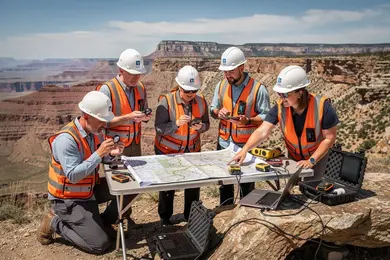
- Clinical or Field Components: Geological professions typically demand hands-on field studies, laboratory work, and site assessments. Coursework delivered solely online in accelerated 8-week terms may not provide the supervised practicums necessary to fulfill these licensing prerequisites.
- Professional Certifications: Certification bodies like the American Institute of Professional Geologists (AIPG) and the Association of Environmental & Engineering Geologists (AEG) expect candidates to demonstrate practical experience beyond academic credentials, requiring in-person components or verified fieldwork.
- Hybrid/Blended Options: Many institutions address these gaps by offering hybrid programs that deliver the majority of coursework online in 8-week sessions while integrating mandatory in-person labs, field trips, or internships. This structure enables students to meet licensing requirements without sacrificing accelerated coursework.
- State Variability: Requirements differ significantly by state, so prospective students should consult specific licensing boards to ensure compatibility between their chosen program and career goals.
For those seeking credential options without lengthy in-person commitments, it is useful to explore alternative pathways alongside degree programs-for instance, combining an accelerated online degree with recognized certifications. Some students pursue the cheapest online history master's degree to bolster related skills and maintain flexibility while satisfying credentialing bodies.
How Do Employers Verify the Legitimacy of an Online Geosciences Bachelor's Degree Completed Through 8-Week Classes?
Employers typically authenticate online geosciences bachelor's degrees earned via 8-week courses through a multifaceted process combining background checks and direct verification. The National Student Clearinghouse-a reliable third-party service-facilitates quick confirmation of enrollment and degree completion from accredited institutions. Additionally, employers often contact school registrar offices to validate transcripts and official degree status, ensuring candidate credentials match institutional records.
Third-party screening firms frequently streamline this verification, consolidating data to detect inconsistencies more efficiently. Accredited online geosciences programs, including accelerated 8-week formats, uphold the same rigorous academic requirements as traditional degrees and issue identical diplomas. Consequently, they routinely pass employer verification without complications. Accreditation from recognized agencies assures program legitimacy regardless of delivery format or pacing.
Employers remain vigilant for warning signs such as diplomas from non-accredited schools, diploma mills, or unverifiable sources. Legitimate 8-week programs avoid these pitfalls by maintaining transparency, proper accreditation, and dependable record-keeping. Graduates are advised to secure official transcripts and degree verification letters early in their job search to expedite credential confirmation and foster employer trust.
- National Verification Services: Use trusted platforms like the National Student Clearinghouse to confirm enrollment and degree authenticity swiftly.
- Registrar Confirmation: Direct registrar contact validates academic records and ensures transcript accuracy.
- Accreditation Validity: Employers treat accredited online geosciences degrees-regardless of term length-with equal legitimacy as traditional programs.
- Red Flag Detection: Hiring teams identify and reject credentials from diploma mills, unaccredited institutions, and unverifiable sources.
- Document Readiness: Keeping official transcripts and verification letters accessible streamlines employment verification and supports credibility.
How Do Transfer Credits and Prior Learning Assessment Work in 8-Week Online Geosciences Programs?
Many 8-week online Geosciences programs accept transfer credits from accredited community colleges or previously completed bachelor's degrees-typically up to 60 semester hours. Institutions usually prioritize lower-division general education credits, while major-specific courses require a closer match to the program's curriculum and must come from regionally accredited schools. This distinction ensures that core geosciences courses uphold professional standards and depth.
- Transfer Credit Limits: Most schools cap transferable credits near 60 semester hours, focusing on accepting general education coursework from accredited sources. Major courses undergo stricter scrutiny to verify content alignment with program objectives.
- Major versus General Education: General education credits generally transfer more easily, while core geosciences classes face rigorous evaluation to maintain academic quality and career preparation standards.
- Prior Learning Assessment (PLA): Students can earn credit for knowledge gained outside traditional classrooms using PLA methods, including CLEP exams, portfolio reviews, military training credits, and recommendations from the American Council on Education (ACE). These options can accelerate degree completion, especially benefiting veterans and working adults.
- Cost and Time Efficiency: Utilizing transfer credits and PLA can substantially lower tuition costs and shorten the total number of required 8-week terms. Because policies vary widely, personalized credit assessments are crucial for planning.
- Pre-Enrollment Credit Evaluation: Prospective students should seek a formal credit review before enrolling. This process clarifies how much coursework remains and helps manage timing and financial expectations for earning a Geosciences degree.
Consulting the ACE Credit Recommendation Service and individual school transfer resources offers essential guidance on accepted credits and PLA options within online Geosciences programs.
What Graduates Say About Their Online Geosciences Bachelor's Degree Programs With 8-Week Classes
- Eli: "Enrolling in the online geosciences bachelor's degree program with 8-week classes was a game changer for me. The curriculum's intensive format kept me engaged and allowed me to absorb complex concepts quickly, which was perfect for balancing work and study. I also appreciated that the university's accreditation made my degree highly respected by employers, opening doors I hadn't expected. This program truly set me up for a successful career in environmental consulting."
- Quentin: "Reflecting on my time in the online geosciences program, I can confidently say that the structured coursework provided a solid foundation in both theory and practical skills. The accelerated 8-week classes challenged me to stay disciplined and manage my time effectively, which has been invaluable in my professional life. Additionally, knowing my institution was accredited gave me peace of mind that my degree would be recognized in competitive job markets."
- Chandler: "My experience in the online geosciences bachelor's program was truly professional and rewarding. The focused 8-week classes allowed me to dive deep into key subjects without the typical semester drag-keeping me motivated throughout. Most importantly, the program's accreditation was a key factor that employers noted during my job search, and it definitely helped launch my career as a geological analyst."
Other Things You Should Know About Geosciences Degrees
Look for regional accreditation from a U.S. Department of Education-recognized agency, such as SACSCOC, HLC, NECHE, MSCHE, WASC, or NWCCU. If the program includes geology licensure preparation, check whether the institution also aligns with state board requirements for supervised field credits and lab coursework.
Admission prerequisites typically include a high school diploma or equivalent, completion of specific science and math courses, and submission of transcripts. Some programs may require a minimum GPA or standardized test scores. Always check individual program requirements for precise details.
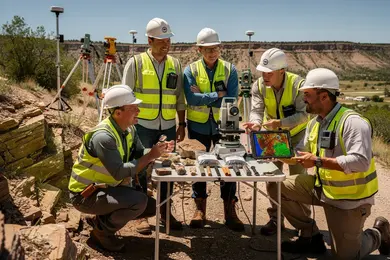
Yes, many 8-week online geosciences programs integrate virtual labs or simulated fieldwork experiences as part of their curriculum. These components help students gain practical skills through interactive simulations, though on-site fieldwork may be limited due to the online nature of the course.
References
- How Employers Verify Foreign Degrees: What You Need to Know https://www.scholaro.com/db/News/How-Employers-Verify-Foreign-Degrees-What-You-Need-to-Know-247
- Prior Learning Assessment https://lakelandcollege.ca/admissions/applying/get-ready/prior-learning-assessment.html
- Time Management for an 8 Week Course - Anna Maria College Online https://online.annamaria.edu/mpa/blog/time-management-for-8-week-course
- Professional Geologist Licensure https://www.grow-geocareers.com/licensure
- The Value of Undergraduate Geoscience Courses and Programs https://nagt.org/nagt/policy/ps-valuegeo.html
- Geoscience Programs Evolve Through Declining Enrollment https://www.aapg.org/news-and-media/details/explorer/articleid/56972/geoscience-programs-evolve-through-declining-enrollment
- 2025 Best Online Geoscience Degrees [Bachelor's Guide] https://www.mydegreeguide.com/geoscience-degree-online/
- Geoscience Currents https://profession.americangeosciences.org/research/geoscience-currents/
- Education Requirements https://www.americangeosciences.org/licensure/education/
- Online Prior Learning Assessment (PLA) Programs | Colorado State University Global https://csuglobal.edu/admissions/transfer-students/alternative-credit-options/online-prior-learning-assessment-pla-programs