2027 Is 40 Too Late to Earn a Geosciences Bachelor's Degree?

Co-Founder and Chief Data Scientist
Returning to school at 40 often sparks a mix of hope and doubt, especially when considering a geosciences bachelor's degree. Many midlife learners juggle family obligations and established routines while seeking meaningful career changes or greater job security in evolving STEM fields. With approximately 25% of geoscience professionals holding degrees earned after age 35, the path remains viable despite common concerns about time and adaptability.
Advances in flexible learning formats offer new opportunities to integrate prior experience and manage responsibilities effectively. This article explores whether 40 is too late to pursue a geosciences degree and examines key factors influencing that decision.
Key Things to Know About Whether 40 Is Too Late to Earn a Geosciences Bachelor's Degree
- Career transitions at 40 are viable; the U.S. Bureau of Labor Statistics projects 5% growth in geoscience jobs through 2032, favoring experienced and diverse professionals.
- Flexible online and part-time geosciences programs cater to adult learners, allowing balance with work and family commitments without sacrificing academic rigor.
- Completing a geosciences degree midlife enhances long-term earning potential, professional credibility, and personal fulfillment through contribution to environmental and resource management fields.
Can You Start a Geosciences Bachelor's Degree at 40?
Starting a geosciences bachelor's degree at 40 is increasingly accessible as higher education institutions adapt to a broader range of student backgrounds. Age does not restrict enrollment in undergraduate programs, and many adult learners find that their life experience enriches their academic journey. Colleges and universities recognize the value of diverse perspectives and actively promote inclusive environments where students of all ages can thrive. For those interested, exploring options among the easiest online degree programs can also provide a smooth entry into geosciences studies.
Institutions offer strong support systems that make pursuing a geosciences degree practical and welcoming for adult learners. These include inclusive academic structures with clear curriculum paths and specialized services designed to meet the needs of non-traditional students. Many schools provide dedicated advising, peer networks, and recognition of prior experience, creating pathways that align well with the goals of learners returning to education after time away. This environment helps ensure success without requiring students to conform to a traditional college mold.
What Are the Biggest Challenges of Going Back to College at 40?
Returning to college at 40 to pursue a bachelor's degree in geosciences involves navigating unique challenges that can affect success. Recent data show that adult learners often face significant hurdles related to time commitment and cost for adult learners in geosciences, which can impact their educational journey. Addressing these issues thoughtfully helps improve the chances of completing the degree.
- Time Management: Balancing academic demands with existing responsibilities requires careful planning. Adult learners typically juggle family, work, and personal obligations, meaning effective scheduling and realistic goal-setting are crucial to allocate sufficient time for study and class attendance.
- Balancing Work and Family Responsibilities: Many students in this age group manage childcare or caregiving while working part-time or full-time jobs. This dual pressure can cause fatigue and stress, highlighting the need to set clear boundaries and seek support from family, friends, or community resources.
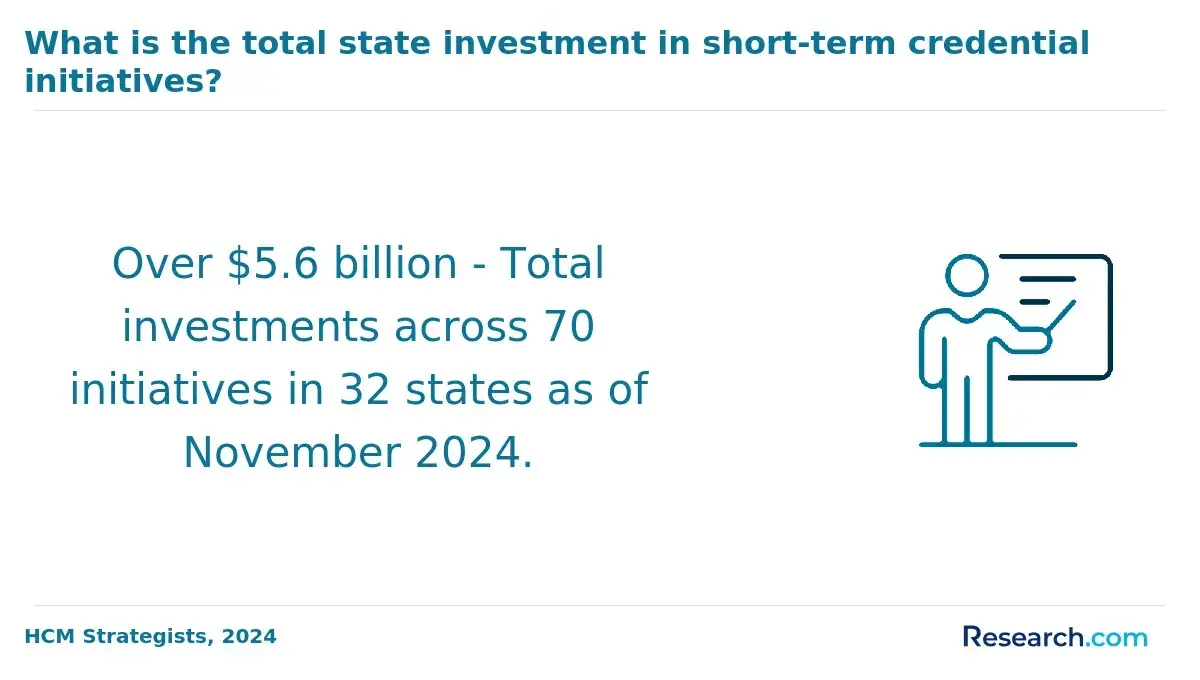
- Financial Concerns: Tuition, living expenses, and potential income loss during study periods pose challenges. Financial planning is essential, and exploring scholarships or grants designed for adult learners can ease this burden and keep educational goals on track.
- Adapting to New Learning Environments and Technology: After a long break from formal education, mastering digital platforms and specialized geosciences software can be intimidating. Early development of technical skills and utilizing campus support like tutoring or technology workshops help build confidence.
- Overcoming Self-Doubt: Many mature students wonder if they can keep pace with younger peers or succeed academically. Recognizing this feeling as common, and tapping into peer support groups or counseling services, can foster persistence and motivation throughout the program.
For those exploring advanced degree options later in life, researching online EMBA programs can offer insights into balancing education with other commitments.
Can You Work Full-Time While Earning a Geosciences Degree at 40?
Balancing a full-time job while pursuing a bachelor's degree in geosciences at age 40 is challenging but entirely feasible with effective time management and dedication. Many adult learners find that their professional experience and motivation help them maintain focus on academic goals despite work commitments. By organizing a consistent study routine and using available support networks, students can meet deadlines and engage meaningfully with coursework. This demonstrates that age 40 is not a barrier to earning a degree, as employment can provide financial stability and real-world insights that enhance academic learning. Maintaining both roles simultaneously requires adaptability and commitment, qualities that benefit academic and professional success alike.
When asked about working full-time while studying geosciences, a professional over 40 currently enrolled shared, "It's definitely demanding, especially juggling deadlines with my job's responsibilities, but establishing a strict schedule early on made a huge difference." He described moments of fatigue, noting, "Some days, it feels overwhelming balancing evening study sessions after work, but staying motivated by my career goals helps push me through." He also emphasized the value of employer support, saying, "Having understanding supervisors who accommodate my class schedule was crucial." Overall, he views the experience as tough but rewarding, with each completed course reinforcing that returning to school at this stage is achievable and worthwhile.
What Are the Most Flexible Ways to Earn a Geosciences Bachelor's Degree at 40?
Flexibility is essential for adult learners around 40 and older who want to pursue a geosciences bachelor's degree. Many juggle work, family, and other responsibilities, so adaptable study options help them stay on track without overwhelming their schedules.
- Online Learning: Flexible online geosciences degree programs for adult learners allow access to course materials anytime, anywhere. This eliminates commute times and fits well with unpredictable work hours or family needs.
- Part-Time Enrollment: Choosing part-time geosciences bachelor's degree options at 40 enables steady academic progress with a manageable course load. Spreading classes over multiple terms helps balance education with other life demands.
- Evening and Weekend Classes: These classes provide opportunities to attend in-person sessions outside typical work hours. This fosters direct engagement with instructors and classmates while maintaining daytime job commitments.
Self-Paced Study: Programs allowing learners to set their own pace accommodate varying life challenges and busy periods. This reduces stress and supports consistent advancement through the degree.
For adults seeking efficient degree paths, exploring options similar to how to get a business degree fast can also provide useful strategies for balancing life and education.
How Long Does It Take to Finish a Geosciences Bachelor's Degree at 40?
Completing a geosciences bachelor's degree around age 40 often aligns with the typical four-year timeline of younger students, but individual circumstances can affect this duration. Many adult learners encounter unique challenges and advantages that influence how quickly they finish their studies.
- Course Load: Balancing work, family, and education often requires taking fewer classes each term. Part-time study extends the timeline but helps maintain a sustainable pace alongside other life responsibilities.
- Prior Learning: Transfer credits from previous college work or recognition of relevant professional experience can shorten the path to graduation by satisfying course requirements early on.
- Academic Preparation: Returning to school after a break may involve refreshing foundational knowledge in subjects like math or science, potentially adding semesters for prerequisite courses.
- Life Commitments: Adult students face demands that younger students might not, such as caregiving or full-time employment, which can slow academic progress but also build resilience and time management skills.
- Advising Support: Access to academic advising tailored for adult learners helps with course planning and avoiding unnecessary delays, keeping degree completion on track.
An adult learner who returned to college at 40 to earn her geosciences degree shared that although juggling family and a job made full-time study impossible, careful planning and steady progress were key. She described moments of self-doubt but noted that seeking support from advisors and peers helped her stay motivated. Reflecting on her journey, she remarked, "It wasn't about rushing, but about making each step count." This perspective highlights that finishing a geosciences bachelor's degree at 40 can be a rewarding experience shaped by adaptability and commitment.
How Much Does It Cost to Get a Geosciences Bachelor's Degree at 40?
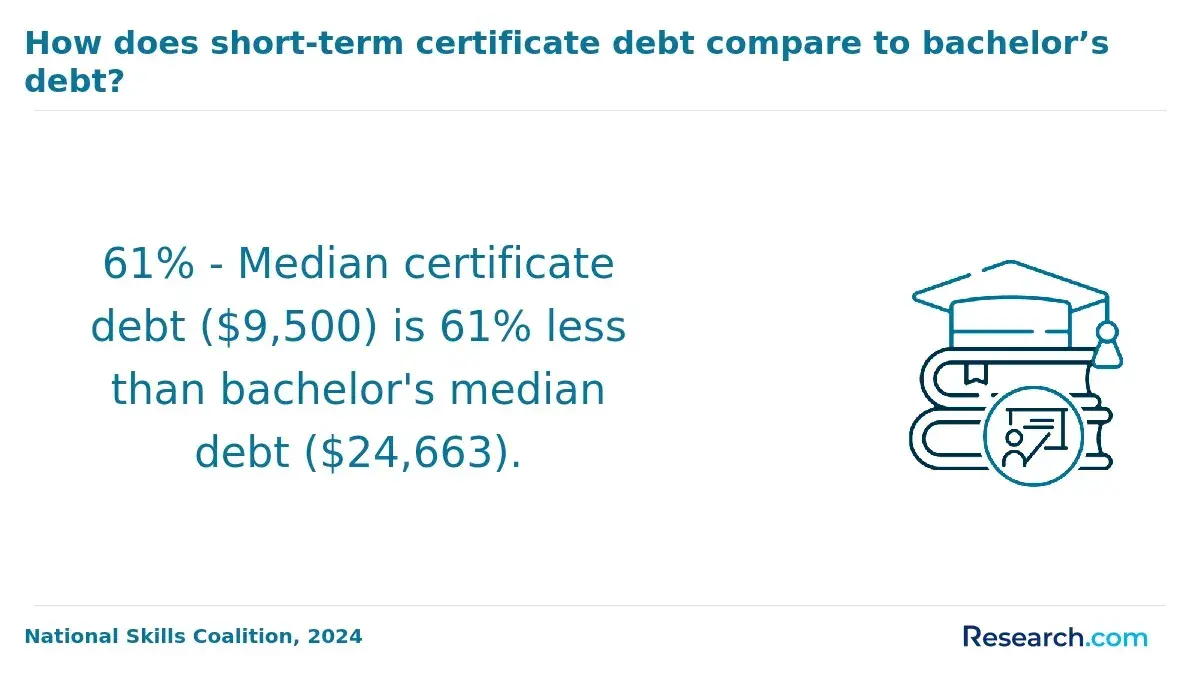
The average cost to complete a geosciences bachelor's degree can range widely but often approaches tens of thousands of dollars when factoring in tuition and related expenses. For students returning to education at 40, understanding the breakdown of these costs is essential for effective budgeting and planning. Several key considerations shape the total financial commitment involved.
- Tuition Variability: Tuition fees are the largest expense and can differ significantly depending on whether the institution is public, private, or a community college. Enrollment status, such as full-time versus part-time, also impacts the total tuition paid over the course of study.
- Learning Materials: Costs for textbooks, laboratory manuals, specialized software, and equipment can add substantially to expenses. While some resources may be available digitally or through libraries, many geosciences programs require access to these materials throughout the degree.
- Additional Fees: Beyond tuition and materials, students may face extra charges including registration fees, technology access, and lab usage. Certain programs also include fieldwork fees, which are important components of geosciences education but increase the overall cost.
- Enrollment Intensity: Many adult learners choose part-time enrollment to balance work and family obligations. Although this often extends the timeframe for degree completion, it may spread out expenses in a way that fits better with personal finances.
- Indirect Living Expenses: Transportation and housing costs impact the total investment, especially for those attending on campus. Online courses can reduce these expenses, but personal circumstances will influence how much these factors add to the overall cost.
What Are the Risks of Going Back to College at 40?
Returning to college at 40 to pursue a bachelor's degree in geosciences can be rewarding but also presents unique challenges. Adult learners face specific risks that can impact their academic success and overall experience. Considering these factors helps improve preparation and adaptation.
Key considerations include:
- Workload Demands: Geosciences programs involve complex scientific material, laboratory tasks, and fieldwork requiring sustained concentration and effort. Adjusting to this intensity after years away from formal education may demand disciplined study habits and time management.
- Social Adjustment: Older students often enter classrooms with younger peers, which can affect social dynamics and participation in group activities. However, mature students frequently contribute valuable life experience that enriches discussions and collaboration.
- Balancing Responsibilities: Many forty-year-old students juggle family obligations, such as parenting or caregiving, along with professional commitments. Successfully managing coursework alongside these demands requires effective support systems and organizational skills.
- Physical and Mental Stamina: Returning to rigorous academic work can increase stress and fatigue. Maintaining health and developing coping strategies are essential for sustaining focus and well-being throughout the program.
By understanding these risks and challenges, adult learners can realistically prepare for the demands of earning a geosciences bachelor's degree, making it an achievable goal regardless of age.
Can You Start a New Career at 40 With a Geosciences Bachelor's Degree?
Starting a new career at 40 with a geosciences bachelor's degree is a realistic pursuit that can lead to rewarding opportunities. A degree in geosciences provides essential analytical, problem-solving, and technical skills relevant across various sectors like environmental consulting, energy, and natural resource management. Many find that career change opportunities with geosciences degree at 40 are enhanced by the blend of new academic knowledge and the professional experience older students bring. This combination often gives mature graduates an edge in securing dynamic roles within the evolving job market.
Workforce trends increasingly support adult learners who are starting a geosciences career later in life, reflecting a broader acceptance of lifelong learning and career transitions. Industries have adapted to accommodate such changes, providing more accessible pathways for those returning to education after time in other fields. This evolution is partly driven by technological advancements and the need for continuous skill development throughout a person's working life. For those exploring their options, considering programs like online MBA programs no GMAT low-cost can be part of a strategic approach to education and career growth.
Do Employers Value Geosciences Bachelor's Degrees Earned at 40?
Employers generally value geosciences bachelor's degrees earned at age 40, recognizing the unique advantages that adult learners bring to the workforce. The combination of formal education and extensive professional or life experience can enhance critical thinking and problem-solving skills, which are highly prized in scientific and technical fields. According to a 2022 Society for Human Resource Management (SHRM) survey, more than 70% of employers hold positive views about hiring individuals who return to education later in life.
For adult learners exploring career prospects with a geosciences degree, several employer perspectives are important to consider:
- Skill Relevance and Currency: Employers expect up-to-date technical knowledge that aligns with current industry technologies, ensuring graduates can contribute effectively from day one.
- Professional Experience Integration: The ability to merge real-world work experience with academic learning is a significant asset, often resulting in more practical and insightful contributions at work.
- Continuous Learning: Earning a degree at 40 demonstrates a commitment to lifelong education, which reassures employers about an individual's adaptability and willingness to evolve with scientific advancements.
- Adaptability and Problem-Solving: Mature students frequently show enhanced adaptability and critical thinking, vital for addressing complex geological and environmental challenges.
- Interpersonal and Leadership Skills: Life experience often translates into stronger communication and teamwork capabilities, indispensable in collaborative geoscience projects.
Adult learners interested in augmenting their credentials may also explore short certificate programs that pay well to complement their geosciences knowledge and expand career opportunities.
What Steps Should I Take Before Applying to a Geosciences Bachelor's Program?
Careful preparation before applying to a geosciences bachelor's degree program improves your chances of academic success and confident decision-making. For adult learners, especially those aged 40 and above, early planning helps align prior experiences with academic demands. Research shows that 42% of returning adult students who prepare thoroughly before enrollment enjoy higher persistence rates.
Consider these important steps as you get ready to apply:
- Assess Academic Background: Examine your past coursework to verify if you meet essential prerequisites like math and science. Identifying any gaps early allows time for necessary refresher or remedial classes.
- Clarify Program Requirements: Different geosciences programs may have varying admission standards, including GPA thresholds and required tests. Understanding these criteria ensures you can tailor your preparation effectively.
- Explore Learning Formats: Many institutions offer in-person, online, or hybrid classes. Choose the format that best fits your lifestyle, commitments, and preferred study methods for optimal engagement.
- Prepare Application Materials: Gather transcripts, recommendation letters, and personal statements well before deadlines. Having these documents ready ahead reduces stress and allows time for revisions.
What Graduates Say About Earning a Geosciences Bachelor's Degree at 40
- Ellie: "Returning to college at 42 was daunting, but I wanted a meaningful career change that aligned with my passion for the environment. Choosing a geosciences bachelor's degree made sense because it combined fieldwork with scientific analysis, which I found incredibly rewarding. Earning this degree at my age has opened up opportunities I never thought possible, proving that it's never too late to follow your dreams."
- Quentin: "I decided to pursue a geosciences bachelor's degree at 45 after years of feeling unfulfilled in my previous job. My motivation was to gain a deeper understanding of earth processes and contribute to sustainability efforts. The experience was transformative; it taught me resilience and gave me fresh career prospects that have reinvigorated my professional life."
- Jace: "At 48, going back to school for geosciences was a calculated step to enhance my expertise in a competitive job market. I chose this degree because I wanted to support environmental consulting with solid scientific backing. The knowledge gained has been invaluable in advancing my career, and it's clear that age is just a number when it comes to education and professional growth."
Other Things You Should Know About Geosciences Degrees
A geosciences bachelor's degree opens doors to a range of careers including environmental consulting, geological surveying, natural resource management, and hazard assessment. Many employers value the practical experience mature students bring, especially in fieldwork and project management roles related to geosciences.
Strong skills in geology, earth chemistry, and data analysis are essential for geosciences students. Proficiency with geographic information systems (GIS) and remote sensing technologies also enhances employability. A solid foundation in critical thinking and scientific methods is necessary for solving complex earth science problems.
Returning to school at 40 or older can expand professional networks through connections with professors, classmates, and industry events. Many universities have career centers and alumni groups that facilitate introductions to geosciences professionals, which can be valuable for job placement and mentorship.
References
- Is 40 Too Late For A Bachelor's Degree? https://ftp.bills.com.au/lunar-tips/is-40-too-late-for-a-bachelors-degree-1764816620
- Choosing Your Degree https://www.geolsoc.org.uk/Geology-Career-Pathways/University/Choosing%20your%20degree.html
- Returning to College at 40+: What to Expect https://www.buzzfeed.com/jenniferadams2/people-over-40-sharing-what-its-like-to-go-back-to-college
- 8. Recruiting, Retaining, and Promoting Success of Undergraduate Students with Emphasis on Students Underrepresented in the Geosciences https://www.americangeosciences.org/change/sections/recruitment/
- How to go back to school at 40 https://www.bbc.com/worklife/article/20150403-back-to-school-at-40
- What coursework should I take to become a successful Applied Geoscientist? https://www.aegweb.org/index.php
- It's Never Too Late: Why It's Ok to Go Back and Get Your Degree in Your 40s https://www.pointloma.edu/resources/accelerated-undergraduate/its-never-too-late-why-its-ok-go-back-get-your-degree-your-40s
- How to return to college as an adult - THE MIDST https://the-midst.com/college-after-40/
- Going Back to School at 40? Here’s How to Succeed | Outlier https://articles.outlier.org/going-back-to-school-at-40