2027 Highest Paying Careers With a Geosciences Bachelor's Degree

Co-Founder and Chief Data Scientist
Graduates with a Geosciences bachelor's degree often seek careers that balance passion for earth systems with strong earning potential. Industries such as energy, environmental consulting, and mining offer roles where geologists, hydrologists, and geophysicists can secure lucrative salaries.
With the U.S. Bureau of Labor Statistics projecting a 7% growth in geoscientist employment through 2031, job stability accompanies financial rewards. Those prioritizing long-term wealth accumulation or support for specialized skills may find the Geosciences field especially promising. This article explores the highest paying careers available for Geosciences graduates, emphasizing salary trends to aid in informed educational and career decisions.
Key Benefits of the Highest Paying Careers With a Geosciences Bachelor's Degree
- Highest-paying careers in Geosciences offer median salaries exceeding $90,000, reflecting strong earning potential early and throughout professional life.
- These roles typically provide clear pathways to leadership positions, supported by industry demand for experts with analytical and management skills.
- Geosciences careers promote long-term financial stability and professional growth through continuous skill development and opportunities in diverse sectors like energy, environment, and government.
How Much Do Geosciences Bachelor's Degree Jobs Pay on Average?
Jobs requiring a bachelor's degree in Geosciences typically offer average salaries ranging from about $50,000 to $85,000 annually. For context, recent labor data shows that the median annual wage for earth and environmental scientists, a common career path for those with a Geosciences bachelor's degree, is around $74,000.
This range serves as a useful benchmark for prospective students considering how much do geosciences bachelor's degree jobs pay on average within the United States. Graduates exploring earning potential can also find related information by researching short careers that pay well to identify promising opportunities in this field.
Salary outcomes vary depending on several factors including experience, industry, and location. Entry-level Geosciences graduates often start at the lower end of the pay scale, while individuals with more years of relevant experience typically earn higher salaries.
Geographic areas with a strong demand for geoscience expertise or higher living costs may offer better wages. Understanding the average salary for entry-level geosciences graduates helps set realistic expectations, although actual compensation depends on the specific job setting and regional market dynamics.
What Are the Highest-Paying Jobs With a Geosciences Bachelor's Degree?
Graduates holding a bachelor's degree in geosciences can pursue several high-paying jobs across various industries, with earnings influenced by experience and location. These roles provide excellent income opportunities without requiring additional certifications or advanced degrees.
Exploring the best career options for geosciences graduates with high salaries highlights a range of practical and impactful professions.
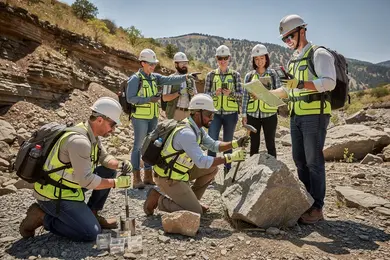
- Environmental Consultant: Environmental consultants assess soil, air, and water samples to identify potential environmental risks for construction and industrial projects. They play a key role in helping organizations comply with environmental regulations and typically earn around $70,000 annually, making it one of the highest-paying geosciences bachelor's degree jobs.
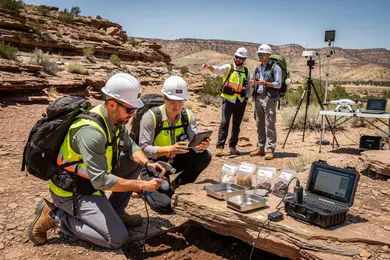
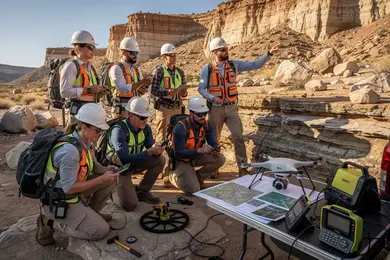
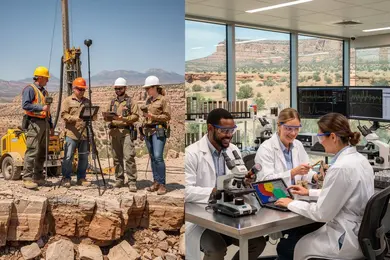
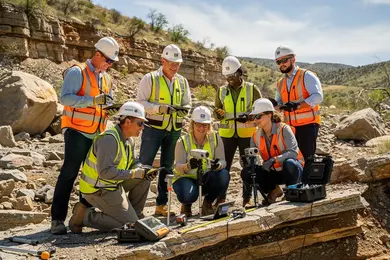
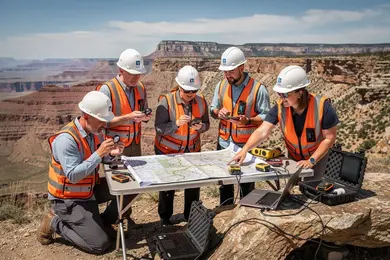
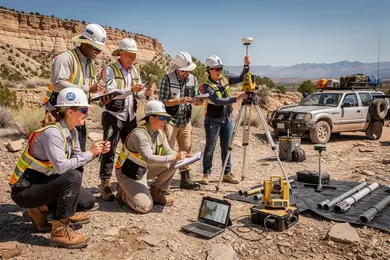
- Geological Technician: These technicians assist geologists by collecting and analyzing mineral and rock samples, often using specialized equipment in the field. With an average salary near $55,000, this role offers valuable hands-on experience and solid income early in a geosciences career.
- Hydrologist Assistant: Assisting hydrologists, these professionals study water movement, quality, and distribution to support water resource management and flood prevention. This growing field rewards assistants with an average annual salary of about $60,000, reflecting the importance of sustainable water solutions.
- Petroleum Geologist Assistant: Working in natural resource extraction, petroleum geologist assistants analyze geological data related to oil and gas deposits. Their expertise supports exploration efforts, and their salaries average around $65,000 per year, benefiting from ongoing industry demand.
- Mining Engineer Assistant: Supporting mining engineers, these assistants evaluate mineral deposits and optimize extraction methods. With an average income near $60,000 annually, they contribute to efficient resource recovery and environmental safety in mining operations.
Those seeking to advance their education further might explore affordable options for engineering degrees, such as those highlighted in engineering degrees. Overall, the highest-paying geosciences bachelor's degree jobs offer a solid foundation for a rewarding career related to the Earth's resources and environment.
What Are the Highest-Paying Entry-Level Jobs With a Geosciences Degree?
Graduates holding a bachelor's degree in geosciences have access to several well-paying entry-level job options soon after completing their studies. These roles typically involve hands-on fieldwork combined with analytical tasks, providing a solid start for those looking to launch lucrative careers.
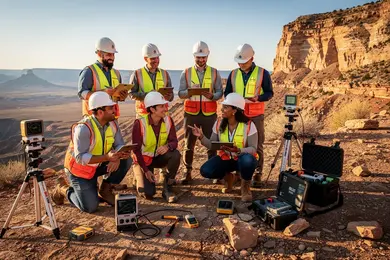
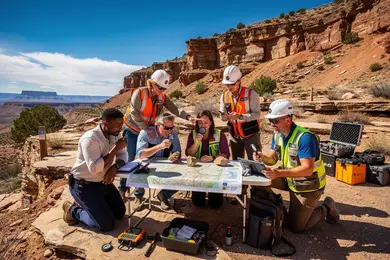
- Environmental Consultant: Entry-level environmental consultants earn around $58,000 annually by evaluating environmental impacts for various projects. Their work includes collecting field samples, preparing reports, and liaising with regulatory bodies, offering a practical application of geosciences principles.
- Geological Technician: With an average starting salary near $55,000, geological technicians assist in gathering and testing samples for mining, oil, or environmental purposes. This role involves both field and laboratory work, fostering skill development through direct support of geologists.
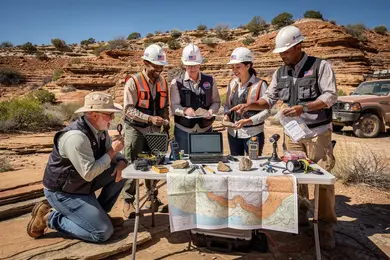
- Hydrogeologist: Early-career hydrogeologists typically make about $60,000 each year by studying groundwater movement and contamination. Their contributions include performing onsite measurements, conducting data analysis, and assessing environmental impacts related to water resources.
- Petroleum Geologist: Starting salaries for petroleum geologists hover around $62,000 as they analyze subsurface formations to locate oil and gas reserves. Their tasks largely involve interpreting seismic data and rock samples, connecting geological knowledge directly to resource exploration.
- Geospatial Analyst: Entry-level geospatial analysts earn approximately $57,000 by using GIS technology to interpret spatial data connected to landscapes and resource management. This position appeals to graduates interested in merging geosciences with advanced data visualization tools.
A graduate of a geosciences bachelor's program shared her experience about entering the workforce: she recalled the initial challenge of balancing detailed field observations with technical data analysis. "It was exciting but also overwhelming at first," she said, highlighting how managing unexpected weather conditions during surveys taught her resilience.
She appreciated how early projects required clear communication with team members and agencies, saying, "Those early collaborations really shaped my confidence in applying academic concepts to real-world problems." This firsthand insight underscores the blend of practical and analytical demands that distinguish these entry-level roles.
What Are the Highest-Paying Industries for Geosciences Majors?
Compensation for individuals with a geosciences bachelor's degree can differ greatly depending on the industry they enter. Some sectors provide significantly higher wages due to the complexity and economic value of their operations. Choosing the right industry can substantially impact earning potential.
- Oil and Gas: This sector demands specialized knowledge for locating and extracting natural resources, often in technically challenging environments. The high financial risks and intricate project requirements contribute to elevated pay scales for geosciences graduates.
- Mining: Mining companies allocate extensive resources to discover and develop mineral deposits, relying heavily on geosciences expertise. The constant global demand for metals and minerals supports lucrative compensation opportunities here.
- Environmental Consulting: Firms in this field focus on environmental impact assessments, natural resource management, and regulatory compliance. These critical services create competitive salaries for professionals skilled in geosciences.
- Construction and Civil Engineering: Specialists who understand ground conditions play a vital role in infrastructure projects, helping to reduce risks and prevent costly failures. This importance translates into attractive pay within this industry.
- Government and Energy Sectors: Agencies working on natural resources, environmental protection, and energy policy offer well-paid roles that require in-depth geosciences knowledge for large-scale project analysis and policymaking.
What High-Paying Remote Jobs Can I Get With a Geosciences Bachelor's Degree?
Remote roles available to graduates with a geosciences bachelor degree frequently offer competitive salaries, particularly in technical and analytical positions. Compensation varies across industries and experience levels, yet many remote opportunities allow professionals to make significant contributions while working from home.
- Environmental Consultant: These consultants evaluate soil, water, and air quality data to support environmental regulations and sustainable initiatives. Their work relies heavily on digital data analysis and reporting, making it well-suited for remote arrangements. Salaries generally range between $70,000 and $110,000 per year.
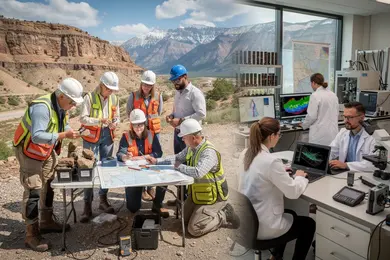
- Geospatial Analyst: Using geographic information systems (GIS), geospatial analysts interpret spatial information for clients such as governments and corporations. With much of their work computer-based, they can effectively operate remotely. Annual earnings typically fall from $65,000 to $105,000.
- Remote Field Data Coordinator: These coordinators oversee the collection and verification of geological data, often managing remote teams conducting fieldwork. The role's combination of data oversight and communication fits remote work environments, with salaries from $60,000 to $95,000 annually.
- Oil and Gas Data Specialist: Specialists analyze geological datasets to aid exploration and production processes. The position's data-centric tasks accommodate remote execution, offering pay between $80,000 and $120,000 per year.
- Climate Data Scientist: Focused on modeling climate trends and analyzing large datasets, these scientists provide insights supporting environmental policy and planning. Their expertise with extensive data sets facilitates remote employment, with salaries ranging from $75,000 to $115,000.
Students exploring remote job opportunities with a geosciences bachelor degree may consider expanding their skillset alongside their core studies or investigate fields related to construction management degree online to enhance career flexibility.
What Factors Affect Salary With a Geosciences Bachelor's Degree?
Salaries among professionals holding a Geosciences bachelor's degree can vary widely, even with identical academic credentials. Multiple elements play a role in shaping how much graduates earn, influencing their financial growth within the field.
- Experience Level: Early-career graduates usually start with lower pay as they develop practical skills and industry insight. With increased experience, professionals often command higher salaries due to greater expertise and proven capabilities.
- Industry Demand: Fields with strong needs for geosciences expertise, such as energy and environmental sectors, typically offer more lucrative compensation. Fluctuations in these markets can directly impact salary ranges available to graduates.
- Job Role Complexity: Positions that involve managing intricate projects or utilizing advanced analytical tools often provide higher wages. Greater responsibilities and technical challenges generally correlate with enhanced earning potential.
- Company Size and Resources: Larger organizations with substantial budgets are more likely to offer better financial packages and benefits compared to smaller employers. Such companies can invest more in rewarding specialized skills.
- Geographic Location: Compensation levels differ notably depending on where a geosciences professional works. Regions with elevated living costs or concentration of related industries tend to present higher salary opportunities than less developed areas.
What Skills Increase Salary for Geosciences Bachelor's Degree Holders?
Developing targeted skills can significantly enhance salary potential for those with a geosciences bachelor's degree, even when working in similar fields. Industry data shows that professionals who blend technical capabilities with strong analytical skills can earn up to 20% more than their counterparts lacking these competencies.
Recognizing which skills elevate earning prospects helps graduates make informed career decisions.
Several key skills stand out for boosting salaries among geosciences graduates:
- Data Analysis: Expertise in interpreting complex datasets enables professionals to drive smarter decision-making and improve project efficiency, making them indispensable to employers.
- Geographic Information Systems (GIS) Proficiency: Mastery of GIS tools aids spatial data visualization and resource management, which are critical for effective planning and problem-solving in geosciences.
- Technical Writing: The capacity to clearly document scientific research enhances communication with stakeholders and increases the likelihood of influencing strategic choices and funding opportunities.
- Problem-Solving: Analytical thinking skills help address environmental and exploration challenges creatively, demonstrating adaptability and innovation valued by employers.
- Programming Skills: Proficiency in languages like Python or R automates data workflows, boosting productivity and accuracy, which translates to higher compensation.
One professional with a geosciences bachelor's degree shared that early in his career, navigating complex datasets without formal programming experience was overwhelming. "I realized that learning Python wasn't just about coding; it was about transforming how I approached problems," he said.
Over time, this skill allowed him to automate routine tasks and focus on more strategic analysis, which noticeably impacted his job performance and salary growth. He noted that mastering GIS was similarly transformative, opening new project opportunities that required advanced spatial analysis. These experiences underscore how specific skills not only refine technical expertise but also increase one's market value in the field.
What Certifications Increase Salary After a Geosciences Bachelor's Degree?
Professional certifications are a strategic way for graduates with a geosciences bachelor's degree to enhance their credibility and boost their earning potential. Data from the American Geosciences Institute shows that certified professionals can earn 10-20% more than their non-certified counterparts.
Below are key certifications that significantly increase salary prospects and demonstrate specialized expertise.
- Professional Geologist (PG) License: This certification verifies competency in geology and grants legal authority to approve environmental and engineering reports, a responsibility that commands higher pay.
- Certified Petroleum Geologist (CPG): Indicating expertise in petroleum exploration and production, this credential aligns with well-paid roles in the energy sector, increasing marketability and salary potential.
- Certified Hydrogeologist: Focused on groundwater and water resource management, this certification taps into a niche with growing demand, often leading to enhanced compensation.
- Environmental Professional (EP): Demonstrating skills in environmental science and regulatory compliance, the EP credential is valued in sustainable industries, improving job prospects and salary.
- Geographic Information Systems Professional (GISP): With increasing reliance on geospatial data, this certification signals advanced technical skills, which can translate into better-paid technical roles.
- Project Management Professional (PMP): For geoscientists combining technical know-how with leadership, PMP certification often results in higher pay due to project oversight responsibilities.
By earning one or more of the best professional certifications for geosciences graduates, individuals can better align their skills with industry demands. Those considering further credentials might also explore the cheapest masters in counseling online to complement their technical background and expand career opportunities.
Which High-Paying Jobs Require a Master's After a Geosciences Bachelor's Degree?
Many of the highest-paying careers for individuals holding a bachelor's degree in geosciences require a master's degree to gain specialized expertise and meet industry standards. According to the U.S. Bureau of Labor Statistics, professionals with a master's degree in earth sciences generally achieve higher earning potential and access to leadership roles.
This trend highlights the value of an advanced degree for those targeting competitive positions.
Here are some high-paying jobs that typically require a master's degree after earning a geosciences bachelor's degree:
- Hydrogeologist: This role focuses on studying groundwater movement and quality. A master's degree is necessary to develop expertise in hydrogeologic processes and advanced modeling techniques important for environmental assessments and managing water resources.
- Geophysicist: Geophysicists analyze the Earth's physical properties using complex instrumentation and data interpretation. Graduate studies provide technical skills and research experience vital for conducting seismic and magnetic analyses at an advanced level.
- Petroleum Geologist: Working in oil and gas exploration, petroleum geologists need a master's degree to specialize in subsurface geology and reservoir characterization, enabling more precise resource evaluation and extraction planning.
- Environmental Consultant: Consultants with advanced degrees assess and manage environmental risks, including contamination and remediation, while ensuring regulatory compliance with expert knowledge gained through graduate education.
- Geochemist: This career demands in-depth knowledge of chemical processes within rocks and minerals. A master's degree hones laboratory skills and understanding of chemical interactions critical for mining, energy, and environmental sectors.
These advanced degree careers in geosciences offer greater opportunities for higher salary and specialized roles. For prospective students interested in exploring other pathways with good earning potential, easy certifications to get online may provide complementary options.
Which Geosciences Fields Are Future-Proof and High Paying?
Fields within geosciences that remain resilient tend to be anchored in long-term industry needs, ongoing technological innovation, or vital global services. These areas provide stable career opportunities and attractive compensation due to their essential roles and adaptability to changing demands.
- Energy Resources: This specialization focuses on renewable energy and sustainable practices in oil and gas extraction. The combination of global energy demands and advances in environmentally conscious technologies secures steady growth and income potential.
- Environmental Geosciences: With climate change and ecological conservation at the forefront, professionals in this field play key roles in risk assessment, environmental regulation, and promoting sustainability, leading to increased demand and rewarding salaries.
- Hydrogeology: Addressing water scarcity through groundwater management, this field is crucial for ensuring clean water access. Its importance in public health and resource management supports ongoing job stability and financial reward.
- Geospatial and Remote Sensing Technologies: Utilizing satellite data, drones, and analytics, specialists provide vital insights for urban planning and disaster mitigation. Continuous tech advancements make this a scalable and lucrative discipline.
- Mineral Exploration and Mining Geology: As raw materials drive technological progress and infrastructure development, this area benefits from innovation in sustainable extraction, maintaining its economic relevance and high earning opportunities.
What Graduates Say About the Highest Paying Careers With a Geosciences Bachelor's Degree
- Ellie: "Graduating with a bachelor's degree in geosciences opened doors to a career path with impressive earning potential that exceeded my expectations. The high demand for skilled professionals in environmental consulting and petroleum sectors gives me greater job stability. I also appreciate the clear opportunities for advancement, which have empowered me to take on management responsibilities within a short time."
- Quentin: "Reflecting on my journey, I value how my geosciences degree positioned me well in an industry that's consistently growing despite economic shifts. The combination of strong demand and competitive salaries has allowed me to build a secure foundation. Moreover, the field encourages continuous learning, which has led me to leadership roles and expanded my influence on projects."
- Jace: "From the start, I was drawn to geosciences because it promised not only solid financial rewards but also meaningful work with lasting impact. The sector's robust demand means I rarely worry about job security, which is a huge relief. What's most fulfilling is the clear pathway for career growth, allowing me to transition smoothly from technical roles into strategic positions over time."
Other Things You Should Know About Geosciences Degrees
In 2027, top-paying careers with a Geosciences Bachelor's Degree include petroleum geologist, mining engineer, and environmental consultant. These roles often command higher salaries due to their specialized skills in resource extraction, environmental management, and energy production. Employers value expertise in data analysis, fieldwork, and technical evaluation.
Yes, internships play a crucial role in building practical experience and networking opportunities. Employers in geosciences highly value hands-on experience gained through internships or cooperative education programs, which can significantly improve chances of landing higher-paying positions after graduation.
Geographic location can greatly impact job availability and salary levels in geosciences. Regions with active natural resource industries, such as oil and gas or mining, tend to offer more high-paying opportunities. Conversely, locations lacking these industries may have fewer positions and lower salary ranges.
Continuing education is important for staying current with advances in technology and industry standards in geosciences. While a bachelor's degree is sufficient for many roles, additional training, certifications, or advanced degrees can enhance career prospects and lead to higher salaries over time.
References
- Certifications https://www.grow-geocareers.com/certifications
- Geology Careers https://geology.wwu.edu/geocareerinfo
- 500+ Water Jobs (Updated Today) â Free to Apply https://jobs.watertechintel.com/blog/geology-major-jobs
- Get Hired for the Best Fully Remote Jobs https://www.workingnomads.com/remote-geoscience-jobs
- Salary Information https://www.geolsoc.org.uk/Geology-Career-Pathways/Careers/Salary-Information.html
- Top 10 Highest Paying Geology Jobs 2025 (Inc Salaries) | Nexford University https://www.nexford.edu/insights/highest-paying-geology-jobs
- High-Earning Careers in Geology | Rangefront Geological https://rangefront.com/blog/high-earning-jobs-geology/
- What Does the Future Demand Look Like for Applied Geoscientists? https://www.aegweb.org/index.php
- 20+ Geoscience Careers & How Much Geoscientists Make https://career360.snhu.edu/videos/20-geoscience-careers-how-much-geoscientists-make/