2027 Online Geosciences Bachelor's Degrees for Career Changers

Co-Founder and Chief Data Scientist
Facing burnout or limited advancement, many mid-career professionals reconsider their paths and seek fresh opportunities. The shift toward more sustainable and adaptable industries has sparked interest in geosciences, a field offering promising roles linked to environmental and energy sectors.
Online geosciences bachelor's degree programs provide the flexibility necessary for working adults, enabling them to balance education with existing commitments. With enrollment in online STEM degrees growing by over 40% in the past five years, these programs meet a rising demand for accessible, skill-focused training.
This article explores how online geosciences degrees support career changers in making a successful transition into this dynamic field.
Key Benefits of Online Geosciences Bachelor's Degrees for Career Changers
- Online geosciences bachelor's degrees offer flexible scheduling, enabling working professionals to balance education with career and personal commitments effectively.
- Many programs are accredited, ensuring quality education that meets industry standards and is recognized by employers nationwide.
- Curricula align with emerging geosciences fields such as environmental consulting and renewable energy, supporting transitions into growing, high-demand careers.
Is an Online Geosciences Bachelor's Degree Good for Career Changers?
Many career changers find an online geosciences bachelor's degree appealing because it offers a focused path to enter a new professional field with relevant scientific and technical knowledge. Approximately 40% of postsecondary students are age 25 or older, highlighting the significant presence of adult learners pursuing degrees later in life.
This demographic often seeks programs that accommodate their unique needs, and the benefits of online geosciences degrees for career transition include flexibility and access to specialized instruction without geographic constraints. These factors help reduce barriers for individuals committed to shifting their career focus.
Online geosciences programs frequently provide structured academic pathways designed to guide students efficiently through their studies while maintaining accessibility for nontraditional learners. Institutions offering these degrees often align curricula closely with industry-relevant skills and knowledge, making it easier for career changers to gain expertise that employers value.
For those looking to balance responsibilities, understanding how to balance work and online geosciences studies is essential, and many programs offer resources to support time management and academic success. Some professionals also explore comparable fields like MBA online programs when considering diverse career development options.
Can I Work Full-Time While Studying an Online Geosciences Degree?
Many students choose to pursue an online Geosciences bachelor's degree while working full-time because of the flexibility this mode of learning offers. Online programs are specifically designed to accommodate working professionals, enabling them to balance a full-time job with geosciences studies without rigid class schedules or daily campus attendance.
Recent data shows that about 70% of online college students maintain either full-time or part-time employment, underscoring the importance of adaptable learning formats for adult learners. This flexibility allows career changers and busy professionals to advance their education while sustaining financial stability and gaining practical experience.
Online Geosciences programs typically utilize asynchronous coursework, allowing students to engage with lectures, assignments, and reading materials whenever their schedules permit. Many courses adopt a modular structure, dividing content into manageable units that students can complete at their own pace.
Additionally, universities often offer tailored support such as virtual tutoring, flexible deadlines, and dedicated advisors who understand the challenges of balancing work and study. For those seeking affordable options, it may be helpful to explore the cheapest engineering degree programs, as some institutions offering online geosciences degrees also align with cost-effective academic pathways.
What Skills Do I Need to Succeed in an Online Geosciences Program as a Career Changer?
Career changers enrolling in an online geosciences bachelor's program benefit from recognizing which skills will help them adapt and thrive. Adult learners make up a significant portion of higher education.
Data from the National Center for Education Statistics shows that around 41% of undergraduates are over 25. With this context, understanding the crucial skill set can better prepare students for success.
Key abilities for online geosciences students include:
- Scientific Reasoning: A strong grasp of scientific methods and critical thinking is essential. Geosciences students analyze complex environmental data, requiring the ability to evaluate and interpret information accurately.
- Quantitative Skills: Proficiency in calculus and statistics is necessary since much of geosciences involves working with numerical data to understand Earth's processes.
- Time Management: Online coursework demands self-discipline, especially for career changers juggling multiple commitments. Efficiently scheduling study time ensures consistent progress without the structure of in-person classes.
- Digital Literacy: Navigating learning platforms, specialized geospatial software, and online research tools is critical. Comfort with technology directly impacts the learning experience and access to resources.
- Communication: Clear written communication is vital for assignments like lab reports and research papers. Being able to convey complex concepts effectively supports academic and professional growth.
One professional pursuing an online geosciences degree described how balancing past work experience with new academic demands can be challenging yet rewarding. He shared, "Adapting to the technical language and software took time, but my problem-solving background helped me approach it logically."
He also noted, "Managing my schedule around family and freelance work required strict discipline. Sometimes I felt overwhelmed, but breaking tasks into smaller goals made it manageable." His experience highlights how combining previous skills with online learning competencies shapes a successful transition.
How Do I Transition Into a New Career With an Online Geosciences Bachelor's Degree?
Planning career transitions thoughtfully is essential for students pursuing an online geosciences bachelor's degree to align education with evolving professional goals. A 2023 Pew Research Center survey found that nearly 60% of U.S. adults have considered changing careers, reflecting a growing trend in workforce reskilling and adult learning.
Below are important factors to consider during this transition.
- Align Academic Learning: Tailor coursework and projects to match your new career ambitions, ensuring each academic activity supports your professional goals within geosciences.
- Build Foundational Knowledge: Focus on core subjects such as geology, earth systems, and environmental science to create a strong knowledge base necessary for specialized expertise and practical application.
- Leverage Institutional Resources: Utilize available online support like academic advising, career counseling, and networking opportunities to enhance your educational experience and ease the balancing of full-time work while pursuing an online geosciences degree for career changers.
- Develop Experience Pathways: Seek internships, research projects, or practical assignments that provide hands-on exposure and help translate theoretical knowledge into real-world skills.
- Understand Workforce Expectations: Gain familiarity with industry demands such as data analysis, fieldwork proficiency, and current technological tools to better meet employer needs in this evolving sector.
For career changers looking for flexible options, exploring an easiest MSW online program can offer insights on managing education alongside work commitments, a principle applicable to geosciences as well.
How Long Does It Take to Change Careers With an Online Geosciences Bachelor's Degree?
Timelines for changing careers with an online geosciences bachelor's degree vary widely and are crucial for effective planning. Typically, full-time bachelor's programs require about four years, but many online options offer flexible pacing, enabling some students to finish in two to three years while allowing others to study part-time and take longer.
Around 40% of distance education undergraduates are aged 25 or older, reflecting the reality that many balance studies with work or family. The duration often depends on factors such as transfer credits, program structure, availability of accelerated courses, and the time needed for hands-on lab and fieldwork components.
Recognizing these elements helps students align their educational goals with personal and professional commitments to transition successfully into a new field.
A professional who completed an online geosciences bachelor's degree shared that managing expectations about the duration was key. She explained, "I thought it would take exactly four years, but balancing full-time work and coursework sometimes required stretching it out."
Taking advantage of summer classes helped speed up progress, yet the hands-on lab work demanded careful scheduling. Despite the challenges, she found the flexibility essential, noting, "Being able to adjust my pace reduced stress and made the transition feel achievable." This experience underscores the importance of adaptable timelines when changing careers through online education in geosciences.
Can I Get a Job With No Experience After an Online Geosciences Bachelor's Degree?
Many students looking to earn an online geosciences bachelor's degree wonder if they can find employment without prior work experience in the field. This is especially common among those changing careers who lack direct industry exposure but want to transition into geoscience roles.
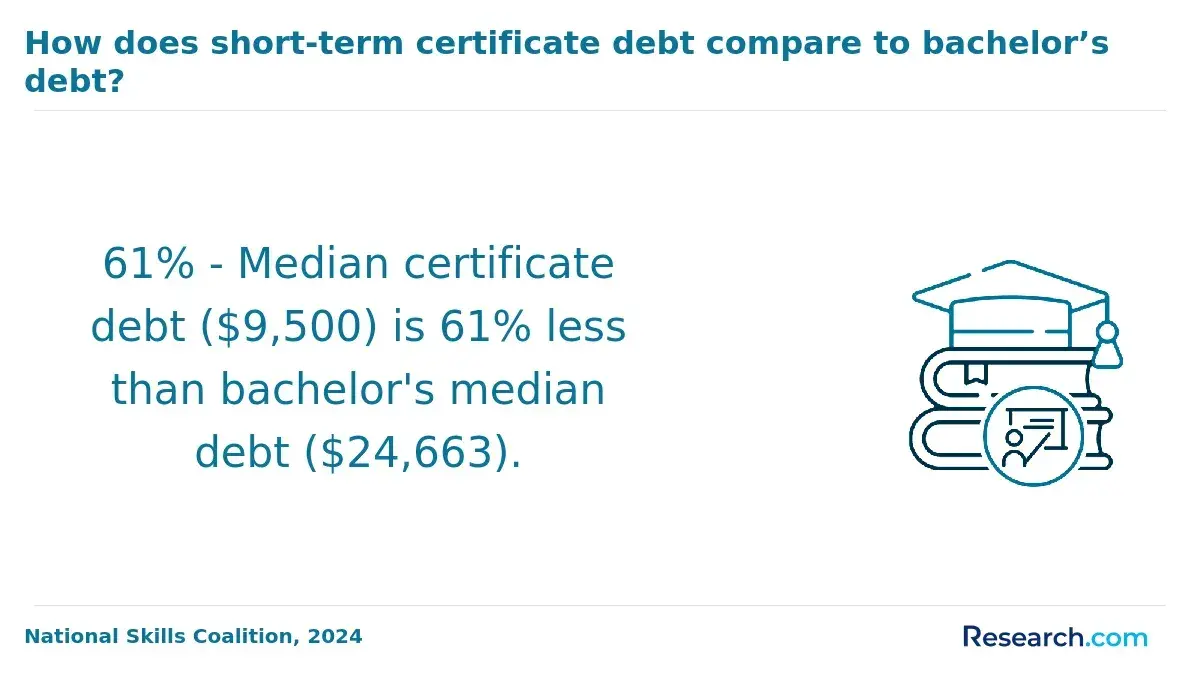
According to the National Association of Colleges and Employers, 61% of employers rate a candidate's major as highly relevant when hiring recent graduates, demonstrating the value they place on aligned academic backgrounds. This figure underscores how crucial it is for degrees to match job requirements.
Important factors employers consider when evaluating entry-level applicants include:
- Academic Credentials: A geosciences degree signals that the candidate has acquired essential theoretical knowledge and practical skills critical for entry-level positions, compensating for limited professional experience.
- Foundational Knowledge: Employers expect familiarity with core scientific concepts, methodologies, and industry-relevant topics like earth systems and environmental science as a basis for effective job performance.
- Skill Development: Coursework and projects often expose students to industry-standard tools and technologies, nurturing problem-solving abilities and analytical thinking valued by employers.
- Soft Skills: Communication, teamwork, and adaptability are key qualities that employers look for, as these help recent graduates integrate smoothly into professional environments.
- Degree Relevance: Hiring managers appreciate candidates whose education aligns with the job's demands, recognizing that on-the-job training can address gaps in direct work experience.
Overall, an online geosciences degree offers a flexible and comprehensive path for career changers to gain necessary skills and meet workforce expectations, even without previous work experience in geology or environmental science.
What Certifications Help Career Changers in Geosciences Fields?
Certifications are valuable for career changers pursuing an online Geosciences bachelor's degree because they validate specific skills and enhance academic knowledge with practical, industry-aligned expertise. These credentials demonstrate targeted competencies that can improve professional credibility and better prepare students for specialized roles.
Over 40% of adults engaged in workforce upskilling have pursued professional certifications or licenses alongside formal education, underscoring their importance in career transitions.
- Certified Professional Geologist (CPG): Offered by the American Institute of Professional Geologists, this credential supports licensure in many states and signals readiness for regulatory, consulting, and professional roles. It complements an online bachelor's degree by validating applied geological skills recognized by employers.
- Geographic Information Systems Professional (GISP): This certification emphasizes expertise in spatial data analysis and geospatial technologies, which are critical in many geosciences specialties. It reinforces GIS skills often included in online curricula through a verified industry credential.
- OSHA Safety Certifications: Crucial for those interested in environmental fieldwork or site assessments, these certifications ensure competency in workplace safety and compliance. They enhance practical readiness for field conditions that geosciences students may encounter.
- Environmental Data Analysis Certifications: These build proficiency in managing and interpreting complex environmental datasets, a key component of many geosciences roles. They support academic learning by focusing on practical data skills.
- Hydrogeological Techniques Certifications: Targeting specialized knowledge in groundwater science, these certifications deepen technical competence that complements general geosciences training in an online bachelor's program.
What Jobs Can I Get After an Online Geosciences Bachelor's Degree?
Career changers often want to know what jobs are attainable after earning an online geosciences bachelor's degree because this credential provides structured training that opens doors to specialized fields.
This degree prepares students with foundational knowledge in earth systems, environmental science, and data analysis, ideal for individuals aiming to shift into a science-based career.
Over 70% of adult learners completing STEM bachelor's degrees transition into new industries within two years, showcasing strong employment potential for online geosciences graduates.
- Environmental Technician: Graduates can pursue entry-level roles involving environmental monitoring, site assessment, and data collection. These positions rely on coursework in geology, hydrology, and Geographic Information Systems (GIS) to address real-world environmental challenges.
- Geological Field Assistant: This role supports fieldwork and research projects, applying practical skills gained through project-based learning. It offers career changers hands-on experience relevant to natural resource management and environmental services.
- Natural Resource Analyst: Analyzing data related to water, minerals, and land resources is key in this position. The online geosciences degree equips students with technical expertise and analytical skills needed to contribute effectively to resource planning and sustainability efforts.
- Laboratory Technician: Some graduates move into laboratory roles supporting research and compliance with environmental regulations. This job enhances problem-solving abilities developed during academic training and provides experience in scientific methods.
- Technical Consultant: Serving as advisors on geological and environmental matters, consultants apply knowledge from their degree to help companies meet regulatory standards and optimize processes.
For those considering career shifts, exploring options like an online MBA no GMAT shows how flexible online degrees can support professional growth across disciplines, similar to geosciences pathways.
The availability of online geosciences degree jobs in the United States offers diverse opportunities, particularly in entry-level careers with a geosciences bachelor's degree where practical skills meet industry demand.
What Is the Job Outlook for Geosciences Careers for Career Changers?
Understanding the job outlook is essential for career changers considering an online Geosciences bachelor's degree, as labor market conditions directly affect long-term planning and specialization choices. An informed perspective helps minimize career risks, especially for those seeking to enter entry-level geosciences jobs for career changers.
The U.S. Bureau of Labor Statistics projects about 5% employment growth for geoscientists over the next decade, mirroring average growth across all fields. This steady demand is linked to ongoing needs in environmental protection, natural resource management, and infrastructure development, which influence workforce opportunities.
The job outlook for geosciences careers is shaped by factors such as fluctuating industry demand, technological innovations, and broader economic trends. Sectors including energy, government, and environmental consulting determine workforce requirements, while advances in geographic information systems (GIS), remote sensing, and data analysis create new expertise areas.
Economic shifts impact funding availability for projects requiring geosciences professionals. Academic preparation through online Geosciences programs provides crucial technical knowledge and flexibility, enabling students to adapt to current scientific methods and stay competitive in changing markets.
Those exploring fields related to geosciences may also consider programs like ASHA accredited SLPA programs as part of their educational research.
What Are the Salary Expectations After Switching to a Geosciences Career?
Professionals transitioning into a geosciences career after earning an online bachelor's degree can typically expect starting salaries ranging from $50,000 to $70,000 per year. This range reflects typical entry-level pay reported by the U.S. Bureau of Labor Statistics for geoscientists holding a bachelor's degree.
While initial experience in the field might be limited, newcomers can build skills quickly through hands-on work and ongoing education. These figures provide a realistic outlook for career changers entering geosciences roles across various industries.
Several key factors shape salary outcomes in geosciences careers. Industry demand varies, with sectors such as environmental consulting, oil and gas, and government agencies offering different compensation levels.
Location plays a role as well. Areas with higher living costs or rich natural resources often provide greater pay.
Additionally, possessing advanced degrees or specialized certifications can enhance earning potential, while transferable skills from prior careers combined with relevant geosciences training further influence entry salaries. Awareness of these elements helps guide informed decisions when pursuing an online geosciences bachelor's degree.
What Graduates Say About Online Geosciences Bachelor's Degrees for Career Changers
- Elias: "Choosing an online geosciences bachelor's degree was a practical decision for me to transition from hospitality to a science-focused career. The affordability and flexibility allowed me to balance studies with my part-time job without financial strain. Since graduating, I've found valuable opportunities in environmental consulting that I hadn't imagined before."
- Robbie: "Reflecting on my experience, pursuing an online geosciences bachelor's was essential for reinventing my professional path after years in sales. The program's structure catered well to career changers, providing a solid foundation without the time commitment of on-campus classes. It's rewarding to see how this degree boosted my credibility and opened doors in the energy sector."
- Xyler: "As someone shifting from teaching to geosciences, the cost-effectiveness of an online degree was a major factor for me. The comprehensive curriculum prepared me thoroughly while allowing me to study remotely. This decision has elevated my career, giving me confidence and new prospects as a geological analyst."
Other Things You Should Know About Geosciences Degrees
Yes, most reputable online geosciences bachelor's degree programs hold regional or national accreditation. Accreditation ensures the program meets established academic standards, which is important for credit transfers, employer recognition, and qualification for graduate studies. Prospective students should verify accreditation status through recognized agencies before enrolling.
Online geosciences programs often offer flexible scheduling, access to academic advising, and tailored resources such as tutoring or career services specifically for adult learners and career changers. Some programs provide bridge courses or foundational classes to help students transition into geosciences from unrelated fields. These supports help ensure students can balance study with other responsibilities.
Many online geosciences programs encourage or require internships and research projects to build practical skills and professional networks. Students may find placements with local environmental agencies, consulting firms, or research institutions. These opportunities allow career changers to gain industry experience, which is valuable for job placement after graduation.
References
- Career Paths You Can Take With a Geology Degree https://career360.snhu.edu/resources/career-paths-you-can-take-with-a-geology-degree/
- The Value of Undergraduate Geoscience Courses and Programs https://nagt.org/nagt/policy/ps-valuegeo.html
- Online Geosciences Degree https://www.snhu.edu/online-degrees/bachelors/bs-in-geosciences
- Working Geoscience https://profession.americangeosciences.org/working/
- What Does the Future Demand Look Like for Applied Geoscientists? https://www.aegweb.org/index.php
- Critical workforce skills for bachelor-level geoscientists: An analysis of geoscience job advertisements | Geosphere | GeoScienceWorld https://pubs.geoscienceworld.org/gsa/geosphere/article/19/2/628/620368/Critical-workforce-skills-for-bachelor-level
- Geoscience - 5 Ways to Explore and Improve Your Career Options https://scitech.viu.ca/earth-science/geoscience-5-ways-explore-and-improve-your-career-options