2027 How Hard Is an Online Geosciences Bachelor's Degree?

Co-Founder and Chief Data Scientist
Many working professionals considering an online geosciences bachelor's degree wonder if the combination of rigorous scientific coursework and remote learning might prove overwhelming. Courses often demand strong skills in calculus, physics, and geographic information systems (GIS), requiring both technical aptitude and effective time management. Balancing a full-time job with study can intensify these challenges. Notably, recent data show that nearly 40% of online STEM undergraduates report difficulties managing lab components virtually.
Understanding these factors is crucial to setting realistic expectations. This article examines the academic demands and practical hurdles of earning an online geosciences degree, guiding prospective students on what to expect and how to succeed.
Key Things to Know About the Difficulty of an Online Geosciences Bachelor's Degree
- Online geosciences programs demand strong self-discipline due to independent study and frequent deadlines, which can challenge students balancing work or family commitments.
- Curricula often include rigorous coursework in physics, chemistry, and calculus, reflecting the discipline's quantitative and scientific nature.
- Program intensity varies widely; some universities offer flexible pacing, while others require synchronous labs and fieldwork, increasing time commitment and complexity.
How Hard Is an Online Geosciences Bachelor's Degree?
Academic difficulty in online geosciences bachelor's degree programs is shaped by several key factors, including program expectations, learning structure, and the overall academic standards set by institutions. These programs typically require students to understand complex interdisciplinary scientific concepts that span geology, environmental science, and earth systems, demanding both theoretical knowledge and practical skills. Learning often occurs through asynchronous lectures, interactive assignments, and virtual labs, which test critical thinking and analytical abilities. According to the National Center for Education Statistics, about 58% of students enrolled in online undergraduate programs complete their degrees within six years, reflecting the commitment needed for success in such courses.
The challenges of earning an online geosciences bachelor's degree vary notably due to differences in institutional rigor, curriculum design, and student experiences. Some schools prioritize scientific inquiry and quantitative analysis, while others emphasize applied environmental topics, affecting how hard the program feels. Perceived difficulty is also influenced by factors like individual preparation, motivation, and the quality of online instruction. Prospective students can explore related fields and options by researching ai degree programs to weigh pathways that fit their goals and academic strengths.
What Is the Workload and Time Commitment for an Online Geosciences Bachelor's Degree?
Prospective students considering an online geosciences bachelor's degree must carefully evaluate workload expectations to align their academic and personal commitments effectively. This understanding helps set realistic goals for managing the time commitment required for an online geosciences degree program. According to data from the National Survey of Student Engagement, full-time undergraduates often spend about 34 hours per week on academic activities, with many online learners reporting similar or even higher engagement levels.
The following key points highlight essential aspects of workload and scheduling in online geosciences degree programs:
- Academic Pacing: Programs vary widely, with some offering self-paced coursework while others adhere to structured semester or quarter timelines, influencing weekly time demands.
- Time Commitment: Full-time students typically dedicate 12 to 15 credit hours each semester, translating to roughly 36 to 45 hours per week engaging in lectures, labs, readings, and research projects.
- Course Structure: Workload may include a mix of synchronous sessions requiring live attendance and asynchronous components that offer flexibility but demand strong self-discipline and time management.
- Institutional Variation: Differences among schools affect course expectations, virtual lab access, and fieldwork requirements, all of which impact overall workload intensity.
- Effective Planning: Balancing coursework with personal and professional responsibilities necessitates solid time management skills to handle the rigorous demands typical of a scientific discipline.
Students interested in exploring cost-effective options might consider reviewing the cheapest online college bachelor degree listings for programs that match their goals and workload capacity.
How Difficult Are the Courses in a Geosciences Bachelor's Degree?
Evaluating course difficulty is crucial for students considering an online geosciences bachelor's degree, as it affects workload and academic planning. Nationally, about 62% of undergraduates complete their bachelor's degrees within six years, highlighting the demanding nature of many programs. The following points outline the core aspects influencing academic rigor in these degrees.
- Curriculum Rigor: Online geosciences programs feature a structured curriculum that progresses from fundamental topics like introductory geology to advanced subjects such as geophysics and environmental geology, requiring increasing mastery of complex concepts.
- Subject Complexity: The coursework blends theoretical knowledge with practical applications, often involving quantitative analysis and scientific reasoning that challenge students to deeply understand earth sciences.
- Assessment Variety: Evaluations typically include written exams, research projects, and applied fieldwork simulations, designed to test both conceptual understanding and real-world problem-solving skills.
- Institutional Differences: Programs vary in their approach and depth, so course difficulty can differ depending on the institution's curriculum design, resources, and academic standards.
- Skill Development: As students advance, they must integrate critical thinking, data interpretation, and laboratory techniques, reflecting a curriculum that builds progressively in complexity and demands.
When asked about course difficulty, a graduate from an online geosciences bachelor's program described the experience as "intense but rewarding." He explained that managing simultaneous lab assignments and preparing for comprehensive exams required disciplined scheduling. The virtual labs, though challenging due to limited hands-on interaction, pushed him to become proficient in data analysis software. He also recalled moments of self-doubt but noted that overcoming difficult research projects boosted his confidence and deepened his passion for the subject.
Is Online Learning Harder Than In-Person for Geosciences Programs?
Comparing online and in-person learning for geosciences bachelor programs reveals that perceived difficulty is shaped more by academic design and instructional methods than the delivery format alone. Traditional in-person courses emphasize hands-on labs and fieldwork, creating immersive experiences that can clarify complex concepts but demand fixed schedules. Conversely, online courses often use virtual labs and asynchronous content, enabling flexibility while maintaining rigor. Research from the U.S. Department of Education shows students in online settings performed slightly better, with a 0.04 standard deviation advantage, indicating that online programs can be equally or more effective in student outcomes related to geosciences programs comparative analysis.
Differences in difficulty often arise from course structure, assessment styles, and student learning environments. In-person programs rely on real-time interaction and physical experiments, while online curricula frequently feature quizzes, projects, and written assignments to assess understanding. These institutional and structural factors influence the challenges students face in online geosciences degree versus traditional classroom settings. Students interested in exploring financial aspects might also consider factors such as construction management degree cost when comparing educational paths.
How Flexible Is an Online Geosciences Bachelor's Degree for Working Students?
Flexibility plays a vital role for working students pursuing an online geosciences bachelor's degree, as many juggle jobs, family, and education simultaneously. Convenient access to course materials and adaptable schedules greatly influence students' ability to keep pace and complete their degrees. Over 60% of online undergraduate students hold full-time jobs, highlighting the need for programs tailored to diverse time demands.
Several features contribute to this flexibility in geosciences programs:
- Learning Format: Students often have access to asynchronous lessons, allowing them to engage with content at any time, while some programs offer recorded sessions for later review to accommodate varying schedules.
- Scheduling Options: Enrollment choices such as part-time status and multiple start dates throughout the year provide working students the ability to begin or pause studies as needed.
- Pacing Variability: Some institutions allow self-paced progress, enabling acceleration or deceleration according to work commitments, whereas others stick to fixed semester timelines with firm deadlines.
- Program Differences: Variations include virtual labs, fieldwork requirements, interactive forums, and live support, which can impact how students arrange their study periods and manage coursework.
- Accessibility Features: Mobile-friendly platforms and round-the-clock technical help create a more supportive environment for learners balancing complex routines.
When asked about her experience, a student of an online geosciences bachelor's degree reflected on the balancing act required. She shared that, "Juggling a full-time job and school wasn't easy, especially when unexpected work deadlines appeared." However, the option to watch lectures late at night or on weekends was invaluable. She appreciated the ability to slow down during hectic periods without falling behind and found that occasional live discussions helped her stay connected and motivated. This blend of structure and adaptability ultimately made it possible to maintain her professional responsibilities while continuing her education successfully.
What Skills Do You Need to Succeed in an Online Geosciences Program?
Prospective students weighing an online geosciences bachelor's degree should recognize the distinct skills needed to navigate this remote learning environment effectively. These competencies shape a student's ability to manage academic responsibilities without traditional classroom support. Research by the Online Learning Consortium in 2023 reveals that learners with robust time management practices experience a retention rate 40% higher than those lacking these skills.
Key abilities that contribute to success in an online geosciences program include:
- Time Management: Online formats require students to independently balance assignments, virtual labs, and study periods. Without real-time supervision, effectively organizing workload is vital to keep up with demanding course material.
- Self-Directed Learning: Students must proactively engage with challenging topics like earth systems and mineralogy. This skill enables exploration beyond provided materials, fueling deeper understanding through virtual simulations and readings.
- Digital Literacy: Familiarity with learning platforms, specialized software, and research tools is essential. Proficiency in these areas streamlines assignment completion and enhances analysis of scientific data relevant to geosciences.
- Communication Skills: Clear, professional interaction in discussion forums, emails, and group projects supports collaboration and clarifies complex geological concepts. This fosters a productive online academic community.
- Academic Discipline: Success demands consistent focus, critical thinking, and precise study habits. Maintaining dedication to long-term educational goals helps students tackle the challenging curriculum effectively.
Is a Geosciences Bachelor's Degree Harder Than Other Majors?
Students comparing the difficulty of a geosciences bachelor's degree to other majors often consider how academic rigor differs across fields. These perceptions influence expectations about workload and learning challenges ahead. A survey by the National Center for Education Statistics found that STEM majors, including geosciences, generally receive higher difficulty ratings and have lower completion rates than humanities or social science majors. This data highlights the distinctive demands faced by students in scientific disciplines.
The academic challenge in geosciences arises from a curriculum that integrates multiple sciences such as chemistry, physics, biology, and mathematics, requiring a broad foundation. Majors differ in subject complexity, with geosciences involving spatial thinking, mixed data analysis, and specialized terminology. Assessment formats also vary, often combining exams, lab reports, research projects, and fieldwork. Additionally, academic standards and available resources at institutions can influence how rigorous a program feels, emphasizing structural differences rather than simple rankings of difficulty.
What Challenges Do Students Face in Online Geosciences Bachelor's Degrees?
For students considering an online geosciences bachelor's degree, recognizing the common challenges in online geosciences programs helps set realistic expectations about academic demands and learning environments. This knowledge enables prospective students to better evaluate whether such programs fit their individual study habits and career goals. Below are some significant academic obstacles for online geosciences students to be aware of.
- Autonomous Learning: Students must independently organize their study schedules and process complex materials without the immediate support of instructors or peers. This level of self-discipline can be challenging, especially for those new to less structured educational settings.
- Time Management: Balancing coursework with personal and professional commitments is critical, as asynchronous formats offer flexibility but can also lead to procrastination. Effective prioritization is essential to prevent falling behind.
- Digital Platform Navigation: Proficiency in diverse learning management systems and specialized software for virtual labs and data analysis is necessary. Technical challenges can arise for students less familiar with these tools, complicating engagement with coursework.
- Academic Workload: The rigorous curriculum involves understanding complex scientific concepts, interpreting quantitative data, and completing practical assignments like virtual fieldwork. These challenges often surpass typical general education subjects in difficulty.
- Institutional Support Variation: Support services such as advising and tutoring differ widely between programs, affecting students' ability to manage academic pressure and succeed. Access to strong virtual resources can significantly impact the student experience.
Those weighing their options for an online degree might also consider programs like a cheap project management degree online, depending on their career interests and needs.
What Support and Resources Are Available for Online Geosciences Bachelor's Students?
Support systems are critical for students pursuing an online geosciences bachelor's degree due to the self-directed nature of online learning and the technical complexity of the coursework. Research indicates that institutions with comprehensive student support services experience retention rates approximately 10-15% higher than those without such resources. These resources ensure students can effectively navigate academic challenges and remain engaged throughout their studies.
- Academic Advising: Personalized guidance tailored to online geosciences degree student support services helps students select courses aligned with their career goals and manage their academic workload, improving their chances of timely degree completion.
- Digital Learning Tools: Interactive simulations, virtual field trips, and specialized software are designed to enhance understanding of complex earth science phenomena and facilitate hands-on learning in a virtual environment.
- Institutional Support Services: Access to online tutoring, writing centers, and digital libraries adapted for remote learners provides essential academic assistance tailored to the unique demands of online geosciences bachelor's programs.
- Peer Collaboration: Discussion forums, group projects, and study networks encourage interaction and knowledge sharing among geographically dispersed students, fostering a sense of community and teamwork.
- Career Counseling: Internship placement support and career advising are integral for preparing students to enter a competitive job market upon graduation, ensuring practical experience and professional readiness.
Prospective students interested in exploring further education options may also consider exploring recognized resources such as online colleges for military, which offer tailored support systems for diverse learner needs.
Is an Online Geosciences Bachelor's Degree Worth the Effort?
Prospective students often hesitate to pursue an online geosciences bachelor's degree due to concerns about the academic demands and time involved. Many weigh the effort against potential career outcomes, especially since employment rates for geoscience graduates average around 85% within a year of completion. The perceived challenge of balancing coursework with other responsibilities further influences their decision. Ultimately, questions about whether the degree offers a worthwhile return on investment are common among candidates.
The value of an online geosciences degree largely depends on factors such as program accreditation, curriculum rigor, and relevance to evolving job market needs. Accredited programs tend to maintain comprehensive standards, ensuring students gain essential theoretical knowledge and practical skills. Additionally, alignment with workforce requirements in environmental consulting, energy, and research sectors enhances employment prospects. While the degree demands consistent effort, its educational structure aims to prepare graduates adequately for professional roles.
What Graduates Say About How Hard Is an Online Geosciences Bachelor's Degree
- Ellie: "Choosing an online geosciences bachelor's degree was initially about flexibility-I needed a program that fit around my full-time job. The coursework was definitely challenging, especially when it came to mastering complex data analysis and field simulation modules remotely. However, the ability to connect with industry professionals through virtual internships truly expanded my career opportunities in environmental consulting."
- Quentin: "Studying geosciences online required a lot of self-discipline; I often had to motivate myself to stay on top of lab reports and readings without in-person support. Despite the hurdles, the program's interactive platforms and peer collaboration tools helped me bridge gaps in understanding. Now, working in geological surveying, I appreciate how the skills I gained online translate directly to fieldwork and real-world problem-solving."
- Jace: "I pursued an online geosciences bachelor's degree to balance family commitments while advancing my education. The most demanding part was adapting to virtual labs and ensuring I had access to necessary software and resources from home. This degree has been instrumental in my career growth, allowing me to transition into a role where I apply remote sensing and spatial analysis every day with confidence."
Other Things You Should Know About Geosciences Degrees
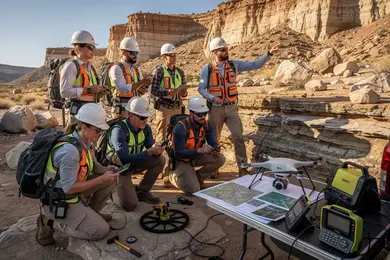
In 2027, online geosciences programs typically offer virtual simulations and locally arranged fieldwork projects to manage this component. While lacking the immersive experience of traditional field trips, these methods ensure students develop essential observational and data collection skills effectively.
Quantitative skills such as statistics, data analysis, and mathematics are crucial in geosciences. Students must be comfortable handling numerical data and using analytical tools to interpret geological phenomena. Weaknesses in these areas can increase the difficulty of coursework and project completion.
Online students often need to adapt to virtual labs or complete lab requirements through remote kits or local facilities. The lack of hands-on interaction with equipment can make mastering some practical skills more difficult compared to traditional programs. Nonetheless, many schools design their labs to simulate real-world conditions effectively through technology.
Geosciences combines elements of biology, chemistry, physics, and environmental science, requiring students to integrate knowledge from multiple disciplines. This breadth can increase academic complexity but also provides diverse learning opportunities. Success depends on a student's ability to synthesize information across these fields.
References
- Online vs in-person study: which one is right for you? https://www.ube.ac.uk/whats-happening/articles/online-vs-in-person-learning/
- World's Largest platform as University Common Application https://www.planstudyabroad.uniagents.com/course-details.php
- Should You Go to Grad School Online or In Person? https://www.ets.org/grad-school-journey/online-vs-in-person.html
- EXPLORING ONLINE LEARNING IN GEOSCIENCE EDUCATION: CHALLENGES, OPPORTUNITIES, AND FUTURE DIRECTIONS https://gsa.confex.com/gsa/2024AM/meetingapp.cgi/Paper/405494
- Section 4. Skills Framework https://graduate.americangeosciences.org/report/section-4/
- 2023 Most Popular Online Geological & Earth Sciences Bachelor's Degree Schools - Course Advisor https://courseadvisor.com/majors/physical-sciences/geological-and-earth-sciences/rankings/most-popular-online/bachelors-degrees/
- Geosciences Bachelors Degree (BS) https://www.nextstudent.com/accelerated-degrees/geosciences-bachelors-degree/
- Studying online vs in person - MSc/PhD Advice 19393 https://www.masterscompare.co.uk/advice/studying-online-vs-in-person/19393
- 2025 Best Online Bachelor's in Geoscience Degrees https://www.degreeplanet.com/geoscience-degree-online/
- Online Geosciences Degree https://www.snhu.edu/online-degrees/bachelors/bs-in-geosciences